
REVIEW · MADRID
Ticket Entrance to the Madrid Nougat Museum
Book on GetYourGuide →Operated by MUSEO DEL TURRON SL · Bookable on GetYourGuide
If you like your Spain with a side of science, this is for you. The Madrid Nougat Museum 1880 turns turrón into a hands-on story, starting with the almond and ending with a tasting that includes several classic varieties. Two things I really like: the way the museum explains how Jijona-style nougat connects to almonds and local production, and the fact that your entry isn’t just reading—it’s also tasting.
One thing to keep in mind is that the experience can feel more like a museum walk-through plus shop tasting than a long, formal guided show. Also, a couple of past visitors reported delays when things weren’t ready on arrival, so it helps to build in some buffer if you have tight plans.
In This Review
- Key things to know before you buy
- Madrid Nougat Museum 1880: What Your $5 Ticket Really Covers
- Price reality check
- Finding Casa 1880: The Shop-First Meeting Point
- Entering the Museum: Start With the Almond
- What to look for while you walk
- Jijona Nougat History and the “Why” Behind Christmas Dates
- The turroneros costumes: small detail, big meaning
- How the Museum Sets Up Your Tasting (So It Feels Like Part of the Lesson)
- A practical note on expectations
- The Value Angle: For Food Lovers on a Budget
- Who gets the most out of it
- The Mixed Experience Factor: Planning Around Timing and Format
- Practical Tips for a Smooth Visit
- Should You Book This Ticket Entrance to the Madrid Nougat Museum?
- FAQ
- What is the ticket for?
- Where is the meeting point?
- How much does it cost?
- How long is the experience?
- What do I get in the tasting?
- Is there a guided tour included?
- What topics does the museum cover?
- What language is the experience in?
- Can I get a refund if I cancel?
- Can I reserve now and pay later?
Key things to know before you buy
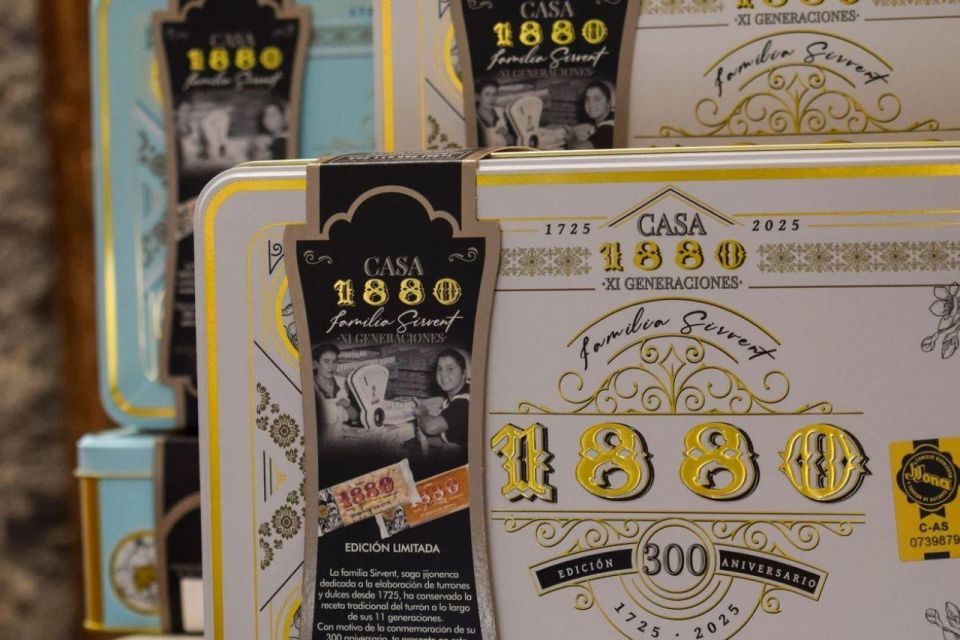
- One of the only historical references highlighted for how Jijonenco turrón is made
- Focus on Jijona’s technological and economic story, not just the dessert itself
- Clear explanations of the almond journey from flowering and dried fruit to nougat
- Learn why it’s eaten at major dates and how it ties to the Jijona Designation of Origin
- You’ll see the evolution of turroneros clothing since the 18th century
- Your ticket includes a nougat tasting featuring several products sold at Casa 1880
Madrid Nougat Museum 1880: What Your $5 Ticket Really Covers

For around $5 per person, you’re buying entry to the Nougat Museum 1880 and a tasting. That’s the key value here: you’re not paying just to look at displays. You’re paying to learn the story of Jijona turrón and then taste multiple products related to it.
The “1 day” wording matters too. It means this isn’t a timed, hour-by-hour itinerary that locks you into one strict schedule. You select a time, then you can make use of the visit according to starting times available.
If you’re the kind of traveler who enjoys food history but gets impatient with lectures, this works well. The museum experience is designed around information panels and a clear route through materials about almonds, nougat, and production in Jijona.
You can also read our reviews of more tours and experiences in Madrid



Price reality check
At this price, I’d treat the tasting as part of the deal and the museum as the bonus. If you’re expecting a high-production, stage-style performance, temper that. If you’re happy with a self-paced read-through plus a guided-informational feel when you need it, you’ll likely feel good about the value.
Finding Casa 1880: The Shop-First Meeting Point
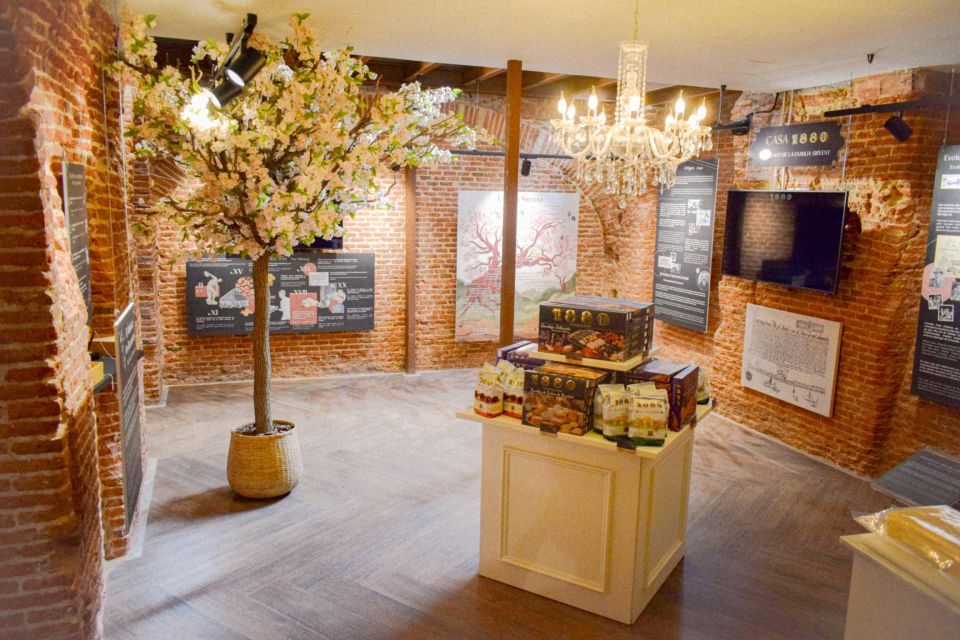
Your meeting point is the Tienda / Shop Boutique Casa 1880. In practice, this means you’re not starting in a hidden back alley museum entrance. You’re starting at the shop that sells the sweets, which is a smart setup—this museum is tied to the production world, not sealed off from it.
That also changes how you should plan. Arrive with the idea that the museum experience and the shop experience are connected. You’ll tour the museum’s areas, then reach the tasting portion tied to the products sold there.
Tip I’d follow: go early enough that you can get oriented without rushing. Even when everything is running smoothly, you’re going to want a few minutes at the beginning to choose where you want to start reading.
Entering the Museum: Start With the Almond
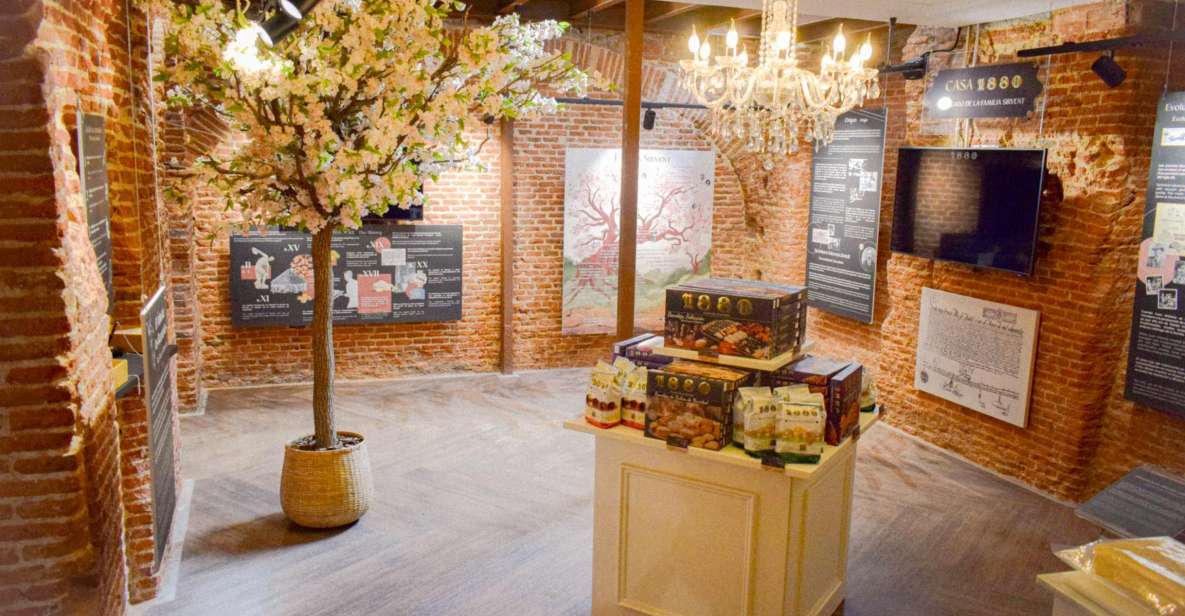
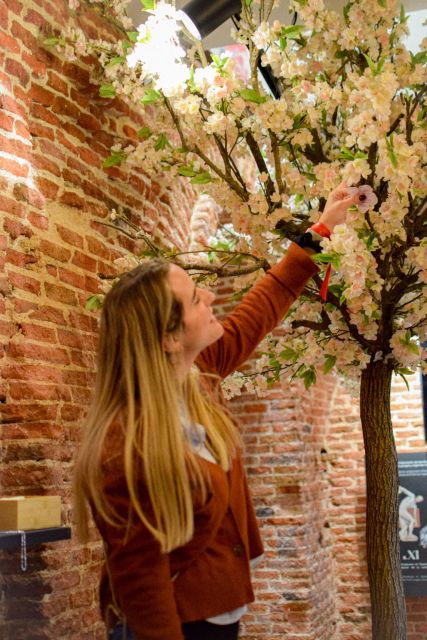
The visit starts with an important cue: begin with the almond, the protagonist of this whole dessert world. The museum gives you information panels that cover flowering of the almond tree and then the dried fruit journey that leads toward nougat.
I like this structure because it stops people from treating nougat like a mystery block. You learn that what you’re tasting has a chain of steps behind it, and the almond isn’t just a flavor—it’s the engine.
As you move through the museum, you’re also building a mental map for what you’ll taste later. Almond-forward sweets make more sense once you’ve seen how the museum frames that ingredient from the start.
What to look for while you walk
- Read the almond panels slowly. They’re short, but they add context fast.
- Notice how the museum links agriculture to the final product, so the tasting doesn’t feel random.
You can also read our reviews of more museum experiences in Madrid





Jijona Nougat History and the “Why” Behind Christmas Dates
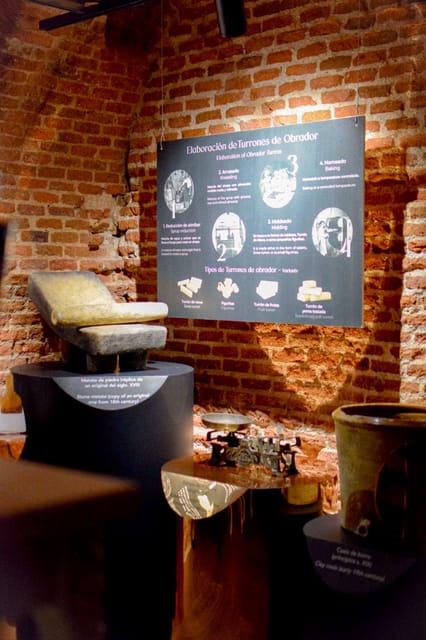
After the almond foundation, you move into the broader story of nougat: its history, why it’s consumed on key dates, and what makes Jijona-style turrón distinctive.
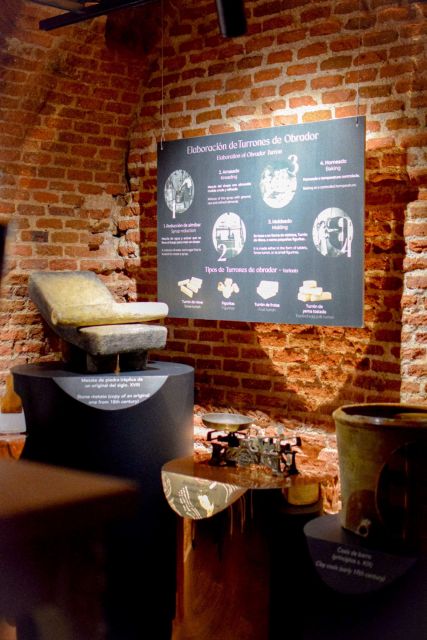
One of the standout curatorial choices is that the museum isn’t limited to romance and tradition. The focus includes the technological and economic history of Jijona linked to nougat. For me, that’s where food history gets real. You start to see how a regional product is shaped by work, tools, trade, and the local way of doing things—rather than just recipes and legends.
You’ll also learn about the exclusive production under the Jijona Designation of Origin. That matters because it turns a Christmas sweet into something with boundaries and standards. It’s not just marketing; it’s part of how the region protects identity.
The turroneros costumes: small detail, big meaning
A fun and surprisingly useful stop is the museum’s look at typical clothing of the turroneros, including how it evolved since the 18th century.
This isn’t just costume trivia. It signals that nougat production historically had its own working world. When you see the evolution of the clothing, you get a visual reminder that food making is labor, skill, and culture—not only ingredients.
How the Museum Sets Up Your Tasting (So It Feels Like Part of the Lesson)
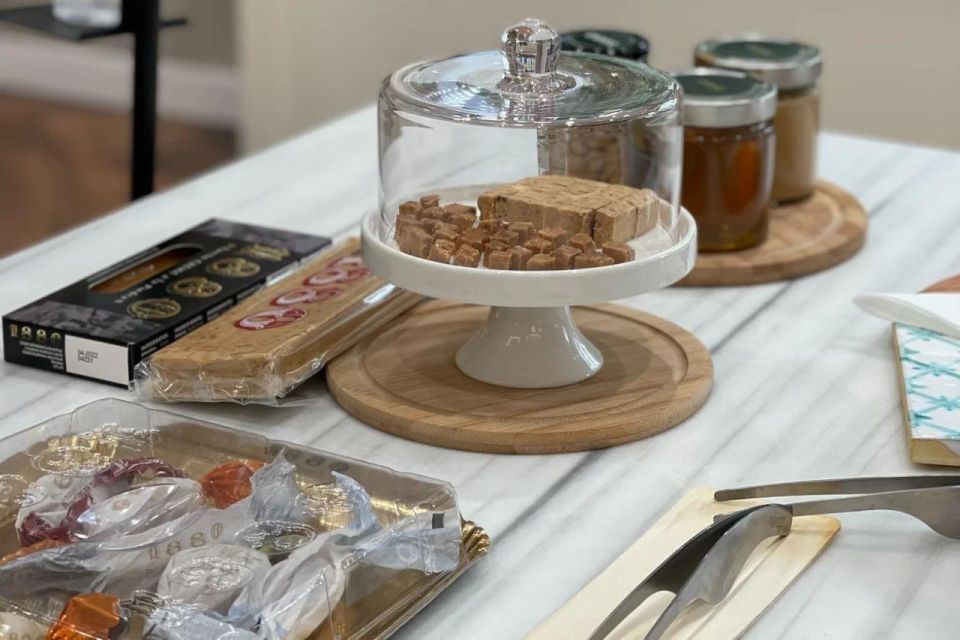
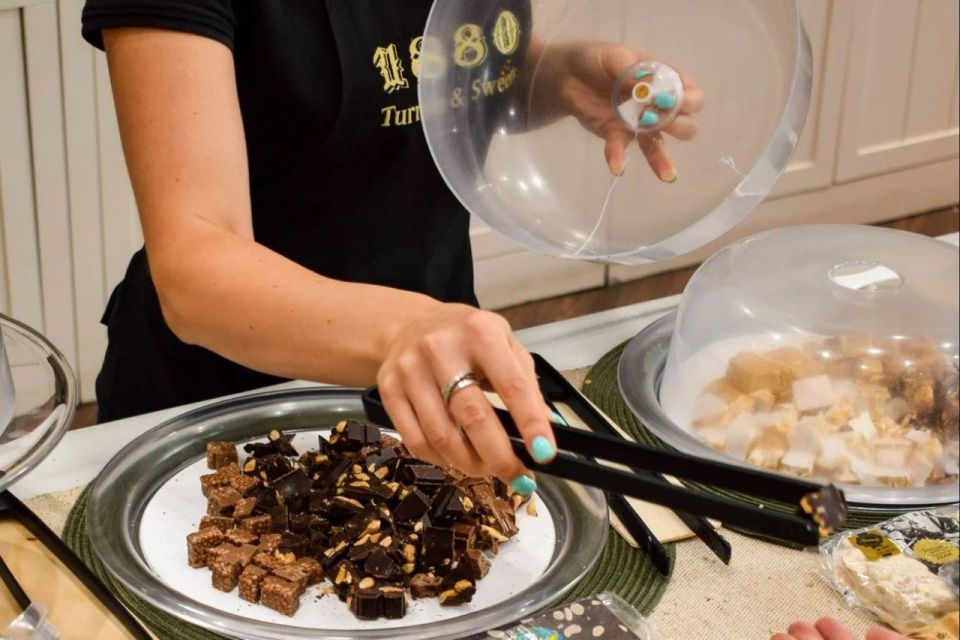
The tasting comes at the end of your route. You’re offered nougat and related sweets sold at the 1880 Turrón Museum.
From the information you’re given, expect tasting items including:
- Jijona
- Egg yolk or chocolate nougats
- Marzipan
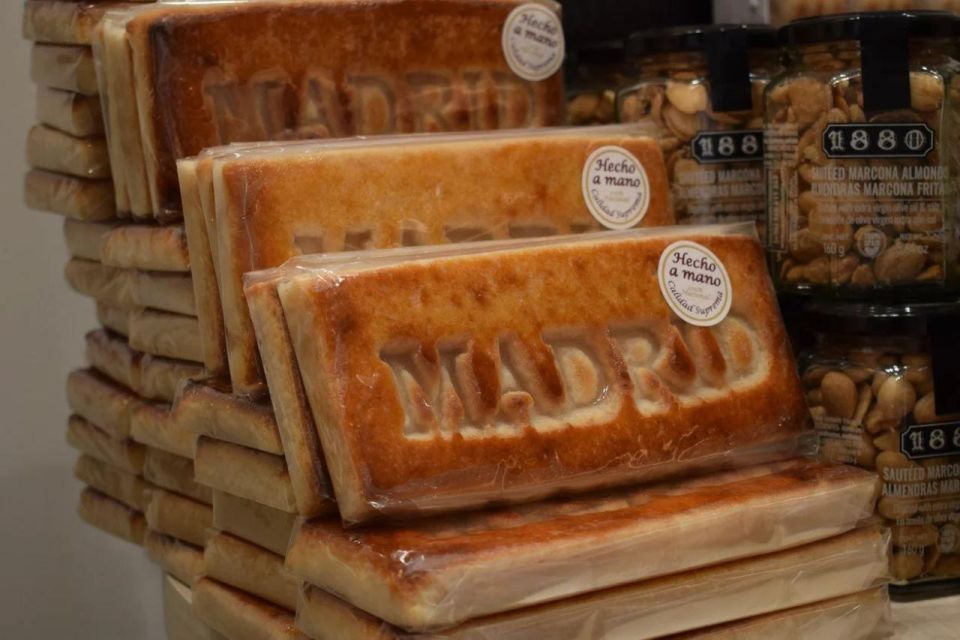
- Polvorones
I like that mix because it gives you a broader Spanish Christmas sweets view, not just one narrow item. You’ll be able to compare textures and flavor directions: almond-forward turrón versus other nougat styles, then the marzipan side, then the crumbly polvorón.
A practical note on expectations
Not everyone feels the same about the tasting setup. One downside signal I’d take seriously: some people felt the “tasting” happens in the shop context tied to entry, rather than as a separate, long museum segment. If you’re the kind of traveler who wants a guided tasting moment with deep explanation, consider arriving with that expectation and be ready for a simpler format.
Still, the included items are exactly the kind of range that makes a low-cost ticket feel worth it.
The Value Angle: For Food Lovers on a Budget
This is one of those Madrid food experiences that doesn’t require a big budget to be satisfying. For $5, you’re getting:
- Museum entry to learn about almonds, Jijona turrón, and production
- A tasting that includes multiple sweets
If you’re pairing this with a winter market visit, a Christmas shopping stop, or a general food walking day, it fits nicely. It also works if you want a compact activity—this isn’t a multi-hour museum marathon unless you choose to linger at the panels.
Who gets the most out of it
This ticket is best for you if:
- You like food history explained in a straightforward way
- You’re curious about Jijona and the idea of a protected designation
- You want an experience that ends with something you can actually taste
If you need big, famous-art-level museum scale, you might find it smaller than expected. But for specialty food culture, it’s a targeted win.
The Mixed Experience Factor: Planning Around Timing and Format
My advice here is simple: treat this as a short, sweet-focused stop with a tasting at the end, not a guaranteed long performance.
There have been reports of the museum not being ready right when someone arrived, causing a wait. That doesn’t mean it happens every time, but it does mean you shouldn’t schedule it as the single keystone of your day if you’re on a strict clock.
Also, there’s some signal that parts of the experience may feel more like reading and shop tasting than a fully scripted guided show. If you value heavy narration, ask when you arrive what kind of guide support you can expect in the space.
Practical Tips for a Smooth Visit
A few small moves can make this feel more enjoyable:
- Go with a mindset of learning one ingredient story (almonds) and then one region story (Jijona).
- Plan to spend time reading panels, especially the almond section and the Jijona Designation of Origin part.
- Don’t rush the tasting. Even at a short museum, the tasting is where your learning clicks.
- Since the museum language listed is Spanish, if you don’t speak much Spanish, rely on the visuals and panel explanations you can read.
Should You Book This Ticket Entrance to the Madrid Nougat Museum?
Yes, I’d book it if you want a low-cost, food-focused activity that teaches you why Jijona turrón matters and then lets you taste it in several forms. The included tasting makes the price feel fair, and the museum’s almond-to-Jijona logic gives you something to take home besides sweetness.
I’d be more careful if you’re expecting a long guided production or a very polished, always-on schedule. If you want maximum certainty, give yourself a little time cushion and be open to a more shop-connected experience.
If that sounds like your style, this is an easy yes for a Madrid day.
FAQ
What is the ticket for?
It’s entrance to the Nougat Museum 1880 in Madrid, plus a nougat tasting.
Where is the meeting point?
The meeting point is at Tienda / Shop Boutique Casa 1880.
How much does it cost?
The price is $5 per person.
How long is the experience?
It’s listed as 1 day (with starting times based on availability).
What do I get in the tasting?
The tasting includes products such as Jijona, egg yolk or chocolate nougats, plus marzipan and polvorones.
Is there a guided tour included?
You can take a free tour of the museum areas once you access the site.
What topics does the museum cover?
It covers the history of nougat, reasons it’s eaten on important dates, Jijona production under the Jijona Designation of Origin, and the evolution of turroneros clothing since the 18th century.
What language is the experience in?
The listed language is Spanish.
Can I get a refund if I cancel?
Yes. Cancel up to 24 hours in advance for a full refund.
Can I reserve now and pay later?
Yes. The option listed is reserve now & pay later (paying nothing today).