REVIEW · MADRID
Madrid: Reina Sofía Museum Entrance Ticket
Book on GetYourGuide →Operated by GetYourGuide Tours & Tickets GmbH · Bookable on GetYourGuide
Modern art and one giant painting in one stop.
I like this ticket because it helps you get inside fast and spend your time looking, not waiting. I also love the lineup: Picasso’s Guernica, a strong stretch of Salvador Dalí, and Joan Miró, all built around 20th-century Spanish art. One drawback to keep in mind: the museum can feel confusing to navigate, and on some days certain floors may be less exciting or even not on view.
With a full-day pass, you can take your time. You get access to more than 21,000 works in the main building, and the museum mixes painting with photography, film, sound, and dance ideas. The best approach is simple: go in with a plan for the highlights, then wander where your curiosity pulls you.
In This Review
- Key things to know before you go
- What this Reina Sofía ticket is really for
- Price, ticket value, and how long to plan
- Meeting point: the Nouvel courtyard at Ronda de Atocha
- Inside the museum: what you’ll actually see
- Picasso’s Guernica: yes, it earns the hype
- Salvador Dalí: lots of canvases, including the infamous title
- Joan Miró: bright, primary-color energy
- A wider map of 20th-century Spanish art
- Navigation and the most common practical frustrations
- Audio guide: worth it for sense-making
- Temporary exhibitions and why your day might change
- Hours, free times, and closure dates (so you don’t get shut out)
- Rules that affect your visit comfort
- Who should book this ticket (and who should consider another plan)
- Should you book this Reina Sofía entrance ticket?
- FAQ
- What’s included with the Reina Sofía ticket?
- Is the audio guide included?
- How long can I stay with this ticket?
- Where do I meet to enter the museum?
- Are temporary exhibitions included?
- What are the museum hours and closure days?
- When is the museum free?
- What items are not allowed?
- What if I need accessibility help?
- What’s the cancellation policy?
Key things to know before you go
- Guernica is the headline, and it is moving in person, not just in photos.
- Dalí and Miró are major here, including Dalí’s El gran masturbador.
- Navigation can be tricky, so give yourself extra time to find your rhythm.
- Some floors may be closed or light, so don’t assume every level will wow you.
- Audio guide is optional, and it costs extra at the museum (about €4.50).
- No line stress is the point of buying ahead, especially at busy times.
What this Reina Sofía ticket is really for
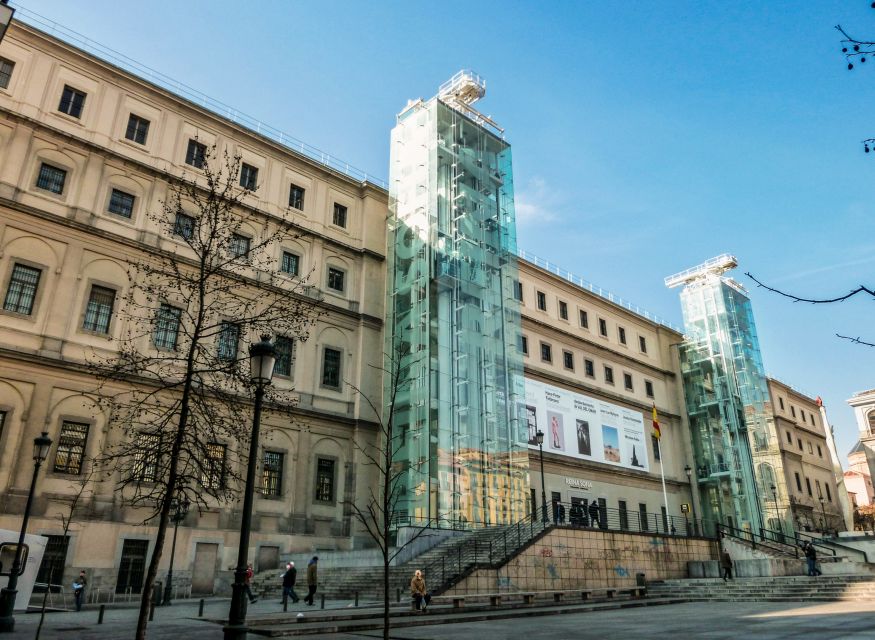
This is a straightforward ticket to one of Madrid’s key modern-art stops: the Centro de Arte Reina Sofía. If you want the big names of Spanish 20th-century art in one place, this ticket is built for that goal. Picasso’s Guernica is the magnet, but the museum’s strength is how it puts multiple art movements side by side.
You’re paying for time-saving more than anything else. At busy hours, walking up without a plan can mean standing around while the clock keeps moving. With a ticket set up for entry, you’re aiming to spend your energy in galleries, not in queues.
The value also comes from the sheer scale. The main building has more than 21,000 works on display with a full-day pass. That matters if you’re the type who enjoys reading labels, catching themes, and drifting back to what you liked instead of rushing through.
You can also read our reviews of more tours and experiences in Madrid



Price, ticket value, and how long to plan
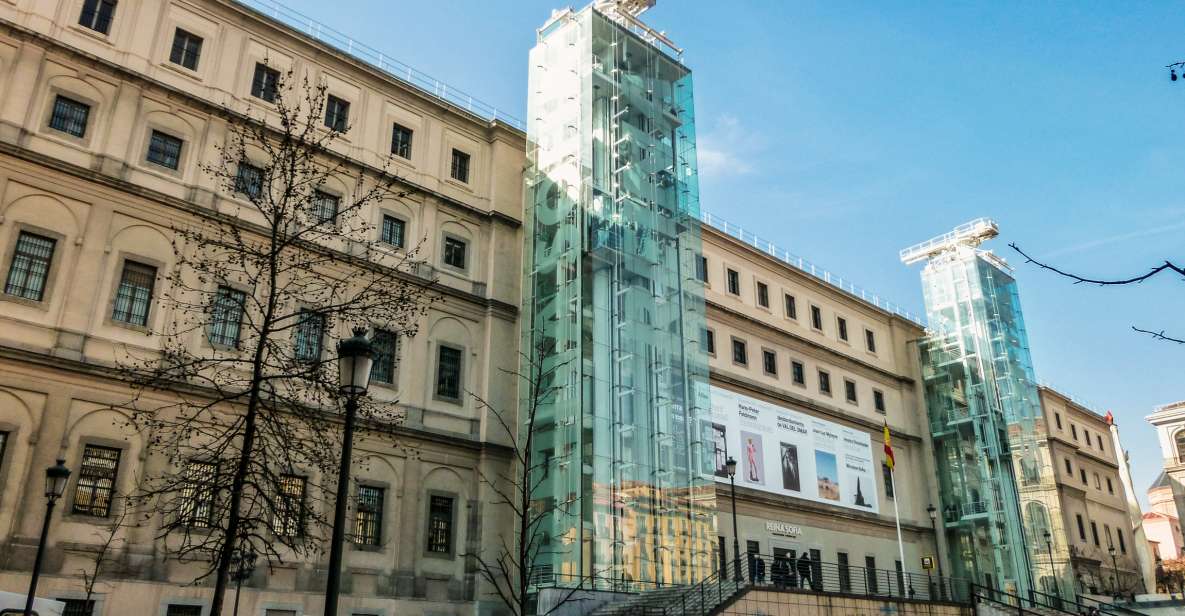
The price is listed at $14 per person, plus a booking and handling fee. That sounds simple, but the real value is what you get for that money: timed entry to a world-class museum that includes Guernica, plus major Dalí and Miró works. In plain terms, you’re buying fewer headaches and better use of your time.
The ticket is valid for 1 day, and you should check availability for starting times. Think of it like a window to enter and start your day. Once you’re in, you can move at your own pace.
How long should you plan? In practice, you’ll likely want about half a day to a full day, depending on how much you read and whether you like to circle back to favorites. If you only care about the headline works, you can still do a satisfying visit. If you want to connect themes across painting, film, and other media, give yourself more room.
Meeting point: the Nouvel courtyard at Ronda de Atocha
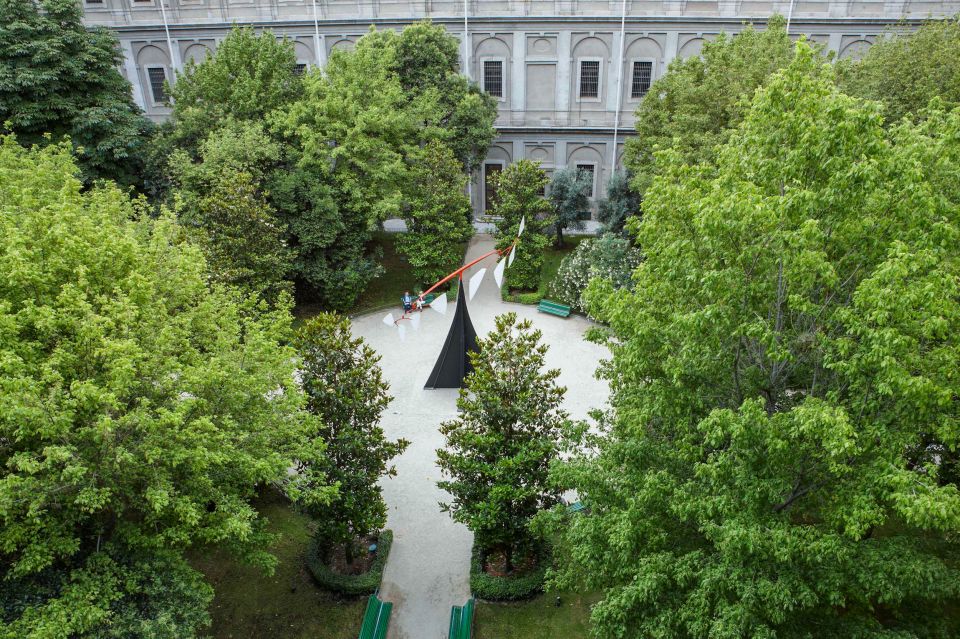
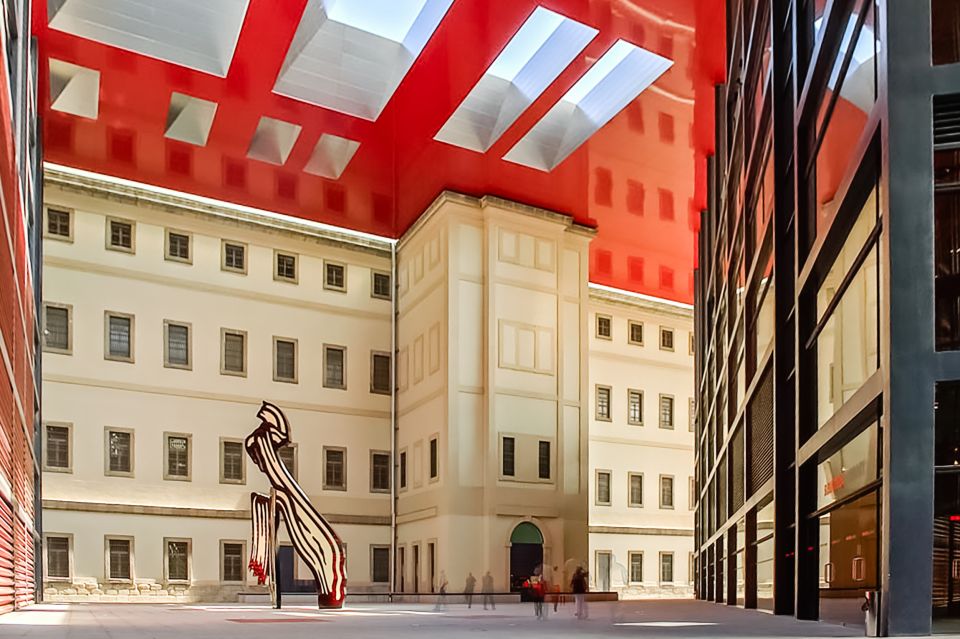
Your starting point is the access to the museum through the Nouvel courtyard, at Ronda de Atocha nº2. That courtyard setup can be helpful because it gives you a clear reference point before you start walking inside and finding the galleries.
Plan to arrive a few minutes early. Even with tickets that reduce line time, you still want a calm entry so you can get oriented without rushing. The museum is busy enough that getting your bearings fast helps.
Also note that the activity ends back at the meeting point. That doesn’t mean you have to leave right away, but it’s a reminder that you should treat this as an independent museum visit with an easy start-and-finish.
Inside the museum: what you’ll actually see
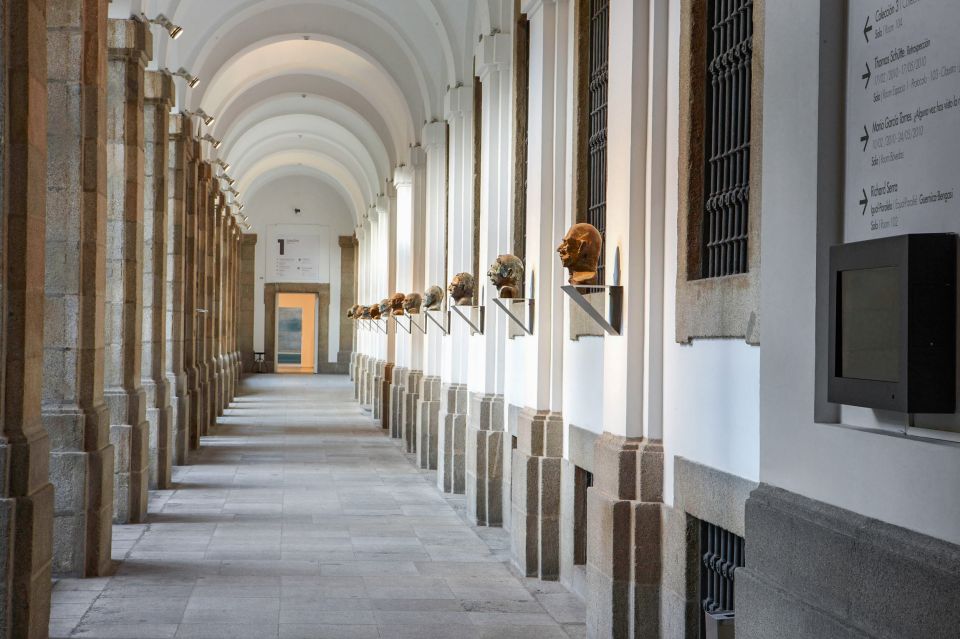
The Museo Reina Sofía covers modern art with a focus on 20th-century Spanish artists. The museum’s presentation is designed like a multi-story conversation: objects, spaces, and artworks talk to each other across time. Translation into visitor mode: you’ll see your classic paintings, but also media like photography and film, plus other forms that support the same artistic questions.
Picasso’s Guernica: yes, it earns the hype
If you do just one thing, do this. Guernica is the centerpiece and the one work most people come to see. Up close, it hits differently than a postcard version. Even if you’re not a lifelong art person, the scale and intensity make it hard to ignore.
One practical note: expect crowds around it. You may see people taking selfies, which can block your view. If that happens, don’t fight for one exact angle. Step slightly aside, pause, and come back for a better line of sight.
You can also read our reviews of more museum experiences in Madrid




Salvador Dalí: lots of canvases, including the infamous title
Dalí is well represented, including around 20 canvases. You’ll also find his surrealist painting El gran masturbador. If you like surrealism, this is a strong reason to pick this museum over a random “any museum” day.
If you’re new to Dalí, don’t feel like you need to decode everything on the first pass. Treat the galleries like a set of clues. Look for recurring symbols and moods, then circle back after you’ve seen a few other works nearby.
Joan Miró: bright, primary-color energy
You’ll also see Joan Miró’s work, known here for bold use of primary colors. Miró can feel playful and sharp at the same time, which helps break up the heavier emotional weight you might get from works like Guernica.
This part is where the visit can start feeling more personal. If you like art that’s more about visual rhythm than strict realism, Miró’s sections can be a relief.
A wider map of 20th-century Spanish art
Beyond the big three names, the museum builds a broader picture of 20th-century Spanish art. You’ll find many artists and styles grouped in ways that encourage comparisons. Even if you’re not chasing every single label, walking through the themes helps you understand how Spanish modern art evolved during the 1900s.
And yes: this is where the museum can feel a bit like a maze. Some rooms can be less impressive on first glance, but the payoff is when you find a cluster that clicks for you.
Navigation and the most common practical frustrations
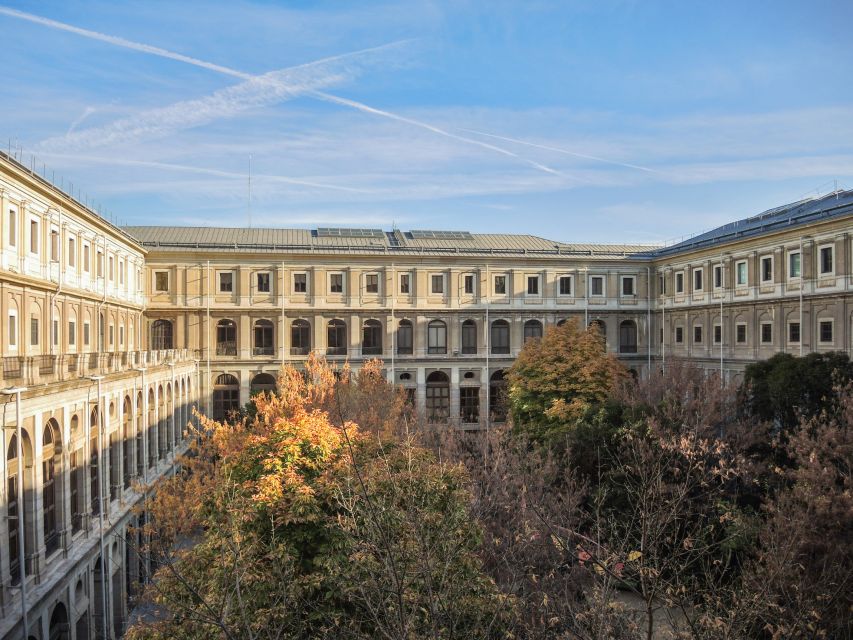
Here’s the honest part: the museum can feel hard to navigate. People often discover that not every floor is equally engaging. On some visits, certain levels may have few exhibitions or may not be open, which changes the feel of your route.
A few tips that help:
- Start with the works you care about most, then build outward.
- Give yourself buffer time. If you lose track of your way once, you’ll thank yourself later.
- Expect signage that can be confusing. Some staff may not speak much English, so having patience helps more than asking the same question twice.
There’s also a comfort angle. Some visitors note that facilities like toilets can feel inadequate during busy stretches. If you want to avoid stress, use bathroom breaks early rather than waiting until you’re already tired.
Audio guide: worth it for sense-making
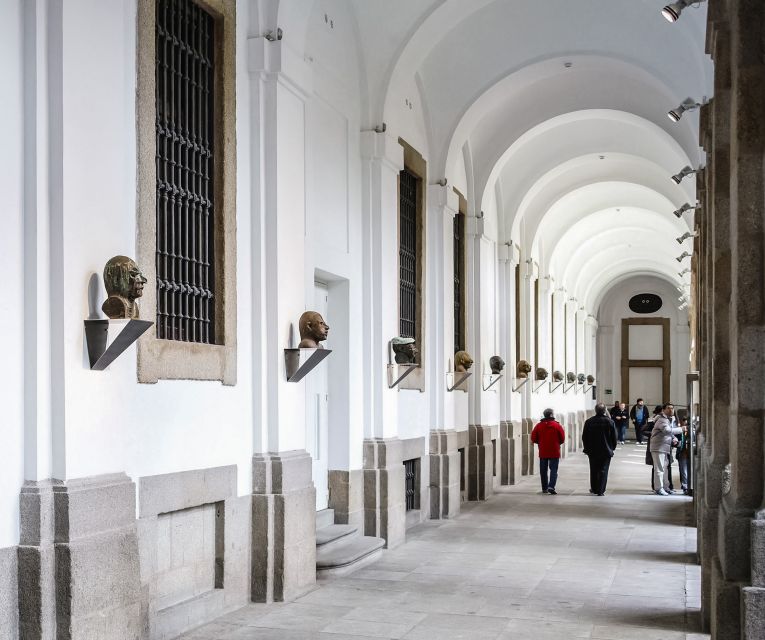
An audio guide is not included with your ticket. You can purchase one at the museum for €4.50. If you enjoy learning as you go, it can be a worthwhile extra because it helps translate what you’re seeing into something you can connect.
Some people also find the museum signage confusing. In that case, the audio guide becomes less about “extra information” and more about staying oriented, so you don’t accidentally miss key rooms.
If you skip the audio guide, you can still have a great day. Just go slower and read more labels. The museum rewards attention.
Temporary exhibitions and why your day might change
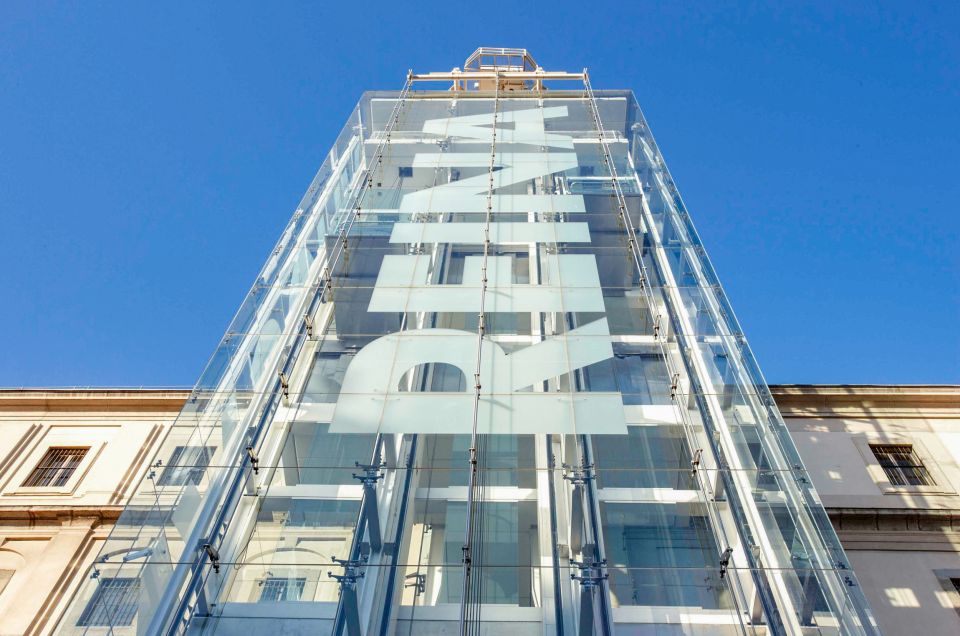
Your ticket covers the main building’s collection, but temporary exhibitions may require an hourly schedule. That means your “full day” can still involve small timing moments if you want to add a temporary show.
Because the temporary programming isn’t included the same way, keep your visit flexible. If you arrive and a temporary part needs a specific entry slot, decide fast: either take it if it fits your time, or focus on the permanent collection so you don’t feel rushed.
Hours, free times, and closure dates (so you don’t get shut out)
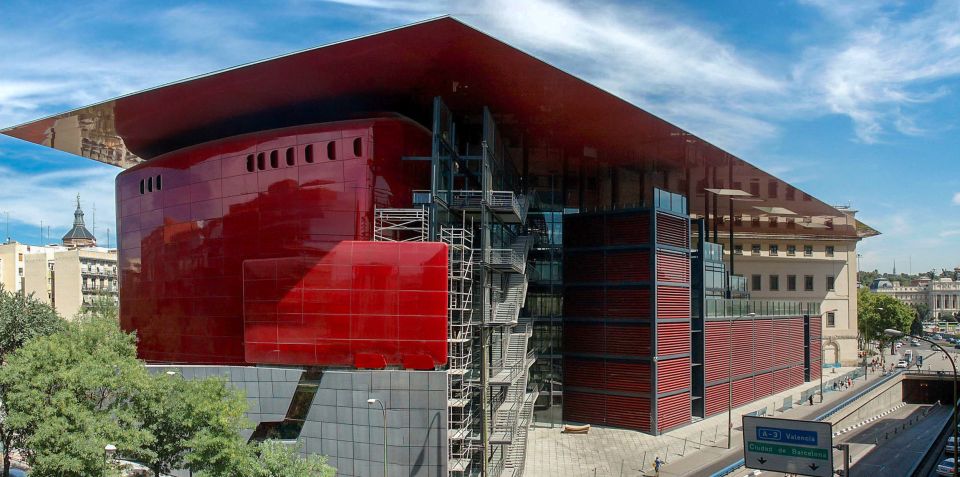
The museum has several patterns you should actually plan around:
- It is closed on 1 and 6 January, 1 and 15 May, 9 November, and 24, 25, and 31 December.
- Opening times commonly run Mondays 10 AM–9 PM, Wednesdays to Saturdays 10 AM–9 PM, and Sundays 10 AM–2:30 PM. It is closed every Tuesday and occasionally on Sundays.
- It is free for all:
- Monday to Saturday: 7 PM–9 PM
- Sundays and public holidays: 12:30 PM–2:30 PM
This matters for value. If you’re price sensitive, free hours can be a smart pick. If you care most about avoiding queues and keeping your schedule smooth, a paid ticket with better entry flow can still be worth it—even if you’re also paying more than zero.
Rules that affect your visit comfort
This ticket comes with some basic museum rules. No pets are allowed. No food or drinks. No luggage or large bags.
Bag guidance is given as: permitted bags, purses, or backpacks have recommended dimensions of 40x30x10 cm. Only closed folding umbrellas are allowed.
Sharp objects and things that could risk people or museum property are not permitted (knives, scissors, tools, and similar items). Assistance dogs are allowed, including emotional support dogs if properly justified.
If you’re traveling light, great. If not, plan a storage strategy in advance so you don’t end up stuck thinking about bags while you’re trying to enjoy art.
Who should book this ticket (and who should consider another plan)
This ticket fits you if:
- You want Picasso and the modern canon in one museum.
- You like modern art, surrealism, and the political weight that can show up in 20th-century work.
- You prefer a self-guided visit where you control the pace.
It might be less ideal if:
- You get frustrated in places where navigation feels confusing and signage doesn’t guide you smoothly.
- You hate crowds around the most famous work in the building.
If you’re visiting with kids, you’ll want extra attention. The guidance here says children should stay under adult supervision.
Should you book this Reina Sofía entrance ticket?
Yes, I think you should book it if your main goal is Guernica plus Dalí plus Miró, and you want to protect your day from line-stress. At this price point, the ticket is a practical way to spend your limited time in Madrid on the museum that delivers the most “you have to see this” moments.
I’d especially book ahead if you’re arriving during popular hours. The whole point is making entry smoother so you can start your visit and then choose your route instead of getting stuck waiting.
If you’re willing to take on some uncertainty and you’re flexible with timing, you could target the free hours. But if smooth logistics matter to you, paid entry can be the calmer choice.
If you want the best experience, go in with a simple plan: start with Guernica, then follow your interest between Dalí and Miró, and give yourself enough time to wander without feeling behind.
FAQ
What’s included with the Reina Sofía ticket?
The ticket includes museum entrance plus a booking and handling fee. The audio guide and a tour guide inside the museum are not included.
Is the audio guide included?
No. You can purchase an audio guide at the museum for about €4.50.
How long can I stay with this ticket?
The ticket is valid for 1 day. Check available starting times when you book.
Where do I meet to enter the museum?
You enter through the Nouvel courtyard at Ronda de Atocha nº2. The activity ends back at the meeting point.
Are temporary exhibitions included?
The main collection is included. Temporary exhibitions may require an hourly schedule, and they are not included in the same way.
What are the museum hours and closure days?
It is closed on 1 and 6 January, 1 and 15 May, 9 November, and 24, 25, and 31 December. It is closed every Tuesday and sometimes on Sundays. Common opening times are listed as Mondays 10 AM–9 PM, Wednesdays to Saturdays 10 AM–9 PM, and Sundays 10 AM–2:30 PM.
When is the museum free?
Free times listed are Monday to Saturday from 7 PM–9 PM, and Sundays and public holidays from 12:30 PM–2:30 PM.
What items are not allowed?
No pets, no food or drinks, and no luggage or large bags. Sharp objects are not allowed. Permitted bags have recommended dimensions of 40x30x10 cm, and only closed folding umbrellas are allowed.
What if I need accessibility help?
The activity is wheelchair accessible. Assistance dogs are allowed, and emotional support dogs are allowed with proper justification.
What’s the cancellation policy?
This activity is non-refundable.