REVIEW · MADRID
Madrid: Panoramic Route City Tour
Book on GetYourGuide →Operated by Julia Travel Gray Line Spain · Bookable on GetYourGuide
Madrid looks best when you don’t rush. This double-decker tour gives you two panoramic routes with endless views and audio in 14 languages.
I like how it turns a big city into a simple plan: you can cover Historical Madrid and Modern Madrid with one ticket, then decide what to explore next.
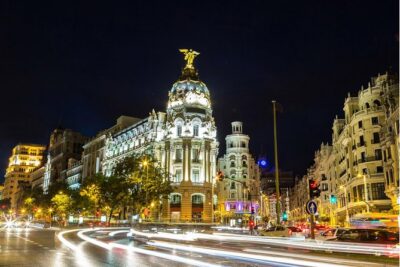
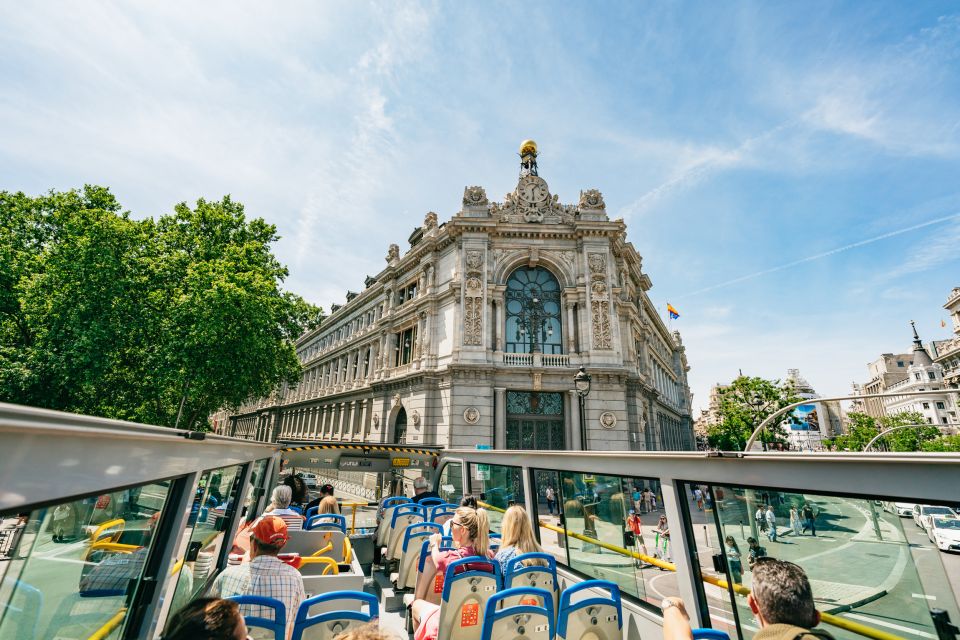
I’m also a fan of the way the routes are built around Madrid’s real story—royal landmarks and the art corridor on Route 1, then the architecture and modern districts on Route 2. From the top deck, you get a clean photo angle of places like Puerta del Sol, Gran Vía, Plaza de Cibeles, and Temple of Debod.
One thing to consider: this is not a classic unlimited hop-on, hop-off pass. You get one trip per route, so you’ll want to plan when you ride each itinerary during your 24-hour window.
In This Review
- Key things to know before you ride
- Why a panoramic bus tour makes sense for Madrid
- Route 1 (Blue): Historical Madrid from Prado to Temple of Debod
- The Prado, Paseo del Prado, and the art corridor feel
- Royal legacy and grand plazas: Puerta de Alcalá, Cibeles, and more
- Gran Vía to Plaza de España, then Temple of Debod for a jaw-drop moment
- The return loop includes Atocha and the Botanical Garden area
- Route 2 (Green): Modern Madrid from Nuevos Ministerios to Bernabéu
- Starting at the modern-scene points: Plaza Neptuno and key museum stops
- Nuevos Ministerios to the Bernabéu zone
- Lázaro Galdiano, Serrano, and the museum corridor feeling
- Puerta de Alcalá, then Puerta del Sol for that classic final hit
- The ticket window and the big planning truth (24 hours after redemption)
- Is there a night version? Summer historic Madrid under moonlight
- Add-ons worth your time: the tips-based walking tour and La Quimera flamenco drink
- The 2-hour guided walking tour at 10:45
- La Quimera Tablao Flamenco drink near Plaza Mayor
- Best seats, headphones, and timing tips that keep the day easy
- Sit upstairs for photos, but watch the weather
- Use the audio guide in the language you’ll actually enjoy
- Go early to beat crowds
- Expect route changes for city life
- Who this Madrid panoramic tour fits best
- Should you book the Madrid Panoramic Route City Tour?
- FAQ
- How long does the tour last?
- Can I ride both routes with one ticket?
- Is it hop-on hop-off?
- What languages are available for the audio guide?
- Is there an optional night tour?
- What’s included besides the bus tour?
Key things to know before you ride
- Two routes, one ticket: Historical Madrid and Modern Madrid, each with its own circuit
- Audio guide in 14 languages plus included headphones
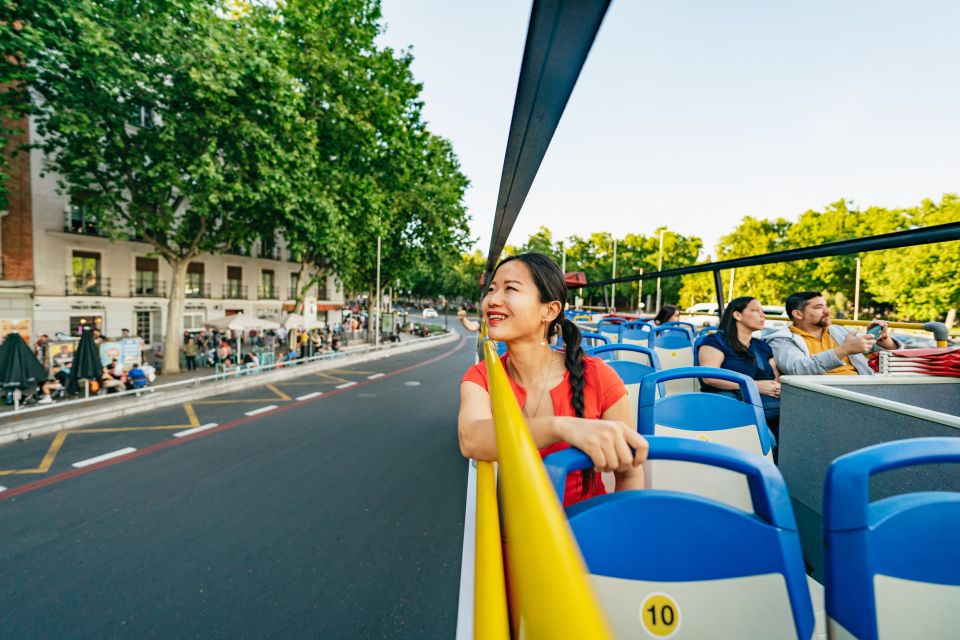
- Top-deck views with open-air double-decker buses and sliding roofs
- Route design does the heavy lifting: royal + art Madrid first, then contemporary Madrid
- Optional summer night route turns the historic sites into evening scenery
- Add-ons can pay off: a 2-hour walking tour on tips and a flamenco tablao drink
Why a panoramic bus tour makes sense for Madrid
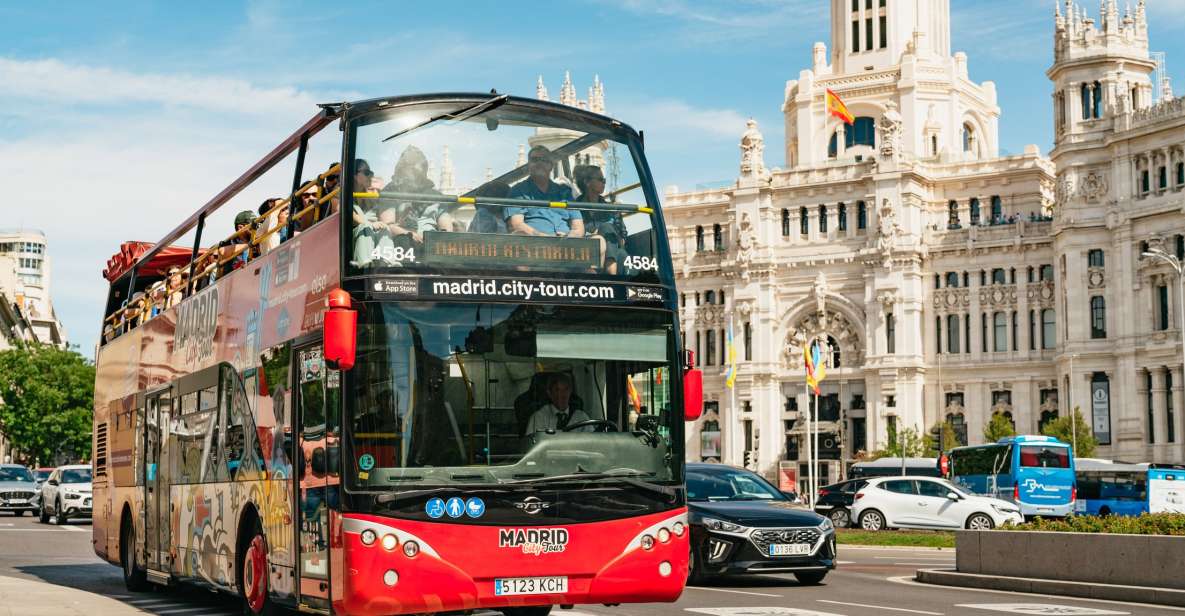
Madrid is spread out, and its neighborhoods feel different block to block. A panoramic bus tour is a practical shortcut because it does two jobs at once: transport and orientation.
For value, you’re paying for more than movement. The ticket concept here is built around coverage. Route 1 strings together Madrid’s monumental center and classic art stops (including the area around the Prado). Route 2 jumps to the newer side of the city—Atocha’s general area shifting toward Nuevos Ministerios, then major landmarks like Puerta de Alcalá and Puerta del Sol, plus modern highlights such as Santiago Bernabéu Stadium. If you’re only in Madrid briefly, this helps you avoid the common mistake of spending your first day only seeing one tiny slice.
The open-top double-decker style also matters. Even when you’re not hopping off constantly, the elevated vantage point lets you read the city visually—street plans, plazas, and how the big boulevards line up. That’s harder to get with a subway ride.
You can also read our reviews of more city tours in Madrid


Route 1 (Blue): Historical Madrid from Prado to Temple of Debod
Route 1 is the one I’d treat as your “start here” circuit. It’s designed as a circular, historically focused loop, and it strings together the landmarks people actually come to see—plus the streets that make them make sense.
The Prado, Paseo del Prado, and the art corridor feel
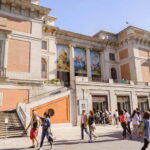
The route highlights the Prado Museum area and travels along the tree-lined Paseo del Prado, which is more than a scenic strip. It’s a key Madrid axis where grand buildings and cultural institutions sit close enough that the whole area reads like one big museum quarter.
If you’re the type who wants to know why art matters here, this is the bus route version of that. You’ll see how the city’s layout supports the “art triangle” idea—where major cultural sites sit in relation to each other—so you’re not guessing when you later plan a museum visit.
Royal legacy and grand plazas: Puerta de Alcalá, Cibeles, and more
As you move through the center, the route leans into monumental Madrid:
- Puerta de Alcalá: one of the city’s big statement arches
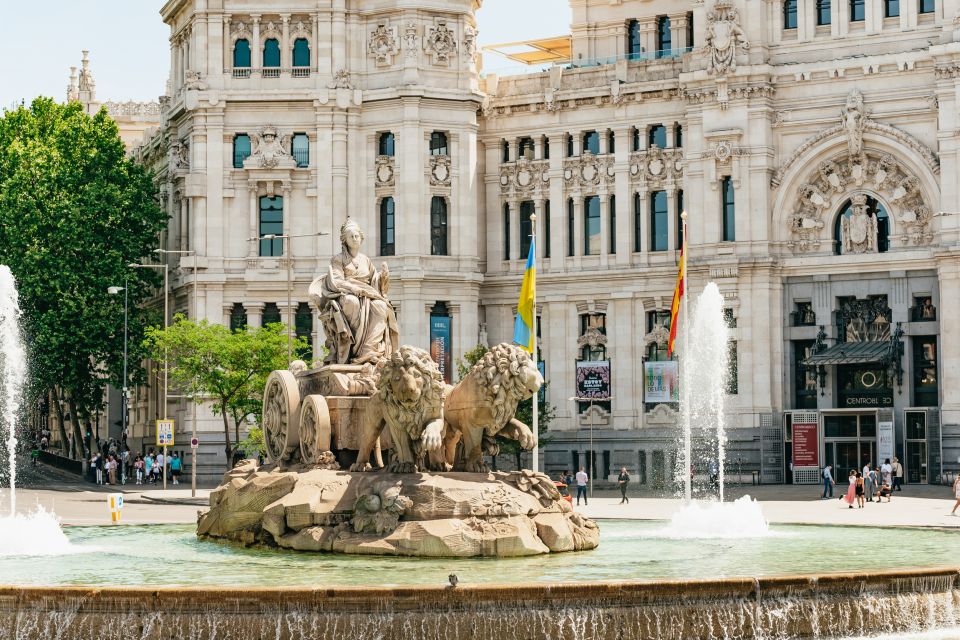
- Plaza de Cibeles: wide-open, iconic, and easy to spot from the street
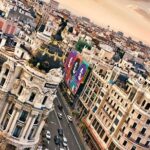
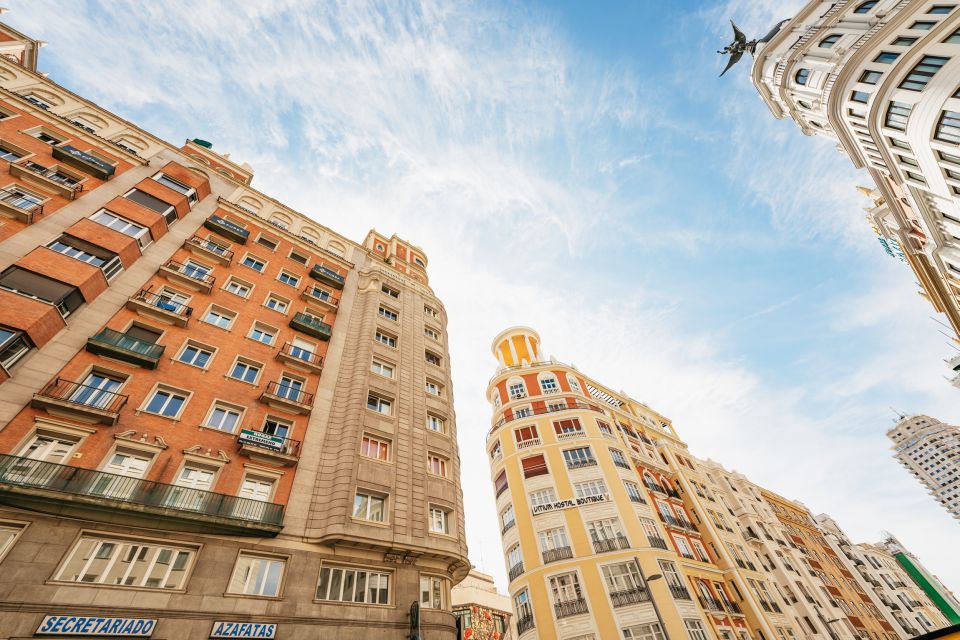
- Gran Vía: the classic boulevard energy—shops, buildings, and that Madrid center feel
The bus vantage point is especially good here. From the top deck, you’re high enough to see the facades and the plaza shapes, not just passing traffic.
Gran Vía to Plaza de España, then Temple of Debod for a jaw-drop moment
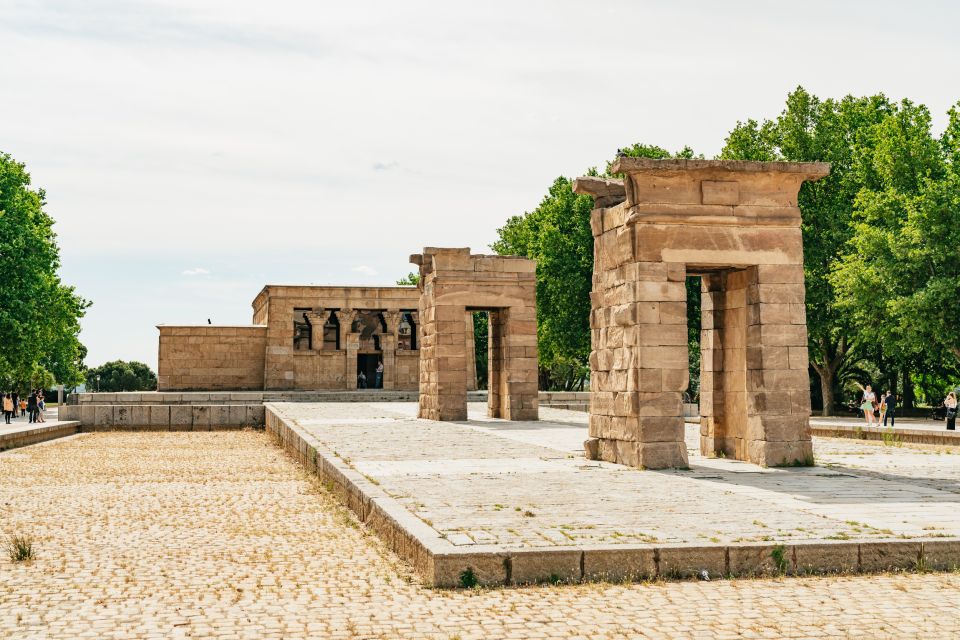
A standout segment is where the route pivots toward the western side and then lands you at Temple of Debod. This is the kind of stop that benefits from a bus view first: you see how it sits against the city backdrop, and you can decide later if you want to spend time there on foot.
The route also includes stops like Plaza de España and passes by multiple gates and historic connections (including Puerta de San Vicente and Puerta de Toledo). Even if you don’t step out, you’ll get a sense of how the city’s “old Madrid” walls and routes influenced today’s streets.






The return loop includes Atocha and the Botanical Garden area
Near the end of Route 1, you circle back toward Atocha and the Botanical Garden and Prado Museum area. That matters for planning. Atocha is a major hub, so aligning Route 1 timing with your meal breaks or later museum plans can be easier than if the route ended in a random neighborhood.
What to do with this route after the bus ride: Use it as your map. When you get back to the central areas you liked—Gran Vía, Puerta del Sol surroundings, Cibeles—pick one neighborhood to explore slowly instead of trying to “do everything” the same day.
Route 2 (Green): Modern Madrid from Nuevos Ministerios to Bernabéu
Route 2 is Madrid after the postcard center. It’s a shift from classic monuments to contemporary architecture and modern institutions—still anchored by major landmarks like Puerta del Sol.
Starting at the modern-scene points: Plaza Neptuno and key museum stops
Route 2 begins with Plaza Neptuno, then works through key cultural areas, including:
- Sculpture Museum
- Museum of Natural Sciences
This is a good route for you if you like Madrid as a living city rather than just a sightseeing list. The bus narration helps connect what you’re seeing with what those buildings represent in the broader city story.
Nuevos Ministerios to the Bernabéu zone
You’ll pass through Nuevos Ministerios, then toward Santiago Bernabéu Stadium. This is a clear modern Madrid anchor point. If sports are part of your travel brain, you’ll appreciate seeing it from above while the city stretches around it.
Near that you also get:
- CSI Science Center (science-focused)
It’s a nice contrast to the older gates and plazas you’ll see on Route 1. You’re not just changing scenery—you’re changing the city’s “era.”
Lázaro Galdiano, Serrano, and the museum corridor feeling
The route also includes:
- Lázaro Galdiano Museum
- Serrano
- Archaeological Museum
If you’re the type who likes to make a day out of institutions, this part helps you understand where to look next. Even if you don’t go in, the names give you a short list for later.
Puerta de Alcalá, then Puerta del Sol for that classic final hit
From there, Route 2 brings you back toward the center via Puerta de Alcalá, then passes Puerta del Sol and Plaza de las Cortes. You end up back at the big Madrid meeting points—ideal if you plan to finish with shopping, an easy meal, or a walking loop.
A practical expectation: Route 2 can feel shorter on the ground than Route 1 because it’s built around modern landmarks and broader districts. If you’re short on time, Route 1 is the safest “must-do.” Route 2 is the smart add-on if you want variety.
The ticket window and the big planning truth (24 hours after redemption)
The ticket is valid for both routes for 24 hours after redemption, any day of the week. You can use it across that window to ride both routes—but each route only allows one trip.
That changes how you should plan the day:
- If you redeem your ticket in the morning, you essentially buy yourself a daytime plan
- If you wait until later, you may not have enough time to do both circuits
- Because you can only do one trip per route, you don’t want to “waste” a route while you’re still deciding what to eat or where to start
The good news is that the buses are frequent enough that timing isn’t usually a nightmare. And the bus setup makes it easy to choose where you sit (top deck for photos, lower deck for shade if you need it).
Is there a night version? Summer historic Madrid under moonlight
In summer months, there’s an optional night route that follows the same path as Route 1 (blue). The idea is straightforward: historic Madrid looks different after dark, especially when Royal Palace, Gran Vía, and Temple of Debod are illuminated.
If you’re traveling in the warmer season, this is a strong way to add a second “feel” to the same itinerary. The top-deck view is also a big deal at night because city lighting creates depth that’s hard to get on foot.
One consideration: night routes can mean later finish times and cooler evening comfort than you expect. Bring layers, even if the day is warm, so you don’t end up doing the tour shivering through the best lighting.
Add-ons worth your time: the tips-based walking tour and La Quimera flamenco drink
This package isn’t just bus sightseeing. It includes two extra experiences you can blend into your schedule.
The 2-hour guided walking tour at 10:45
There’s a 2-hour guided walking tour around the historic centre, operating daily at 10:45h from the centre of Madrid. It’s based on tips at your own expense and discretion, with a suggested price of €10 per person.
This matters because it solves the main weakness of bus tours: you don’t get the street-level detail. After the bus shows you what’s where, the walking tour helps you connect landmarks to the human scale—side streets, small architectural changes, and the flow of the historic center.
Language options: you can join in English or Spanish (as stated for the walking tour).
La Quimera Tablao Flamenco drink near Plaza Mayor
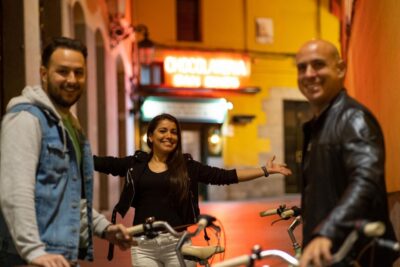
The tour also includes a free drink at La Quimera Tablao Flamenco, just steps from Plaza Mayor. This is a cultural add-on that fits well after a walking tour or later in the afternoon.
A key practical point: conditions apply, and you’ll confirm details onboard the bus. Still, the placement near Plaza Mayor is smart. You’ll likely end your day in that same area anyway.
Best seats, headphones, and timing tips that keep the day easy
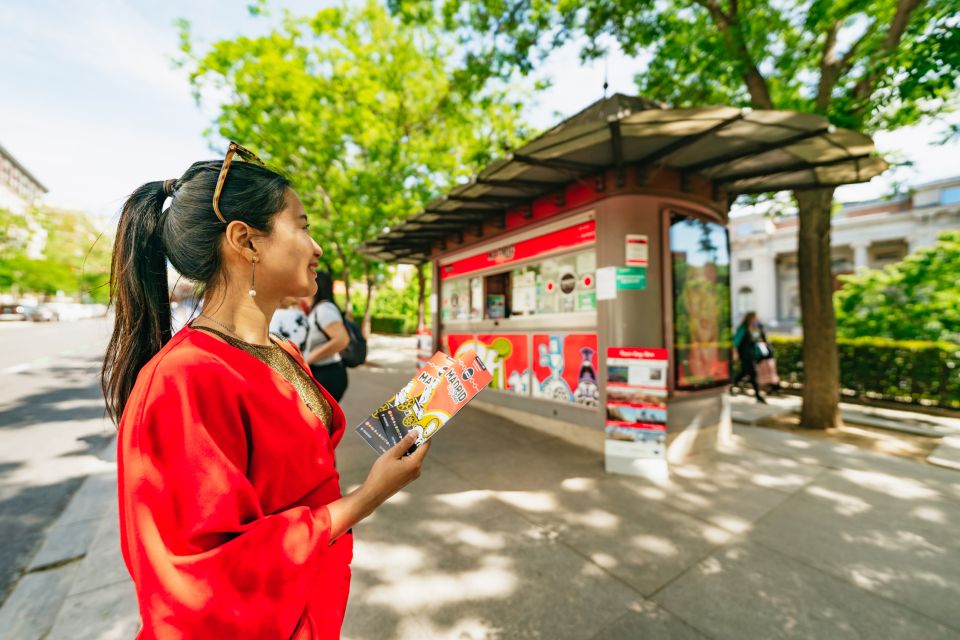
A good day on this bus depends on small choices.
Sit upstairs for photos, but watch the weather
The buses are open-top with sliding roofs and air-conditioning. That combination usually means you can enjoy the open-air view without cooking if the weather turns. On bright sunny days, the top deck is a clear win. On cooler or windy days, keep your jacket handy and consider the roof settings.
Use the audio guide in the language you’ll actually enjoy
Headphones are included, and the audio guide comes in Spanish, Basque, Chinese, Dutch, English, French, Galician, German, Italian, Portuguese, Russian, Catalan, Japanese, and Arabic.
If you’re picky about narration quality, test your headphones early. Some onboard comments have pointed out that headphone connections can be inconsistent on certain seats, so it’s worth checking right when you board rather than waiting until the route is already underway.
Go early to beat crowds
Several feedback points point toward morning as a smoother time. It’s easier to choose seats and easier to enjoy the views without shoulder-to-shoulder stress.
If you have flexibility, plan Route 1 earlier in the day. It’s the historic highlights loop, and it gives you more “anchor points” for planning what to do later.
Expect route changes for city life
Your itinerary may be altered due to events or celebrations, sports events, official acts, or construction works. If that happens, don’t panic. The bus will reroute, and you’ll still get strong coverage of the core landmarks.
Who this Madrid panoramic tour fits best
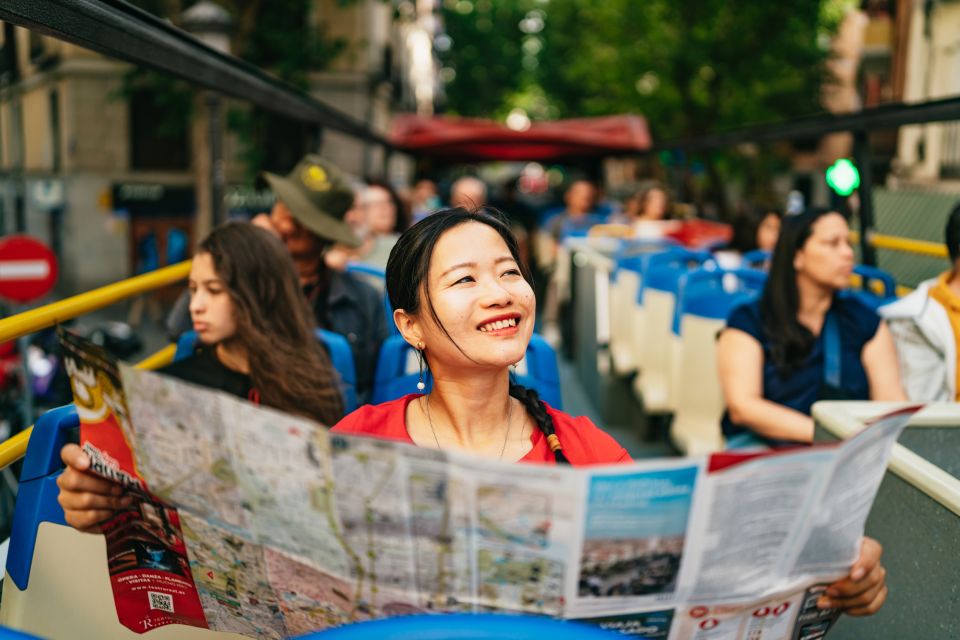
This is a great match if:
- You want fast orientation in a large city
- You like learning the why behind landmarks, not just reading names off a sign
- You want a plan that works even if you don’t feel like walking a lot
- You like combining modern Madrid with classic highlights
It’s less ideal if:
- You want true stop-by-stop freedom and unlimited hopping on and off
- You plan to count on frequent long walking breaks between stops (this tour is mostly from your seat)
- You’re only interested in one neighborhood—Route 1 is the safer single choice, and Route 2 is the add-on for modern variety
Should you book the Madrid Panoramic Route City Tour?
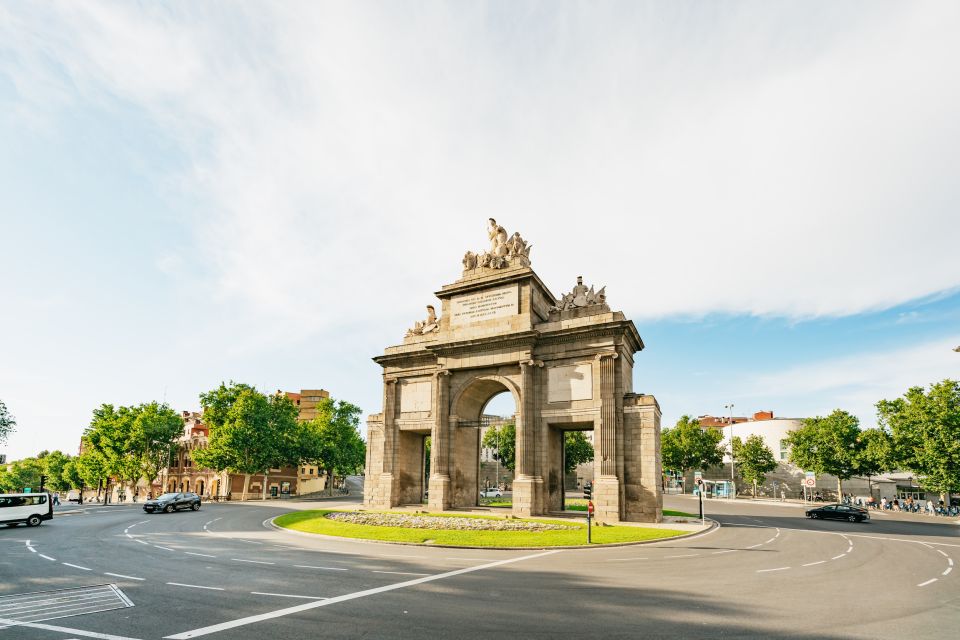
If you’re paying around $39 per person, I think this is a solid buy for first-time orientation and two different “Madrid moods” in one day. You’re getting two route experiences, a multilingual audio guide, top-deck city views, plus two extras that can deepen the day: a 10:45 historic centre walking tour (tip-based) and a La Quimera flamenco drink near Plaza Mayor.
My simple rule: book this if you want to see the city’s main architecture and figure out where to go next. If you’re already sure you’ll only focus on museums or only on modern districts, then you may want to choose a smaller, more targeted plan.
Best approach: Ride Route 1 (blue) first, then add Route 2 (green) if your schedule allows. If you’re in Madrid in summer, consider the night route for Temple of Debod and Gran Vía after dark.
FAQ
How long does the tour last?
The experience is listed as lasting 1–2 days, and the panoramic coverage is designed around the one-day use of the routes after you redeem your ticket.
Can I ride both routes with one ticket?
Yes. Your ticket covers both routes for the 24 hours after redemption, but it allows only one trip per route.
Is it hop-on hop-off?
This is not set up like a free, unlimited hop-on hop-off pass. You should plan to take one full trip on each route during your 24-hour window.
What languages are available for the audio guide?
The audio guide is available in Spanish, Basque, Chinese, Dutch, English, French, Galician, German, Italian, Portuguese, Russian, Catalan, Japanese, and Arabic.
Is there an optional night tour?
Yes, during summer months there’s a night-time panoramic route that follows the same route as Route 1 (blue) and focuses on historic Madrid under evening light.
What’s included besides the bus tour?
In addition to the bus routes and audio, you get a 2-hour guided walking tour around the historic centre and a free drink at La Quimera Tablao Flamenco (conditions apply). The walking tour is based on tips at your own expense and discretion.