REVIEW · MADRID
From Madrid: Andalusia in 4 Days and 3 Nights with Tickets
Book on GetYourGuide →Operated by Naturanda Turismo Ambiental · Bookable on GetYourGuide
Seville hits fast, and this trip is built to move. You start with high-speed train comfort and land in Seville for UNESCO sights plus a flamenco show, so the days feel like real Andalusia, not just check-the-box stops. I like that you get guided access where it matters and then breathing room to wander when you want to.
My second favorite part is the day trip rhythm: white villages and Ronda viewpoints, plus the cork-oak route that connects the dots between scenery and local industry. The one drawback I’d plan around is the pace—there’s a lot of walking across multiple days, so comfortable shoes are not optional.
In This Review
- The Key Stuff You’ll Want to Know First
- Madrid to Seville by High-Speed Train: The Easy Start
- Seville in One Day: Alcázar, Cathedral and Giralda, Plus Flamenco
- White Villages and Ronda Day Trip: Olive Oil, Zahara de la Sierra, and Cork Oaks
- Carmona and Córdoba: Jewish Quarter Courtyards and the Mosque-Cathedral
- Hotel in Central Seville: Location Helps, But Pack for Walking
- Price and What You Get for $812: Tickets, Trains, and Real Guidance
- Who This Andalusia Tour Fits Best (And Who Should Think Twice)
- Should You Book This 4-Day Andalusia Tour?
- FAQ
- What time do I need to arrive at Madrid Atocha?
- How long is the tour and what do I get in terms of nights?
- What’s included in the ticket package?
- Is food included?
- Is there free time during the itinerary?
- How do I get to and from the train stations?
- Are there upgrades or extra charges for hotels and rooms?
- What languages are the guides offered in?
- What’s the cancellation policy?
- FAQ
- Does the tour use separate entrances to avoid lines?
- Is the tour wheelchair accessible?
The Key Stuff You’ll Want to Know First
- Train round-trip from Madrid is included, so you’re not stitching routes together on your own.
- Skip-the-line access is built in for major Seville and Córdoba sights.
- Two long guided blocks do the heavy lifting: Seville’s UNESCO monuments, then Córdoba’s Mosque-Cathedral and Jewish Quarter.
- Ronda and the white villages are paired logically, not as two random bus days.
- Free time is included in Seville, but expect the schedule to stay busy overall.
Madrid to Seville by High-Speed Train: The Easy Start
The tour begins with a morning rendezvous at Madrid’s Atocha train station at 7:30 a.m. You take a high-speed train to Seville, which is one of the smartest ways to compress distance without losing an entire day to transit. Tickets are sent to you the day before, which helps you avoid last-minute scrambling.
Once you arrive in Seville, the itinerary shifts into flexible mode. You get time to explore on your own during the day, before you meet up for the evening flamenco show. This is a nice balance: guided highlights first-day, self-directed wandering later—Seville’s best trick is that you can get pleasantly lost and still feel like you’re doing it on purpose.
You can also read our reviews of more tours and experiences in Madrid


Seville in One Day: Alcázar, Cathedral and Giralda, Plus Flamenco
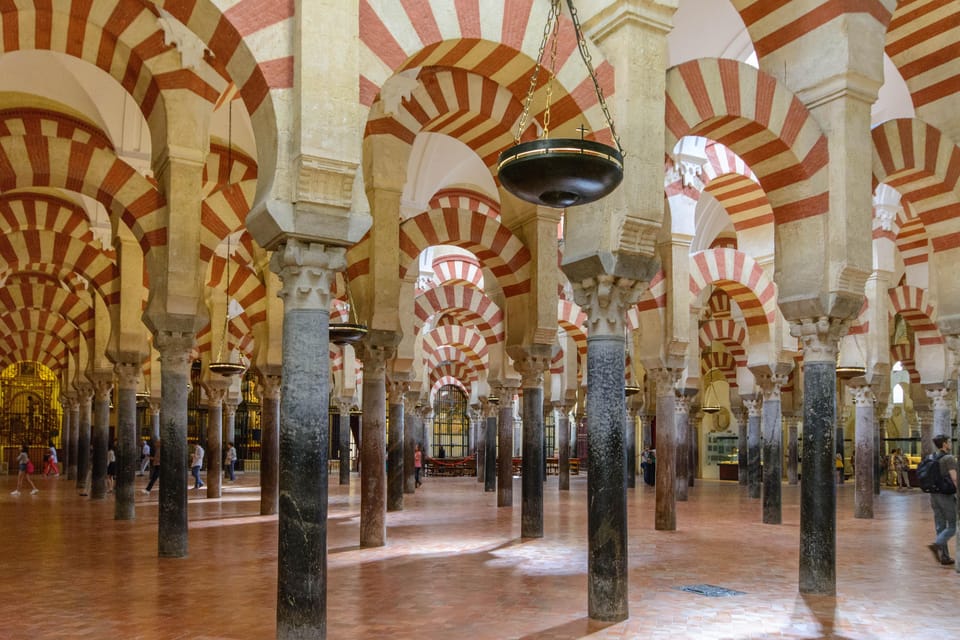
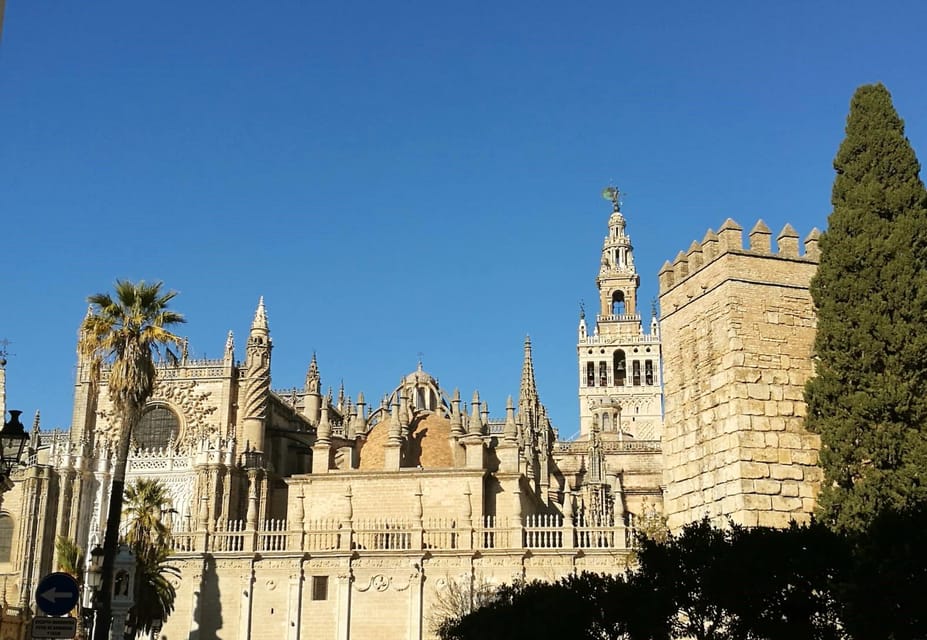
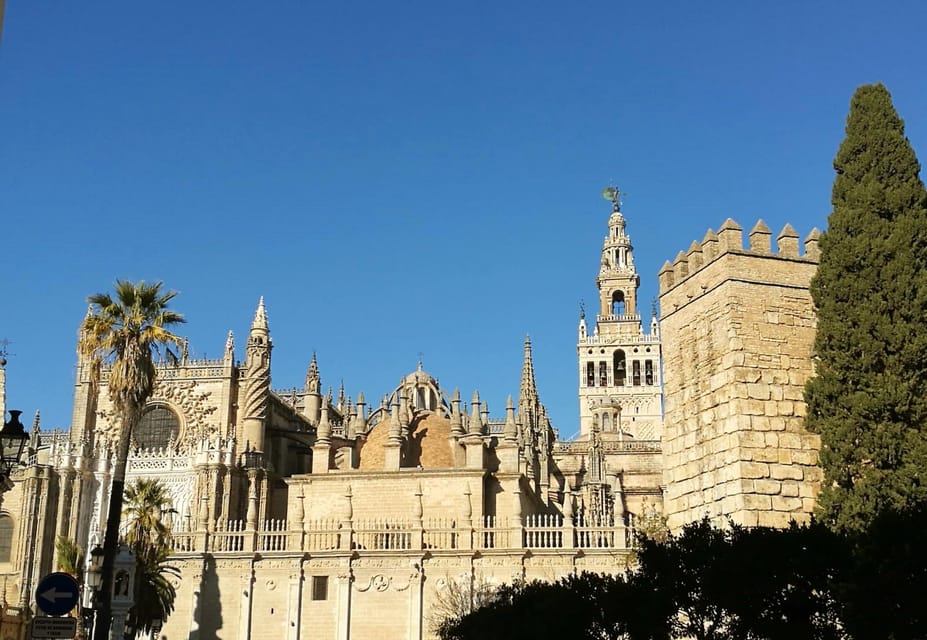
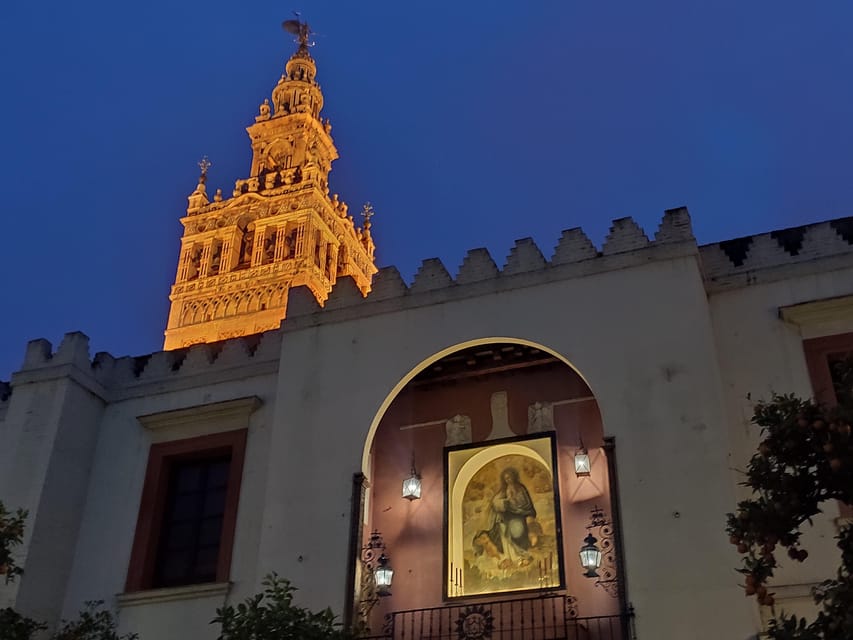
Your main Seville day centers on a Monumental Tour that covers three UNESCO World Heritage sites: the Royal Alcázar, the Cathedral, and the Giralda. This is scheduled as a guided block lasting more than three hours, which is ideal if you want context without having to research every chapel, stair, and courtyard.
Here’s why this kind of guided UNESCO day is good value. Seville’s big sights can feel similar if you only read signage. A guide helps you spot what matters—why the Alcázar’s style is so influential, how the Cathedral’s scale reshaped the skyline, and why the Giralda is more than a bell tower.
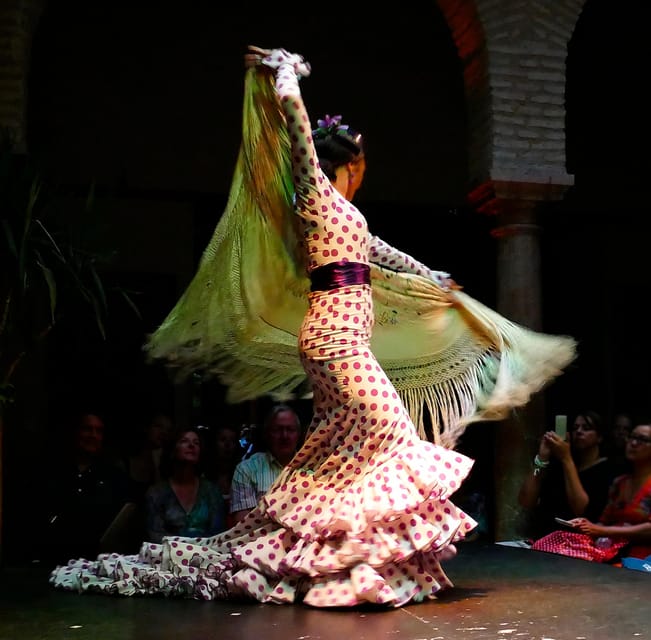
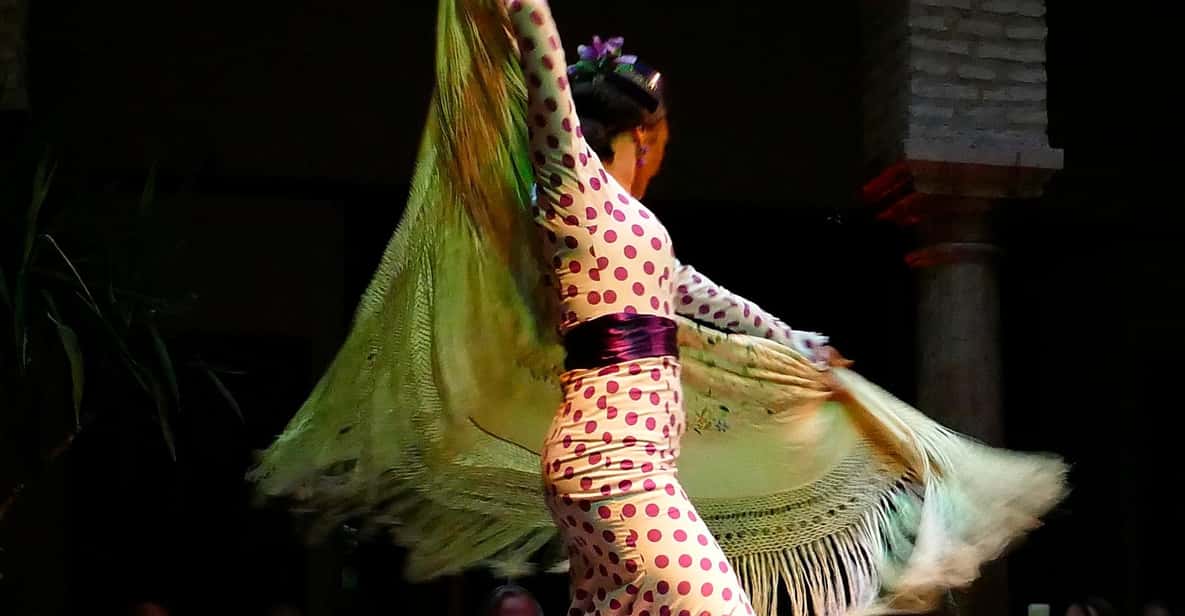
In the evening, you go to flamenco, with tickets included. Flamenco is the kind of experience that benefits from proper venue timing (and not hunting around last minute). If you’ve never seen it in Spain, this is also a great first taste of why Andalusia’s music and storytelling are so tied to place.
White Villages and Ronda Day Trip: Olive Oil, Zahara de la Sierra, and Cork Oaks
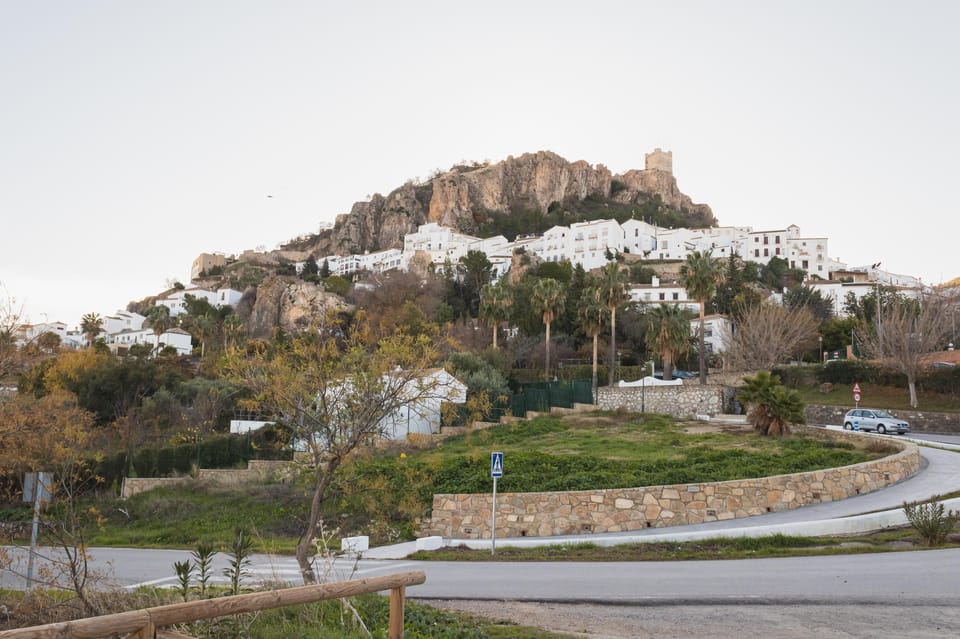
On day three, the tour turns west toward the “white villages” look—bright houses on hillsides, views that make you slow down, and stops that feel like they belong together. Your first meaningful stop is an olive oil mill, where you learn how traditional extraction works and you can taste extra virgin olive oil.
This stop matters more than it sounds. Olive oil is one of Andalusia’s daily-life products, not just a souvenir theme. Even if you don’t buy anything, the tasting gives you a reference point for what to look for when you’re ordering oil back home.
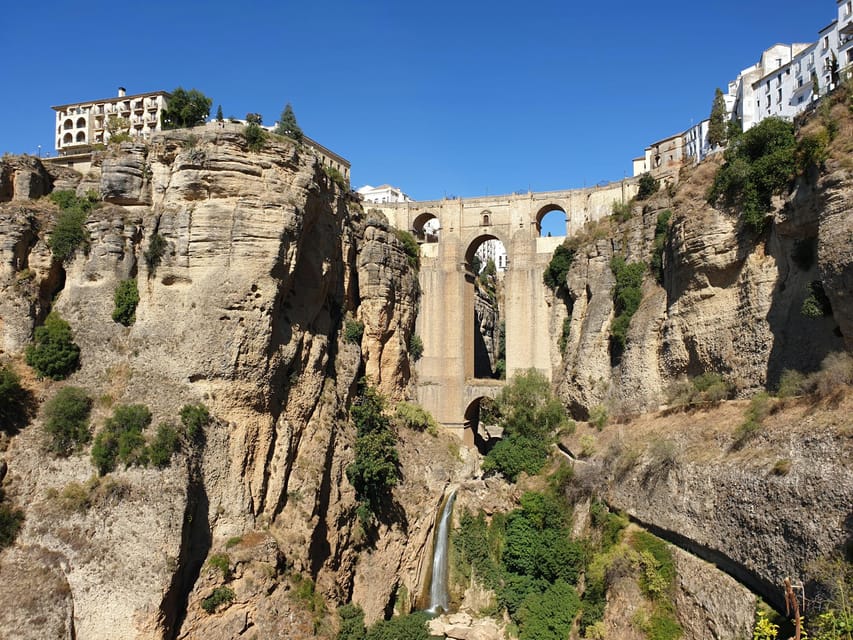
Next comes Zahara de la Sierra, with the kind of location that can honestly steal your attention. After that, you shift to Ronda, reached via one of Spain’s major natural areas: the Alcornocales route through cork oaks. That connection between trees, industry, and landscape is the tour’s quiet win. It gives you a story for what you’re seeing, not just a view photo.
Once you arrive in Ronda, the guide frames the city’s landmarks: Plaza de Toros, Alameda, Paseo de los Toreros, the Tajo, and the famous Puente Nuevo. After the guided portion, you get guidance and then time to explore at your own pace. Ronda is exactly the sort of town where wandering works—small streets, long lookouts, and viewpoints that feel different depending on the time of day.
Carmona and Córdoba: Jewish Quarter Courtyards and the Mosque-Cathedral
Your final day blends two layers of Andalusia: Roman-era foundations, Islamic-era brilliance, and later Christian influence. You leave Seville with your luggage around 9:00 a.m., starting with Carmona, a very old hill town dotted with Roman, Arab, and Christian monuments. You stop to see its Alcazares, which helps you understand how these towns defended themselves and built prestige over centuries.
Then you continue to Córdoba, where the route is designed to build momentum. You cross the Roman Bridge, then move toward the medieval core near the Arc de Triomphe (the gateway area described for entering the old city). From there, the tour focuses on Córdoba’s story through its neighborhoods—especially the Jewish quarter, flowered courtyards, Barrio de San Basilio, and the area by the Royal Stables.
Córdoba’s biggest moment is the Mosque-Cathedral. You get a guided visit to this “Caliphal art” masterpiece, and it’s treated as a world symbol of Andalusia. This is the one sight on the itinerary where a guide can genuinely change your experience. Without context, you can admire the building and still miss why its design feels like it holds multiple eras inside one space.
One practical caution based on what to expect: parts of the Córdoba route can include visits to courtyards/patios with shops in or around them, but you may not get long shopping breaks. If you’re the type who wants time to browse, I’d mentally treat those stops as sightseeing first.
Hotel in Central Seville: Location Helps, But Pack for Walking
You’ll stay 3 nights in Seville in a centrally located 3-star hotel, on a bed-and-breakfast basis, in a double room. Central placement is a real advantage in Seville because you can walk to dinner or hop back to your hotel without planning your entire evening like a military operation.
That said, this itinerary is busy. Multiple days involve long guided blocks and extensive walking, including big-city sightseeing and older-street wandering where comfortable shoes pay off fast. If you’re sensitive to steps and pace, plan for breaks when free time appears. The tour does include free time in Seville for dinner, but the overall calendar stays full.
If you need an upgrade, there’s a 4-star hotel supplement mentioned (100€). There’s also a single supplement if you’re traveling solo (100€). If you’re trying to optimize comfort, these add-ons can be worth it because you’re using the hotel as your recovery base between intense sightseeing blocks.
You can also read our reviews of more tours and experiences in Madrid


Price and What You Get for $812: Tickets, Trains, and Real Guidance
At $812 per person for 4 days / 3 nights, the headline value is that you’re not only paying for sightseeing—you’re paying for logistics that would cost time and effort on your own. The price includes round-trip high-speed train transport from Madrid, 3 nights’ accommodation, and a bundle of major tickets: Seville Royal Alcázar, the Seville Cathedral and Giralda access, the flamenco show, and the Mosque of Córdoba.
You’re also buying guided time at the moments that tend to be confusing if you go alone—UNESCO monuments in Seville and the Mosque-Cathedral plus major Córdoba neighborhoods. The “skip the line” approach (via a separate entrance) is another money-saver in practical terms: fewer hours waiting when you’d rather be walking into the city.
Two costs to keep in mind. Food and drinks are not included, so you’ll need a daily budget for meals. Also, transfer to/from the train station costs extra (50€), so if your hotel isn’t easy walking distance, factor that in early.
Finally, read the pace as part of the value. This isn’t a slow, sit-down every hour tour. It’s a guided-and-active style. If that’s your thing, you’ll likely feel like the days are well used.
Who This Andalusia Tour Fits Best (And Who Should Think Twice)
This tour suits you if you want a strong introduction to Andalusia and you like the mix of guided context plus independent wandering. It’s especially good if you’re short on time and want Seville, Ronda, white villages, and Córdoba in one structured run.
It’s less ideal if you prefer minimal walking or if you get annoyed by long explanation blocks. Córdoba and some other stops may lean heavier on architectural detail—like column talk—rather than giving you purely free time to wander and shop. Also, the overall schedule is packed, which can feel tiring if you’re not used to full sightseeing days.
One more important point: the tour is not suitable for wheelchair users, based on the information provided.
Should You Book This 4-Day Andalusia Tour?
If you’re trying to do maximum Andalusia with minimal planning, I think this tour makes sense. The combination of included high-speed trains, major heritage tickets, and guided UNESCO highlights reduces the common pain points of DIY travel—waiting in line, guessing where to start, and trying to stitch transport between cities.
I’d especially recommend it if Seville and Córdoba are at the top of your list and you want someone to help you understand what you’re seeing. Just go in with realistic expectations about pace. If you’re willing to walk a lot and keep your shoes comfy, you’ll come out with memories that go beyond photos—views in Ronda, oil tasting, and those big UNESCO interiors you’ll actually recognize next time you see them on a postcard.
FAQ
What time do I need to arrive at Madrid Atocha?
You need to be at Atocha train station at 7:30 a.m. to catch the train.
How long is the tour and what do I get in terms of nights?
The tour lasts 4 days with 3 nights of accommodation in Seville on a bed-and-breakfast basis.
What’s included in the ticket package?
Tickets included cover the Royal Alcázar and Seville Cathedral in the Giralda area, plus the flamenco show in Seville, and the Mosque of Córdoba.
Is food included?
No. Food and drinks are not included, so you’ll choose meals on your own.
Is there free time during the itinerary?
Yes. You have free time in Seville after the guided UNESCO block, plus time to handle dinner on your own.
How do I get to and from the train stations?
Round-trip high-speed train transport is included, but transfer to/from the train station costs extra (50€).
Are there upgrades or extra charges for hotels and rooms?
A 4-star hotel supplement is listed at 100€, and a single supplement is also 100€.
What languages are the guides offered in?
The live tour guide is available in Spanish and English.
What’s the cancellation policy?
You can cancel up to 24 hours in advance for a full refund.
FAQ
Does the tour use separate entrances to avoid lines?
Yes. The information states you’ll skip the line through a separate entrance for the included ticketed sights.
Is the tour wheelchair accessible?
No. The tour is not suitable for wheelchair users.