REVIEW · MADRID
Madrid: Prado Museum Entry Ticket
Book on GetYourGuide →Operated by GetYourGuide Tours & Tickets GmbH · Bookable on GetYourGuide
The Prado is Spain in one giant building. I love how this full-day ticket gets you into the most famous rooms fast, and I love the way the museum’s size is managed with clear “routes.” One thing to plan for: the museum can get extremely crowded, so your timing matters.
Two other bits that shape the day: the Prado shows well over 1,300 works in the main building on your full-day ticket, and it covers European art from the 15th to 19th centuries alongside major Spanish masters. You’ll also have to manage expectations on extras, since an audio guide is optional but not included.
In This Review
- Key takeaways before you go
- What This Prado Ticket Gives You for $21
- Finding Entrance 4: Your First Win (or Your First Detour)
- The Prado Layout: Why the “3 Routes” Save Your Day
- Masterpiece Focus: Velázquez, Goya, El Greco, and Friends
- Don’t Skip the Sculptures (and Those Royal Treasures)
- Audio Guide Reality Check: Worth It, or Optional?
- Practical Rules That Affect Your Comfort
- Timing for Crowds: When to Arrive and How Long to Stay
- Who This Prado Experience Is Best For
- Should You Book This Prado Entry Ticket?
- FAQ
- How much is the Prado Museum entry ticket?
- How long is the ticket valid?
- Where do I enter the museum with this ticket?
- What does the ticket include?
- What is not included with the ticket?
- Do I get an audio guide with this ticket?
- What time can I enter the museum?
- When is the Prado free?
- Are there discounts for seniors, students, or children?
- Can I bring food, or take photos inside?
Key takeaways before you go
- Entrance 4 orientation: Go to Puerta de los Jerónimos on the east side; peak days can reroute you to Velázquez access.
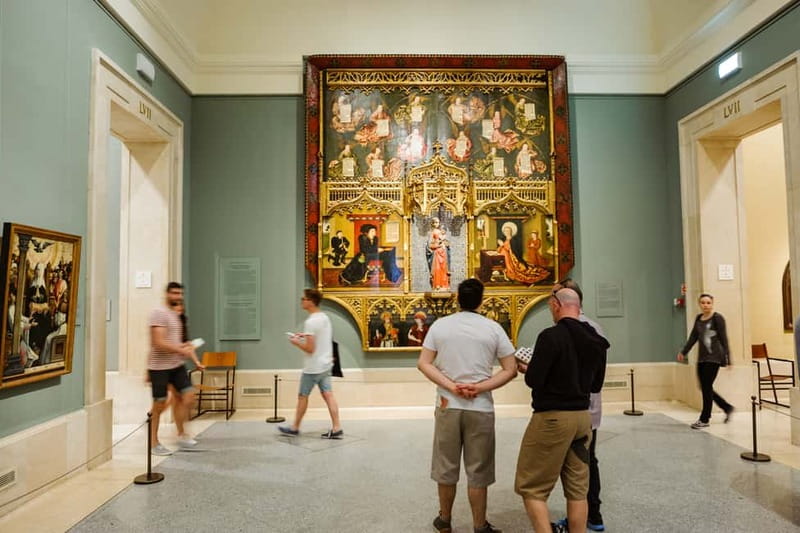
- Choose one of 3 routes: The Prado organizes themes from Romanesque through the 19th century to prevent decision overload.
- Expect a masterpiece marathon: Your ticket covers more than 1,300 works on display in the main building.
- Art beyond painting: You’ll see 900 sculptures and 200 fragments, not just frames on the walls.
- Audio is optional: You can buy an audio guide inside, but some people find it helpful, others don’t.
- Food rules + museum photo policy: Food and drinks aren’t allowed inside except in the café, and photography is restricted inside.
What This Prado Ticket Gives You for $21
For $21 per person, you’re buying a simple promise: entry to the Prado Museum for a day, plus a booking fee. The “full-day” part is practical. It means you’re not stuck with a short timed visit like you might find elsewhere—you can spend your time choosing what fits your pace.
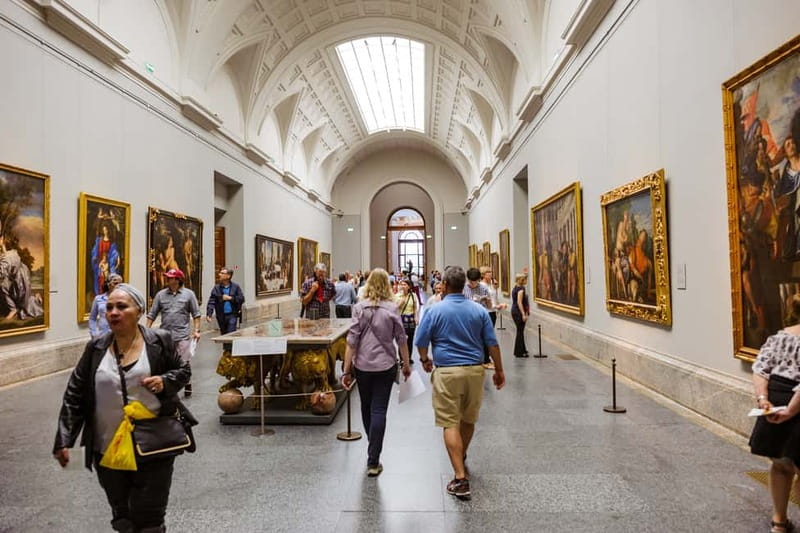
Inside, the Prado is not small. It’s a whole system of galleries and collections. With this ticket, you’ll access more than 1,300 works currently on display in the main building. That’s a lot, and it’s exactly why the Prado’s own planning approach helps you: the museum lays out three routes that guide you through masterpieces from the Romanesque period up to the 19th century.
Value-wise, this is one of those purchases that pays off in time. The museum is known for lines, and the ticket helps you get in without fighting the longest queue for onsite purchase. One person even noted it came out about 4 euros cheaper than buying directly at the museum, which is a nice bonus if your budget is tight.
And if you like Spanish art, you’re in the right place. The Prado’s collection is famous for Spanish painting—covering Velázquez, Goya, El Greco, and others—plus major European artists like Rembrandt, Dürer, and Titian.
You can also read our reviews of more tours and experiences in Madrid



Finding Entrance 4: Your First Win (or Your First Detour)
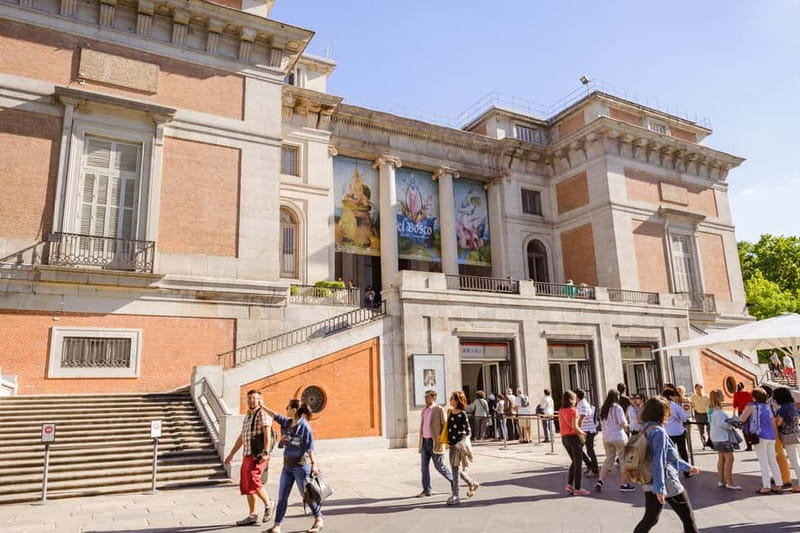
Your meeting point is specific: Entrance 4 – Puerta de los Jerónimos, on the east side of the museum. This matters because the Prado has three entrances, and the wrong one can send you walking in circles with a backpack and a rising sense of irritation.
On peak dates, the access point may change to Velázquez access. That doesn’t mean you’re doomed—it just means you should keep an eye out for the day-of reroute signs or instructions. In practice, I’d give yourself extra buffer time on arrival, especially during busy weeks.
A small reality check: signage in English can be limited. When you’re scanning for your entrance, don’t assume it will be labeled in the way you’d expect. If you’re on the east side and following the Entrance 4 direction, you’ll be where you need to be.
The Prado Layout: Why the “3 Routes” Save Your Day
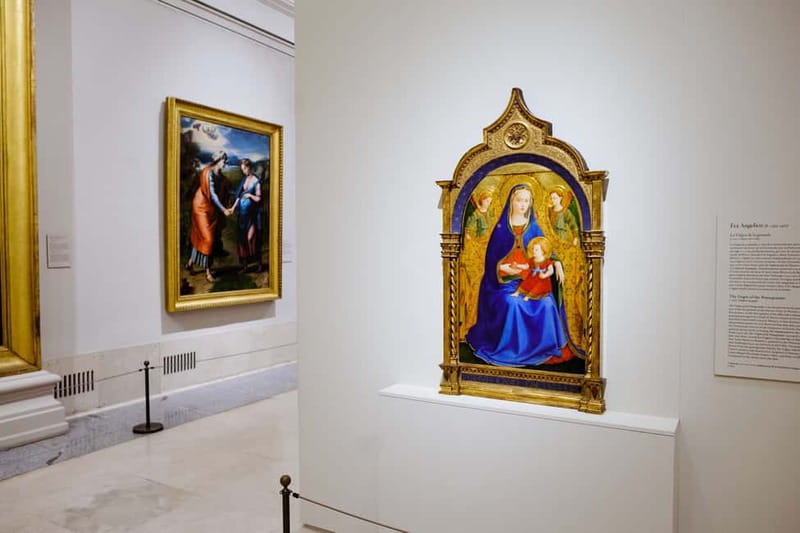
The Prado can cause headaches for visitors who try to see everything. The collection is enormous—around 7,600 paintings and 1,000 sculptures are part of the larger holdings. Even though you won’t see the whole archive in one visit, the museum still presents a huge, connected world of works.
That’s why the Prado’s structure is smart for you. The museum focuses its experience into three routes, each shaped around masterpieces from different eras (Romanesque through the 19th century). Instead of walking room to room randomly, you can follow a path that keeps you moving through the “big hits” without losing your energy.
Here’s the simple way I’d use that system:
- Pick one route for your main sweep.
- Decide on 2–4 “must stops” so you don’t end up wandering too long.
- Leave space for detours. One unexpected room is often where your favorites are hiding.
Some people also find it helpful to start with one recognizable anchor. Then, as your eyes warm up, your brain gets better at noticing style differences—brushwork, light, and how artists handled realism or symbolism.
Masterpiece Focus: Velázquez, Goya, El Greco, and Friends
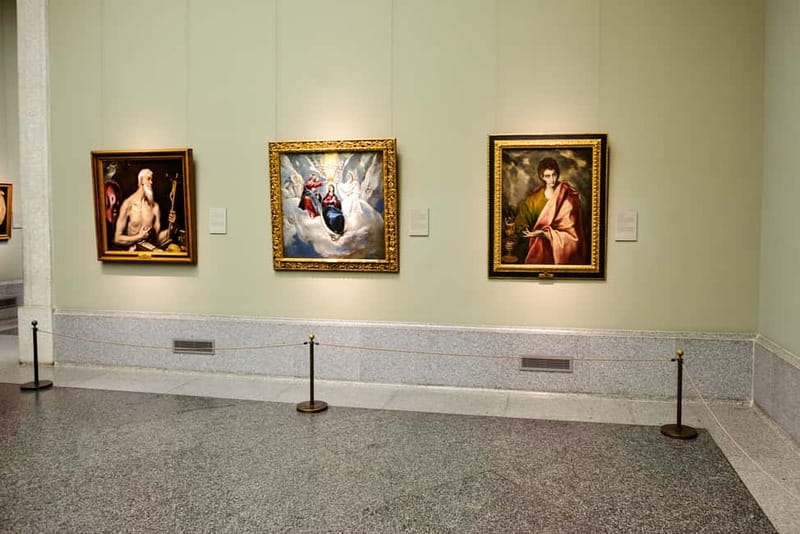
If you came for the famous names, you’ll be rewarded. The Prado is a stage for Spanish giants like Velázquez, Goya, and El Greco. It’s also where the museum’s European range becomes noticeable, with works by Rembrandt, Dürer, and Titian included among the attractions.
One particularly loved stop is Bosch’s Garden of Earthly Delights. If you like art that feels slightly surreal (or like a dream you can’t explain), this is often the painting people mention as a “go see it first” moment.
Goya is another big draw, including his Black Paintings (as a standout highlight for many visitors). These works have a serious mood—dark, direct, and unlike the softer portrait history you might expect from older European art.
Velázquez tends to change how you see portraiture once you slow down. His figures feel alive, and the museum gives you enough room to notice details rather than treating it as a quick photo stop.
And then there’s El Greco, whose dramatic style can be a shock in the best way after more realistic painters. Even if you’re not an art expert, you’ll feel the shift in color and form as you move between schools.
The takeaway: don’t try to “complete the Prado.” Instead, try to connect with a few rooms deeply. A shorter list done well will beat a long list done fast.
Don’t Skip the Sculptures (and Those Royal Treasures)
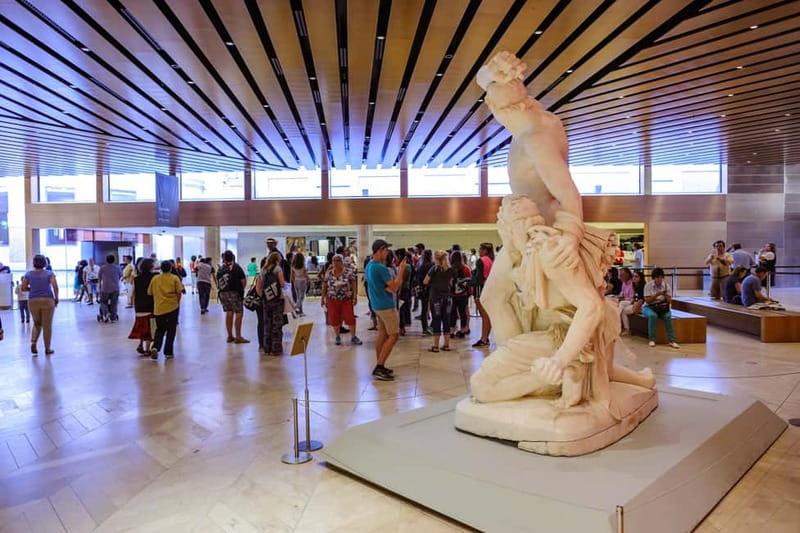
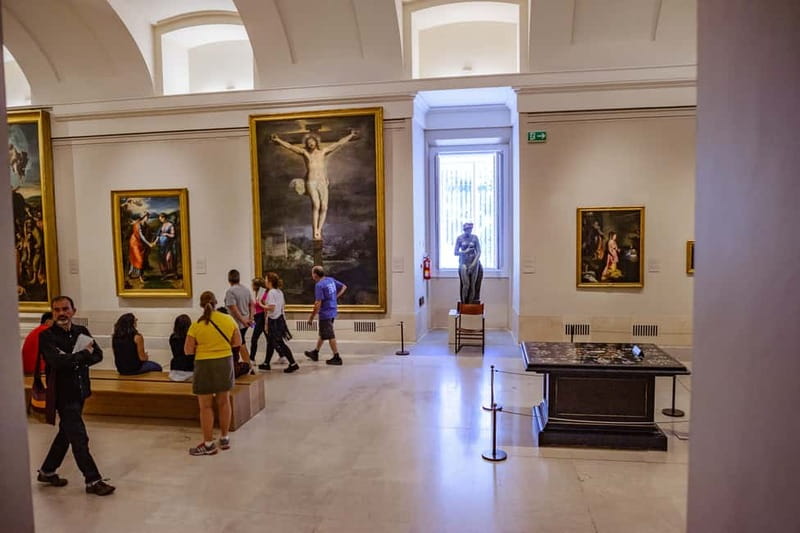
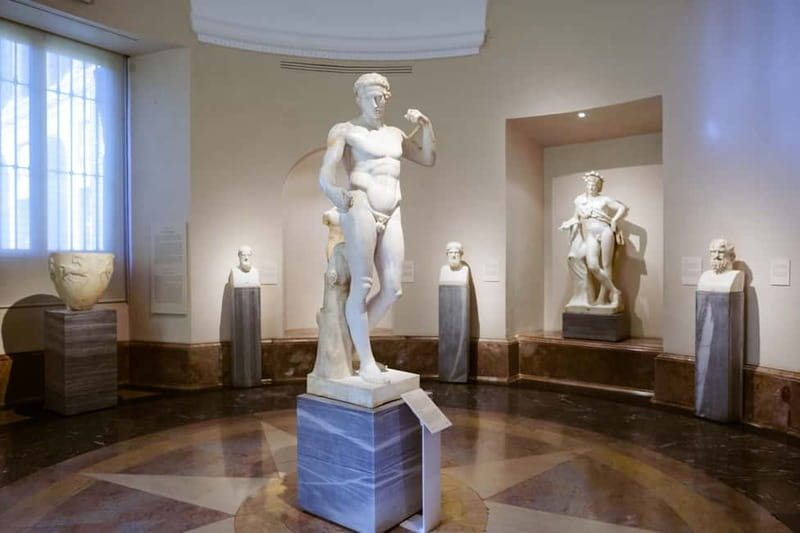
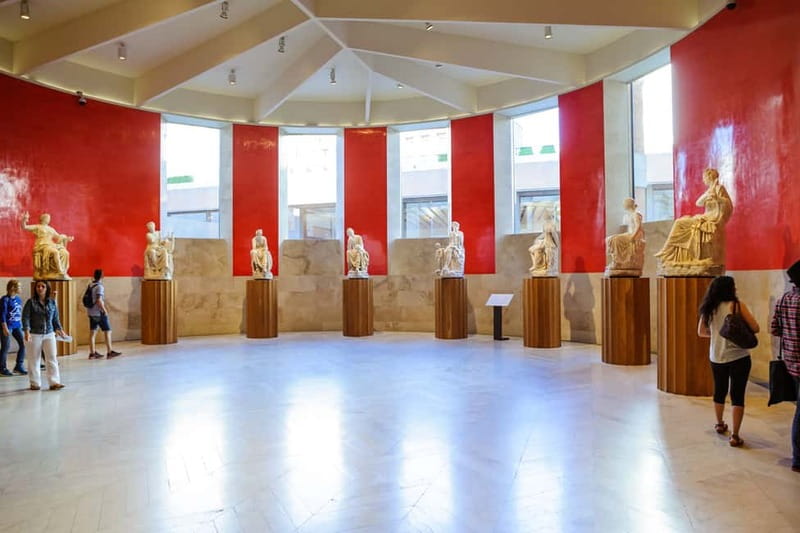
People often think the Prado is all about painting. It isn’t. With this ticket, you also get access to an impressive sculptural presence: 900 sculptures and 200 fragments are part of the Prado experience.
Sculptures change the pace. They give your eyes a break from wall after wall of painting. They also add a tactile sense of how artists built scenes—faces, hands, drapery, and posture. If you’re someone who gets museum fatigue, this section can be a reset button.
There’s also a “Royal” component. The museum includes galleries to see the royal Dauphin’s Treasure, which adds a different flavor to the day. It’s not just art as a standalone object—it’s art as power, collection, and history.
You can also read our reviews of more museum experiences in Madrid





Audio Guide Reality Check: Worth It, or Optional?
Your ticket includes entry, not an audio guide. Once inside, you can buy an audio guide to help you move quicker to key works.
Some people find the audio helpful, because it offers suggestions for shorter visits—like a 1-hour, 2-hour, or 3-hour style plan. That structure can keep you from getting lost when the building feels endless.
But there’s a balance here. One visitor said the audio device wasn’t that useful for them and they ended up skipping it. If you’re the type who prefers reading labels and walking at your own speed, you might decide you don’t need it.
My practical advice: if you’re unsure, buy or download audio only if it genuinely matches your style of learning. If you start it and it slows you down, you can always turn it into background noise and keep moving.
Either way, don’t rely on the audio as a substitute for focus. Use it to find your next room, then let your eyes do the work.
Practical Rules That Affect Your Comfort
A few “small” details can shape your experience more than you’d expect.
Food and drinks: food and drinks aren’t permitted inside the museum, except in the café. That means plan breaks around the café, not around grabbing snacks as you walk. If you’re sensitive to hunger during long visits, you’ll want a plan before you step into galleries.
Café lines: there can be a wait. One comment flagged that the cafeteria line felt long. If you hate losing time to queues, you can time your café stop for a lull—like after a major room cluster.
Photography: photography is restricted inside. One person noted the museum doesn’t allow photos even without flash, pointing out it’s a museum policy. So keep your camera use in check and save your photos for the entrance area or other permitted zones.
Comfort: the museum’s lighting and spacing are often praised. That matters because the Prado can feel physically manageable even when it’s mentally overwhelming.
Timing for Crowds: When to Arrive and How Long to Stay
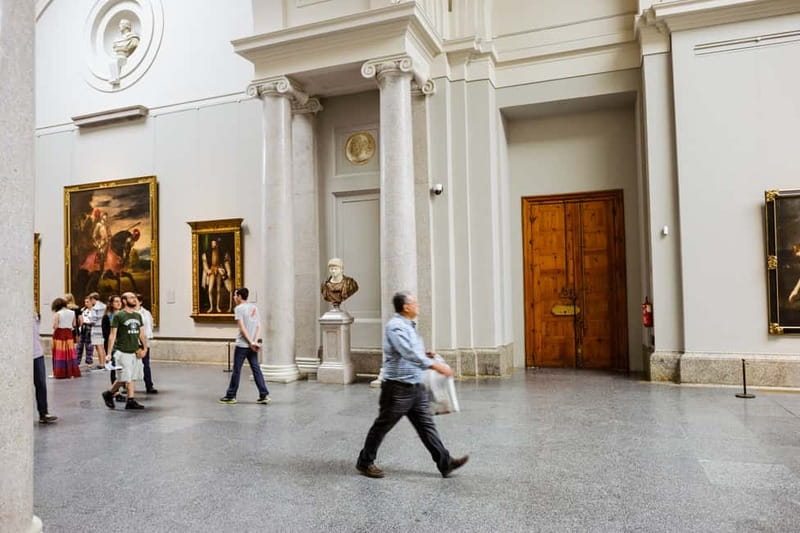
The Prado can get extremely crowded. The best way to make your day smoother is to arrive close to opening time—ideally about 30 minutes early. If you wait too long, entry can become slower and your route choices may feel more chaotic.
You also need to understand the closing rule. Access to the museum takes place up until 30 minutes before closing time. That’s your hard stop for entering new areas. Plan your final rooms with that in mind.
On top of that, the Prado has specific free-entry windows:
- Free from Monday to Saturday: 6:00 PM – 8:00 PM
- Free on Sundays and holidays: 5:00 PM – 7:00 PM
Also note closures:
- Closed on January 1, May 1, and December 25
- Reduced hours on December 24 and 31, and January 6 (10:00 AM – 2:00 PM)
If you’re deciding between paying $21 for a timed entry ticket versus waiting for free hours, think about your schedule. Paying can be worth it if you want control and less friction. Free hours are great if your day is flexible and you’re okay with the crowd tradeoff that comes with evenings.
Who This Prado Experience Is Best For
This is a good fit if:
- You want Spanish masters in one concentrated museum.
- You like structured self-guided routes that help you not miss the big eras.
- You can handle walking a lot and spending real time looking.
It may be less ideal if:
- You hate crowds or don’t want to adjust your plan when entry flows slow down.
- You’re hoping the ticket includes a guide or an audio guide. Those extras are separate, and a live guide is not included.
If you do well with planning and a few “must sees,” this ticket supports that style. If you want a museum experience that’s mostly about wandering, you can still make it work—just lean on the Prado’s route structure so your wandering has direction.
Should You Book This Prado Entry Ticket?
Yes, if you care about time and want smooth entry into one of Europe’s best-known collections of Spanish painting and related arts. At $21 with an online booking option that helps you skip the worst lines, it’s a practical purchase—especially for a full-day museum where your energy is the real cost.
Before you book, do two things:
- Plan to start early, or aim for a less busy time you can commit to.
- Pick your targets (Velázquez, Goya, El Greco, plus a couple of your own favorites) so the size of the museum becomes a choice, not a problem.
If you’re coming with high curiosity and you can give yourself a few hours of unhurried looking, this ticket is a strong way to experience the Prado without burning half your day in entry chaos.
FAQ
How much is the Prado Museum entry ticket?
The price is listed as $21 per person.
How long is the ticket valid?
The ticket is valid for 1 day. You should check availability to see the starting times.
Where do I enter the museum with this ticket?
You should go to Entrance 4 – Puerta de los Jerónimos, located on the eastern side of the museum. On peak dates, it may change to Velázquez access.
What does the ticket include?
It includes the entry ticket to the Prado Museum and a booking fee.
What is not included with the ticket?
A live guide is not included, and food and drinks are not included.
Do I get an audio guide with this ticket?
No. An audio guide is available for purchase separately inside the museum. (One visitor mentioned buying an audio guide for an additional 5€.)
What time can I enter the museum?
Access to the museum takes place up until 30 minutes before closing time.
When is the Prado free?
The museum is free for all from Monday to Saturday from 6:00 PM to 8:00 PM, and Sundays and holidays from 5:00 PM to 7:00 PM.
Are there discounts for seniors, students, or children?
No. The ticket does not include a reduction for seniors, students, children, or under 18s.
Can I bring food, or take photos inside?
Food and drinks are not permitted inside the museum except in the café. Photography is restricted inside the museum according to the museum policy mentioned in the provided experience details.