REVIEW · MADRID
Prado & Reina Sofia Madrid Exclusive Guided Museum Tour
Book on Viator →Operated by Babylon Tours Madrid · Bookable on Viator
Two top Madrid museums in one focused run. You get skip-the-line entry plus a guide like Pedro who turns famous works into stories you can actually remember. I especially loved how the day moves from the Prado’s Spanish and Italian masterpieces to the Reina Sofía’s modern shocks, with your guide linking names, techniques, and the politics behind the art.
The possible drawback: it’s a long 5.5-hour day with real walking and museum time. If you’re hoping for a slow, sit-everywhere pace, this combo will feel like a full-on art workout.
In This Review
- Key highlights you’ll care about
- Your Prado to Reina Sofía Combo Plan in 5.5 Hours
- Inside the Prado: Velázquez, Goya, and Bosch in Context
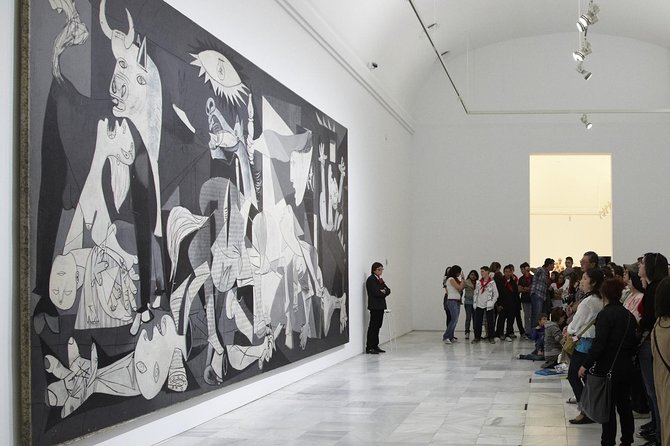
- Reina Sofía for 20th-Century Spain: Guernica and Friends
- Lunch break, timing, and how to keep the day enjoyable
- Price and Practical Value: When skip-the-line pays off
- What you get with Babylon Tours Madrid (and what can change)
- Should you book this Prado & Reina Sofía guided museum tour?
- FAQ
- How long is the Prado & Reina Sofía exclusive guided tour?
- Where does the tour start and end?
- Is the tour offered in English?
- Are entrance tickets included?
- Is the skip-the-line access guaranteed?
- What if the museums close or have delayed openings?
Key highlights you’ll care about
- Skip-the-line flow at two major museums: less waiting, more looking.
- Pedro-style art storytelling: context for big names like Velázquez and Picasso.
- Prado classics, including Las Meninas and Bosch: see how Spanish painting fits with wider European art.
- Reina Sofía’s 20th-century Spain focus: Guernica, Miró, and Dalí tied to the Spanish Civil War.
- Private group experience in English: your guide tailors the pace to your group.
Your Prado to Reina Sofía Combo Plan in 5.5 Hours
This is a straight-through museum day built for momentum. You start at the Prado at 11:00 am and finish at the Reina Sofía about 5.5 hours later, including a lunch break. The timing matters because both museums can chew up your day if you’re stuck in lines or wandering without a plan.
I like that the tour’s structure forces you to see the right kind of variety. At the Prado you’re in the world of classical painting and major artists spanning centuries. Then you switch gears at the Reina Sofía into abstraction, cubism, surrealism, and modernism—so you don’t just collect masterpieces, you notice how styles evolve.
One practical thing to plan: you’ll be going between sites and spending long stretches indoors. Wear shoes you can trust, and bring water. The note about occasional closures and special events means your route can change on the day—still, the operator says you’ll get a reschedule option or an alternative.
You can also read our reviews of more guided tours in Madrid


Inside the Prado: Velázquez, Goya, and Bosch in Context
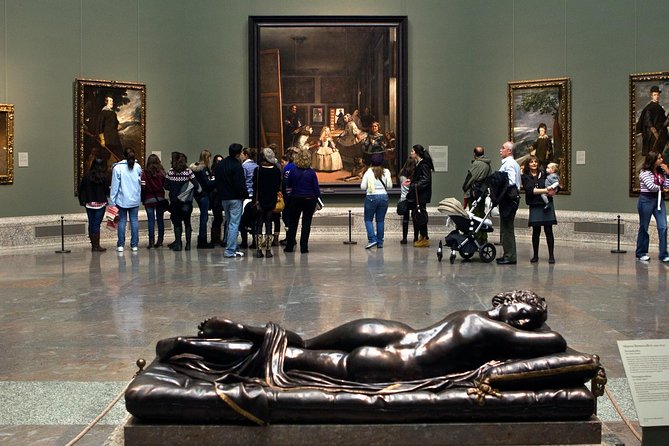
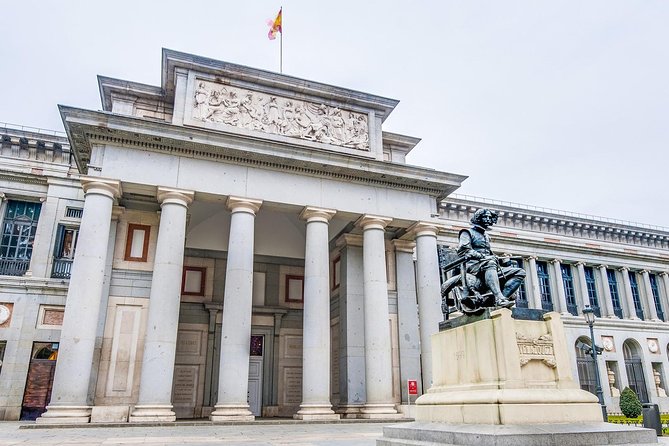
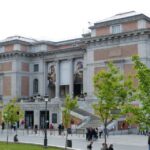
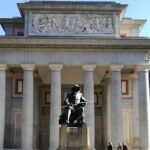
The Prado is Madrid’s big hitter, often described as the Spanish answer to the Louvre. It lives in an 18th-century neoclassical building, which gives the experience a grand, old-school museum feel from the moment you walk in. Your guide leads you through a collection that spans the 1200s to the 1900s, so you’re not just seeing isolated famous paintings—you’re watching European art develop over time.
The Prado stop is where I’d expect most people to feel their first “wow” moment. You’ll spend about 2 hours 30 minutes there, with the admission ticket included, and you’ll get your guide’s guidance on what to look for and why it matters. Two stand-out anchor pieces you’ll likely connect with are Las Meninas by Velázquez and Hieronymus Bosch’s The Garden of Earthly Delights triptych.
Here’s what makes this tour-style approach valuable: the guide doesn’t treat these works like museum trophies. Instead, you hear the stories and secrets behind major Spanish names like Goya and El Greco. You also get perspective on Rembrandt and other artists so the Prado feels less like a single-country showcase and more like a key chapter in European art history.
You also get a specific bonus if you care about Italian art. The Prado has the largest collection of Italian masterpieces outside Italy (as described for this tour), and your guide helps you find your way through prints and sculptures too. Even if you’re not an art super-nerd, you’ll come away understanding what makes the museum a destination, not just a stop.
A small consideration: even with skip-the-line access, the tour notes that security can still create lines at some attractions. That doesn’t mean you’ll be stuck forever—but it does mean you should stay flexible if you see some slow-down at entry.
Reina Sofía for 20th-Century Spain: Guernica and Friends

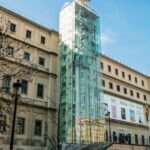
After a break for lunch, you head to the Reina Sofía, which is housed in a former hospital. That building history gives the space a different mood than the Prado—more modern and angular, and very much suited to 20th-century ideas.
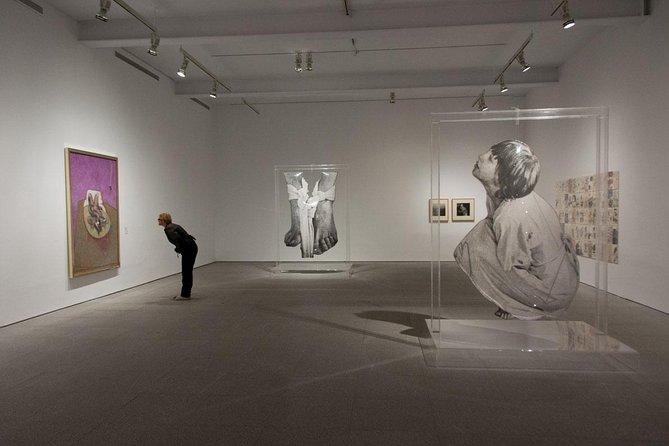
This stop also runs about 2 hours 30 minutes, with admission included. Your guide sets the frame by walking you through artistic movements you’ll actually spot as you go: abstractionism, cubism, surrealism, and modernism. You’re not just looking at famous paintings; you’re learning the “language” artists used to express new realities.
The headline here is Pablo Picasso’s Guernica. You’ll come face to face with it, and your guide will help you connect what you’re seeing to why it changed the world of art. This matters because Guernica is famous—but without context, it can feel like a dramatic painting you either love instantly or don’t fully get.
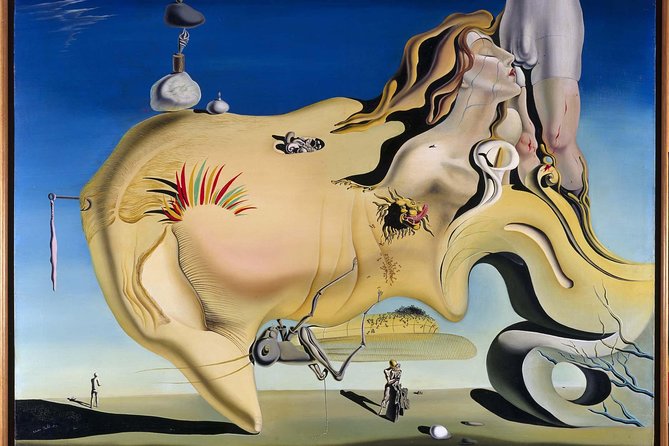
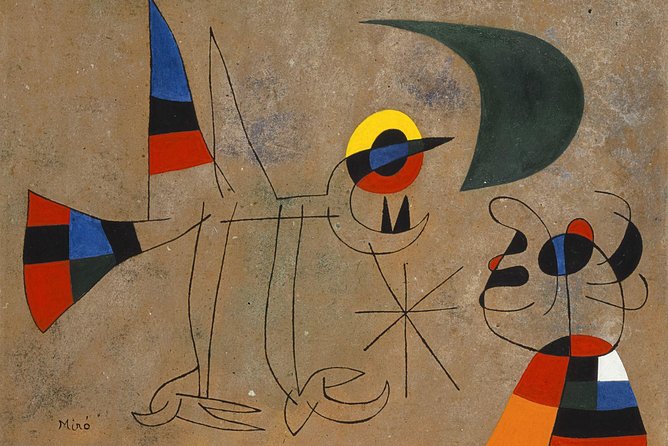
The tour also brings in other big names to show how the era worked as a whole. You’ll look at Joan Miró, including The Man with a Pipe, and you’ll study Salvador Dalí, including Face of the Great Masturbator. You’ll learn about techniques and strategies behind these works, and you’ll hear how their styles link to social and political forces.
That political layer is one of the best reasons to do this guided combo. The tour explicitly ties the art to movements shaped by the Spanish Civil War. Once you understand that thread, you’ll notice how fear, hope, identity, and propaganda can show up in weird shapes, bold distortion, and surreal imagery. You’ll leave with a clearer picture of 20th-century Spain, which also makes the Reina Sofía feel easier to explore on your own afterward.
Lunch break, timing, and how to keep the day enjoyable
I’m a fan of tours that build in a real reset instead of stuffing everything into a single long block. The duration includes a lunch break, so you’re less likely to end the day with museum fatigue and low-grade grumpiness.
Still, plan for the day to be full. The route is two top museums, plus walking time between them and time inside galleries. This is described as requiring moderate physical fitness, so if you need frequent restroom breaks or you dislike stair-and-crowd rhythm, consider that up front.
Dress also matters. The tour notes appropriate dress is required for entry into some sites, and the operator flags that security measures can create lines even with skip-the-line access. If you’re going in warmer weather, bring something light but not too casual for formal areas.
One more small tip: the tour requires a mobile phone number (with country code). That’s not glamorous, but it’s the kind of detail that prevents day-of headaches when you’re meeting up and getting updates.
Price and Practical Value: When skip-the-line pays off
At $287.18 per person, this isn’t a bargain-basement deal. The value comes from the combo format and the time saved. Prado and Reina Sofía are both major, high-demand museums. If you do them solo, even with tickets, you can lose a lot of time figuring out where to go and what’s worth your attention.
Here’s how I think about the pricing: you’re paying for (1) guided direction through two museums, (2) admission tickets for both, and (3) skip-the-line access. Add in that it’s offered in English and that the tour is described as private—only your group participates—and the price starts to look more reasonable for people who want maximum art per hour.
The “private guide” angle is another real value point. The included info says the guide is exclusively for you, with a note that it does not apply if you choose a SAVE! BOOK SEMI-PRIVATE option. If your priority is one-on-one pacing and Q&A, choose the version that keeps the guide exclusive.
For who this tour makes the most sense:
- You want a guided structure across both classic and modern art styles.
- You care about context, not just photos of masterpieces.
- You’re visiting Madrid for a limited number of days and want efficient coverage.
- You’d rather spend your energy looking closely than planning your museum route.
If you’re the type who enjoys wandering freely without guidance, you might find it less satisfying. But if you like being pointed at the right works—especially Las Meninas and Guernica—this is built for you.
You can also read our reviews of more museum experiences in Madrid


What you get with Babylon Tours Madrid (and what can change)
This tour is operated by Babylon Tours Madrid, and the core inclusions are solid. You get a guided combo museum tour with a tour guide, admission fees for both stops, and a total duration of about 5 hours 30 minutes including lunch break. You also get a mobile ticket, and the tour is listed as wheelchair friendly—though again, it does not apply if you choose the SAVE! BOOK SEMI-PRIVATE option.
The “only your group participates” private setup is a big difference versus big group bus tours. In practice, that usually means less time waiting and more room to ask questions. The provided review highlights that the guide Pedro was excellent, very enthusiastic, and highly effective at making the museums feel like treasures rather than checklist items.
One thing to stay aware of: the tour notes that museums might have occasional closures, delayed opening, or special events that limit access. In those cases, the operator says they’ll offer a reschedule option or an appropriate alternative. They also note that in such cases they can’t provide refunds or discounts, so read that as a “things happen” clause rather than a reason not to book.
Also, note that temporary exhibitions are not included. That’s fine—this tour’s focus is the core collections and the guided narrative across them.
Should you book this Prado & Reina Sofía guided museum tour?
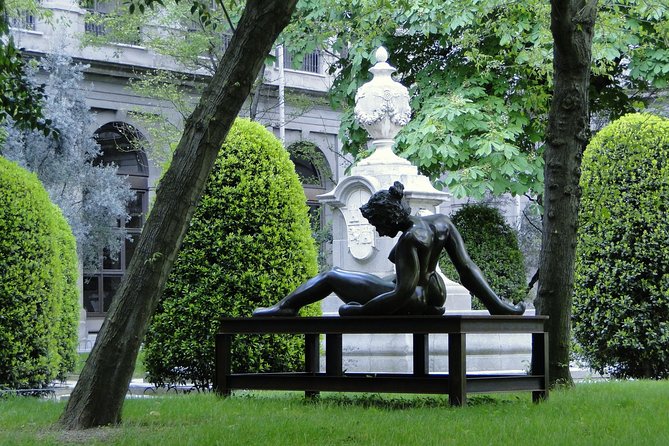
I’d book it if you want the best of both worlds: classical Spanish masterpieces at the Prado, then a guided path through 20th-century Spanish art at the Reina Sofía. It’s especially worth it if you like structure, context, and a guide who can make big names feel human and understandable—Pedro’s enthusiasm is exactly the kind of energy you want in two intense museums.
Skip it if you hate long museum days, you want total freedom to roam at your own pace, or you’re mainly chasing temporary exhibits. You’ll still see plenty of famous works with this tour, but it’s designed for the permanent collection story arc, not for hunting gallery-by-gallery surprises.
If you’re visiting Madrid and you want one efficient, high-impact art day, this combo tour is a strong bet.
FAQ
How long is the Prado & Reina Sofía exclusive guided tour?
The tour lasts about 5 hours 30 minutes, including a lunch break.
Where does the tour start and end?
It starts at Museo Nacional del Prado (Retiro, 28014 Madrid) and ends at Museo Reina Sofía (Arganzuela, 28012 Madrid).
Is the tour offered in English?
Yes, it’s offered in English.
Are entrance tickets included?
Yes. Admission fees for both museums are included.
Is the skip-the-line access guaranteed?
The tour includes skip-the-line access, but it also notes that security measures can still create lines at many attractions.
What if the museums close or have delayed openings?
The tour notes that the Prado or Reina Sofía may have occasional closures, delayed openings, or special events limiting access. In those cases, you’ll be offered a reschedule option or an appropriate alternative, and refunds or discounts aren’t provided in those situations.