REVIEW · MADRID
Mapfre Foundation Madrid – Photography Exhibitions
Book on GetYourGuide →Operated by Fundación Mapfre | Touristcheck · Bookable on GetYourGuide
If you like photography with context, this works. At Fundación MAPFRE, you’re not just looking at pictures—you’re walking through an art space built for visual culture, with shows mixing painting, photography, and sketches across roughly late-19th-century to mid-20th-century themes.
I especially love the chance to see two major temporary exhibitions running until May 17, 2026: Anders Zorn and Helen Levitt. Another strong point is the museum’s setup for independent visiting, since the audio guide is included free (English or Spanish). One practical drawback: the audio guide needs an active mobile connection, and you’ll want headphones—so plan for that if you hate tech friction.
In This Review
- Key highlights to focus on
- Fundación MAPFRE: A photo-and-art day in central Madrid
- What you’ll see: the temporary exhibitions running through May 17, 2026
- Anders Zorn: Traveling the World, Remembering the Land
- Helen Levitt: a long career of New York streets
- Permanent galleries: paintings, photography, sketches, and a time span you can feel
- The audio guide experience: simple, free, and easy to manage
- How to pace a one-day visit without rushing the images
- Price and value check: $5 tickets for serious exhibitions
- Who this experience suits best (and who might want a different day)
- Quick practical tips before you go
- Should you book Fundación MAPFRE photography exhibitions?
- FAQ
- Where is the Mapfre Foundation photography exhibitions experience located?
- How much does it cost?
- How long does the visit take?
- Is a ticket with an audio guide included?
- What languages is the audio guide available in?
- Do I need mobile internet for the audio guide?
- Are headphones required?
- Is the experience wheelchair accessible?
- Which temporary exhibitions are running until May 17, 2026?
Key highlights to focus on
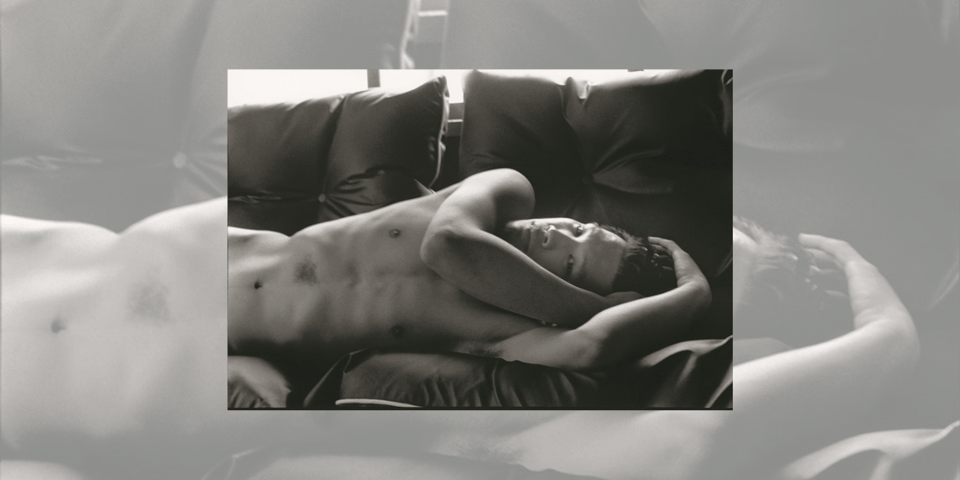
- Anders Zorn’s career across continents, from early watercolors to portraits and Spanish connections
- Helen Levitt’s street photography, nearly 200 works across nine sections of her long career
- Photo + painting + sketches in one visit, anchored to late-1800s through the mid-1900s
- Free audio guide via QR code in English and Spanish, with Wi-Fi as backup
- Headphones are required, with an option to buy them at the ticket counter for €1
Fundación MAPFRE: A photo-and-art day in central Madrid
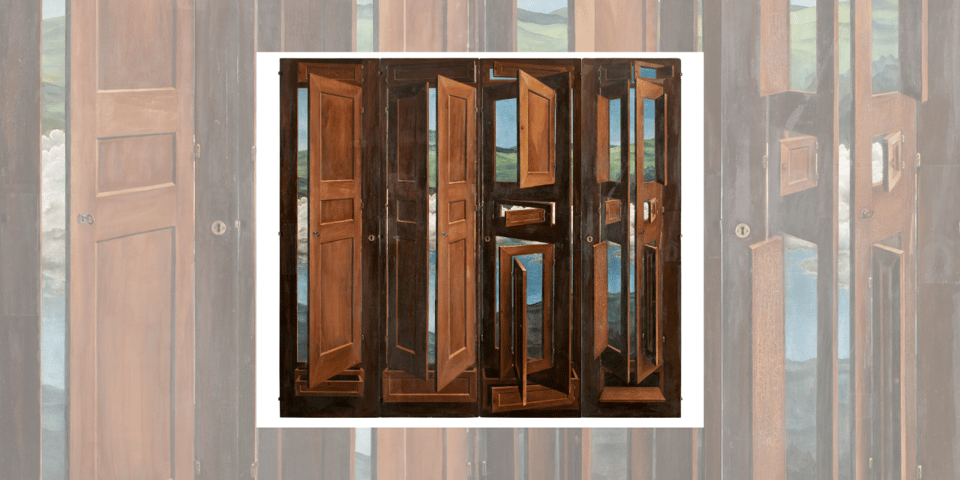
Fundación MAPFRE is the kind of museum stop that feels made for people who want more than a quick gallery swipe. The core idea is simple: you come for artistic photography, but you also get documentary and visual arts alongside it, so the images don’t float in isolation.
I like that the museum frames photography as part of a broader art conversation. You’ll see works that sit near each other—photography, painting, and sketches—with a focus on the period spanning from the late-19th century to the mid-20th century. That time band matters, because it helps you see photography as it develops alongside traditional media, changing how artists record people, places, and everyday life.
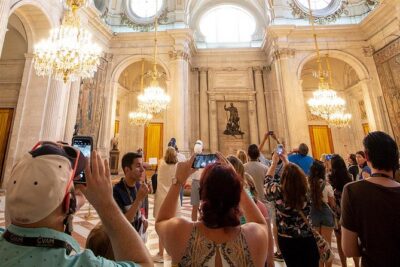
The museum experience is also friendly to self-paced wandering. You exchange your voucher at the ticket desk and then head inside with the audio guide ready to go. For many visitors, that freedom is the difference between a museum that feels like homework and one that feels like a relaxed afternoon.
You can also read our reviews of more museum experiences in Madrid

What you’ll see: the temporary exhibitions running through May 17, 2026
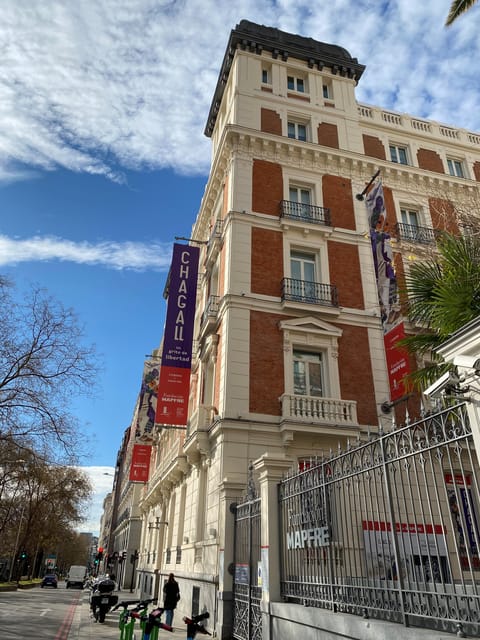
Right now, the main draw is two temporary exhibitions with very different flavors—one rooted in portraiture and painterly skill, the other built from the streets and everyday gestures.
Anders Zorn: Traveling the World, Remembering the Land
If you’re the type who likes to understand how an artist’s life changes the work, Anders Zorn is a smart pick. The exhibition traces his career from early watercolors and his period in England, through Paris where he consolidated his reputation under the influence of Impressionism, and then on to travels including the United States.
You’ll also see how his fame and technique traveled with him. Zorn was known as one of the most prominent Swedish painters of the late-19th and early-20th centuries, including his virtuosity in oil, watercolor, and printmaking. The show also highlights his celebrated nudes and his work as a portraitist of kings, presidents, and celebrities—so even if your taste leans modern or graphic, the exhibition gives you a strong artistic anchor.
What I find especially useful for visitors is the way the exhibition doesn’t treat “Sweden” as one fixed look. It includes his return to Mora and a focus on everyday Swedish life, while also including Spanish works and his artistic connection with Joaquín Sorolla. If you’ve ever wondered how artists borrow from each other across borders, this part gives you a clear pathway to that idea.
Helen Levitt: a long career of New York streets
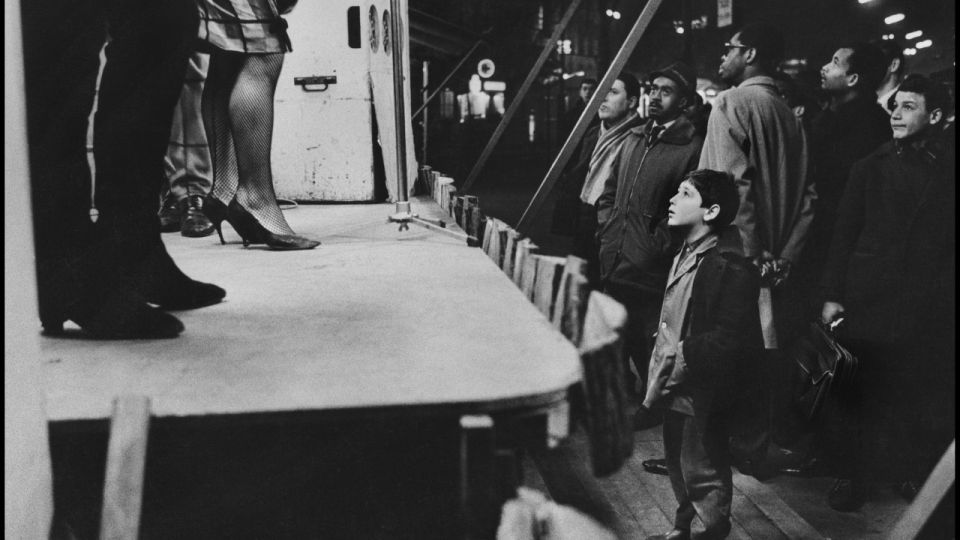
Helen Levitt offers a totally different rhythm. This exhibition follows her over more than seven decades, built around a deeply personal approach to urban life. She was fascinated by the streets of New York and began photographing at the end of the 1930s, often capturing children at play, everyday gestures, and scenes from working-class neighborhoods.
The show is broad, with nearly two hundred works arranged across nine sections, taking you from her early photographs to cinematic explorations. The sections help you see her not as a single style, but as an evolving eye—still focused on streets and people, but shifting in how she frames and sequences what she observes.
This is also where you get a social edge. The exhibition presents her as a pioneering figure in urban photography with a strong social commitment. If you like photography that feels quietly urgent—without shouting—Levitt is the kind of artist whose work rewards slow looking. You’ll likely find yourself pausing more than you planned to, just to catch the small human details.
Permanent galleries: paintings, photography, sketches, and a time span you can feel
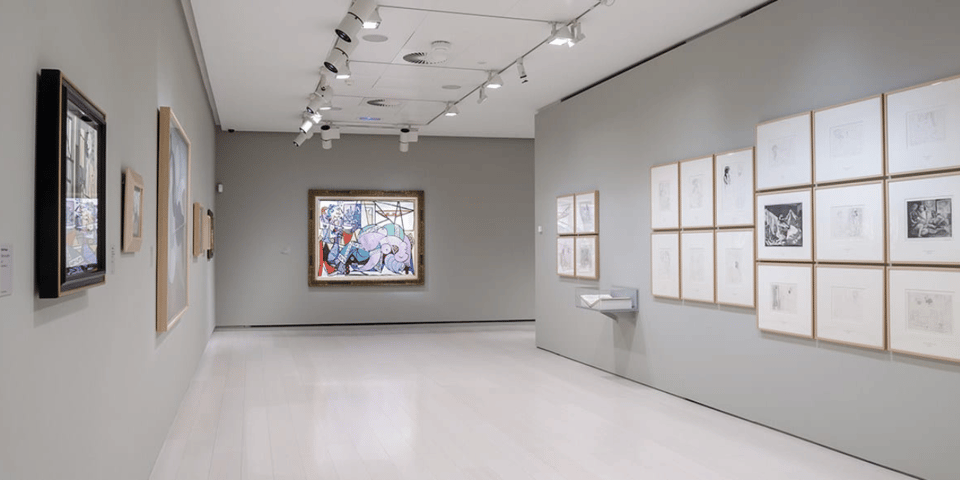
Temporary exhibitions are the headline, but the rest of the museum is what turns your visit into a full “story,” not just a stop-and-snap. The museum’s galleries focus on the period spanning late-19th century to mid-20th century, and that matters because it’s the era when photography becomes a major artistic language, not only a tool for recording reality.
You can expect to see works of painting, photography, and sketches placed in ways that highlight development over time. That’s a valuable approach because you start noticing patterns: how subjects shift, how composition changes, and how different media handle the same idea.
For photography lovers, this background helps you place what you’re seeing in the temporary shows. Zorn’s images make more sense when you understand photography’s relationship to painting and printmaking around that era. Levitt’s street work hits harder when you recognize how urban life and documentary impulses were evolving through the 20th century.
And for visitors who aren’t always “photo people,” this mix can be a relief. You’re not trapped in one medium. If one wall doesn’t grab you, another one might—painting and sketching can act like a bridge back into the photography.
You can also read our reviews of more photography tours in Madrid


The audio guide experience: simple, free, and easy to manage
The museum includes a free audio guide in English and Spanish. You access it via a QR code available in the room, and a mobile device with active mobile internet connection is required.
If you don’t want to burn data, there’s good news: you can connect to free Wi-Fi in the space. This makes it much easier than “bring your own guide app and hope.” In practice, I’d treat the audio guide as your on-site “edit button.” Use it where you feel curious, and turn it off when you want to just look.
Headphones are required so you don’t disturb other visitors. The museum recommends bringing your own; if you don’t have them, you can buy headphones at the ticket counter for €1 (jack type), though you may need to wait depending on availability.
A small tip that saves time: if you’re bringing headphones, test them before you start scanning QR codes. It’s a fast way to avoid the annoying moment where you’re ready to listen, but nothing plays.
How to pace a one-day visit without rushing the images
This is a 1-day experience, and that flexibility is useful. But museum pacing is still real—temporary exhibitions are big enough that you can accidentally rush if you don’t choose a plan.
Here’s the approach I’d use:
- Start with one temporary show first. Anders Zorn is a career-story with travel and technique changes; Levitt is more about personal vision and sections that build slowly.
- Then go to the permanent galleries for context while your memory of the temporary themes is still fresh.
- If you’re only planning “a bit” of photography, prioritize Levitt’s sections and then loop back to Zorn for portrait and printmaking-focused moments.
Because headphones are required and the audio guide adds optional depth, you don’t want to stack everything at maximum volume. I’d mix listening with silent looking. Even a short audio segment can change how you interpret a photo, especially in historical exhibitions.
Also, consider how you handle breaks. The museum is not designed as a marathon; it’s designed for attention. If you take one calm pause mid-visit—just to stand back and view a room as a whole—you’ll usually enjoy the final hour more.
Price and value check: $5 tickets for serious exhibitions
At $5 per person, this is the kind of ticket price that makes it hard to argue with value. You’re paying for a museum visit that includes access to temporary exhibitions plus permanent displays, and the audio guide is included.
One thing I’d keep in mind, though: rules and pricing can vary based on promotions or special circumstances. There’s at least one reported experience where a person felt they were charged for what they expected to be free entry. That doesn’t mean it’s common, but it’s enough for me to recommend you check the exact ticket details shown at purchase and at the ticket desk.
Even with that small caution, the value still looks strong. You get:
- major temporary exhibitions featuring internationally known artists
- a permanent collection focus across multiple media
- a free bilingual audio guide
- a visit length designed to fit into a day in Madrid
For people on a budget, this is a smart pick. For people who pay for experiences based on “how much I’ll actually look,” it also scores well.
Who this experience suits best (and who might want a different day)
This museum works best if you enjoy photography that isn’t treated like decoration. You’ll probably have the best time if you like images with historical and artistic framing—portraits, street scenes, and documentary-adjacent work that carries social meaning.
You’ll also enjoy it if you like cross-media art. Zorn gives you painting and printmaking connections, while Levitt brings photography and cinematic explorations into the same conversation. The permanent galleries help stitch it all together.
On the flip side, if you’re looking for a pure photography event with only contemporary works, this may feel more “art museum with photography” than “photography festival.” And because headphones are mandatory and the audio guide needs mobile internet or Wi-Fi, tech-avoidant visitors might find the experience slightly more procedural than they expected.
Quick practical tips before you go
- Bring headphones if you can. It avoids the €1 purchase and any counter wait.
- Plan to use the audio guide selectively—turn it on for the works that intrigue you most.
- If your phone data is limited, connect to the museum’s free Wi-Fi for audio access.
- Give yourself time to move between temporary exhibitions and the permanent rooms; the context improves your understanding.
Should you book Fundación MAPFRE photography exhibitions?
Yes—if you want a day in Madrid that mixes photography with the bigger art story behind it. The combination of Anders Zorn and Helen Levitt is worth your time, especially because the exhibitions run through May 17, 2026 and the museum includes a free bilingual audio guide.
Book it if you:
- like structured exhibitions with context
- enjoy street photography and social human details (Levitt)
- want art history through technique and travel (Zorn)
- appreciate museums that connect photography to painting and sketches
Skip it only if you’re specifically after a contemporary-only photography event or you strongly prefer exhibitions without any headphone/audio requirement.
FAQ
Where is the Mapfre Foundation photography exhibitions experience located?
It takes place in the Community of Madrid, Spain.
How much does it cost?
The price is listed as $5 per person.
How long does the visit take?
It’s described as 1 day.
Is a ticket with an audio guide included?
Yes. The standard ticket includes an audio guide.
What languages is the audio guide available in?
The audio guide is available in English and Spanish.
Do I need mobile internet for the audio guide?
Yes. The audio guide is accessed via QR code and requires a mobile device with active mobile internet. Free Wi-Fi is available in the space as an alternative.
Are headphones required?
Yes, headphones are required. You can bring your own, or buy jack-type headphones for €1 at the ticket counter.
Is the experience wheelchair accessible?
Yes, it is wheelchair accessible.
Which temporary exhibitions are running until May 17, 2026?
Two temporary exhibitions are listed: Anders Zorn: Traveling the World, Remembering the Land and Helen Levitt.