REVIEW · MADRID
Prado Museum (Madrid): Private visit with art expert
Book on GetYourGuide →Operated by Uizart · Bookable on GetYourGuide
A museum with 700 years of art needs a translator. This private Prado visit gives you an art expert who explains how European painting changed from the 12th to the 19th century, and they shape the route around what you care about.
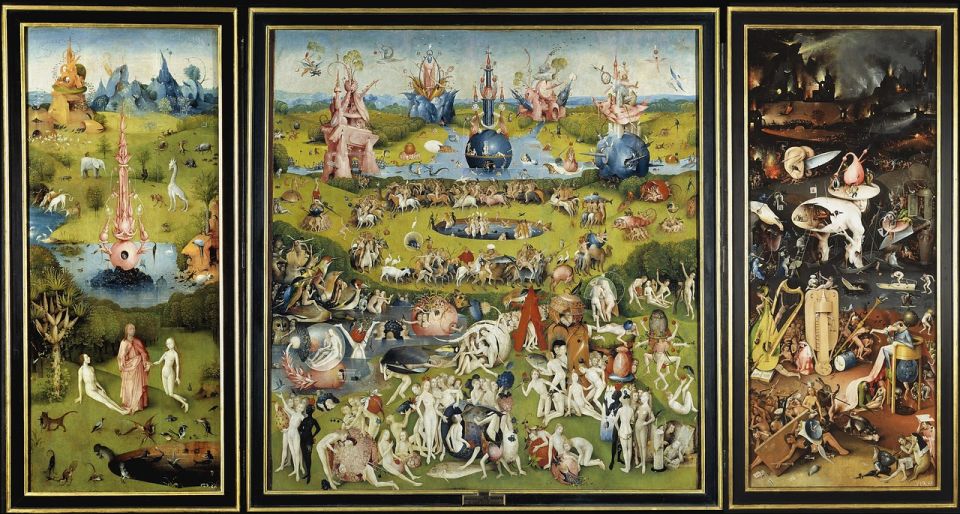
What I like most is the personalized approach. You choose the themes, and the guide adjusts on the spot so you can spend longer where you want—whether that’s El Bosco, Dürer, El Greco, Rubens, Titian, Tintoretto, Velázquez, or Goya. I also love how interactive the visit can be: you can ask questions as much as you want and actually understand what you’re looking at.
One heads-up: no photography inside. If you’re the type who likes to take photos for later, you’ll need to rely on notes and memory instead.
In This Review
- Key points that make this Prado visit work
- Why a private Prado tour makes sense (700 years, many styles)
- Starting at Goya: the fastest way to get your bearings
- How the 2-hour guided flow actually feels
- A quick note on pace and questions
- The art timeline you’ll follow: from medieval ideas to Goya’s world
- When you see early works with context
- When Renaissance and Baroque masters change the rules
- When Velázquez and Goya get their moment
- Skipping the ticket line (and why group size matters)
- Inside the Prado: what’s allowed, what’s not, and how to prepare
- Accessibility and comfort: practical help you’ll appreciate
- Price and value: is $136 per person worth it?
- Who this Prado private tour is best for
- Who might not love it
- After the tour: what to do with your extra time inside
- Should you book this Prado private visit?
- FAQ
- How long is the Prado private visit?
- Where do we meet the guide?
- Are entrance fees included?
- Can I take photos inside the museum?
- What languages is the guide available in?
- Is this tour wheelchair accessible?
- Can I stay in the museum after the guided portion ends?
Key points that make this Prado visit work
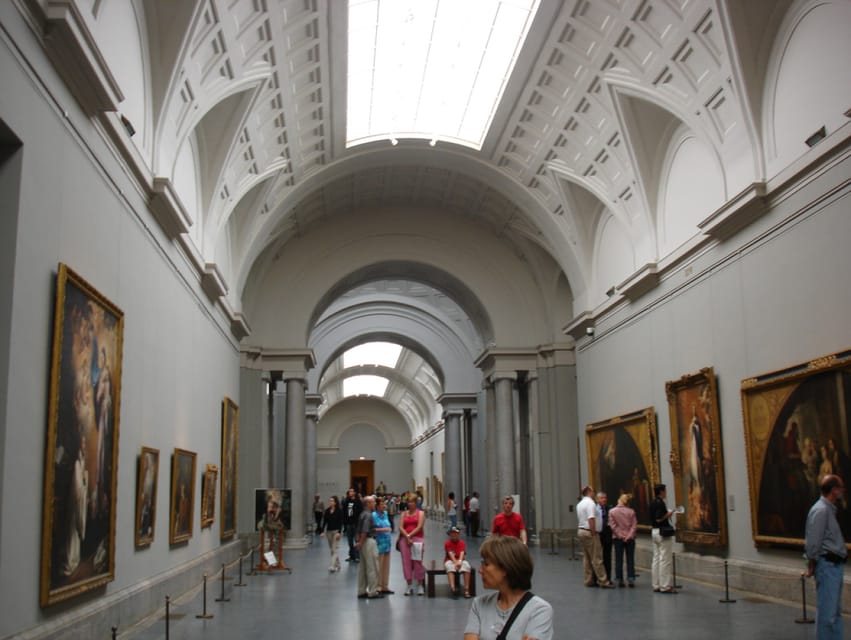
- Private art expert who can answer your questions while you look closely
- Custom route built around your interests, not a one-size-fits-all checklist
- 2 hours focused enough to feel satisfying, not exhausting
- Skip the ticket line and cut waiting time, especially for small groups
- Old Masters to Goya in a guided timeline of European art from the 12th–19th centuries
- You can stay after the tour to see more on your own (for groups up to 7)
Why a private Prado tour makes sense (700 years, many styles)
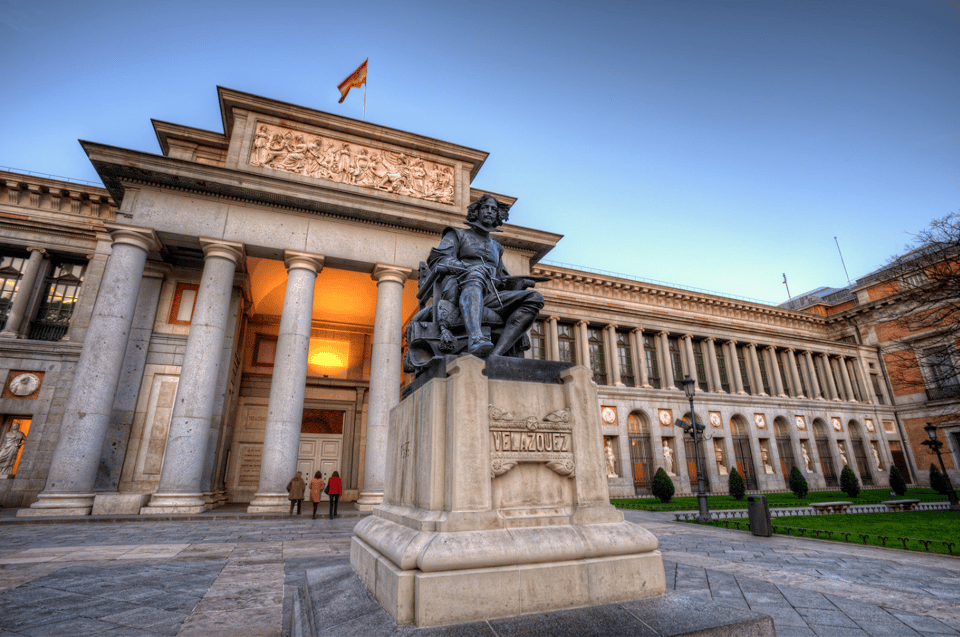
The Prado Museum can feel like a beautiful overload. You walk in thinking you’ll just “see the famous paintings,” and then you realize European art didn’t evolve in a straight line. Styles shift. Religious images turn into political statements. Techniques change. Even what counts as realistic changes over centuries.
That’s where a private guide earns its keep. A good expert turns the museum into a story you can follow—so the art stops feeling random. Instead of bouncing from one masterpiece to another, you get a guided path through the evolution of European art, spanning the Middle Ages through later centuries, with context that helps you read what’s on the walls.
And because this is private, you set the pace. If one painting grabs you, you can linger. If something doesn’t click yet, you can ask for an explanation that helps you see what you might be missing. For a museum as large and image-dense as the Prado, that flexibility is the whole point.
You can also read our reviews of more private tours in Madrid



Starting at Goya: the fastest way to get your bearings
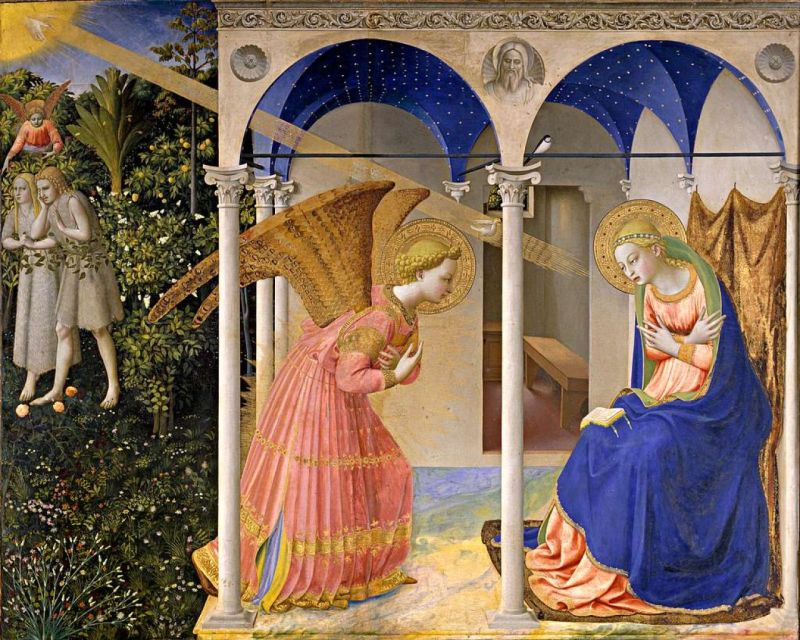
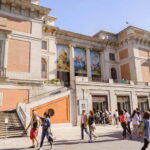
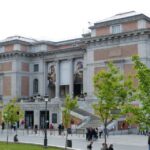
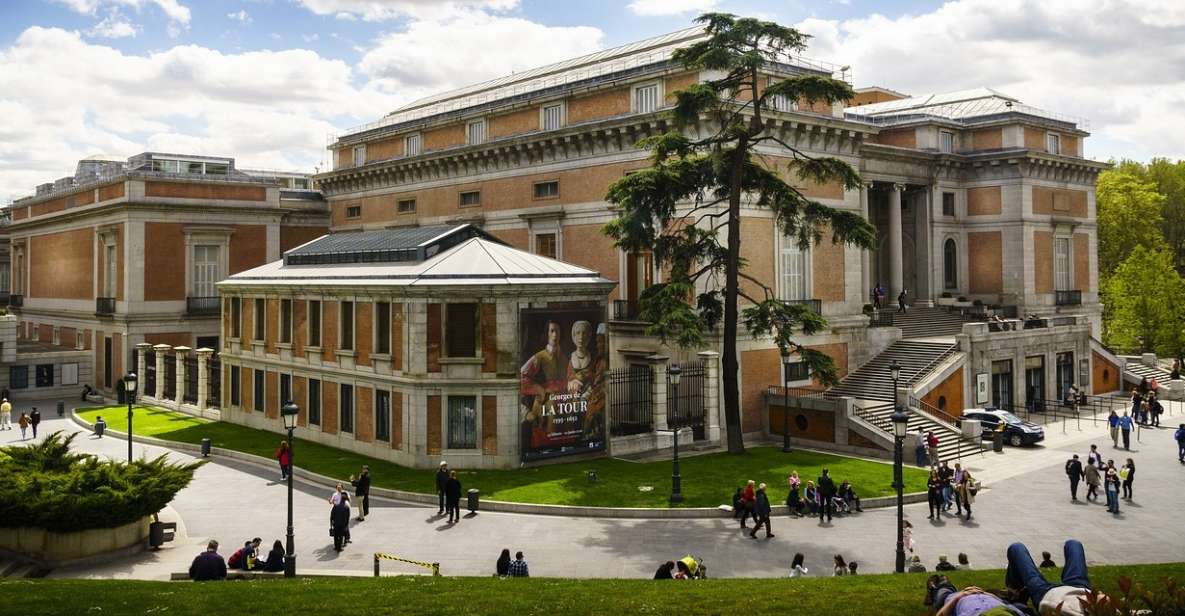
The meeting point is outside at the Monumento a Goya, in front of the Prado’s ticket area. You’re met near the statue of Velázquez as well, in the Prado’s surrounding area known as the Landscape of Light (a UNESCO World Heritage site created under Carlos III).
This matters more than it sounds. Before you enter, you’re given a mental “map” for how to look. You’re also ready to move quickly—because the next step is getting in with the fastest entrance method based on group size. That can save meaningful time in a museum that gets busy.
If you’re traveling with limited time in Madrid, arriving ready to go straight in is a big win. And since this is private, there’s less wandering in crowds trying to figure out where the line is.
How the 2-hour guided flow actually feels
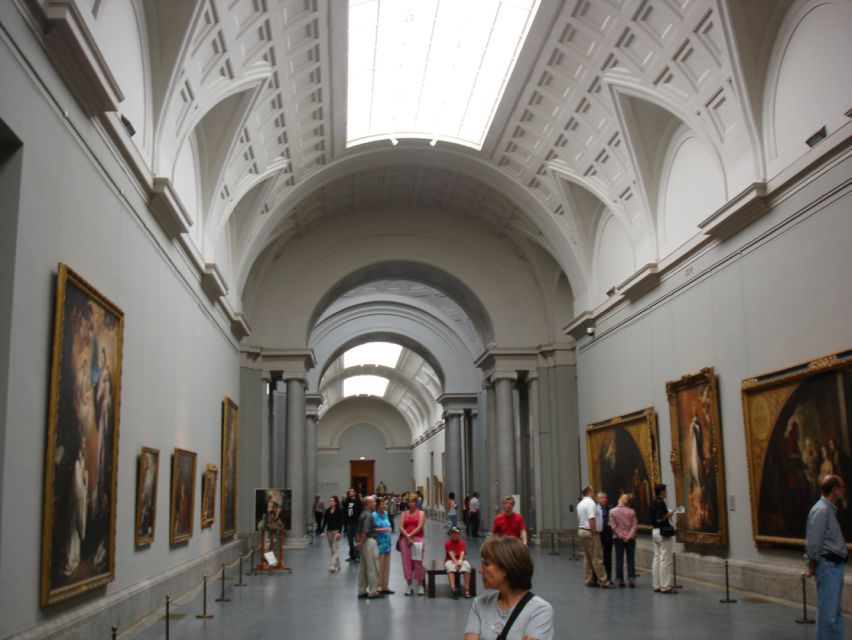
The tour lasts two hours, which is just long enough to feel like you got something real without wearing you out. This is not a sprint through the entire Prado collection. It’s a curated experience with expert commentary, timed for maximum understanding.
Inside, your guide leads you through a sequence designed to show the shift in European painting over hundreds of years. The names you’ll recognize—El Bosco, Dürer, El Greco, Rubens, Titian, Tintoretto, Velázquez, Goya—aren’t just decoration. You’re shown how their work fits into what came before and what pushed art forward.
What that means in practice:
- You’ll spend time on fewer works, but with better interpretation.
- You’ll learn what to notice—composition, symbolism, lighting, brushwork, and how the artist’s world shaped the painting.
- You can ask follow-up questions and steer the focus toward what you personally want.
A nice touch is that you can keep the interaction going at your level. Some people love detailed explanations; others just want answers to specific questions. This tour is designed to work either way.
A quick note on pace and questions
In a normal museum visit, you see something and think, I’ll look it up later. Later never happens. Here, you can get immediate clarity while you’re standing in front of the artwork—so your eyes keep adjusting as your understanding grows.
Several guides connected with this experience are described as personable and highly engaged—names like Amanda, Carlos, Enrique, Juan, Stefy, and Alex appear in the guide lineup. The practical outcome you should expect is a conversation, not a lecture.
The art timeline you’ll follow: from medieval ideas to Goya’s world
The Prado’s power is breadth. In one building, you’re looking at works that reflect changing beliefs, politics, and artistic technique over centuries. This tour is built specifically to help you see that evolution as a connected story.
You’re covering European art from the 12th to the 19th century, with emphasis on how the masters transformed themes and methods over time. That timeframe is the backbone of your guide’s explanations.
Here’s what that usually does for your viewing experience:
You can also read our reviews of more museum experiences in Madrid



When you see early works with context
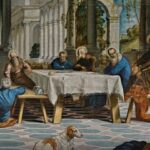
Older paintings often look “less realistic” to modern eyes—not because the artist lacked skill, but because realism wasn’t the only goal. You’ll get help reading what matters in these works: symbols, religious or moral messaging, and the visual language used to communicate meaning to the audience of the time.
When Renaissance and Baroque masters change the rules
As you move through later centuries, the guide helps you notice shifts like:
- More natural-looking space and depth
- Different ways of showing emotion
- The move toward dramatic lighting and richer storytelling
- How myth, power, and patronage shaped subject matter
If you’re particularly interested in Baroque drama, the inclusion of artists like Rubens, Titian, and Tintoretto makes sense. And if you want the bridge between eras, El Greco is often the kind of artist that helps you understand why style doesn’t evolve evenly.
When Velázquez and Goya get their moment
This is where many visitors feel the museum “click.” Velázquez helps you see observation and perception treated as art. Then Goya brings a late-century intensity that feels closer to modern emotion and commentary.
Having those names threaded into a guided timeline is valuable because you stop thinking of them as isolated “famous painters.” You start seeing them as part of an evolving system of ideas.
Skipping the ticket line (and why group size matters)
This experience includes entrance fees and is set up to skip the ticket line. That’s the obvious benefit. The less obvious benefit is how line-skip affects your mindset.
If you’re waiting, you’re thinking about logistics. Once inside, you’re ready to look. You can start your museum rhythm right away, instead of losing that first hour to crowd management.
Small-group handling is specifically built in: if you’re in a group up to 7 people, you can benefit from skipping the longer queues that larger groups face. Even if you’re not in that exact sweet spot, the tour is designed to get you inside efficiently.
Inside the Prado: what’s allowed, what’s not, and how to prepare
One clear rule: photography isn’t allowed inside. So your strategy needs to be different than your usual phone-first approach.
Instead of relying on pictures, you’ll get more value from:
- Listening closely for what the guide points out
- Taking quick notes on specific details you want to remember
- Asking questions on the spot while the painting is still fresh
If you’re the kind of traveler who likes to compare later at home, this may feel annoying at first. But once you shift into “read mode,” it’s also a chance to slow down and actually see.
The good news is the visit is designed for that kind of attention. With a guide explaining what you’re looking at, the lack of photos matters less.
Accessibility and comfort: practical help you’ll appreciate
This tour is wheelchair accessible and the museum itself is also stroller and wheelchair friendly. In the guide context, there’s also specific mention of helpful support for mobility needs.
So if you care about moving smoothly through a museum and you want less stress, this is the kind of guided setup that can make a big difference. You’re not trying to navigate every turn alone while managing fatigue.
Price and value: is $136 per person worth it?
At $136 per person for two hours, the price is in the “serious museum experience” range. The value comes from what’s included and what you’re paying for.
Here’s what you get in the package:
- A specialized art guide
- Entrance fees and related costs
- A private format (your route can adapt to your interests)
- The ability to skip the ticket line
- Option to stay after the guided portion (for groups of 7 or less)
The main value isn’t just access—it’s interpretation. The Prado is one of those museums where a self-guided visit can turn into “I saw famous paintings,” while a guided visit can turn into “I understood why they matter.”
If you love art already and want sharper context, this format is a strong fit. If you’re only casually curious, you might find that spending two hours with a guide feels more intense than you expected. But because the route is customizable, you can steer it toward your style of interest.
Also note: transportation isn’t included, so you’ll still need to plan how you get to the meeting point at Goya/Prado area.
Who this Prado private tour is best for
This experience works especially well if you:
- Want a museum visit that’s not just visual, but explained
- Like asking questions and getting real-time answers
- Prefer a tailored route over a fixed itinerary
- Want to connect masterpieces to a larger timeline of European art
- Have limited time and want a high-impact use of your hours in Madrid
It’s also a smart choice if you struggle to enjoy big museums without structure. A timeline plus guided attention helps you stop feeling lost.
Who might not love it
If you want to take lots of photos and make a visual scrapbook, the no photography rule is a dealbreaker for some people. Also, if you’d rather drift freely with zero talking, a guide-centered visit may feel too directed.
And since it’s two hours, you won’t see everything. You’ll see what the guide chooses to build your story—so you might want a second, self-paced pass if you’re the type who wants to fully roam.
After the tour: what to do with your extra time inside
Once your guided time ends, you can stay in the museum on your own. This option applies for groups of 7 people or less, and then the guide provides recommendations for what to look at next.
That’s a great way to blend both styles:
- Guided understanding first, so you know what you’re looking at
- Independent exploring after, so you can follow your new instincts
If your goal is to leave with real comprehension, this “then roam” approach is a solid match.
Should you book this Prado private visit?
Book it if you want the Prado to feel like a guided story, not a pile of masterpieces. For most art-minded travelers, the biggest payoff is the way the guide adapts to your interests and helps you notice details you’d otherwise miss—especially across the long sweep from early European art to Velázquez and Goya.
Skip it if you need lots of photos for later, or if you strongly prefer silent, wandering museum time with no structure.
If you’re visiting the Prado once and you want that visit to land, this is a practical, high-value way to do it.
FAQ
How long is the Prado private visit?
The guided tour lasts 2 hours.
Where do we meet the guide?
Meet at the selected meeting point by Goya’s statue, outside the Prado Museum ticket area.
Are entrance fees included?
Yes. Entrance fees, taxes, and management fees are included in the price.
Can I take photos inside the museum?
No. Photography inside the Prado isn’t allowed.
What languages is the guide available in?
The live guide is available in English and Spanish.
Is this tour wheelchair accessible?
Yes. The tour is wheelchair accessible, and the museum is also wheelchair and stroller accessible.
Can I stay in the museum after the guided portion ends?
Yes, you can stay after the visit if you’re in a group of 7 people or less. The guide can share recommendations for what to see next.