REVIEW · MADRID
Madrid: 10 Tapas 2.5-Hour Cooking Class
Book on GetYourGuide →Operated by A Punto Cooking School · Bookable on GetYourGuide
Your kitchen becomes Spain for 2.5 hours. 10 tapas plus sangría make this class feel like a real meal, not a demo.
I like how the whole setup pushes you to cook with others in small teams, with clear coaching from instructors such as Gustavo (and other team members you’ll see running tasks). You also get a souvenir apron and a copy of the recipes, so it’s not just a one-night snack.
My only real caution: you won’t personally cook every single step of all dishes start-to-finish. The class runs in a shared, group-work flow, so if you’re expecting total solo control of all 10 tapas, adjust your expectations to a team kitchen.
In This Review
- Key Highlights You’ll Actually Feel
- 10 Tapas in Madrid: Why This Class Is a Great Use of Time
- What you’ll like right away
- What to keep in mind
- Where to Meet: Calle de la Farmacia, Street Level
- Inside the Kitchen: What Happens Before the Cooking Starts
- The Small-Group System: Cooking With 3–4 People
- What You’ll Cook: 10 Regional Tapas (Basque to Catalonia)
- Timing matters in a 2.5-hour class
- The Meal Part: Sangría and Sitting Down Together
- Vegetarian Option: The Menu Reality Check
- Allergies and Special Diets: How to Think About Risk
- What You Get to Take Home: Apron and Recipe Copy
- Price in Perspective: Is $80 Worth It?
- Who This Class Is Best For
- Final Call: Should You Book This 10 Tapas Class in Madrid?
- FAQ
- How long is the Madrid 10 Tapas cooking class?
- Do I need any cooking experience?
- What’s included with the price?
- Is there a vegetarian option?
- Where do I meet the group?
- Is the class taught in English, and is there an age limit?
Key Highlights You’ll Actually Feel
- Hands-on cooking for a full 2.5-hour meal experience
- Learn 10 regional tapas, including dishes like gilda and pan tumaca
- Instructors (often led by chefs like Gustavo) keep things fun and organized
- Small groups (3–4 people) mean more action at your station
- You sit down to eat what you make, with Spanish sangría included
- Take home an apron + recipe copy for repeat cooking later
10 Tapas in Madrid: Why This Class Is a Great Use of Time
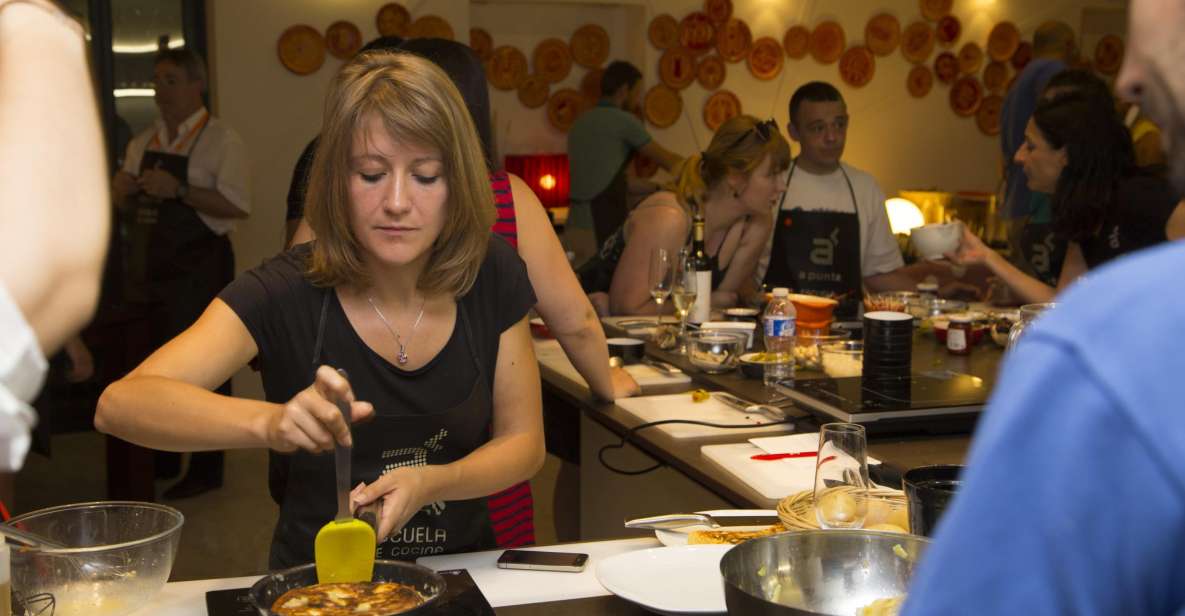
Madrid is full of things to do at night—bars, neighborhoods, late dinners, and that never-ending search for the best croquetas. This cooking class is different. It’s not just food tasting. It’s food work. In 2.5 hours, you make a set of 10 regional tapas, guided step-by-step by a chef, then you eat the results together.
The value here comes from how active it is. Many food experiences hand you a fork and call it participation. This one has you chopping, mixing, assembling, frying or toasting (depending on the dish), and learning why each item tastes the way it does. That’s why it scores so high with people who want more than a meal—they want a skill and a story.
You can also read our reviews of more cooking classes in Madrid
What you’ll like right away
First, the pace is designed for busy schedules. You’ll feel like you did something real, not just “watched someone cook.” Second, the class emphasizes practical technique and cultural context—so the dishes aren’t random bites. You connect a tapa to a region, and that helps you recreate it later without guessing.
What to keep in mind
You do teamwork. The chef and team split tasks so multiple tapas progress at once. That keeps the whole schedule moving, but it also means you won’t do every single step of every tapa by yourself.
Where to Meet: Calle de la Farmacia, Street Level
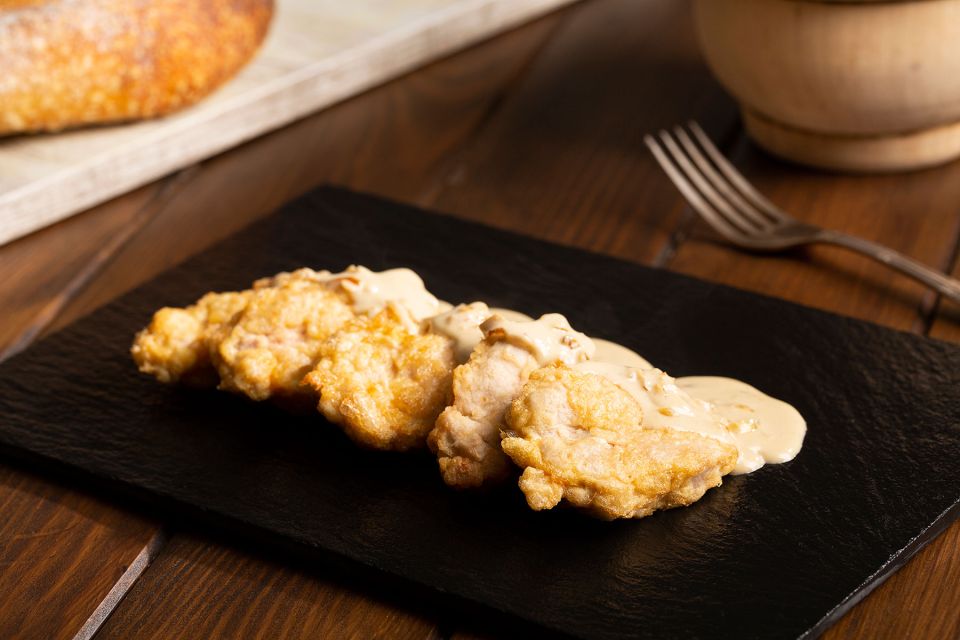
Your first practical win is knowing exactly where to go. Meet outside the shop at Calle de la Farmacia, 6. It’s street level, and you’ll meet outside the building—inside it’s not the meeting point.
Look for A PUNTO SHOP signage. If you arrive flustered, you’ll lose cooking time, so I’d show up a bit early, take a breath, and make sure you’re at the right door.
Inside the Kitchen: What Happens Before the Cooking Starts
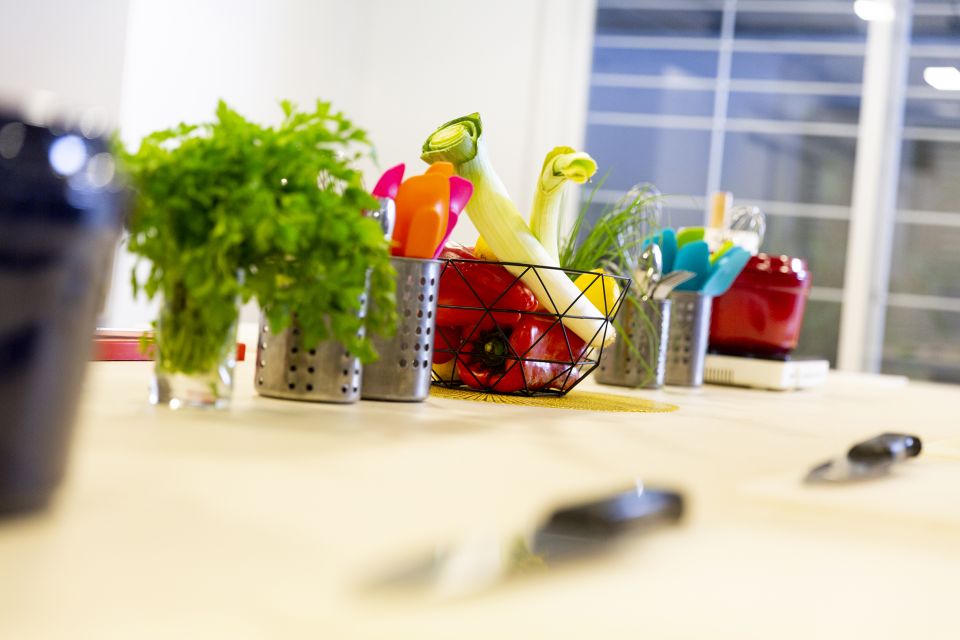
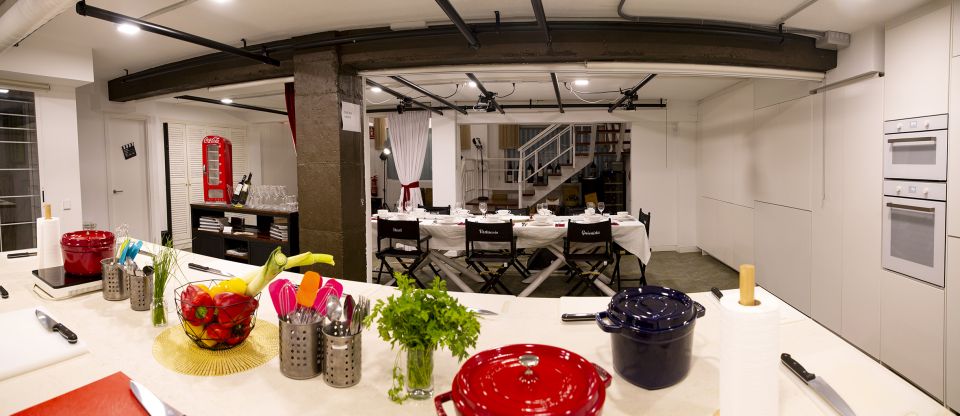
Once you’re in, expect a fully equipped working kitchen and an easy orientation. There’s no previous experience required, and the class runs in English, so you won’t be stuck translating cooking vocabulary in your head.
Before things get hot and fast, you’ll typically get the flow explained: which dishes are on the menu, what your group will handle, and how the chef wants you to approach technique. The best part is that instructors keep an eye on the room and help course-correct when something goes off.
Practical note: the class rules include no audio recording, and there are no children under 14, so it stays focused and adult. Also, smoking isn’t allowed.
You can also read our reviews of more tours and experiences in Madrid
The Small-Group System: Cooking With 3–4 People
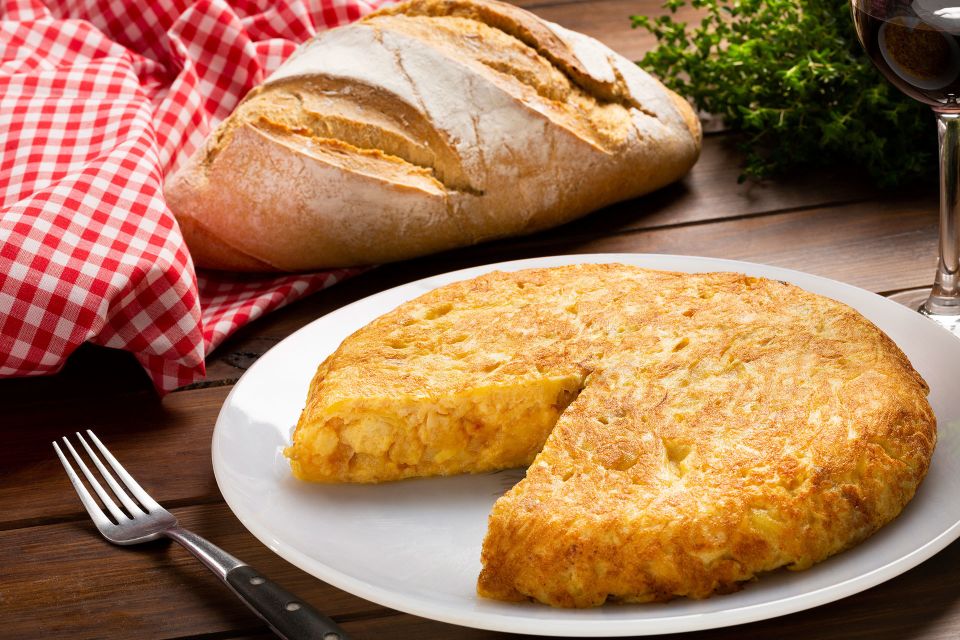
The class is small enough that you won’t feel lost, but it’s also run like a real kitchen: multiple stations, shared tasks, and clear directions. You’ll work in groups of 3–4 people, and you won’t prepare all 10 tapas by yourself.
That group setup is actually a strength. You’ll learn faster because you can swap roles—one person builds, another finishes, another handles timing. And because you’re cooking in parallel, you end up producing a full spread instead of two sad little bites.
Many participants also say the vibe is warm and social, with instructors using humor and banter to break the ice. It matters. When the room feels comfortable, you focus more on technique—and that’s when your dish improves.
What You’ll Cook: 10 Regional Tapas (Basque to Catalonia)
This is a “Spain by flavors” class. The tapas are chosen to show what different regions do well, and you learn the basics behind each dish—not just the final plating.
You may make classics like:
- Gilda from the Basque Country (pepper and anchovy skewers)
- Pan tumaca from Catalonia (a tomato-based bruschetta-style tapa)
Even if you’re not obsessed with anchovies or tomatoes, the lineup is balanced. You’ll get a range of textures—skewer food, toasted bread, toppings and bite-size builds. That variety is one of the reasons this class feels like a real education rather than a single-theme workshop.
Timing matters in a 2.5-hour class
Because 10 tapas fit into one evening, the chef keeps a strong rhythm. Some dishes may require prep steps that happen while others are cooking. That’s why it’s smart to go in expecting teamwork and sequencing. If you do that, you’ll be amazed at how much you produce.
Also, don’t be surprised if multiple dishes move at the same time. One drawback people sometimes note is that if lots of items are running at once, you might not get 100% of the hands-on minutes for every step. Still, the overall experience is designed so most people contribute to multiple tapas.
The Meal Part: Sangría and Sitting Down Together
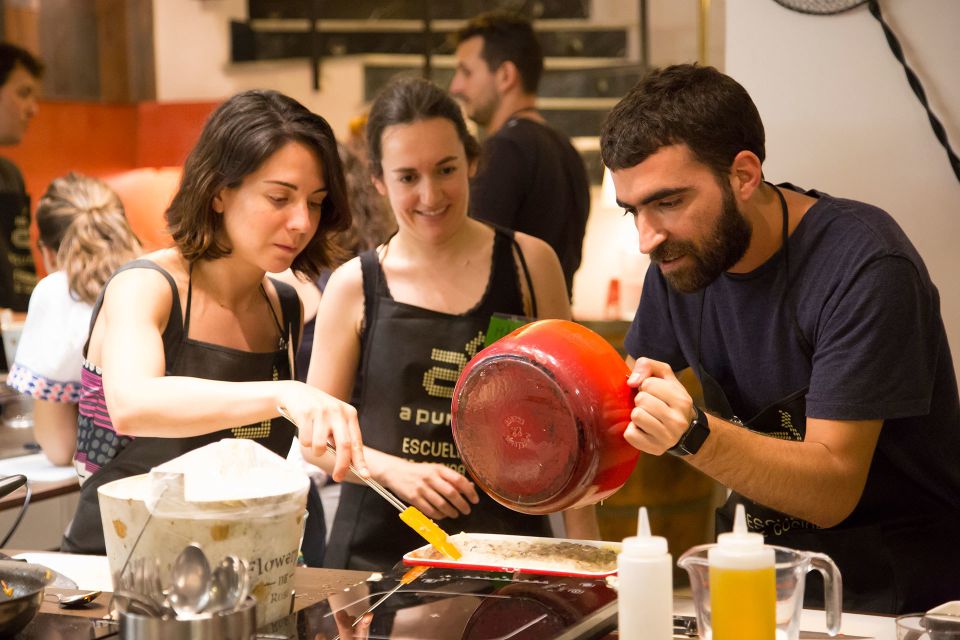
After the work, you finally get to eat like a friend group that just cooked a feast. Your meal includes what you made plus Spanish sangría.
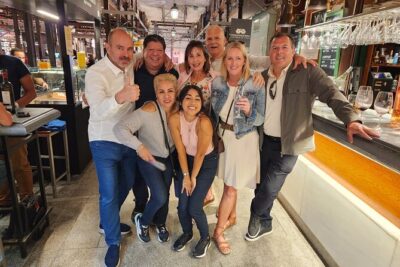
This is where the class really clicks. In a tapas crawl, you’re ordering. Here, you’re tasting your decisions—salt level, acidity balance, texture crunch, seasoning, and timing. You also get to talk with the people you cooked alongside, which turns a class into a night out.
If you want to add extra drink, some people choose to buy additional wine separately on their own (wine isn’t included in the class). That can work well if you’re planning this as a full evening rather than a quick activity.
Vegetarian Option: The Menu Reality Check
Here’s the honest part. There is a vegetarian meal option available because half of the menu is vegetarian. But the plates cannot be changed, so you can’t assume you’ll swap individual components dish-by-dish.
What that means for you:
- If you eat vegetarian, you’ll likely be well covered because the menu is built with vegetarian dishes.
- If you have very specific needs or hard-to-substitute ingredients, you’ll want to be clear before booking (based on what the offer says about vegetarian plates being fixed).
Also, the class structure means some items may include meat or seafood. The best approach is to treat this class as “vegetarian-safe through the menu design,” not as a custom-by-order cooking class.
Allergies and Special Diets: How to Think About Risk
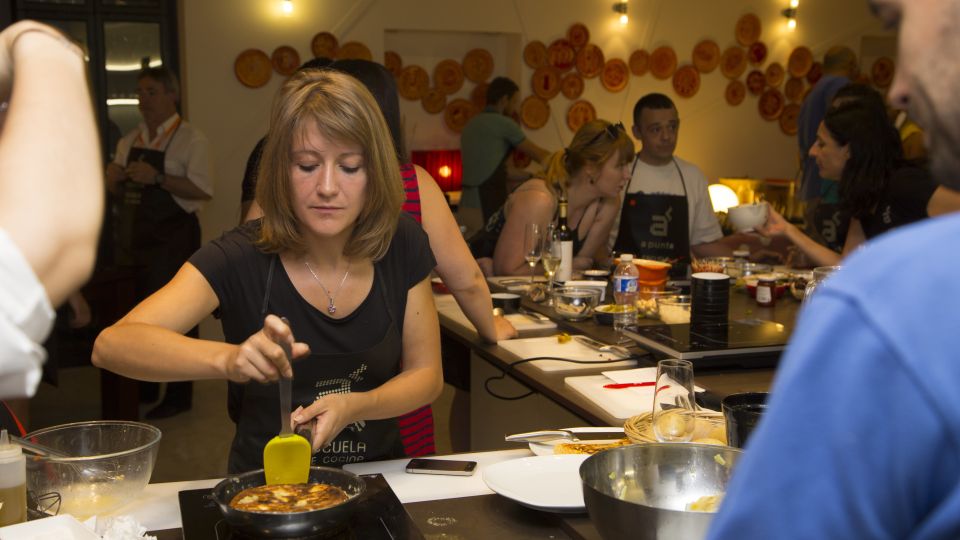
The data you provided doesn’t list detailed allergy handling rules, so I can’t promise how strictly ingredients are segregated. I can say the class is designed for a friendly group experience, and some participants even note being supported with certain eating restrictions.
Still, do your homework. If you have a severe allergy, contact the operator before you book and ask how they manage cross-contact and ingredient swaps. With tapas cooking running in a shared kitchen, you’ll want clarity.
What You Get to Take Home: Apron and Recipe Copy
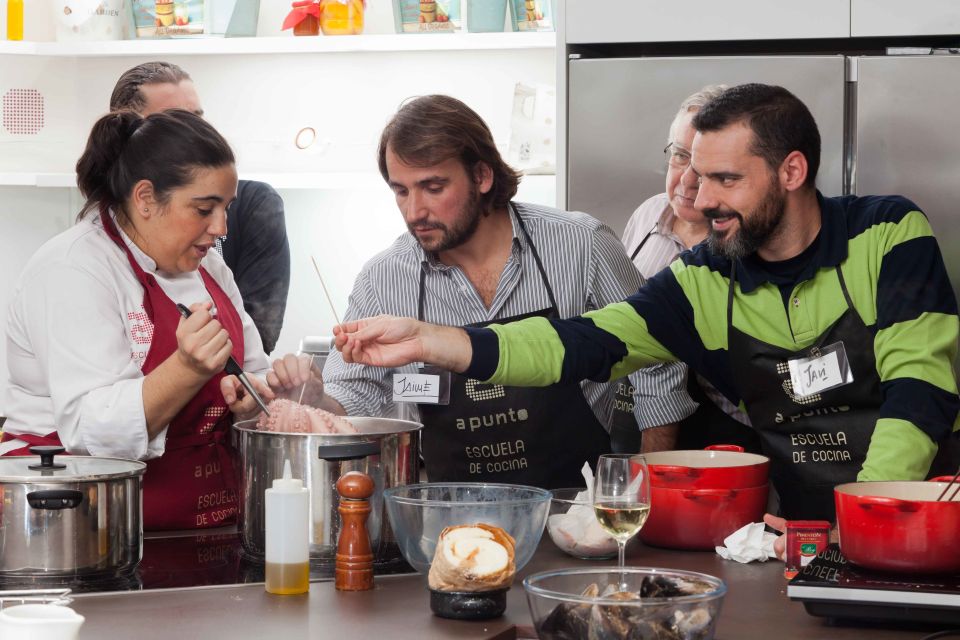
This class does a nice job of turning learning into something you can repeat.
You’ll leave with:
- a souvenir apron
- a copy of the recipes you created
That recipe handout is huge for value. Madrid is a place where great food is easy to find—but it’s hard to recreate without guidance. Having the recipes lets you test what you learned at home, and it keeps the night from fading after a busy trip.
Price in Perspective: Is $80 Worth It?
At $80 per person, this isn’t a bargain like a market tasting. It’s closer to a proper food experience: chef time, full kitchen setup, ingredients for 10 dishes, and a sit-down meal with sangría, plus the apron and recipe copy.
Here’s why it often feels worth it for the right traveler:
- You’re not just watching—you’re cooking.
- You end up with a full meal, not a snack portion.
- You get technique and regional context, not only flavors.
- You take the recipes home, which helps you cook later.
If you’re the type who already makes tapas well and wants only a quick taste, this might feel pricey. But if you want to learn, laugh, and leave with something tangible (recipes + skills), it’s a solid use of your evening budget.
Who This Class Is Best For
This is a good fit if you:
- want a hands-on activity that still feels relaxed
- like social travel, but don’t want a loud pub crawl
- enjoy cooking and want practical technique you can use again
- want Spanish food across regions, not one single style
It’s especially appealing to people who like structure. Many comments highlight that the class feels organized and that instructors keep tasks moving while still helping people individually.
It’s not the best fit if you:
- need a fully custom menu
- expect to cook everything alone
- are traveling with children under 14 (the class doesn’t allow them)
Final Call: Should You Book This 10 Tapas Class in Madrid?
If you want one evening in Madrid that feels both authentic and useful, I’d book this. It’s not a staged show. It’s a small-group kitchen experience where you’ll make a spread of regional tapas, learn techniques like you can actually repeat, and then eat what you cooked with sangría.
Just go in with the right expectations: it’s teamwork in a real schedule, not a private chef lesson. If that sounds good, you’ll get a fun night, a full meal, and recipes that can turn into future dinners back home.
FAQ
How long is the Madrid 10 Tapas cooking class?
The class lasts 2.5 hours.
Do I need any cooking experience?
No. No previous experience is required.
What’s included with the price?
You’ll get the meal, Spanish sangría, and a souvenir apron plus a copy of the recipes.
Is there a vegetarian option?
Yes. A vegetarian meal option is available because half of the menu is vegetarian. However, the plates cannot be changed.
Where do I meet the group?
Meet outside the shop at Calle de la Farmacia, 6, street level, at A PUNTO SHOP. You meet outside, not inside the building.
Is the class taught in English, and is there an age limit?
Yes, the instructor speaks English. Children under 14 are not allowed.