REVIEW · MADRID
Madrid: Paella & Tapas Cooking Class and Market Visit
Book on GetYourGuide →Operated by Devour Tours · Bookable on GetYourGuide
Paella in Madrid feels like an event. This one mixes a market visit with hands-on cooking in a private kitchen run by Chef Daniel, so you get both shopping skills and real-dish confidence. I like that you’re making a full lineup (paella plus tapas and crema catalana) rather than just watching. One drawback: it’s not for everyone, since it’s not suitable for kids under 12, and it’s not a match for vegans or celiac/gluten-limited diets.
You’ll meet near Plazuela Anton Martín, then head into a neighborhood food world that locals have supported for a century-plus. The class keeps moving at a good pace, with a sweet vermouth aperitif, a Basque-inspired tapa start, and a full lunch you cook yourself. If you want a low-effort way to sample Spanish food, this is still hands-on, and that’s the point.
In This Review
- Key highlights you’ll actually care about
- A market-to-kitchen flow in central Madrid
- Meeting point near Plazuela Anton Martín and what to look for
- Sweet vermouth aperitif: the start that sets the tone
- Shopping for ingredients at a Madrid market (and why it’s more than photos)
- Behind-the-scenes kitchen time in the Huertas neighborhood
- Basque-style tapa prep, then the real work begins
- Making croquetas and paella Valenciana the way the class frames it
- Crema catalana: dessert as a taught finale
- Lunch and drinks: eating as part of the lesson
- Price and value: what $108 buys you in 3.5 hours
- Who this class suits best (and who should skip it)
- The practical stuff: what to bring and how to prepare
- Should you book this paella and tapas market class?
- FAQ
- What time does the tour start?
- Where do I meet the guide?
- What will I cook during the class?
- Is lunch included?
- Are drinks included?
- Can the class accommodate dietary restrictions?
- What language is the tour in?
- Is this tour suitable for children?
- How long is the experience?
Key highlights you’ll actually care about
- Historic market shopping: pick high-quality ingredients with a guide near Plazuela Anton Martín
- Sweet vermouth aperitif in the kitchen: a proper start before you turn on stoves
- Chef Daniel’s focused instruction: clear steps for croquetas, tapas, and paella
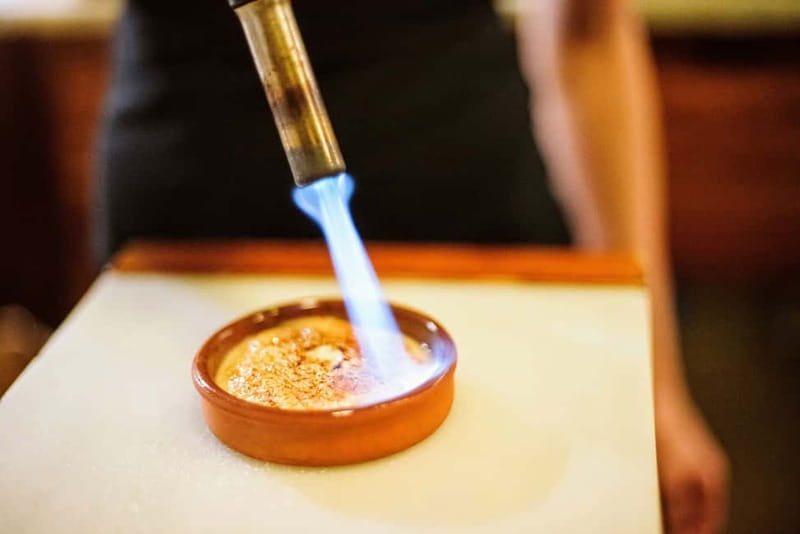
- Crema catalana at the end: dessert is part of the lesson, not an afterthought
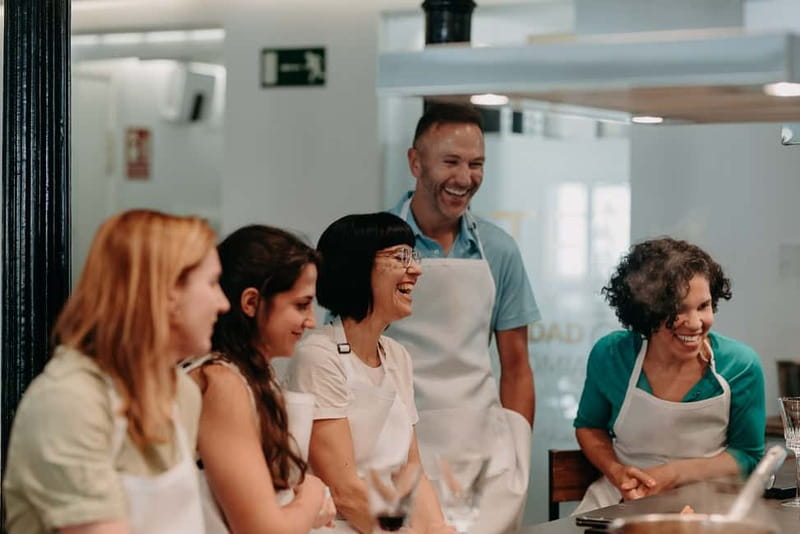
- Small-group feel: a reserved cooking space where you cook and sit down together
- You leave with a PDF cookbook: handy recipes and instructions to repeat at home
A market-to-kitchen flow in central Madrid
This experience is built like a good Spanish meal: start with shopping, shift into flavor prep, then sit down to enjoy what you made. You don’t just get paella as a standalone dish. You also learn how the ingredients come together, and you get the why behind what you’re cooking.
The market piece matters because it trains your eyes. When you see the products up close, it’s easier to understand what changes the taste of Spanish food. Then, once you’re back in the kitchen, the cooking feels less random.
Also, the location is practical. You’re meeting in central Madrid by Plazuela Anton Martín, so you can tack this onto a day of walking without adding major transit time.
You can also read our reviews of more shopping tours in Madrid


Meeting point near Plazuela Anton Martín and what to look for
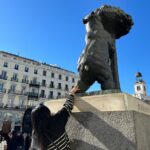
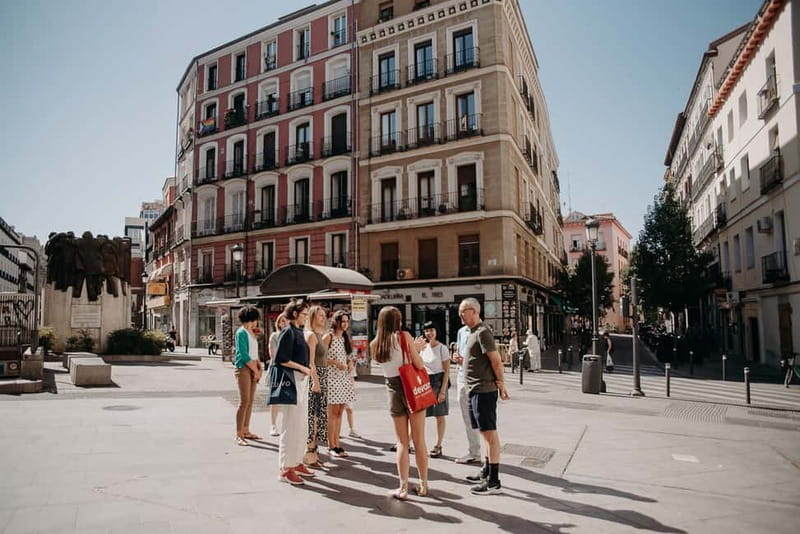
You’ll meet at Plazuela Anton Martín (28012) by the statue of El Abrazo (the Hug). Arrive 15 minutes early, and your guide will be holding a red bag or a Devour Tours sign.
That early arrival isn’t just for politeness. It gives you time to settle your shoes, get oriented, and avoid starting stressed. Since the class involves standing, chopping-adjacent kitchen work, and general movement, that small buffer helps.
One more practical note: you’ll want comfortable shoes. The info is clear that the route isn’t set up for strollers or wheelchairs, and it’s not meant for mobility-limited guests.
Sweet vermouth aperitif: the start that sets the tone
Before the main cooking gets serious, you get a typical aperitif of sweet vermouth in the kitchen. It’s a simple moment, but it changes the feel of the class. You’re not just learning recipes; you’re stepping into Spanish meal rhythm.
While you sip, you also get a “ready-to-eat” starter setup. You’ll assemble a cheese plate and a traditional tapa from the Basque region before you start cooking. It’s a smart way to introduce flavors early, so the later dishes don’t feel like a pile of separate tasks.
If you like tasting while you learn, this portion is one of the best parts. If you don’t drink alcohol, you can request non-alcoholic options, which the tour notes as available.
Shopping for ingredients at a Madrid market (and why it’s more than photos)
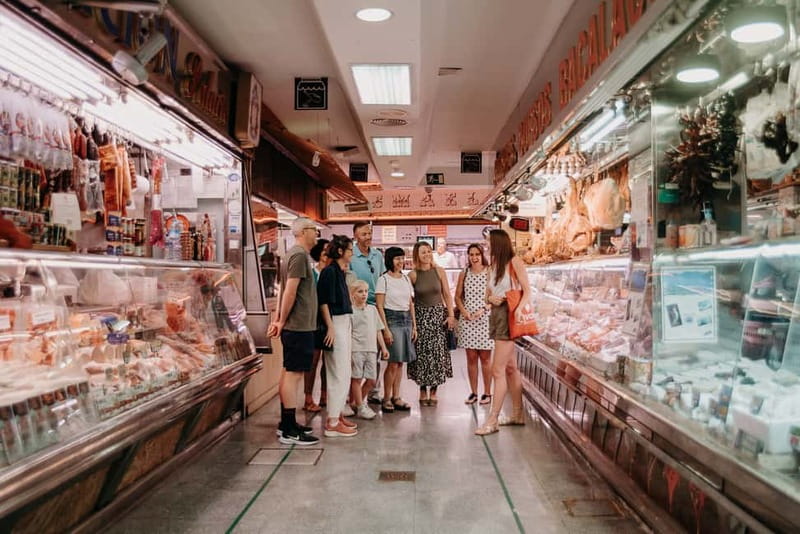
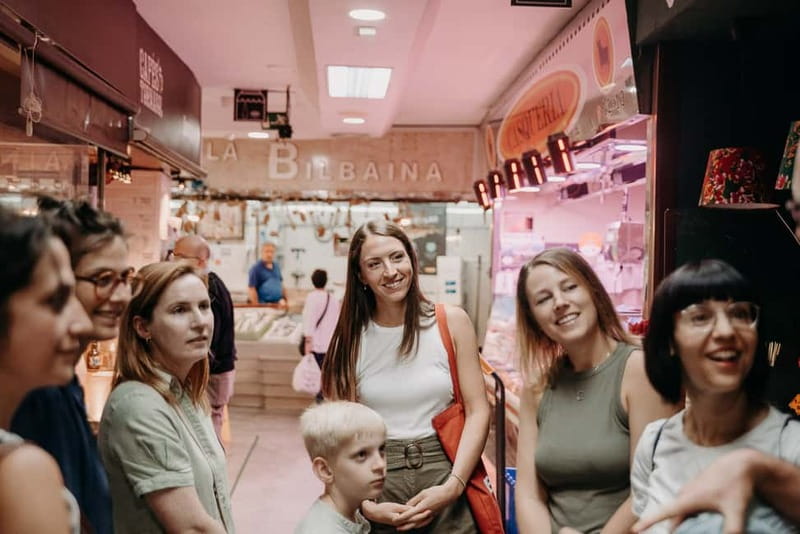
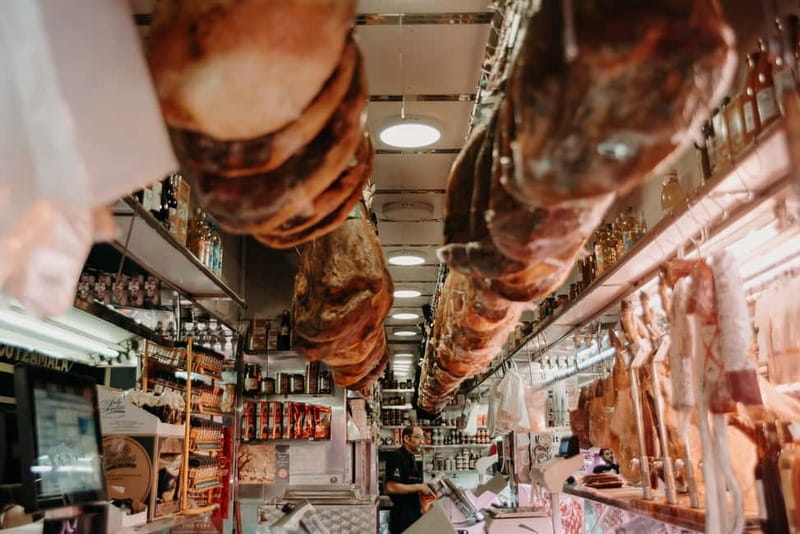
The market visit is where the class gets grounded. You meet near one of Madrid’s most historic markets, where neighborhood residents have been shopping for a long time. The goal is to show you the building blocks of local cuisine, then help you select high-quality products to use in class.
You’ll chat with vendors and learn what to look for. You’ll also buy ingredients that you take back to the kitchen. That last part matters because it turns the market visit into something usable, not just sightseeing.
This is also where you learn how Spanish cooking thinks about ingredients. Instead of focusing on secret techniques, the guide emphasizes what you can buy and how that affects the dish. The paella and tapas later make much more sense after you’ve seen the ingredients in context.
Behind-the-scenes kitchen time in the Huertas neighborhood
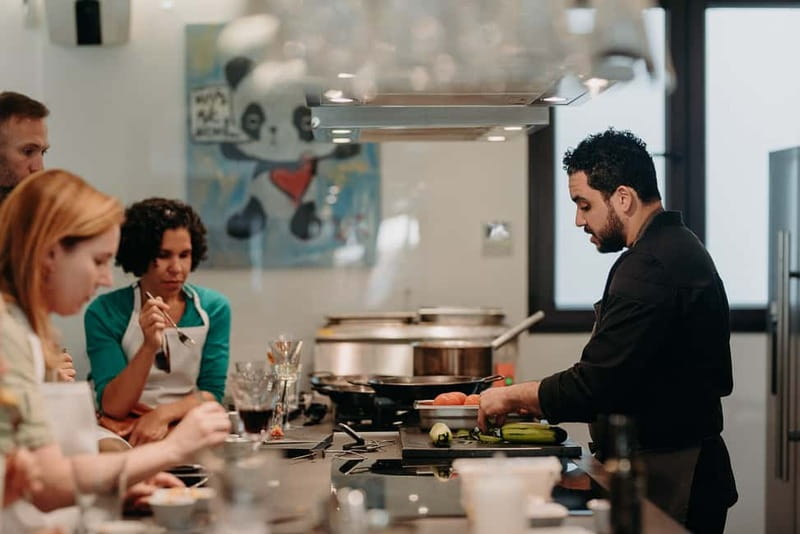
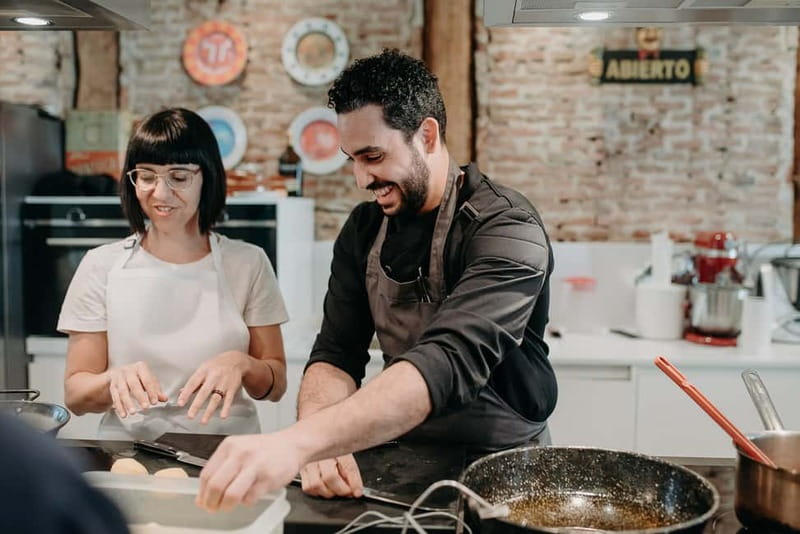
After you shop, you head behind the scenes of a beloved local restaurant in the Huertas neighborhood. The cooking space is reserved for your small group, and the class is led by a friendly local chef.
This “kitchen reserved for us” setup is a big deal for quality. You’re not squeezed into a generic demo area. You’re in a working kitchen environment designed for teaching, which makes it feel closer to real restaurant cooking.
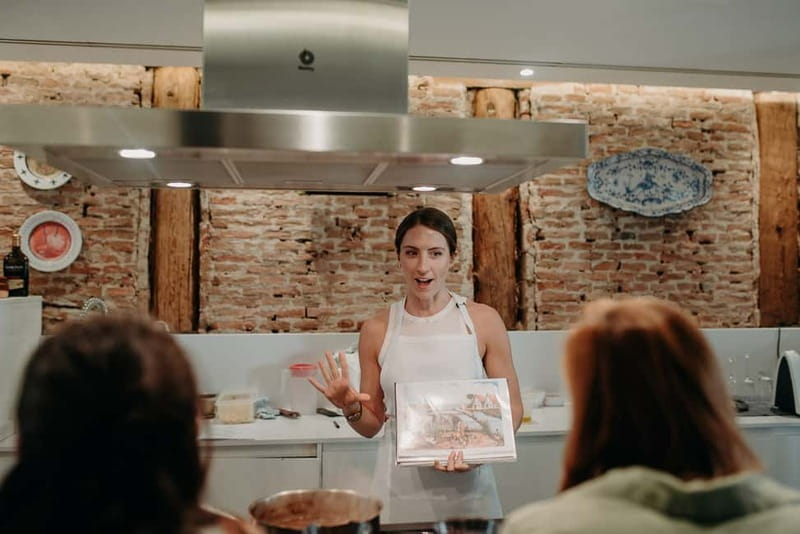
It also helps explain why the instruction gets praised. Clear steps, good pacing, and time for questions work better when the group isn’t too large and the chef has room to guide you.




Basque-style tapa prep, then the real work begins
Before you cook the bigger dishes, you start with a cheese plate and a traditional Basque tapa. That gives you a quick win early, which keeps momentum high.
Then you move to the main cooking sequence:
- you assemble a second tapa: homemade croquetas
- you prepare authentic paella from Valencia
- you finish with crema catalana
The tour keeps each dish connected to what came before. So croquetas aren’t just a random fried bite. They’re part of learning Spanish technique and texture, and then the paella becomes the flavor payoff.
Making croquetas and paella Valenciana the way the class frames it
Paella can be a debate topic in Spain, and this class treats it like one. You’ll get history behind paella and guidance on how to spot true paella Valenciana. That’s useful because it gives you a lens to understand what makes a paella “real,” rather than just following a recipe.
You’ll also cook paella in a hands-on way with your small group. You’ll work elbow to elbow, smell and taste as you go, and learn how to handle the ingredients that define Spanish cuisine. Even if you’ve cooked before, the guided steps are the difference between guessing and understanding.
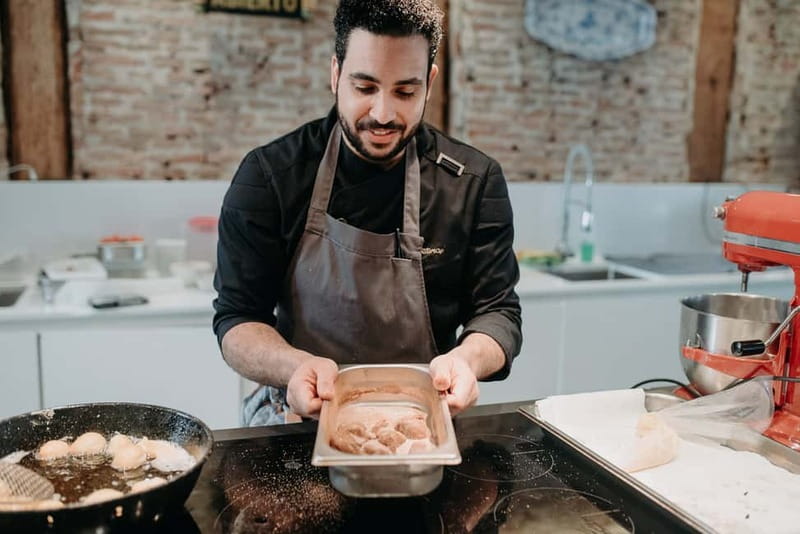
Croquetas are the perfect second act. They’re specific, step-based, and very Spanish in how they show up at bars and family tables. In this class, you’re making them yourself, then you eat what you made. That closes the loop: technique to taste to satisfaction.
For me, what makes this effective is that you’re learning during the process, not after the fact. If you’ve ever made a dish at home and wondered why it didn’t turn out right, you’ll appreciate the focus on what the chef wants you to watch for.
Crema catalana: dessert as a taught finale
Chef-prepped dessert is great, but crema catalana here isn’t just served at the end like a formality. You’ll observe the chef prepping crema catalana while you’re in the aperitif phase, and then you’ll eat it at the end of class.
That timing gives you two benefits. First, you see the process before you’re fully tired from cooking. Second, you end with a dish that ties the whole experience together as a Spanish meal, not a cooking segment.
If you like ending on something classic and creamy, this is one of the dishes you should look forward to most. It’s also a good palate reset after savory tapas and paella.
Lunch and drinks: eating as part of the lesson
When you sit down, you’re eating the lunch that your group cooked. That matters because you get immediate feedback on your work. You’re not just taking photos of finished food and hoping it tastes right. You taste it in the moment and learn what the chef aimed for.
You’ll have your choice of beer or wine with lunch, and drinks are included. If you want non-alcoholic options, the tour notes that adaptability is available, so it’s worth confirming ahead of time.
This is also where the small-group setup pays off. Cooking together turns into an easy dinner conversation. It’s a practical way to make the class feel social without becoming chaotic.
Price and value: what $108 buys you in 3.5 hours
At $108 per person for about 3.5 hours, you’re paying for a lot of moving parts: market shopping, an expert guide, a private kitchen experience, the cooking instruction, lunch made by your group, and included drinks.
What makes it feel like good value isn’t just the paella. It’s the combination:
- market ingredients, with vendor conversations
- an aperitif experience with sweet vermouth
- multiple dishes cooked (paella, croquetas, tapas) plus dessert
- included lunch and drinks
- a format that keeps instruction close and practical
In other words, it’s not a quick tasting. You’re learning, working, and eating. If you enjoy hands-on food experiences and want recipes you can repeat, this price sits in the sensible zone for central Madrid.
Who this class suits best (and who should skip it)
This experience fits best if you:
- want a guided way to shop and cook Spanish food without second-guessing
- like paella and classic tapas, and want to learn what makes paella Valenciana recognizable
- enjoy practical instruction and want take-home recipes
- are comfortable standing and working in a kitchen environment
It’s not suitable for:
- vegans
- people with celiac disease
- people with lactose intolerance
- children under 12
- guests with mobility impairments, wheelchairs, or strollers
Dietary needs are described as adaptable in certain cases. Vegetarians, pescatarians, gluten-free (not celiacs), non-alcoholic options, and pregnant women are noted as adaptable. If you have food allergies or tight restrictions, contact the provider so they can arrange ingredients.
The practical stuff: what to bring and how to prepare
Bring comfortable shoes. That’s the only specific item listed, but it’s a big one. You’ll be on your feet and moving between the meeting area, market, and kitchen.
Beyond that, keep your pace steady. A 3.5-hour class moves fast enough that you’ll want to show up ready to work and taste. If you come hungry, you’ll get the benefit of the aperitif and the long lunch payoff.
Also, this tour is in English. If you’re traveling with English-only comfort, you can plan around that without guesswork.
Should you book this paella and tapas market class?
Book it if you want more than a meal. This class is about building food confidence: you shop, you cook, you learn what makes paella Valenciana stand out, and you finish with crema catalana. Chef Daniel is a big part of why people feel the experience sticks, especially for those who want both fun and clear steps.
Skip it if your needs don’t match the restrictions. It’s not a vegan class, it’s not right for celiac or lactose intolerance, and it’s not set up for young kids or mobility limitations. Also, if you’re chasing a low-interaction tour where you mainly watch, this hands-on format might feel like too much work.
If you’re a food-focused traveler in Madrid and you like the idea of bringing home recipes you can actually repeat, this is an easy yes.
FAQ
What time does the tour start?
The duration is 3.5 hours, and starting times vary. Check availability to see the specific times offered.
Where do I meet the guide?
Meet at Plazuela Anton Martín (28012) by the statue of El Abrazo (the Hug). Arrive 15 minutes early. The guide will be holding a red bag or a Devour Tours sign.
What will I cook during the class?
You’ll make authentic paella from Valencia, homemade croquetas, and additional tapas. Dessert includes crema catalana.
Is lunch included?
Yes. Lunch is included and consists of the dishes cooked during the class.
Are drinks included?
Yes. The tour includes a traditional aperitif and drinks with lunch, with beer or wine available.
Can the class accommodate dietary restrictions?
The experience is adaptable for vegetarians, pescatarians, gluten-free (not celiacs), non-alcoholic options, and pregnant women. It is not suitable for vegans, people with celiac disease, or those with lactose intolerance. If you have food allergies, contact the provider.
What language is the tour in?
The live tour guide speaks English.
Is this tour suitable for children?
No. It’s not suitable for children under 12 due to the nature of the kitchen environment (sharp knives, hot stoves, and high surfaces).
How long is the experience?
It lasts about 3.5 hours, and it ends back at the meeting point.