REVIEW · MADRID
10 Tapas Cooking Class Experience in Madrid with Sangria
Book on Viator →Operated by A Punto Cooking School · Bookable on Viator
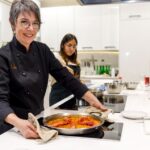
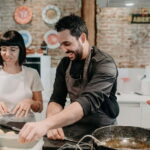
Dinner begins with chopping and laughs. This Madrid tapas cooking class turns a 4pm start into a hands-on kitchen lesson led by Chef Gustavo with a small group (max 15). I love that you are not stuck watching; you’re actively making tapas while you learn what makes them Spanish.
The second thing I really like is the payoff: a home-cooked dinner where you sit down and eat what you helped produce, with sangria included and a wine pairing mentioned for the meal. You’ll learn practical technique as you go, not just collect recipes.
One consideration: they do not adapt the whole menu to dietary restrictions, and there is no full vegetarian menu even though many tapas on the plan lean vegetarian. If you’re eating with strict needs, you’ll want to check carefully when you book.
In This Review
- Key points to know before you go
- Madrid tapas cooking class at 4pm: a smart way to spend an evening
- From meeting point to kitchen stations: how the class flow really feels
- The tapas lineup: what you’ll cook and what to watch for
- Salmorejo: cold, thick, and built for texture
- Idiazabal lollipops: sheep cheese made playful
- Coca (with sobrasada or vegetables): Spanish pizza energy
- Ajillo shrimps: garlic plus olive oil equals comfort
- Horchata torrijas: sweet, spongy, and Levante-style
- Spanish omelette: the potato you respect
- Gilda skewers: a three-part punch
- Squid sandwich: Madrileño-style comfort
- Patatas bravas: the spicy tomato sauce lesson
- Sangría: fruit-and-spice flavor planning
- The dinner moment: why eating together matters as much as cooking
- Chef tips you can actually use at home (not just admire)
- Price and value in Madrid: does $82.24 make sense?
- Who this tapas class is for, and who should think twice
- Should you book this 10 tapas cooking class with sangria?
- FAQ
- FAQ
- Where is the meeting point and what time does it start?
- How long is the class and how big is the group?
- What will I cook and eat, and is sangria included?
- Is there a vegetarian option or will you adjust the menu for dietary needs?
- Is it suitable for teens, and what’s the drinking age?
- Can I cancel for a full refund?
Key points to know before you go
- Chef-led, small-group format with a maximum of 15 people so you get real attention
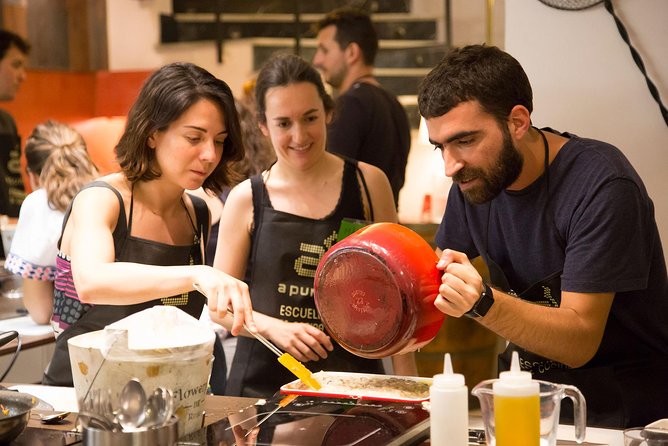
- Hands-on cooking where you help prepare tapas at shared kitchen stations
- Up to 10 tapas dishes plus a sit-down meal that includes sangria
- Central Madrid meeting point on C. de la Farmacia (easy to reach on public transport)
- Practical Spanish flavors like salmorejo, patatas bravas, ajillo shrimp, and gilda skewers
- Diet limits are limited since the menu is not fully rewritten for restrictions
Madrid tapas cooking class at 4pm: a smart way to spend an evening
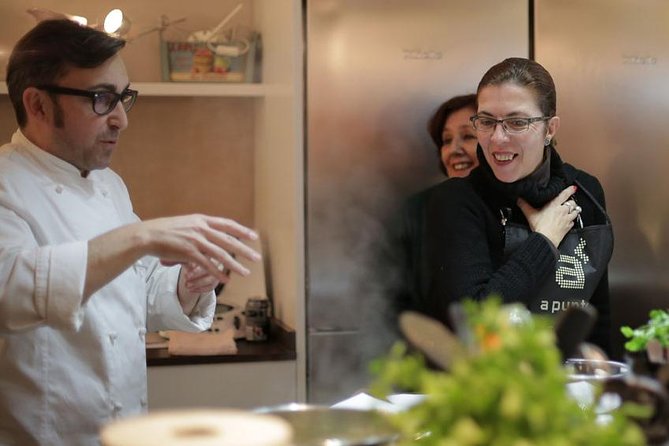
This is a great option when you want more than dinner out. You start in central Madrid at 4:00 pm, in a kitchen setting where you cook, taste, and then eat as a group. With a duration of about 2 hours 30 minutes, it fits cleanly into a typical travel day without swallowing your whole evening.
The timing also makes sense. Late enough for a proper start, early enough that you are still done before night gets too late. If you’ve spent the day walking neighborhoods, this is a nice switch: your focus becomes food, teamwork, and technique instead of sights.
And because it’s limited to 15, the vibe tends to feel less like a class you attend and more like a small group project you actually finish. You also get a mobile ticket, which helps on travel days when you’re juggling plans.
You can also read our reviews of more cooking classes in Madrid


From meeting point to kitchen stations: how the class flow really feels
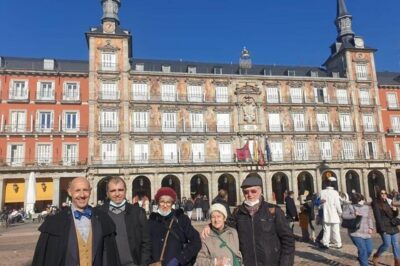
You meet at C. de la Farmacia, 6, Centro, 28004 Madrid. The tour ends back at the same meeting point, so you’re not left figuring out transportation at the end of your meal.
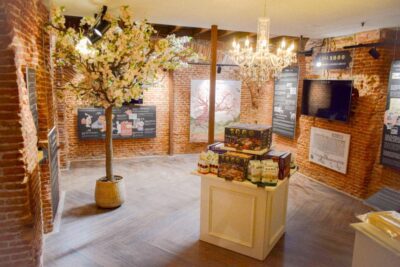
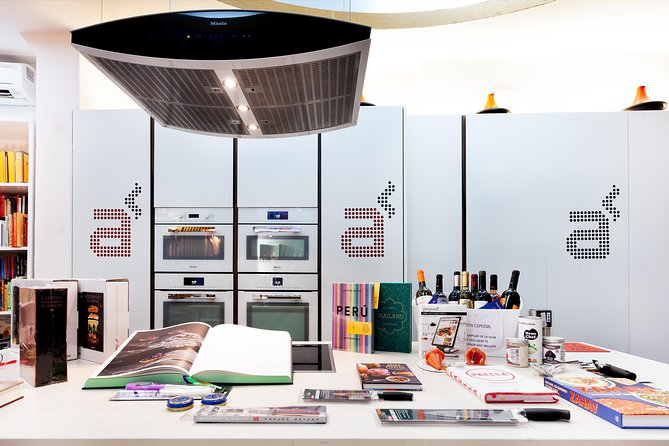
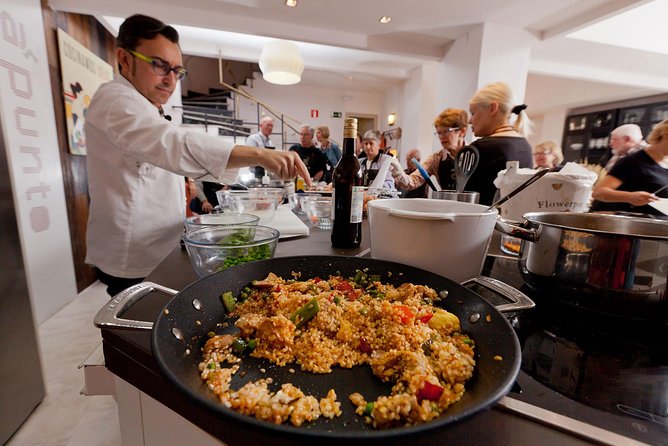
Inside, you can expect a station-style setup. The format is designed for multiple dishes at once, and that means you’ll likely work on at least one tapa while the group rotates through tasks. Reviews highlight that the space can support more than one group working on the same dish, which helps you keep moving.
A couple of practical notes from the experience style:
- The chef and assistants keep you going, with each person taking a task.
- The start can feel quick because there are many dishes on the menu and time is tight.
- Since there are multiple tapas, tasks get divided. You may not personally cook every single one, but you’ll still leave with a plateful of variety and a better sense of how tapas come together.
If you want a particular dish, pay attention early and ask where you can focus your hands. You’ll get more satisfaction if you choose a station that matches what you’re craving most.
The tapas lineup: what you’ll cook and what to watch for
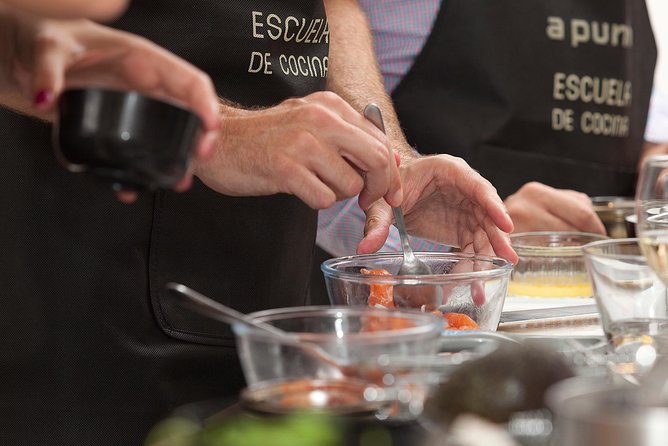
This class is built around making up to ten tapas dishes, with a sample menu that shows the range. You’ll see familiar Spanish flavors alongside regional touches.
Here’s how the dishes work in real life and what you can learn from them:
Salmorejo: cold, thick, and built for texture
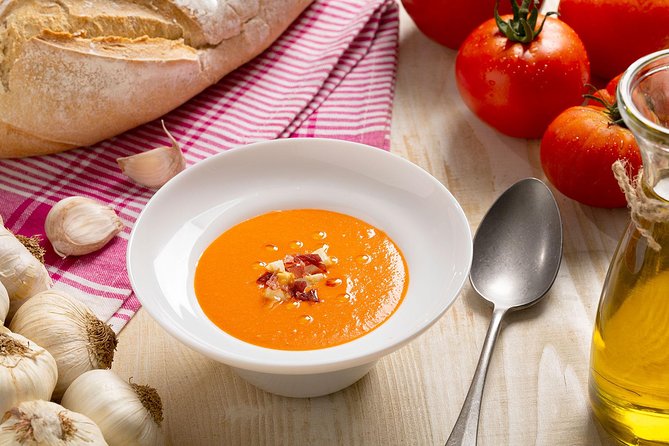
Salmorejo is a cold tomato soup that’s more like a thick sauce you eat with a spoon. The value here is learning how Spanish tomatoes get turned into something silky and spoonable without it being watery. In a cooking class, this is a great starter because it forces attention on thickness and balance.
Idiazabal lollipops: sheep cheese made playful
Idiazabal lollipops are made with one of Spain’s well-known sheep cheeses. The technique is less about a topping and more about shaping and presenting. Even if you never replicate the exact “lollipop” form at home, you’ll come away with a feel for how cheese-based preparations behave and how to portion them.
You can also read our reviews of more tours and experiences in Madrid

Coca (with sobrasada or vegetables): Spanish pizza energy
Coca is a Spanish flatbread that feels like pizza’s cousin. The option with sobrasada brings a savory, rich element, while the vegetable version keeps it lighter. Either way, it’s a useful lesson in how regional ingredients shape the whole character of a dish.
Ajillo shrimps: garlic plus olive oil equals comfort
Ajillo shrimps are a classic Spanish-style shrimp dish where garlic and a lot of olive oil do most of the work. This is one of those tapas you can make again because it teaches a core idea: you don’t need many ingredients if your technique and timing are right. Watch for how the garlic behaves and how the sauce clings to the seafood.
Horchata torrijas: sweet, spongy, and Levante-style
Torrijas are like French toast in spirit, but horchata adds a distinct Spanish twist. Horchata is made from a traditional Levante drink (often associated with tiger nut flavor), so this dessert teaches you how a familiar technique changes when you swap the liquid base. It’s the kind of dish that makes you understand why Spanish desserts often feel less like pure sugar and more like comfort.
Spanish omelette: the potato you respect
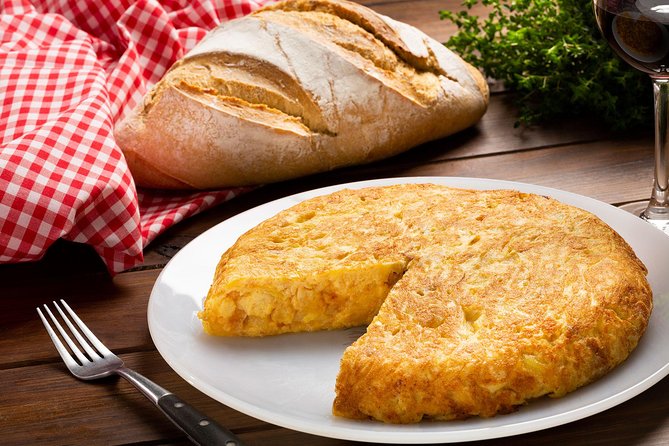
Spanish omelette, with potatoes and with or without onion (you decide), is simple on paper and serious in technique. The big lesson is about potatoes: how they soften, how you get tenderness, and how you don’t rush the cooking. You’ll likely taste the difference between a rushed omelette and one done with patience.
Gilda skewers: a three-part punch
Gilda skewers are typically olives, anchovies, and a few salty extras. This is one of the most “tapas bar” style dishes in the lineup: bite-sized, salty, and punchy. It also teaches portioning, so each skewer hits the same balance from start to finish.
Squid sandwich: Madrileño-style comfort
The squid sandwich is a very Madrid thing: fried squid with alioli sauce tucked into a sandwich format. This is valuable because it shows how tapas doesn’t always mean fancy plates. Sometimes it’s just street-food energy—crispy, creamy, and meant to be eaten with your hands.
Patatas bravas: the spicy tomato sauce lesson
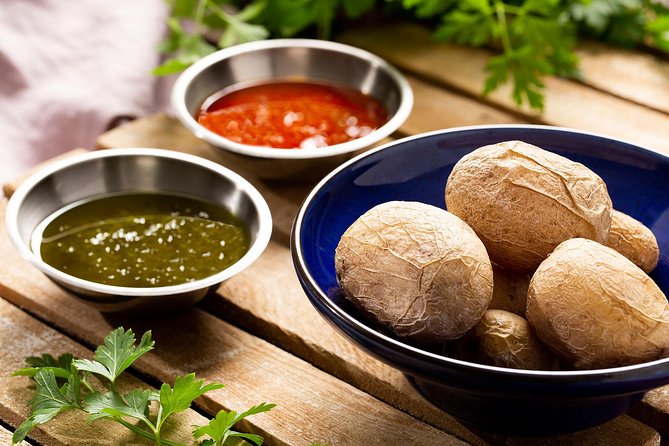
Patatas bravas are potatoes with a special spicy tomato sauce. This dish teaches two practical skills: getting potatoes cooked just right and building a sauce that tastes bold without being flat. The “bravas” identity is in that sauce, so even if you make potatoes at home often, this is the part to take with you.
Sangría: fruit-and-spice flavor planning
Sangría is included, and it’s described as homemade with fresh fruit and spices. You’ll learn the vibe of Spanish summer flavor—sweet fruit aroma plus warm spice, not just something sugary. If you don’t drink alcohol often, still taste for balance; sangria is as much about scent and balance as it is about sweetness.
The dinner moment: why eating together matters as much as cooking
At the end, you sit down to a homemade dinner built from what you cooked. That matters, because a cooking class can sometimes be all action and no reward. Here, the structure is designed so the food becomes the shared event.
You also get sangria, and the meal includes a selection of regional wines in the pairing described. That pairing angle is useful for understanding Spanish dining culture. In Spain, the drink is not an afterthought; it’s part of how you experience food.
There’s also a social element that tends to show up naturally: you cook in a shared kitchen, you compare dishes, and then you eat. Reviews mention camaraderie and laughs, and that fits what this kind of station-based class usually creates.
One more practical thing: because the class covers many dishes, you may not get equal time with each station. Still, you end up with plenty to eat, and many ingredients likely keep you busy until the final meal.
Chef tips you can actually use at home (not just admire)
What makes this class valuable is the technique you can repeat without needing a Spanish pantry. Even if you only recreate one or two tapas later, the lessons are transferable.
A few skills you’ll likely pick up:
- Sauce building: salmorejo thickness and bravas sauce character
- Timing with aromatics: garlic-forward ajillo shrimp
- Texture control: Spanish omelette potato tenderness and doneness
- Portioning: skewers like gilda, plus shaped items like cheese lollipops
- Flavor swaps: how horchata transforms the torrijas base
And because the instruction is in English, you can focus on the steps instead of translating everything in your head. Instructors you might run into include Gustavo, with support from team members such as Rosa, Carmencita, or Sandra, depending on the day.
One small heads-up: if you are the type who wants super slow, step-by-step guidance, you may find the beginning moves fast. With multiple dishes in play, the chef has to keep momentum. Still, the team’s job is to keep everyone cooking, and the pace usually turns out to be part of the fun.
Price and value in Madrid: does $82.24 make sense?
At $82.24 per person, this isn’t a cheap snack. But it’s priced like a real class, with ingredients, instruction, and a sit-down dinner built in.
Here’s what you’re paying for:
- A pro chef and a small-group format (max 15)
- Ingredients and cooking time for up to ten tapas
- Sangria included, plus wine pairing described for the meal
- A souvenir apron that signals this is designed as a full experience, not a demo
When you compare it to paying for multiple tapas bars plus drinks over a couple of hours, the value isn’t only about food cost. It’s about the fact that you’re learning something you can bring home. You’re also leaving with a full meal, not just small tastes.
The one place where value can feel shaky is if you don’t plan to drink. There’s at least one report of a non-alcoholic substitute being a soft drink. The listing itself says a minimum drinking age of 18, so alcohol access is age-restricted. If you want an alternative, ask ahead of time what replaces sangria in that case so you know what you’re getting.
Who this tapas class is for, and who should think twice
This works best if you:
- Want a hands-on Madrid tapas experience instead of another meal out
- Like cooking enough to chop, stir, and assemble while chatting with a mixed group
- Are okay with a menu that is not customized across every dietary need
- Will enjoy Spanish classics like salmorejo, patatas bravas, and ajillo shrimp
You might want to think twice if:
- You have strict dietary restrictions and need the menu fully adapted (they do not adapt the whole menu)
- You need a fully vegetarian meal (there isn’t one across the whole lineup)
- You’re coming as a larger celebratory group. There’s a note that no parties are allowed, and it says not to book if you are celebrating a party of more than 5 people.
Also, the minimum age is 14, and the minimum drinking age is 18. If you’re traveling with teens, the cooking part can still be a great fit, but be aware that sangria is tied to the drinking age rule.
Should you book this 10 tapas cooking class with sangria?
If you want a memorable, practical evening in Madrid, I’d book it. The small group size, the chef-led instruction in English, and the fact that you cook and then eat a homemade meal make it feel like a complete experience, not just a tasting session. Plus, you’ll get Spanish staples plus a few playful twists like idiazabal lollipops and horchata torrijas.
Skip or double-check if you need heavy dietary customization or a fully vegetarian menu. And if you are sensitive about alcohol substitutes, ask what happens if you cannot or choose not to drink sangria so there are no surprises.
FAQ
FAQ
Where is the meeting point and what time does it start?
You meet at C. de la Farmacia, 6, Centro, 28004 Madrid, Spain, and the start time is 4:00 pm. The activity ends back at the same meeting point.
How long is the class and how big is the group?
The experience lasts about 2 hours 30 minutes. The group is limited to a maximum of 15 travelers.
What will I cook and eat, and is sangria included?
You’ll learn to make Spanish tapas and are described as making up to ten tapas dishes, with a sample menu including salmorejo, idiazabal lollipops, coca, ajillo shrimps, horchata torrijas, Spanish omelette, gilda skewers, squid sandwich, patatas bravas, and sangria. A home-cooked dinner is included, and free sangria is included.
Is there a vegetarian option or will you adjust the menu for dietary needs?
There is no vegetarian option for the whole menu. The menu includes almost half vegetarian tapas, but they do not adapt the whole menu to dietary restrictions. If you have dietary requirements, advise them at booking.
Is it suitable for teens, and what’s the drinking age?
The minimum age is 14. The minimum drinking age is 18, even though sangria is included.
Can I cancel for a full refund?
Yes. You can cancel up to 24 hours in advance for a full refund. If you cancel less than 24 hours before the experience’s start time, the amount paid is not refunded.