REVIEW · MADRID
Black History Tour of Madrid: Heritage & Resistance
Book on GetYourGuide →Operated by Afroibérica Tours · Bookable on GetYourGuide
Madrid has stories most tours skip. This Black History Tour of Madrid puts the African presence in the spotlight, linking slavery-era influence to how the city looks today. I like the way it frames enslaved people not as a footnote, but as part of Madrid’s physical and cultural DNA, including the fact that Spain was among the very last Atlantic World territories to end slavery.
One thing to consider: you’ll be walking between famous sites while the guide does a lot of explaining. If you prefer silent sightseeing, this may feel like a classroom with better views than usual.
I also liked the pacing and the practical start point. Meeting outside Starbucks at Plaza de Isabel II (near Metro Opera) is easy to find, and ending back near the Plaza/Puerta del Sol area means you can keep exploring right after. With Kwame as our guide, the storytelling lands in English and Spanish, so you’re not hunting for meaning in a language gap.
In This Review
- Key highlights worth prioritizing
- Why Madrid’s Black History shows up in big places
- Meeting outside Starbucks at Plaza de Isabel II (and what to do first)
- Royal Palace photo stop: power, scale, and the story behind the stone
- Almudena Cathedral guided stop: faith, community space, and interpretation
- Puerta del Sol finish: taking the lesson back into your Madrid walk
- What “Black History of Madrid” really means on the ground
- Kwame’s guide style: where the 2 hours really goes
- Price and time: is $40 a good value for this kind of tour?
- Who should book this Black History Tour (and who might not)
- Should you book this Madrid Black History Tour?
- FAQ
- Where does the tour start?
- How much does the Black History Tour of Madrid cost, and how long is it?
- What languages is the guide speaking?
- Is the tour wheelchair accessible?
- What’s included in the price?
- Is food or drinks included?
- What should I bring?
- Can I cancel or pay later?
Key highlights worth prioritizing
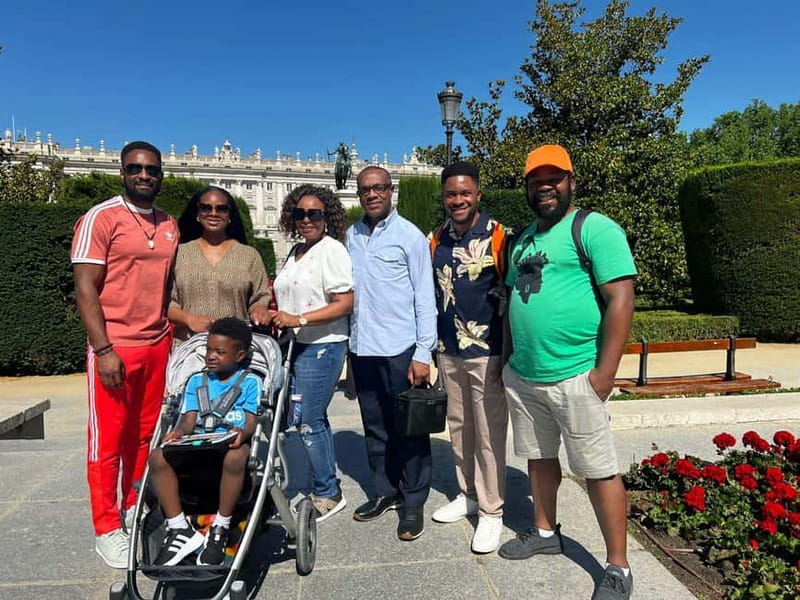
- Madrid’s African legacy tied to city streets and major landmarks
- Kwame’s English/Spanish delivery that makes the connections click
- Photo stops at the Royal Palace and Almudena Cathedral
- A focused 2-hour format that still leaves time for independent exploring
- A private group setting for better conversation and attention
- Wheelchair accessible route design
Why Madrid’s Black History shows up in big places
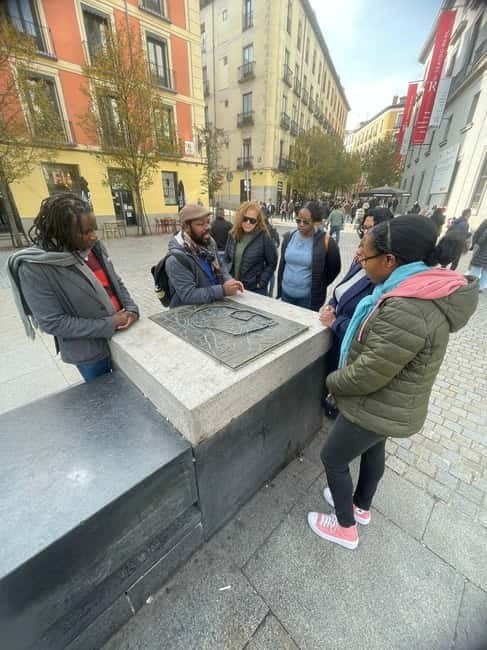
Most Madrid sightseeing zooms in on kings, churches, and grand plazas. This tour takes a different angle. It centers African legacy, slavery, and resistance as living parts of the city’s story—stories that can sit in plain sight if you don’t know where to look.
The tour’s core framing matters: Spain was the penultimate territory in the Atlantic World to abandon slavery definitively. And the guide positions Black presence in Iberia as earlier than what many people associate with the Atlantic world’s timelines. That shift alone changes how you read familiar places, because you stop treating them like isolated monuments.
I like that the experience doesn’t just name the past—it points out traces you can still see in Madrid’s configuration, past and present. Even if some details feel heavy, the approach is organized and street-level, not abstract.
You can also read our reviews of more historical tours in Madrid

Meeting outside Starbucks at Plaza de Isabel II (and what to do first)
You’ll start at the Plaza de Isabel II spot, meeting the guide outside Starbucks. The best reference point is Metro Opera. This is helpful because Madrid can be confusing when you’re juggling streets and monuments, and a single, recognizable meeting spot keeps the start stress-free.
Before you even begin walking, I’d treat this like any good walking tour day:
- Wear comfortable shoes
- Bring water (a reusable bottle is recommended)
- Plan for sun—sunscreen, sunglasses, and a sun hat are on the bring list
The practicality matters here. You’re spending your limited 2 hours on foot and at standing-and-looking stops. So dress for the weather and the pace, not for how you want your photos to look.
Royal Palace photo stop: power, scale, and the story behind the stone
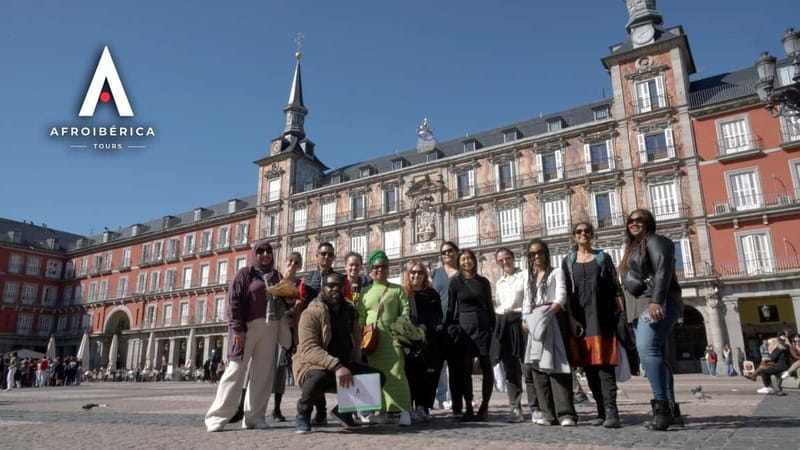
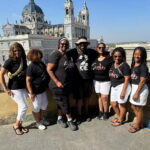
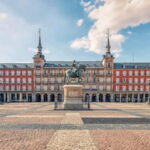
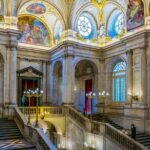
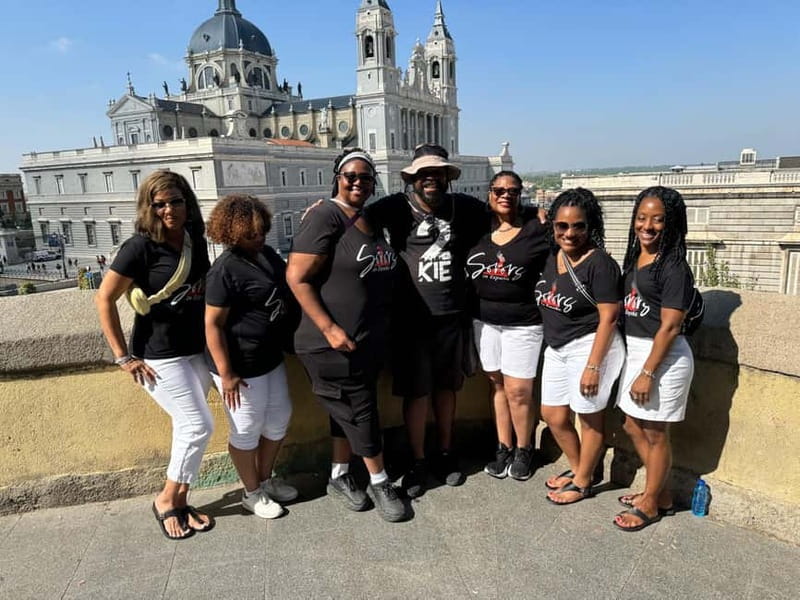
The tour then moves to the Royal Palace of Madrid for a photo stop, with a brief safety briefing before you settle into the area. The Palace is the kind of place that makes your brain go: wow, history. This is exactly why it works for this tour theme.
What I’d watch for at this stop is how the guide connects the setting—elite authority, monumental architecture, the city’s structure—to the darker systems that shaped who had freedom and who didn’t. You’re not just staring at a pretty façade. You’re being asked to read the building as a product of its era, including how slavery-era realities affected society.
A possible drawback: if you’re hoping for lots of inside-palace access, you should recalibrate expectations. This is a photo stop and storytelling moment, not a ticketed museum experience. You’ll get context, but it’s not a behind-the-scenes tour.
Almudena Cathedral guided stop: faith, community space, and interpretation
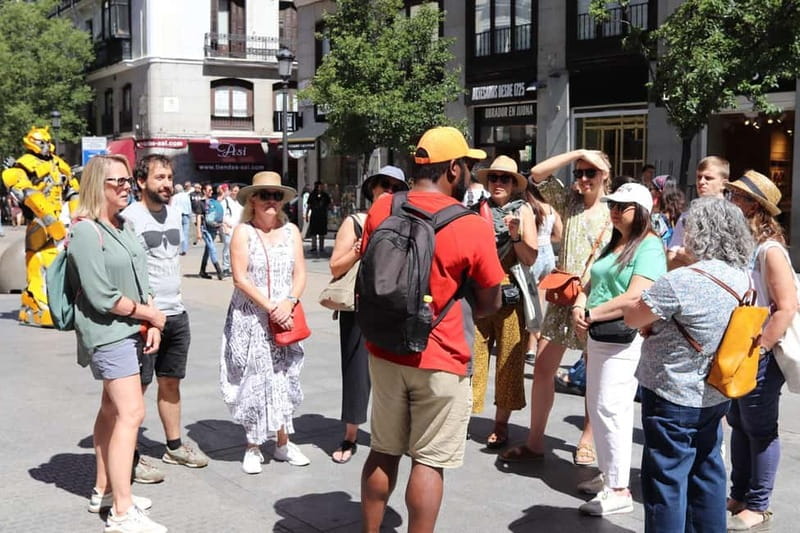
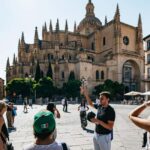
Next up is Almudena Cathedral, again with a photo stop plus a guided portion. The guide uses this location as more than just a viewpoint. Cathedrals in Europe can feel like they exist outside time, but the tour treats them as part of the social fabric—where people gathered, believed, and lived their public lives.
Here’s what makes this stop valuable for you: it keeps the story from being only about paperwork and distant history. By using a central cultural landmark, the tour helps you connect heritage and resistance to everyday community spaces, not just tragedy.
The tour also includes a safety briefing at this stage, which is a good reminder that you’ll be moving through crowded, camera-happy areas. Stay aware, follow the guide, and don’t assume you can wander off to chase your own angle. The best parts of this tour rely on staying together long enough for the explanation to land.
Puerta del Sol finish: taking the lesson back into your Madrid walk
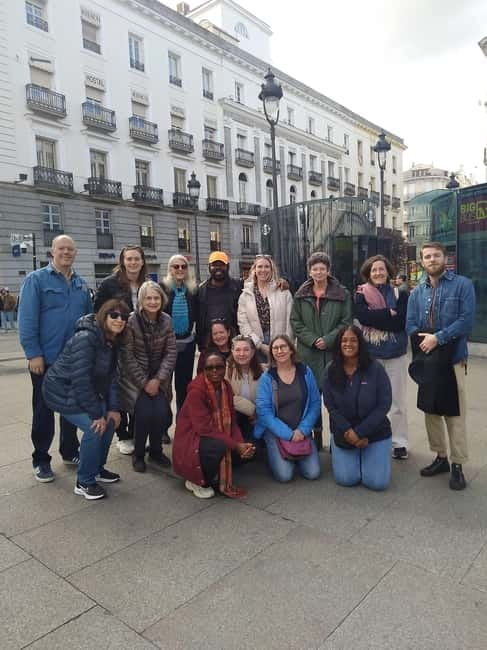
The tour finishes at Puerta del Sol. The end point is set up so you can transition from guided history to independent exploring, which I think is smart. Once you’ve heard the connections—African legacy, slavery history, resistance—you start seeing how Madrid “works” as a city, not just how it “looks” as a postcard.
There’s also a practical note: the activity ends back near the meeting point area. In other words, you’re not left stranded across town with no obvious next move. You can simply re-enter the Madrid flow—cafés, museums, wandering—having learned how to interpret what you’re walking past.





What “Black History of Madrid” really means on the ground
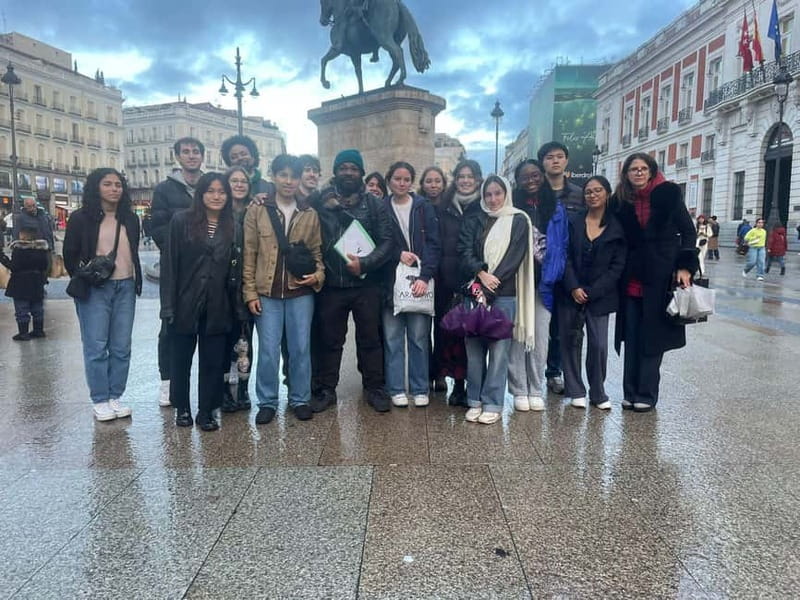
The name of the tour is direct, but the experience itself is where it becomes meaningful. The tour is described as designed especially for Black travelers, educators, institutions, and cultural organizations looking for meaningful engagement with Afro-European history. Even if you’re not in any of those categories, the structure still makes sense: it’s built around guided storytelling, visual support, and conversation.
One important detail: the tour isn’t trying to make you feel guilty or confused. It’s trying to make you see. The “hidden chapters” idea is literal here—Black presence and the legacies of slavery are treated as woven into the city, not stuck in separate, distant archives.
This matters because most visitors come to Madrid with a default mental map. After this tour, your map changes. You’ll likely notice how public spaces and major landmarks can carry layers of history that never show up in a quick “what to see” list.
And yes, the topic can feel heavy. The value is in the clarity and the way the guide keeps returning to heritage, resistance, and culture—so the story isn’t only about suffering. It’s also about endurance and influence.
Kwame’s guide style: where the 2 hours really goes
This is a guided experience provided by Afroibérica Tours, with live interpretation in English and Spanish. Reviews highlighted Kwame specifically, and that makes sense: a topic like slavery history needs careful wording and steady pacing.
I appreciate guides who know when to slow down and when to point. In this case, you get that balance: photo stops where you can look, short safety moments where you stay oriented, and guided segments where the explanation is the main event.
Because it’s a private group, you’re also less likely to get swallowed by a big crowd. That format can make a difference with conversation-heavy material. If you want to ask a question without feeling rushed, this structure supports that.
Price and time: is $40 a good value for this kind of tour?
At $40 per person for about 2 hours, this sits in the “mid-range” area for walking tours in Madrid. The main question for you is value: what do you get for that time?
You get:
- A live guide (English and Spanish)
- Focused storytelling around Madrid’s Black history
- Key city landmarks as anchors for the narrative
- A private group format
- Wheelchair accessibility
And you don’t get:
- Food or drinks
So the value is in interpretation, not in extras. If you like tours that reframe what you see—and you’re comfortable with an educational walking format—$40 can feel fair. If you only want quick photo ops and light narration, you may feel like you’re paying for a conversation-heavy experience rather than a spectacle.
A small practical tip: plan to eat before or after. The tour isn’t structured as a meal stop, and bringing snacks might keep your energy steady if the weather is warm.
Who should book this Black History Tour (and who might not)
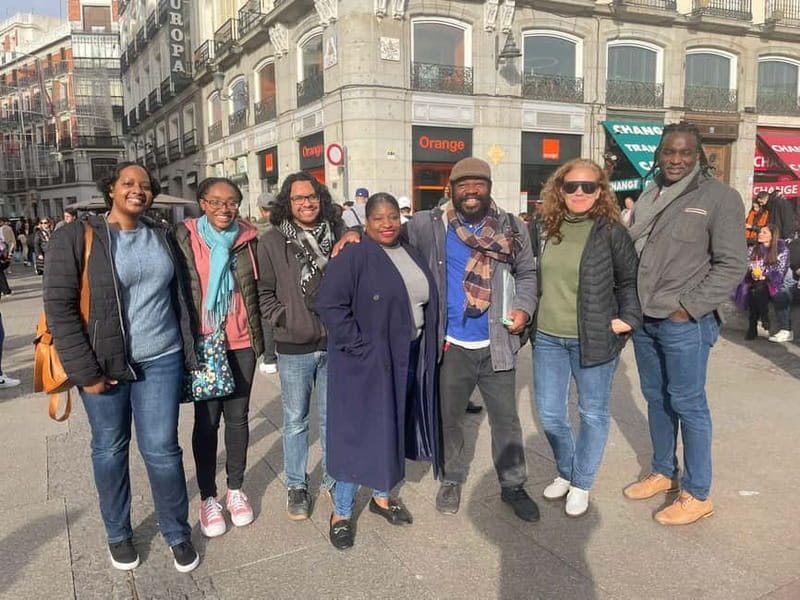
This tour is a strong fit if you:
- Want a more honest Madrid story that includes slavery history, African legacy, and resistance
- Prefer guided interpretation over doing monuments solo
- Enjoy structured walking tours with photo and explanation stops
- Are coming with curiosity about Afro-European history and how it shaped Iberian societies
It’s less ideal if you:
- Want only museum-style, ticketed access inside buildings
- Dislike walking during hot weather (bring sun protection)
- Prefer lighter, purely recreational sightseeing
If you’re an educator or part of a cultural organization, the tour’s stated purpose is a match. If you’re traveling personally, it still offers a clear, organized way to learn without turning your day into a research project.
Should you book this Madrid Black History Tour?
Yes, if you want your Madrid day to mean something more than famous façades. The guide-led connections between African legacy, slavery history, and resistance give you a new lens for the city, especially when the story is anchored at places like the Royal Palace and Almudena Cathedral.
I’d book it if you’re ready to walk, stand, listen, and look. If you want a quiet, casual stroll, pick a different activity. But for a focused 2 hours that helps you read Madrid with better context, this is a smart use of your time—especially at $40.
FAQ
Where does the tour start?
You meet the guide outside Starbucks at Plaza de Isabel II (Metro Opera).
How much does the Black History Tour of Madrid cost, and how long is it?
It costs $40 per person and lasts about 2 hours. Starting times vary by availability.
What languages is the guide speaking?
The live tour guide offers English and Spanish.
Is the tour wheelchair accessible?
Yes, the tour is listed as wheelchair accessible.
What’s included in the price?
The guide services are included.
Is food or drinks included?
No. Food and drinks are not included, so you’ll want to plan around meals.
What should I bring?
Bring comfortable shoes, sunglasses, a sun hat, sunscreen, a reusable water bottle, cash, and a credit card, plus comfortable clothes.
Can I cancel or pay later?
Yes. You can reserve now and pay later, and free cancellation is available up to 24 hours in advance for a full refund.