REVIEW · MADRID
2-Hour Patisserie Experience for Dessert Lovers
Book on Viator →Operated by City Secreto · Bookable on Viator
Four sweet stops in two hours. This Madrid patisserie tour mixes tasting with the stories behind Spanish desserts, tying each treat to a specific square or street. I like that you learn about the recipes and even the design details from the patisseries, not just from a script.
What I really like most is the way the stops are built around Madrid landmarks. You start at Mercado de San Miguel and then walk into areas like Puerta del Sol, where dessert traditions connect to the kings, timing, and why certain sweets show up only once a year.
One thing to consider: I did see a reported case where a guide did not show up and didn’t communicate, so it’s smart to keep an eye on your confirmation and day-of details and have a plan if something goes off.
In This Review
- Key highlights you’ll feel fast
- A two-hour dessert route that actually makes sense
- Your starting point at Mercado de San Miguel
- The Puerta del Sol stop: royal dessert lore and an old bakery
- Plaza de Jacinto Benavente: Nobel laureate energy, one-square-only sweet
- Calle del Arenal: street character plus Spain’s national dessert
- Carrera de San Jerónimo: museum triangle sights and a royal candy connection
- Learning from patisseries: why recipe and design details matter
- Guide personality makes the trip (and at least one name stands out)
- Price and value: $120.16 for two hours of guided tastings
- How to fit it into your Madrid day
- Booking timing: it’s popular, so plan ahead
- Is it for you? Best match types
- Should you book this Madrid patisserie tour?
- FAQ
- How long is the patisserie experience?
- What time does the tour start?
- Where do I meet the tour?
- What’s the group size limit?
- Is the tour offered in English?
- What’s included with the dessert tastings?
- Is a ticket included for the stops?
- When will I receive confirmation after booking?
- Can I cancel for free?
- Is the experience accessible for most people?
Key highlights you’ll feel fast
- Four tasting stops in about two hours, with each segment lasting around 30 minutes
- Dessert plus coffee or tea included, so you don’t have to budget for drinks
- Recipe and design info from the patisseries, with hands-on tasting moments
- A small group cap of 15, which usually keeps questions from getting lost
- Landmark-focused route through Puerta del Sol, Plaza de Jacinto Benavente, and Calle del Arenal
A two-hour dessert route that actually makes sense
Madrid desserts are the kind of food that come with stories: kings, festivals, literary legends, and old baking traditions. This tour turns that abstract idea into a walk you can follow. You’re moving between central spots and stopping where the sweet history feels grounded in place.
The pace is intentionally tight. You get four stops, and you spend enough time at each one to taste, ask questions, and learn what makes that particular dessert special. If you want a long, slow, all-day food crawl, this isn’t that. If you want an efficient afternoon plan that still feels personal, it hits the mark.
You can also read our reviews of more tours and experiences in Madrid

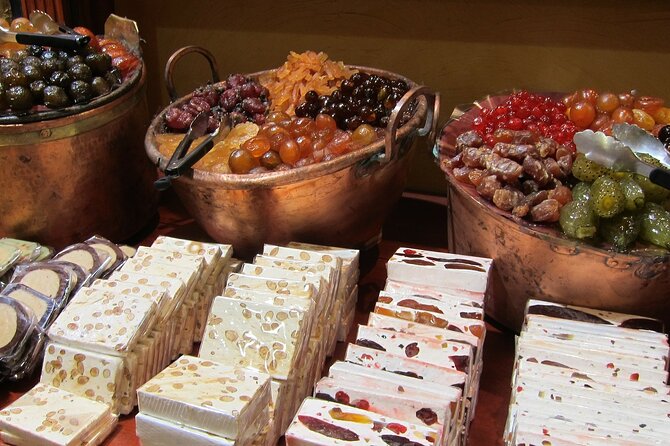
Your starting point at Mercado de San Miguel
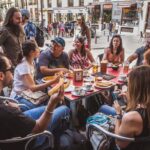
You meet at Mercado de San Miguel (Pl. de San Miguel, s/n). It’s one of those locations that makes you orient quickly because it’s central and easy to recognize. Starting there also helps you settle into the right mood: you’re already surrounded by food culture before the walking begins.
The tour runs for about two hours, starting at 11:00 am and ending back where you started. That round-trip structure matters when you’re planning the rest of your day, especially if you’ve got museum tickets or a later dinner reservation.
The Puerta del Sol stop: royal dessert lore and an old bakery
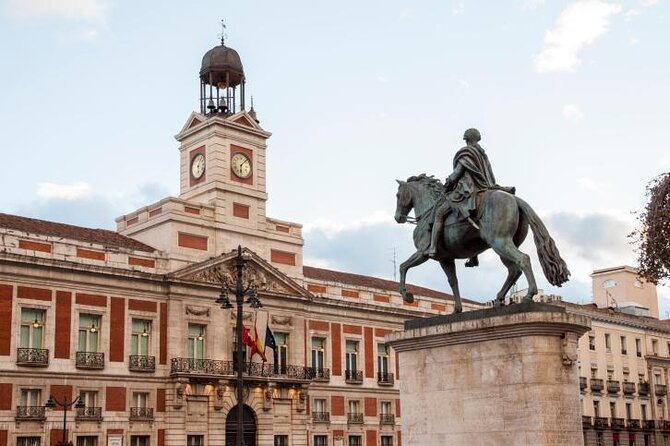
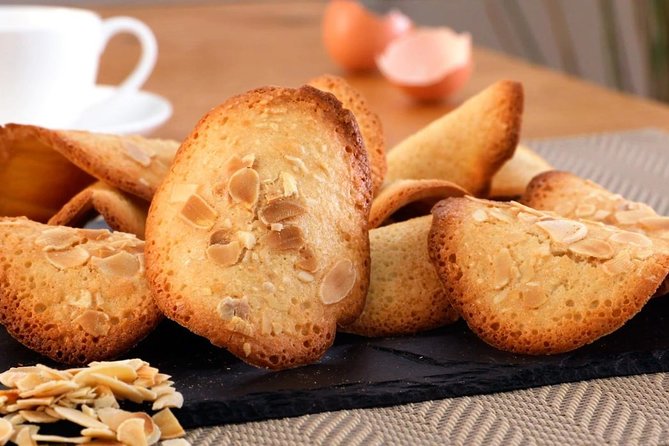
Puerta del Sol is one of Madrid’s main crossroads, so it’s a strong choice for a first tasting. Here, you stop to taste a dessert that’s connected to the kings—plus the details around why it’s eaten only once a year and when that tradition happens.
Even without being a history buff, you’ll probably appreciate the angle. Lots of food tours just say, this is popular. This one pushes you to understand the timing: why a dessert has a yearly window, what that says about local culture, and how the recipe fits into tradition.
You’ll also enter one of the oldest bakeries in Madrid. That’s a big part of the value: the setting isn’t generic. You get to see the kind of bakery that still feels built for craft, not just for tourists snapping photos.
Practical tip: this stop starts your learning curve. Go in ready to ask follow-up questions, especially about the yearly tradition. The guide’s context tends to make the tasting more memorable.
Plaza de Jacinto Benavente: Nobel laureate energy, one-square-only sweet
Next is Plaza de Jacinto Benavente. The tour connects the area to a Nobel Laureate in Literature, then ties that literary link to a dessert that can only be eaten in this square.
That is the kind of detail that makes a dessert tour feel different from a food festival. You’re not just tasting something sweet—you’re tasting the idea that place matters. A square isn’t just scenery here; it’s part of the dessert’s identity.
This stop also gives you a neat contrast after Puerta del Sol. Both are central, both have legend attached, but the mood shifts: one is about royal timing and tradition, and the other is about a specific civic space and the uniqueness of a local sweet that belongs to it.
How to enjoy it: take your time with the tasting here. The story is the point, so tasting too fast will make it harder to remember what you learned.
Calle del Arenal: street character plus Spain’s national dessert
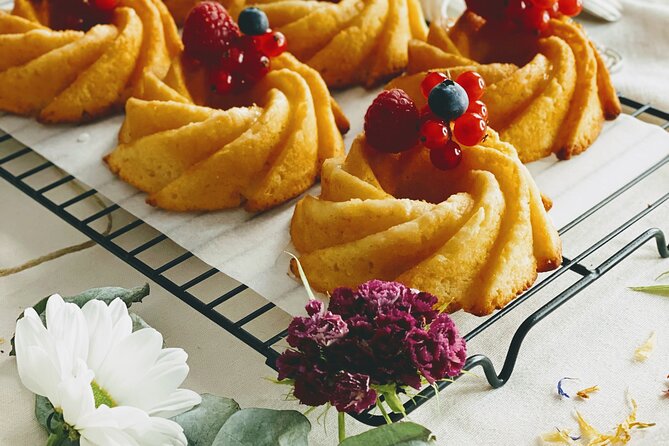
Calle del Arenal is known for its “avenue of shoes,” and this stop uses that recognizable street identity as a stepping stone into a food moment. You’ll pass along the avenue of shoes, then eat what’s described as the national dessert of Spain.
Because this segment mixes street-life color with a dessert tasting, it’s a good reset. After two more story-heavy stops, you get a simpler, more sensory moment: taste first, then let the guide connect the dessert back to what Madrid is like culturally.
Even if you’re not sure what you’re getting, you can still prep your expectations. This isn’t a heavy lesson in technique. It’s a cultural hit: you experience Madrid in motion and then anchor the walk with something classic.
My take on this stop for value: you get variety in the tasting structure without changing the overall theme. You’re still learning, just in a more easygoing way.
You can also read our reviews of more tours and experiences in Madrid





Carrera de San Jerónimo: museum triangle sights and a royal candy connection
Your final tasting is on Carrera de San Jeronimo. The tour points out the museum triangle area, giving you a sightline toward a major cultural zone. Then you taste candy connected to a king who reportedly loved to distribute it to his mistresses.
That combo works because it ties two kinds of culture together: art geography (the museum triangle reference) and court intrigue (the story behind the candy). It’s a reminder that Madrid’s sweet traditions aren’t floating in isolation. They grew alongside power, fashion, and public life.
If you’re the kind of person who likes to understand why food feels “part of the city,” this stop is where it comes home. You finish with a dessert story that sounds dramatic, but it’s still delivered in a real-world setting where Madrid’s everyday streets connect to famous locations.
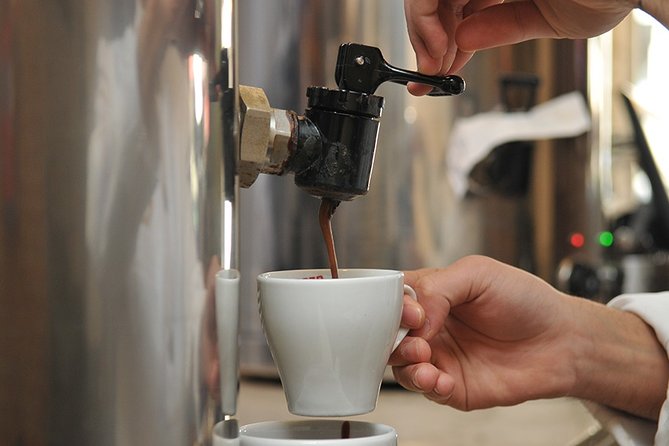
Practical tip: if you tend to get sugar-heavy toward the end of a tour, slow down the last tasting and alternate bites with sips of your included coffee or tea. The drink inclusion is there for a reason.
Learning from patisseries: why recipe and design details matter
Plenty of dessert experiences stop at what something tastes like. This one also focuses on how desserts are made and how they look. You learn about the recipes and the design directly from the patisseries during the stops.
That matters for two reasons. First, design cues often explain flavor and texture choices—how a dessert is shaped or decorated can hint at what’s inside. Second, design info gives you something to notice later, even when you’re not on the tour. The next time you walk into a Spanish bakery, you’ll likely spot details more confidently.
You’ll feel the difference if you’re the kind of traveler who enjoys process. If you only want a quick sugar hit, you can still enjoy it—but the full value comes when you lean into the explanation.
Guide personality makes the trip (and at least one name stands out)
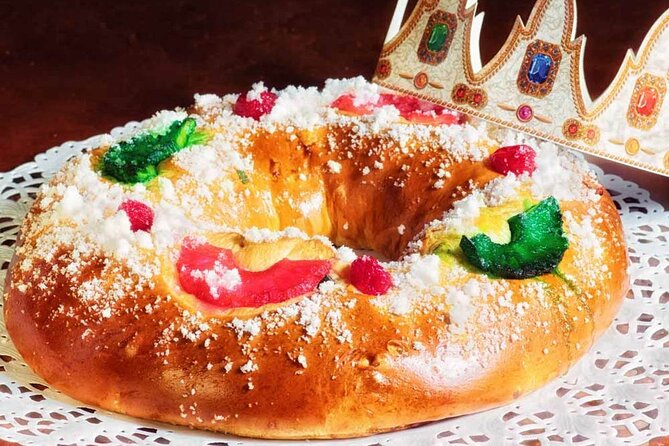
The tour is led by City Secreto, and the tone matters. One strong piece of feedback highlighted a guide named Nana, described as wonderful and conversational, with easy walk logistics, history connections, and excellent traditional dessert knowledge.
That’s a helpful clue for what you’re really buying. You’re paying for a route and a schedule, yes. But you’re also paying for the ability to turn sweets into stories you can remember.
When the guide is good, you’ll get more from each bite. You’ll also feel more comfortable asking questions, especially if you don’t know the background behind royal desserts or Nobel-linked food traditions.
Price and value: $120.16 for two hours of guided tastings
At $120.16 per person for about two hours, this is not a budget snack plan. But the value is tied to what’s included and how concentrated the experience is.
Here’s what you’re getting for your money, based on the tour info:
- Four tasting stops across central Madrid
- Admission tickets included for each of the segments
- Sweets plus coffee or tea included
- Small-group format with a cap of 15
- Explanations of recipes and design details directly from patisseries
For many people, that mix is the real selling point. You’re not paying solely for food; you’re paying for organized access, guided context, and drinks. If you were to do this on your own, you’d likely spend time figuring out where to go and what to order, then still pay separately for drinks and admissions.
Who this feels most worth it for: dessert lovers who want a focused plan that saves decision fatigue and gives you a guided route through the places that connect to the sweets.
How to fit it into your Madrid day
Since the tour starts at 11:00 am and ends at the same meeting point, you can treat it as your late morning anchor. A great approach is to schedule it before lunch so the desserts don’t fully take over your day.
Also, because you walk between several central districts (and the meeting point is in the core), you’ll get some city flow out of it. Just don’t confuse this with a full sightseeing day. It’s more like curated dessert storytelling with a walk attached.
If you’re doing other major attractions later, keep your afternoon plans realistic. You’ll likely enjoy a lighter meal after.
Booking timing: it’s popular, so plan ahead
This experience is often booked about 118 days in advance on average. That’s a signal that popular slots can disappear early, especially for English sessions.
If you travel around peak seasons or weekends, book sooner rather than later. The quick confirmation timeline (you receive confirmation within 48 hours of booking, subject to availability) also helps you lock in your schedule.
Is it for you? Best match types
This tour fits best if you:
- Love Spanish desserts and want a guided way to learn what you’re eating
- Prefer a small group and an easy walking format
- Like the cultural angle—how desserts connect to Madrid squares, literature, and royal tradition
- Want coffee or tea included with tastings
It might be less ideal if you:
- Don’t enjoy desserts much (the whole structure is built around sweet stops)
- Want a longer experience with more stops, since the tour is designed to stay tight in about two hours
Should you book this Madrid patisserie tour?
I’d book it if you want a dessert-focused Madrid plan that’s efficient and story-rich. The combination of four central stops, patisserie-sourced recipe/design explanations, and included coffee or tea makes it a smart use of a short time window.
I would not ignore one caution: there’s at least one reported case in the available feedback where a guide reportedly didn’t show up and didn’t communicate. That’s rare, but it’s enough for me to recommend a simple habit—check your confirmation, keep your contact details ready, and arrive a little early at Mercado de San Miguel.
If that kind of risk would stress you out, consider booking a day with extra flexibility. If you can handle minor travel friction, the experience itself sounds like it’s built for dessert lovers who want context, not just sweets.
FAQ
How long is the patisserie experience?
It lasts about 2 hours.
What time does the tour start?
The start time is 11:00 am.
Where do I meet the tour?
You meet at Mercado de San Miguel, Pl. de San Miguel, s/n, Centro, 28005 Madrid, Spain.
What’s the group size limit?
The tour has a maximum of 15 travelers.
Is the tour offered in English?
Yes, the tour is offered in English.
What’s included with the dessert tastings?
Sweets are included, and coffee or tea is also included.
Is a ticket included for the stops?
Yes, admission tickets are included for each stop.
When will I receive confirmation after booking?
Confirmation is received within 48 hours of booking, subject to availability.
Can I cancel for free?
Yes. You can cancel up to 24 hours in advance for a full refund.
Is the experience accessible for most people?
The tour says most travelers can participate, and it’s near public transportation.