REVIEW · MADRID
Learn to Make an Authentic Paella!
Book on Viator →Operated by Buzziler · Bookable on Viator
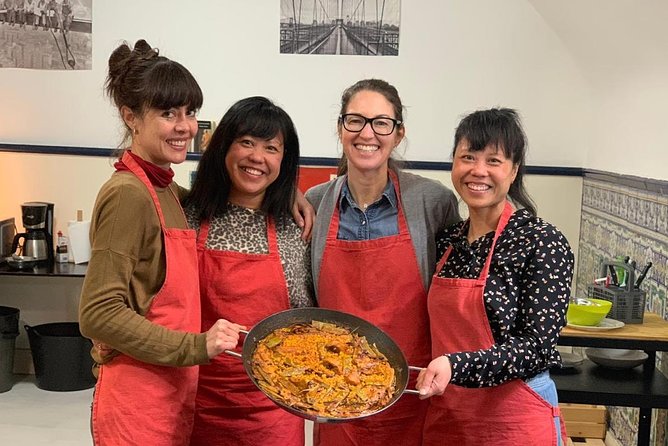
Paella can intimidate people fast. This hands-on class makes it feel doable, with small-group attention and a local Madrid home setting. You learn the recipe in a shared kitchen, not a lecture hall.
I especially liked the focus on Valencian paella technique and the friendly hosting style led by Paloma and Pilar in the tradition of warm Spanish hospitality. You’ll chat while sipping Rioja or sangria, and your meal is paired with beer, wine, and soft drinks.
One consideration: you’re cooking together, so if you prefer a quiet, low-interaction experience, the hands-on pace and group chatter may not be your thing.
In This Review
- Key highlights you’ll care about
- Meeting at C/ de Hortaleza 90: what the start feels like
- Inside a local Madrid home: why the setting matters
- Learning the Valencian paella method: the skills behind the dish
- Rioja, sangria, and conversation during the cooking
- The meal you make: sitting down and eating together
- Price and value: is $86 worth it?
- Who this paella class suits best
- A few practical tips before you go
- Should you book this paella class?
- FAQ
- FAQ
- How long is the paella class in Madrid?
- Where does the experience start?
- What time does it begin?
- Is it a small group?
- What’s included with the meal?
- Is there a mobile ticket?
- What happens if the minimum number of travelers isn’t met?
- What is the cancellation window for a full refund?
Key highlights you’ll care about
- Max 10 people keeps the class personal and conversation easy
- A Madrid home kitchen beats a big studio for a more authentic feel
- Valencian paella secrets focus on method, timing, and getting it right
- Drinks included with beer, wine, soft drinks, plus Rioja or sangria during the experience
- You eat what you make, sitting down to enjoy the result together
Meeting at C/ de Hortaleza 90: what the start feels like
The experience begins at C/ de Hortaleza, 90 (Centro), Madrid, at 12:00 pm. The location is near public transportation, which matters because you don’t want a half-day detour just to start a food class on time. You’ll also use a mobile ticket, which is handy on busy travel days.
From there, your time settles into the home-kitchen rhythm. This isn’t built like a quick tasting where you watch and wander off. It’s more like, you arrive, get organized, and then you roll up your sleeves for the real work.
If you like your food travel to be hands-on, this timing works well. Midday means you’re not stuck waiting forever for lunch, and you’re not trying to squeeze cooking lessons into an evening schedule.
You can also read our reviews of more tours and experiences in Madrid.



Inside a local Madrid home: why the setting matters
What makes this class feel different is the fact that it’s hosted in a local Madrid home rather than a commercial space. That changes the vibe in small but noticeable ways: less formality, more real-life conversation, and a sense that you’re sharing someone’s table for a couple of hours.
The group size stays capped at 10 people or fewer. For a paella class, that’s not a small detail. Paella depends on timing. If the group is too large, you end up waiting your turn while someone else handles the pan. Here, the smaller number means you can actually participate and ask questions without feeling rushed.
Also, the hospitality feels personal. In the experiences led by Paloma and Pilar, the common thread is kindness and a genuine love for food and culture. That matters because paella isn’t just ingredients. It’s technique, and technique clicks better when your host is explaining it like a friendly coach, not a distant teacher.
Learning the Valencian paella method: the skills behind the dish
Paella is famous for being difficult. Not because it’s magical, but because the margin for error is small. If the heat is wrong, if you rush the rice, or if you don’t understand when it’s done, the final pan can miss the mark.
This class is built around the classic Valencian paella approach and the “secrets” that make it come together. You’ll be learning how to work with the pan like it’s a system: heat, liquid, rice, and timing all talk to each other.
Here’s what you should expect the lesson to focus on, in practical terms:
- Heat control and timing: paella success often comes down to reading the cooking stage rather than following a strict clock
- Getting rice to cook properly: you’re learning how to balance doneness without drying it out
- Staying calm during the process: group cooking is fun, but it also teaches patience—because you can’t stir your way out of a bad rhythm
You might notice how the “secrets” aren’t just fancy tips. They’re usually small choices that add up, like when to start, when to pay attention, and how to keep the cooking moving at the right pace. That’s exactly the kind of know-how you can bring back to your next home-cooked attempt.
If you’re someone who’s tried making paella and ended up with rice that was either underdone or overcooked, this is the type of class that can reset your expectations. You’re learning the method so you stop guessing.
Rioja, sangria, and conversation during the cooking
This isn’t a silent cooking boot camp. You’re encouraged to chat as the class unfolds, and the drink plan is part of the experience.
You can sip Rioja or sangria, and the meal includes beer, wine, and soft drinks. That makes the whole session feel like an actual get-together, not just a transaction for instruction.
Why I like this setup for food classes: pairing light drinking with hands-on cooking tends to lower the stress. Paella can feel intimidating, so the mood helps you stay focused on what your host is showing you. You learn better when you’re not tense. And if your Spanish is basic, conversation time is still useful. Even simple words and gestures can keep the moment friendly.
Just a practical note: if you plan to drink, keep your pace steady while cooking. You’ll still want good attention around hot surfaces and active tasks.
The meal you make: sitting down and eating together
After the cooking work, the best part is the payoff. Your small group of 10 people or fewer sits down together to eat the paella you helped make.
This matters more than it sounds. Many classes teach technique, but you don’t always get a real shared moment at the end. Here, the structure is built for eating as a group. That’s where the recipe becomes more than a lesson and turns into something you taste with pride.
And since paella is meant to be eaten at the right moment, the format helps you experience it in the way it’s intended—served as a finished dish rather than an afterthought.
If you’re the type who learns faster through doing, this class fits you well. You’re not just absorbing steps; you’re seeing how they land on the plate.



Price and value: is $86 worth it?
At $86 for about 2 hours 30 minutes, the price sits in the mid-range for a cooking class in central Madrid. The real question is value, and you get a few things that justify it.
You’re paying for:
- A small group max of 10 people, which often means more hands-on help than larger classes
- A local home setting, which usually feels more personal than commercial kitchens
- A full meal result, since you eat what you make
- Drinks included, including beer, wine, and soft drinks
- Focused instruction on classic Valencian paella, not just a generic “Spanish cooking” sampler
When drinks are included, it can also shift the math. In many city experiences, you end up paying extra for alcohol on top of the class price. Here, the class itself includes the beverage part of the meal.
So I think the cost is reasonable if you want an experience where the food lesson actually turns into your lunch (or a late lunch) without extra spending pressure.
Who this paella class suits best
This experience is a great fit if you want food travel that’s practical, social, and memorable for the right reasons.
It’s especially ideal for:
- People who love Spanish cuisine and want the “how” behind one of its most iconic dishes
- Anyone who learns best by cooking, not by watching
- Groups of friends or solo travelers who enjoy sharing a meal with a small crowd
- Visitors who want a Madrid home vibe rather than a staged tourist workshop
It may be less ideal if:
- You strongly prefer quiet sightseeing over active participation
- You’re expecting a market tour or museum-style add-ons (this is centered on cooking and eating)
- You don’t want group interaction while you cook
A few practical tips before you go
These are the small things that make the day smoother.
- Eat something light before you start only if you’re worried about being too full. The meal is part of the experience, so hunger is usually welcome.
- Wear comfortable shoes. Cooking sessions can involve standing and moving around.
- Bring patience for timing. Paella doesn’t rush nicely. If the plan takes a bit of focus, that’s normal.
- Keep hydration in mind, especially if you choose Rioja or sangria during the class.
Also, if you’re a “serious about food” person, you’ll likely enjoy the cultural context your host shares while teaching. The best part of authentic cooking classes is that they connect technique to tradition and everyday life.
Should you book this paella class?
I’d book it if you want an experience where you learn a real recipe method, cook as part of a small group, and then get to eat the result in the same sitting. The small size (10 max), the Valencian paella focus, and the fact that it happens in a local Madrid home are the big reasons this works.
I’d skip it if you’re mainly looking for a passive tasting, or if you dislike hands-on cooking in a shared kitchen environment. Paella classes aren’t a quick photo stop. They’re a working lunch lesson.
If your goal is to take home a better understanding of paella—how it works, not just how it tastes—this is a smart use of your time in Madrid.
FAQ
FAQ
How long is the paella class in Madrid?
It lasts about 2 hours 30 minutes.
Where does the experience start?
You start at C/ de Hortaleza, 90, Centro, 28004 Madrid, Spain.
What time does it begin?
The start time is 12:00 pm.
Is it a small group?
Yes. It has a maximum of 10 travelers.
What’s included with the meal?
You’ll have beer, wine, and soft drinks included with your meal. The experience also references sipping Rioja or sangria.
Is there a mobile ticket?
Yes. The experience uses a mobile ticket.
What happens if the minimum number of travelers isn’t met?
If the minimum isn’t met, the experience may be canceled, and you’ll be offered a different date/experience or a full refund.
What is the cancellation window for a full refund?
You can cancel up to 24 hours in advance for a full refund. If you cancel less than 24 hours before the experience starts, the amount paid is not refunded.