REVIEW · MADRID
2-Hour Madrid – Prado Museum Private Tour
Book on GetYourGuide →Operated by Madrid Museum Tours · Bookable on GetYourGuide
Two hours with the Prado’s best, on your terms. This private tour lets you choose the angle you care about most and then connects major paintings to the artists’ intentions, politics, and techniques.
I like that it’s private, so the guide can adjust the pace to your group. I also love the licensed art historian approach: you get plain-language, art-making details (composition, why a scene is built the way it is) instead of just a checklist of titles.
One thing to consider: the tour price is for the guide experience, and Prado admission is not included. Also, 2 hours is great for a first sweep, but if you want to linger hard at fewer works, you may feel slightly rushed.
In This Review
- Key points before you meet the Prado (Goya’s statue, ticket lines, and audio)
- Choosing One of Four Prado Stories (your “best fit” option)
- Meeting by the Goya Statue and the fastest way to start
- The 2-hour private format: what you really gain
- Tour 1: The Great Evolution—how the Prado changes as art matures
- A practical note on Tour 1
- Tour 2: Velázquez and Goya—mystery, violence, and the Black Paintings mood
- When Tour 2 shines
- Tour 3: Golden Century Masters and Goya—royal portraits to May 3
- A consideration for Tour 3
- Tour 4: 19th-century Spanish painters—Madrazo, Fortuny, Pradilla, Sorolla
- Who tends to love Tour 4
- Licensed guides and art historian storytelling that actually sticks
- Price and value: is $306 per group a smart move?
- Who this Prado private tour is best for
- My verdict: book it if you want a smart, guided Prado start
- FAQ
- How long is the Prado Museum private tour?
- How much does the tour cost, and what group size does that include?
- Is Prado admission included in the tour price?
- Where do we meet the guide?
- What languages are available for the live guide?
- Is the tour wheelchair accessible?
- Do we have to buy tickets in advance?
- What days and hours does the tour run?
- Can we cancel if plans change?
Key points before you meet the Prado (Goya’s statue, ticket lines, and audio)
- Four tour options let you steer toward early masters, Velázquez/Goya, Golden Age royals, or overlooked 19th-century Spanish painters
- Licensed guide + art historian guidance means more than name-and-date facts
- Clear audio equipment helps you hear well even when the galleries get crowded
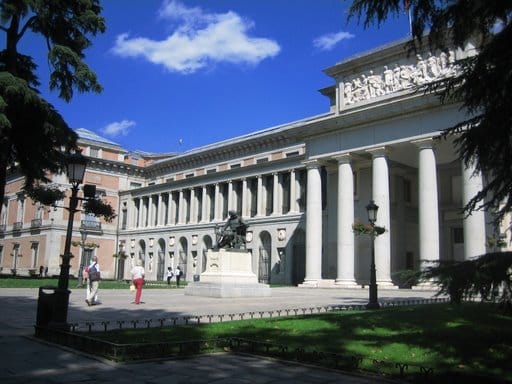
- Meet by the Goya Statue near the main entrance side, with the guide wearing a Madrid Museum Tours badge
- Private group up to 7 keeps the experience flexible and easier than fighting the museum crowd solo
Choosing One of Four Prado Stories (your “best fit” option)
The biggest reason this tour works is that you don’t have to accept a one-size-fits-all Prado route. You choose from four private storylines, and each one is built around how to read the paintings: what to notice, what to ignore, and what the work is trying to say.
If you want an art-history chain, Tour 1 is the most time-travel-ish. If you want intensity and psychological punch, Tour 2 and Tour 3 focus on Velázquez and Goya. If you’d rather see Spain’s later artists (and not only the “everyone knows them” crowd), Tour 4 is where you’ll feel rewarded.
Because it’s private, your guide can usually respond to the mood of your group. If someone in your party is tired, you can ask for a slightly lighter pace. If you’re hungry for details, you can stay in the weeds on brushwork, symbolism, or historical context.
You can also read our reviews of more private tours in Madrid



Meeting by the Goya Statue and the fastest way to start
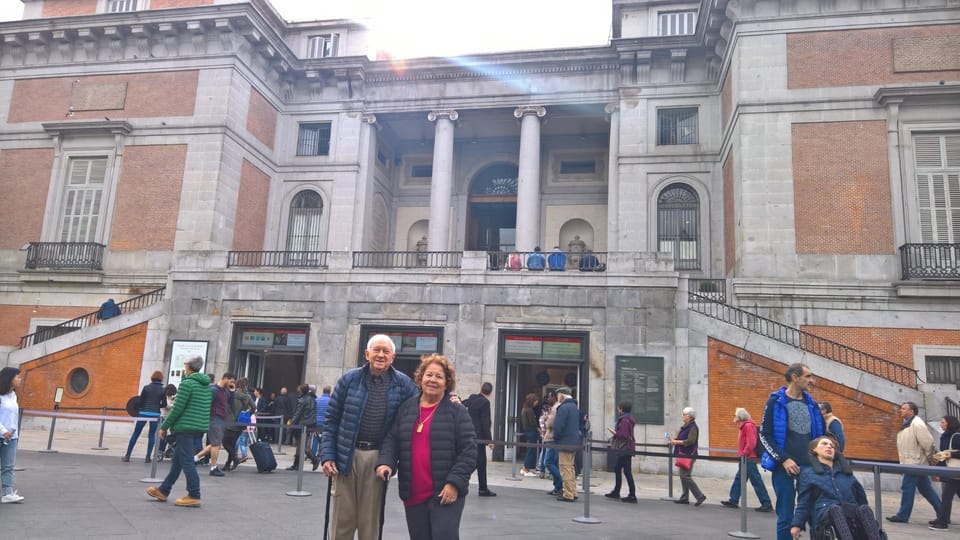
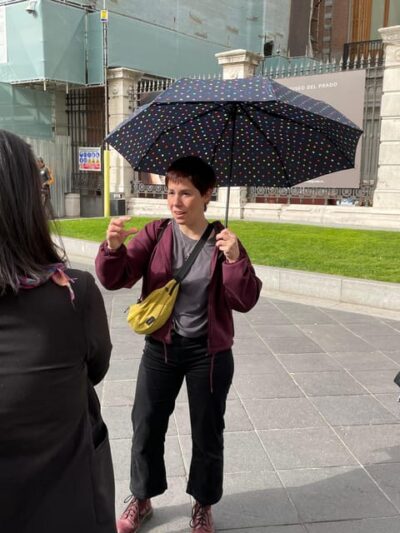
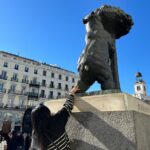
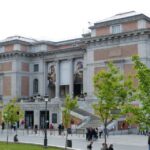
Plan to meet at the Goya Statue, overlooking the main ticket area at the Prado. Your guide will have a badge from Madrid Museum Tours, so you’re not left guessing who’s with your group.
The Prado can be a line-and-wait situation, so the practical move is to buy your museum tickets online ahead of time. The tour itself includes the guide and commentary, not entry, so you’ll want your admission handled before you arrive and spend your energy enjoying the art instead of standing in a queue.
This is also the kind of tour where being a few minutes early helps. If you’re standing in the right spot and your guide can start cleanly, you’ll actually get the full 2 hours of paintings and context.
The 2-hour private format: what you really gain
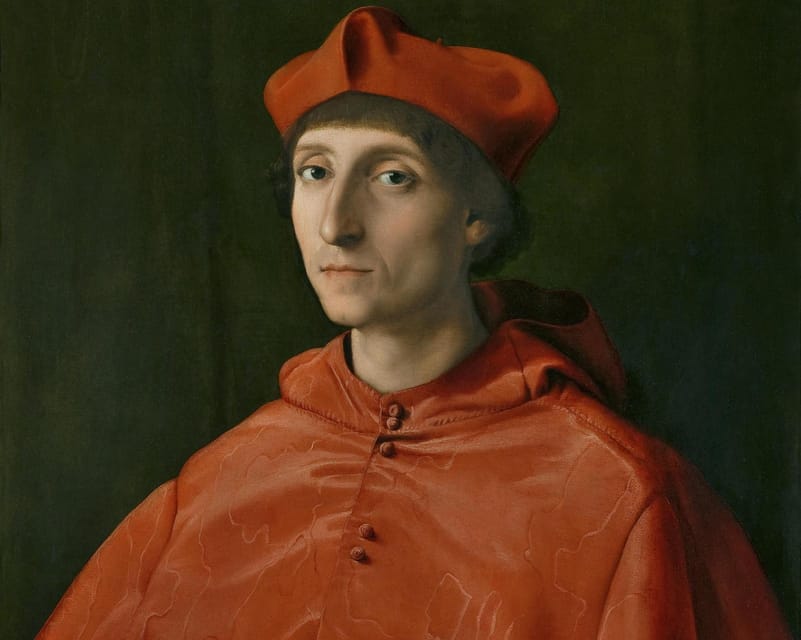
Two hours in the Prado is a useful squeeze. The museum is huge, and walking it on your own often turns into a blur of frames and captions. In a private format, the guide steers you toward the most teachable moments—paintings where technique and meaning connect in a way you can see fast.
You’ll also use audio equipment, which matters more than it sounds. In busy rooms, it’s easy for a self-guided visit to turn quiet and frustrating. With clear guidance and equipment, you can keep your attention on what’s in front of you.
And yes, your group stays small—up to 7—so it’s not a lecture where you can’t ask questions. If you’re the kind of person who wants to understand why a composition works, you’ll be able to.
Tour 1: The Great Evolution—how the Prado changes as art matures
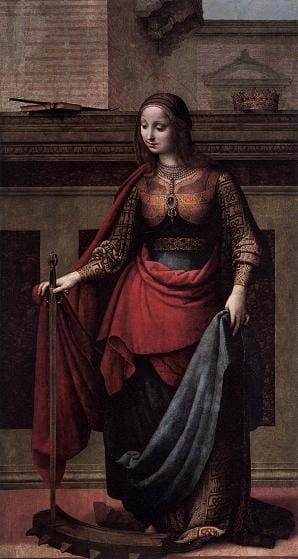
Tour 1 is the “art-history storyline” option. You’ll move through major works and learning points spanning early and later European influences, then end up at iconic Spanish painters and key 17th- and 18th-century voices.
Expect stops that connect style to purpose: how religious and mythic subjects are staged, how light and anatomy are handled, and how Spanish painting inherits and reshapes European trends. The route is designed to show evolution rather than isolated masterpieces, so your brain keeps a thread as you move from painter to painter.
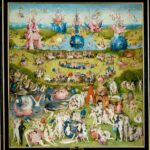
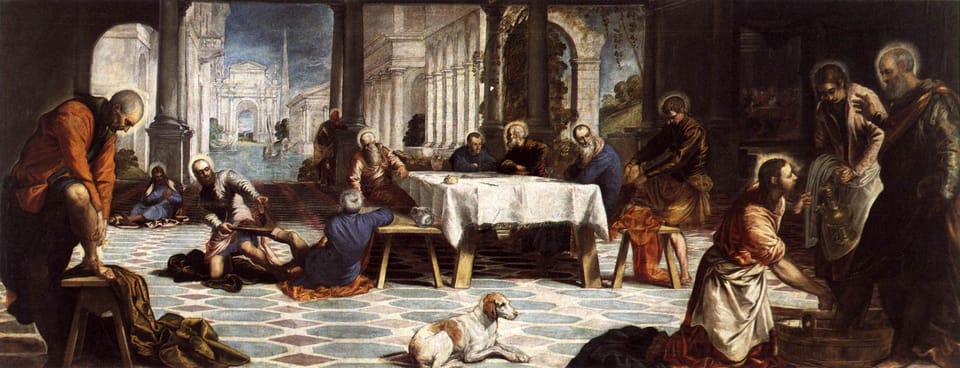
This tour includes major names like Bosch, Dürer, Titian, Tintoretto, Veronese, El Greco, and Caravaggio, then continues through Spanish heavyweights like Velázquez, Murillo, Goya, and Sorolla. That’s a lot of eras—but the goal is not to memorize everything. It’s to learn how to “read” the changes across time.
A practical note on Tour 1
If you’re visiting the Prado for the first time, Tour 1 can feel like orientation. It’s also a lot to hold in your head, so if you get easily overloaded, ask your guide to slow down when you find a painting you want to study.
You can also read our reviews of more museum experiences in Madrid



Tour 2: Velázquez and Goya—mystery, violence, and the Black Paintings mood
Tour 2 concentrates on two of the Prado’s emotional powerhouses. Velázquez shows perfection with a hint of mystery—his compositions feel calm, but nothing is simple. Then Goya hits with raw force, from political violence to images that feel almost too personal to be public.
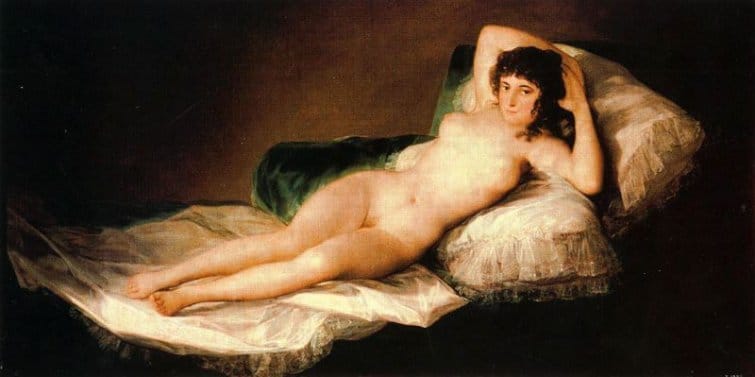
You’ll cover key Goya works including The Attack of the Mamelukes, The Shootings of May 3, and the haunting Black Paintings. Even if you’ve seen Goya’s name before, this pairing helps you understand why his art still feels modern: the feelings arrive before the facts do.
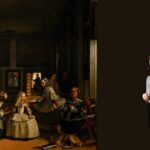
For the Velázquez side, the point is technique and control. You’ll learn what to notice in how scenes are arranged—faces, gestures, and what the painting chooses to emphasize. In a good guide-led route, it turns into a skill: you start to see “structure” behind what looks effortless.
When Tour 2 shines
If you want something that feels dramatic and cinematic—without sacrificing accuracy—Tour 2 is a strong pick. It’s also ideal for visitors who like their museum time to leave an emotional mark, not just visual impressions.
Tour 3: Golden Century Masters and Goya—royal portraits to May 3
Tour 3 is a “Golden Age to Goya” bridge. You start with 17th-century masters associated with Spain’s Golden Century, then move into Goya’s world where intimacy and power sit side by side.
You’ll see work connected to Ribera and Murillo as well as Velázquez, then shift into Goya through royal portraits and political scenes. The tour specifically includes The Royal Family of Carlos IV and again The Shootings of May 3, which gives you a chance to compare Goya’s approach with earlier Spanish portrait traditions.
What I like about this lineup is that it forces you to notice how portraits can be social weapons. The paintings aren’t just people on canvas. They’re designed statements—about rank, appearance, and legitimacy.
A consideration for Tour 3
Because it includes both royal portrait authority and Goya’s hard-edged scenes, it can feel intense near the middle. If your group prefers calmer pacing, you can still enjoy it, but you might want to request a brief pause between the more emotional works.
Tour 4: 19th-century Spanish painters—Madrazo, Fortuny, Pradilla, Sorolla
Tour 4 is the option that often surprises first-timers. It focuses on artists who don’t always get your attention when you only think about the Prado as a museum of one or two famous giants.
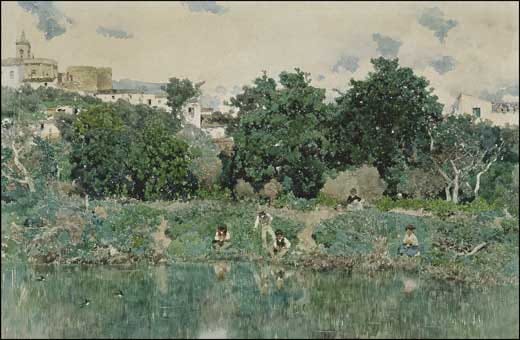
You’ll explore the Madrazo brothers, Rosales, Fortuny, Pradilla, and Sorolla—names that feel more Spanish-in-identity and often more “story-driven” in a different way than Renaissance or Baroque. The goal is to help you recognize what makes 19th-century Spanish painting worth your time.
If you’re a fan of light, atmosphere, and everyday scene energy, Sorolla’s presence alone can make this tour feel like a palate cleanser after the heavier centuries. And with Fortuny and Pradilla, you’ll likely pick up how history painting and color choices carried messages about nation and memory.
Who tends to love Tour 4
If you like being shown artists you didn’t plan to seek out, Tour 4 is a great match. It also works well for repeat Prado visitors who want something new without committing to a full multi-hour plan.
Licensed guides and art historian storytelling that actually sticks
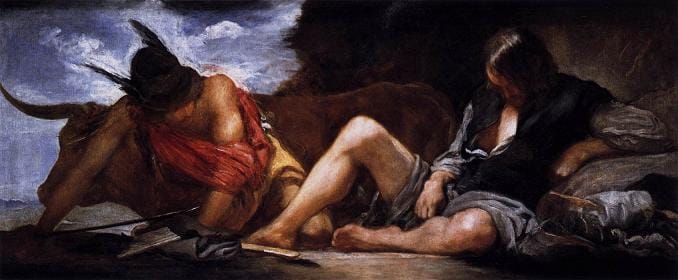
This is where you feel the difference between a regular museum pass and guided art history. A licensed guide brings the museum knowledge, but the art historian layer is what helps you connect technique to meaning.
In past tours, guides like Luis have been praised for staying entertaining while still packing in details—useful when you want both brains and momentum. Other guides, like Tatyana, have been described as captivating enough that the time felt like it flew, even for a mixed group that included a pregnant participant. And Nacho, mentioned in one account, was described as passionate enough to bring more than surface-level descriptions.
I also like that your guide isn’t limited to “look at the shadows.” One strongly worded experience mentioned deep context running from Spanish Bourbon aristocracy and imperialism through the Inquisition—and how those forces changed the way art developed. That kind of framing helps you understand why paintings look the way they do, not just what they depict.
And if your group includes kids, keep this in mind: one account notes a guide who managed to be both sensitive and kid-friendly. If you’re traveling with younger art fans, that’s a real advantage over a strict lecture tone.
Price and value: is $306 per group a smart move?
Let’s do the practical math and the practical thinking. The tour costs $306 per group up to 7 people for 2 hours. That’s not “cheap,” but it’s also not trying to be. You’re paying for a private licensed guide with an art historian, plus audio equipment and a route built around your choice of four themed itineraries.
Since Prado admission is not included, your total day budget will be higher than $306. If you’re traveling alone or as a couple and you’d otherwise struggle to navigate the Prado efficiently, the guide can still be worth it because the museum is too big to wing it.
Where it becomes best value is when you have a small group. Up to 7 means you can spread the cost and get something closer to an insider’s conversation than a crowded group tour. If your party includes someone who wants details and another who just wants to feel confident about what they’re seeing, private works well.
If you’re the type who can spend hours per artwork, then a 2-hour sweep may feel like a fast handshake. But if you want a strong overview and smart next steps—this tour is built for that.
Who this Prado private tour is best for
This tour fits best when one or more of these is true:
- You have a limited time window and want the Prado’s top ideas, not just top paintings.
- You care about art technique and the why behind the image—composition, symbolism, and context.
- You want a choice-driven experience: four different themes means you can pick what matches your taste.
- You’re traveling with family or mixed interests and want a guide who can adapt.
It’s also a good choice if you dislike navigating giant museums with headphones and no human feedback. With private pacing, you can ask questions and adjust on the fly.
My verdict: book it if you want a smart, guided Prado start
If it’s your first trip to the Prado, I think this is an excellent way to get your bearings fast—without turning your day into a sprint. The themed choices (especially the Velázquez/Goya focus and the 19th-century option) make the 2 hours feel purposeful.
I’d book it when you value clear explanations and you’d rather pay for understanding than wander and hope. Just remember to handle Prado admission separately, and consider Tour choice carefully: pick the storyline that matches what you want to feel and notice.
FAQ
How long is the Prado Museum private tour?
It runs for 2 hours.
How much does the tour cost, and what group size does that include?
The price is $306 per group for up to 7 people.
Is Prado admission included in the tour price?
No. Prado Museum admissions are not included.
Where do we meet the guide?
Meet by the Goya Statue, overlooking the main ticket counter of the Prado Museum. The guide has a badge from Madrid Museum Tours.
What languages are available for the live guide?
The tour is available in English, German, Russian, and Spanish.
Is the tour wheelchair accessible?
Yes, it is wheelchair accessible.
Do we have to buy tickets in advance?
To avoid queues, you should purchase Prado tickets online (the info provided recommends doing this via the Get Your Guide site).
What days and hours does the tour run?
It runs from Mondays to Sundays between 10:00 and 15:00.
Can we cancel if plans change?
Free cancellation is available up to 24 hours in advance for a full refund.