REVIEW · MADRID
Madrid: Reina Sofía Museum Guided Tour, Small Group
Book on GetYourGuide →Operated by Rutas Madrid · Bookable on GetYourGuide
Modern art can feel intimidating. This tour makes it make sense fast, with skip-the-line access and an art guide to translate the big names and bigger emotions. I especially like how the visit is built around themes (not just a list of paintings), and how you get context for the socio-political conflicts that shaped works like Picasso’s Guernica.
The main drawback is timing. The experience runs 1.5 to 3.5 hours, and start times vary, so you’ll want to check the schedule that fits your day—especially if you’re juggling dinner plans or other museum stops.
In This Review
- Key Highlights You’ll Actually Feel
- Why Reina Sofía Works for First-Timers and Art Nerds
- The Meeting Point and the Start That Gets You Oriented
- Inside the Museum: Preferential Access and a Thematic Route
- Picasso’s Guernica and the Politics Behind the Paint
- Beyond the Usual Names: Dalí, Miró, Juan Gris, and More
- How the Guide Makes Style Feel Understandable
- Temporary Exhibitions: A Bonus Layer for Modern Art Lovers
- The Optional Restaurant Add-On That Can Turn It Into a Full Day
- Duration and Flow: What 1.5 to 3.5 Hours Feels Like
- Price at $42: Good Value If You Want Context, Not Just Photos
- Who Should Book This Tour?
- Should You Book It?
- FAQ
- What’s included in the Reina Sofía guided tour?
- How long is the tour?
- What languages are the guides available in?
- Where does the tour start and end?
- Is the tour held in bad weather?
- Do I need to bring an ID?
Key Highlights You’ll Actually Feel
- Skip-the-line entry plus preferential access at Reina Sofía so you lose less time to queues
- Headsets included, which makes the guide easy to follow even when galleries get crowded
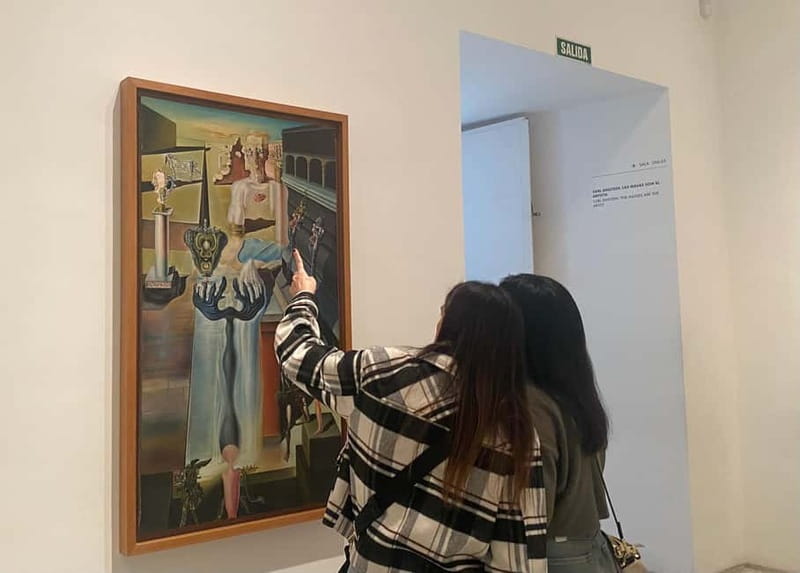
- A guided route featuring Picasso, Dalí, Miró, Juan Gris, and also artists you don’t always see on the typical highlights reel
- Time spent with the museum’s masterpiece, Guernica, with the story behind why it exists
- Coverage of permanent collections and temporary international exhibitions focused on modern and contemporary art
- Optional 3-course meal and 1 drink in a modern restaurant if you want to extend the day
Why Reina Sofía Works for First-Timers and Art Nerds
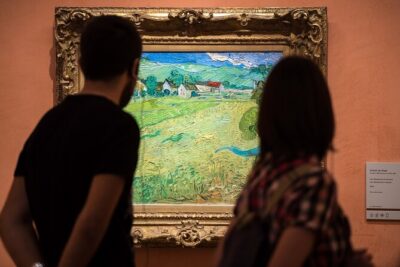
Reina Sofía can be a lot at first glance. One room can swing from sharp geometric forms to dreamlike scenes to political imagery that hits like a headline. What makes this guided tour useful is that it helps you read the museum instead of just walking through it.
I like that the tour focuses on 20th-century Spanish and modern art movements such as cubism, modernism, surrealism, and avant-garde. You get a framework, so those styles stop feeling random. Then the guide ties the artworks to the world that produced them, including the conflicts and pressures that influenced what artists chose to paint.
Here’s the smartest part: you’re not being asked to be an art historian. You’re being taught how to look—what to notice, what questions to ask, and why certain images feel the way they do. If you know nothing about modern art, this is still a strong match.
You can also read our reviews of more guided tours in Madrid


The Meeting Point and the Start That Gets You Oriented
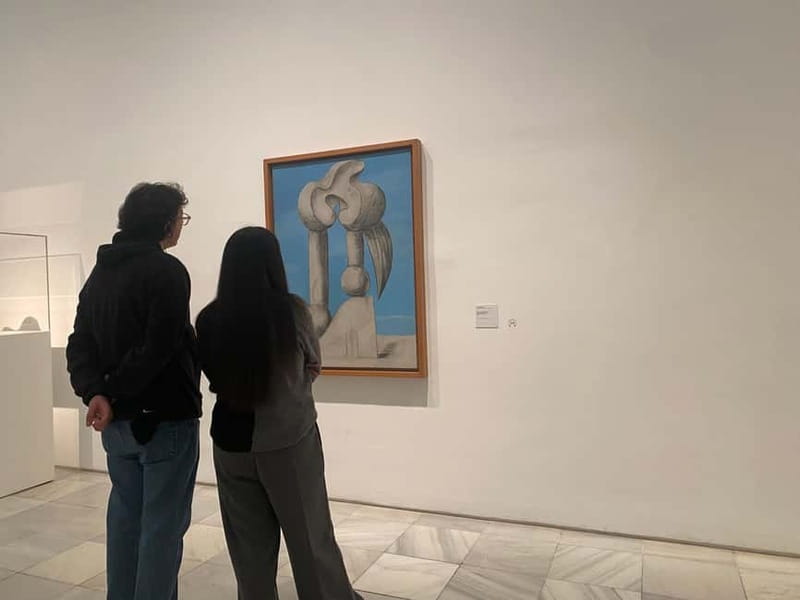
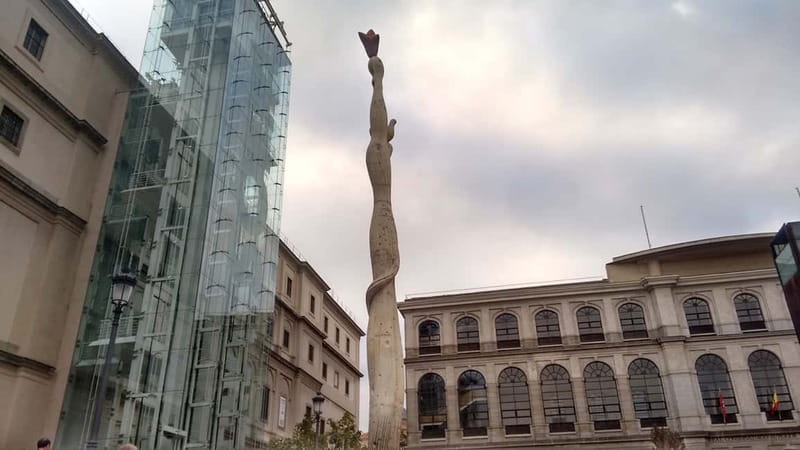
You’ll meet at the starting point in front of a white sculpture with a star, and the tour ends back there. The experience begins with a short walk-in feel, then you head to the museum area in Atocha.
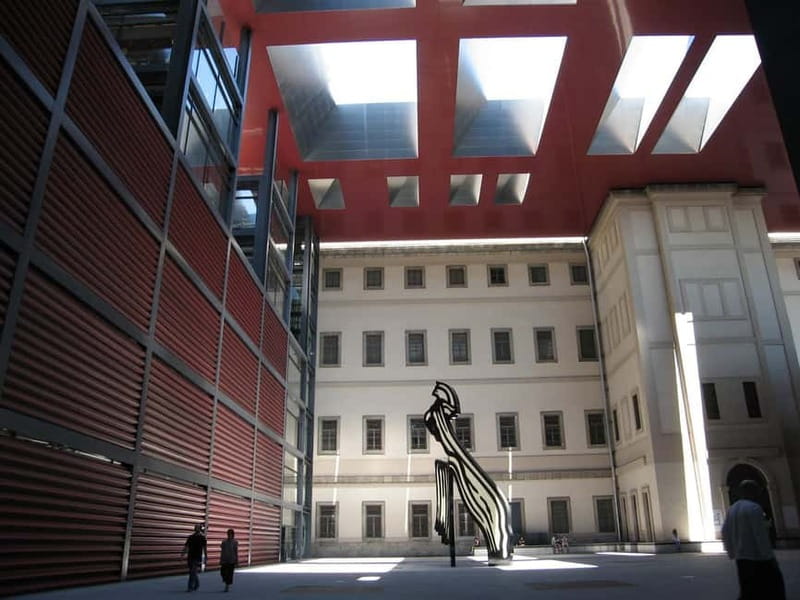
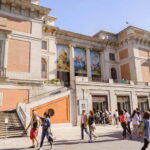
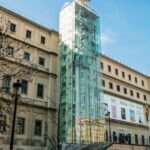
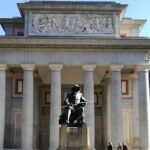
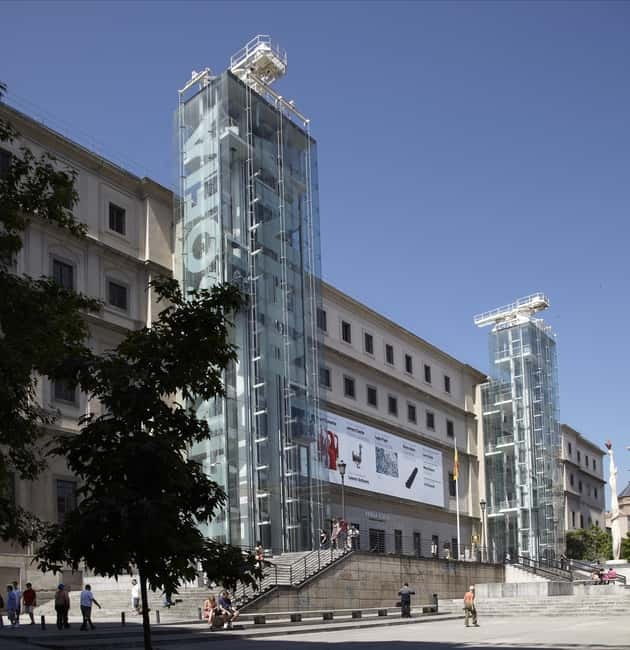
That matters because Reina Sofía is in a historic setting, and part of the fun is realizing you’re not just entering a white cube gallery. The museum sits in a neoclassical building that was formerly the Hospital San Carlos area of Madrid. Even if you just glance up at the architecture, it adds contrast: a former hospital space holding artwork made in an age of upheaval.
The tour also includes headsets, so you can keep pace without craning your neck to hear the guide. If you’ve ever tried to listen to a guide in a busy museum, you know how much that helps.
Inside the Museum: Preferential Access and a Thematic Route
Once you’re in, the tour is designed to feel like a guided story rather than a free-for-all checklist. You get entry tickets included, plus skip-the-line so you can start seeing art sooner instead of losing your energy in a queue.
The museum visit covers what’s typically the heart of Reina Sofía: its three permanent collections, plus temporary exhibitions when they’re on view. That’s a big deal for value. Some tours only chase a handful of famous names. This one aims to give you a broader map—modern and contemporary art in different forms, with the guide explaining how styles and ideas connect.
Expect the route to move through thematic episodes. The tour name emphasizes guided storytelling, and the approach is exactly what you want in a museum this large. Instead of getting lost between rooms, you’ll follow a path the guide has planned around the biggest artistic threads.
Picasso’s Guernica and the Politics Behind the Paint
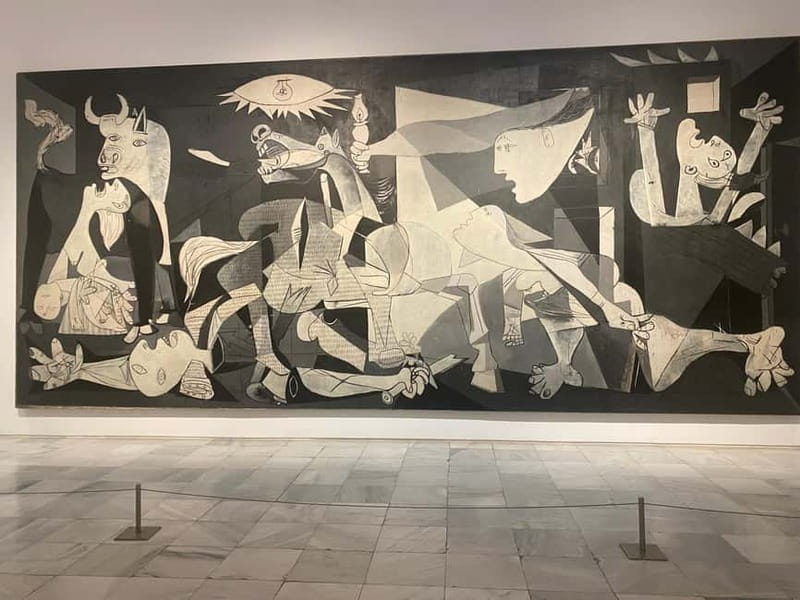
Let’s talk about the reason most people come: Picasso’s Guernica. This is where modern art can either feel like a maze or hit you like a message. The guide’s role here is crucial.
You’ll be shown not just what Guernica is, but why it was made and what it communicates in the context of the time. The tour specifically mentions learning about the socio-political conflicts behind the artwork, and that’s the difference between seeing a famous painting and actually understanding what the painting is doing.
Guernica also helps you learn a key skill for the rest of the museum: you start noticing how visual style can function like argument. Forms, distortions, and composition choices become part of the meaning. You’ll get that pattern repeated across other works, which makes later rooms feel less confusing.
Beyond the Usual Names: Dalí, Miró, Juan Gris, and More
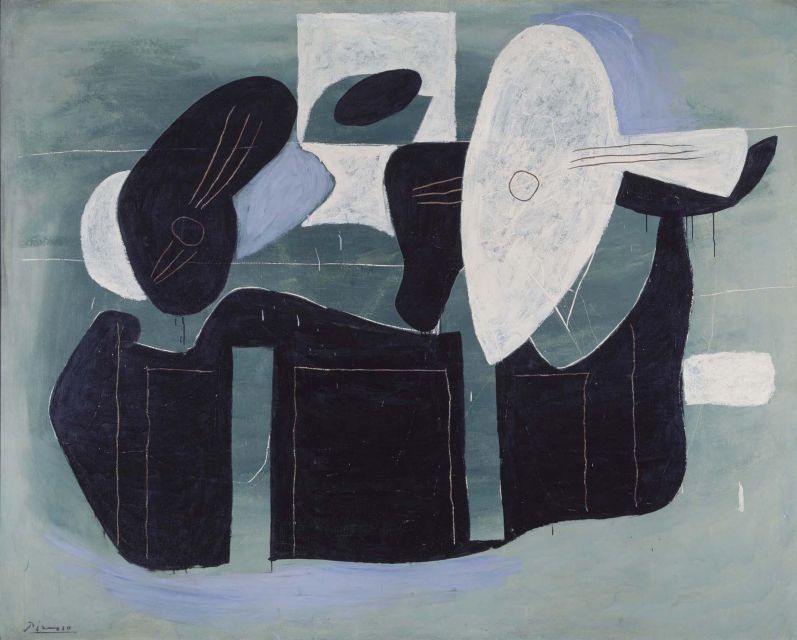
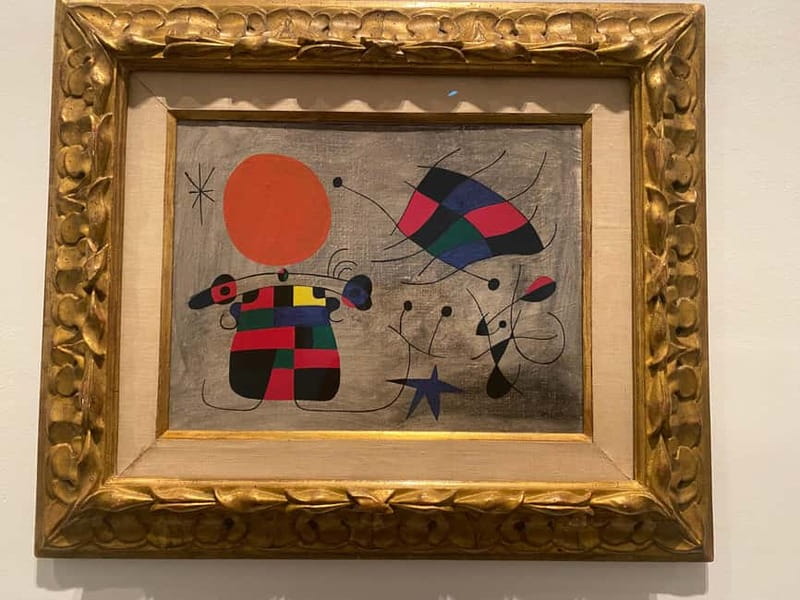
This is one of those tours that doesn’t stop at the obvious posters. Yes, you’ll see major figures like Salvador Dalí and Joan Miró. You’ll also encounter Juan Gris, whose Cubism-related contributions don’t always get the same attention as Picasso—so it’s a nice way to round out the period.
Then the tour also points to names that are easier to miss if you’re self-guiding. It highlights artists such as Maruja Mayo and Ángeles Santos. That doesn’t mean you’ll get a huge biography lesson for each person. What it does mean is that the tour’s view of 20th-century art is wider than a three-artist tour.
And because the guide explains what each artist wants to convey, you don’t just memorize styles. You start relating works to intent. That’s the real education payoff, even if you’re just trying to enjoy the museum without feeling lost.
You can also read our reviews of more museum experiences in Madrid

How the Guide Makes Style Feel Understandable
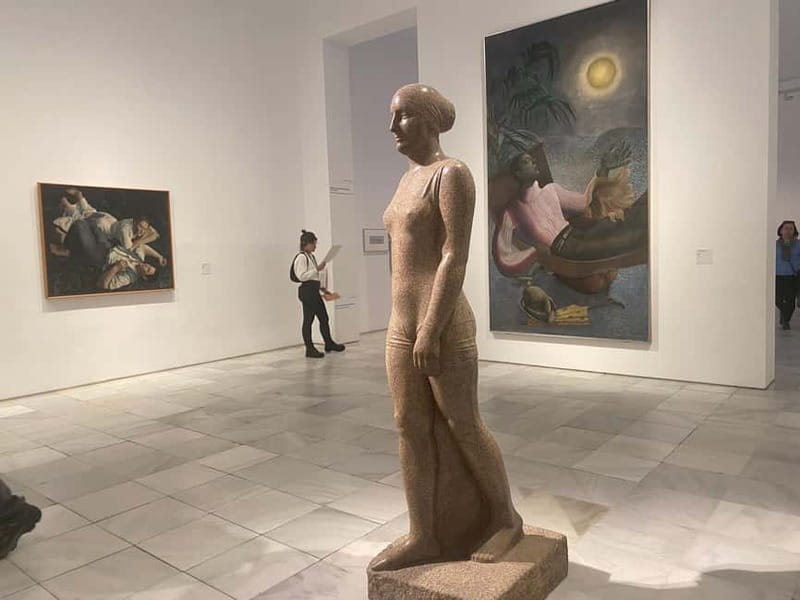
Reina Sofía is a museum where style can feel like code. Cubism can seem like it’s breaking the rules for no reason. Surrealism can look like visual nonsense. Modernism can seem like it’s trying to shock rather than communicate.
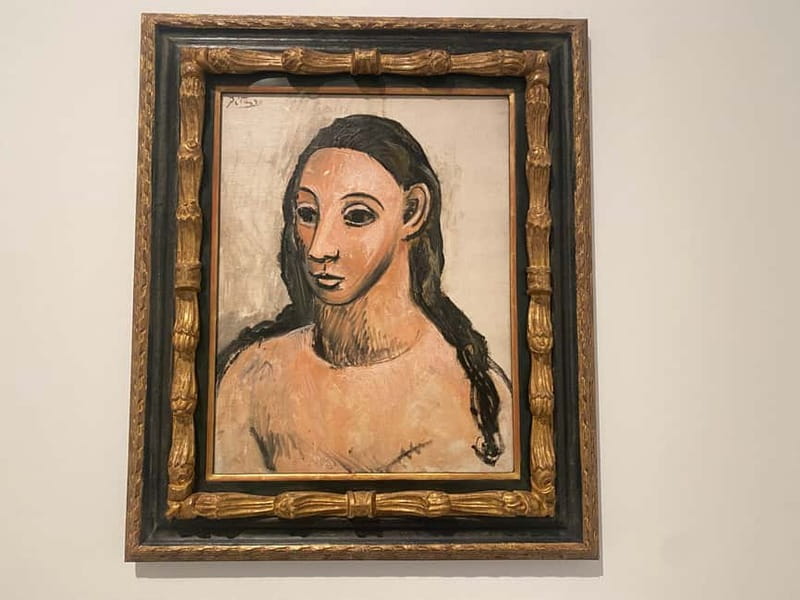
This tour is built to reduce that friction. It specifically frames the art in movements like cubism, modernism, surrealism, and avant-garde, and it links those styles back to meaning. When the guide talks about genre, you’re not just hearing definitions—you’re being shown how those genres communicate emotion, ideas, or critiques of society.
That’s why the format works well for people who think they don’t like modern art. The guide gives you “permission” to slow down and interpret. You learn what to look for, and suddenly the rooms feel less like chaos and more like conversations across decades.
Temporary Exhibitions: A Bonus Layer for Modern Art Lovers
Reina Sofía doesn’t only live in its permanent galleries. The tour includes time to see temporary international exhibitions focused on modern and contemporary art in the galleries.
This is valuable because it means your visit can feel current, not just historical. You also get a reminder that modern art isn’t one finished chapter. It keeps evolving, and museums keep re-framing it through new shows.
If you’re the type who gets museum fatigue when you’re surrounded by the same kind of work, temporary exhibitions add variety. If you love learning how art trends shift, they give you extra context.
The Optional Restaurant Add-On That Can Turn It Into a Full Day
The tour includes an optional add-on: a 3-course meal plus 1 drink at a modern restaurant. You’re not required to add it, but it can be a smart way to keep your day easy.
A guided museum tour can make you hungry, especially if you’re not planning a long break. Rather than hunting for a place at the last minute, you can roll directly from art to a sit-down meal. And since the meal is part of the package when selected, it reduces decision stress.
If you prefer to explore on your own, skip the add-on. But if you’re trying to make the day smooth and efficient, it’s a practical perk.
Duration and Flow: What 1.5 to 3.5 Hours Feels Like
You’re looking at 1.5 to 3.5 hours, with starting times that vary. That range matters.
A shorter version typically feels like a focused overview of key works and themes. A longer version tends to give you more breathing room for how you react to what you’re seeing—especially when Guernica and major names take center stage.
Either way, the tour is structured enough that you won’t feel like you’re sprinting. You’ll also benefit from headsets, which lets you keep moving without losing the thread of the explanations.
Price at $42: Good Value If You Want Context, Not Just Photos
At $42 per person, this isn’t the cheapest way to see Reina Sofía. But it is good value if you care about understanding what you’re looking at.
Here’s why:
- You get entry tickets included.
- You get skip-the-line access, which saves time and energy.
- You get an actual art guide doing the heavy lifting in storytelling and interpretation.
- You get headsets, which improves the quality of the experience, not just the convenience.
If you’re the kind of visitor who can wander museums without needing help, you might feel fine self-guiding. But if you want the museum to click—especially with a work as intense as Guernica—this price is easier to justify.
Who Should Book This Tour?
I think this tour is a strong fit if:
- You’re visiting Reina Sofía for the first time and want a clear route.
- You care about the story behind the art, not just the famous titles.
- You’re traveling with someone who thinks modern art is intimidating.
- You want a small-group experience that’s easier to follow than large crowds.
It’s also a good option for a parent visiting with teens. The structure helps non-experts keep up, and the guide’s explanations make the abstract feel less abstract.
Should You Book It?
Book it if you want Reina Sofía to feel like a guided learning experience with momentum. The combination of skip-the-line entry, headsets, and thematic storytelling around major works like Guernica is exactly what turns a big museum into an enjoyable one.
Skip it only if you strongly prefer total freedom and you plan to spend most of your time reading and studying on your own. Self-guiding can be great, but this tour’s value is in the direction it gives you—so you don’t just see modern art, you understand how to look at it.
If you want one practical test: if you’re excited by names like Picasso, Dalí, or Miró but unsure how to connect the styles to meaning, this is the smarter way to spend your time in Madrid.
FAQ
What’s included in the Reina Sofía guided tour?
The tour includes an entry ticket to the Reina Sofia Museum, a live art guide, a small-group format, headsets to hear the guide clearly, and skip-the-line access. If you select the option, it also includes a 3-course meal and 1 drink at a restaurant.
How long is the tour?
The duration is 1.5 to 3.5 hours. Starting times vary, so check availability for the exact slot you’re choosing.
What languages are the guides available in?
The live tour guide is available in English, French, and Spanish.
Where does the tour start and end?
The tour starts at the meeting point in front of the white sculpture with a star and ends back at the same meeting point.
Is the tour held in bad weather?
This tour takes place rain or shine.
Do I need to bring an ID?
Yes. You should bring a passport or ID card.