REVIEW · MADRID
Prado Museum Skip The Line Guided Tour
Book on Viator →Operated by ExperienceFirst · Bookable on Viator
Two hours at the Prado can change you. This guided plan is interesting because it trades wandering for a clear story across Flemish, Italian, and Spanish art, and the late-afternoon timing helps you avoid some of the worst crowd crush. I also love how the guide turns famous names like Las Meninas into themes you can actually spot while you look. One possible drawback: even with skip-the-line entry, you can still hit a slow start from security checks and occasional ticket hitches at the entrance.
For $112, you’re really paying for time: Prado admission plus a focused guide route in about 2 hours, covering roughly a mile at a leisurely pace. The group size is kept small (max 20), and if the group is over 7, you get headsets—so you’re not craning your neck trying to hear over the noise. The tour ends inside the museum, which is a smart perk if you want to linger after the structured stops.
In This Review
- Key Highlights You’ll Notice Right Away
- The Prado in 2 Hours: A Route Built for Looking, Not Sprinting
- Skip-the-Line Entry: What You’re Actually Paying For
- Your First Stop Inside the Prado: Getting Oriented Fast
- Flemish Painting Focus: Nearly 1,000 Works, Made Understandable
- Italian 16th-Century Stops: Tiziano, Tintoretto, Raffaello
- Spanish Art in the Spotlight: Goya and Velázquez
- Major Bonus Moment: Bosch’s Garden of Earthly Delights
- What the Guide Style Feels Like (And Why It Matters)
- Timing, End Point, and Your Next Move Inside the Museum
- Is It Worth $112? A Value Check That Makes Sense
- Who This Tour Fits Best
- Should You Book the Prado Skip-the-Line Guided Tour?
- FAQ
- How long is the Prado Museum skip-the-line guided tour?
- What time does the tour start?
- Does the price include museum admission?
- Is the tour fully skip-the-line?
- Are headsets provided?
- What group size should I expect?
- Where does the tour start and end?
Key Highlights You’ll Notice Right Away
- Small-group pace (max 20) that moves slowly enough for real looking, not just photo stops
- Headsets if the group is bigger than 7, so the guide’s explanations land clearly
- Late-afternoon start at 3:30 pm, which usually means easier breathing inside major rooms
- A curated route across schools: Flemish, Italian (16th century), and Spanish masters
- Theme-based commentary, with talk of inspiration and technique—not just dates and titles
The Prado in 2 Hours: A Route Built for Looking, Not Sprinting
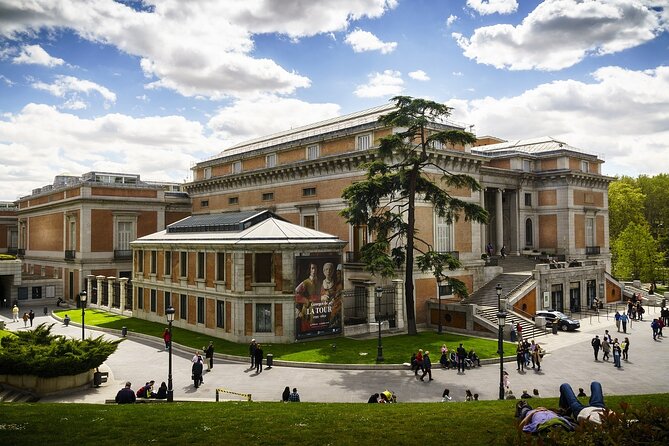
The Prado can feel like a visual ocean. Even if you love museums, you can end up doing the same thing many times: walk in, stare, read a few labels, then realize you’re too tired (or too overwhelmed) to keep going. This tour fixes that problem by running a tight, guided route that’s meant for your eyes first and your reading second.
You get about 2 hours and a walk that’s described as about a mile at a leisurely pace. That matters. It signals that you’re not being pushed through galleries like a conveyor belt. Instead, you’re meant to slow down at key works and understand what you’re seeing—especially with the guide’s explanations about inspiration and technique.
The late-afternoon scheduling is another smart piece. Starting at 3:30 pm can help you dodge the heaviest rush that tends to gather earlier in the day. You’ll still be inside one of Madrid’s biggest museum hits, so it won’t be empty—but it’s often more manageable to focus when the room isn’t packed shoulder to shoulder.
You can also read our reviews of more guided tours in Madrid


Skip-the-Line Entry: What You’re Actually Paying For
This is not just “skip-the-line” marketing. The tour includes skip-the-line entry for the Prado, plus a guided ticketed entrance process designed to get you inside faster than you’d likely manage on your own during peak times.
That said, there’s an important reality check: the tour still notes that there may be a line for security checks. So you should treat skip-the-line as “skip most of the ticket bottleneck,” not as a guarantee that no line exists anywhere. When your start time is 3:30 pm, security lines can still form, especially if you’re unlucky with staffing or guest flows.
What I’d watch for if you want this to run smoothly: arrive at the meeting point early enough to handle any confusion with the ticket handoff and the basic gathering process. Even the best-guided tour can lose momentum if people are trying to sort out where to stand right as the group is meant to begin.
Your First Stop Inside the Prado: Getting Oriented Fast
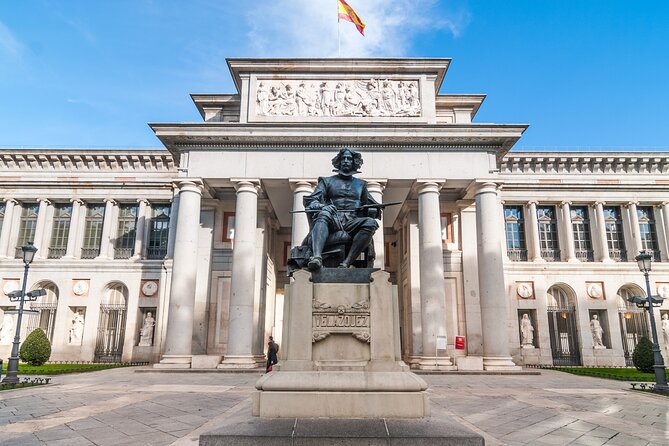
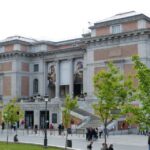
The tour starts at Monumento Eugenio d’Ors Rovira, P.º del Prado 11, and then you head straight into the Museo Nacional del Prado entry hall. This initial moment matters more than you might think. The guide introduces the museum and its setting in Madrid, giving you context so the collections don’t feel like random rooms of masterpieces.
This is also where the tour frames what you’ll be looking for. Instead of only hearing that the Prado has famous artists, you’re set up to notice relationships: how artists borrow ideas, how styles move across countries, and why certain works matter within the broader story of European painting.
The best guides also make you pay attention to details you’d otherwise miss. Expect talk around themes and visual structure—how artists arranged scenes, used light, or built meaning with symbolism and portrait choices.
Flemish Painting Focus: Nearly 1,000 Works, Made Understandable
One of the strongest parts of this tour is its concentration on the Prado’s Flemish collection. The museum holds one of the world’s largest sets of Flemish paintings, including nearly 1,000 works. Without a guide, that scale can be paralyzing. You can’t see it all, and you won’t know where to look first.
With the tour, the guide pulls highlights from that larger body and shows you what makes Flemish painting tick. You’ll get the sense of why the Prado is treated as a top stop for this school, and you’ll learn how these works connect to wider European artistic currents.
What I like here is the “choose your angle” approach. Rather than trying to cram in every famous Flemish title, the guide explains art techniques and inspirations in a way that helps you understand the paintings you actually stop at. So when you walk away, you don’t just remember names—you remember what to look for.
Italian 16th-Century Stops: Tiziano, Tintoretto, Raffaello
Then you move into the Italian thread—especially 16th-century masters. The guide specifically points toward major figures such as Tiziano, Tintoretto, and Raffaello (Raphael), plus others from the same era.
This is a good match for how the Prado works. The museum doesn’t just let you “sample” artists. It lets you compare approaches side by side across regions. By routing you through Italian works in the middle of the broader European story, the guide helps you spot differences that are easy to miss when you’re only glancing at one painting at a time.
Also, hearing about inspiration and technique here pays off quickly. You start noticing not only what the artist painted, but how they made the viewer feel the scene—through composition, figure placement, and the way the painter handles detail.
You can also read our reviews of more museum experiences in Madrid



Spanish Art in the Spotlight: Goya and Velázquez
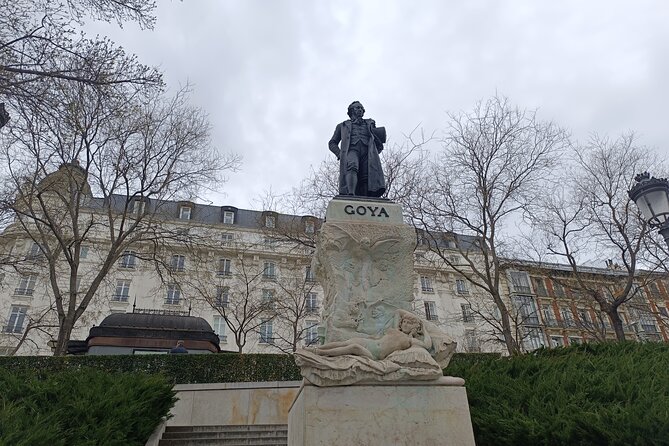
By the time the tour turns toward Spanish masters, the Prado shifts from “European art highlights” to “Spanish history and power.” This is where you’ll spend time on works tied to Spain’s most important painting moments.
The route is built to include major Spanish names like Goya and Velázquez. A key example is the chance to see Las Meninas—one of the world’s most recognized paintings. If you’ve only seen it in photos, a guided look can feel like a reset. The guide helps you understand the ideas and the structure in a way that’s much easier to grasp when you can stand in front of the real thing.
This Spanish section is also where the guide’s themes-and-connections style becomes especially useful. Some people love museums for art alone; others like them because of context. This tour tries to satisfy both by explaining how Spanish painters fit into larger European traditions while still keeping their own voice.
If you’re a detail lover, this is a strong moment to slow your pace and really look. The guide’s job is to point you toward what to notice so you don’t waste energy on random scanning.
Major Bonus Moment: Bosch’s Garden of Earthly Delights
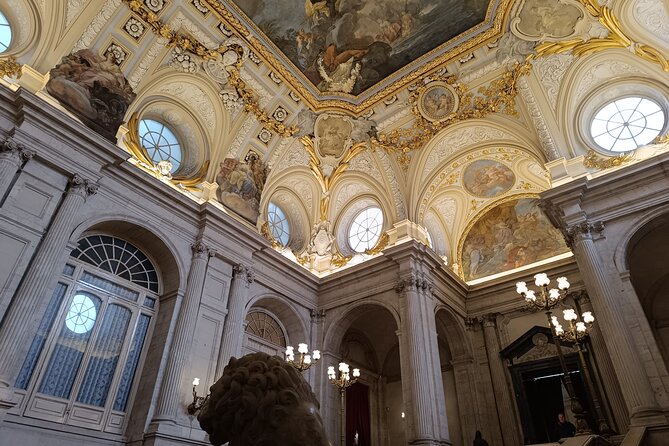
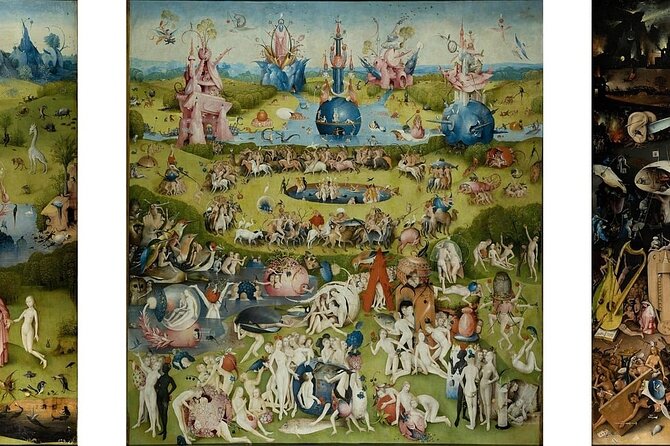
One of the headline works highlighted in the tour is Bosch’s The Garden of Earthly Delights. This is the kind of painting where your mind keeps turning after you leave. You can’t really “finish” it in one glance.
The late-afternoon timing and the guided pacing are what make this stop work. Instead of rushing through for a quick snapshot, you get a structured chance to look, ask questions mentally, and then take your time absorbing the imagery. The tour sets you up so you can see more than surface weirdness—you get help with the ideas and patterns that make the painting meaningful.
If you enjoy interpretive viewing (symbolism, recurring motifs, and stories within the scene), this is one of those stops where the right guide can make a huge difference. The tour’s strongest reviews consistently mention guides connecting themes and explaining ideas in a way that keeps you interested through the full route.
What the Guide Style Feels Like (And Why It Matters)
This tour’s real advantage is the guiding. Across the better experiences, the guides are described as enthusiastic and engaging, with explanations that are simple enough to follow but detailed enough to change how you see the painting.
You’ll also notice a consistent pattern: guides don’t treat the works like isolated objects. They link them. They talk about inspiration. They connect ideas. Some guides are even described as using humor and asking thought-provoking questions that make you look longer rather than just read faster.
If you’ve ever had a tour where you hear facts but don’t feel curiosity, this is the opposite vibe. The goal is for you to leave with more understanding, not just a list of masterpieces you once stood next to.
A practical note: the tour provides headsets when the group is over 7. That isn’t a small detail. Clear audio changes everything when you’re trying to concentrate in a loud museum. It also helps you hear explanations without walking in circles.
Timing, End Point, and Your Next Move Inside the Museum
The tour ends inside the museum at the Retiro side area, and it explicitly leaves you free to stay longer after the tour. That’s an underrated value. In many museum tours, you finish at the door and everyone disperses. Here, you can keep your momentum.
Use that extra time wisely. Think of the tour route as your warm-up. When you return to the galleries on your own, you’ll notice paintings more confidently because you’ve already learned what to look for and how the schools connect.
Because the itinerary covers about a mile, you might still have plenty of energy to keep exploring after. If you’re the type who likes to wander but hates feeling lost, this is a great structure: you get orientation first, then freedom.
Is It Worth $112? A Value Check That Makes Sense
At $112, this isn’t a bargain-basement museum deal. But it’s not overpriced for what you’re getting.
You’re buying:
- Prado admission included with the tour
- A guided route built around the museum’s biggest “must-sees”
- Skip-the-line entry (with the caveat about security checks)
- A small group size (max 20)
- Headsets if the group is larger than 7
Where the value really shows is in time and focus. The Prado is huge, and most people don’t leave because they couldn’t find everything. They leave because they didn’t know where to spend their limited energy. This tour spends your time for you and gives you a framework for understanding what you’re seeing.
If you want to see a lot of major paintings with real context in just 2 hours, this pricing starts to feel reasonable. If you’re the kind of person who already knows exactly which rooms you want and you prefer reading labels quietly, you might decide to go solo and spend less. But if you want a guided “best-of” experience without the stress of planning, this tour fits.
Who This Tour Fits Best
This is a great choice if you:
- Want a guided Prado visit that focuses on major works like Las Meninas and The Garden of Earthly Delights
- Prefer a structured route in a museum this size
- Like learning how artists build meaning through technique and inspiration
- Enjoy being pulled into themes (not just dates and names)
- Are going at 3:30 pm and want a smoother, later-day museum flow
It may be less ideal if:
- You strongly dislike any possibility of entrance delay due to security checks
- You need a fully self-paced experience with no group movement at all
- You’re planning to see many rooms in depth and already have a detailed Prado plan
Should You Book the Prado Skip-the-Line Guided Tour?
I’d book this tour if you want the Prado experience to feel guided, focused, and enjoyable within 2 hours. The strongest pull here is the combination of skip-the-line entry, small-group pacing, and a guide style that connects themes across Flemish, Italian, and Spanish art. Add in the chance to see headline works like Las Meninas and Bosch’s Garden of Earthly Delights, and you have a route that’s built to make the museum feel coherent rather than chaotic.
One caution: go in with realistic expectations about the entrance. Skip-the-line helps, but security checks can still slow things down. If you show up a bit early at the meeting point and you’re flexible about minor delays, this tour is a smart way to get real value from your Prado time.
FAQ
How long is the Prado Museum skip-the-line guided tour?
It lasts about 2 hours.
What time does the tour start?
The start time is 3:30 pm.
Does the price include museum admission?
Yes. The Prado skip-the-line entry and the guided tour are included, and the admission ticket is part of the package.
Is the tour fully skip-the-line?
It includes skip-the-line entry for tickets, but there may still be a line for security checks.
Are headsets provided?
Headsets are provided for groups larger than 7 people.
What group size should I expect?
The tour has a maximum of 20 travelers.
Where does the tour start and end?
It starts at Monumento Eugenio d’Ors Rovira, P.º del Prado 11, Centro, and ends inside the Prado near the Retiro area.