REVIEW · MADRID
Imperial Madrid Private Journey through the Austrias
Book on Viator →Operated by Trip Tours Madrid · Bookable on Viator
Madrid’s Austrias tells stories fast.
This private Imperial Madrid journey is built like a walking history lesson, pairing major sights with the meaning behind them so you don’t just collect photos. I like that the stops run for about 3 hours at an easy pace, and that the focus is on context—how each place connects to what Madrid was, and what it still is.
Two things I especially like: you get a clear explanation at each stop (so Puerta del Sol isn’t just a busy square), and the route includes both architecture and a food market moment at Mercado San Miguel. One practical consideration: this is a good-weather experience, and the schedule assumes you can walk between several central locations with minimal sitting breaks.
In This Review
- Key Things I’d Book This For
- Why an Austrias Walking Loop Makes Madrid Click
- Puerta del Sol: Where You Learn to Read the City
- Plaza Mayor and Plaza de la Villa: Two Squares, Two Flavors of Power
- The Madroño Stop: A Small Tree With Big City Meaning
- Mercado San Miguel: Tapas Time Without the Tour Becoming a Food Festival
- Catedral de Sta Maria la Real de la Almudena: Neoclassical Outside, Personality Inside
- Plaza de Oriente and Teatro Real: Royal Palace Views and the Opera Facade
- Private Group Details That Actually Matter (Not Just Marketing)
- Value and Price: Is $385.32 Worth It?
- Weather, Comfort, and How to Prepare for a 3-Hour Walk
- Who This Tour Fits Best
- Should You Book Imperial Madrid Private Journey through the Austrias?
- FAQ
- How long is the Imperial Madrid Private Journey through the Austrias?
- Is this tour private?
- What’s the group size limit?
- Where does the tour start and end?
- Is the tour offered in English?
- What happens if the weather is bad?
Key Things I’d Book This For
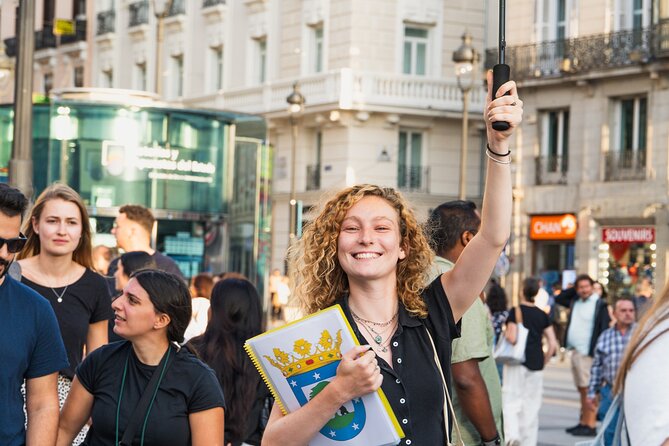
- Walking history, not a checklist: each landmark comes with clear background and present-day connections.
- A smart central loop through the Austrias area, from Puerta del Sol to Plaza de Isabel II.
- Food-market time at Mercado San Miguel, timed for sampling without turning the tour into a long meal.
- Landmark mix: squares, a major cathedral, an opera house, and Royal Palace viewpoints.
- Private group flexibility with your group only (up to 15 people) so the guide can keep your pace.
- Free admission noted for each stop, so you can plan without extra ticket math.
Why an Austrias Walking Loop Makes Madrid Click
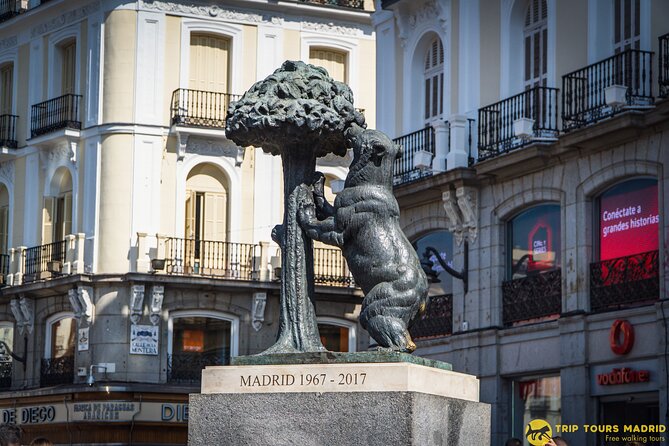
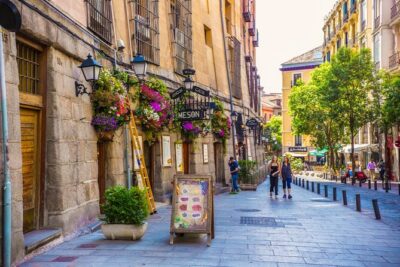
Madrid can feel like a collection of neighborhoods until someone stitches it together. This tour does that with a compact route in the Austrias area, letting you see how the city’s power centers, symbols, and cultural life sit next to each other in real space. By the end, you’re not only aware of the sights—you understand why they matter.
The best part, judging by the strongest feedback, is that the guide doesn’t treat the tour like a photo escort. You get historical background tied to current events and everyday Madrid life, which helps the city feel less like a textbook and more like somewhere you can picture yourself living.
I also like the way the stops are set up: squares and monuments first (to get your bearings), then culture and views (to see how Madrid performs as a city). It’s a smooth mix for a first visit, and it’s still satisfying if you’ve been once already and want a better story.
You can also read our reviews of more private tours in Madrid



Puerta del Sol: Where You Learn to Read the City
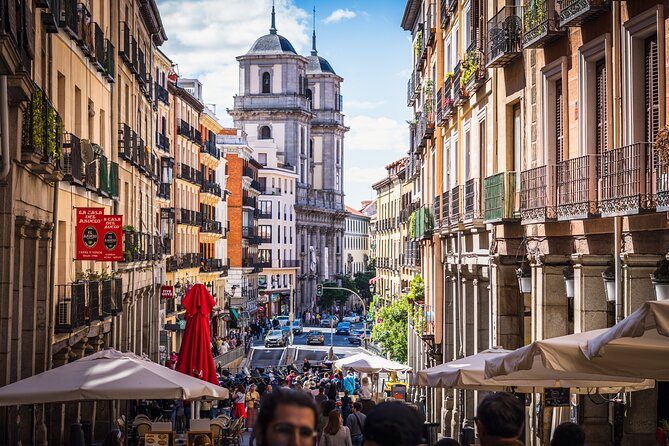
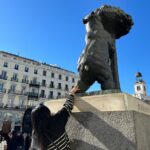
You start at Puerta del Sol, Madrid’s beating heart and one of the best places to orient yourself fast. The standout moment is standing at the city’s center point and spotting the famous El Oso y El Madroño symbol. It’s the kind of detail you might miss on your own, even if you walk right past it.
This stop is brief—around 20 minutes—so it works as a warm-up rather than a long hangout. I like that the time gives you a quick dose of meaning (what the symbol represents) while still leaving plenty of energy for the rest of the route.
Practical note: Puerta del Sol can be busy in a way that makes it harder to linger. If you want clear photos, come prepared to step slightly aside when you’re ready to shoot, and let the guide handle the best angles.
Plaza Mayor and Plaza de la Villa: Two Squares, Two Flavors of Power
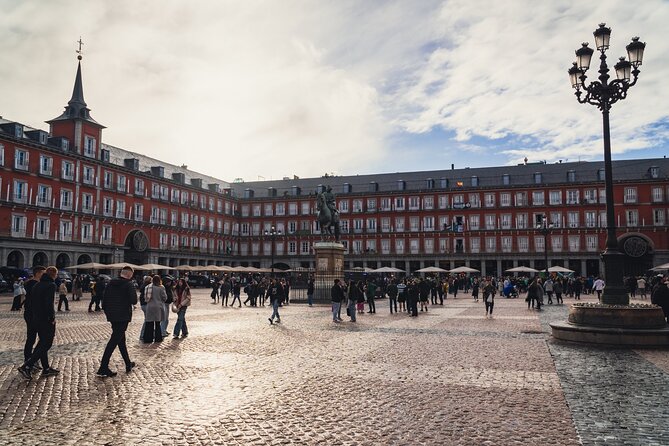
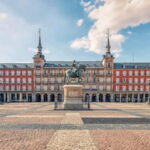
Next up is Plaza Mayor, a grand square framed by historic buildings. This is where Madrid’s public life feels on full display, and the tour gives you the kind of context that turns the scenery into something you can interpret. You’re not just standing in front of pretty stone—you’re learning why it’s historically important.
Then you move to Plaza de la Villa, one of Madrid’s oldest and most picturesque squares. This is a more story-forward stop, centered on the city’s ancient nobility and older architecture. In practice, it feels like a shift: Plaza Mayor gives you spectacle and civic presence, while Plaza de la Villa leans into origins and heritage.
If you’re the type who likes to understand how cities governed themselves, these two stops click together. You get a sense of the public stage in one square, then the older framework in the next.
A potential drawback: both squares are open-air and exposed. On hot days, you’ll want water; on cold or windy days, a light layer matters.
The Madroño Stop: A Small Tree With Big City Meaning
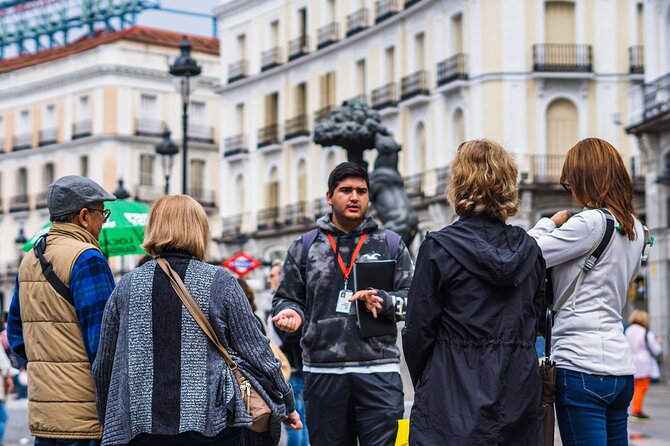
There’s a stop listed as El Madroño—and even if the wording is a little confusing on paper, the purpose is clear: you’ll talk about how the madroño tree ties into Madrid’s identity. In Madrid, symbols matter, and this is one of the easiest ways to connect a visual motif to the city’s heritage.
This kind of stop is worth it because it’s not another “look at a building” moment. Instead, it’s the idea behind the icon, which makes it easier to spot the madroño symbolism in other places once you leave the tour.
Expect this to feel like a short explanation you can carry in your head. It’s also a nice mental breather between bigger stops—use it to slow down, listen, and reset your attention.
Mercado San Miguel: Tapas Time Without the Tour Becoming a Food Festival
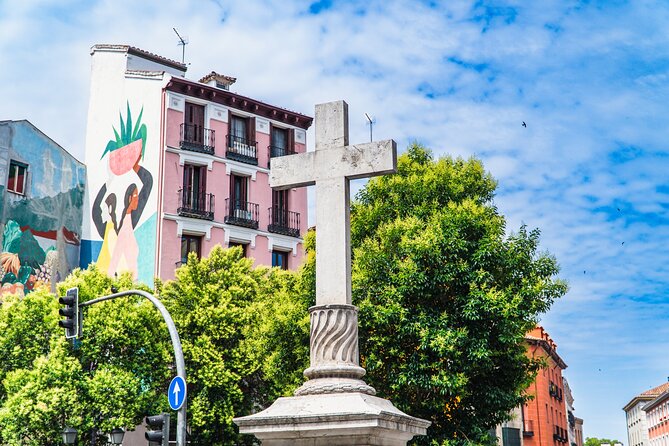
Then you hit Mercado San Miguel, a top Madrid food market. The plan here is browsing and tasting—about 25 minutes—so you can sample without losing the momentum of the walking route.
This is a great stop if you like learning through food, but you’re not trying to spend hours eating. The market setting also helps you understand Madrid’s daily rhythms, since it’s a place where locals and visitors mix around snack culture.
One useful way to think about this stop: you’re buying context, not filling up. If you plan to keep walking afterward, prioritize small tastings over a full meal. That way you stay comfortable through the last part of the tour, especially around the cathedral and opera house area.





Catedral de Sta Maria la Real de la Almudena: Neoclassical Outside, Personality Inside
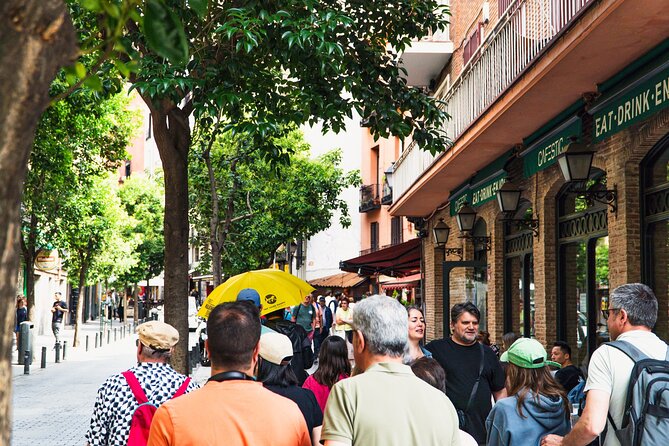
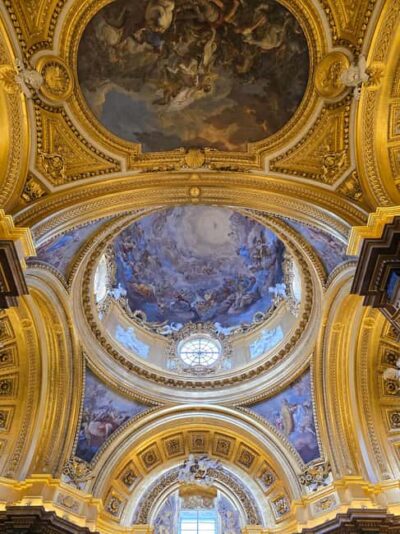
Catedral de Sta Maria la Real de la Almudena is the tour’s major architectural anchor after the squares and market. You’ll spend about 25 minutes here, enough time to appreciate the cathedral’s standout combination—neoclassical exterior presence paired with an interior design that reflects both traditional and more modernist influences.
Even if you’re not a cathedral expert, this stop can help you see what architects and patrons were aiming for. The guide’s job is to connect what you’re seeing to why the design matters, and that’s exactly where a “sites only” tour often fails.
Keep expectations realistic: a 25-minute cathedral stop isn’t meant to replace a full self-paced visit. It’s meant to give you orientation and meaning quickly, so you can decide later if you want to return for more time.
Plaza de Oriente and Teatro Real: Royal Palace Views and the Opera Facade
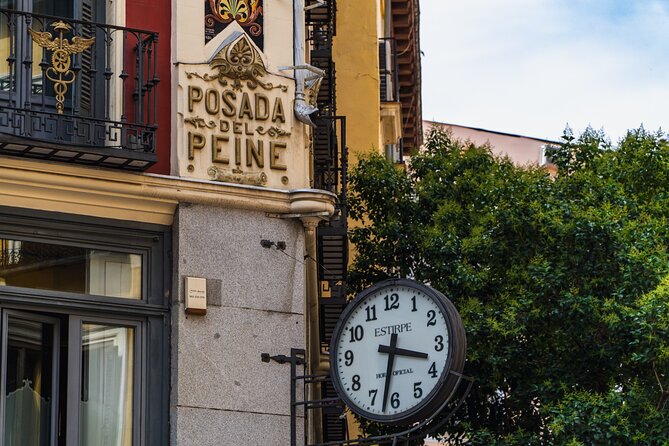
Next comes Plaza de Oriente, where gardens and historic buildings frame the space and you get views toward the Royal Palace. With about 25 minutes here, it’s timed for photos and a slower pause before the final cultural stop. I like this pacing because it gives your legs a moment to catch up.
Then you finish at Teatro Real, Madrid’s iconic opera house. You’ll get about 20 minutes to take in its regal facade and learn how it fits into Madrid’s cultural scene. Opera houses can sound formal on paper, but in this kind of stop, the focus is practical: what the building represents and how it functions as a public cultural landmark.
If you enjoy music and public arts, this ending lands well. It leaves you with a sense of Madrid not just as a city of kings and churches, but also as a city that invests in live performance.
Private Group Details That Actually Matter (Not Just Marketing)
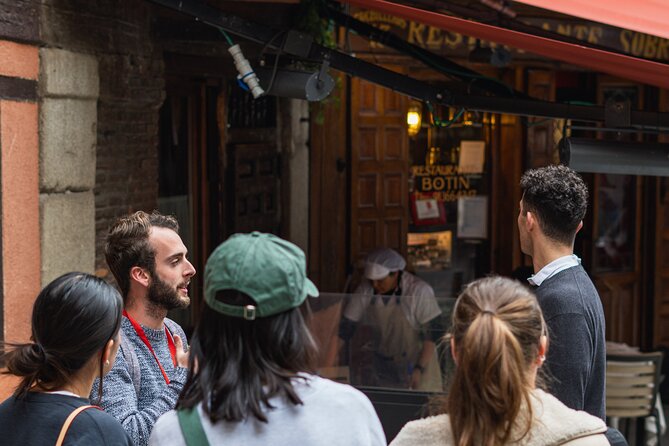
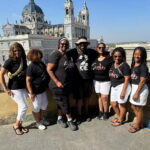
This is a private tour—only your group participates—so you’re not being swept along with strangers. It also caps at up to 15 people, which is important because it keeps the experience from turning into a loud herd. I like that for walking tours: the guide can manage attention better when the group size stays controlled.
Since the tour is offered in English and includes a mobile ticket, you get a simpler start. I’d still recommend you arrive a few minutes early at the first meeting point so the guide can get everyone oriented without stress.
You’ll also be near public transportation, which matters because it’s easy to connect to other plans after the tour ends in the Plaza de Isabel II area.
Value and Price: Is $385.32 Worth It?
The price is $385.32 per group (up to 15). That pricing structure can make a big difference: for families or small friend groups, the cost per person drops fast compared with per-person ticket models.
What you’re really paying for here isn’t just access to locations—it’s the quality of explanation. The strongest feedback emphasizes a walking history lesson style with clear historical background and friendly teaching. When you get that kind of guiding, you’re essentially buying time-saving interpretation: you can walk the same streets on your own, but you’ll spend longer figuring out what you’re looking at and why it matters.
Is it worth it if you already know Madrid’s history? Maybe less. But if you like your travel more understandable—less guessing, more meaning—this format tends to pay off quickly.
Weather, Comfort, and How to Prepare for a 3-Hour Walk
This experience requires good weather, and that’s not just a technical note. The route is outdoors for most of the stops, so your comfort will affect how much you enjoy the tour.
Plan for a steady walking pace over about 3 hours. Wear shoes you trust on uneven sidewalks, and bring a water bottle, especially in warmer months. If you’re sensitive to sun or wind, a simple hat or light layer makes a bigger difference than you’d think.
Also, since this is a mobile-ticket setup and you’ll be moving through central Madrid, keep your phone charged and use your data wisely. A quick Google Maps check can help you feel confident if you’re running a few minutes late.
Who This Tour Fits Best
This works especially well for:
- First-time visitors who want a guided framework for Madrid’s center and cultural landmarks.
- People who enjoy history but don’t want to feel stuck in museums all day.
- Small groups who want privacy without giving up a strong guide-led story.
It’s also a solid option if you’ve visited Madrid before and want to improve your understanding. The tour’s strength is interpretation—turning familiar places into clearer meaning.
If you prefer long unstructured wandering and minimal talking, you might find a guided pace a bit tighter than you like. But if you value explanations and a clear route, you’ll likely enjoy it.
Should You Book Imperial Madrid Private Journey through the Austrias?
I’d book it if you want Madrid to make sense quickly. The route hits the symbolic core of Puerta del Sol, key squares like Plaza Mayor and Plaza de la Villa, and then connects cultural architecture and city identity through Almudena Cathedral and Teatro Real. The market stop at Mercado San Miguel adds a practical taste element without derailing the walk.
I’d skip it if you’re looking for a long self-guided day, or if you’re not comfortable outdoors for a 3-hour stretch. And because it depends on good weather, be ready for the possibility of a date shift if conditions aren’t ideal.
Overall, the most convincing reason to choose this one is simple: you’re not paying for a list of stops. You’re paying for a guided story that makes the streets click.
FAQ
How long is the Imperial Madrid Private Journey through the Austrias?
It’s approximately 3 hours.
Is this tour private?
Yes. It’s private, and only your group will participate.
What’s the group size limit?
The price is per group for up to 15 people.
Where does the tour start and end?
It starts at Trip Tours Madrid, Puerta del Sol (Centro, 28013 Madrid) and ends at Plaza de Isabel II (Pl. de Isabel II, Centro, 28013 Madrid).
Is the tour offered in English?
Yes, it’s offered in English.
What happens if the weather is bad?
The experience requires good weather, and if it’s canceled due to poor weather, you’ll be offered a different date or a full refund.