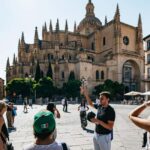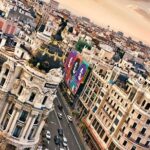
Madrid rewards slow walking. This tour is a smart way to do it. You start at Plaza de Puerta Cerrada and get a guided walk that stitches together centuries, from Muslim influence to Habsburg and Bourbon power.
I especially liked the way the route connects architecture to real stories. One moment you’re looking at a Mudejar tower; the next you’re hearing why a statue links Felipe IV to Galileo. I also enjoyed the pacing for a small group of up to 10, which makes it easier to ask questions while you move through the city center.
One drawback to plan for: the walk can run longer than the stated time. If you have a tight dinner or a timed ticket right after, give yourself extra buffer.
In This Review
- Key things you’ll notice on this Madrid walk
- Why Plaza Puerta Cerrada sets the tone fast
- The city as a timeline: Muslim walls to Bourbon glamour
- Royal Palace views and La Latina’s older heartbeat
- Plaza de la Villa: Mudejar to Plateresco to Habsburg
- Monasterio Del Corpus Christi cookies and Mercado San Miguel tapas
- Felipe IV and Galileo: when a statue has a brain behind it
- Inquisition trials, Almudena Cathedral, and changing beliefs
- Calle de Bailen, Plaza de los Carros, and how daily life shaped the city
- Napoleon’s urban impact: Plaza de Ramales and Plaza de Oriente
- Plaza de la Paja, St. Nicholas of the Servitas, and the city’s oldest corners
- Price and timing: what $31 buys you, and where it can catch you
- Who this tour fits best
- Should you book this Madrid walking tour?
- FAQ
- How long is the walking tour?
- Where do I meet the guide?
- Is the tour in English?
- How large is the group?
- Are there food stops during the tour?
- What should I bring?
- Is it wheelchair accessible?
Key things you’ll notice on this Madrid walk
- Plaza de Puerta Cerrada as the starting point: right near Plaza Mayor and an old city entrance.
- A history tour built around Madrid’s architectural layers (Mudejar, Plateresco, Habsburg, Bourbon).
- Food moments that feel local: Monasterio Del Corpus Christi cookies and a visit to Mercado San Miguel for tapas.
- Stops that explain big names in small spaces, like the Felipe IV monument and Galileo’s role.
- A route that mixes famous sights with lesser-seen corners, including old walls and Inquisition-related square history.
Why Plaza Puerta Cerrada sets the tone fast
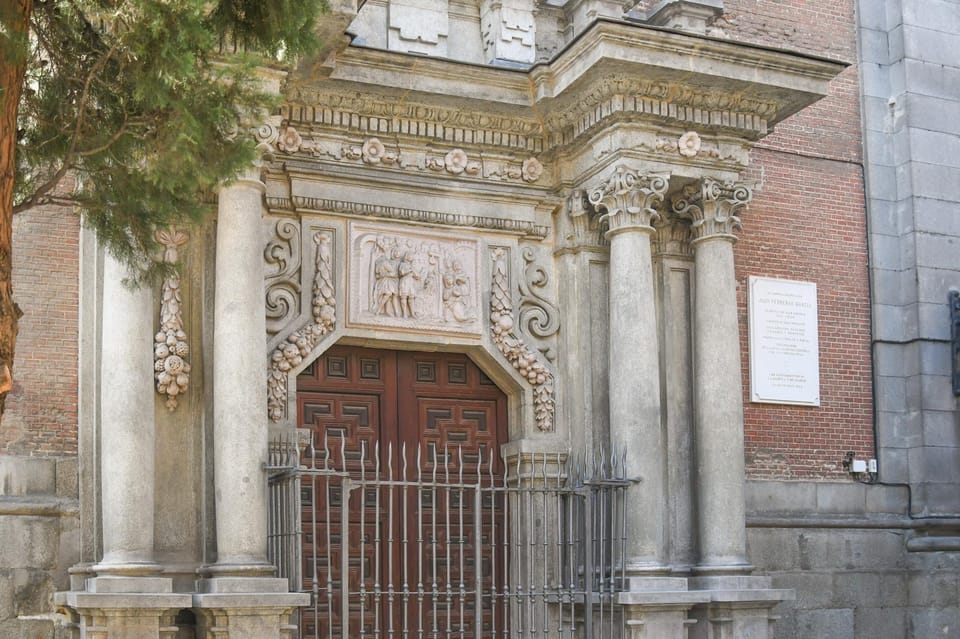
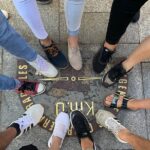
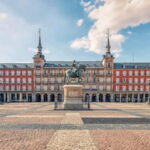
You meet in a small square near Plaza Mayor, at Plaza Puerta Cerrada, with a big cross in the center and Cafestic nearby. It’s an easy landmark if you’re using your phone for directions: you’ll know you’re there.
What I like about starting here is that it doesn’t pretend Madrid began at a single moment. You’re standing by an old entrance to the medieval city, and the guide uses that as the launchpad for the whole story. From there, the walk becomes less about collecting stops and more about connecting eras.
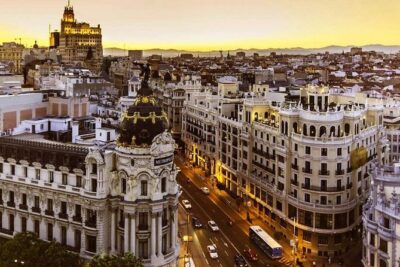
Madrid’s center can feel like one long “sightseeing line.” This tour breaks that up. You’re not just passing buildings; you’re learning what each layer meant, from the Muslim presence to later Christian courts and royal projects. And because it’s a small group, you get more of that conversation than you might on larger tours.
You can also read our reviews of more walking tours in Madrid

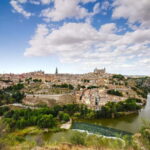
The city as a timeline: Muslim walls to Bourbon glamour
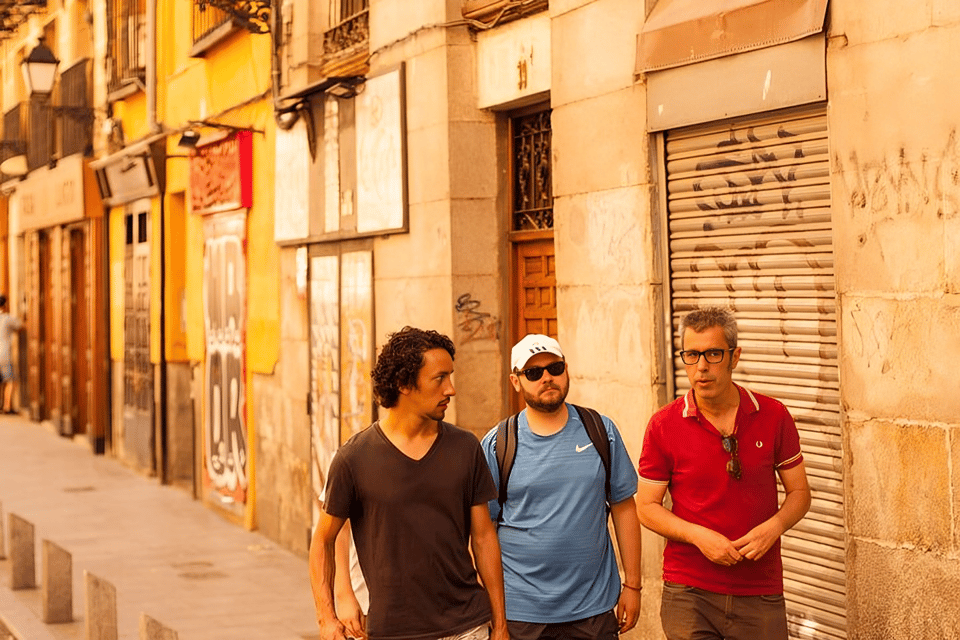
The tour frames Madrid as a mix of cultures, not one simple label. You’ll hear how Muslim influence shaped early structures, then how later dynasties changed the city’s look and priorities.
A great example is the stop at Parque Emir Mohamed I, where you’ll see part of the old Muslim wall. That’s the kind of place where you can walk right past it on your own. With a guide, it becomes obvious why it matters. You start noticing the “why” behind what you’re seeing.
Then the tour moves toward later power. You’ll get stories about how a fort from the 9th century became a capital, and how Madrid governed large parts of the world. You’ll also learn that it wasn’t only grandeur. Crime, a Napoleon invasion, and the Civil War all enter the narrative. That keeps the city from feeling like a postcard.
Expect architecture to be explained in plain language. When you stop at places like La Latina and the palace areas connected to Isabel La Católica and Charles V, the guide connects the buildings to who lived there and why the court mattered. It’s history you can point at.
Royal Palace views and La Latina’s older heartbeat
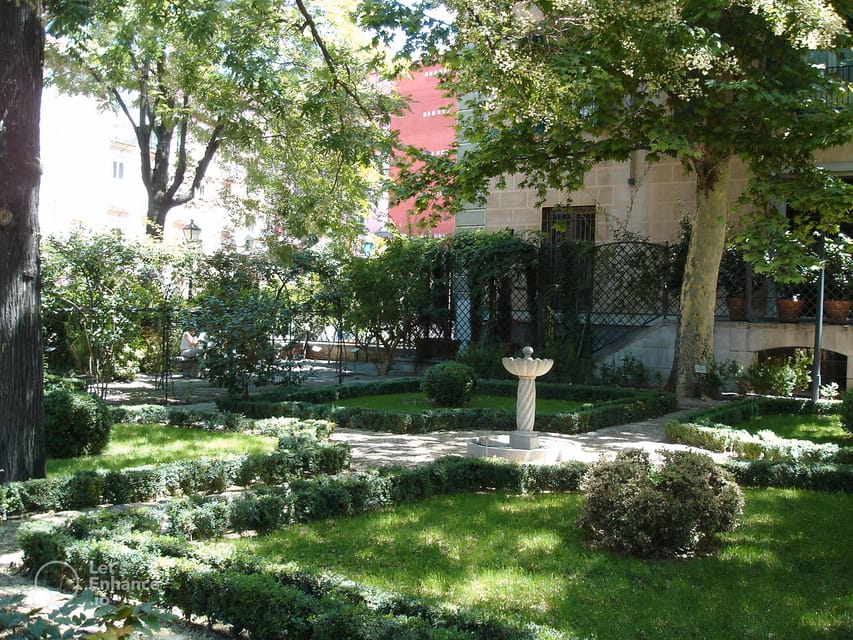
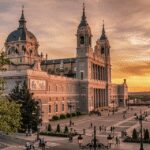
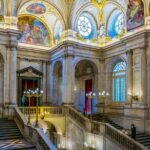
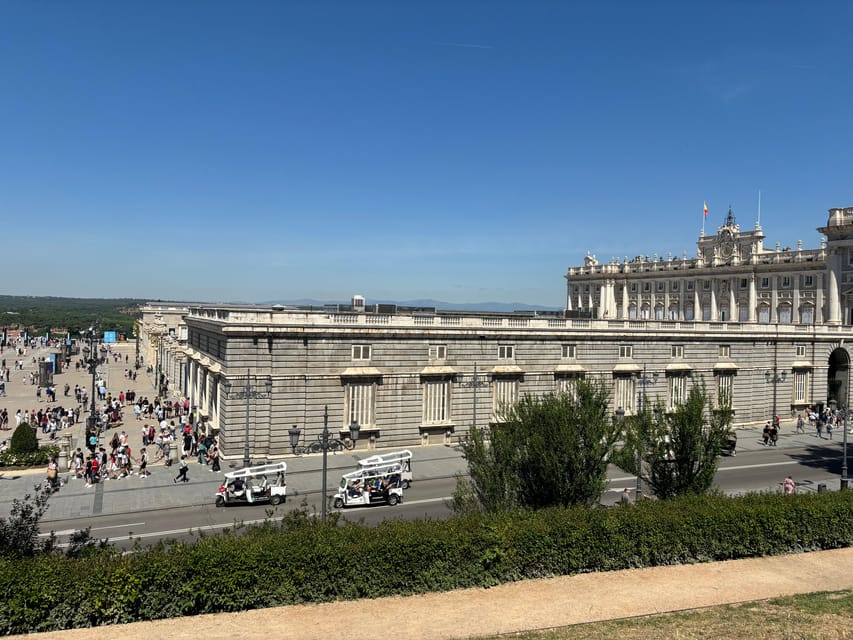
The walk includes the Royal Palace of Madrid—described as the biggest royal palace in Europe with 3418 rooms. Even if you don’t go inside, you still get context that helps you understand what you’re looking at. Big royal buildings can feel like walls at first. With the story, they start to feel like political tools.
Right after that, the tour shifts into La Latina, the older medieval-feeling neighborhood at the heart of the old city. This is where the guide steers your attention to the kind of Madrid that feels lived-in, not staged. You’ll also hear about the palace used by Isabel La Católica or Charles V, which helps you understand why this part of town kept pulling power back to it.
La Latina is also a practical win. After you learn the background, the streets make more sense. You’ll start recognizing why certain squares and lanes evolved where they did. It’s the difference between seeing streets and understanding them.
Plaza de la Villa: Mudejar to Plateresco to Habsburg
One of the most rewarding parts of the walk is Plaza de la Villa. This is where Madrid’s architectural timeline becomes visible in a compact area.
You’ll see how the plaza reflects different eras and styles, including references to:
- the Mudejar Casa Lujanes
- Plateresco details linked to Palacio Cisneros
- and the Habsburg presence associated with Casa de la Villa
If you’ve ever stared at a beautiful old building and wondered which century it belongs to, this kind of stop helps. The guide gives you “anchors” so you can read the city later, even when you’re not on the tour.
Also, this stop works for photos without turning into a “photo-only” break. The guide uses the plaza to explain how different cultural influences layered onto each other over time. It’s less about memorizing names and more about learning the rhythm of how Madrid changed.
Monasterio Del Corpus Christi cookies and Mercado San Miguel tapas
Food stops aren’t the whole point here, but they add real Madrid flavor. You’ll stop at Monasterio Del Corpus Christi and you’ll get a chance to try the famous cookies associated with the nuns. This is the kind of taste you remember because it’s specific, old-school, and tied to a place.
Then you’ll visit Mercado San Miguel, one of the city’s best-known markets, where the tour frames it as a popular place for tapas. Even if you don’t plan to buy much, it’s worth looking around. A market like this shows you what “daily Madrid” looks like—food culture, not museum culture.
Two practical notes:
- Bring water because you’ll likely spend a lot of the walk outdoors.
- If you’re snack-sensitive, you can keep things light at the cookie stop and use the market visit more for browsing.




Felipe IV and Galileo: when a statue has a brain behind it
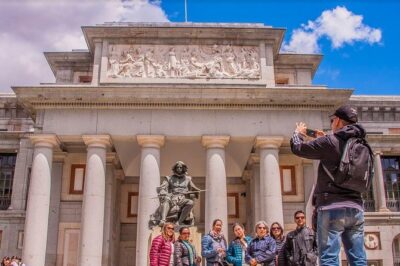
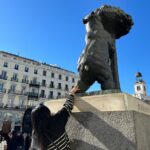
This tour doesn’t treat famous monuments like decorations. One highlight is the Monument to Felipe IV, with a story about how Galileo Galilei made this statue possible.
That kind of connection is what makes the walk feel different. You’re not just looking at a king. You’re learning how science and power can intersect—at least in the way history preserved it. It’s a reminder that Madrid’s major figures weren’t only artists and rulers. They were also tied to the knowledge and technology of their time.
After that, the route continues along Calle de Bailen, described as a beautiful viaduct with a tragic background. That’s another example of how the guide balances beauty with reality. Sometimes Madrid’s architecture is gorgeous because it survived. Sometimes it’s gorgeous because it has a story that’s darker than you’d expect.
If you like history that includes human consequences—wars, invasions, tragedies—this tour has that angle in its narration.
Inquisition trials, Almudena Cathedral, and changing beliefs
As you head toward Plaza de la Cruz Verde, you’ll learn about the old square where Inquisition trials took place. This is the kind of stop that can feel heavy, but it’s also the kind that keeps a tour from being only pretty buildings.
Then the walk moves to Catedral de Santa María la Real de la Almudena, described as a recent but meaningful cathedral. The contrast helps. You see how Madrid’s relationship with faith and authority evolved over time—from older institutions tied to trials to newer landmark religious architecture.
This portion of the tour also helps you map the city mentally. You start to see how plazas function as meeting points, political stages, and civic stages. That’s why squares like these matter: they’re where stories played out.
Calle de Bailen, Plaza de los Carros, and how daily life shaped the city
Madrid isn’t only palaces. You’ll get a peek at street-level life with stops such as Plaza de los Carros, described as the “taxi” area of the medieval city. It’s a clever way to translate old transportation into modern terms—so your brain can place the function quickly.
You’ll also visit the Museo de San Isidro, which focuses on early history of Madrid. This is helpful if you want the tour to do more than point. It gives you a place to anchor “the city started here” ideas, rather than leaving you with only legends.
Then the route brings you to Calle de la Cava Baja, known as a street of traditional restaurants in Madrid. This is one of the best “live Madrid” streets on the walk. After you’ve learned the deeper timeline, this street feels less like a list of restaurants and more like the natural continuation of a city that kept eating, trading, and gathering in the same general lanes.
Napoleon’s urban impact: Plaza de Ramales and Plaza de Oriente
One of the most memorable narrative threads is Napoleon’s impact on Madrid’s urban layout. The tour points you to Plaza de Ramales, where you’ll learn why Napoleon was the designer of the urban center of Madrid.
Then later you’ll reach Plaza de Oriente, described as a Napoleon square with statues of old Spanish kings. The tour makes it clear that the map you walk through today reflects political decisions from the past, including painful or disruptive ones.
This is a great section for anyone who loves when history changes the way you see a skyline. A place like Plaza de Oriente can look like a grand set piece if you don’t know the context. With the guide’s story, you start reading it like a consequence of rule and planning, not just an open space.
Plaza de la Paja, St. Nicholas of the Servitas, and the city’s oldest corners
You’ll stop at Plaza de la Paja, then at the Church of St. Nicholas of the Servitas, described as the oldest building in Madrid. That’s a big claim, but the tour frames it in a way that makes the stop feel practical: you understand why “oldest” matters when you’re trying to understand continuity.
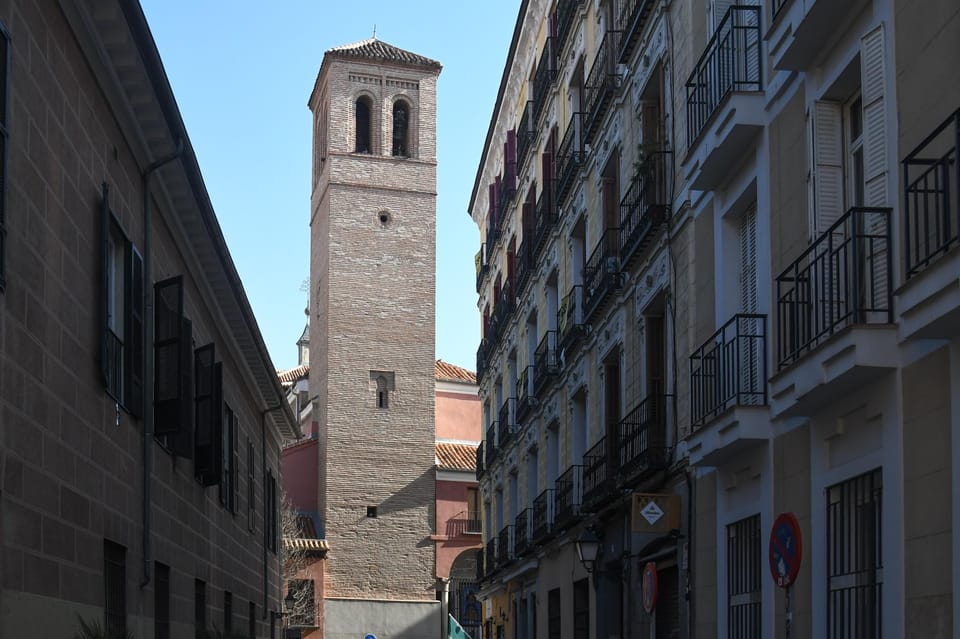
Next comes Iglesia de San Pedro El Viejo, with a Mudejar tower from the 14th century. This is where the tour’s architectural focus really pays off. You can see how the city’s style shifts across centuries, even within a small walk.
The guide also takes you along Calle de Codo and back to Plaza de Puerta Cerrada, described as an old entrance to the medieval city. That loop helps you feel like you’re circling back with new eyes.
By the time you reach the final stops, you’re not just collecting monuments. You’re building a mental map of Madrid’s transformation—what stayed, what changed, and what survived.
Price and timing: what $31 buys you, and where it can catch you
The price is listed at $31 per person, and fees and taxes are included. For a 2.5-hour guided walk in a small group (max 10), that can be solid value—especially if you want history, architecture explanations, and food-cultural stops without doing ticket planning.
Here’s the practical tradeoff: this is still a walking tour with lots of stops. The pacing depends on your group’s questions and the flow through busy areas. One of the key things to watch is that the walk may run longer than you expect. If you have plans after, I’d plan for the tour to run closer to about 3 hours in real life.
Also, bring comfortable shoes and water. You’ll be outside and on your feet through multiple streets and plazas. A camera helps too, because this is a tour where the “why” behind architecture makes photos better.
Who this tour fits best
This experience is a great match if you:
- want a guided history walk that explains architecture, not just dates
- enjoy seeing how Madrid layers cultures—Muslim influence, Habsburg presence, Bourbon glamour
- like food culture as a side story (cookies at Monasterio Del Corpus Christi, market browsing at Mercado San Miguel)
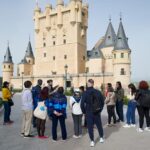
- prefer a small group where you can ask questions while you’re moving
It’s less ideal if you have a hard stop right after the tour ends. The route packs a lot in, and it may take longer than the label suggests.
If you love medieval streets plus royal landmarks, this is right in the sweet spot: you get palaces, squares, walls, and very old churches without feeling stuck in one single neighborhood.
Should you book this Madrid walking tour?
Yes, if you want a well-structured way to understand Madrid’s center beyond surface sightseeing. The mix of architectural layers, story-driven stops like the Inquisition trial square and the Galileo-to-Felipe IV connection, plus food moments that feel local, makes it worth your time.
Book it with one caution: don’t schedule anything critical immediately after. Give yourself a buffer. If you do, you’ll enjoy the city more when you’re not watching the clock.
FAQ
How long is the walking tour?
The tour duration is listed as 2.5 hours, though you should plan for the possibility that it may take longer depending on the pace.
Where do I meet the guide?
You meet in Plaza Puerta Cerrada, about 2 minutes from Plaza Mayor, at the big cross. It’s in front of Cafestic, in a small square at the end of Cuchilleros between Lartoneros and Tintoreros.
Is the tour in English?
Yes. The tour is listed as having an English live tour guide.
How large is the group?
It’s a small group limited to 10 participants.
Are there food stops during the tour?
Yes. You’ll visit Monasterio Del Corpus Christi and try the cookies from the nuns, and you’ll also visit Mercado San Miguel, a popular place for tapas.
What should I bring?
Bring comfortable shoes, a camera, and water.
Is it wheelchair accessible?
The activity information says wheelchair accessible, but it also states it is not suitable for wheelchair users. You should confirm directly with the provider before booking.