REVIEW · MADRID
From Madrid: The Best of Barcelona in One Day
Book on GetYourGuide →Operated by World Experience · Bookable on GetYourGuide
Barcelona in one day is a sprint.
That’s why this trip works: you trade slow sightseeing for a high-speed train and a tight route led by an expert guide, hitting the Gothic Quarter and the exterior of Sagrada Familia without wasting time. I like the way the day is organized around walking routes that help you get your bearings fast, plus the small group size (up to 10), which keeps the pace from feeling chaotic.
Two things I especially liked: the train ride is comfortable and efficient, and the guide storytelling makes big landmarks feel connected instead of random postcards. One consideration: it’s a long, very walk-heavy day, and Sagrada Familia tickets are not included, so you’ll need to decide if you want to add that on your own.
In This Review
- Key highlights that make this day trip worth it
- The big idea: a one-day Barcelona plan that actually fits
- Madrid to Barcelona: the train comfort is the hidden value
- Getting started in Barcelona: where the guide helps you orient fast
- Passeig de Gràcia: Gaudí’s modernist showstopper street
- Plaça de Catalunya and lunch break: plan your next move
- Gothic Quarter and the Born: old streets, real atmosphere
- MUHBA: the Roman Barcelona context you’ll remember
- Arc de Triomf: a calmer breather before Sagrada Familia
- Sagrada Familia exterior: why this still counts even without tickets
- The pace and group size: small group is good, but it’s still a full day
- Practical logistics that can make or break your day
- What kind of traveler should book this
- Reviews patterns: which parts consistently land well
- Price and value: is $406 reasonable for a one-day sprint?
- Should you book this one-day Barcelona trip?
- FAQ
- How long is the day trip from Madrid to Barcelona?
- What’s included in the price?
- Are Sagrada Familia tickets included?
- Where do I meet the group?
- Do trains wait for delayed passengers?
- What time does the trip depart?
- How big is the group?
- What languages are offered for the live guide?
Key highlights that make this day trip worth it
- High-speed round-trip from Madrid, with a big chunk of the day spent actually in Barcelona
- Passeig de Gràcia architecture (Gaudí’s famous modernist buildings) on foot
- Gothic Quarter walking through narrow streets, plus key squares like Plaça Sant Jaume
- MUHBA Museum of Ancient Ruins of Barcelona with Roman-era remnants
- Sagrada Familia exterior time for photos and context, even without entry tickets
- Small group (max 10), which helps you move efficiently and stay in sync
The big idea: a one-day Barcelona plan that actually fits
If you’ve ever tried to do Barcelona on your own in a single day, you probably felt the math problem: travel time, lines, and “where should we go next?” all eat the day. This experience fixes that by building the day around fast transport and a guided walking loop.
The timing also matters. You start in Madrid at Estación de Atocha, then you’re in Barcelona in about 2.5–3.5 hours depending on the part of the route. The Barcelona part is structured like a highlight reel, but it’s not just checklist time. You get enough narrative at each stop that you understand what you’re looking at—especially around Gaudí and the old-city quarters.
You should also know what kind of tour day this is. It’s not a relaxed café-and-gossip day. It’s a steady walk with short breaks, and the focus is seeing famous Barcelona from close range.
You can also read our reviews of more tours and experiences in Madrid


Madrid to Barcelona: the train comfort is the hidden value
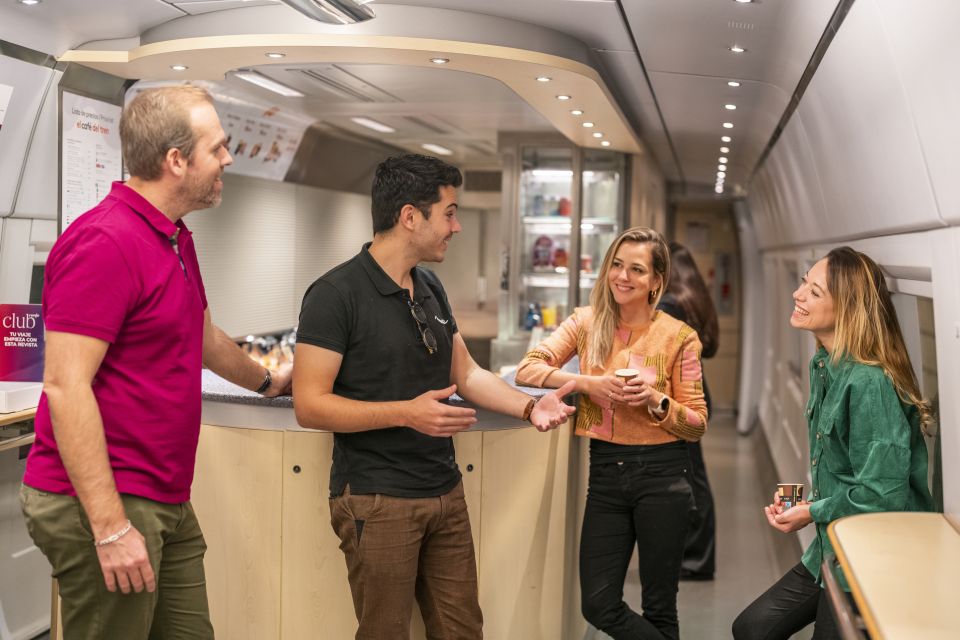
This is a round-trip by high-speed train between Madrid and Barcelona. That matters more than it sounds because it turns a “maybe I’ll do Barcelona” idea into something realistic when you’re short on time.
One pattern in the feedback is how smooth the train portion feels, especially when you’re coming from Madrid. People describe the ride as comfortable and the whole day as well organized. That comfort is not a small detail—after a long day of walking in Barcelona, you’ll be glad the transit back isn’t a second adventure.
Also, the tour is designed for early departures (between 07:00 and 08:00). That’s the best way to pack so much into 13 hours without turning the sightseeing into night-time scrambling.
Getting started in Barcelona: where the guide helps you orient fast
Once you arrive at Barcelona Sants, the guide meets you and you transition immediately into sightseeing. The first walking segment heads for Passeig de Gràcia, which is smart because it’s one of the cleanest ways to see how Barcelona’s architecture “tells time.”
This is where you’ll feel the advantage of an organized guide. You’re not spending the first hour figuring out which street is which. The group is moving from big landmarks to the next logical zone—then eventually toward the older neighborhoods.
You’ll also notice the tour uses transit within the city (there’s a short metro/subway segment on the schedule). That keeps the walking manageable compared with a purely on-foot day, even though you’ll still walk a lot.
Passeig de Gràcia: Gaudí’s modernist showstopper street
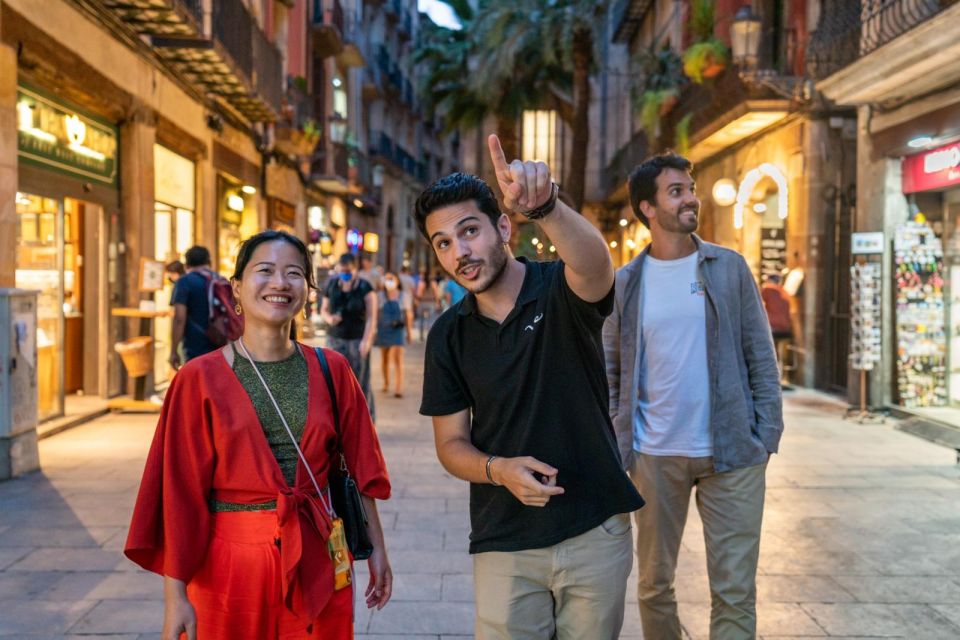
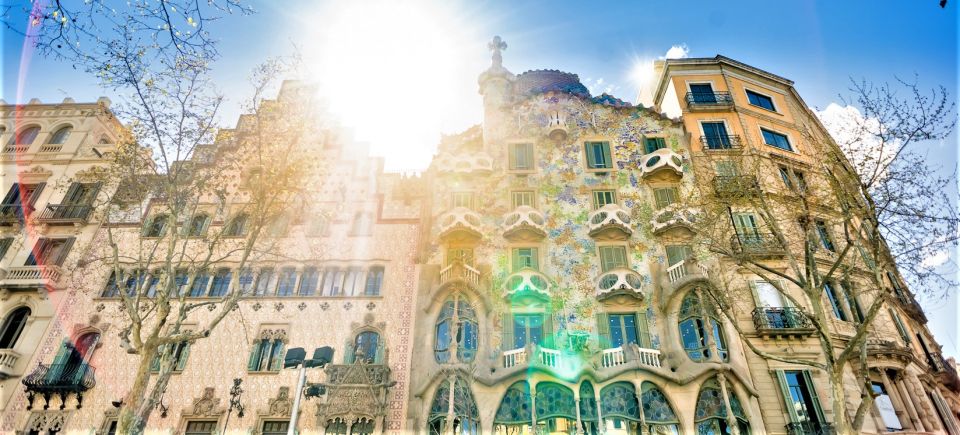
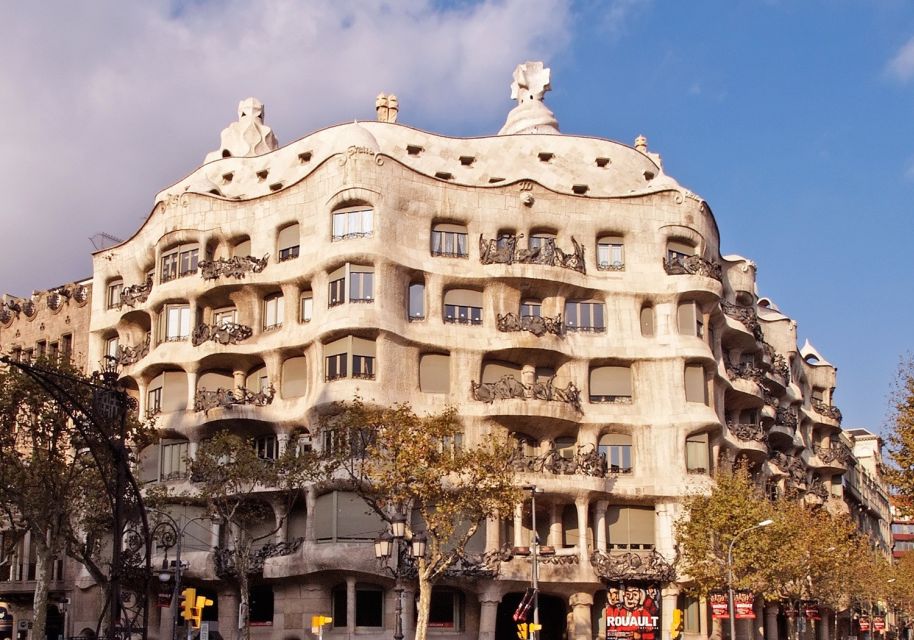
Passeig de Gràcia is the boulevard where Gaudí fans come to shop with their eyes. During this part of the day, you’ll focus on the famous modernist buildings—specifically Casa Batlló and La Pedrera—and learn how they fit into Catalan modernism.
What you’ll likely appreciate most here is how the guide frames the buildings. From the outside, you can still read a lot: the way the façades play with texture, and the way the buildings look different depending on where you stand and how the light hits. The time is designed to give you both close-up viewing moments and the “why it’s important” story.
Two practical tips:
- Bring something for water and keep it light. The walk rhythm can be quick.
- Wear shoes that won’t punish you by mid-day. This route is made for standing, turning, and moving.
Plaça de Catalunya and lunch break: plan your next move
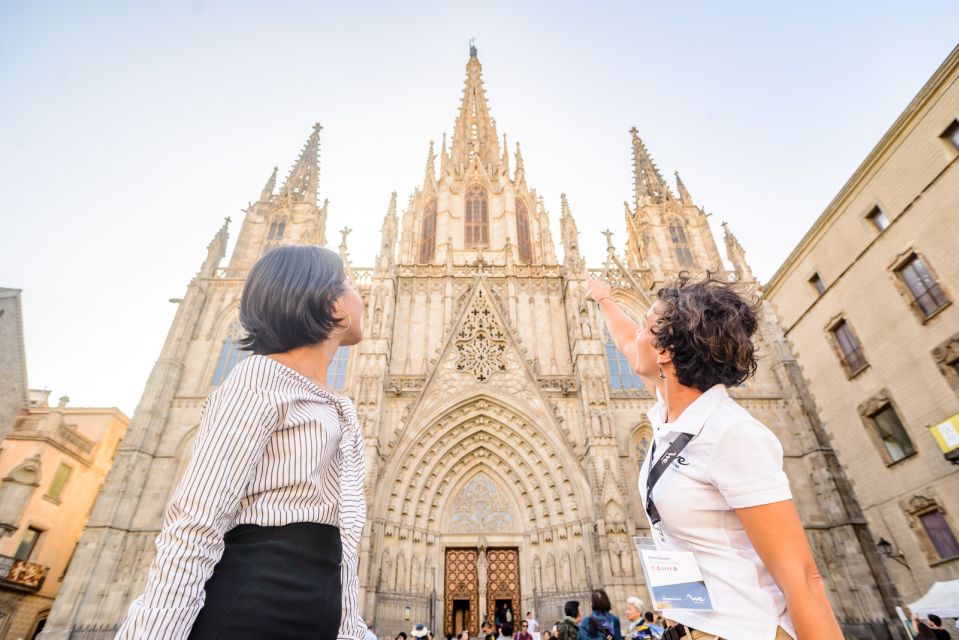
After the modernist boulevard, the tour heads to Plaça de Catalunya, which is basically Barcelona’s central switchboard for getting around. The schedule gives you lunch time and free space to choose your own meal.
This is one of the most useful breaks of the whole trip. The lunch window is where you can:
- eat something easy and close,
- reset your legs,
- and scout the direction of the next neighborhood shift.
Because you’re on your own for meals, you’ll get better value if you pick somewhere that’s convenient rather than somewhere that requires extra wandering. You don’t want your lunch turning into a detour.






Gothic Quarter and the Born: old streets, real atmosphere
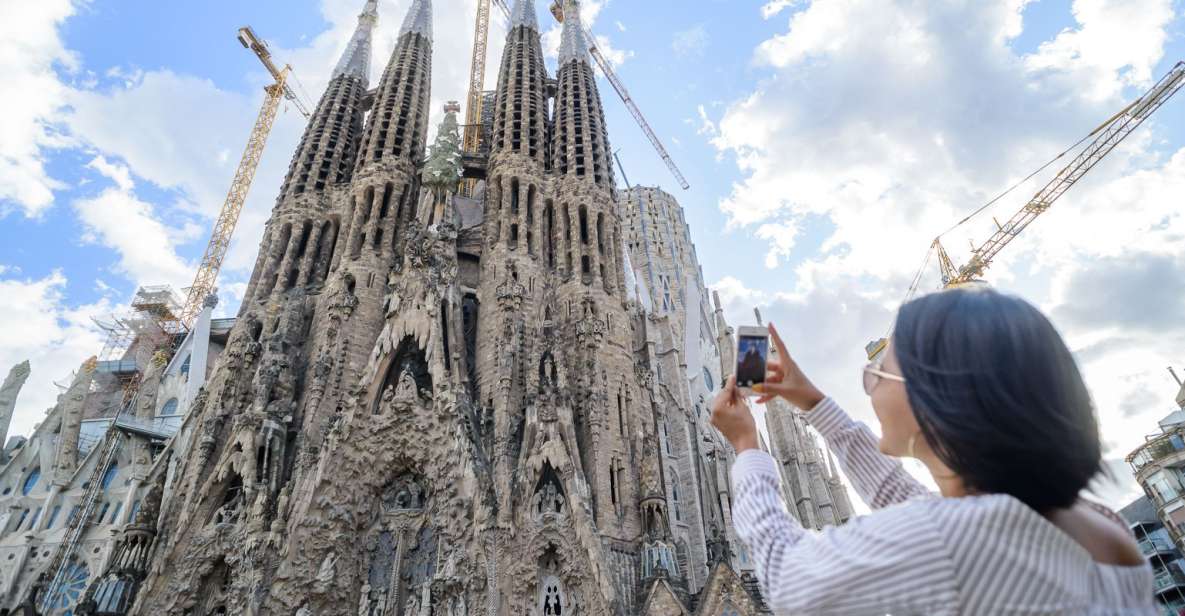
Next comes the old-city portion: the Born and Gothic Quarter area. The route is built around walking through narrow, maze-like streets where the city feels layered—medieval streets next to later layers of life.
You’ll also hit key squares such as:
- Plaça Reial, known for its lively street-square vibe,
- Plaça Sant Jaume, the political center of Barcelona.
The best part of this section is that it’s not only about seeing “old stuff.” The guide connects it to how Barcelona functioned historically, so you don’t feel like you’re just passing scenic corners for photos.
One drawback to keep in mind: the old streets are narrow. That’s charming, but it can also mean slower movement and more “stop-and-look” time. You’ll want to stay with your group and keep track of the meeting rhythm.
MUHBA: the Roman Barcelona context you’ll remember
The tour includes a stop at MUHBA (Museum of Ancient Ruins of Barcelona). This is where your day gets a different flavor: you’re not just looking at Gothic façades or Gaudí forms. You’re seeing remnants tied to Barcelona’s Roman-era past.
For many first-time visitors, this museum stop is the “oh, so this is where it all began” moment. It adds depth to the city you’re already walking through, and it prevents the day from becoming all style and no structure.
The value here is also practical. A museum stop gives you a change of pace during a day that’s otherwise mostly walking outdoors. And because MUHBA tickets are included, you don’t have to make another decision on the spot.
Arc de Triomf: a calmer breather before Sagrada Familia
Toward the end of the morning/early afternoon, you head toward Arc de Triomf, a 19th-century monument that served as a gateway to the Universal Exposition.
This part works as a mental breather. It’s open and photogenic, and it gives the group a reset before the last big headline stop. It also helps you understand Barcelona’s timeline beyond just the far extremes—Roman remnants, medieval streets, and Gaudí’s modernism. You’re seeing the city evolving across centuries.
Sagrada Familia exterior: why this still counts even without tickets
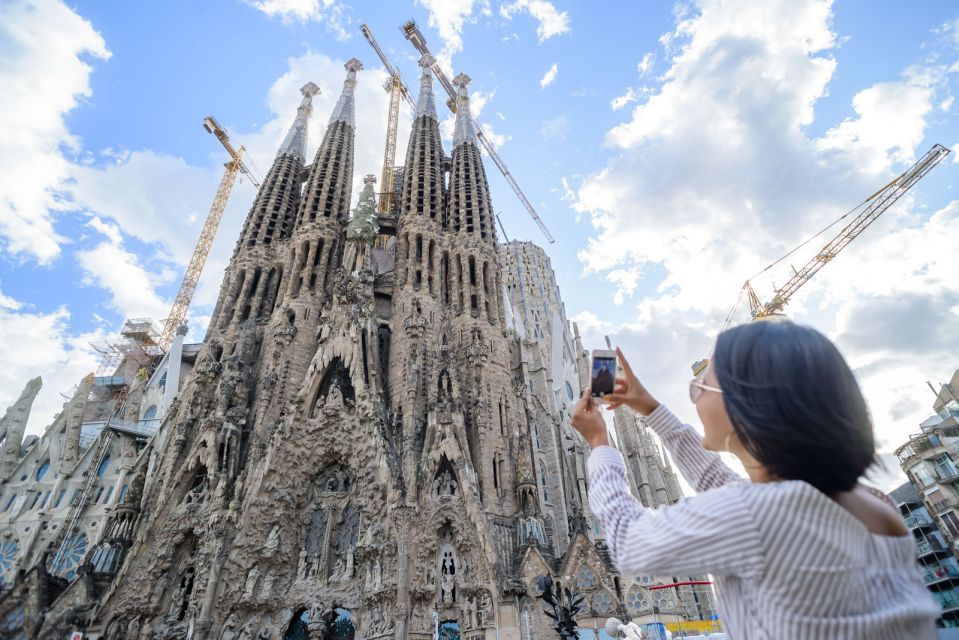
The tour finishes with the exterior of Sagrada Familia, described as an unfinished Gaudí masterpiece. Even though Sagrada Familia tickets are not included, the plan still makes sense because the exterior is the headline view many people come for.
You get guided stories while you look at the façade up close, plus time for photos. That matters, because the details on Sagrada are not random. The guide helps you notice patterns and meaning so you’re not just taking a pretty building snapshot—you’re building an understanding.
If you decide you want to enter, you’ll need to handle that separately. Plan ahead if you care about interior access, because the tour itself doesn’t include those tickets.
This stop also tends to be the moment when your legs start negotiating with you. The good news: the tour is designed so you reach Sagrada near the end, not at the start, and that’s usually when visitors get their best photos with the least stress.
The pace and group size: small group is good, but it’s still a full day
This is a small group limited to 10 participants. In practice, that can mean tighter attention from the guide and smoother movement between stops.
The day can run differently depending on numbers. For example, one visitor mentioned the tour felt especially easy when they were only two people, with extra flexibility to visit more places. That doesn’t mean your group will be tiny, but it does suggest the tour model can breathe when it needs to.
Still, be realistic. You should expect:
- long walking stretches,
- a fixed schedule for train departure,
- and limited time for wandering off on your own.
If you love city walks and you don’t mind a tight itinerary, you’ll probably feel satisfied rather than rushed.
Practical logistics that can make or break your day
This experience uses self-check-in. In plain terms: you need to get to the station and board directly with the train tickets you’re given ahead of time. The tour is timed to fixed departures, and the train will not wait for late arrivals.
So here’s what you should do to protect your day:
- Arrive at the station early enough that you can handle lines and ticket checks.
- Keep your phone available. You’ll need a valid contact number for a pre-check process at least 48 hours before.
- Bring the required passenger details (full name plus passport/ID number) since that’s mandatory for booking confirmation.
Also note: the tour is not wheelchair accessible. That’s important if you use mobility aids.
Finally, you might want to use the lunch window strategically for energy, not just food. If you’re running on empty by mid-afternoon, Sagrada Familia will feel less magical and more like a leg workout.
What kind of traveler should book this
This works best for you if:
- You have limited time and want a real highlights loop rather than a vague plan.
- You care about architecture—especially Gaudí—and you want context while you see it.
- You like guided structure but still want a lunch break for your own meal choices.
It may not be ideal if:
- You need lots of slow time or long museum pacing.
- You want Sagrada Familia interior access as part of the included plan (tickets are not included here).
- You’re sensitive to long walks on cobblestones and in crowded areas.
Reviews patterns: which parts consistently land well
The strongest praise is usually about the guide. People name guides like Marco, Mikos, Mirko, Isabel, Luca/Lucas, and Han, and the repeated theme is that the guides are friendly, engaging, and good at turning landmarks into stories you can remember.
There’s also strong approval of how smooth the day feels when you arrive on time: guides meeting you at stations, the day running without drama, and the train ride being comfortable.
The one real complaint that shows up is about cost vs. how transportation is handled inside Barcelona. Someone pointed out that subway use felt like the tour cost was higher than it should be. That’s a fair note for you to consider when judging value: the core price is paying for train + guided route + MUHBA tickets, but you will still use transit within the city during the day.
Price and value: is $406 reasonable for a one-day sprint?
At $406 per person for a 13-hour day trip, the value hinges on what you personally place on these three things:
1) fast return transport,
2) an expert guide on a fixed loop,
3) included admission to MUHBA.
The high-speed train removes the biggest cost and time risk of doing Barcelona from Madrid. The guide also saves you the mental load of planning an order that makes sense for walking. And MUHBA tickets included means one less add-on decision.
Where the value can feel less perfect is Sagrada Familia. Because the tour includes exterior time and not tickets, you may still want to pay separately if you want to go inside. If your top goal is an interior visit, you should budget for that before booking.
So for many people, the price makes sense because you’re paying for a managed day with transportation and a guided route. If you’re the kind of traveler who prefers flexible wandering and you’d rather spend time independently at one place longer, you might feel the price isn’t buying enough freedom.
Should you book this one-day Barcelona trip?
I think you should book it if you’re coming from Madrid and want the strongest Barcelona highlight set you can fit into a day, with a guide who helps you understand what you’re seeing. The small group size, the comfort of high-speed rail, and the mix of modernism (Passeig de Gràcia) + old streets (Gothic Quarter/Born) + a Roman stop (MUHBA) makes this more satisfying than a random hop-on plan.
But if you want Sagrada Familia interior access included, or you hate walking long stretches, you may want a different format—or at least plan your Sagrada ticket decision in advance. This tour is built to show you a lot. If that’s your goal, it’s a strong match.
FAQ
How long is the day trip from Madrid to Barcelona?
It lasts about 13 hours total.
What’s included in the price?
Round-trip high-speed train tickets, a walking tour with an expert fluent guide, MUHBA tickets (Museum of Ancient Ruins of Barcelona), and the guided sightseeing stops listed.
Are Sagrada Familia tickets included?
No. Sagrada Familia tickets are not included, and the tour focuses on the exterior visit.
Where do I meet the group?
This is self-check-in. You need to go to the train station (starting at Estación de Atocha) and board directly using the train tickets provided.
Do trains wait for delayed passengers?
No. The train departure time is fixed and will not wait. If you miss it, you miss the tour and no refund is provided.
What time does the trip depart?
Departure time is coordinated on trains between 07:00 and 08:00.
How big is the group?
It’s a small group with a maximum of 10 participants.
What languages are offered for the live guide?
The live guide speaks Spanish and English.