REVIEW · MADRID
4-Day Portugal Tour from Madrid: Lisbon and Fatima
Book on GetYourGuide →Operated by VPT TOURS TICKETS & ACTIVITIES · Bookable on GetYourGuide
A road trip to Lisbon feels like a shortcut through history. You’ll get Lisbon’s oldest streets and Belem’s Age of Discoveries in just two days, then end with the pilgrimage draw of Fatima. The big thing to weigh is pace—Fatima may feel short if you’re hoping for a long, unhurried visit.
I also like that this tour mixes landmark time with genuine “wander and get your bearings fast” neighborhoods. The coach keeps the trip efficient, and the central Lisbon hotel makes evening exploring easy. One caution: several parts of the trip can involve less guidance than you might expect, so plan to read a little and bring questions.
Key highlights at a glance
- Alfama + São Jorge Castle views with old trams rolling through cobbles
- Belem monuments tied to Portugal’s Age of Discoveries
- Fatima sanctuary visit including the Chapel of the Apparitions and Basilica highlights
- Optional Sintra and Cascais time if you want palaces and coastal vibes
- Cáceres UNESCO old town with Roman, Moorish, Gothic, and Renaissance layers
- Fado show option for a classic Lisbon night
In This Review
- Why This Madrid-to-Lisbon Route Makes Sense for 4 Days
- Morning Departures, Extremadura Roads, and the Trujillo Break
- Hotel Lutecia in Lisbon: Central Comfort for Easy Evening Plans
- Alfama and São Jorge: Old Lisbon on Foot (and on Trams)
- Belem’s Tower and Jerónimos: The Age of Discoveries Story
- Fatima Day Trip: The Sanctuary and the Time Tradeoff
- Cáceres on Day 4: UNESCO Walls, Moorish Towers, and Tight Streets
- Optional Extras: Sintra, Cascais, and Fado—Use Them Strategically
- Price and Pace: Is $689 Good Value?
- Logistics That Actually Matter: Shoes, Timing, and Room Setup
- Who This Tour Fits Best (and Who Should Skip It)
- Should You Book This 4-Day Lisbon and Fatima Tour from Madrid?
- FAQ
- What’s the meeting point for this tour in Madrid?
- What time does Day 1 depart Madrid?
- What’s included in the price?
- Are Sintra, Cascais, and fado included?
- Is there a tour guide, and what languages are offered?
- Is the tour accessible for wheelchair users?
Why This Madrid-to-Lisbon Route Makes Sense for 4 Days
This is a smart choice if you want the Portugal “greatest hits” without piecing together trains and buses. You start in Madrid, cross into Portugal, and add two Spanish historic stops so the driving days feel like they’re doing real work—not just transit.
The itinerary also gives you a clean geographic shape: Lisbon first, then a pilgrimage day to Fatima, and finally a return via Cáceres. That order is convenient because Lisbon is where you’ll do the most walking and sightseeing.
The value question comes down to this: you’re paying for coach transportation, breakfasts, and a guided component, but you’ll still want to be comfortable with some self-guided wandering.
Morning Departures, Extremadura Roads, and the Trujillo Break
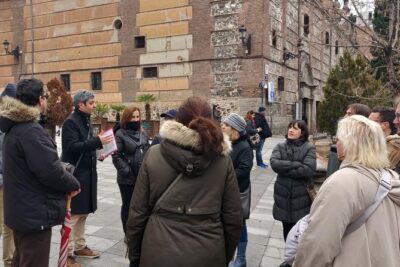
Day 1 starts with a 08:00 departure from Madrid, which means an early start and a full day’s momentum. On the drive, you’ll pass through Extremadura and stop in Trujillo, a town tied to the Spanish conquistadors.
Trujillo’s center is the draw. You’ll see the Plaza Mayor, and there’s an equestrian statue of Francisco Pizarro that anchors the main square. Between photos and a relaxed walk, this is the kind of stop where you can get your bearings and still arrive in Lisbon with energy.
One practical thing to know: guidance quality can vary by stop. If you’re expecting detailed narration in every town, keep your expectations flexible and rely on the printed/installed info and your own curiosity for the rest.
You can also read our reviews of more tours and experiences in Madrid



Hotel Lutecia in Lisbon: Central Comfort for Easy Evening Plans

Once you cross into Portugal, check-in is at the Hotel Lutecia, a 4-star property positioned near the mouth of the River Tagus. That location matters. It’s useful for easy evening movement, and you get a sense of Lisbon’s “show up at night and it works” energy.
After arrival, the tour leaves room for you to explore on your own. Lisbon at night is where the city’s mood clicks—street life, viewpoints, and the feeling that you’re walking through layers rather than a single museum district.
If you want a scheduled culture moment, you can join an optional fado show. If not, you’ve still got a lot to do nearby. Either way, plan for a first evening that’s more about orientation than ticking off everything.
Alfama and São Jorge: Old Lisbon on Foot (and on Trams)
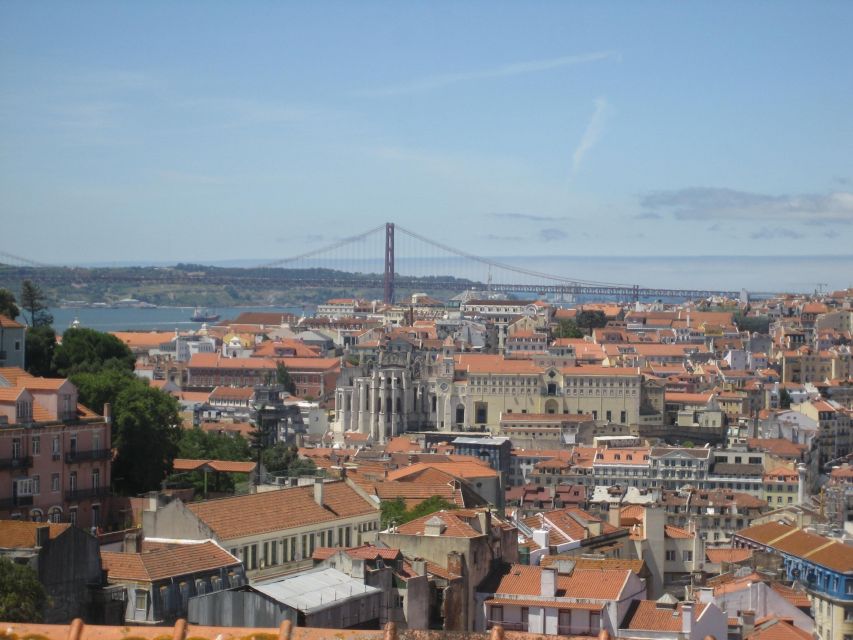
Day 2 is the “Lisbon basics, but done right” day. You’ll go through Alfama, Lisbon’s oldest neighborhood, with sights that reward slow steps and good shoe choice.
São Jorge Castle sits up on the hill and gives you the classic overlook. Even if you don’t linger inside long, the area around it helps you understand why Alfama looks the way it does—tight streets, steep grades, and constant sightline drama.
Then there are the old trams running down cobblestones. They’re not just a photo stop; they help you feel how movement in Lisbon is part of the experience, not just transportation.
This is where a good walking strategy helps. Stick to the lanes you like, then pop up and down viewpoints as your legs allow. The tour structure gives you guided direction, but the magic is in your own wandering between the scheduled sights.
Belem’s Tower and Jerónimos: The Age of Discoveries Story
After Alfama, you’ll head to Belem, where the landmarks are tied to Portugal’s seafaring era. This is the day’s second big “wow” zone, and it’s ideal for travelers who want history that’s visible, not just explained.
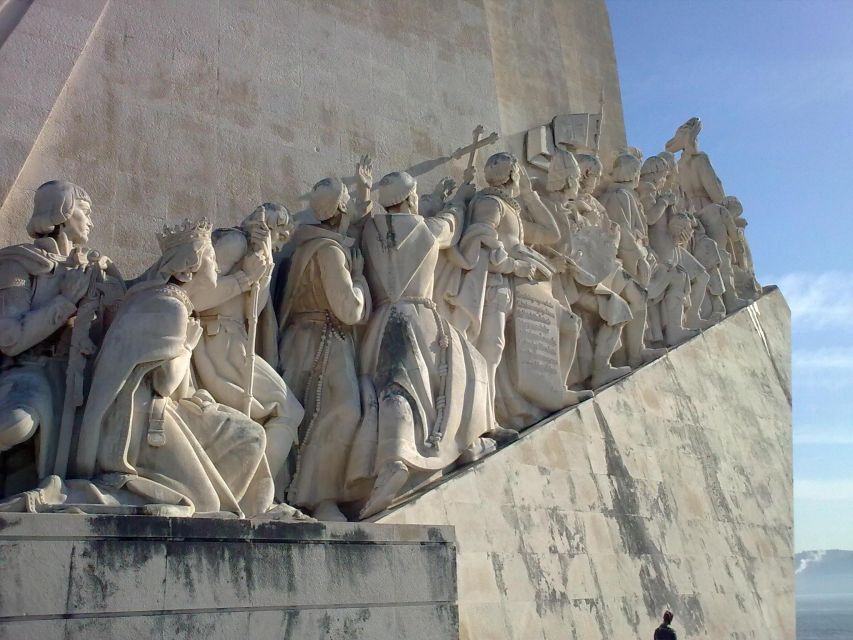
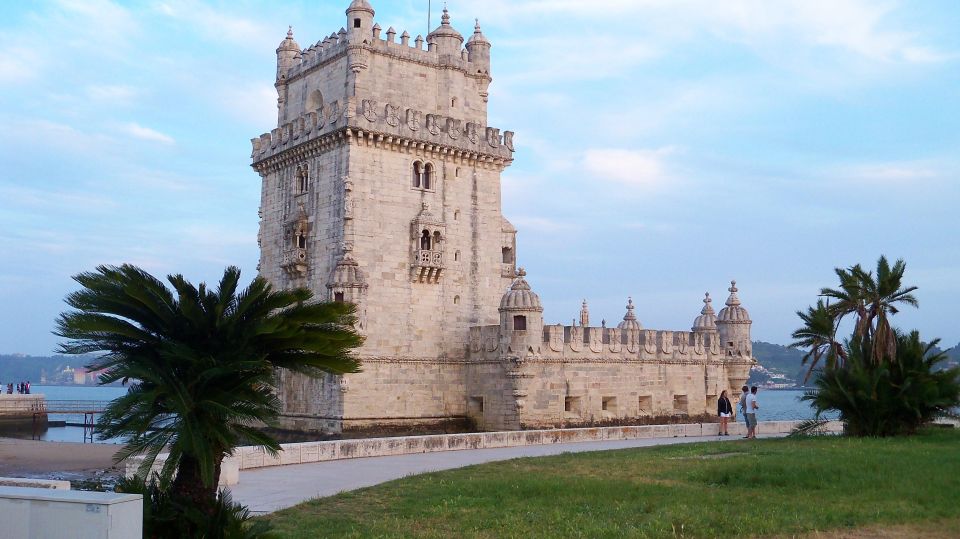
The highlight is Tower of Belem, and you’ll also see the Monastery of Los Jerónimos (often spelled Jerónimos/Los Jeronimos depending on the guide materials). This pair gives you a strong sense of the Age of Discoveries—not as a vague concept, but as stone, scale, and ornament.
Belem is also a good place to slow down and watch life around the monuments. You can take a break, grab a snack, and let the architecture do its job without rushing to the next photo.
This day also opens optional time for you to branch out. If you want a side trip, you can add Sintra and also the Estoril Coast and Cascais area, depending on what’s offered with your departure window.
Fatima Day Trip: The Sanctuary and the Time Tradeoff
Fatima is the centerpiece pilgrimage visit on Day 3. You’ll learn the story of the Virgin Mary’s appearance to three shepherd children at Cova da Iria, and you’ll visit key sites tied to that tradition.
The tour includes time at the Sanctuary of Fátima and the Chapel of the Apparitions. It also points you toward the Basilica, where you can look at mosaics and stained glass windows, plus quiet time at the Holy Trinity Church.
Here’s the main consideration: the schedule may give you only around two hours at the sanctuary area. If your priority is a slower devotional visit—space to sit, reflect, and revisit spots—this timing could feel tight. If you want to see the major sites, understand the story, and keep the rest of the day for Lisbon, it may work fine.
Back in Lisbon for the night, you’ll have time to reset your energy. Fatima is emotionally different from sightseeing days, so you’ll appreciate that the tour doesn’t pack in too many extra stops after the pilgrimage visit.






Cáceres on Day 4: UNESCO Walls, Moorish Towers, and Tight Streets
On the way back to Madrid, you stop in Cáceres, a UNESCO World Heritage site since 1986. This town is a layered history lesson in stone—Roman, Moorish, Northern Gothic, and Italian Renaissance architecture all show up in the old quarter.
The best part is walking the walled city streets at your own pace. It’s compact enough to feel immersive without becoming exhausting, but there’s enough variety that you won’t feel like you’re looking at the same facade all afternoon.
You’ll also see some remaining Islamic towers—up to 30 are mentioned as part of the historical defenses. That’s a great detail because it helps you understand why the town’s skyline and fortification shape matter.
The practical downside to watch for is time. Some parts of the stop can feel like you’re racing the clock, so if Cáceres is your Spanish highlight, build in a slightly more focused wandering plan than you’d do in a slow city day.
Optional Extras: Sintra, Cascais, and Fado—Use Them Strategically
This tour offers optional add-ons, and that’s where your trip can either feel tailored or slightly chaotic.
If you add Sintra and the coast (Estoril/Cascais), you’ll get a different Portugal flavor: palace fantasy and shoreline beauty. For many people, that’s the perfect contrast to Lisbon’s older districts and Belem’s monumental feel.
If you skip those options, you’ll likely have a calmer day in Lisbon to explore Alfama and Belem at your own speed. Either plan can work, but I’d decide based on your travel style. If you love moving from highlight to highlight, add the day trips. If you like absorbing neighborhoods, keep the time flexible.
For nights, the optional fado show is a classic. If you go, treat it like a cultural “snapshot,” not the whole purpose of Lisbon. If you don’t, you’ll still be able to find music and atmosphere on your own.
Price and Pace: Is $689 Good Value?
At $689 per person for 4 days, you’re paying for a bundle: coach transport, breakfasts, insurance, and the central Lisbon hotel. You’re also getting a multi-lingual escort and structured sightseeing time across Lisbon, Belem, and Fatima.
That price is strongest if you want the convenience of not coordinating cross-border logistics yourself. Spain-to-Portugal travel can be easy, but it’s rarely as painless as a single package with hotel included.
The pace is the tradeoff. You’re seeing major sights on a tight timeline, and some stops may have limited guidance or less time on-site than you might have expected. In other words: the trip is built for coverage, not deep, long museum-style lingering.
If your ideal vacation is one or two cities with long evenings, you might find the schedule a bit compressed. If your goal is to hit Lisbon’s headline areas and also make it to Fatima, this package is a workable, value-minded way to do it.
Logistics That Actually Matter: Shoes, Timing, and Room Setup
A few practical notes help you enjoy this tour more.
Bring comfortable shoes. You’ll walk old streets, climb viewpoints, and spend time around historic centers where cobblestones are not decorative—they’re the floor plan.
The trip is built around a coach schedule, and timing consistency matters. There have been reports of late pickup on at least one part of the experience, so if you’re the type who hates uncertainty, aim to be at the meeting point early and keep your morning buffer.
Also, know that optional schedule gaps can happen. One traveler reported a bus shuttle return arrangement when the tour bus continued on its route, with waiting involved. That’s not something you can control, but it’s a reason to plan for a little “wait time” as a possibility.
Finally, room arrangements are set by group size: two people typically share one room, three people share one room, and four people split into two double rooms. If you want separate rooms, you’ll need individual bookings.
Who This Tour Fits Best (and Who Should Skip It)
This experience fits travelers who want Lisbon + Fatima in one efficient swing from Madrid, with one structured itinerary and optional day trips. It’s especially good if you like walking historic neighborhoods and you’re happy mixing guided sightseeing with independent exploration.
You’ll also like it if you enjoy contrast: Trujillo and conquistador-era markers in Spain, Lisbon’s medieval quarters and Belem monuments in Portugal, then Fatima’s pilgrimage atmosphere, and finally Cáceres’ walled-city maze on the return.
It may be less ideal if you need constant, detailed guiding at every stop. The touring model can shift, and some segments may feel like narration is lighter than expected.
And it’s not suitable for wheelchair users, based on the provided information.
Should You Book This 4-Day Lisbon and Fatima Tour from Madrid?
I’d book it if your priorities are clear: you want Lisbon highlights, a real Fatima pilgrimage visit, and an efficient return via Cáceres—all handled by coach with hotel and breakfasts included. At this price, the convenience factor is the main selling point.
I’d think twice if you’re the type who needs long on-site time at Fatima or you’re counting on a very hands-on guide presence every step of the way. In that case, you might end up wishing for more time or clearer guidance at each stop.
My best advice: go in with flexible expectations, bring good shoes, and treat optional extras—Sintra/Cascais and fado—as “choose your flavor,” not required homework.
FAQ
What’s the meeting point for this tour in Madrid?
You meet at VPT Tours Office, Calle Ferraz 3, Madrid.
What time does Day 1 depart Madrid?
The tour departs Madrid at 08:00.
What’s included in the price?
Included are air-conditioned coach transportation, a multi-lingual tour escort, daily buffet breakfast, travel insurance, municipal tax in Lisbon, and accommodation in Lisbon.
Are Sintra, Cascais, and fado included?
They’re optional. You can take optional day trips to Sintra and Cascais/Estoril Coast, and you can also choose an optional fado show.
Is there a tour guide, and what languages are offered?
Yes, there is a live tour guide, and the tour operates in Spanish and English.
Is the tour accessible for wheelchair users?
No. It’s listed as not suitable for wheelchair users.