REVIEW · MADRID
Ribera del Duero wine region private tour
Book on GetYourGuide →Operated by Wine Tour Madrid · Bookable on GetYourGuide
Ribera del Duero is wine made for real extremes. I love how this private tour pairs two contrasting wineries so you can see how Tempranillo changes with style and cellar choices. You’ll also get meet-the-people access with owners and winemakers, plus underground cellar time where the real work of aging happens.
The day is built around one of Spain’s most international wine regions, then it teaches you what to notice in the glass instead of just pouring wine and moving on. A possible drawback: the long road time means you’ll want comfortable shoes and a steady pace, because the tour is action-packed and not slow-and-lazy.
In This Review
- Key highlights you should care about
- Ribera del Duero in one day: what the drive really buys you
- Stop 1: Modern winery with avant-garde design and subway aging education
- Stop 2: Family winery with a 16th-century cellar where more than a thousand barrels age underground
- Lunch in a Castilian village with wine-cellar hill views
- Tempranillo styles: what to look for when you’re tasting
- Price and logistics for a private 10-hour day from Madrid
- Who this tour is best for (and who it might not be)
- Should you book the Ribera del Duero private tour?
- FAQ
- How long is the Ribera del Duero wine region private tour?
- Where does the tour start?
- How far is the drive from Madrid to Ribera del Duero?
- How many wineries will I visit?
- What will I learn during the winery visits?
- Will there be a barrel tasting?
- What is included for lunch?
- What languages are the guides available in?
- Is transportation included?
- Is it okay to change plans?
Key highlights you should care about
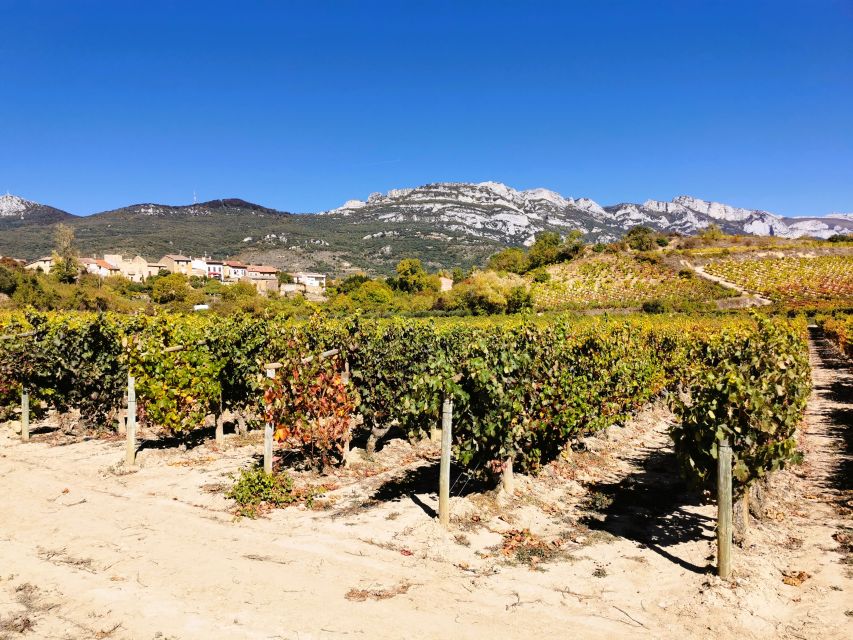
- Two styles of Tempranillo in one day: modern approach first, then a traditional family operation with massive underground aging.
- Subterranean cellars: you’ll see barrels aging in ideal conditions below ground, not just taste from a tasting room.
- Owner and winemaker time: you can ask questions and connect cultivation and aging to what ends up in your glass.
- Barrel education: one stop includes tasting wines tied to choices like American vs French barrels.
- Castilian lunch in a wine village: traditional food plus a short stop for wine-cellar viewpoints.
- Private, guided logistics: hotel pickup and drop-off make a big difference on a day with a lot of driving.
Ribera del Duero in one day: what the drive really buys you
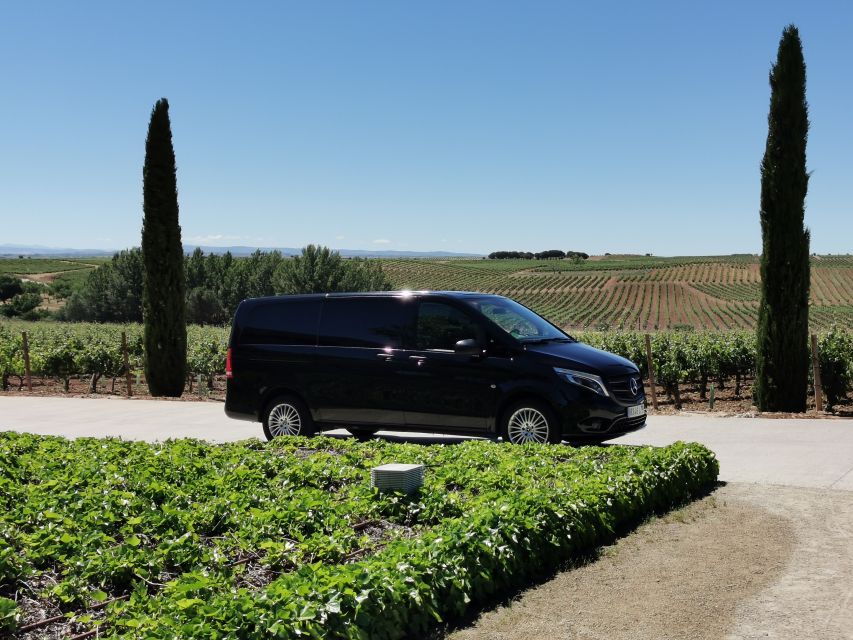
This is the kind of day trip where you don’t just want to see the name on a map—you want to understand why the wines matter. The drive out of Madrid is about 105 minutes, and that time matters because Ribera del Duero is far enough from the city to feel like a different world: harsher growing conditions, big temperature swings, and vineyards that push grape flavor in a particular direction.
I like that the itinerary doesn’t treat the region like a scenic backdrop. Instead, it uses the travel time to set up a full “cause and effect” lesson: grape growing in extreme climates, then winemaking decisions, then aging choices, then tasting the results.
Private also helps here. You’re not stuck waiting around for a large group to finish photos. If the guide—on many departures led by Enrique—explains something you want to chase with a question, you can do it without feeling rushed.
You can also read our reviews of more private tours in Madrid

Stop 1: Modern winery with avant-garde design and subway aging education
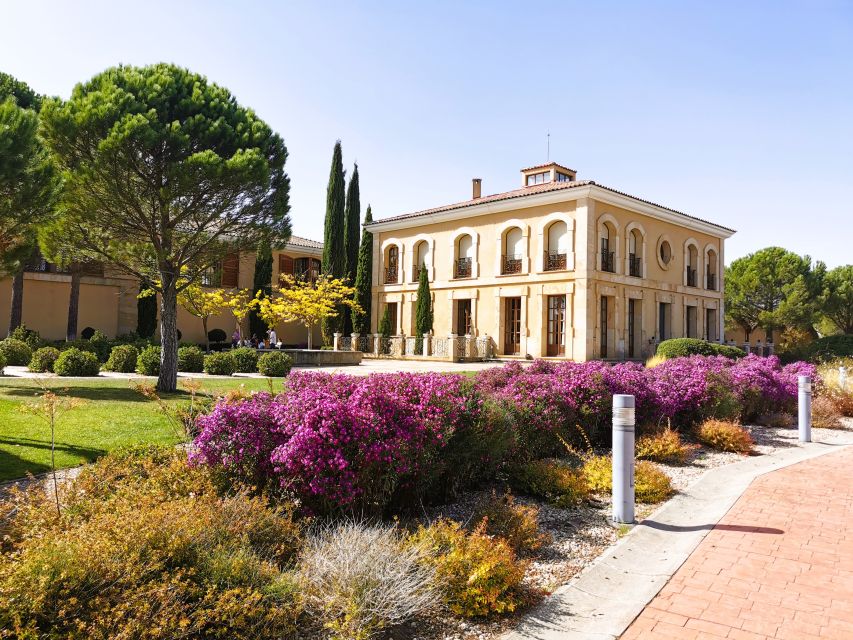
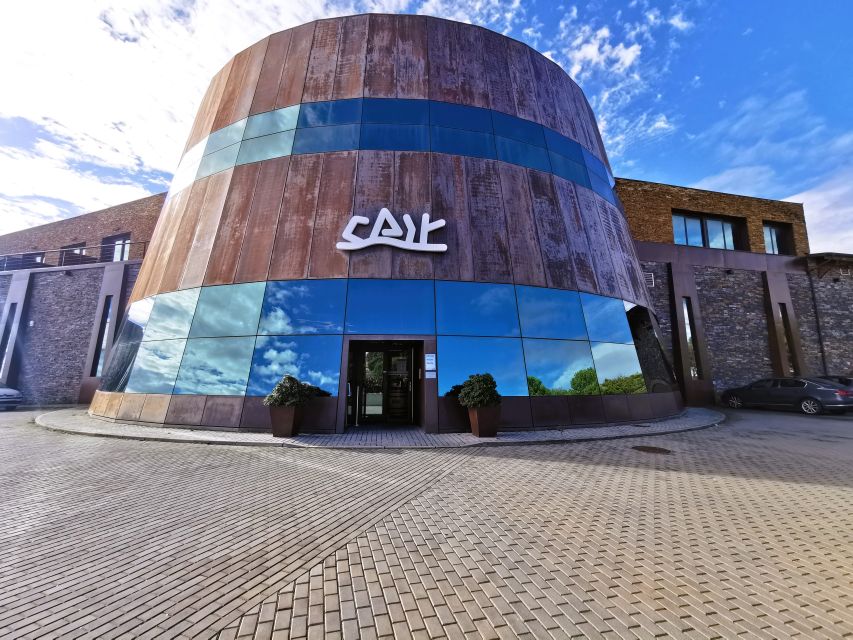
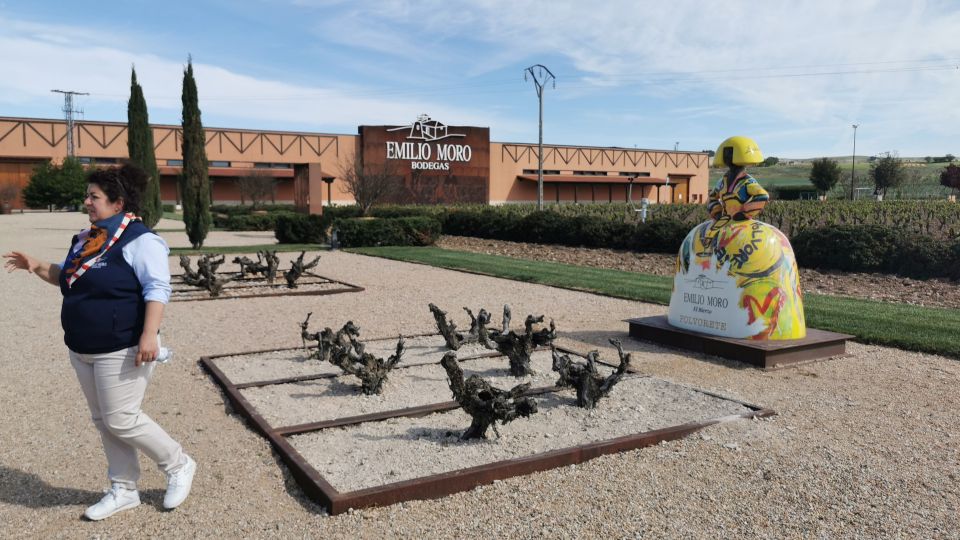
Your first wine stop is at a modern winery with an avant-garde building that’s designed to blend into the territory instead of looking like an imported landmark. The tour here focuses on how they grow grapes in a climate described as extreme, then how those grapes get turned into wine.
What makes this stop useful is that it’s not just a building tour. You’ll learn about cultivation and how winemaking techniques and aging times tie directly to the character you’ll taste later. In practical terms, it helps you stop thinking of “good wine” as a mystery and start thinking in terms of decisions: harvest timing, how the wine is handled, and how long it spends aging.
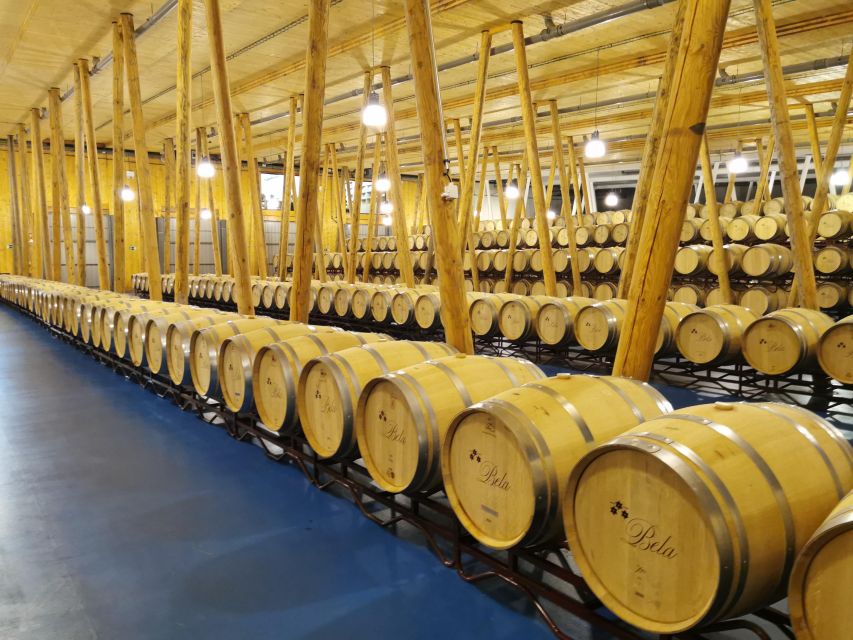
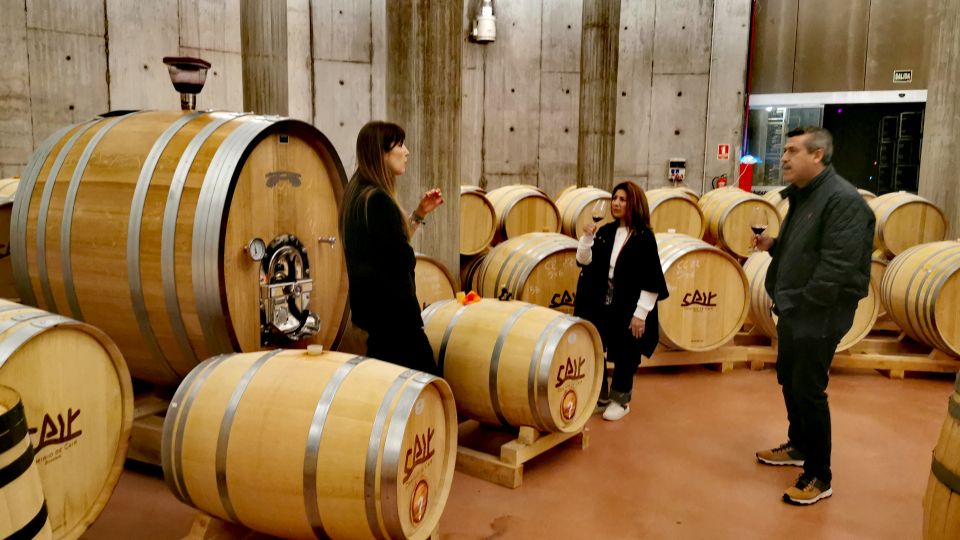
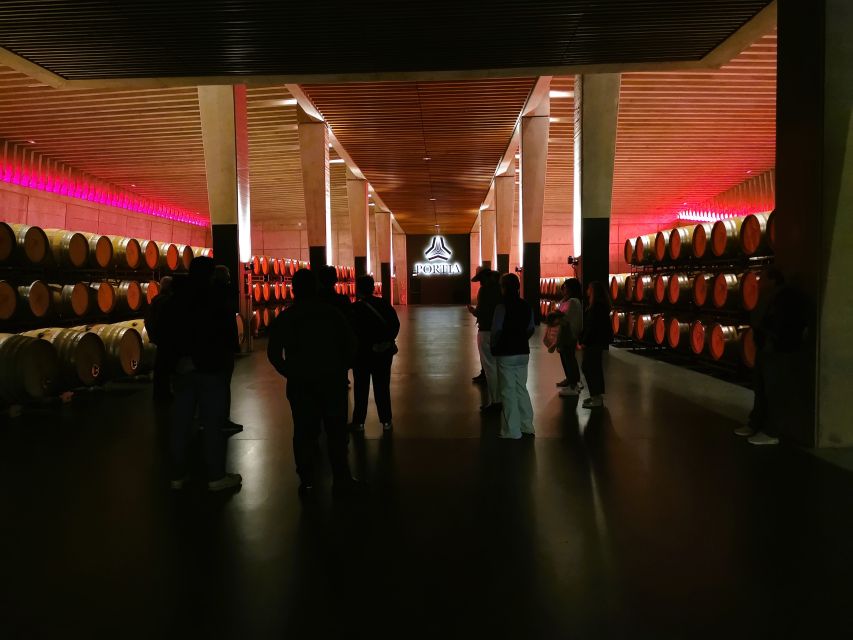
Then comes cellar time. This winery includes a tasting connected to barrels in its underground cellar—specifically American and French barrels. That’s a rare, hands-on theme because barrel choice affects flavor and texture in very noticeable ways. After that, you go back up to a wine bar surrounded by old vineyards for tasting three of their best wines.
One caution from a real-world experience: marketing photos can create expectations about which specific wineries you’ll visit. On at least one booking, the guest felt the photos suggested different wineries than the ones on the day, and that can be frustrating. If a particular producer is important to you, ask your guide before you go what you’ll actually be touring and tasting.
Stop 2: Family winery with a 16th-century cellar where more than a thousand barrels age underground
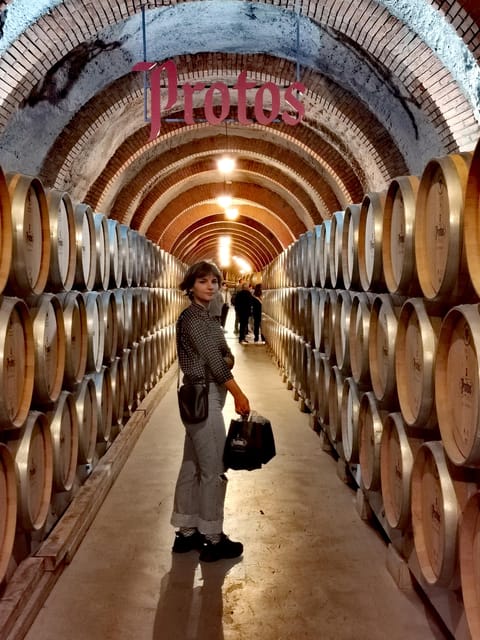
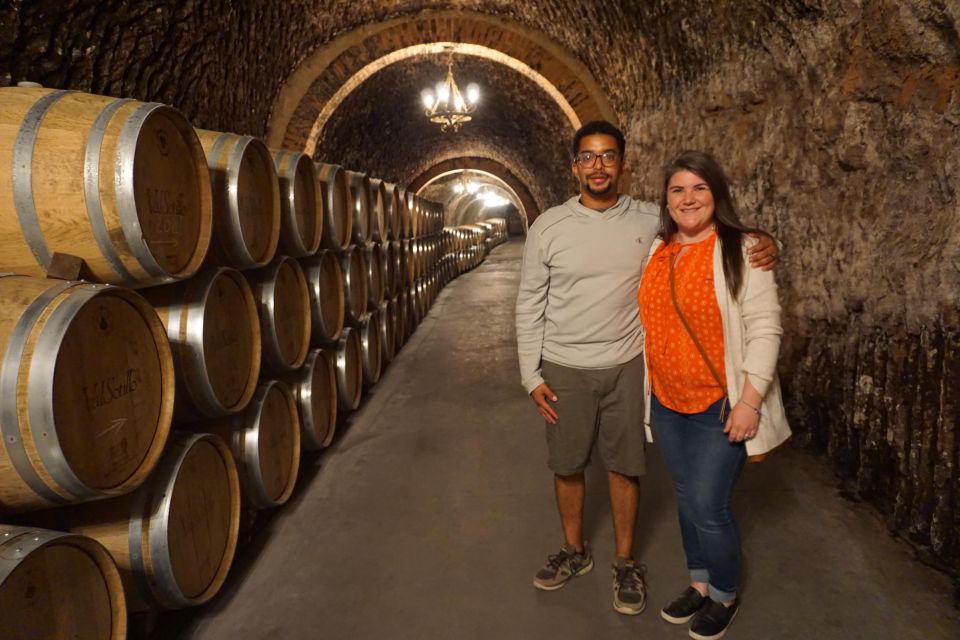
After lunch (yes, lunch comes later), you’ll spend more time in the heart of Ribera del Duero’s aging culture at a family winery tied to promoting the Ribera del Duero D.O. This stop is described as the owner of the largest subway winery still in production in the entire region, and it helps explain why Ribera del Duero wines often feel so grounded and structured.
This is the stop where the underground cellars do more than look cool. The owners guide you through the cellar system where more than a thousand barrels are kept aging. You’ll be inside a space where temperature stability and consistent conditions are doing real work day after day—work you can’t fully replicate in a typical above-ground tasting room.
The winery itself dates back to the 16th century, and it’s often compared to a wine cathedral because of the scale and craftsmanship of the underground spaces. Even if you’re not a history person, the atmosphere is a lesson: Ribera del Duero didn’t become important just because of hype; it became important because people built systems that protect aging quality.
This stop also adds balance to your day. The first winery is modern and architecture-forward; this one is tradition-forward with a focus on subterranean aging. Together, you’ll start noticing how “style” can be both artistic and technical—how traditions can still produce wines that meet modern expectations.
Lunch in a Castilian village with wine-cellar hill views
Lunch is built into a break that still feels connected to wine. You stop in a quaint village for a full meal featuring a wide representation of traditional Castilian gastronomy—the kind of food that supports the earthy, structured side of Tempranillo rather than fighting it.
Then you get a short experience option that I think is smart for the timing: you can explore the village’s wine cellars hill and enjoy panoramic views from the region. You’ll get a different perspective on Ribera del Duero than you did from inside wineries. It also helps you understand how vineyards and communities interact—how people live close enough to the production to care about it.
Practical note: eat comfortably and pace yourself. The day includes multiple tasting moments, and lunch is your chance to reset your palate before the second cellar experience.
Tempranillo styles: what to look for when you’re tasting
This tour is explicitly about the versatility of Tempranillo. That matters because many wine days just say, Here’s red wine from Spain. This one gives you a better question to ask: what changes the wine’s feel and flavor?
At the modern winery, your tasting is tied to barrel education: American vs French barrels, plus three wines served in a wine bar among old vineyards. When you taste, focus on these simple, repeatable checks:
- Aroma shift: do you get more spice and vanilla notes, or more subtle oak structure?
- Texture: does the wine feel smoother and rounder, or tighter and more angular?
- Finish: does the flavor linger with savory notes, or does it feel brighter and fruit-forward?
At the family winery, the emphasis is aging underground and scale of cellar production. That can translate in the glass to wines that feel more consistent and integrated. If you pay attention, you’ll notice how time in stable conditions can build cohesion—less “separate parts,” more one unified voice.
Even if you’re new to wine, you don’t need technical jargon to enjoy this day. The guide’s job is to connect what you see to what you taste, and on tours led by Enrique, the region explanations tend to land clearly: how extreme climate affects grapes, and how those grapes become a particular wine style.
You can also read our reviews of more wine tours in Madrid




Price and logistics for a private 10-hour day from Madrid
At $412 per person for a private experience lasting about 10 hours, the value depends on what you get beyond tastings. Here, you’re paying for three big things: hotel pickup and drop-off, private transportation, and a full day that includes two winery entrances and tastings plus a full lunch.
A self-guided day to Ribera del Duero usually fails on one of those points. Either you’d need a car, or you’d spend time coordinating rides and waiting, or you’d lose the structured explanations. This tour trades that hassle for a fixed schedule and a guide who can answer your questions about cultivation, aging, and barrels.
Private also changes how the tasting flows. You can linger where you’re genuinely curious and ask why a wine is made a certain way, instead of being herded along.
One more logistics point: bring comfortable shoes and comfortable clothes. You’ll be walking during cellar visits and moving between venues. Also, plan to be ready early—pickup happens from your hotel lobby, and you’re asked to wait about 10 minutes before the pickup time.
Who this tour is best for (and who it might not be)
This is a strong fit if you:
- want to see why Ribera del Duero is considered a Spanish leader in international wine style
- like hands-on wine learning tied to what’s in the glass
- enjoy meeting winemakers and owners, not just staff who pour and move on
- appreciate the contrast between modern winery design and centuries-old subterranean aging
It might be less ideal if you:
- prefer a slow paced day with fewer tastings
- get easily tired by long drives and multiple stops
- are very photo-specific about which exact producers you want—because expectations can be set by marketing images, and you’ll want clarity ahead of time
Should you book the Ribera del Duero private tour?
If you want the best shot at understanding Ribera del Duero in a single day, I’d book it—especially for the two different wineries and the subterranean cellar focus. The guide-led explanations (often with Enrique) and the smooth day-from-Madrid setup make it feel efficient without feeling rushed in every moment.
I’d only hesitate if you have very specific expectations about exact producers shown in promotional photos. In that case, message the provider before you go and confirm which wineries and tastings are on your date. Do that, and you’ll arrive with the right mindset: you’re buying learning, access, and a real contrast of Tempranillo styles—not just a quick tasting stamp.
FAQ
How long is the Ribera del Duero wine region private tour?
The tour lasts about 10 hours.
Where does the tour start?
The tour starts with hotel pickup in Madrid.
How far is the drive from Madrid to Ribera del Duero?
The van ride is listed as about 105 minutes to reach the Ribera del Duero area.
How many wineries will I visit?
You’ll visit two wineries, each with tastings.
What will I learn during the winery visits?
You’ll learn about grape cultivation in the region’s extreme climate, winemaking techniques, aging times, and how barrel choices influence the wines. You’ll also tour subway cellars where wine ages underground.
Will there be a barrel tasting?
Yes. One winery includes a tasting connected to American and French barrels in the subway cellar.
What is included for lunch?
Lunch is included and includes a full meal with traditional Castilian gastronomy in a quaint village.
What languages are the guides available in?
The live guide is available in English and Spanish.
Is transportation included?
Yes. Hotel pickup and drop-off, plus transportation by van, are included.
Is it okay to change plans?
The experience offers free cancellation up to 24 hours in advance for a full refund.