REVIEW · MADRID
Ribera del Duero Wineries Guided Tour & Wine Tasting from Madrid
Book on Viator →Operated by Gourmet Madrid · Bookable on Viator
Tempranillo country starts with one easy pickup. This Ribera del Duero day trip takes you out of Madrid for guided visits to three wineries, with tastings that walk you from the grape to the bottle. Along the way, you’ll also get that regional sense of place, from vineyards and production to medieval cellars.
I especially like how the day mixes tasting with real context: you’re not just handed wine, you get a guide’s explanation of what makes Tempranillo tick here. The other big win is the structure and snack setup at the wineries, so you can taste at a comfortable pace without feeling like you need water every two minutes.
One consideration: it’s a long day. You start at 9:15 and you’re usually back around 20:00, with traffic capable of stretching things. If you’re easily worn out by long drives, plan for a slow evening afterward, not a midnight stroll.
In This Review
- Key highlights worth planning around
- Ribera del Duero day trip: why this Tempranillo road is different
- Meeting at Claridge and beating the clock in Madrid
- Three winery visits: how the day stays interesting
- Aranda de Duero winery stop: from the grape to aged bottles
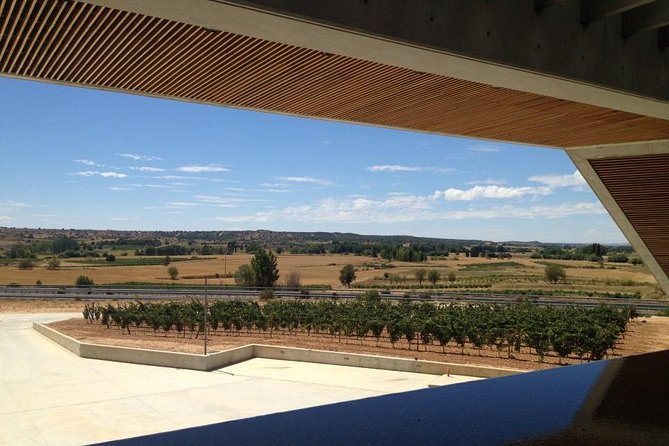
- Sotillo de la Ribera: modern winery architecture paired with smaller production
- Curiel de Duero underground cellar: the 4-mile tunnel world
- Lunch break in Roa: taste Castilian food without a set menu
- The Ribera drive segments: scenic time plus structured flow
- What the tastings actually mean for your palate
- Price and value: what $223.82 buys you in Ribera del Duero
- Who should book this tour
- Should you book the Ribera del Duero Wineries Guided Tour from Madrid?
- FAQ
- Where is the meeting point in Madrid?
- What time does the tour start, and how long will it take?
- Is the tour offered in English?
- How many wineries are visited, and how much wine is tasted?
- What transport is included?
- Are snacks included during tastings?
- Is lunch included in the tour price?
- Can children join the tour?
- What is the minimum age for tasting wine?
- What should I bring for the cellar visits?
- Can I cancel for a full refund?
- What happens if the tour doesn’t meet the minimum number of participants?
Key highlights worth planning around
- Three winery stops with structured tastings: you’ll taste at least three wines at each place.
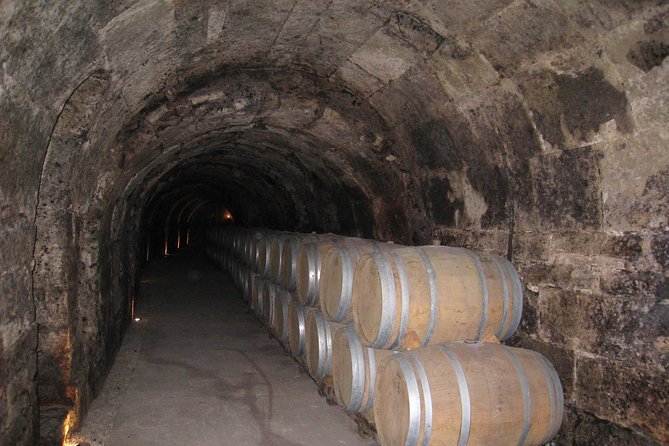
- Curiel de Duero’s medieval underground cellar: tunnels about 4 miles long and excavated roughly 40 feet deep.
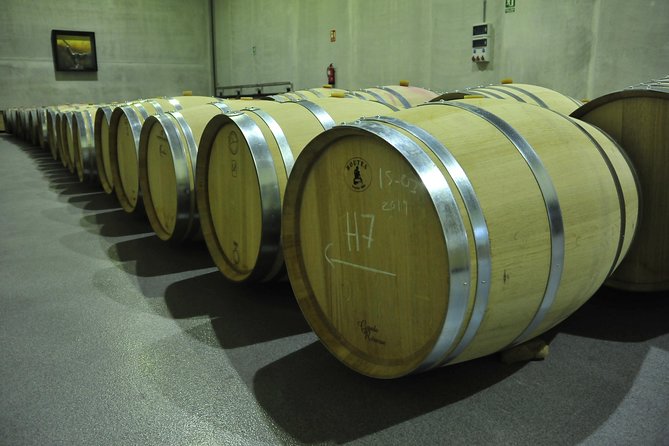
- Tradition plus modern winery architecture: you’ll see both classic cellars and newer design integrated with vineyards.
- Small group feel (max 20): enough people for energy, not enough to turn it into a factory tour.
- Snacks provided during tastings: crackers, cheese, salami, and enough food so you’re not tasting on an empty stomach.
- Bilingual guidance in English/Spanish: past departures show guides like Ismael, Antonio, Alfonso, Muna, Mina, and CoSmin bringing the region to life.
Ribera del Duero day trip: why this Tempranillo road is different
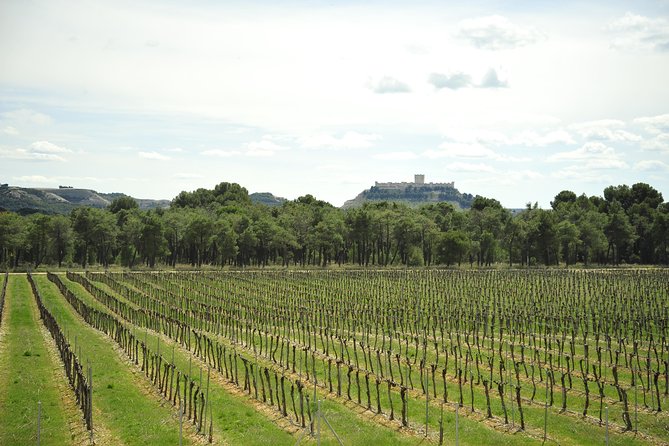
Ribera del Duero is one of Spain’s big-name red wine regions for a reason. It’s centered on Tempranillo grapes, and the wine here tends to be full-bodied, fruit-forward, and built to age. The region sits about two hours from Madrid, so you’re far enough to feel like you escaped the city, but not so far that the day collapses.
What makes this tour feel practical is the balance: you spend time learning and tasting, but you also get the sense of the region’s identity—family wineries, changing techniques, and production shaped by the weather and the landscape (literal vineyards, plus the human work behind them). It’s a day trip designed for wine lovers and for people who want to understand what they’re drinking.
The tour is listed for about 10–11 hours depending on Madrid traffic. That means you should treat it like a whole-day commitment: good breakfast, comfy clothes, and a game plan for timing your day in Madrid afterward.
You can also read our reviews of more food & drink experiences in Madrid



Meeting at Claridge and beating the clock in Madrid
This tour starts at Plaza del Conde de Casal, 6, at the front door of the cafeteria of Hotel Claridge, next to the main entrance. The closest metro is Conde de Casal (Line 6).
Here’s the un-fun part: the operator asks you to be on time, and they mean it. Madrid travel times from maps can under-shoot reality. I’d plan on 10–20 minutes extra just to get your bearings and reach the door before the group boards.
One more local detail that matters: the cafeteria facilities at Claridge are only allowed for customers, so don’t assume you can arrive early and hang out there unless you’re using it appropriately. If you’re thinking of arriving late and catching up, you can join at the first stop, but any extra cost to do that is on you.
Three winery visits: how the day stays interesting
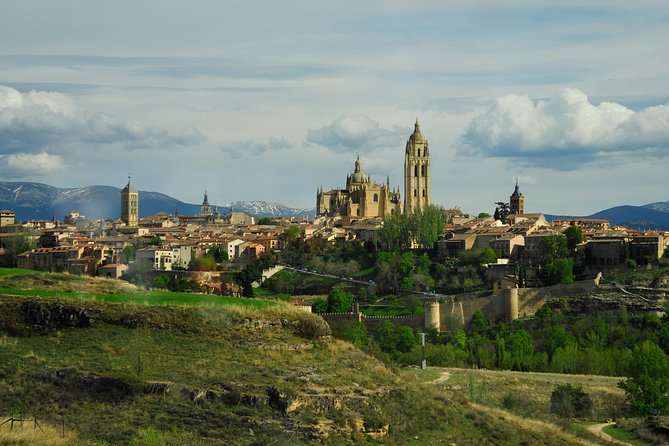
The tour’s smartest move is the selection approach: you’re not stuck with one type of winery all day. Instead, you’ll visit three wineries that show different sides of Ribera del Duero—traditional production, modern architecture, and a truly historic setting underground.
Also, the order of wineries and the exact locations can change depending on the day. That’s normal in wine tourism, where appointments and access depend on the cellar schedule and the day’s production needs. The good news: the core promise stays the same—three visits, guided tastings, and enough time at each stop to absorb what you’re seeing.
Across the day, the tasting setup keeps things user-friendly. You’ll have snacks at the wineries, and there’s a note that there will be enough food so you’re not drinking on an empty stomach. I like this detail because it keeps your focus on what the wines are doing, not on how your stomach is doing.
Aranda de Duero winery stop: from the grape to aged bottles
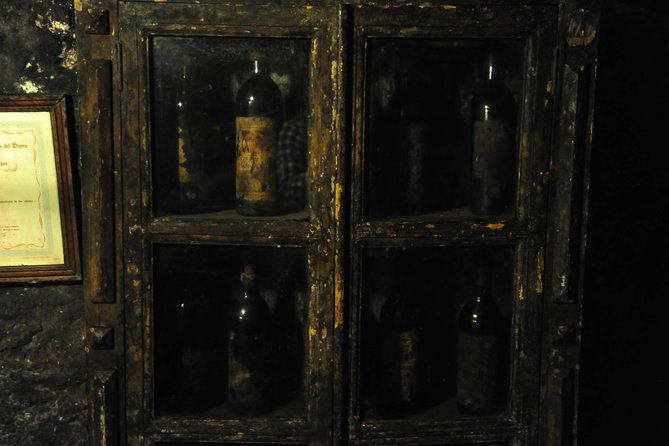
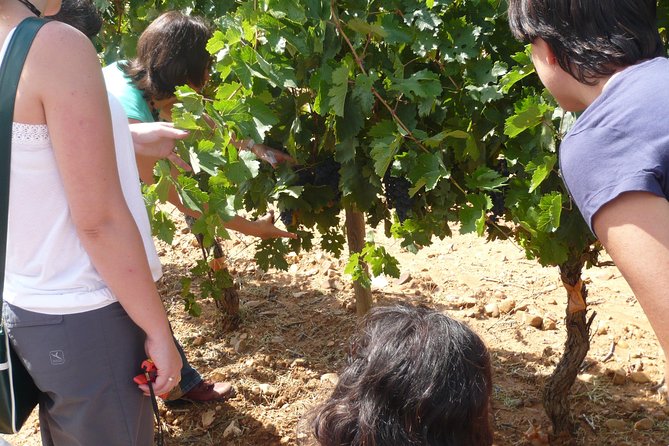
One of your winery visits happens around Aranda de Duero. This stop is designed as a full winemaking education moment, starting from the grape to the bottle. You’ll learn how Tempranillo is treated through the process, and why the same region can produce wines with different styles and levels of aging.
Tasting-wise, this is where you’re usually meant to experience the contrast between youth and age. The tour description emphasizes freshness and elegance in the aged wines here. Translation: you should expect both fruit and structure, not just one-note “red wine taste.”
Practically, this stop lasts about 1 hour 30 minutes, which is long enough for a real cellar conversation and short enough that you’re not dragging through a marathon. If you’re new to Spanish wine, this is the stop where you’ll pick up the vocabulary that makes the next wineries easier to understand.
Sotillo de la Ribera: modern winery architecture paired with smaller production
Another winery stop is in Sotillo de la Ribera, and the theme is modern design working with the vineyards. The description calls it harmonious modernity with the environment—spaces that connect interior and exterior, with architecture meant to function alongside nature and history.
You’re also told that the wineries selected aim to blend tradition and modernity, often with limited productions that can help the wines feel more expressive. That’s a good match for a guided day trip because it stops the experience from becoming repetitive: you can taste at one winery and then immediately compare how design, scale, and production choices show up in the glass.
This stop also runs about 1 hour 30 minutes. I like that timing because it’s enough for tasting and Q&A, but you still have time later to slow down in lunch and enjoy the drive back without feeling rushed.
You can also read our reviews of more guided tours in Madrid



Curiel de Duero underground cellar: the 4-mile tunnel world
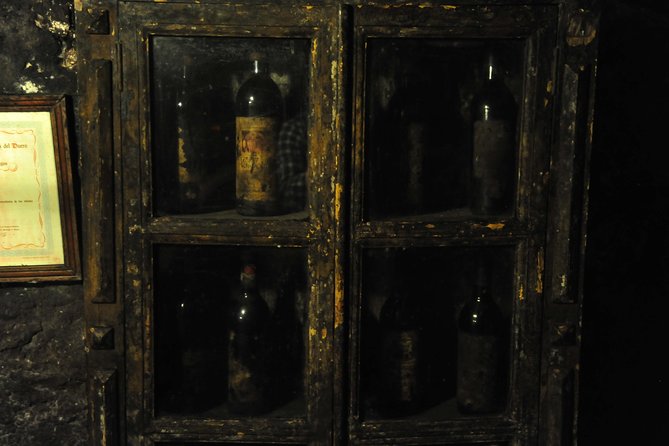
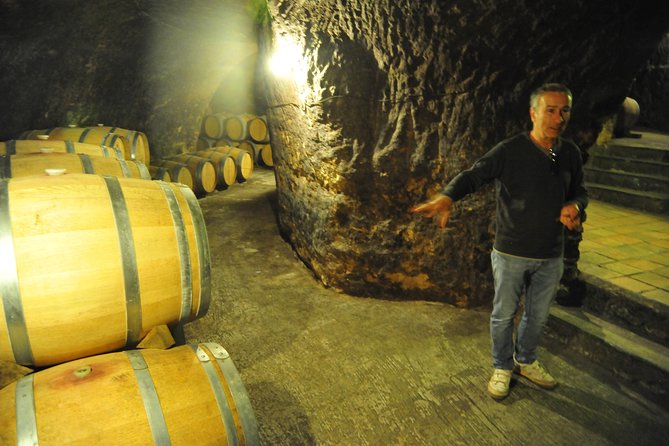
The standout historic stop is the winery in Curiel de Duero, famous for its medieval underground cellar network. This isn’t a cute little basement room. The cellar is described as about 4 miles long, with tunnels excavated around 40 feet deep, used for preserving wine made since the Middle Ages.
This is the moment where the tour stops being only educational and starts feeling cinematic. You’ll learn how this part of Ribera del Duero history affects what wine can survive and how it’s stored. Even if you’re not a history person, the physical setting does the teaching.
Inside cellars it can be a bit cold, and the tour explicitly recommends warm clothes. I’d pack a light layer even if the Madrid day starts warm. You’ll be glad you did when the tunnel air hits.
Lunch break in Roa: taste Castilian food without a set menu
In Roa, you get free time for lunch, and it’s not included in the tour price. That’s a nice freedom, because you can match the meal to your appetite and budget.
Typical options given are:
- Tapas around 12–15€
- A fuller 3-course meal around 30€
The point here is that the tour doesn’t trap you in one restaurant with one menu. You’re in a Castilian regional town setting, so choosing locally made food is the easiest way to keep the day feeling authentic.
I’d treat lunch as a recovery step too. After the tastings and the walking through cellars, you’ll enjoy sitting down and resetting your palate before the return drive.
The Ribera drive segments: scenic time plus structured flow
Between wineries, you get more than just transit. After leaving Madrid, you’ll have time in the Ribera del Duero area and then later a stretch that keeps the day moving toward the return to Madrid. The tour description frames this as a blend of traditional cuisine, heritage, and contrasting colors across the region, plus production methods and harsh conditions that shape vineyards.
During the return, you’re basically in relax-and-enjoy mode. The arrival back to Madrid is around 20:00, again depending on traffic. If you plan dinner in Madrid afterward, I’d aim for something flexible, not something with a strict reservation time.
One practical comfort detail: the van/coach is air-conditioned, which matters in summer. And with a max group size of 20 travelers, the ride tends to feel social but not crowded like some city tours.
What the tastings actually mean for your palate
The tour includes wine tasting at each winery, with a minimum of three wines per winery. With three winery visits, that’s at least nine wines over the day, plus snacks to keep you comfortable.
Why that matters: tasting “more” isn’t the goal. Learning is. Three wines per stop creates a mini-lesson at each place. You can compare style, aging approach, and how different production choices show up. By the third stop, you’ll start tasting with more intention instead of swirling and sipping on autopilot.
Also, the tour notes that there will be enough food in each winery so you won’t be drinking on an empty stomach. In practice, that kind of setup tends to make the whole day more pleasant—less fatigue, fewer headaches, and better conversations with the guide and winery staff.
Minimum tasting age is 18. If you’re booking for a mixed-age group, this matters because children under 12 cannot take part in the tour (unless it’s organized as a private option, which you’d need to contact the provider for).
Price and value: what $223.82 buys you in Ribera del Duero
At $223.82 per person, you’re paying for a full day that bundles a lot of costs together:
- Roundtrip transport from Madrid in an air-conditioned van or coach
- A local bilingual expert guide (English and Spanish)
- Three winery visits
- Wine tastings (minimum three wines each)
- Snacks during the tasting stops
Lunch is the main obvious extra. It’s free time for you to choose, and the tour gives budget ranges, so you can keep costs reasonable if you go for tapas.
Is it “expensive”? It’s not a cheap coffee-and-a-pastry day. But it’s also not just a bus ride. You’re paying for access and guided tasting time with winery staff, plus the organization that makes the schedule work in a region that isn’t set up like an easy hop-on day.
For people who want to learn and taste without building a DIY driving plan, this package format tends to feel fair. You’re basically buying one expert to handle timing, navigation, and explanation.
Who should book this tour
This is a great fit if:
- You want a guided Ribera del Duero day from Madrid without renting a car
- You’re interested in Tempranillo and how the region produces it
- You like a mix of winery types: traditional caves plus modern architecture
- You enjoy structure and clear stops more than wandering on your own
It’s less ideal if:
- You hate long days or don’t want to commit to a 9:15 start and late return
- You’re traveling with kids under 12, since they can’t join on standard tours
- You’re only interested in a quick tasting and want lots of downtime (lunch is free, but the rest of the day is packed)
Should you book the Ribera del Duero Wineries Guided Tour from Madrid?
If you’re on the fence, I’d book this if your priority is a proper winery day—three stops, guided tastings, and a historic cellar experience you’d struggle to recreate on your own in one day. The pricing makes more sense when you factor in transport, the guide, and the tasting access all rolled together.
If you want maximum flexibility—staying longer at one place, skipping the cellar, or building your own lunch schedule hour-by-hour—then you may prefer a more DIY-friendly approach. But if you want the Ribera del Duero highlights in one organized sweep, this one is built for that.
FAQ
Where is the meeting point in Madrid?
You’ll meet at Pl. del Conde de Casal, 6, at the front door of the cafeteria of Hotel Claridge, next to the main hotel door.
What time does the tour start, and how long will it take?
The tour starts at 9:15am and runs about 10–11 hours, depending on traffic.
Is the tour offered in English?
Yes. It’s offered in English, with bilingual support in English and Spanish.
How many wineries are visited, and how much wine is tasted?
You visit three wineries, and the tasting includes a minimum of three wines at each winery.
What transport is included?
Roundtrip travel from Madrid is included by air-conditioned van or coach.
Are snacks included during tastings?
Yes. The tour includes snacks, and there should be enough food at each winery so you’re not tasting on an empty stomach.
Is lunch included in the tour price?
No. Lunch is free time on your own in Roa, with no set menu. The tour provides budget guidance for tapas or a larger meal.
Can children join the tour?
Children under 12 cannot take part in the tour (unless you arrange a private tour). Children must be accompanied by an adult.
What is the minimum age for tasting wine?
The minimum age is 18 for tasting at the wineries.
What should I bring for the cellar visits?
Cellars can be cold, so it’s recommended to bring some warm clothes.
Can I cancel for a full refund?
Yes. You can cancel up to 24 hours in advance for a full refund.
What happens if the tour doesn’t meet the minimum number of participants?
The tour needs a minimum of 4 participants. If it’s canceled because of that, you’ll be offered an alternative or a full refund.