REVIEW · MADRID
Madrid: Historical Center 2.5-Hour Guided Walking Tour
Book on GetYourGuide →Operated by Babylon Tours Madrid · Bookable on GetYourGuide
Madrid’s center tells stories fast.
This 2 to 2.5-hour walk through Madrid’s historical core is a guided route built for quick context, with big-name landmarks and small plot twists about the people who shaped the city. I like that you get royal-era landmarks in one loop, and I also like that you end up at San Miguel Market to see everyday Madrid right after the court history.
One thing to keep in mind: some sights may be view-only from the outside, since security rules can limit interior visits.
In This Review
- Key things I’d watch for on this Madrid walking tour
- What you’re really getting in 2.5 hours
- A quick note on comfort and pace
- Starting in the old heart: getting your bearings around Plaza Mayor
- Santa Cruz Palace and the Baroque façade effect
- Practical consideration
- Casa de la Panadería: the Bakery House story you won’t forget
- Almudena Cathedral: seeing it up close without the pressure
- If you’re hoping for inside access
- The Habsburg-to-Bourbon thread: why rulers keep showing up
- The Royal Palace of Madrid: Europe’s largest working palace moment
- Nearby gardens that take the story further: Plaza de Oriente
- San Miguel Market: where the royal story meets real shopping
- Important reality check
- The world’s oldest restaurant: the short story stop that sparks curiosity
- Tour logistics that affect your experience (without the headache)
- Languages, private options, and whether the small-group limit matters
- Price and value: is $50 fair for this 2 to 2.5-hour walk?
- Who should book this Madrid walking tour
- Should you book it?
- FAQ
- How long is the Madrid Historical Center guided walking tour?
- What does the tour cost?
- What if my tour time is not listed?
- Where do I meet for the tour?
- How big is the group?
- Do small group tours have a minimum number of participants?
- Are private tours available?
- What languages are the guides?
- Are food and drinks included?
- What should I bring, and can I bring luggage?
Key things I’d watch for on this Madrid walking tour
- A small group feel: capped at 10 people, with private options if you want quieter pacing
- Plaza Mayor + Almudena Cathedral up close, with explanations that tie the streets together
- Casa de la Panadería’s bakery story and why it matters for Madrid’s tourist-day origins
- The Royal Palace and Plaza de Oriente gardens tied to Bourbon-era influence and Napoleon’s brother
- San Miguel Market for a real-time look at locals buying fresh produce
- A world-old restaurant stop for one of those Madrid facts you’ll keep repeating
What you’re really getting in 2.5 hours
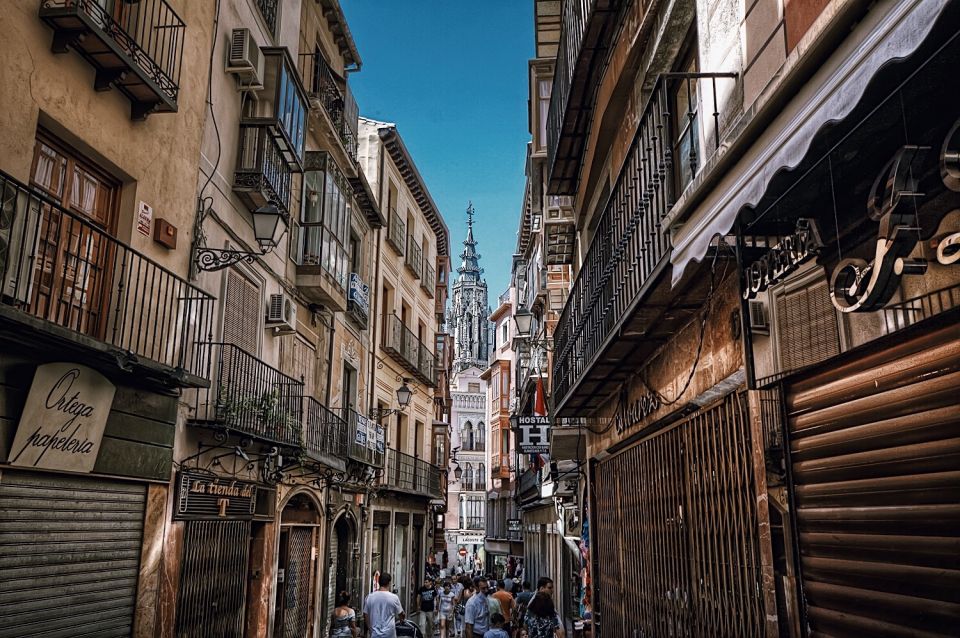
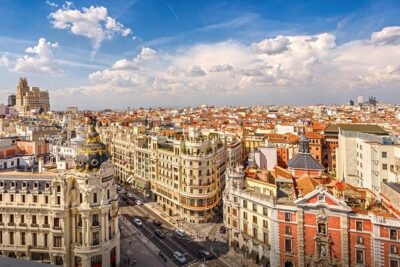
Madrid is spread out, but the historical center is the part that helps everything else click. This tour is designed for an easy first pass: you cover key squares, cathedral-area sights, and major royal symbolism without needing to plan anything on your own.
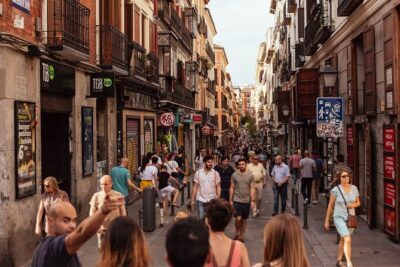
At $50 per person, you’re paying for one main thing: a local guide who can connect the “what” (buildings you recognize) with the “why” (the people and power shifts behind them). The route also works well if you want to walk, not just look—because the tour is paced for strolling medieval streets and reading the city like a map.
Group size matters here. Each tour allows a maximum of 10 people, which usually keeps questions from getting lost in the back. You can also book private, which is ideal if you’re traveling with teens, friends who want a slower rhythm, or anyone who prefers fewer interruptions.
You can also read our reviews of more walking tours in Madrid



A quick note on comfort and pace
The walking is moderate. It’s not a marathon, but it’s also not a sit-everywhere style tour. Bring comfy shoes, and if you use a wheelchair or have walking limitations, this one isn’t recommended; wheelchair-friendly tours are available on request.
Starting in the old heart: getting your bearings around Plaza Mayor
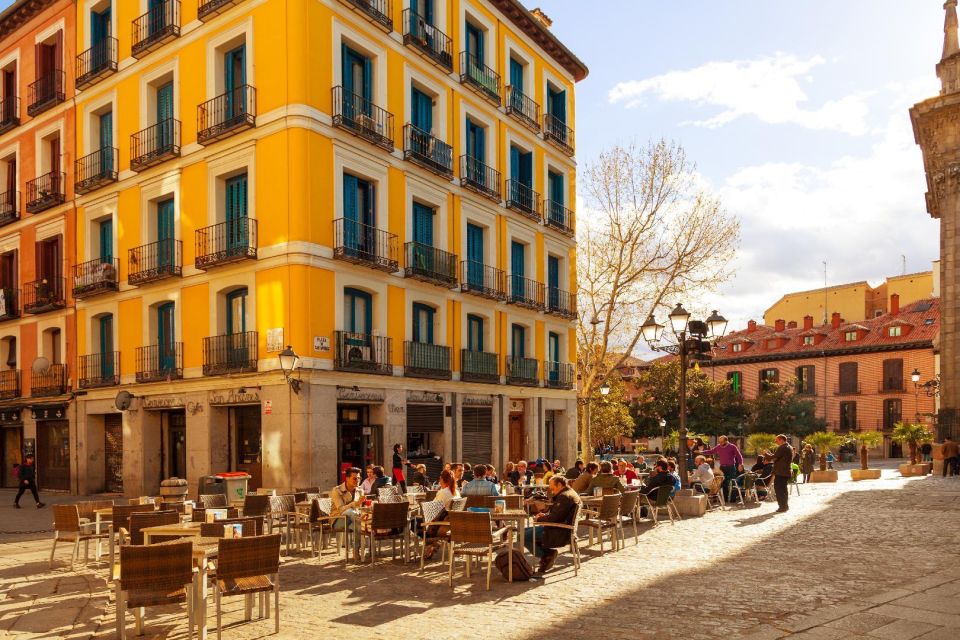
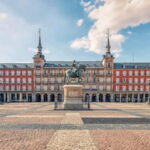
Plaza Mayor is the kind of place that makes you understand why Madrid feels like a real stage set. On this walk, you’ll visit the square’s monuments and spend time tying them to the centuries when Madrid grew into a power center.
What I like about this stop is the way it acts like a hub. Once you understand what Plaza Mayor represented, the rest of the route makes more sense: streets, palaces, and religious buildings all start reading like pieces of one political story. You’ll also get the practical benefit of orientation—after this, Madrid’s center stops feeling like a maze.
Plaza Mayor is also visually memorable, and it’s a good moment to reset your focus. If you’re the type who likes photos, take them here and then move on quickly. You’ll appreciate the smaller streets more once you’re not trying to compete with the square’s scale.
Santa Cruz Palace and the Baroque façade effect
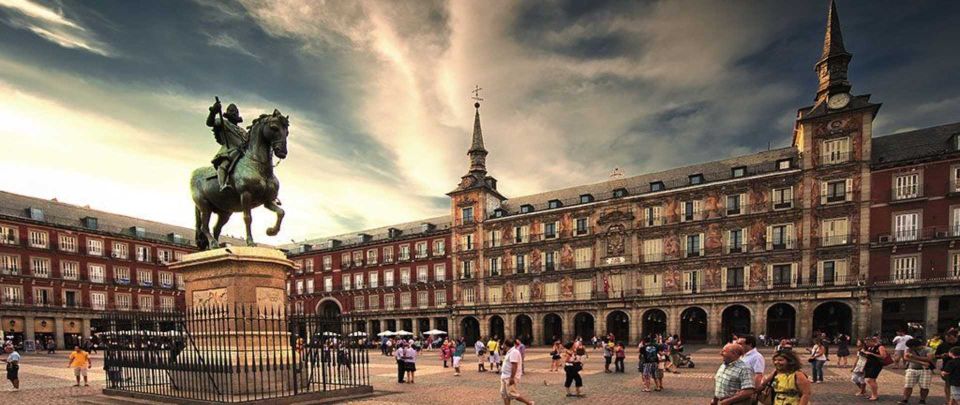
From the big square energy, the tour shifts into architecture details—specifically the Baroque façade of Santa Cruz Palace. This is a good stop if you’re curious about how Madrid’s look changed over time and how government power showed up in stone.
Even if you only catch it from the street, this kind of façade explanation matters. It helps you see beyond “pretty building” and start noticing how style, symmetry, and ornamentation were used to signal authority.
Practical consideration
You won’t be treating this like a museum visit. Some locations can’t be accessed from the inside due to security measures, so plan to enjoy the exterior views and the stories your guide provides.
You can also read our reviews of more guided tours in Madrid



Casa de la Panadería: the Bakery House story you won’t forget
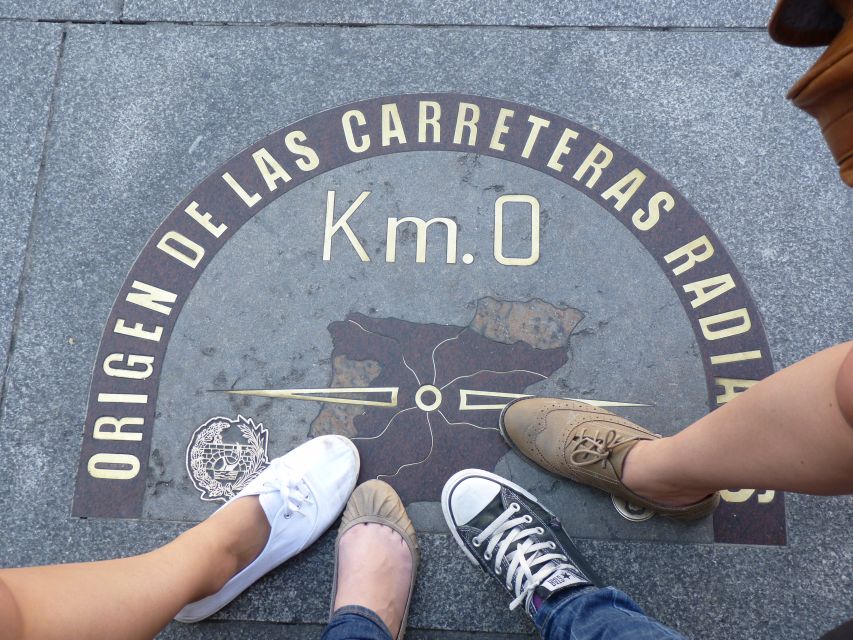
Then comes one of those Madrid details that makes the city feel oddly personal: Casa de la Panadería, where the story includes why it’s known as the Bakery House and how that connects to today’s tourist focus.
This stop is valuable because it breaks the pattern of royal and religious landmarks. It reminds you that Madrid wasn’t just ruled—it was fed, run, and lived in. When a guide connects a building to everyday economics (bakery life, city supply chains, and public space), the historical center stops being only about kings.
If you like learning weird facts you can actually use later, this is the kind of stop that sticks. It’s short, but it adds personality to the whole walk.
Almudena Cathedral: seeing it up close without the pressure
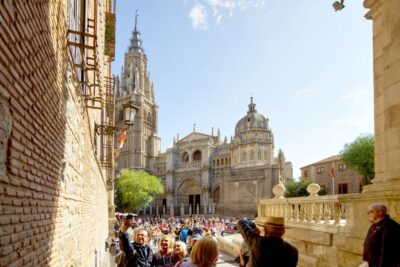
Next is Almudena Cathedral, and you’ll see it from close range as part of the central route. This is a strong “anchor” sight because a cathedral in a city like Madrid often sits at a crossroads of power, belief, and civic identity.
I appreciate that the tour doesn’t force you to do cathedral homework. Instead, you get the chance to look carefully, then hear the guide’s explanation in a way that fits the flow of the streets around it.
If you’re hoping for inside access
Just keep your expectations realistic. Security rules can limit interior access at some attractions. So this tour is best for people who are happy with an exterior-focused experience paired with solid commentary.
The Habsburg-to-Bourbon thread: why rulers keep showing up
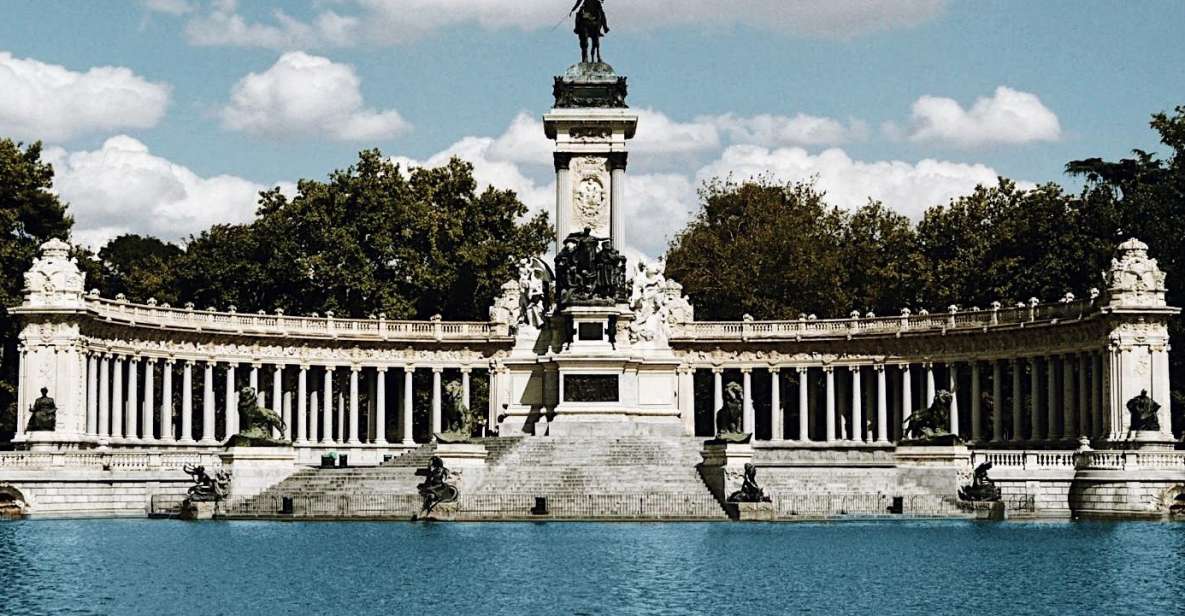
At this point, the tour starts doing its real job: connecting landmarks to shifting rule. You’ll learn about the Habsburg rulers of the 16th and 17th centuries, and then move into the Bourbon history of the city.
What you’ll get from this isn’t a textbook. It’s more useful than that: context that makes the buildings feel like they have reasons to exist. Madrid’s royal and religious monuments don’t sit there randomly. They reflect who had power, how they wanted the city to look, and what they wanted citizens to feel when they walked through public space.
If you’re visiting Madrid for the first time, this kind of political timeline helps you pick up other sights later on your own. You’ll spot patterns faster, and you’ll know what to ask when something catches your eye.
The Royal Palace of Madrid: Europe’s largest working palace moment
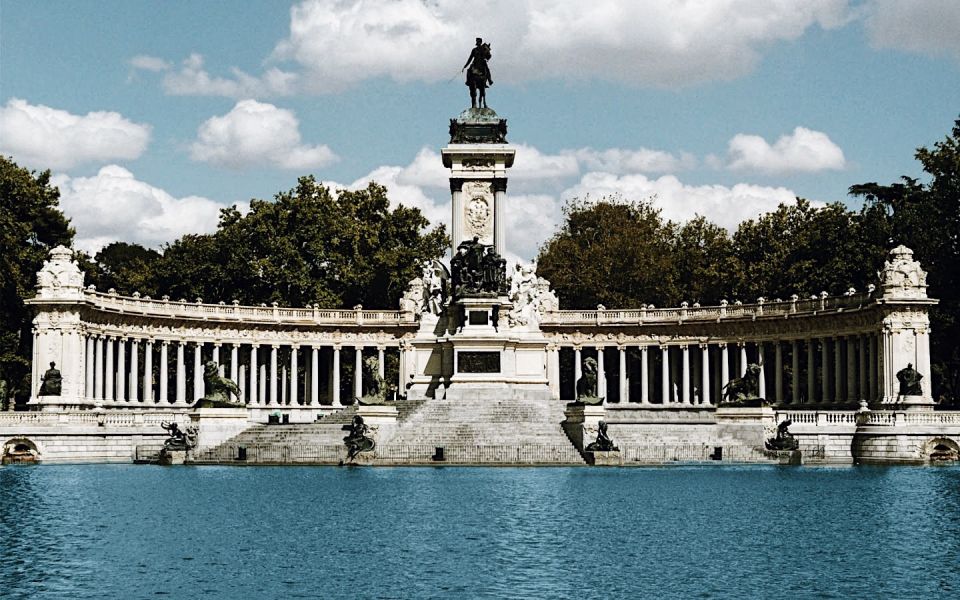
The Royal Palace is a major payoff on this tour, described as the largest working royal palace in Europe. Even if you only take it in from outside, the explanation helps you understand why this is such a heavy-hitter stop on Madrid’s center loop.
This is also where the guide ties back to the Bourbon story—so the architecture isn’t just impressive, it’s connected to a particular era of influence and image-making. The palace’s scale is the kind of thing you feel even before you get close, and the guide’s context turns that “wow” into something you can explain.
Nearby gardens that take the story further: Plaza de Oriente
Right around this royal zone, you’ll see the gardens of Plaza de Oriente, which are designed by Napoleon’s brother. This detail is fun because it adds an unexpected cross-border flavor to Madrid’s look.
It also gives your legs a breather. Gardens aren’t just decorative; they show how rulers and planners shaped space for strolling, display, and prestige. When your guide links these gardens to a specific person tied to Napoleon’s circle, the scenery feels more intentional.
San Miguel Market: where the royal story meets real shopping
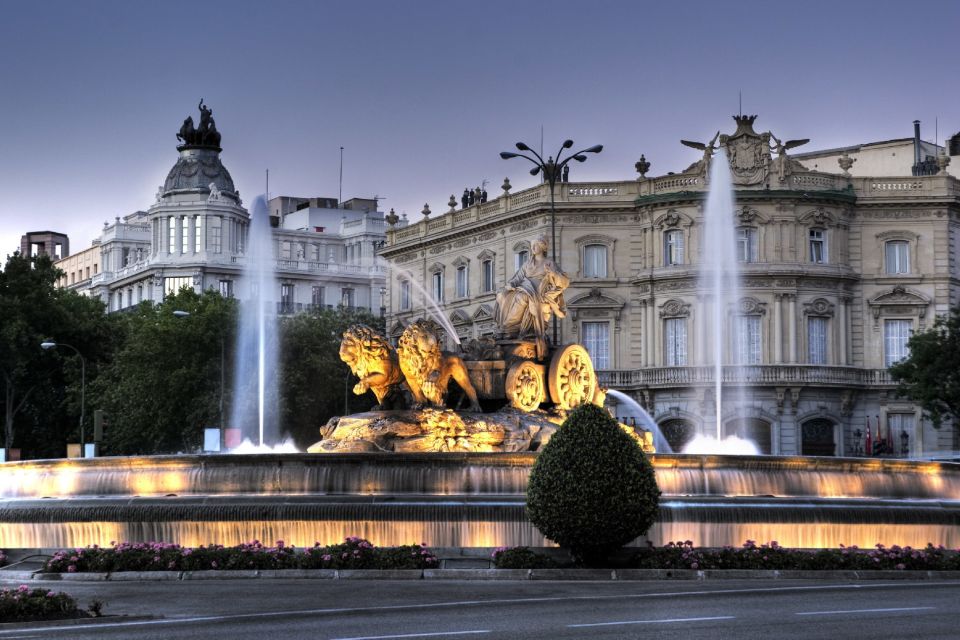
After all the power narratives, the walk turns practical at San Miguel Market. You’ll watch how locals go about everyday life and focus on the market’s fresh produce.
This stop is one of the best “reset points” on the route. The guide helps you shift gears from historical interpretation to real-world Madrid. Even if you don’t buy anything, you’ll learn how to read a lively market: what’s selling, how people move, and what the place feels like at street level.
Important reality check
Food and drinks are not included. That’s fine, because it keeps the experience flexible. If you want snacks, you can decide based on what looks best to you in the moment.
The world’s oldest restaurant: the short story stop that sparks curiosity
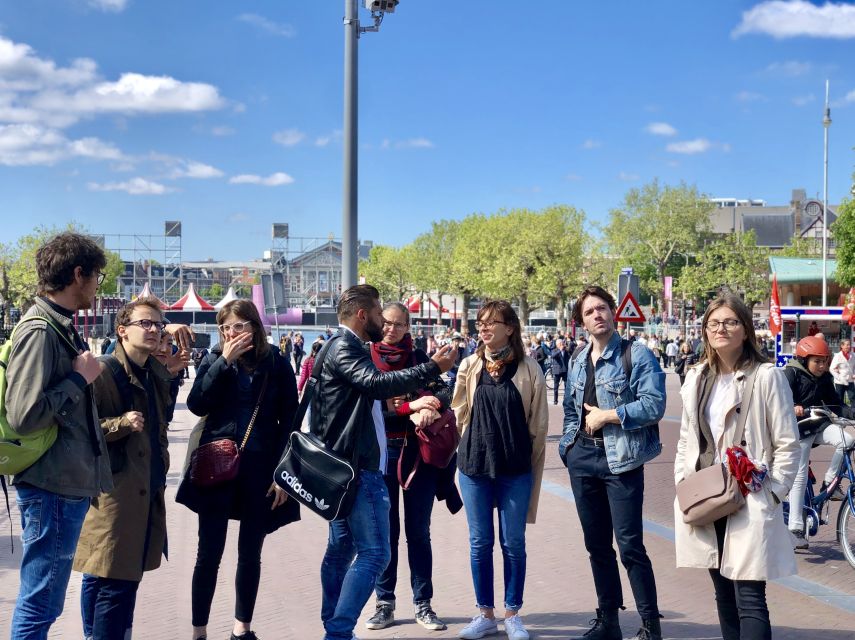
Another highlight on the route is the site connected to the world’s oldest restaurant. It’s likely the kind of stop that sounds like trivia at first, but in a guided walk it works because it connects to the idea of Madrid as a long-running city of public life.
This is a good moment for your guide to make the point: a city’s reputation isn’t only built by palaces. It’s also built by repeat experiences—restaurants, gatherings, and routines that keep people coming back.
Tour logistics that affect your experience (without the headache)
This is a walking tour, and the small things can change the vibe.
- Meeting point varies depending on what option you book, so double-check your confirmation before you head out.
- No large bags or luggage are allowed. If you’re traveling with a big suitcase, plan a different day for a city-center walking experience.
- Some attractions may not be visited from the inside because of security measures.
- Route adjustments can happen during national celebrations. You’ll still cover most attractions, but the operator doesn’t provide refunds or discounts for those changes.
If you hate delays and detours, it helps to think of this as a guided orientation through core sights, not a guaranteed checklist of indoor stops.
Languages, private options, and whether the small-group limit matters
The guide languages offered are Italian, French, English, and Spanish. That matters more than you might think. In a tour built on storytelling, language quality directly impacts how much you take away.
Group size is also a real factor. A maximum of 10 people keeps things conversational. For small groups, the tour won’t run without a minimum of 3 participants, with an alternative date or a full refund offered if it doesn’t meet that minimum. Private tours avoid minimums and can be easier if your schedule is tight.
If you’re traveling with someone who asks lots of questions, a private option can be a better fit. If you’re comfortable in a shared group and want the friendly atmosphere, the small-group format is usually a sweet spot.
Price and value: is $50 fair for this 2 to 2.5-hour walk?
At $50 per person for a 2 to 2.5-hour guided walk, the value comes from what you’re buying: a local guide, a structured route, and a tight narrative that covers major sights without you doing the organizing.
Here’s how I’d judge it for my trip:
- If you’re a history-focused first-timer, this is strong value because you’ll connect Plaza Mayor, Almudena Cathedral, royal power, and market life in a single session.
- If you’d rather wander with no plan and no commentary, you might feel the price isn’t worth it. Self-guided Madrid center walks can be fun too, but you’d need to supply the context yourself.
- If you want a low-stress orientation before jumping into museums or neighborhoods later, paying for a guide at the start usually saves you time and confusion.
Also, because it’s only about 2.5 hours, it’s easy to fit into a day without turning your itinerary into a full-time job.
Who should book this Madrid walking tour
This one fits best if you:
- Want a fast orientation to Madrid’s historical center
- Like guided storytelling that ties buildings to specific eras and rulers
- Enjoy pairing big landmarks with street-level life at a market
- Prefer small groups (or want private if you value quieter pacing)
You might want to skip or switch tours if you:
- Need wheelchair-friendly routing on the day you travel (wheelchair-friendly tours are available only on request)
- Can’t manage a moderate amount of walking
- Expect lots of interior access at major monuments
- Travel with large luggage
Should you book it?
I’d book this tour if you want Madrid’s center to make sense quickly. It’s a smart mix: Plaza Mayor energy, cathedral-area viewpoints, royal-era landmarks, and the human scale of San Miguel Market. The stories around Habsburg and Bourbon eras are the glue that ties it together, and the route includes enough variety that it doesn’t feel like you’re repeating the same type of sight for hours.
I’d pass if your ideal day is mostly inside sites, heavy museum time, or minimal walking. This is built for streets, façades, and guided context—excellent for that purpose.
One more small note: past customer feedback tied to Babylon Tours Madrid has mentioned tapas and wine experiences as a standout. If you’re the type who likes food to be part of the day, you may enjoy pairing this walk with one of their other food-focused options later.
FAQ
How long is the Madrid Historical Center guided walking tour?
It runs for about 2 to 2.5 hours.
What does the tour cost?
The price is $50 per person.
What if my tour time is not listed?
Starting times vary, so you’ll need to check availability to see the specific departure options.
Where do I meet for the tour?
The meeting point may vary depending on the option booked, and you’ll start and end back at the meeting point.
How big is the group?
A maximum of 10 people are permitted on each tour.
Do small group tours have a minimum number of participants?
Yes. The small group tour will not run without a minimum of 3 participants, and you’ll be offered an alternative date or a full refund if it doesn’t meet that number.
Are private tours available?
Yes, private group tours are available.
What languages are the guides?
Guides are available in Italian, French, English, and Spanish.
Are food and drinks included?
No. Food and drinks are not included.
What should I bring, and can I bring luggage?
Bring a passport or ID card, wear comfortable shoes, and bring a bottle of water (and an umbrella hat in suitable weather). Large bags or luggage are not allowed.