REVIEW · MADRID
Reina Sofía Museum guided tour with ticket and skip the line
Book on GetYourGuide →Operated by madzguía freelance · Bookable on GetYourGuide
Big museum, smart route. A small-group Reina Sofía tour helps you get oriented and see the key art without drowning in rooms. You’ll get a timed, guided pass through Spanish contemporary and modern masters, then you’re free to wander at your pace afterward.
I love the skip-the-line setup. It takes the edge off the busiest days so you can spend your energy on art, not waiting. I also love the small group size, which makes it easier to ask questions and actually follow the story of Cubism, Surrealism, and 1930s-era work.
One possible drawback: the Reina Sofía is huge, and the tour is only 2 hours. You’ll see the main highlights, but you won’t get to every single room—so you’ll want a plan for what to revisit on your own.
In This Review
- Key things to know before you go
- Reina Sofía in Madrid: why the building is half the experience
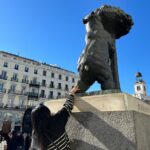
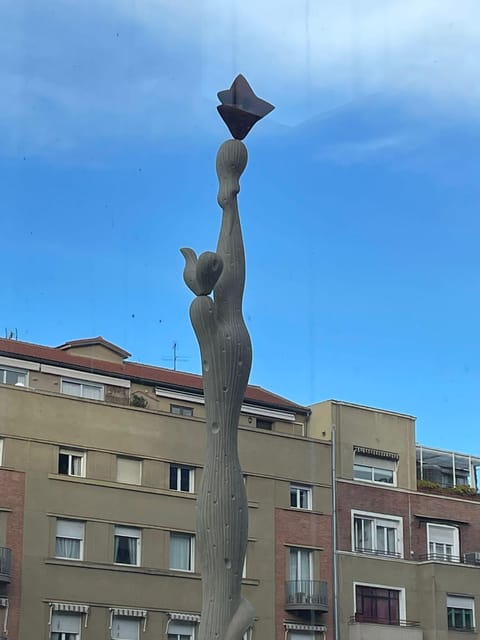
- The meeting spot: finding your guide near El pueblo español
- Skip-the-line entry: faster start, same museum wonder
- The two-hour plan: how the tour keeps 20th-century art understandable
- What you’ll see: Surrealism, Cubism, and 1930s-era Spanish art
- After the guide: self-guided time with no time limit
- Temporary exhibitions: use them like bonus chapters
- Guides matter: Loreta, Cristiana, and Rubén set the tone
- Price and value: when $55 makes sense
- Who this tour fits best (and who might skip it)
- Should you book this Reina Sofía skip-the-line tour?
- FAQ
- How long is the Reina Sofía guided tour?
- What’s included in the price?
- Does this tour skip the ticket line?
- Where is the meeting point?
- What languages is the guide speaking?
- Is the tour wheelchair accessible?
- Is food or drink included?
- What should I bring?
Key things to know before you go
- Skip-the-line access through group entry, with a chance of a queue on peak days
- Small group (up to 8 people) for better pacing and questions
- Chronological approach, even though art movements overlap on the same dates
- Focused selections first, then self-guided time afterward with no time limit
- Two modern-Madrid flavors: Spanish 20th-century art plus temporary exhibitions
- Meeting point is precise: close to the statue El pueblo español tiene un camino (watch for a blue umbrella)
Reina Sofía in Madrid: why the building is half the experience
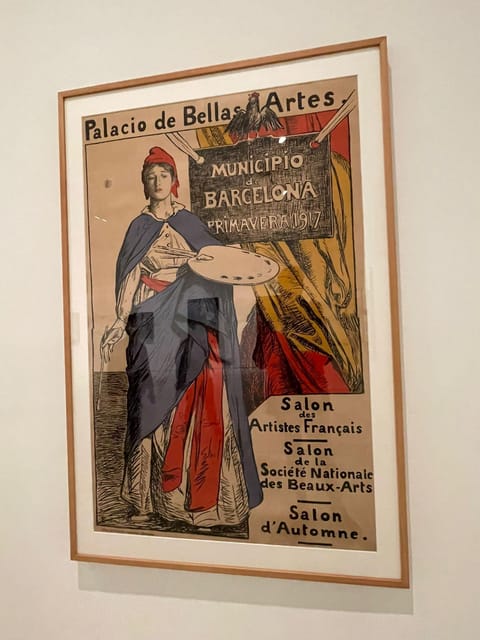
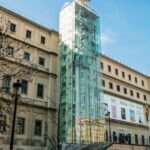
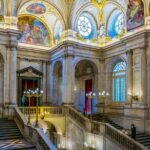
The Reina Sofía doesn’t feel like a polite, tidy museum. It feels like a whole world you step into. That’s partly because it’s housed in the old General Hospital complex, designed in the era of King Charles III. The result is a big, sprawly space—lots of corridors, open stairways, and rooms that can make you lose your bearings if you go in cold.
That’s exactly where a guided route helps. Instead of bouncing randomly between floors, you get a human-sized path through the collection that runs from late 19th century work through much of the 20th. The tour is designed to help you connect movements over time—because in this museum, art history isn’t organized neatly like a school timeline. Surrealism, Cubism, and later 1930s developments can share the same dates, and a guide’s job is to keep the overlaps from turning into a blur.
You also get the bonus of knowing you can slow down after the tour. The museum isn’t only galleries. There are gardens too, so if you need a breather from walls of paintings and sculptures, you can step out and reset your head.
You can also read our reviews of more tours and experiences in Madrid


The meeting spot: finding your guide near El pueblo español
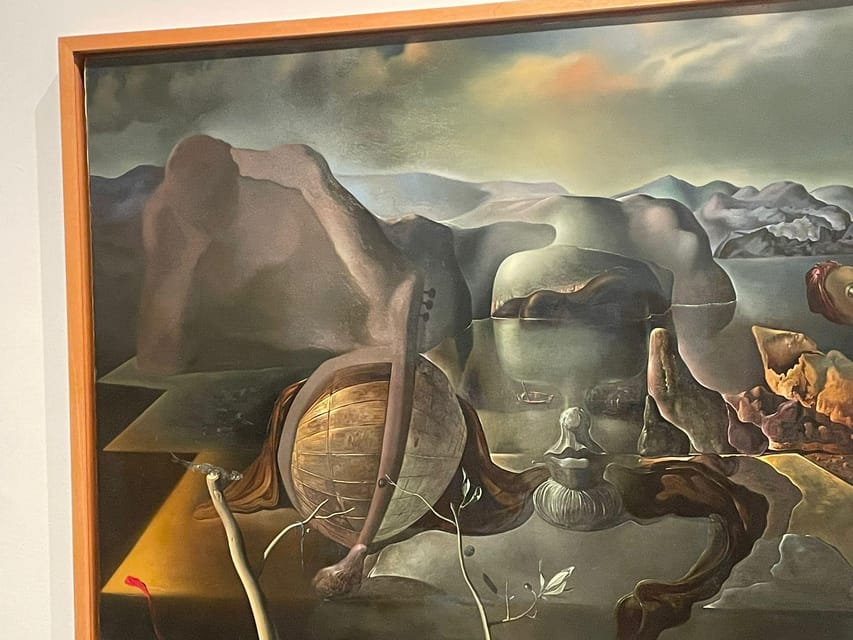
You’ll meet close to the statue El pueblo español tiene un camino. It’s an easy visual landmark, and the guide will be holding a blue umbrella with a tour guide license. That little detail matters more than you’d think on a busy museum morning, because the Reina Sofía area can feel crowded and full of directions.
If you’re the kind of person who hates being rushed, show up a bit early. The tour is only two hours, and the group moves on a guided tempo. Being prompt keeps the day from turning into a scramble.
Skip-the-line entry: faster start, same museum wonder
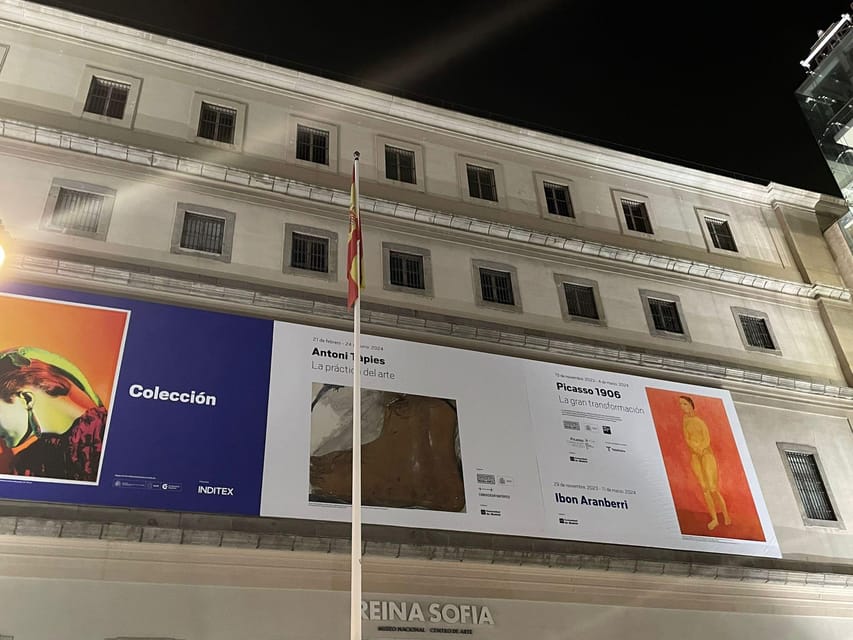
This tour includes a museum ticket and skip-the-line entry. The access is through group entry, so you avoid the main queue. On the busiest days—Saturdays, Sundays, holidays—there can still be a queue at the group entrance. That’s not the guide’s fault; it’s just the museum’s reality when crowds stack up.
The upside is still meaningful. Instead of spending your arrival time watching other people shuffle, you get moving into the collection. And once you’re inside, the clock starts to matter less—because you’ll be following a plan for seeing the most important works first.
The two-hour plan: how the tour keeps 20th-century art understandable
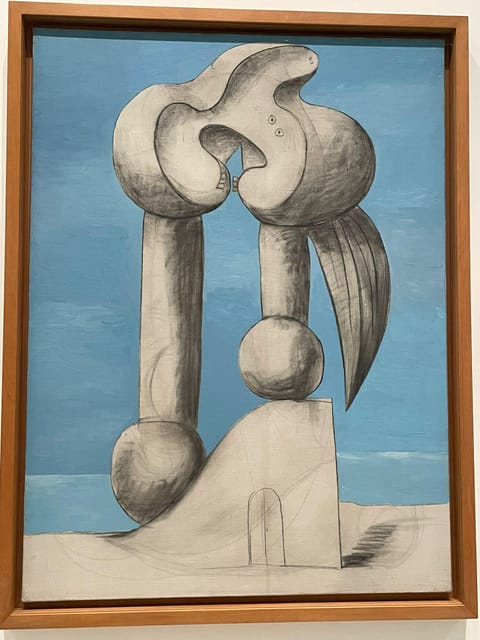
The tour is built around selected major works and tries to follow a chronological order. In practice, that means you’re walking through time, but not as a straight line. When different movements overlap, your guide helps you see how they relate—style changes, themes shift, and the meaning of one piece starts to click after you’ve heard how it fits into the wider story.
Two hours sounds short until you realize what you’re packing in: the Reina Sofía’s collection covers late 19th through much of the 20th century, and the museum is visually intense. A guided pace helps you catch the patterns:
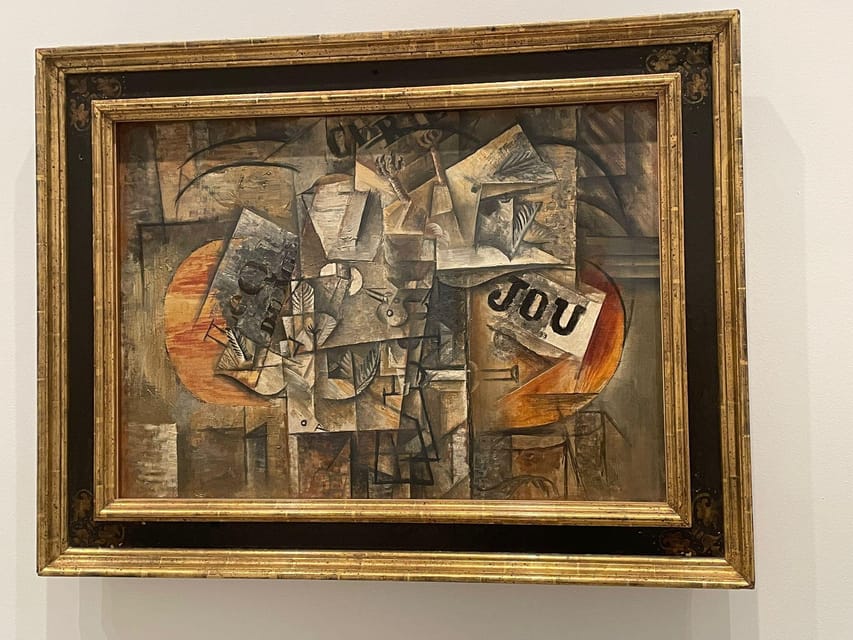
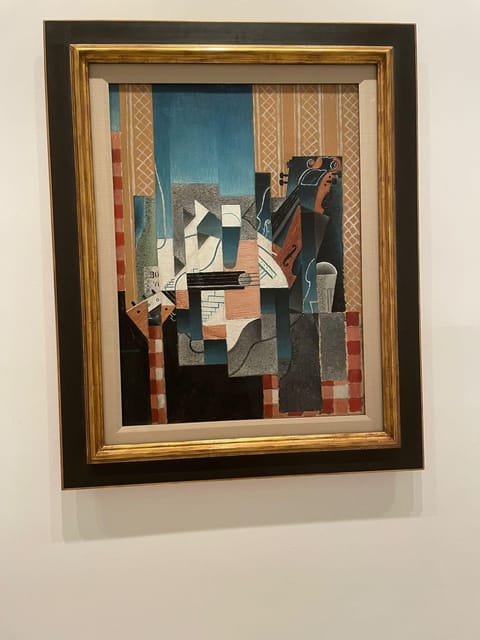
- how Cubist approaches break forms into angles and structure
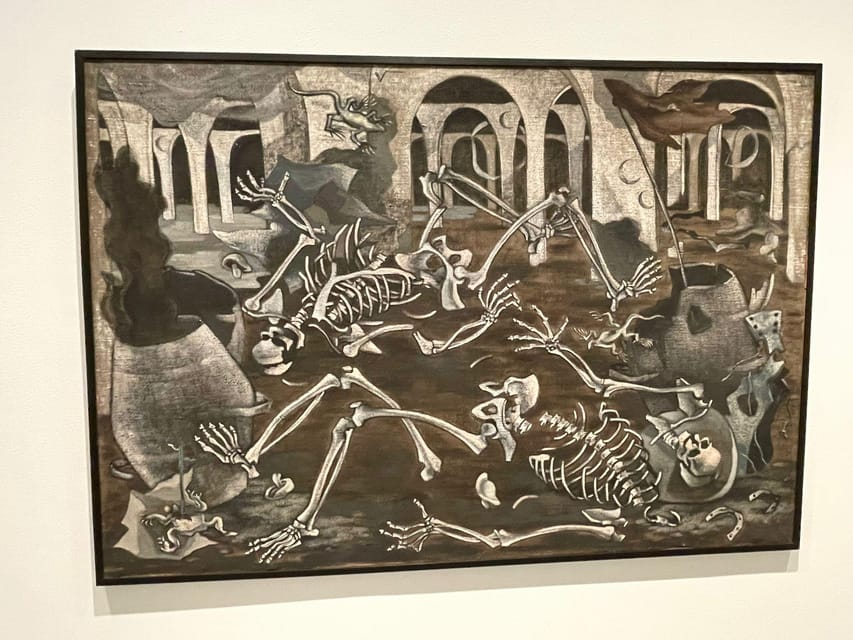
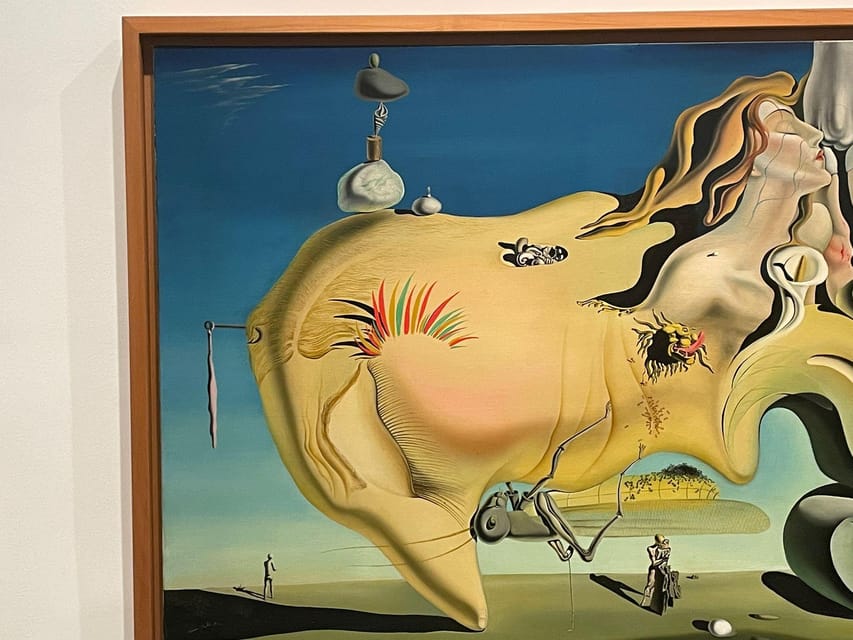
- how Surrealism leans into dream logic and unsettling symbols
- how 1930s-era art carries political and emotional weight
The tour doesn’t try to make you an art historian by the end. It gives you anchors: a set of key works and explanations you can remember later when you roam the galleries.
What you’ll see: Surrealism, Cubism, and 1930s-era Spanish art
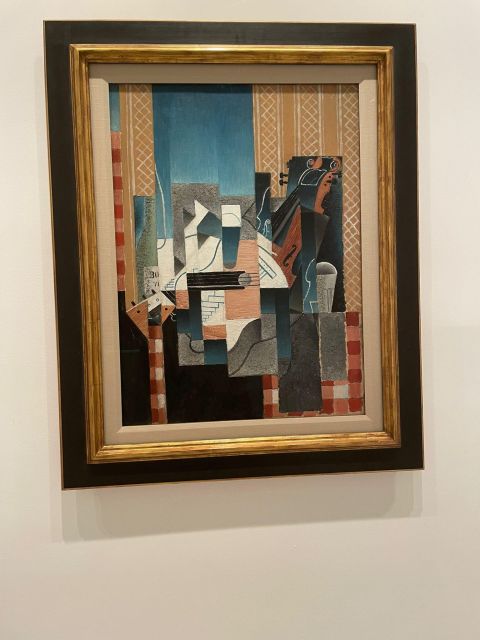
The main focus is on the museum’s big strengths: Surrealism, Cubism, and art from the 1930s. Along the way, you might also notice expressionist and abstract works in the mix, depending on how the guide sequences the highlights.
If you’re coming to Madrid for modern Spanish art, you’re in the right building. The collection connects some of the most famous names people associate with Spain—Dalí and Picasso are commonly top-of-mind. Even if you don’t know their work well, the guide’s job is to translate what you’re seeing into something you can follow: what’s going on, why it matters, and what to pay attention to next.
And here’s the practical benefit: you’ll know what to hunt for after the tour. The group pass is the map, not the whole journey. Once you’ve seen the “main storyline” works, it’s easier to wander with intention rather than just collecting random impressions.
You can also read our reviews of more guided tours in Madrid



After the guide: self-guided time with no time limit
One of the best parts of this format is what happens after the guided portion. You’ll have time to visit additional works you want to see, freely and without a time limit. That means you’re not stuck feeling like you have to rush for the next thing.
This is where the tour becomes extra valuable. If the guide points out details you never would’ve noticed—symbols, composition choices, historical context—you can return to the works and look again with smarter eyes. Even if you don’t revisit, the guided explanations make it easier to understand what you’re seeing in the rooms you explore on your own.
Temporary exhibitions: use them like bonus chapters
The Reina Sofía also rotates temporary exhibitions on different floors. Your guided selection focuses on major collection highlights, but the museum’s temporary shows mean you can add extra themes to your day once you’re done with the main route.
Because time is limited, treat temporary exhibitions like bonus chapters. If one interests you, plan to prioritize it during your self-guided time. If you feel overloaded by too many images, skip them and return to the core movement rooms the guide highlighted. Either choice is valid—modern art tours can go either way depending on your attention span.
Guides matter: Loreta, Cristiana, and Rubén set the tone
The quality of this tour really comes down to the guide, and the standout theme in the experience is how well guides explain and how quickly they adapt when plans shift.
I saw multiple mentions of guides who were engaging and prepared, with plenty of useful context and anecdotes. Loreta, for example, is described as very friendly and involved, with clear explanations. There was also a situation where an appointment had to be rescheduled because of overbooking, and the support came quickly from Rubén—so if your timing is tight, the tour operator’s problem-solving seems to be part of the package.
Cristiana is repeatedly praised for being well prepared and skilled at making the tour interesting, including life-related anecdotes about artists. That storytelling angle matters for the Reina Sofía because a lot of the art is easier to understand when you know the emotional and historical pressures behind it.
And Rubén gets high marks for information and a warm, dynamic style. In a museum this big, the difference between a good talk and a great talk is whether you leave the first rooms feeling lost or feeling oriented.
Price and value: when $55 makes sense
At $55 per person for a 2-hour guided visit with a ticket and skip-the-line access, you’re paying for three things:
1) saved time at the entrance,
2) a human guide to organize the art story,
3) a small group so the experience doesn’t feel like a conveyor belt.
If you’re the type who enjoys museums but gets overwhelmed by size, that guide time is the real value. Without a plan, Reina Sofía can turn into a rushed scan of masterpieces you half-understand. With the guided start and the chronological framing, you’re far more likely to remember what you saw and to know what to revisit afterward.
If you’re already an expert and you prefer total self-control, you might spend less by booking only a ticket. But if you want Madrid modern art to make sense quickly—and you want a smoother arrival—this price can be fair.
One small note: the tour doesn’t include food or drink. If you’re doing this midday, plan a meal or snack nearby before or after.
Who this tour fits best (and who might skip it)
This tour is a strong match if you:
- want a guided orientation through late 19th to 20th-century Spanish art
- like Surrealism, Cubism, and the 1930s and want context
- prefer small groups so you can ask questions
- want to leave with a short list of works to revisit on your own
You might think twice if you:
- only want one specific artist or one single room
- dislike following a structured path and would rather wander without any plan
- expect to see every gallery in two hours (the museum is too large for that promise)
Should you book this Reina Sofía skip-the-line tour?
If you’re visiting the Reina Sofía for modern and contemporary Spanish art, I’d book it—especially if it’s your first time in the museum. The skip-the-line entry reduces friction, and the guided selection gives you a readable path through movements that can overlap and confuse you if you go solo.
You’ll still have freedom afterward to focus on what grabs you. That blend—guided structure first, self-guided choice after—is the sweet spot for getting value from a museum this size.
FAQ
How long is the Reina Sofía guided tour?
The tour lasts 2 hours.
What’s included in the price?
You get an entry ticket to the museum and a live tour guide.
Does this tour skip the ticket line?
Yes. You avoid the main queue using group access, though on the busiest days there may still be some waiting.
Where is the meeting point?
You meet close to the statue El pueblo español tiene un camino.
What languages is the guide speaking?
The tour guide offers live guidance in Italian and Spanish.
Is the tour wheelchair accessible?
Yes, it’s wheelchair accessible.
Is food or drink included?
No. No food or drink is served on this tour. You’ll want to plan your own breaks.
What should I bring?
Bring an ID card or passport, and a camera if you want to take photos.