REVIEW · MADRID
Prado + Reina Sofía Museums Skip-The-line entry+Guided Tour
Book on GetYourGuide →Operated by Rutas Madrid · Bookable on GetYourGuide
Art in Madrid, without line stress. This 3-hour guided visit stacks two heavy-hitters—Museo del Prado and the Reina Sofía—with skip-the-line entry, plus headset so you don’t miss a single explanation. I especially like how the guide links paintings across rooms (not just name-drops artists), and how you end at El Guernica instead of leaving before it hits. The only real drawback is time: 3 hours can feel fast, so if you like to linger and read every label, you’ll need to plan a return visit.
You also get a small-group feel, which matters in museums as big as these. On one departure, I heard the tour ran with a very small group, and the guide could turn the story into something closer to a conversation. If you hate being guided and would rather wander solo, this format might not be your thing.
In This Review
- Quick hits before you go
- Starting at the Prado zone: meeting point and first impression
- Inside the Prado: Bosch, Velázquez, and the pleasure of being guided
- The short walk to Reina Sofía: a mood shift you’ll feel
- Reina Sofía highlights: Picasso, Dalí, Miró, and El Guernica
- Headsets and small groups: how the format improves the art
- What the 3 hours really feels like (and who it suits)
- Price and value: what $93 gets you across two museum worlds
- Rules to know: tickets, ID, and photography limits
- Should you book this Prado + Reina Sofía skip-the-line tour?
- FAQ
- Where is the meeting point?
- How long is the guided tour?
- Do I need tickets for the museums?
- Is skip-the-line entry included?
- What languages is the tour offered in?
- Are headsets included?
- Is the tour wheelchair accessible?
- Can I take photos inside the museums?
- What should I bring or have with me?
- Is it okay if it rains?
Quick hits before you go

- Skip-the-line entry at both museums saves real time.
- Headsets mean you can hear the guide clearly in crowded galleries.
- At the Prado, you’ll see standouts like The Garden of Earthly Delights and Las Meninas.
- At the Reina Sofía, you’ll focus on Picasso and the art of war, ending with El Guernica.
- The walk between sites is short, so you keep momentum instead of losing the morning to transit.
- You may get extra magic if your guide is Amaya—her storytelling got specific praise.
Starting at the Prado zone: meeting point and first impression
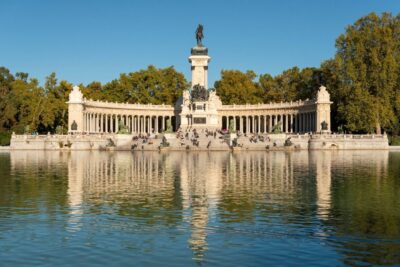
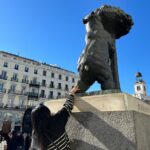
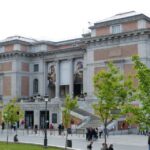
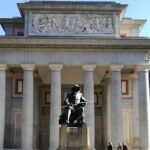
This tour starts at the Monument to Goya, where you’ll look for a Rutas Madrid sign. Even though the meeting is at Goya, the day immediately orients you to the Prado area, and you’ll get your bearings quickly for the first museum.
What I like here is the “set up” feeling. Before you go hunting for masterpieces, the guide gives you a path and a way to look, which is exactly what you want on a first pass through Madrid’s museum giants. Also, your group doesn’t waste time getting organized inside—skip-the-line tickets do the heavy lifting.
Practical tip: bring your passport or ID card. It’s on the info list, and museum days go smoother when you don’t scramble at the entrance.
You can also read our reviews of more guided tours in Madrid

Inside the Prado: Bosch, Velázquez, and the pleasure of being guided
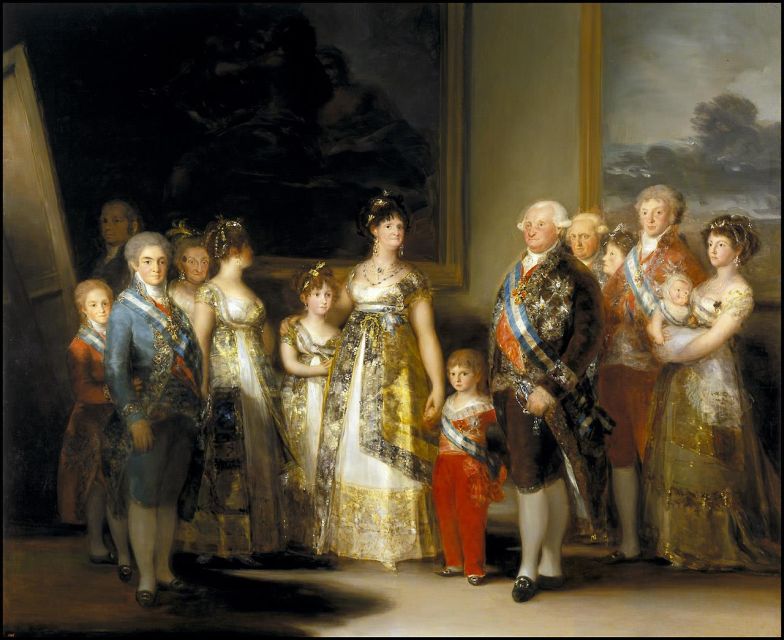
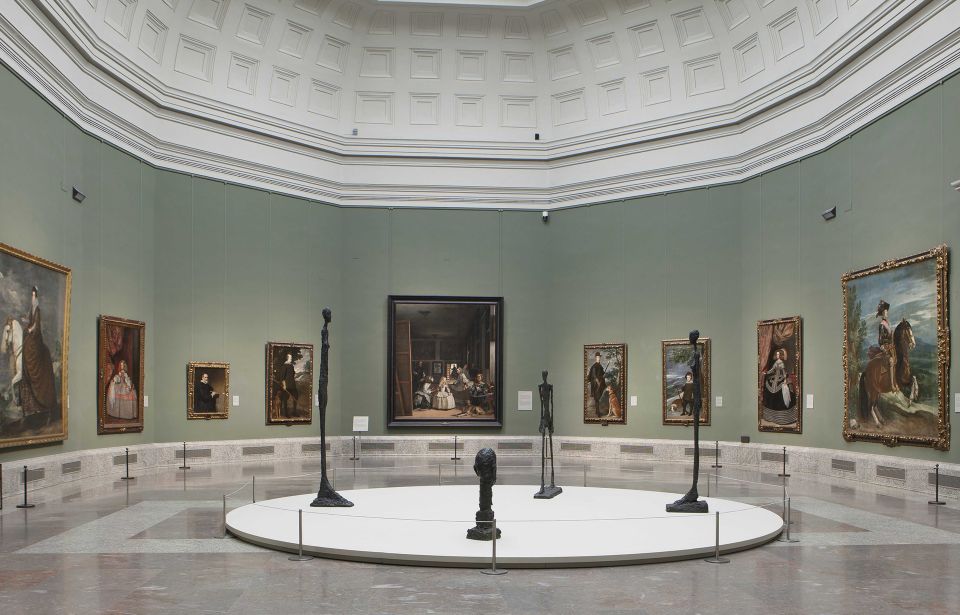
The Prado visit runs about 1.5 hours, and the guide uses that time to steer you through big ideas, not just big names. If you know the headlines—Velázquez, Goya, Bosch—you’ll still get value, because the guide connects what you’re seeing to what came before and what it’s responding to.
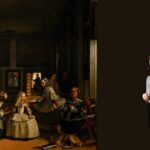
You’ll see works including The Garden of Earthly Delights by Hieronymus Bosch and Las Meninas by Diego Velázquez. And while the Prado’s collection is vast, the tour’s strength is that it chooses key stops that teach you how to look:
- how painters build meaning through symbolism and composition
- how artists carried themes across centuries
- how technical choices create emotional impact
That “threading” approach matters when museums get crowded. Without a guide, it’s easy to bounce between rooms and forget what you just saw. With this tour, you keep a mental map of why each piece is there, and you finish the Prado part with a clearer sense of the museum’s story.
What to watch for: Las Meninas is famous for a reason. Even if you’ve only seen photos, seeing the painting in person while a guide points out structure and viewpoint makes it feel less like a museum object and more like a set of choices someone made on purpose.
Also noted: the Prado stop includes other major names in the route, like Goya, Titian, and El Greco. That combination works well for a first-time visit because it shows Spain’s range—realism, drama, and theatrical lighting—without you having to pick a route yourself.
The short walk to Reina Sofía: a mood shift you’ll feel
After the Prado, you move on foot for about 10 minutes. That short transfer is a smart design choice: you’re not burning time on transit, and the change of galleries doesn’t feel like a chore.
This transition also helps your brain. The Prado is about grand traditions—painting as craft, history, and worldview. Reina Sofía is about the 20th century, where style breaks, politics shows up louder, and art starts fighting with reality instead of calmly describing it.
If you want a little extra impact, use the walk to reset your pace. When you hit Reina Sofía, you’ll likely feel the shift right away: more modern forms, more urgency, and a different kind of museum experience.
Reina Sofía highlights: Picasso, Dalí, Miró, and El Guernica
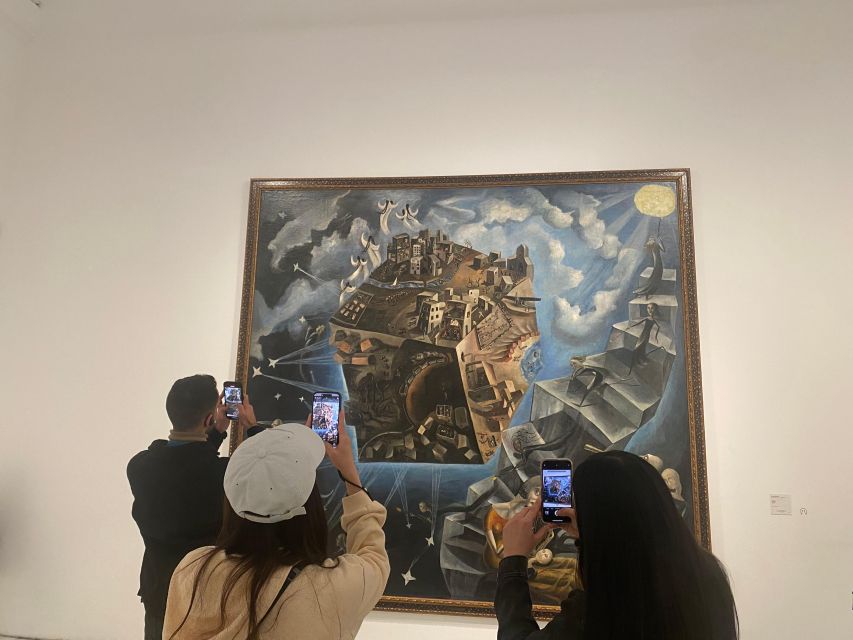
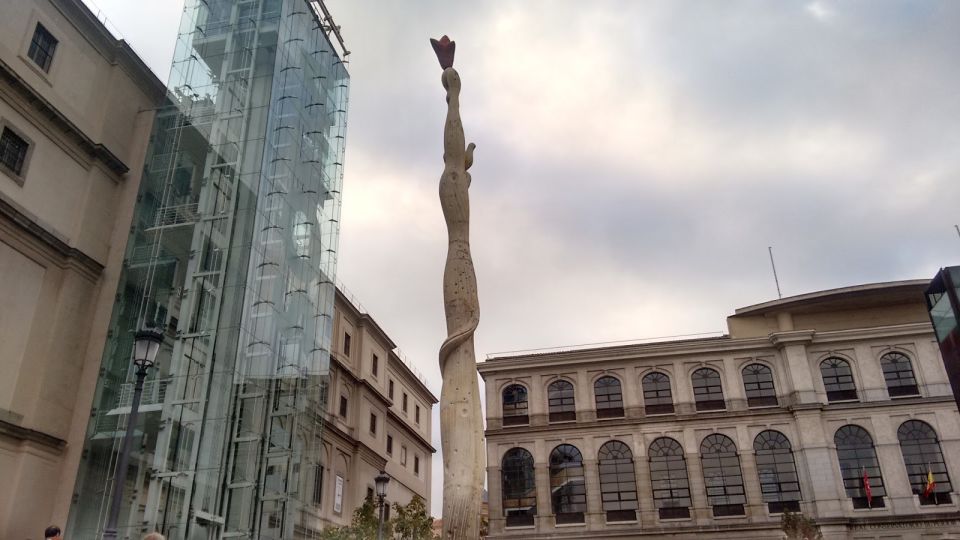
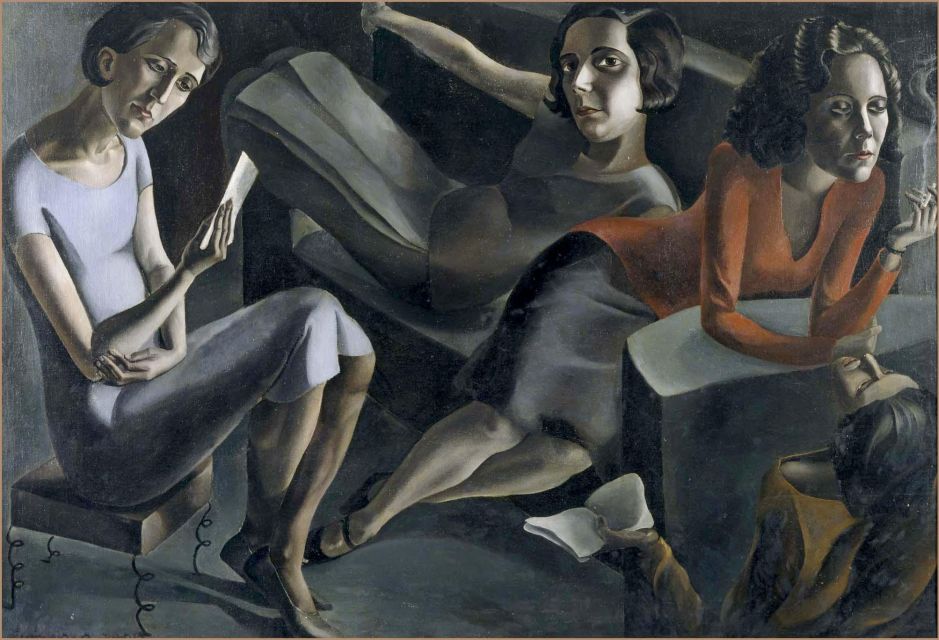
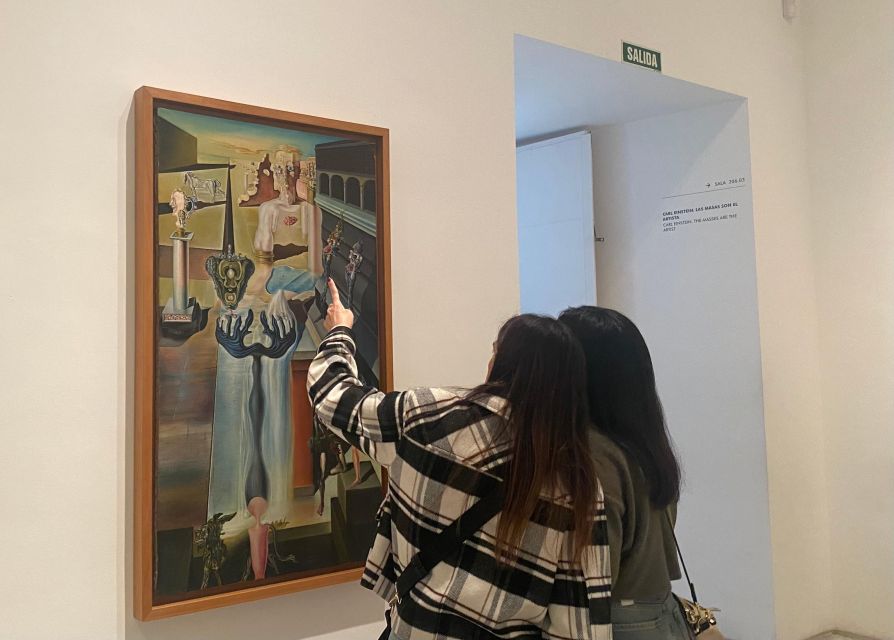
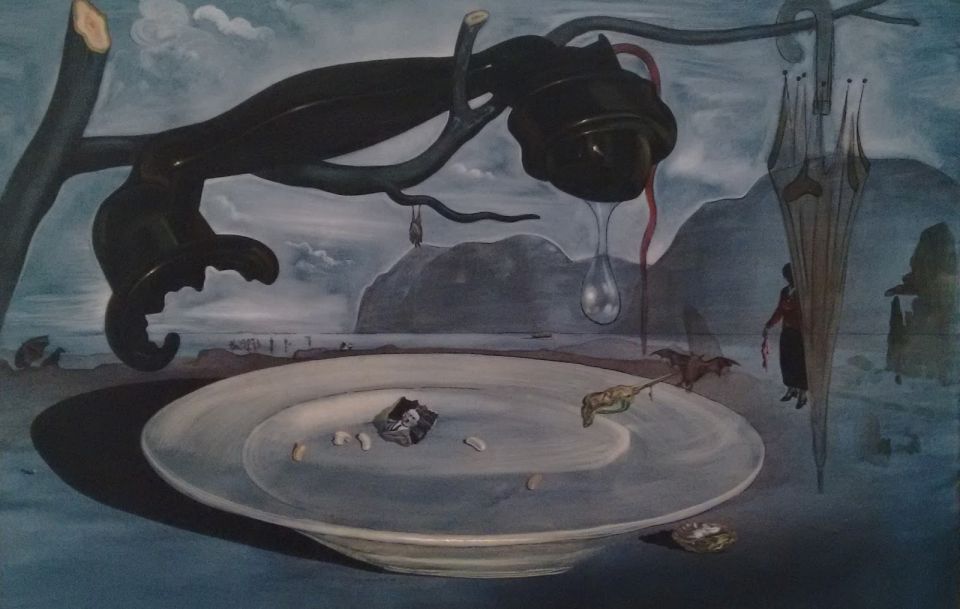
Your Reina Sofía guided portion lasts about 75 minutes, and it’s built around 20th-century art—especially Picasso’s influence. You’ll pass through key areas that cover major styles like abstract art, cubism, and surrealism, plus modernism. The guide keeps the focus tight so you don’t get lost in the museum’s size.
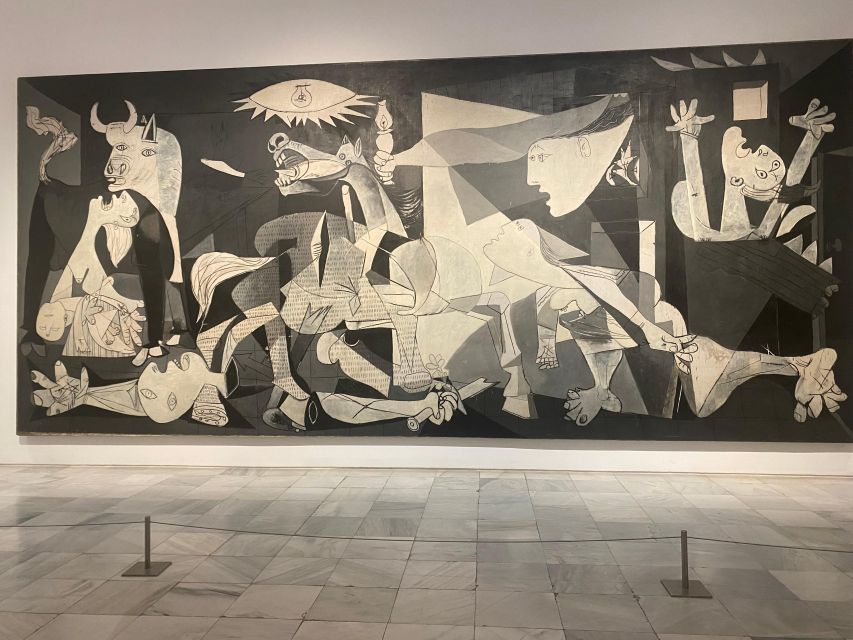
You’ll see major names tied to the collection, including Picasso, Dalí, and Miró. And then the tour pays off with the final target: El Guernica.
Here’s why that ending is so effective. El Guernica is not just a painting to look at. It’s a response to horror and chaos, and it lands harder when you reach it in the middle of a guided story about why 20th-century art gets intense. If you stand in front of it with context, you don’t just see figures—you sense the pressure behind the brushwork.
The guide’s job isn’t to make you agree with their take. It’s to help you notice what you’re reacting to: distortion, scale, and emotion. One specific praise I saw connected to Amaya was her ability to thread political ideas through the art, and that kind of explanation fits perfectly with a work like El Guernica.
If you’re worried that this will only be a “Picasso tour,” don’t. The route is structured to show the wider 20th-century conversation, so Picasso feels like the culmination of a larger shift, not a random stop.
Headsets and small groups: how the format improves the art

This is a guided tour, but it’s not the old-school “walk fast and hope you catch up” style. You get headsets, which means you can hear the guide clearly even when you’re standing in clusters or the room gets loud. That matters in both museums, especially when you’re trying to follow a specific explanation while you’re looking at details.
The small-group setup also changes the vibe. You’re not competing with 40 other people for the guide’s attention, and you can ask questions without feeling like you’re interrupting a train.
One more bonus: the guide isn’t just listing artists. The strongest praise I saw was about story-telling—how the guide links related artworks gallery by gallery and helps you think about the artist’s vision and the broader political or cultural point. That turns the tour into something more like an organized conversation than a museum checklist.
You can also read our reviews of more museum experiences in Madrid


What the 3 hours really feels like (and who it suits)
Let’s be honest: you’re not spending three hours reading every placard. This tour is designed for momentum—see the big works, get the story, move to the next room while the context is still fresh.
That pacing is a plus if you’re:
- short on time in Madrid
- visiting for the first time and want a guided “best of” foundation
- a person who learns faster through explanations than through wandering
It’s less ideal if you want to:
- linger for long stretches in one room
- take your time comparing lots of similar works
- photograph everything inside (because photography inside the museums is not allowed)
Speaking of rules, the tour is rain or shine. Museums are indoor, but meeting points and walking time still exist, so plan on being outside briefly. Bring a light layer you can handle quickly.
Price and value: what $93 gets you across two museum worlds
At about $93 per person for a 3-hour guided tour with skip-the-line entry to both the Prado and Reina Sofía, the value depends on your priorities.
Here’s what you’re paying for that usually costs you time or effort when you book solo:
- A guide who selects key works so you don’t waste hours figuring out a route
- Skip-the-line access so you can actually start seeing art instead of queueing
- Headsets to keep the experience readable and comfortable
- Tickets to both museums included
If you were to DIY it, you could save money—maybe. But you’d likely trade that saving for time lost to lines and decision fatigue. And in these two museums, time is the real currency. A guided plan helps you use your hours where they matter most: in front of the works that anchor the museums’ stories.
If your budget allows it, I see this as a “do it once properly” kind of ticket—especially because it ends at El Guernica instead of stopping after a quick skim.
Rules to know: tickets, ID, and photography limits
A few practical reminders that can save you stress:
- Bring your passport or ID card.
- Photography is not allowed inside the museums.
- Pets are not allowed.
- The tour runs in English or Spanish, and headsets help you follow along in either language.
Wheelchair access is listed as available, which is helpful for planning. And yes, you’re moving between sites on foot for a short transfer, so you’ll still want to be comfortable with brief walking.
Should you book this Prado + Reina Sofía skip-the-line tour?
I’d book this tour if you want a smart first pass through two of Spain’s most important art museums without wasting your morning in lines. The skip-the-line entry and headset support are practical wins, and the guided focus on masterpieces like The Garden of Earthly Delights, Las Meninas, and El Guernica gives you a clean arc from classic painting to 20th-century rupture.
Skip it only if you prefer to wander freely with no structure, or if you like to spend hours inside one gallery soaking up details at your own pace. Otherwise, this is a strong value use of limited Madrid time—guided, efficient, and ending at the kind of artwork that stays with you long after you leave the room.
FAQ
Where is the meeting point?
You meet at the Monument to Goya. The guide will be waiting with a Rutas Madrid sign.
How long is the guided tour?
The total duration is 3 hours.
Do I need tickets for the museums?
Tickets to the Prado Museum and the Reina Sofía Museum are included.
Is skip-the-line entry included?
Yes. Skip-the-line entry is included for both museums.
What languages is the tour offered in?
The tour guide speaks English and Spanish.
Are headsets included?
Yes. Headsets are included so you can hear the guide clearly.
Is the tour wheelchair accessible?
Yes, the tour is wheelchair accessible.
Can I take photos inside the museums?
No. Photography inside the museums is not allowed.
What should I bring or have with me?
Bring a passport or ID card.
Is it okay if it rains?
The tour takes place rain or shine.