REVIEW · MADRID
Madrid Retro Tour 120 min, old town, modern Madrid + surprise destination
Book on GetYourGuide →Operated by Retro Tour Madrid · Bookable on GetYourGuide
A retro ride through Madrid sounds fun. The real draw here is how the route mixes historic neighborhoods with modern landmarks, so you get a fuller sense of the city in just two hours. You also get a driver-guide setup with clear audio and language support, which makes the whole thing feel easy and personal.
I especially like that the tour is built around recognizable areas like Palacio, La Latina, Lavapiés, and Las Letras, but you’re not stuck in only the postcard highlights. I also love that you can steer the experience—great for photo stops and for ending exactly where you want to continue your day. One thing to consider: this is a driving-and-sightseeing format, so if you want long museum time or lots of slow wandering on foot, you may feel a bit limited by the schedule.
Key points at a glance
- Ford T. style ride that makes getting around feel like an experience, not just transport
- Old town + modern Madrid mix through four historic neighborhoods and major landmarks
- Multilingual guide with microphone so the story lands clearly in your language
- Flexible end point to finish wherever you like, not where the tour decides
- Surprise destination option such as Santiago Bernabéu or Plaza de Toros
- Private group pricing up to 3 with a path to larger groups
In This Review
- A Retro Ford T. Tour That Fits Real Plans
- The Two-Hour Game Plan: Old Town First, Modern Madrid Next
- Palacio, La Latina, Lavapiés, Las Letras: The Four Neighborhoods You’ll Actually Remember
- Palacio: Start With a Strong Sense of Center City Madrid
- La Latina: Streets That Feel Like They Have Stories in the Pavement
- Lavapiés: A Different Side of Local Life
- Las Letras: A District Built for Walking Later
- Old Town Photo Stops Meet a Smooth, Multilingual Guide Setup
- Modern Madrid Highlights: Atocha, Prado Area, Retiro, and the Big City Icons
- Atocha: A Transport Hub With City Gravity
- Prado Museum and Los Jerónimos: Cultural Power Without Museum Pressure
- Retiro Park: A Pause in the City’s Tempo
- Puerta de Alcalá, Cibeles, and the Bank of Spain: The Civic Madrid Look
- The Surprise Destination: Bernabéu or Plaza de Toros
- Flexible Ending: Finish Wherever Your Day Goes Next
- Price and Value for a Private Retro Tour Up to 3
- Who This Tour Fits Best (And Who Might Want a Different Style)
- Extra Time If You Want to Keep Going
- Should You Book Retro Tour Madrid?
- FAQ
- How long is the Retro Tour Madrid?
- What neighborhoods are included in the old town portion?
- Which modern Madrid sights will I see?
- What is the surprise destination?
- Where does pickup happen?
- Can I choose where the tour ends?
- What language options are available?
- Is the tour private or shared?
- What if I want to stay longer than 120 minutes?
- Do you offer refunds if I change my plans?
A Retro Ford T. Tour That Fits Real Plans
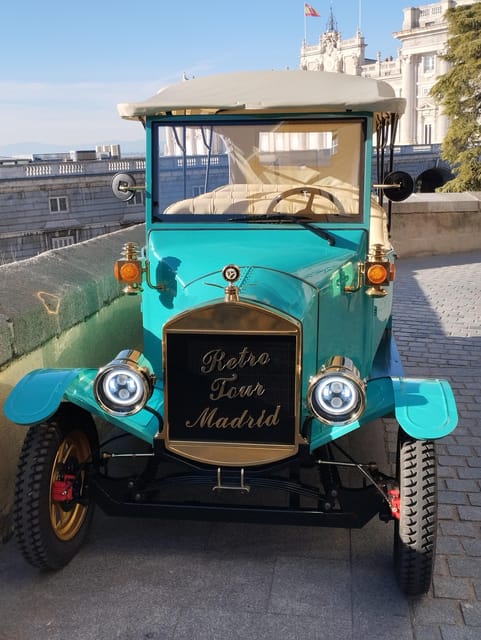
Madrid can be a lot. Lots of neighborhoods, lots of sights, and lots of people trying to do everything at once. This tour cuts through the chaos by giving you a structured loop with real commentary, while keeping the pace friendly enough that you still feel like you’re on vacation.
You ride in the iconic Ford T. style car, and the tour is designed like a guided city day without the usual stress. Pickup is included, and you can get started from where you want, then hop out when it makes sense for your next stop.
The Two-Hour Game Plan: Old Town First, Modern Madrid Next
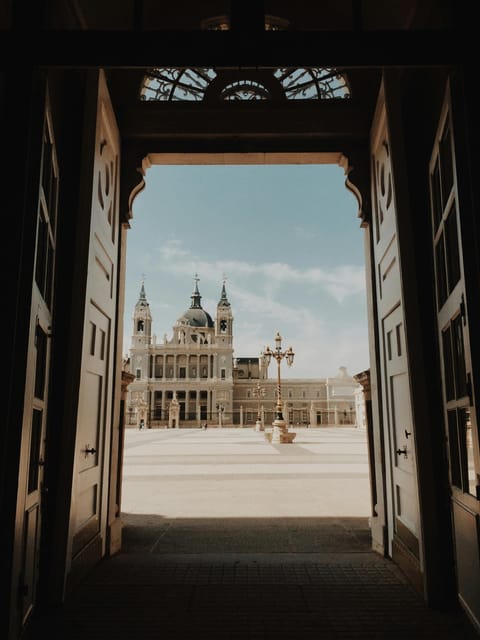
This is listed as 120 minutes, and the experience is presented as a core one-hour loop covering four classic neighborhoods in Madrid’s historic center. In plain terms: you’ll spend meaningful time seeing the city on the move, getting stories and photo opportunities, then continue into modern Madrid landmarks.
The format also helps if you’re short on time. Two hours is long enough to get context across districts, but short enough that you don’t have to feel like you’re sacrificing the rest of the day. If your day is already packed with museums or dinners, this tour can be the connective tissue.
You can also read our reviews of more tours and experiences in Madrid.



Palacio, La Latina, Lavapiés, Las Letras: The Four Neighborhoods You’ll Actually Remember
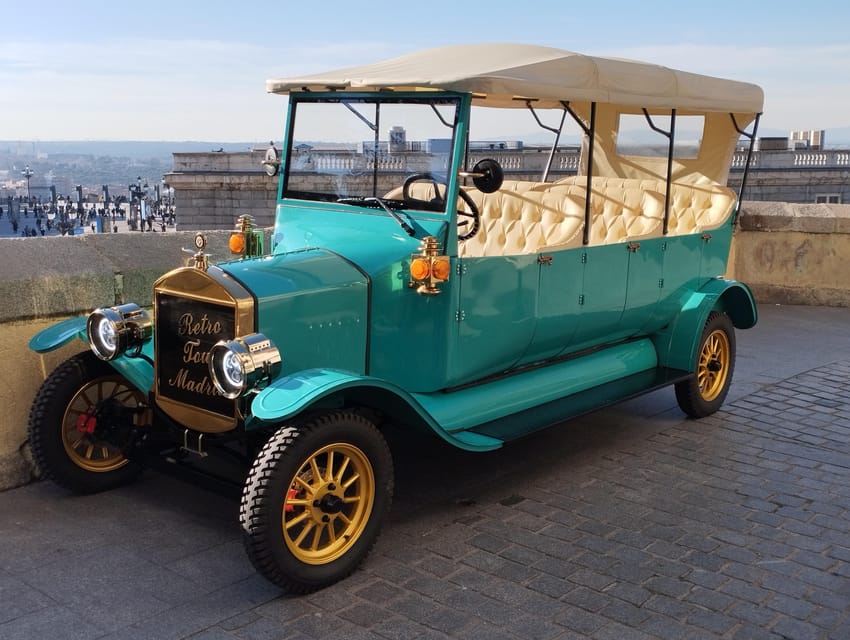
The heart of the old-town section is the four-neighborhood run: Palacio, La Latina, Lavapiés, and Las Letras. What makes this smart is that each area gives you a different flavor of Madrid—different streets, different vibe, and different everyday scenes.
Expect a blend of passing viewpoints, photo stops, and guided moments. That matters because the old streets of Madrid can look similar from a distance, but the guide’s job is to point you toward what’s worth noticing up close.
Palacio: Start With a Strong Sense of Center City Madrid
Palacio is a great place to begin because it helps you understand where you are in the larger Madrid map. Even without knowing Spanish or history details, you’ll get orientation fast—like you’re being handed the city’s logic in easy chunks.
On a tour like this, you’re not trying to memorize everything. You’re getting landmarks and street cues that make it easier to navigate later on your own.
La Latina: Streets That Feel Like They Have Stories in the Pavement
La Latina is the kind of neighborhood where you can easily spend hours just walking and people-watching. Here, you’ll get a guided snapshot that points you toward the character of the area—enough to give you direction if you want to return.
This portion shines if you care about the everyday Madrid feel. You’ll see small streets and scenes that don’t always make it into the most rigid sightseeing circuits.
Lavapiés: A Different Side of Local Life
Lavapiés is where Madrid often surprises people. It’s not only about famous sights; it’s about the sense of place, the street energy, and the feeling that this is part of the city’s daily rhythm.
Because this tour is designed for real local life rather than only major monuments, Lavapiés fits the overall concept well. You’ll likely come away with a better sense of how neighborhoods function beyond tourist landmarks.



Las Letras: A District Built for Walking Later
Las Letras is a strong ending point for the old-town block because it naturally sets you up for independent exploring afterward. You’ll get the context first, then you can choose how to keep going when you’re on your own.
If you’re the type who likes to return to places after you understand them, this is a good district to leave with a mental map.
Old Town Photo Stops Meet a Smooth, Multilingual Guide Setup
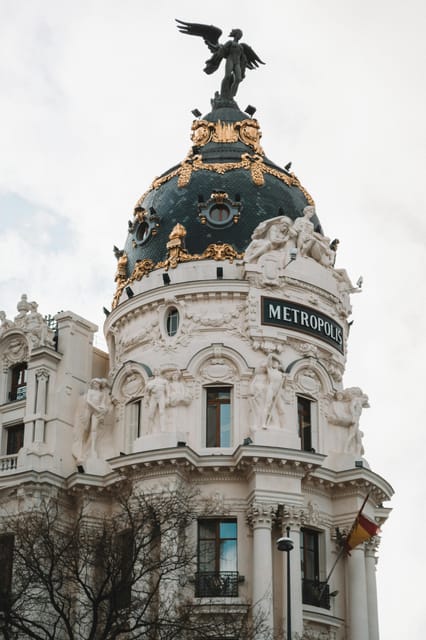
One of the standout features is the way the tour communicates. You’ll be served in any language the group needs, and the guide uses a microphone with a speaker. That sounds basic until you’re actually in a moving vehicle—clear audio is the difference between catching the story and missing it.
The guide is offered in a wide list of languages, including Spanish, English, French, German, Arabic, Russian, Traditional Chinese, Japanese, Hindi, and Korean. So if language has ever been a barrier for you in guided tours, this format is a big practical win.
If you like getting photos but don’t want to spend time guessing angles, you’ll also appreciate the photo-help side that guides are praised for. Good photo stops aren’t just about a view—they’re about being at the right spot at the right moment.
Modern Madrid Highlights: Atocha, Prado Area, Retiro, and the Big City Icons
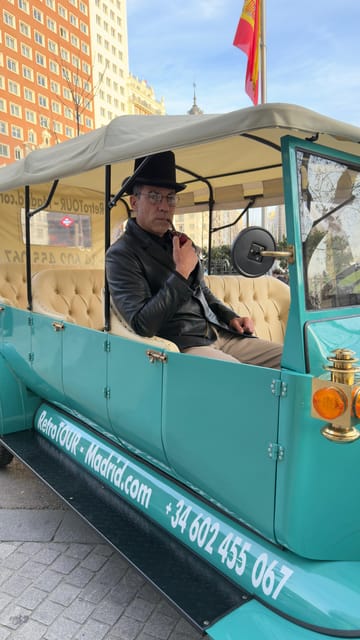
After the historic neighborhoods, the tour moves into modern Madrid, including major landmarks that anchor the city’s identity. This is where you get a sense of scale.
You’ll pass or stop near key sites such as Atocha, the Prado Museum area, the Church of Los Jerónimos, Retiro Park, Puerta de Alcalá, Cibeles Fountain, and the Bank of Spain. You also get plenty of chances to see how the city’s architecture and civic spaces connect to the neighborhoods you just visited.
Atocha: A Transport Hub With City Gravity
Atocha is one of those places that makes Madrid feel like a living system. You see more than a destination—you see how people move and how the city’s energy flows.
If you’re thinking of continuing onward after the tour, Atocha is also a helpful reference point.
Prado Museum and Los Jerónimos: Cultural Power Without Museum Pressure
You’ll encounter the Prado Museum area and the Church of Los Jerónimos, two landmarks that carry a lot of cultural weight. The key advantage here is that you get the context without forcing you into a timed museum entry.
If you’re not sure you want to commit to a museum today, this tour still lets you experience the grand setting and the reason those sites matter.
Retiro Park: A Pause in the City’s Tempo
Retiro Park is a big Madrid signature, and it works well in a short-format tour because it breaks the architectural feel with open space. Even without long lingering time, the idea is to show you where locals slow down and breathe.
This is also a good area to plan later on, if you want to extend your day with a calmer walk after your main sightseeing block.
Puerta de Alcalá, Cibeles, and the Bank of Spain: The Civic Madrid Look
These stops help you connect the city’s older identity with its public, monumental spaces. Puerta de Alcalá brings that stately entrance feeling, while Cibeles Fountain and the Bank of Spain add a more official, government-and-commerce energy.
It’s the kind of sequence that makes Madrid feel coherent. You start to see how the city’s story runs from old streets to grand avenues.
The Surprise Destination: Bernabéu or Plaza de Toros
A fun twist in this tour is the surprise destination. You might visit Santiago Bernabéu, the Real Madrid stadium, or you might head to Plaza de Toros.
This is a smart idea because it gives you something “extra” beyond the usual monument list. If sports is your thing, Bernabéu can be a major highlight. If you’re more curious about traditional spectacles, the bullring option gives you a different cultural angle.
Flexible Ending: Finish Wherever Your Day Goes Next
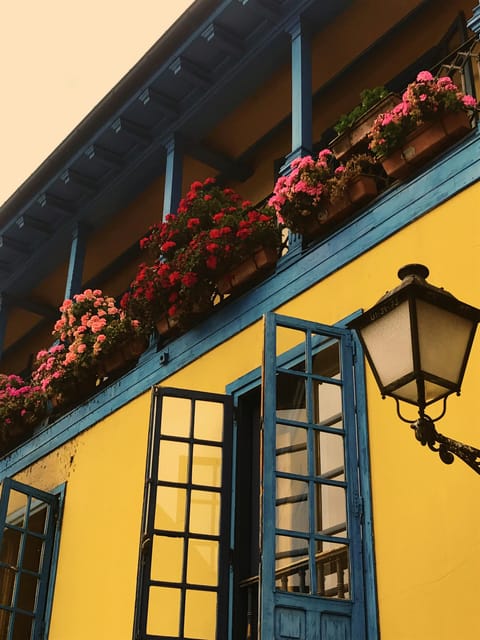
Most short tours force you to end at their starting point. This one is different. You can finish wherever you like, which is great because Madrid is best when your schedule feels personal.
If you’re already planning dinner in a particular neighborhood, or you want to walk to a nearby sight after the tour, this flexibility makes it easier to build a smooth day. It also means you can use the tour as a launchpad rather than a straightjacket.
Price and Value for a Private Retro Tour Up to 3
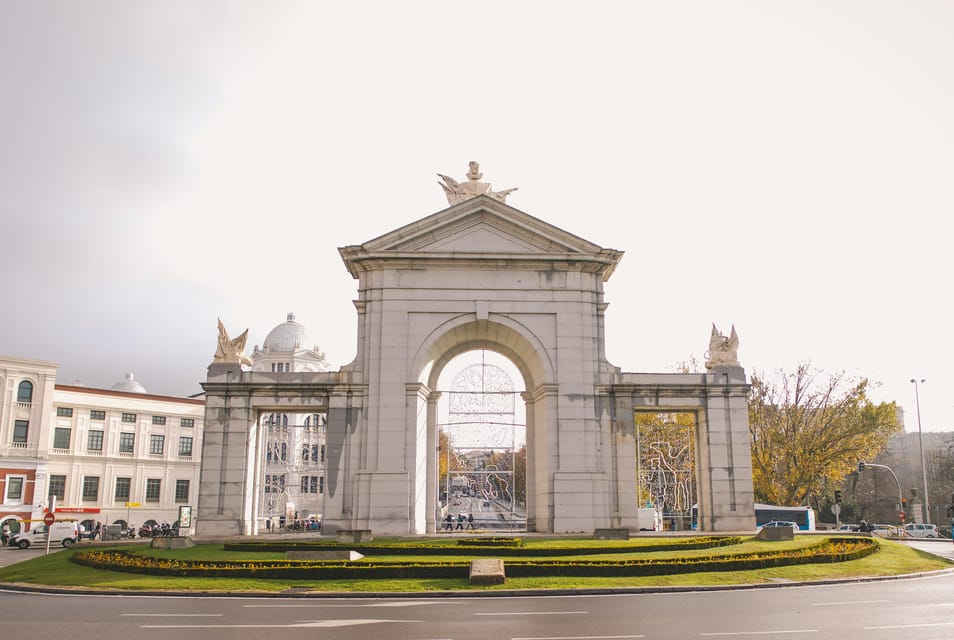
The price is $258 per group, and the listing notes up to 3 people. In practice, that matters because you’re paying for privacy and for a specialized vehicle experience (rather than just a generic bus tour).
So here’s how I’d think about value: you’re not only getting transportation. You’re getting a guided loop that ties together four historic neighborhoods and major modern landmarks, plus a multilingual delivery system with a microphone. If you’d otherwise pay for separate guided fragments across districts, this can be a cost-effective way to compress the day.
One more practical note: if you want a larger group, you can contact via WhatsApp for more than 3 people.
Who This Tour Fits Best (And Who Might Want a Different Style)
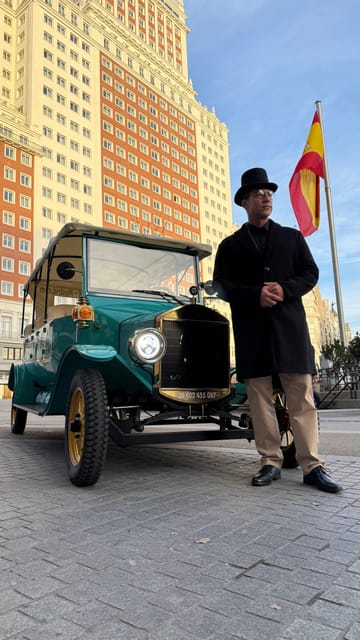
This tour is a strong match if you want:
- A quick orientation across multiple districts without doing everything yourself
- A guide that can answer in your language with clear audio
- A mix of old streets and modern Madrid landmarks in a single outing
- A flexible finish point for your own plans
It may feel less ideal if you’re the type who wants long stops at museums or lots of extended walking time. The itinerary includes photo stops and passing segments, so it’s better for seeing and understanding than for deep study.
Extra Time If You Want to Keep Going
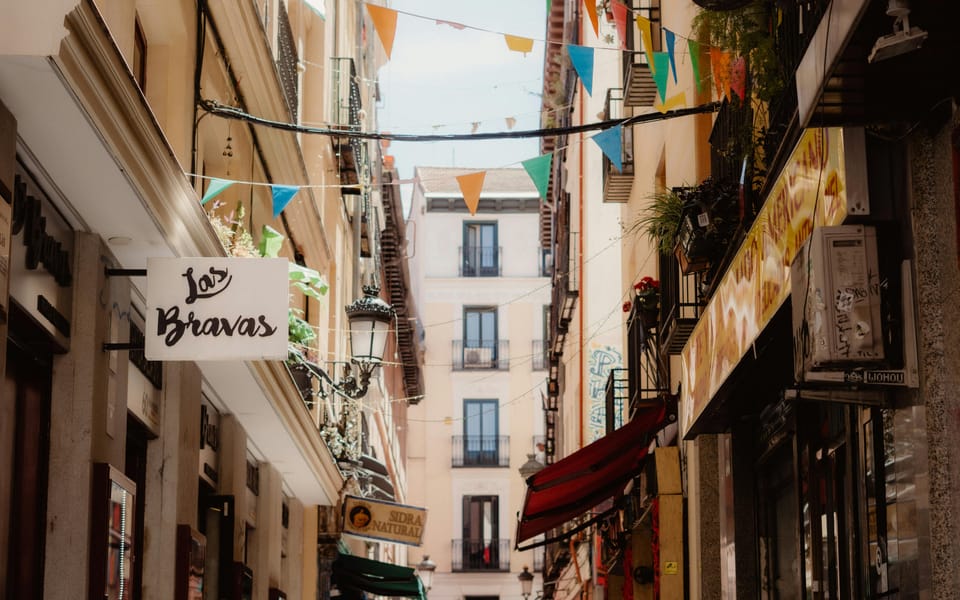
If you fall in love with what you’re seeing, you can ask to increase the duration and pay the extra at the end of the tour, either by cash or card. That’s useful because sometimes the best tour days grow longer naturally.
Should You Book Retro Tour Madrid?
If your goal is to get your bearings fast and experience the contrasts between old town and modern Madrid, I’d say this is worth serious consideration. The multilingual, microphone-guided approach makes it comfortable, and the ability to end wherever you like helps you keep your day feeling yours.
I’d book it if you want a private format, you like photography-friendly stops, and you’re open to a surprise add-on like Bernabéu or Plaza de Toros. If you want only one neighborhood or you’re planning a full museum day, you might prefer a longer, more focused walking tour instead.
FAQ
How long is the Retro Tour Madrid?
The tour duration is 120 minutes.
What neighborhoods are included in the old town portion?
You’ll cover four neighborhoods in Madrid’s historic center: Palacio, La Latina, Lavapiés, and Las Letras.
Which modern Madrid sights will I see?
The tour includes major spots such as Atocha, the Prado Museum area, the Church of Los Jerónimos, Retiro Park, Puerta de Alcalá, Cibeles Fountain, and the Bank of Spain.
What is the surprise destination?
Depending on the tour route, the surprise destination can be Santiago Bernabéu or Plaza de Toros.
Where does pickup happen?
Pickup is included, and you can be picked up from wherever you want.
Can I choose where the tour ends?
Yes. You can finish wherever you like.
What language options are available?
The live guide is available in Spanish, English, French, German, Arabic, Russian, Traditional Chinese, Japanese, Hindi, and Korean.
Is the tour private or shared?
This is a private group experience.
What if I want to stay longer than 120 minutes?
If you want to extend the route, you can ask the driver and pay the extra at the end by cash or card.
Do you offer refunds if I change my plans?
Yes. You can cancel up to 24 hours in advance for a full refund.