REVIEW · MADRID
Madrid: Ultimate Food Tour of Local Markets & Tapas
Book on GetYourGuide →Operated by Devour Tours · Bookable on GetYourGuide
Churros are not the whole story. This Madrid food tour turns “just eating” into a guided route through local neighborhoods and the foods you actually crave once you live there. I especially loved the market stop at Mercado de Antón Martín and the fact you get 12+ tastes across family-run places, not tiny samples that barely count.
One thing to plan for: it’s a walking tour with a moderate pace and a lot of stops, so comfortable shoes and a drink of water help a ton.
In This Review
- Key things I’d highlight before you book
- A 3.5-hour Madrid food tour that feels like local errands
- Where you meet: Calderón de la Barca, Plaza Santa Ana
- Stop 1: Chocolate Madrid and the churros reality check (morning) or tapas upgrade (5 pm)
- Stop 2: MOEGA Empanadas y pan gallego for bread you’ll want to recreate
- Mercado de Antón Martín: olives, cured meats, and vermouth lessons
- Casa González: wine and cheese with a surprisingly personal story
- The last savory stops: Casa Revuelta and Bar La Campana’s practical comfort food
- The sweet finish at El Riojano: coffee or tea with a classic made the hard way
- Guides make the difference: names to watch for
- Price and value: why $90 can work (if you eat well)
- Who should book this tour
- Diet and allergies: what you should do before you go
- Should you book Madrid: Ultimate Food Tour of Local Markets & Tapas?
- FAQ
- How long is the Madrid food tour?
- How much does it cost?
- Where does the tour start?
- Is there hotel pickup?
- What’s included in the tour price?
- Do morning tours include churros?
- What happens on the 5 pm tour instead of churros?
- Does the tour work for vegans or people with celiac disease?
- Is the tour accessible for wheelchair users?
- What’s the cancellation policy?
Key things I’d highlight before you book
- 12+ tastings across 9 family-run spots, plus 3 drinks to keep the pace fun
- Mercado de Antón Martín for olives, cured meats, produce, and an olive-oil education you can taste
- Churros + chocolate history on morning departures, with a different tapas plan on the 5 pm tour
- English-speaking guide who keeps the route moving and the explanations clear
- Finale at an old-school pastry shop dating back to 1855, with coffee or tea to finish right
A 3.5-hour Madrid food tour that feels like local errands
This is a “food-first” Madrid walk that doesn’t treat the city like a theme park. You start in the center, then you work your way through the places Madrileños keep returning to—cafés, pastry shops, delis, bars, and market stalls—while your guide ties it all together with what each stop is famous for and when locals actually eat it.
At $90, the value comes from density: 9 stops, 12+ tastings, and 3 drinks in about 3.5 hours. You’re not just paying for the tour story—you’re paying for a schedule that gets you fed properly without you having to guess what’s worth ordering.
The tour also avoids the “one-food-per-stop” trap. Instead, you taste a sequence of classic Spanish flavors: bread and cured meats, olives and olive oil, vermouth, cheeses with wine, fried seafood, and a traditional sweet finish.
You can also read our reviews of more food & drink experiences in Madrid

Where you meet: Calderón de la Barca, Plaza Santa Ana
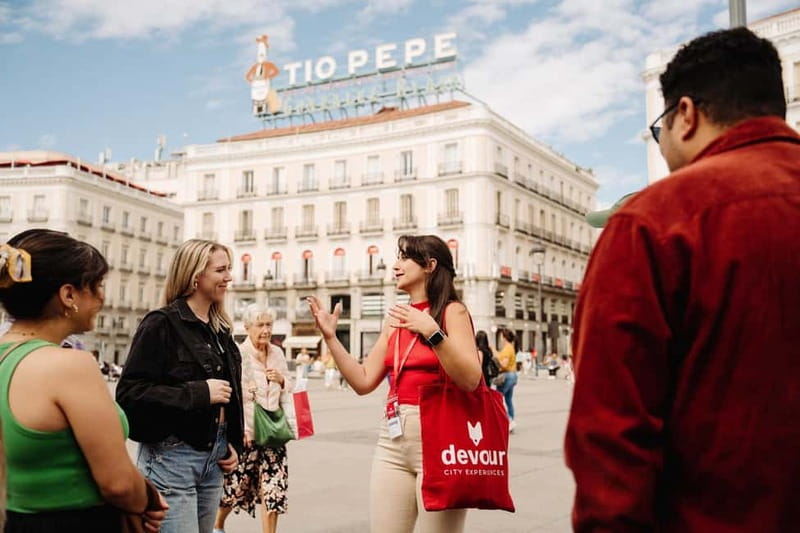
You’ll meet at Plaza Santa Ana at the statue of Calderón de la Barca, in front of the big, white hotel. The practical tip here is timing: arrive about 15 minutes early so you’re not stressed hunting your guide while you’re hungry.
The end point is back at the meeting area, which makes your afternoon/evening easier to plan. You won’t be stuck wondering how to get home after your last bite.
Stop 1: Chocolate Madrid and the churros reality check (morning) or tapas upgrade (5 pm)
The first stop is built around a Spanish dessert lesson. On morning tours, you’ll visit Chocolate Madrid for churros and the real story behind chocolate. It’s a clever opener because churros are one of those foods visitors think they already understand—until someone explains the origin side and you see how the local version tastes.
There’s also a time-based swap you should know:
- Churros are only on morning tours.
- On the 5 pm tour, you’ll instead visit a popular tapas bar and try two local tapas and a beer.
Either way, this start is useful. It gets your palate ready for what comes next—fat, salt, crunch, and sweetness—so the market and vermouth stops feel like they belong together instead of random bites.
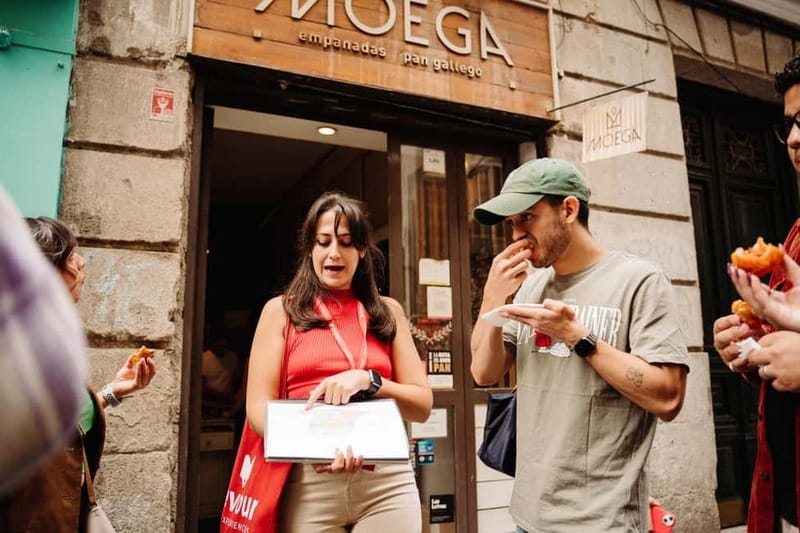
Stop 2: MOEGA Empanadas y pan gallego for bread you’ll want to recreate
Next comes the bread chapter, and it’s exactly the kind of stop that changes how you think about Spain. Madrid can surprise you with bread quality, and this is where the tour explains why “good bread” doesn’t automatically happen everywhere—even in a place famous for food.
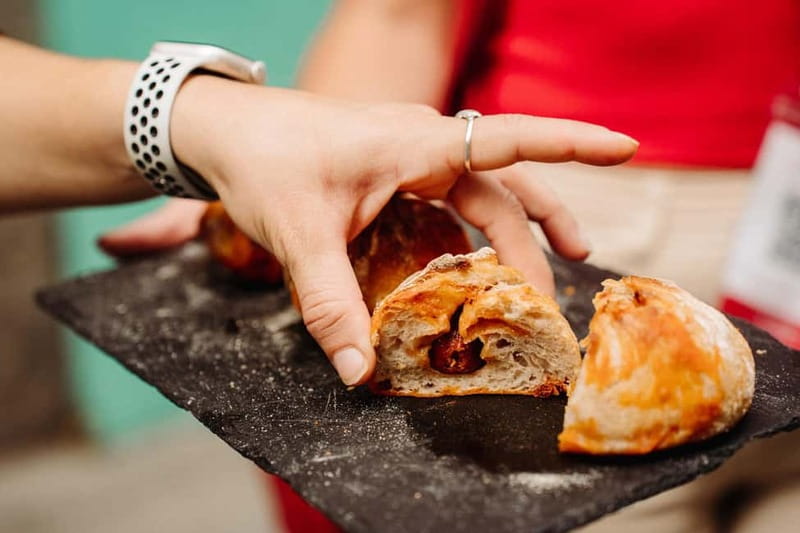
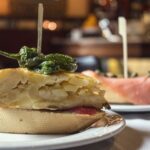
At MOEGA Empanadas y pan gallego, you’ll taste what’s likely to become your favorite practical souvenir: flavorful homemade rolls, including a chorizo-stuffed option made from the kind of dough and filling you don’t find in tourist pastry cases. Even if you’re not a hardcore bread person, you’ll understand the difference after one bite.
Why this stop matters: it sets up the rest of the tour’s theme. Spain’s food isn’t built only on famous dishes—it’s built on technique and ingredients. This is the “ingredient literacy” part of the walk.
Mercado de Antón Martín: olives, cured meats, and vermouth lessons
Now you step into a market routine that locals actually follow. Mercado de Antón Martín is a great choice because you see variety without feeling lost. You’re walking among shoppers with real shopping habits, and your guide steers you to tastings at multiple stalls—so you get a sense of how the market functions, not just a few snacks for show.
What you’ll taste here includes:
- Olives (and you’ll quickly learn why “Spanish olive” isn’t the same word as “olive from a jar somewhere”)
- Cured meats
- Local produce
- Extra virgin olive oil—the so-called liquid gold
- Vermouth, Spain’s favorite aperitif red, with tips on why it’s special and when people drink it
That vermouth detail is genuinely useful. If you want to order like a local later, the tour gives you a quick mental guide: how to think about aperitif time, what vermouth tastes like in context, and why it belongs before heavier food.
This is also one of the most praised parts of the experience overall: guides tend to slow down just enough here so you don’t feel rushed, and the tastings are high quality rather than polite filler.
You can also read our reviews of more tours and experiences in Madrid



Casa González: wine and cheese with a surprisingly personal story
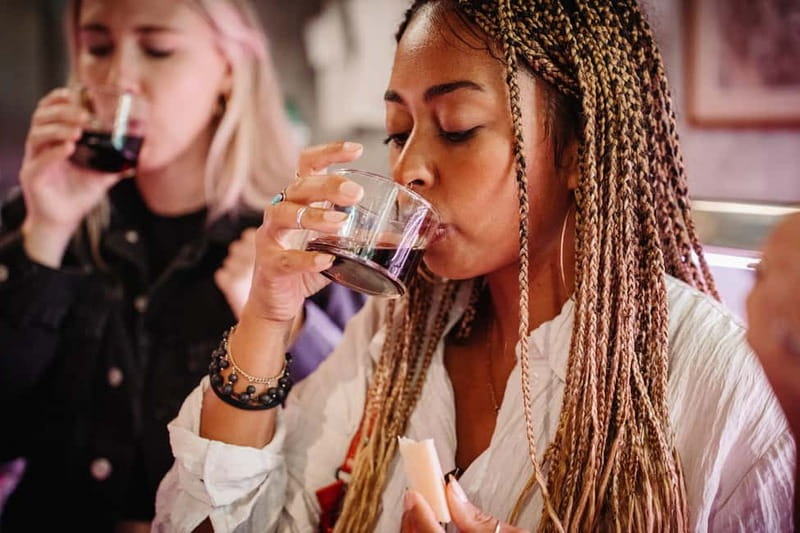
After the market, you’ll head to Casa González, an unassuming deli with a past that’s bigger than you expect. The space includes a story tied to the owner’s father holding clandestine meetings in the 1930s, when Spain’s dictatorship was taking shape.
Today, you get to sit down for a mini tasting of cheeses from around Spain paired with two wines. This is one of the tour’s best “grown-up” moments because it slows the pace just enough to let flavors settle. Cheese and wine can be a total mess if you don’t know what you’re tasting—here, your guide helps you match profiles so you taste connections instead of random bites.
If you’re the kind of traveler who likes a food tour to teach you how to order later, this pairing stop pays off.
The last savory stops: Casa Revuelta and Bar La Campana’s practical comfort food
The mid-to-late portion of the tour leans into the kind of Spanish eating that works for both casual and serious fans: small, satisfying bites in proper bar settings.
You’ll visit Casa Revuelta for more food tasting (and this is another spot where the tour’s pacing stays friendly—walk, snack, explanation, then walk again). The balance here matters: you’re not overeating in a way that feels like punishment. The portion sizes tend to leave you comfortably full by the end, not stuck with a stomach ache.
Then comes Bar La Campana. This is where you should expect the tour’s “you can find it anywhere, but this one is worth it” approach. One of the later bites centers on a calamari sandwich: calamari rings cooked in light, crunchy batter, eaten standing outside the bar, like locals do.
That detail matters because it tells you something about Spanish food culture. The point isn’t just the dish. It’s the habit—where you eat, how you eat, and what counts as normal.
The sweet finish at El Riojano: coffee or tea with a classic made the hard way
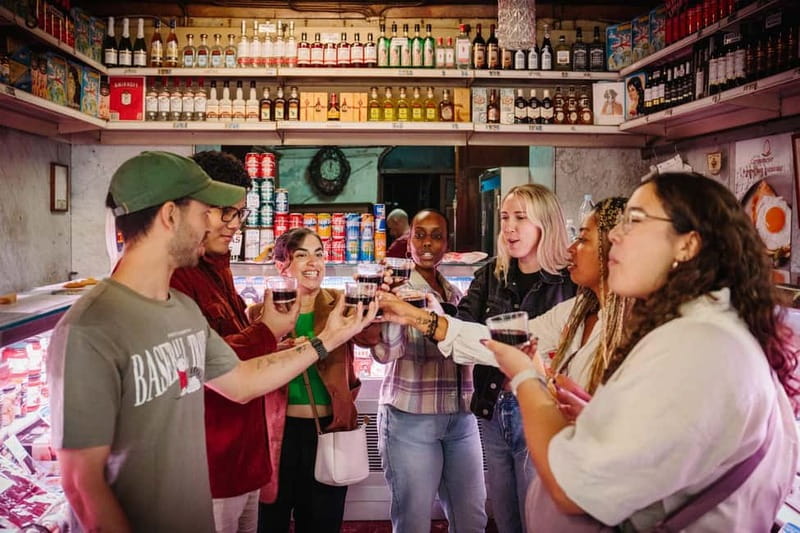
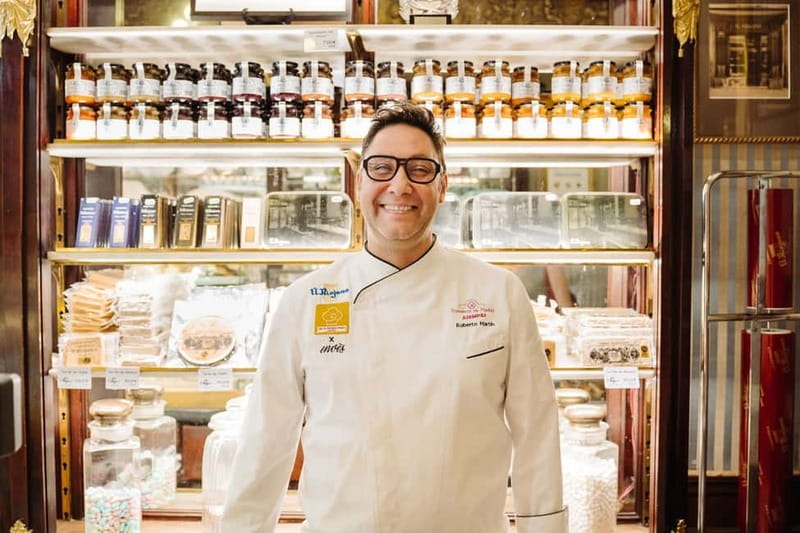
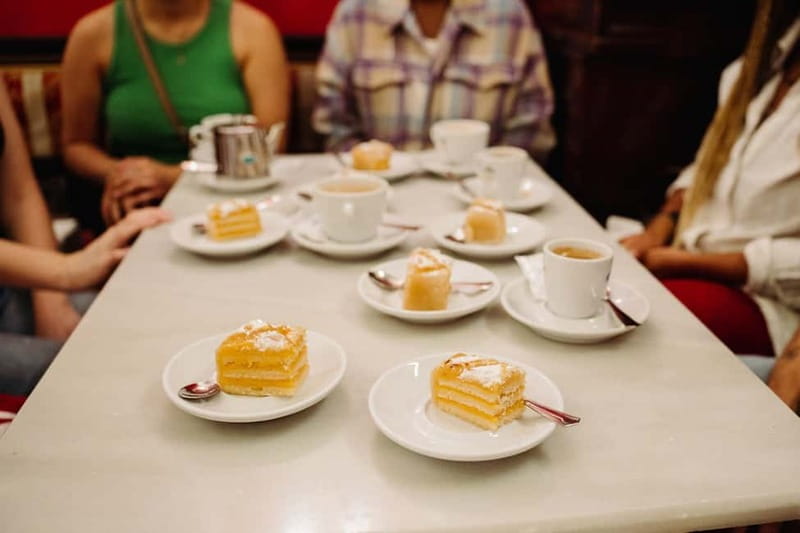
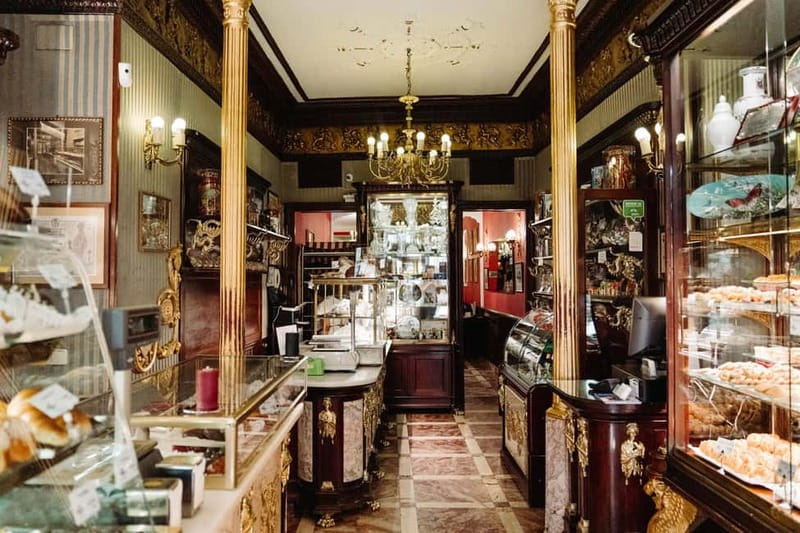
You’ll wrap up at El Riojano, ending back near where you started. The final stop is a pastry shop operating since 1855, with an origin story tied to a pastry chef associated with the Spanish queen.
You’ll try a classic Spanish dessert with your choice of coffee or tea. The timing is good. After savory flavors and a bit of vermouth-and-wine, the sweet finish feels like a reward rather than a last-minute sugar crash.
This ending also helps you remember the whole tour. Food tours can blur together; finishing with a recognizable dessert habit from an old shop gives your brain a clear “bookmark.”
Guides make the difference: names to watch for
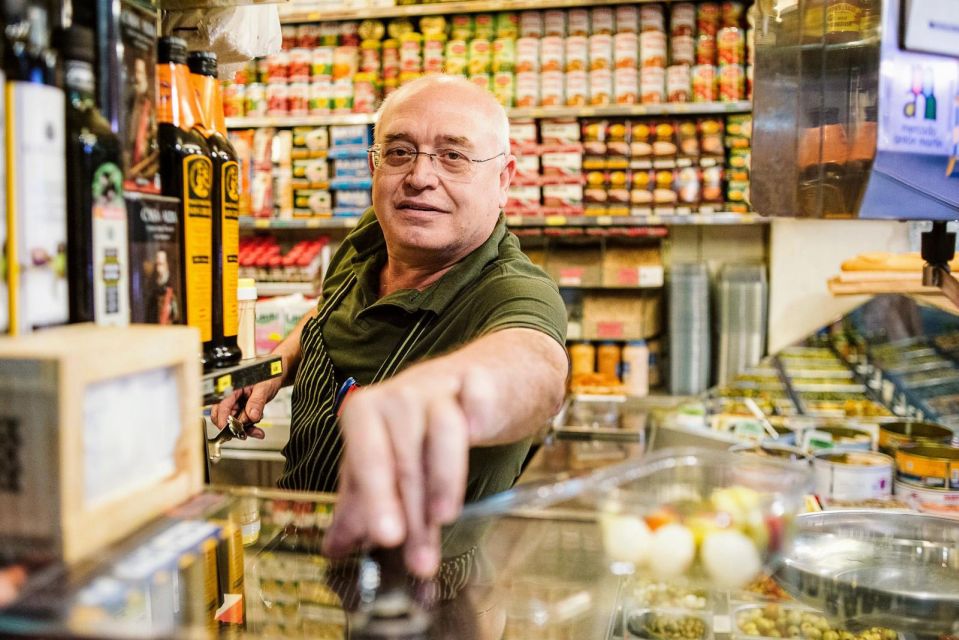
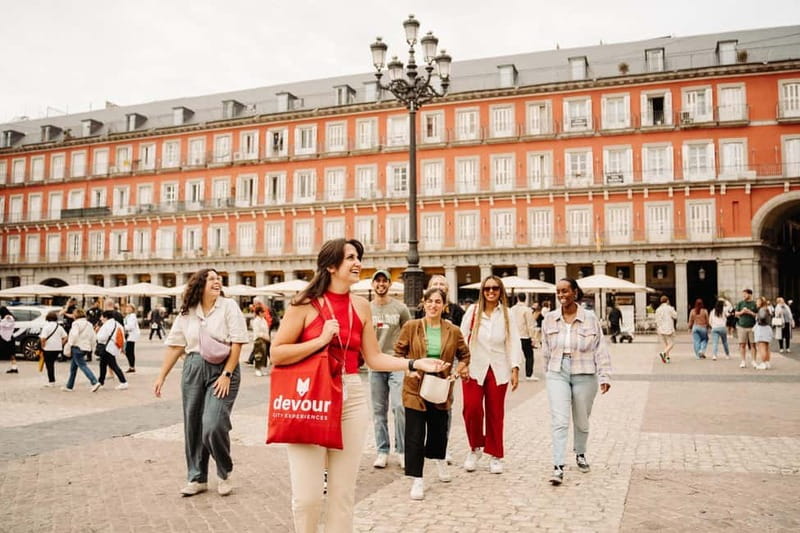
A big reason this tour has such a high rating is the human factor. Different guides bring different energy, but the best ones do two things well: they explain food and they keep the group comfortable.
You might encounter guides such as Flo, David, Mitzi, Lilliana, Arantxa, Daniel/Dani, Jose, or Montse. Common themes from the variety of guide experiences:
- clear explanations of what you’re tasting and why it matters
- a pace that feels leisurely even with lots of walking
- good group management and frequent checking that everyone is included
If you get one of the guides known for humor and strong food stories, you’ll feel like you’re getting a mini master class without it turning into a lecture.
Price and value: why $90 can work (if you eat well)
At $90, you’re paying for:
- a timed route (so you’re not guessing what to eat next)
- a guide who connects each stop to Spain’s real habits
- 12+ tastings and 3 drinks
Here’s the practical truth: if you try to self-plan this day, you’d likely spend a similar amount just getting into markets and buying food one stop at a time—especially if you’re trying to hit bread, olives/olive oil, cured meats, vermouth, cheese + wine, a seafood bite, and a dessert with coffee or tea.
The tour also reduces decision fatigue. That’s worth something when you’re tired, jet-lagged, or unsure what to order.
Who should book this tour
This one fits best if you:
- love food tours that teach you how Spaniards actually eat
- want a structured walk through central Madrid
- enjoy mixing markets, delis, bars, and pastry shops in one route
- prefer a small-group vibe and tastings that add up fast
It may not be your best match if you:
- need a fully wheelchair-friendly route (it’s not suitable for mobility impairments or wheelchair users)
- can’t manage moderate walking
- are looking for vegan-only options or celiac-safe gluten handling (it’s not suitable for vegans or those with celiac disease)
Diet and allergies: what you should do before you go
The tour is adaptable for several situations, including vegetarians, pescatarians, dairy-free, non-alcoholic options, pregnant women, and some gluten-free needs. But there’s a key caveat: you may not get a replacement option at every stop.
If you have serious allergies or dietary restrictions, you should contact the provider so they can plan ingredients in advance. That’s especially important for gluten and celiac-related needs, since the tour isn’t suitable for celiac disease.
One more practical tip: bring patience. Even with adaptations, the tour’s structure depends on what’s served at each family-run counter.
Should you book Madrid: Ultimate Food Tour of Local Markets & Tapas?
If you want a Madrid day that’s built around eating real stuff in real places, I think this is a strong yes. You get the market experience, the vermouth and olive oil education, a wine-and-cheese sitting, a proper bar-food moment with calamari sandwich, and a classic dessert finish with coffee or tea.
The main reason to hesitate is simple: you’re on your feet for a lot of walking, and the route isn’t designed for mobility needs like wheelchairs or strollers.
If you’re comfortable walking and you like the idea of tasting across categories—bread, market goods, wine and cheese, bar snacks, and pastry—this is one of those tours that saves you time and makes your later self-planned meals better.
FAQ
How long is the Madrid food tour?
It lasts about 3.5 hours.
How much does it cost?
The price is $90 per person.
Where does the tour start?
You meet at Plaza Santa Ana at the statue of Calderón de la Barca, in front of the big, white hotel.
Is there hotel pickup?
No. There’s no hotel pickup or drop-off.
What’s included in the tour price?
You get an English-speaking guide, an expertly guided walking tour, and 6 tasting stops with 12+ tastes and 3 drinks.
Do morning tours include churros?
Yes. Churros stop is only available on morning tours.
What happens on the 5 pm tour instead of churros?
On the 5 pm tour, you skip the churros stop and visit a popular tapas bar to try two beloved local tapas and a beer.
Does the tour work for vegans or people with celiac disease?
No. It is not suitable for vegans or those with celiac disease.
Is the tour accessible for wheelchair users?
No. It is not suitable for guests with mobility impairments, wheelchairs, or strollers.
What’s the cancellation policy?
You can cancel up to 24 hours in advance for a full refund.