REVIEW · MADRID
Madrid: Reina Sofía Museum Ticket with In-App Audio Guide
Book on GetYourGuide →Operated by Naturanda Turismo Ambiental · Bookable on GetYourGuide
Picasso’s impact hits fast. This skip-the-line Reina Sofía ticket gets you into the museum near Atocha, and the included self-paced in-app audio helps you move through key works like El Guernica at your own rhythm.
I also like the setting and layout: you’re visiting Spain’s major 20th-century collection inside a former General Hospital building from the 18th century, later reopened as the Reina Sofía in 1992. The big possible downside is practical, not artistic: the app’s audio content needs an internet connection, and if your phone struggles, your experience can shrink fast.
In This Review
- Key things to know before you go
- Reina Sofía in Atocha: why this ticket starts in a former hospital
- Getting in fast: skip-the-line entry works best when you’re organized
- Your self-paced route: how to structure a museum day without getting lost
- Using the in-app audio guide without it turning into a tech headache
- Don’t miss the heavyweights: Guernica, Dalí, Miró, and why you should look slowly
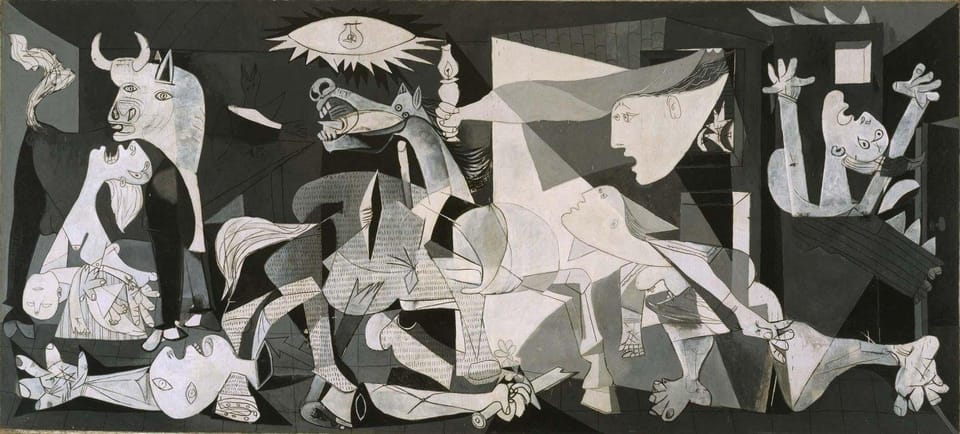
- Picasso’s El Guernica
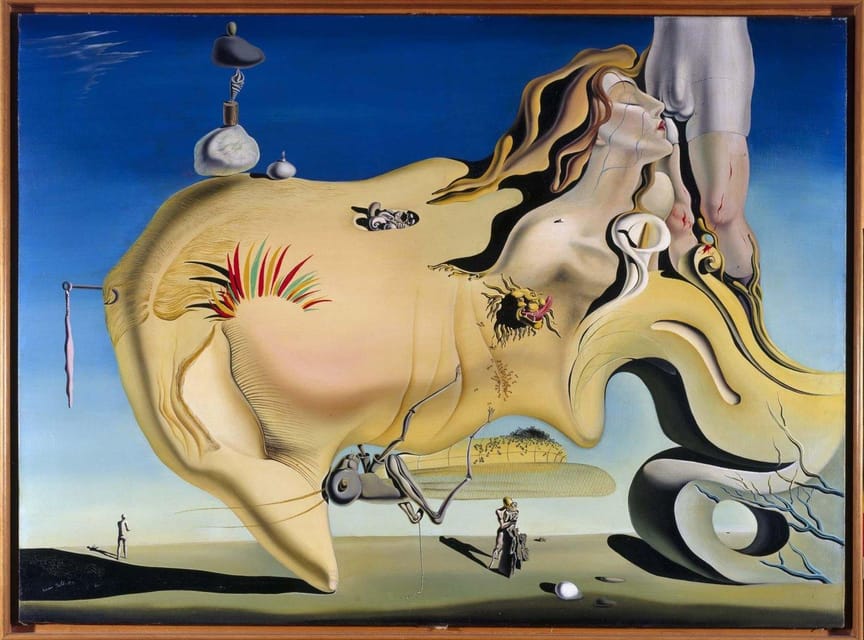
- Dalí’s surreal shock: Rostro del gran masturbador
- Miró’s contribution to modern form
- A quick practical tip
- What the museum building changes about your day
- Palacio de Cristal and Palacio de Velázquez: the Retiro add-on you may want to pair
- Price and value: is $35 for this combo a smart buy?
- Who should book this ticket (and who should think twice)
- Quick practical checklist for your Reina Sofía day
- Should you book this tour?
- FAQ
- How long does the Reina Sofía visit last?
- Do I need an internet connection for the audio guide?
- Are headphones included with the audio guide?
- Is this the museum’s official audio guide?
- What languages are available for the audio guide?
- Where do I get my tickets before going?
- Is the museum wheelchair accessible?
Key things to know before you go
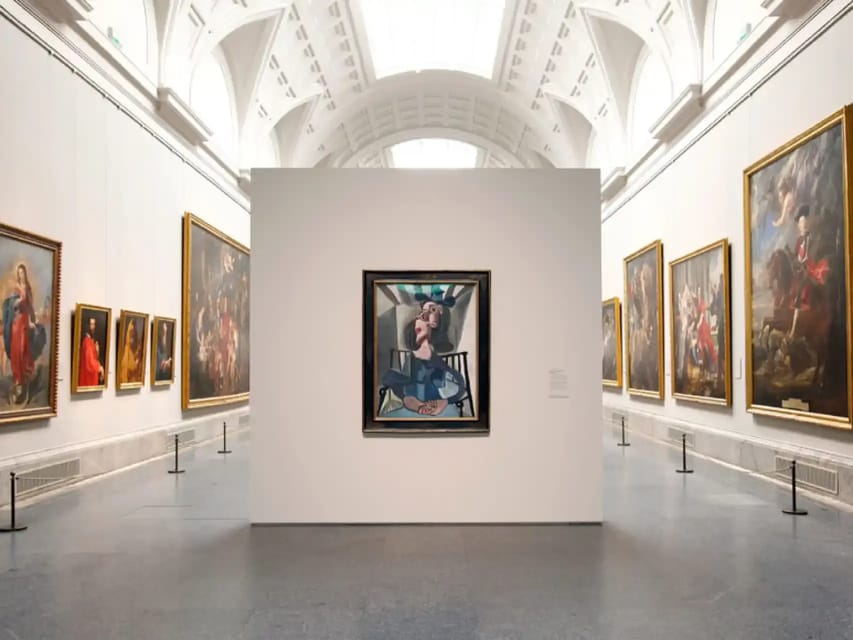
- Skip-the-line access through a separate entrance means less waiting at the ticket office
- In-app audio guide (extra resource) helps you explore independently, but it’s not the museum’s official guide
- Internet required to load the audio content, so plan for data or Wi‑Fi
- Headphones are not included, so bring your own
- Museum covers 20th-century Spanish art, including Picasso, Dalí, and Miró highlights
Reina Sofía in Atocha: why this ticket starts in a former hospital
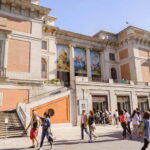
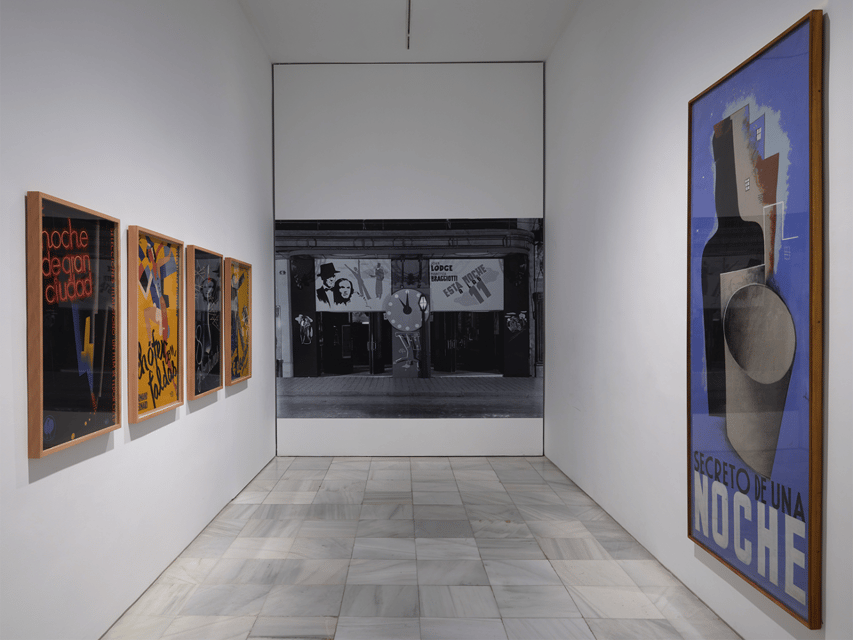
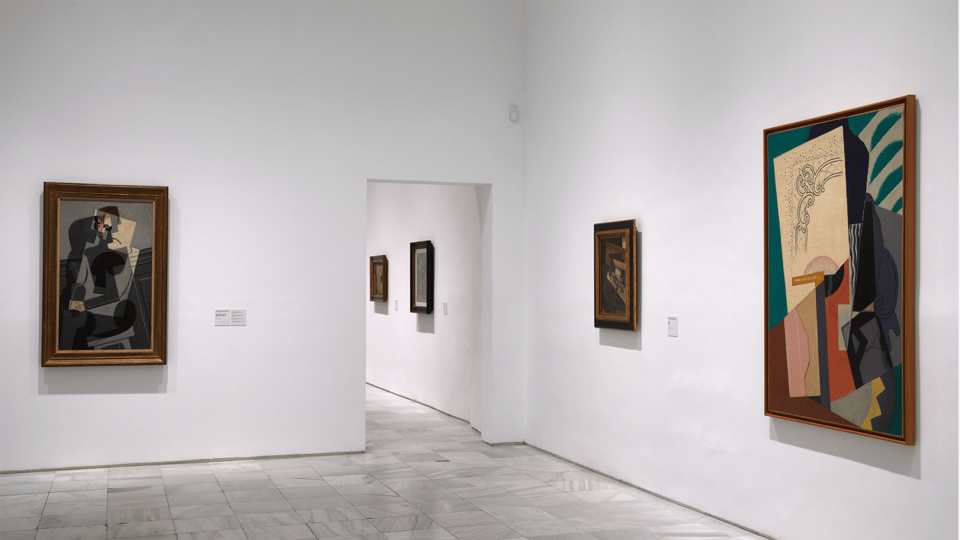
Reina Sofía, in Madrid’s Atocha area, is one of those museums where the building matters as much as the art. The museum opened in 1992, inside an 18th-century neoclassical structure that used to be the General Hospital of Madrid. That mix of old stone and modern galleries gives the visit a slightly uncanny feeling—in a good way. It’s not just white walls and spotlights. You’re moving through an older “machine” of space that now holds intense 20th-century work.
Your ticket is for the Museo Nacional Centro de Arte Reina Sofía and includes entry to the museum’s permanent collection. That permanent focus matters here. You’re not just chasing temporary exhibitions; you’re there for the lasting conversation Spanish artists started in the 1900s and kept going through the century.
You can also read our reviews of more tours and experiences in Madrid


Getting in fast: skip-the-line entry works best when you’re organized
This ticket includes skip-the-line access at the ticket office, using a separate entrance. That’s a real value in Madrid, where queues can eat hours. The trick is making the whole day smoother by having everything ready before you approach security.
You’ll also receive your entry tickets by email, the day before your visit. Keep that email handy—on your phone and, if you can, saved offline. One thing that can derail an otherwise good plan is confusion about where you’re supposed to use the entry. So: take a screenshot of the ticket details and the access instructions from your email. If your phone battery is low, charge it earlier than you think you need. Museums rarely care about your power level.
No hotel pickup or drop-off is included, so you’ll be doing public transport or walking on your own. The location in Atocha is helpful for this. Atocha is one of the city’s easiest hubs to reach.
Your self-paced route: how to structure a museum day without getting lost
The Reina Sofía experience here is intentionally self-paced. You’re not trapped in a group schedule, which is great because you can linger where the art hits hardest and move quickly past what doesn’t grab you.
I suggest you structure your day around two modes:
1) Your must-sees first
If you go in without a plan, you can spend the whole morning wandering and still feel like you missed the reason you came. Start by aiming for the major names you know you want to see—then you’ll understand everything you encounter after.
2) Your slower second pass
Once you’ve seen the anchor works, you’ll be better at catching patterns: what’s shared across styles, what’s a reaction to history, and what’s an artist’s obsession made visual. This museum’s 20th-century Spanish collection rewards repeat attention, even if you don’t literally circle back to the same gallery.
Because your ticket includes permanent collection access, you can build your day like a menu. Spend extra time with the works that give you questions, not just the ones that look famous on posters.
Using the in-app audio guide without it turning into a tech headache
The big promise is a convenient in-app audio guide with multiple languages: Spanish, English, French, and Italian. But there are also some very real “know before you go” limits.
First, the audio guide is not the museum’s official one. It’s an extra resource meant to enhance your visit. In practice, that means it may not be as structured or as deep as what the museum offers directly.
Second—and this is the dealbreaker for some people—the app requires an internet connection to access the audio content. That’s not about streaming endless music. It’s about fetching audio as you go. So before you enter, decide what your plan is if the signal is weak. Madrid museums can have patchy connectivity depending on where you stand.
Third, headphones are not included. Bring your own. If you forget, you’ll have the audio but no way to use it comfortably, which kills the benefit.
If you want to make this system work smoothly, do this simple checklist:
- Download or open the app before you’re in the most crowded areas.
- Keep an earbud option ready (wired or Bluetooth, your choice).
- If the audio stalls, don’t panic—use the museum labels and move on. You’ll still get plenty from the works themselves.
And if you’re the type who likes a fully guided, museum-grade narrative, consider bringing the museum’s official audio guide as your backup option. The in-app resource can be helpful, but it’s not guaranteed to replace the official one.
Don’t miss the heavyweights: Guernica, Dalí, Miró, and why you should look slowly
Let’s talk about the names that make this museum a must in Madrid.
You can also read our reviews of more guided tours in Madrid



Picasso’s El Guernica
If you see only one work at Reina Sofía, make it El Guernica. It’s powerful in a very direct way: you don’t need art-school language to feel its emotional force. I like seeing it when I’m not rushing. Stand back enough to take in the full composition first, then step closer to notice how the forms fight with each other—sharp angles, fractured bodies, and a sense of urgency that doesn’t let you treat it like a postcard.
This is also the kind of work where an audio guide can help, because context changes how you read the image. Even if you’re not listening to every minute, having the guide nearby can point your attention to details you might otherwise miss.
Dalí’s surreal shock: Rostro del gran masturbador
Dalí is here too, including Rostro del gran masturbador. Expect a different kind of attention—less historical weight in the same way as Guernica, more psychological weirdness. This is where you can slow your pace even more. Don’t just look for what’s obvious. Look for what you can’t stop noticing: the tension between how the image looks and what it suggests.
Miró’s contribution to modern form
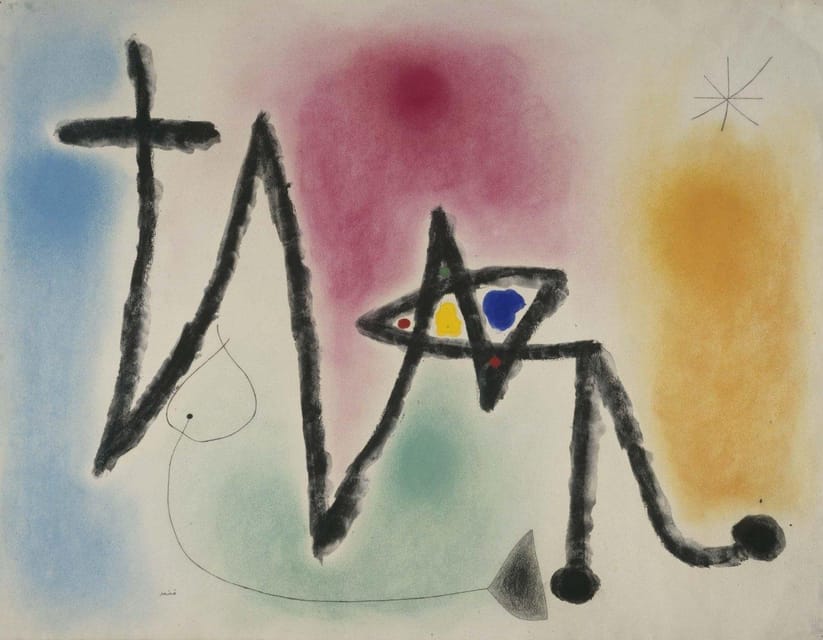
Joan Miró’s name appears among the museum’s key 20th-century Spanish art highlights. You’ll likely find pieces that feel like structured play—forms that don’t behave like literal objects, but still have a pulse. The trick with Miró is not to force a single meaning. Instead, let your eyes follow lines, shapes, and the way negative space behaves.
A quick practical tip
If you’re using the in-app guide, don’t feel obligated to listen continuously. I prefer a stop-and-start approach: read the label first, then use audio for the moments where you want context. If audio is glitchy, you can still enjoy the art without losing the day.
What the museum building changes about your day
The Reina Sofía is in a former hospital structure, so don’t expect a perfectly modern, fully flat, frictionless museum experience. Even without any closures, the building’s age can change circulation. You might find that moving between some areas feels slower than you’d expect.
That’s why I recommend planning a looser schedule than you would in a smaller museum. You’ll want time for “unexpected detours,” not because you’re lost—but because this place is big enough that the art keeps interrupting your plan.
Also, there can be closures and renovations affecting what you can access. If you arrive and find parts of the museum unavailable, don’t waste time trying to muscle your way through. Redirect your focus to the open galleries and treat it as a partial route. You’ll still leave with a strong overview of 20th-century Spanish art.
Palacio de Cristal and Palacio de Velázquez: the Retiro add-on you may want to pair
Reina Sofía isn’t only one building. The museum has two additional venues in Parque de El Retiro: the Palacio de Cristal and the Palacio de Velázquez. These spaces host temporary exhibitions and artistic installations, and the setting can make contemporary work feel different—more open-air, more atmospheric.
Here’s the honest practical angle: your ticket info provided here clearly guarantees entry to the main Reina Sofía museum and the permanent collection. It doesn’t explicitly confirm access to those Retiro venues under this same ticket. So before you spend time and energy trekking over, check whether your ticket or the app instructions include the additional venues.
If your access does cover them, pairing the museum with a Retiro walk is a smart use of the day. Even if you only visit one extra site, it can soften the intensity of the main collection with a calmer pace in the park.
Price and value: is $35 for this combo a smart buy?
At $35 per person for a 1-day ticket, you’re paying for three things: museum entry, skip-the-line convenience, and an in-app audio guide. That can be good value if:
- you’d otherwise wait in line,
- you have headphones,
- and you can get the internet connection the audio needs.
If any of those fail—no Wi‑Fi/data, no headphones, or the app audio doesn’t load—you may feel like you overpaid for what becomes basically museum entry. And since the in-app guide isn’t the museum’s official one, you also have to accept that it may not feel like a full guided experience.
My practical take: this is worth it if you treat the audio guide as a bonus, not your main plan. If you’re hoping for a perfectly reliable “walk-and-learn” system, consider also checking the museum’s official audio options so you’re not dependent on the app working every minute.
Who should book this ticket (and who should think twice)
This experience is a good fit if you:
- like museums without group pacing,
- want help understanding major 20th-century works,
- appreciate skip-the-line entry,
- and can handle basic phone logistics (data + headphones).
It’s less ideal if you:
- depend on your phone internet working flawlessly,
- hate tech that requires troubleshooting while you’re standing in front of art,
- or you specifically want the most structured, museum-official narrative.
In other words, the art is the star here. The in-app audio can enhance that, but your day shouldn’t collapse if the app stutters.
Quick practical checklist for your Reina Sofía day
- Bring your own headphones.
- Screenshot your ticket email. Save it offline if possible.
- Check your phone battery before you head to Atocha.
- Plan to spend a good chunk of the day inside. It’s not a “grab photos and leave” museum.
- If a gallery is closed or under renovation, adjust and keep moving.
Should you book this tour?
Book it if you want skip-the-line entry plus a useful in-app layer to help you interpret Spain’s 20th-century art giants like El Guernica. It’s especially reasonable if you’re comfortable managing a phone app with internet access.
Don’t book it if you’re going in with zero interest in museum labels and you can’t rely on your phone connection. In that case, you’ll still enjoy the museum—but you’d be better off planning around the museum’s own official audio options instead of counting on this in-app guide to carry the experience.
FAQ
How long does the Reina Sofía visit last?
The ticket is valid for 1 day, but the time you spend inside is up to you since it’s self-paced.
Do I need an internet connection for the audio guide?
Yes. An internet connection is required to access the audio content in the app.
Are headphones included with the audio guide?
No. Headphones are not included, so you’ll need to bring your own.
Is this the museum’s official audio guide?
No. The audio guide included is an extra in-app resource and not the museum’s official one.
What languages are available for the audio guide?
The digital audio guide is available in Spanish, English, French, and Italian.
Where do I get my tickets before going?
You should check your email to receive your entry tickets. Tickets are sent the day before your visit.
Is the museum wheelchair accessible?
Yes. The activity is wheelchair accessible.