REVIEW · MADRID
Madrid Region Wineries Guided Tour with Wine Tastings
Book on GetYourGuide →Operated by Gourmet Madrid · Bookable on GetYourGuide
Chinchón wine tastes different when you meet the families. This 6-hour Madrid Region Wineries tour pairs medieval-town walks with hands-on tastings, including stories from the people who actually make the wine. I love that it is not just pouring and posing; you get vineyard and cellar context. I also love the variety: each stop feels like a different chapter, from traditional methods to modern changes and even centuries-old caves.
One thing to consider: it is a tasting-heavy day. With 3 winery visits and 9+ pours (plus appetizers), you’ll want to plan your pace and not treat it like a casual stroll with a few sips.
In This Review
- Key highlights at a glance
- Why Madrid Region wine tours are more than a drink-and-drive
- Getting out of Madrid: the meeting point and the 35-minute ride to Chinchón
- Chinchón: the first tasting stop and why this town matters
- The in-between drive: 25 minutes to see more, not just move faster
- Colmenar de Oreja: where caves, vines, and clay pots steal the show
- Comparing 3 winery styles in one day (and actually learning something)
- Food and wine pairing: appetizers that keep you comfortable
- Price and value: what $171 buys you in the real world
- Who this tour suits best—and who should skip it
- Should you book this Madrid Region Wineries guided tour?
- FAQ
- How long is the Madrid Region Wineries guided tour with wine tastings?
- Where do I meet the tour in Madrid?
- How many wineries do you visit?
- How many wines do you taste?
- What’s included besides the tastings?
- Is lunch included?
- Is this tour suitable for children and wheelchair users?
Key highlights at a glance
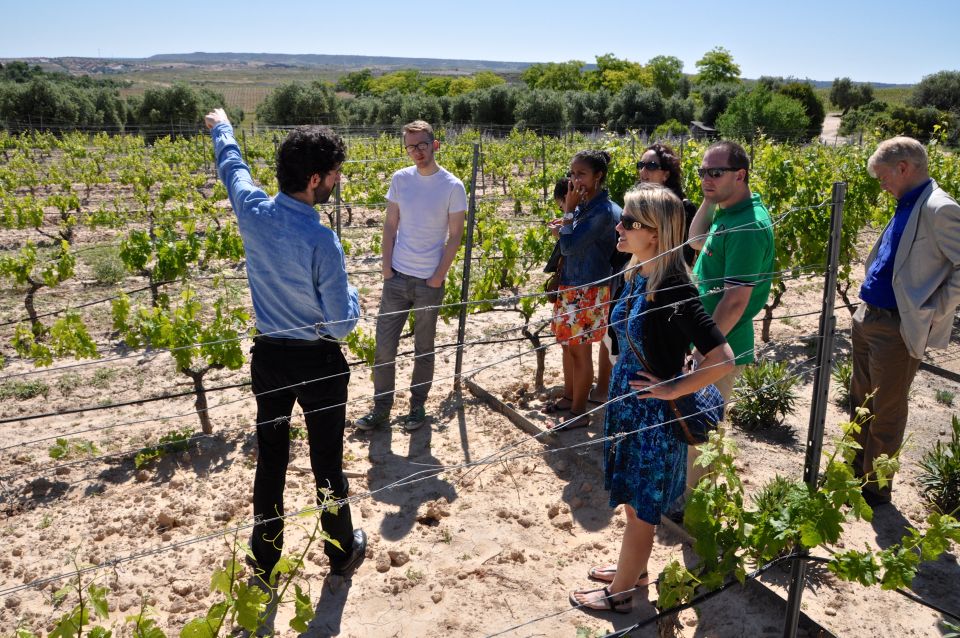
- 3 family-owned wineries in the Madrid wine zone, with tastings at each stop
- At least 9 wine tastings paired with local appetizers
- Winemaker-led storytelling, including multigeneration family perspectives
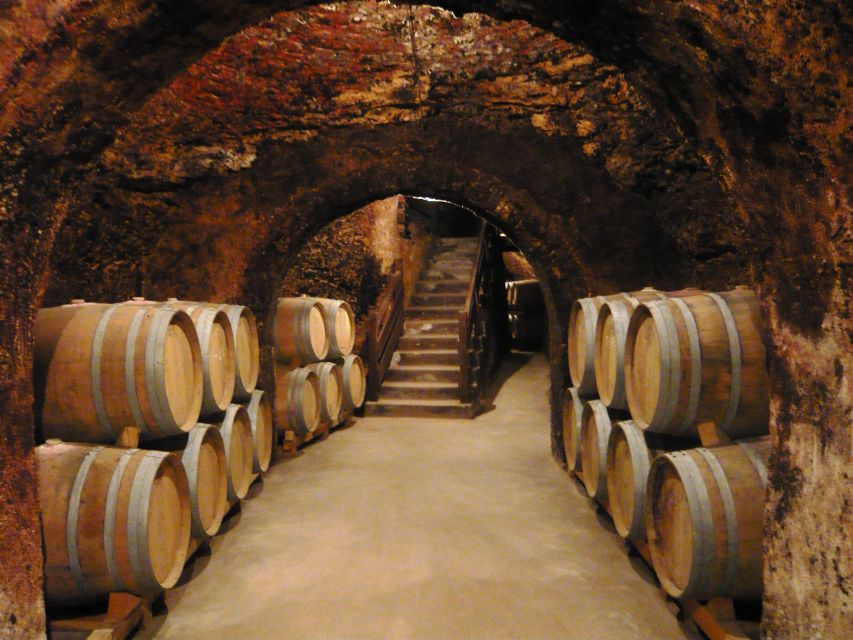
- Vineyard time and cellars, including ageing in caves
- Two medieval towns: Chinchón and Colmenar de Oreja
- Small group size (about 8 on average, max 20) for a more personal feel
Why Madrid Region wine tours are more than a drink-and-drive
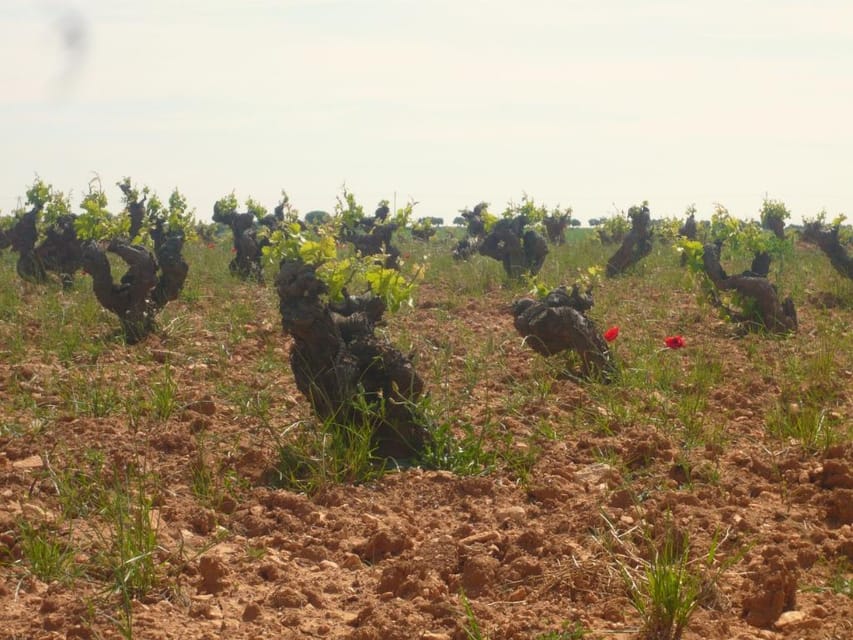
Madrid is famous for art and day trips that feel like postcards. This tour adds something better: a real look at how wine fits into daily life outside the city. You’re in the Denomination of Origin Vinos de Madrid, where winemaking traditions stretch back centuries, tied to the fertile river areas and the long agricultural rhythm around the capital.
The big win here is that the tasting is paired with context. You don’t just sample grapes; you learn why styles differ. Tempranillo is a recurring thread in this region, and you’ll hear how it ends up full-bodied and characterful, shaped by local land and methods. If you care about wine even a little, that explanation turns the pours from random choices into something you can actually compare.
This is also one of the best ways to experience the countryside without renting a car. You get the scenic ride out of Madrid, then a structured day that stays fun instead of turning into logistics homework.
You can also read our reviews of more guided tours in Madrid

Getting out of Madrid: the meeting point and the 35-minute ride to Chinchón
You meet at Pl. del Conde de Casal, 6, at the front door of the cafetería of Hotel Claridge. The closest Metro stop is Conde de Casal (Line 6). That’s convenient if you’re staying anywhere near the south or east side of central Madrid, and it helps you avoid a stressful scramble right before departure.
Once you board, expect a scenic coach drive. The tour builds in sightseeing time on the way, so the day doesn’t start with a dry “sit and wait” feeling. You’re traveling to towns that have actual old-stone gravity. The coach portion is also why this tour works even if you don’t know anyone with a car: you spend time looking out the window instead of navigating roads.
Practical tip: wear shoes you can walk in. Even though the tastings are the main event, there is still time for town wandering, and cobblestones are never impressed by fashion sneakers.
Chinchón: the first tasting stop and why this town matters
Chinchón is one of those historic towns that feels built for slow strolling. You go there first, and you get a long enough visit to make it more than a quick photo stop. Then the day flips from “town vibes” to “winemaking reality,” because your first winery visit is scheduled with guided tour time and tastings plus appetizers.
What I like about starting in Chinchón is the contrast. The tour’s wineries aren’t all clones of the same business model. One stop is the traditional side of the region’s winemaking; another leans more modern while still staying rooted in family practice. That means you can look at the same overall terroir and see how different choices change the glass.
Another detail that adds value: you’re not tasting in a vacuum. You’re in the kind of setting where winemakers can explain what they do and why, which helps you understand terms and techniques you might have heard before but never connected to real bottles. In multiple cases, the story is told by family members who represent more than one generation, so you hear continuity instead of a rehearsed sales pitch.
Time-wise, plan on about 75 minutes at the first Chinchón winery for the guided visit, tastings, and local snacks. That’s enough time to ask questions without the group energy turning into a race.
The in-between drive: 25 minutes to see more, not just move faster
After Chinchón’s first winery, the tour includes another scenic stretch by coach and a 25-minute sightseeing window. This part is subtle but important. Wine days can get one-note fast. That break gives your brain a reset so the next town and cellar time feel like a new experience instead of a continuation of the same room.
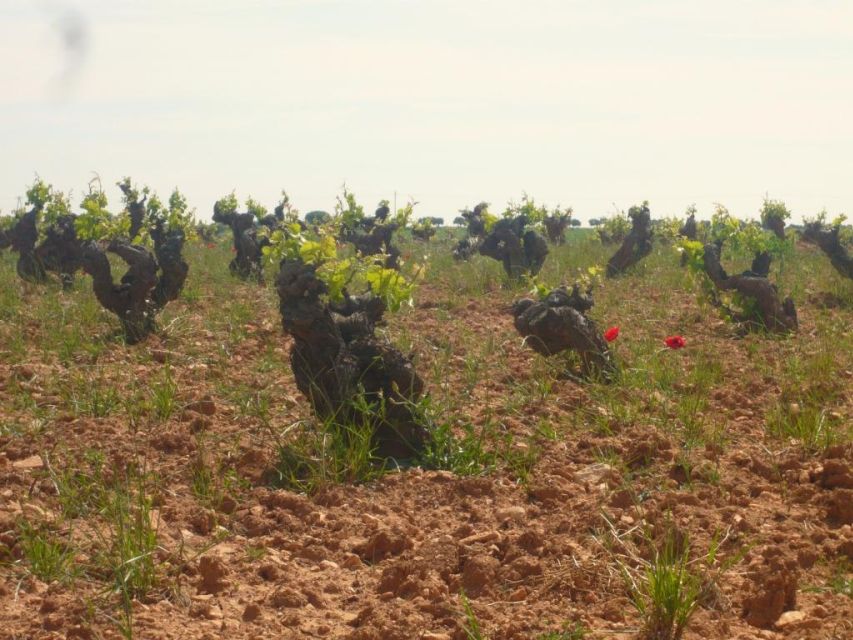
You also get a sense of why Tempranillo shows up so often here. When you look at vineyards from the outside, you understand that “terroir” isn’t a buzzword. It’s the shape of the land, the exposure, and the way vines are planted. Even without technical jargon, you can start to connect the environment to the final flavor.
Colmenar de Oreja: where caves, vines, and clay pots steal the show
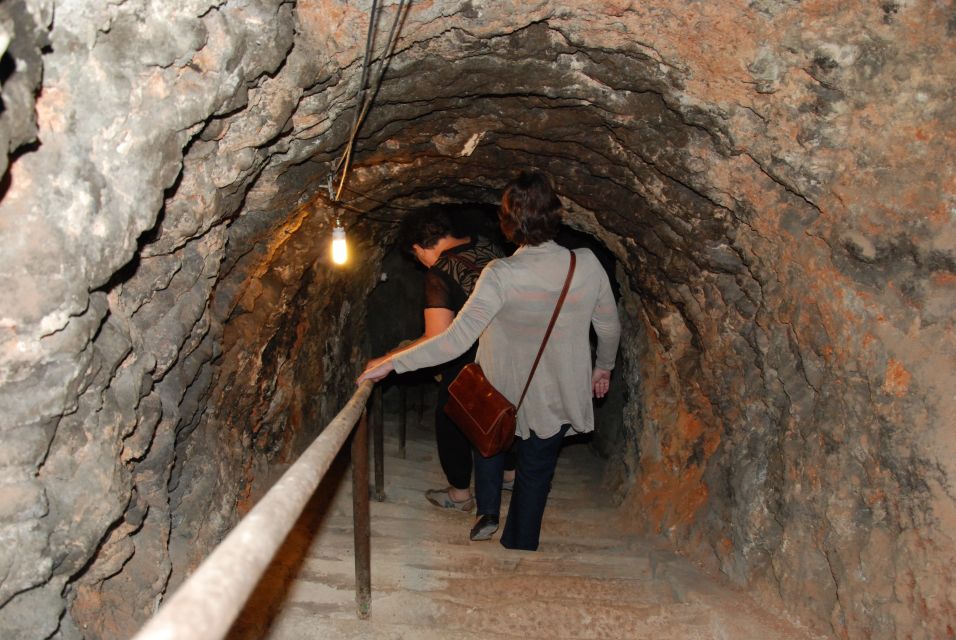
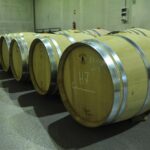
Colmenar de Oreja is the payoff town for anyone who likes wine history and cellars. This is where the tour leans into the dramatic side of winemaking: centuries-old caves where wines age, plus time in spaces linked to long-standing methods.
The tour includes about 25 minutes of travel time to reach Colmenar de Oreja. Once there, you hit your second winery stop with guided tour time, tastings, and local snacks for around 75 minutes.
Then you walk about 7 minutes between the second and third winery stops. That short on-foot segment matters because it keeps the day from feeling like a “drop, pour, drive” loop. You get your legs back, and the town atmosphere gives context to what you’re seeing in the cellars.
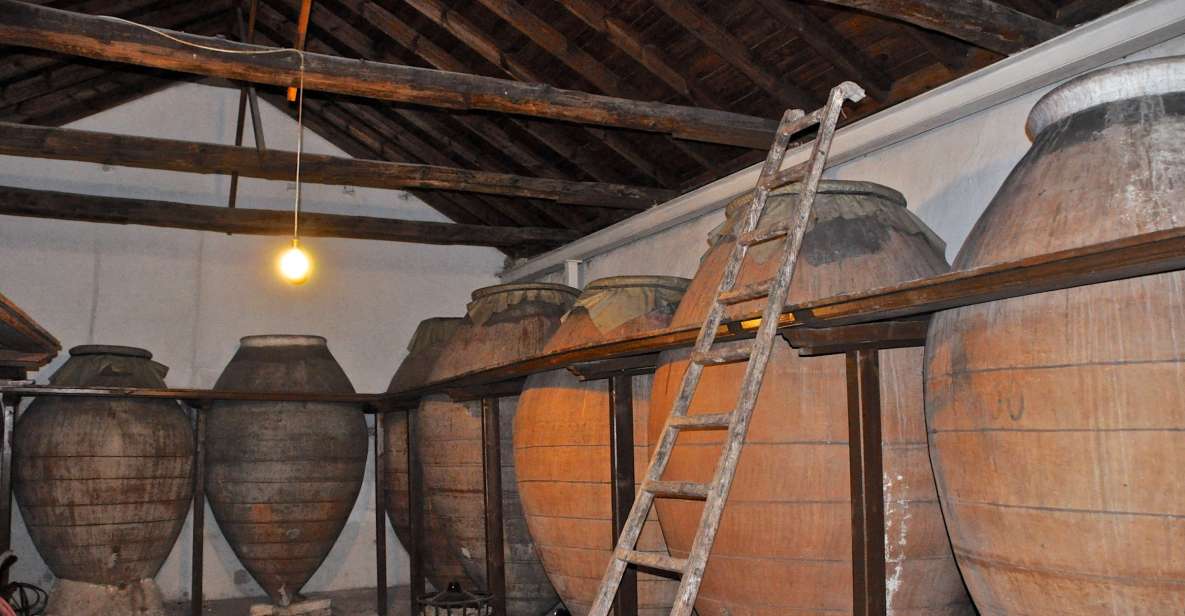
One of the most memorable descriptions of this region is how wine can be aged in traditional ways, including clay pots that are over a hundred years old. Even when you don’t know the chemistry behind it, you’ll feel the difference in the story: this isn’t only modern production for a market. It’s heritage work done by families who keep the craft going.
And yes, you’re also tasting multiple varieties. The aim is at least 9 wines total across the day, with tastings paired with appetizers. In plain terms: you’re given enough sampling variety that you can start spotting what you personally like, instead of getting stuck with one style.
You can also read our reviews of more wine tours in Madrid


Comparing 3 winery styles in one day (and actually learning something)
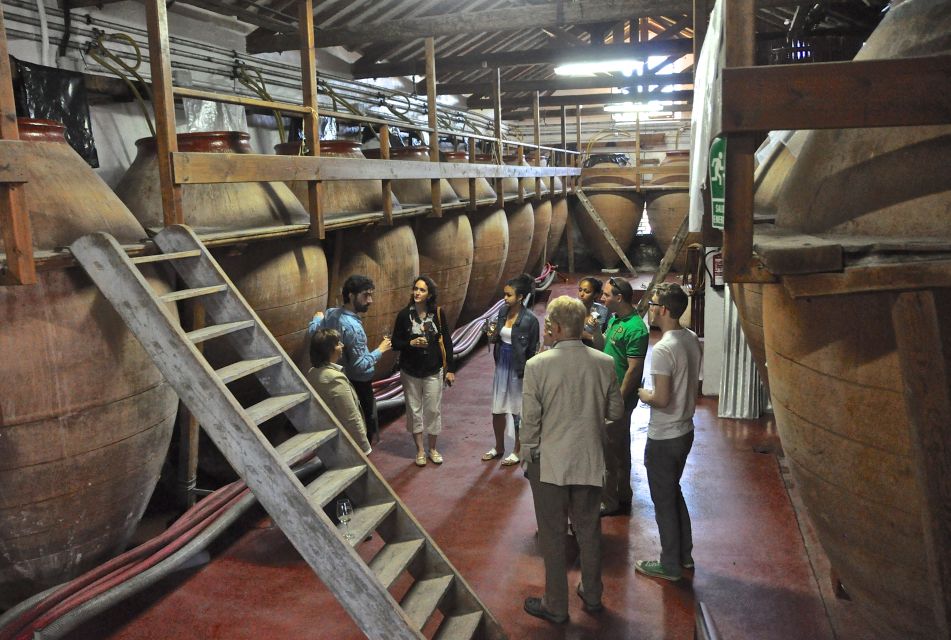
A lot of wine tours feel repetitive: same room, same script, slightly different labels. This one works better because the three wineries are described and experienced as different approaches.
Here’s how to make this day pay off mentally:
- When the guide talks about production, connect it to what’s in your glass right now. If you hear about aging conditions or vessel choices, pay attention to the finish and texture.
- Taste in small moments. Don’t gulp and forget. Let one pour land while you still remember what was explained.
- Ask one question per stop that links to the last one. For example, if one winery leans traditional, ask what the modern adjustments change at the flavor level.
In the field, the best moments tend to come from family explanations. You’ll hear anecdotes from owners and winemakers, often from multiple generations. That’s the kind of storytelling that makes the tour feel less scripted and more like visiting someone’s workplace and home culture.
Also, the pacing helps. Each winery has about 75 minutes, so you get time for the cellar tour, the tasting itself, and the back-and-forth questions. With a small group, it’s much easier for the guide to keep the energy friendly instead of rushing everyone.
Food and wine pairing: appetizers that keep you comfortable
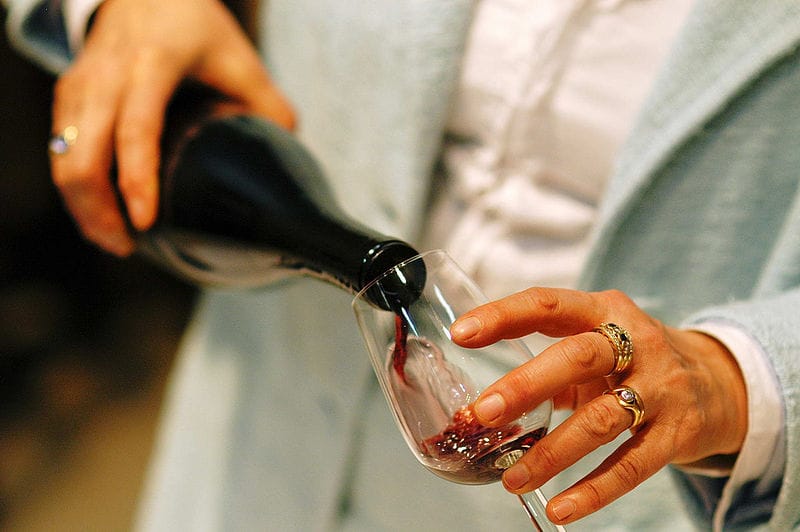
Lunch is not included, but you do get local appetizers at each winery. That matters. With 9+ wines, you want something in your stomach that’s more than plain bread snacks.
Across the tastings, the appetizers are described as local and simple: things like cheese, olives, and hummus show up in the experience, along with other snack-style bites that help the flavors make sense together. You’ll often find pastries too, which is a lifesaver if you’re sensitive to the impact of alcohol on an empty stomach.
This setup makes the tour easier on real people schedules. You’re not stuck trying to hunt down lunch in towns you barely know. Instead, you get a steady flow of food that keeps the day enjoyable.
Still, consider this advice: hydrate before you board and take your time between pours. The tour runs about 6 hours, and with multiple tastings, comfort depends on your pacing.
Price and value: what $171 buys you in the real world
At $171 per person for a 6-hour half-day, the question isn’t only whether it is expensive. The question is what you get for the money.
Here’s the value math that makes sense for this tour:
- Round-trip transportation from Madrid
- A bilingual expert guide (Spanish-English)
- Three winery visits with guided tours
- Wine tastings at each winery, totaling at least 9 wines
- Local appetizers at each winery
In wine country, transport and guided access can cost real money on their own. Add in cellar tours and winemaker-led explanations, and this shifts from a basic tasting to an organized education. You’re paying for time with people who can answer questions and show you the spaces behind the labels.
Also, the group size matters for value. Maximum 20, average around 8, means you’re more likely to get attention and answers instead of being one more name in a big bus line. That’s where tours quietly succeed or fail.
If you want to buy bottles, budget extra. One of the tastings is known for having bottles available for purchase, and some people have mentioned a 1983 Rosé offered at around €80 per bottle (split among a group). That’s not required, but it’s a clue that the tour reaches beyond “try it and leave it.”
Who this tour suits best—and who should skip it
This is a strong match if you want:
- Small-group wine tasting with actual explanations
- Family-run wineries in the Madrid countryside
- A day trip that mixes town walking and cellar visits
- A mix of traditional and more modern winemaking approaches
It’s also a good fit if you’re traveling solo and prefer a structured day. The tour is described as a safe option for solo female travelers, and the small-group setup helps the day feel more comfortable.
Skip or reconsider if:
- You need wheelchair access. The tour is not suitable for wheelchair users.
- You’re traveling with children. Children under 12 cannot take part.
As for rules, this tour sets clear boundaries: pets aren’t allowed, costumes aren’t allowed, and intoxication isn’t allowed. That’s usually a sign the organizers care about keeping the experience pleasant for everyone.
Should you book this Madrid Region Wineries guided tour?
I’d book it if your idea of a great Madrid day includes real winemaking context and you like learning through a tasting format. The combination of three family wineries, 9+ wines, and time in caves and vineyard settings is exactly what turns a wine trip into something you’ll remember beyond the bottle.
I’d think twice if you’re looking for only a light, casual outing. This is a tasting day with enough wine that you’ll want a calmer pace and a clear plan for hydration and food.
If you’re on the fence, use this quick filter:
- If you want to compare different winemaking approaches in the same region, book it.
- If you just want a quick sip and back to the city, you’ll feel the structure is doing too much.
FAQ
How long is the Madrid Region Wineries guided tour with wine tastings?
It lasts about 6 hours.
Where do I meet the tour in Madrid?
You meet at the front door of the cafetería of Hotel Claridge, next to the main hotel door, at Plaza del Conde de Casal, 6, 28007 Madrid.
How many wineries do you visit?
You visit 3 family-owned wineries.
How many wines do you taste?
You’ll taste at least 9 wines across the three winery stops.
What’s included besides the tastings?
Round-trip transportation, a bilingual guide (Spanish-English), guided visits at each winery, and local appetizers at each winery.
Is lunch included?
No. Lunch isn’t included, though the appetizers are meant to cover a light meal.
Is this tour suitable for children and wheelchair users?
Children under 12 years can’t take part, and the tour is not suitable for wheelchair users.