REVIEW · MADRID
Madrid: Highlights Guided Vintage Bike Tour and Tapas Option
Book on GetYourGuide →Operated by BiziTour · Bookable on GetYourGuide
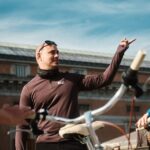
Madrid clicks better when you move. This 3-hour vintage bike tour links famous Madrid landmarks with stories you actually remember, from the Royal Palace to Retiro Park and the Prado area, all in an easy city format. I love how the route is built around photo stops that keep you from just passing by great sights, and the guides like Manuel turn each corner into a mini lesson on art and history.
The big thing to consider is the ride style: these are vintage bikes, and some parts of Madrid are rough. Reviews mention there’s no suspension on bumpy cobblestones, so if you’re sensitive to that kind of road feel, factor it in.
In This Review
- Key things I’d circle before you book
- Getting Oriented in Central Madrid on Vintage Wheels
- Las Letras Quarter and Puerta del Sol: where the stories are short and sweet
- Royal Palace, Plaza de la Villa, and Plaza Mayor: the classic Madrid triangle
- Casa de Cervantes, CaixaForum, and the Prado area: art and literature without the museum fatigue
- San Jerónimo el Real and Retiro Park: a breather that still counts
- Alcalá Gate and Gran Vía finish: big views, quick hits
- Your bike, comfort items, and what to expect on the road
- Price and value: why $32 feels fair for 3 hours
- Who should pick this tour, and who might not
- Should you book this BiziTour vintage bike tour?
- FAQ
- How long is the vintage bike tour?
- What languages are the live guides available in?
- What’s included with the bike and safety gear?
- Is an electric bike available?
- Which major areas and landmarks do you visit?
- Is there free cancellation and a pay-later option?
Key things I’d circle before you book
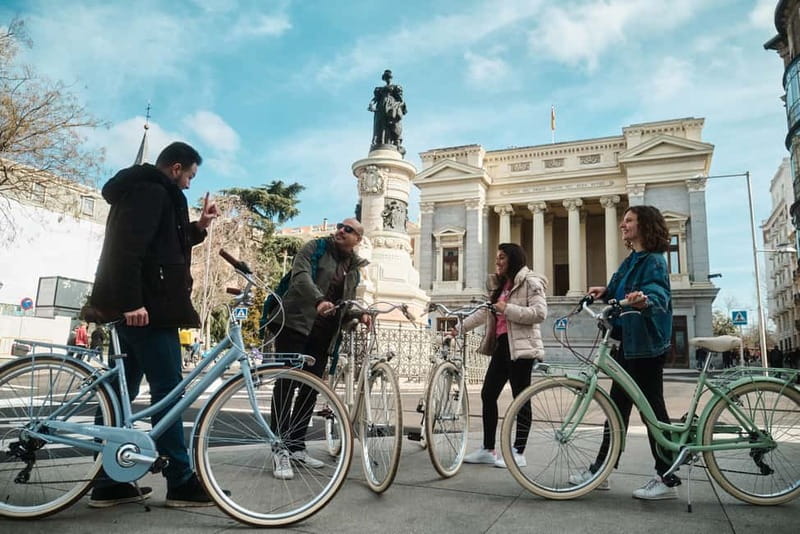
- A tight 3-hour loop hits central Madrid hard, from Las Letras and Puerta del Sol to Plaza Mayor and Retiro
- Guides are the main event, with names like Manuel and Rudy showing up in great feedback for pacing, clarity, and fun details
- Photo-stop timing is built in, so you can actually shoot the big scenes instead of biking past them
- Vintage bikes with optional electric assist, depending on what you select
- Practical gear and support are included, like helmets, gloves, and storage/lockers
- You also get tapas and restaurant guidance, plus a map for where to go after the ride
Getting Oriented in Central Madrid on Vintage Wheels
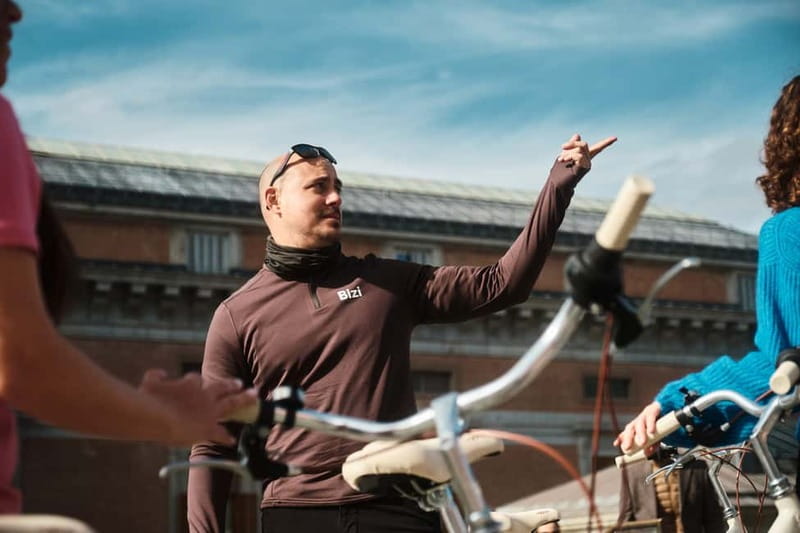
This tour is designed for one job: help you get your bearings fast without wearing out your feet. In about three hours, you cover a lot of central Madrid because the bike does the heavy lifting. The pace stays friendly—enough time to look, listen, and stop for photos—while still letting you cover major zones you’d otherwise bounce between by taxi.
You start at C. de Moratín, 29, which puts you in reach of the neighborhoods that define Madrid’s center. From there, the route fans out to major landmarks, then brings you back to the same meeting point. That makes it a strong first-day activity if you want the city laid out in your head.
The tour is three hours, and it runs with a live guide in English, French, and Spanish. If you prefer going just with your group, a private group option is available. I like this setup for mixed groups too: you can be a first-timer, or you can want a lighter workout while still hearing why places matter.
You can also read our reviews of more cycling tours in Madrid


Las Letras Quarter and Puerta del Sol: where the stories are short and sweet
The ride begins with the Las Letras Quarter, a neighborhood tied to Madrid’s literary identity. You get a short guided moment plus a photo stop, then you’re moving again. This is the kind of start that works because it shows you the vibe before you get hit with the bigger monuments.
Next comes Puerta del Sol for about a 15-minute stop. This is Madrid’s crossroads energy—busy streets, iconic sights, and the feeling that everyone is going somewhere important. During this stop, the experience centers on classic landmarks and symbolism, including the Bear and the Madroño tree area and the Sun-themed iconography associated with the square’s identity. You also get guided context, so you’re not just photographing the obvious—you understand what you’re looking at and why locals treat these spots like reference points.
One practical note: Sol can feel crowded. The tour’s bike format helps you keep momentum, but you’ll still want to stay alert around pedestrians and street transitions. If you’re comfortable walking through busy squares, you’ll be fine.
Royal Palace, Plaza de la Villa, and Plaza Mayor: the classic Madrid triangle
Then the tour pivots into Madrid’s monumental core. The Royal Palace of Madrid gets a photo stop plus guided visit for around 15 minutes. Even if you’re not going inside, you’ll get the setting and the storytelling that makes the building make sense in the city’s layout. The tour also ties into areas listed for the experience like Orient Gardens, so the palace isn’t treated as a single image—it’s framed as part of a larger palace-landscape relationship.
After that, you hit Plaza de la Villa (about 15 minutes, with another photo stop and guided explanation). This stop is a good contrast to the big Royal Palace scale. It helps you see how Madrid’s old center works: royal power, civic identity, and everyday street life stacked together.
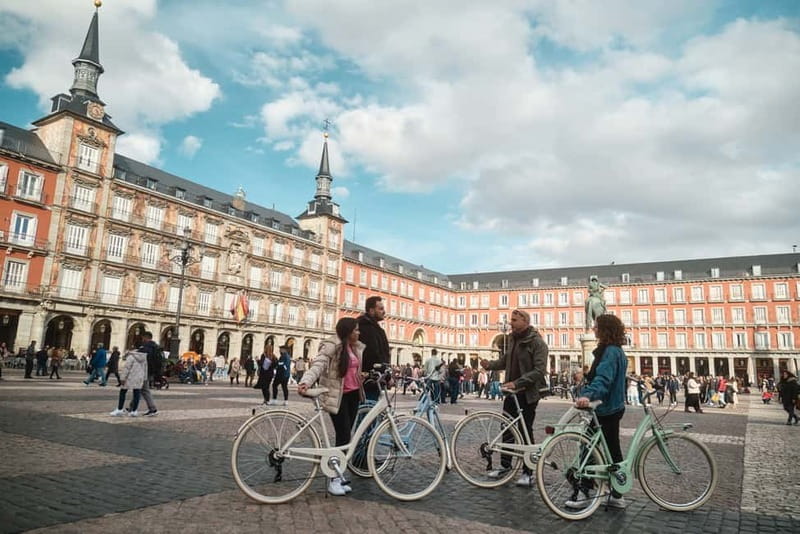
Finally, the tour brings you to Plaza Mayor for about 15 minutes. This is one of those places where you can take photos for days, but the value of a guide is that you learn what to notice while you’re there: the geometry, the role of the square, and the way the area functions as a Madrid gathering stage. It’s not hard, and it’s not rushed. You have enough time to stop, look up, and get a clean shot without constantly restarting your bike.
If you like architecture and you hate waiting around, this part of the route is a win. The tradeoff is that these are major sights, so expect people around you and plan on doing your best photo work quickly when you get a good angle.
Casa de Cervantes, CaixaForum, and the Prado area: art and literature without the museum fatigue
Between the monumental squares, the tour adds two stops that help Madrid feel modern and human.
First is Casa de Cervantes, for a short 5-minute photo stop and guided moment. The point here is quick context: the literary thread that runs through Madrid. It’s short by design, so you don’t lose your energy before you get to the bigger art stops.
Then comes CaixaForum Madrid (around 10 minutes). You’ll get a guided visit and photo time here too. This stop is useful because it changes the texture of the tour: instead of only grand old-world scenes, you get a contemporary art and cultural feel in the middle of the old city.
Next is the big-name art area: Museo del Prado (about 10 minutes, with photo stop and guided visit). This is not described as a full museum day, so don’t expect deep-gallery wandering. What you do get is a guided orientation around the Prado zone and a chance to understand why this place anchors Madrid’s art reputation. If you’re planning a longer museum visit later, this tour helps you decide what you’ll prioritize.
For readers who love art but dislike spending half a day inside, this middle section nails the balance: you get key stops and context, without turning your trip into a checklist marathon.
San Jerónimo el Real and Retiro Park: a breather that still counts
After the art and palace energy, the tour gives you nature and calm with Retiro Park and the nearby palace garden context.
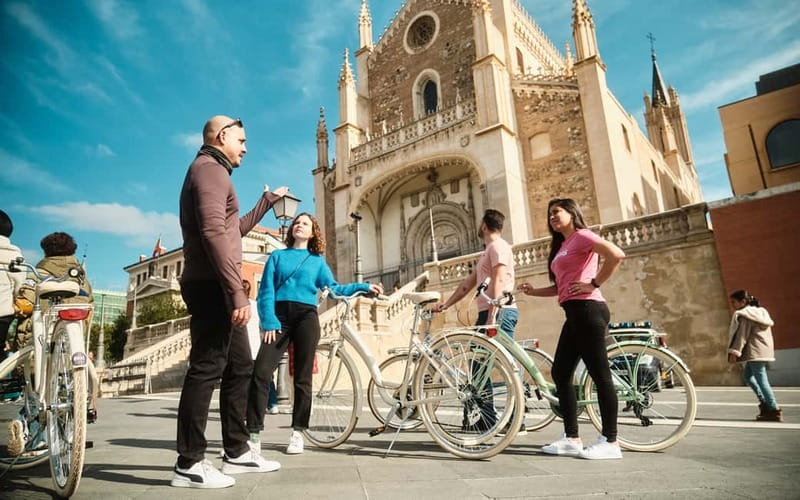
Before Retiro, you stop at San Jerónimo el Real (around 10 minutes). This is another photo stop with guided explanation, and it adds variety: the tour isn’t only about palaces and squares. Places like this give you a sense of Madrid’s religious architecture and how it weaves into the city’s story.
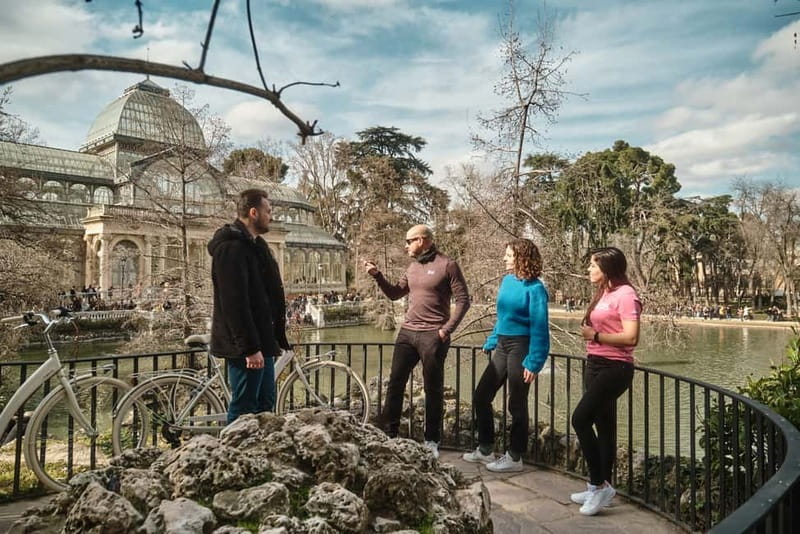
Then you roll into Retiro Park for about 30 minutes, which is the longest single segment after your main center stops. That matters because it gives your legs and brain time to reset. Retiro isn’t just green scenery; the guided time helps you notice the park’s identity and how it connects to the area tied to Retiro Palace. You end up with a different kind of Madrid memory than you get from monuments—more like a lived-in pause.
A bonus from the reviews: guides often manage pace well enough that even riders who aren’t cyclists feel comfortable. Still, remember the vintage bike factor on older pavement. Retiro’s paths can feel easier than the tight street segments near major squares, so you’ll likely feel the ride shift here.
You can also read our reviews of more guided tours in Madrid



Alcalá Gate and Gran Vía finish: big views, quick hits
To close the tour, you get two iconic “Madrid looking forward” moments.
First is Alcalá Gate (about 15 minutes). You get the photo stop and guided time here, and it’s a classic visual payoff after earlier palace-and-square stops. It also helps you understand how Madrid expands outward from its historic center.
Then you arrive at Gran Vía for about 5 minutes. This is a quick snap of Madrid’s grand boulevard style: a fast finish that helps you connect the city’s old-world core with its modern, wide-street energy. It’s short on purpose, so you don’t end your tour exhausted right before you head off to dinner.
The route then returns you to C. de Moratín, 29, making the whole experience feel like a loop—satisfying, tidy, and easy to plan around.
Your bike, comfort items, and what to expect on the road
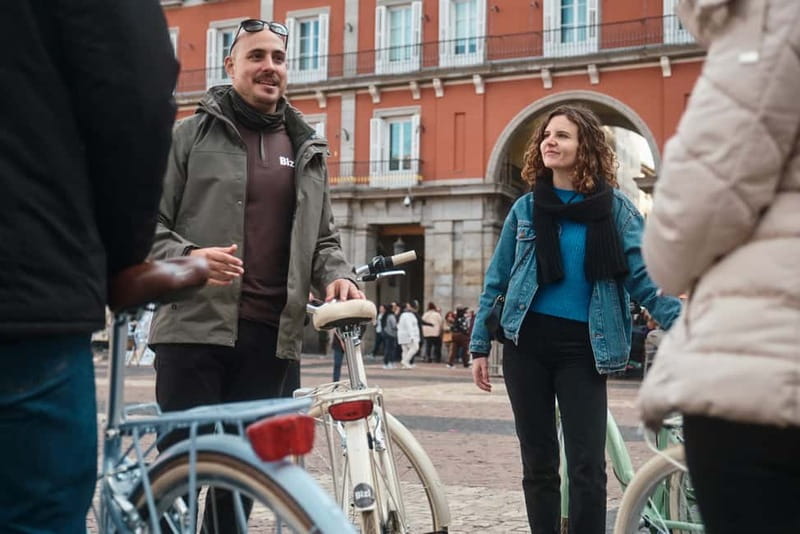
The tour includes a vintage city bicycle in good quality, plus helmet and gloves. There’s also a baby carrier available, and you’ll get storage for luggage and lockers. For a short city tour, that last detail is more important than people think: you don’t want to wrestle backpacks while trying to enjoy stops.
If you select it, you can ride an electric bike. That’s a smart option if you want the same sightseeing experience with less pedaling effort.
Now the honest ride expectation: vintage bikes can feel different on Madrid’s uneven surfaces. Reviews specifically note there’s no suspension on bumpy cobbled roads, and that the bikes typically run with five speeds, which is usually enough for city cycling. For many people, that just means slow down, loosen your grip, and let the guide steer you through the busy bits.
In terms of safety and stress level, the reviews are strongly positive about guidance and being looked after. Many people also say the pace works even if you aren’t a cycling expert. So if you’re comfortable on a bike in a city environment and can handle rougher pavement occasionally, this tour is a good fit.
Price and value: why $32 feels fair for 3 hours
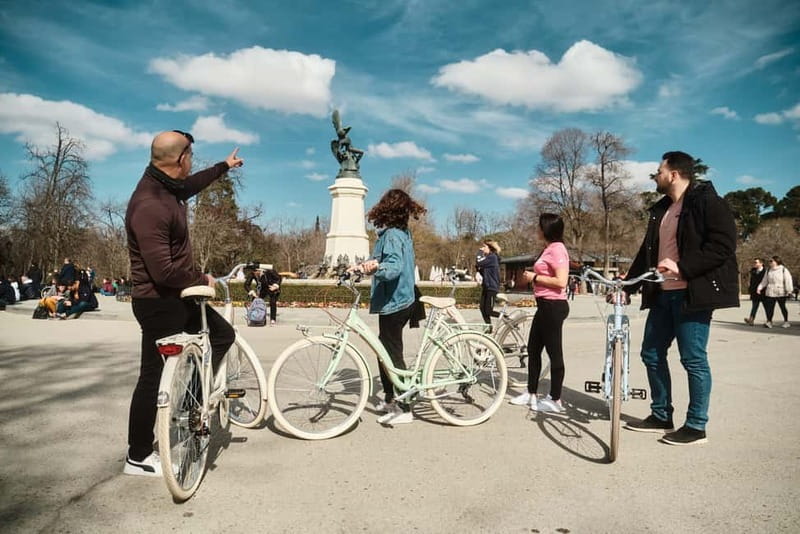
At about $32 per person for 3 hours, this is priced like a real sightseeing activity, not just a rental bike with a vague map. You’re paying for three things:
- A planned route that bundles major landmarks into one ride rather than forcing you to stitch them together
- A live guide with multilingual delivery (English, French, Spanish)
- Included bike gear and support, like helmets and lockers, plus a map and tapas/restaurant recommendations
If you’re visiting Madrid for the first time, this kind of “orientation + highlights” format often saves time and decision fatigue. And the included guidance about food—an essential tapas and restaurants map—turns your day into something actionable. You’re not left guessing where to eat after you’ve seen the iconic sights.
From the feedback, guides like Manuel and Rudy stand out for pacing and for giving practical ideas for what to do next, including food suggestions and even rooftop bar directions. That kind of follow-up value is what makes a tour feel worth it, even if you already know the big names on the skyline.
Who should pick this tour, and who might not
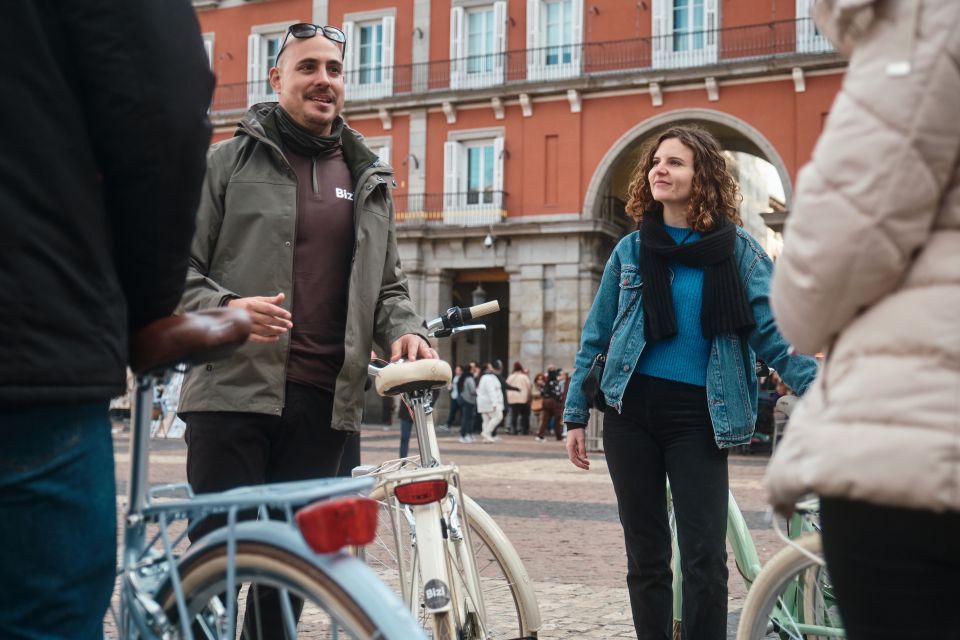
This tour is great if you:
- want to cover lots of central Madrid in a short time
- like learning stories tied to places, not just taking photos
- want an active day without committing to a full museum marathon
- appreciate practical suggestions for tapas and where to go after
It may be less ideal if:
- you’re very sensitive to bumps from older paving
- you strongly prefer museum entry time over street-level context (since some major sights get guided stops rather than long interior stays)
The good news is that the tour is flexible in how guides handle pace and interests, and there’s a private group option if you want a quieter, custom experience.
Should you book this BiziTour vintage bike tour?
I’d book it if you want a fast, guided way to connect Madrid’s biggest landmarks into a single mental map. The strongest selling points are the built-in photo-stop timing, the multilingual live guides (with great experiences tied to guides like Manuel and Rudy), and the practical extras like helmets, lockers, and tapas recommendations.
If the idea of riding a vintage bike over uneven cobblestones gives you pause, choose the electric bike option if available and go in expecting a lively city surface, not a smooth cycling track.
FAQ
How long is the vintage bike tour?
It lasts about 3 hours.
What languages are the live guides available in?
The tour offers live guiding in English, French, and Spanish.
What’s included with the bike and safety gear?
You get a good-quality vintage city bicycle plus a helmet and gloves, along with baby carrier support if needed. There is also storage and lockers.
Is an electric bike available?
Yes. An electric bike option is included if selected.
Which major areas and landmarks do you visit?
You’ll visit places including Las Letras Quarter, Puerta del Sol, Royal Palace, Plaza de la Villa, Plaza Mayor, Casa de Cervantes, CaixaForum, Museo del Prado, San Jerónimo el Real, Retiro Park, Alcala Gate, and Gran Vía.
Is there free cancellation and a pay-later option?
Yes. You can cancel up to 24 hours in advance for a full refund, and there is a reserve-and-pay-later option available.