Street art in Madrid has a heartbeat—and Lavapiés shows it. This 2-hour Lavapiés tour mixes world-famous murals with small, smart details you’ll miss on your own, and it ends with a visit to a local gallery where art feels personal. I love the small group pace (walk, look, talk) and the way the guide ties the walls to real culture and artists, not just paint. One possible drawback: if you want a long museum-style experience, this is mostly time outdoors, plus a short gallery stop.
What makes it click is the neighborhood choice. Lavapiés sits away from the main sightseeing loop, so you get that everyday-Madrid feeling while still seeing major works. I found it especially good for learning how to read street art—tags, paste-ups, and bigger mural styles—so your eyes start working differently by the end. Consider wearing comfy shoes and carrying water if you go in warm weather, because it’s a walking tour through active streets.
In This Review
- Key highlights worth showing up for
- Why Lavapiés Turns Murals into Neighborhood Stories
- Value of a $33 Lavapiés Street Art Walk (2 Hours, Small Group)
- Meeting at Portomarín: Start Easy, Get Oriented Fast
- Calle de Argumosa: Getting Your Eye Working
- Reina Sofía Area Pass: Big Art Energy Without the Museum Day
- Mercado Antón Martín: Colorful Urban Life and Real Local Texture
- Trampantojo Cerámico de Lola Gil: When Art Pretends to Be Something Else
- Calle de Embajadores: Big Walls, Tiny Messages, and How Style Signals Meaning
- The Local Gallery Stop: Street Art’s Afterlife
- Who This Tour Fits Best (and Who Should Skip)
- Should You Book This Lavapiés Street Art Tour?
- FAQ
- How long is the Madrid Hidden Street Art Tour?
- What does the tour cost?
- Where is the meeting point?
- What neighborhood will the tour focus on?
- What’s included in the price?
- Is the tour only street art, or do you also visit a gallery?
- Are gallery artworks included in the price?
- What language is the tour in?
- Is it wheelchair accessible, and how big is the group?
Key highlights worth showing up for
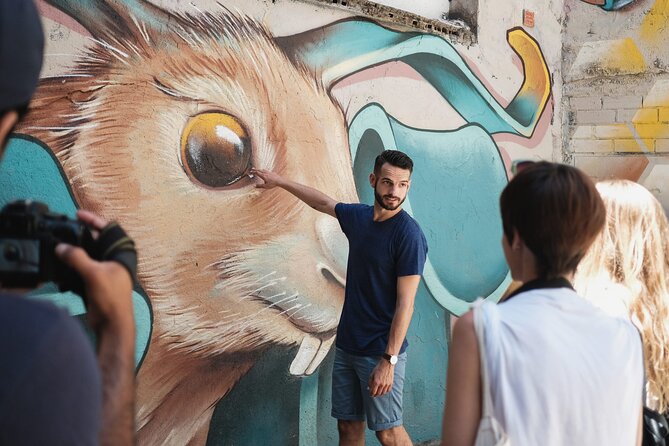
- Big-name murals in a normal-walk distance across Lavapiés, not just a quick photo stop.
- Hidden details that reward you for looking up, stepping aside, and slowing down.
- Small group (up to 10 people) for a low-key pace and easier Q&A.
- A local art gallery visit to round out the street-to-studio story.
- English live guide who’s an artist or art historian, bringing context to what you see.
- You learn street-art “reading skills” for styles like tags and paste-ups, not just locations.
Why Lavapiés Turns Murals into Neighborhood Stories
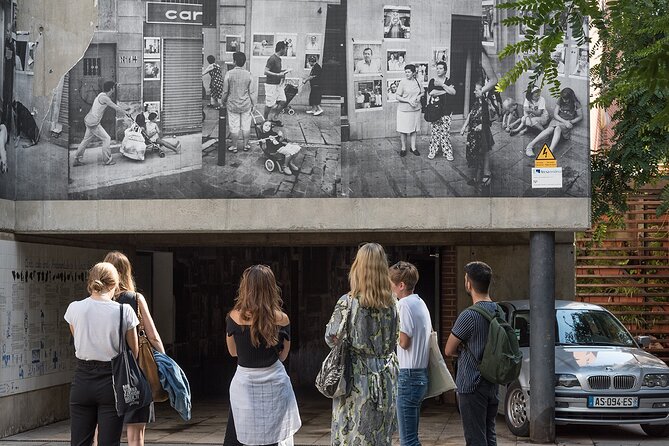
Lavapiés is the kind of place where street art doesn’t feel like a separate attraction—it feels like part of the block. Here, walls act like public comment boxes. Some pieces are huge and loud, the kind you’ll want to photograph twice, but the real magic is in the smaller parts that sit at eye level or tucked around corners.
On this tour, you don’t just look. You learn how to notice. The guide explains what different works are doing—how artists reference the neighborhood, how styles signal different intentions, and how street art evolves over time. That context changes your experience fast: you stop asking, What is this? and start asking, What is it saying, and why here?
You also get a socially comfortable version of exploring. The route is designed to keep you in the neighborhood, rubbing shoulders with local life rather than floating past it like a sightseeing bus.
You can also read our reviews of more tours and experiences in Madrid

Value of a $33 Lavapiés Street Art Walk (2 Hours, Small Group)
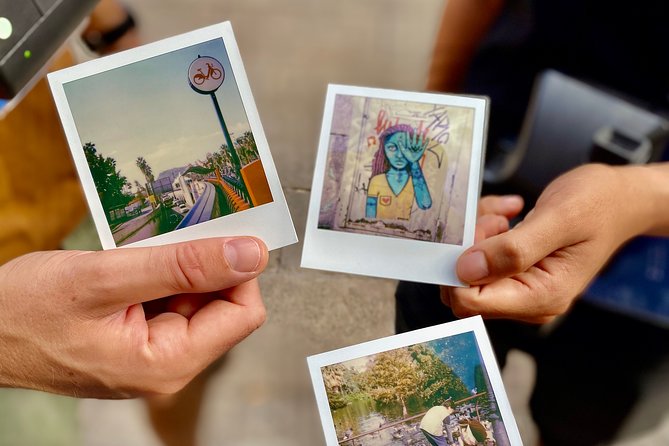
At $33 per person for a 2-hour guided walk, the value is in the guidance, not the ticket itself. You’re paying for an informed eye, a planned route that hits both well-known and lesser-seen work, and the time to talk about symbols and technique.
The small group size matters more than people think. With up to 10 participants, you can actually follow the conversation. If you have questions—about tags, the difference between graffiti styles, or why certain pieces appear in certain spots—you’re more likely to get a real answer than a rushed one.
If your schedule is tight, this also works well. Two hours in a walkable neighborhood is just enough time to see a meaningful mix without turning the day into a chore. And because the ending includes a gallery visit, you get a bridge from street walls to an indoor art space.
Meeting at Portomarín: Start Easy, Get Oriented Fast
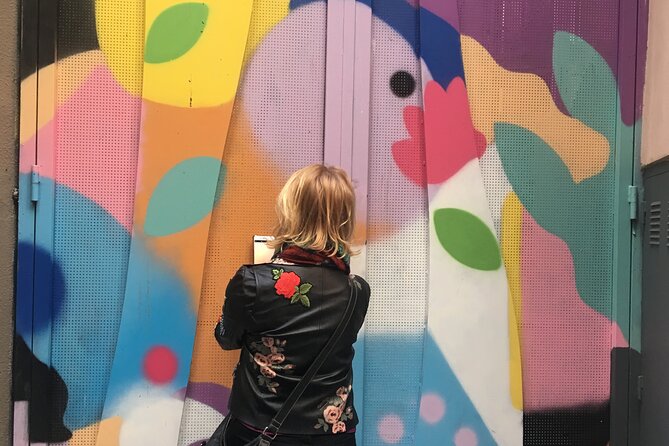
You meet in front of the Portomarin restaurant. If you arrive early, it’s a convenient moment to grab a coffee or something refreshing before you start walking. That small detail helps because street art tours work best when you’re not trying to sprint to the first mural while everyone else is already looking up.
From the first minutes, the tour feels like a walk with a plan. You’re led to an early street-art stretch and eased into what the guide will be teaching you—how to read different styles, how to spot references, and how to notice details that don’t scream for attention.
The pace is built for staying comfortable and present. One review mentioned the walk was at the right pace for a hot afternoon, and that matches what you want in a two-hour window: enough stops to really see, not so many that you’re constantly moving without time to look.
Calle de Argumosa: Getting Your Eye Working
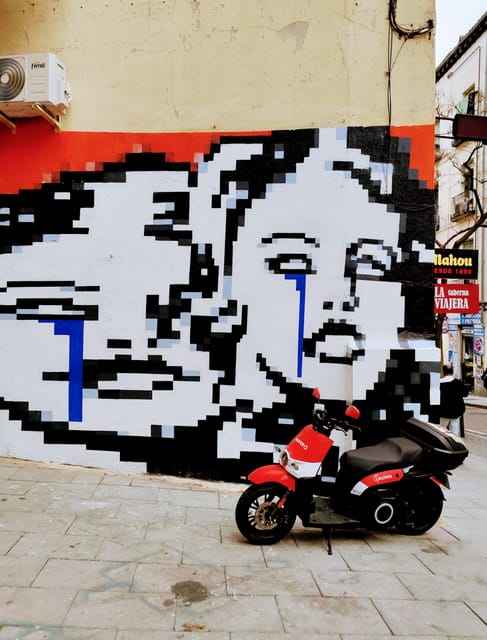
The route begins with a stop along Calle de Argumosa. This is a classic “start strong” segment, where you can warm up your visual instincts. The guide sets you up to notice the difference between major works and those smaller, quieter pieces that often sit in plain sight.
This part matters because street art can look overwhelming at first—like everything is saying everything. Early context helps you separate what’s style, what’s message, and what’s technique. By the time you’re further along, your brain stops treating the walls like visual noise and starts treating them like readable language.
You’ll also be in the right mood for Lavapiés. The neighborhood energy is part of the story here. The street art isn’t floating in a theme-park bubble; it’s interacting with daily life, storefronts, and the rhythm of pedestrians.
Reina Sofía Area Pass: Big Art Energy Without the Museum Day
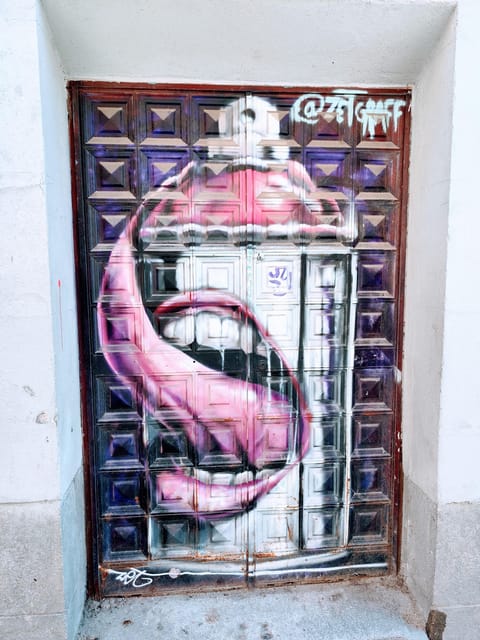
Next, you pass by the Museo Nacional Centro de Arte Reina Sofía. It’s a quick stop, but the value is the perspective shift. Even though you’re not turning this into a full museum day, you’re moving through a district where contemporary art matters.
That pass-by moment also gives you a helpful contrast: street art and gallery art can be linked, but they don’t work the same way. Street pieces are shaped by public space, visibility, and the neighborhood conversation. Museum works are shaped by curatorial context and controlled viewing.
You might not spend long here, but it’s a smart way to anchor the tour in Madrid’s wider art scene while staying focused on street-level works.






Mercado Antón Martín: Colorful Urban Life and Real Local Texture
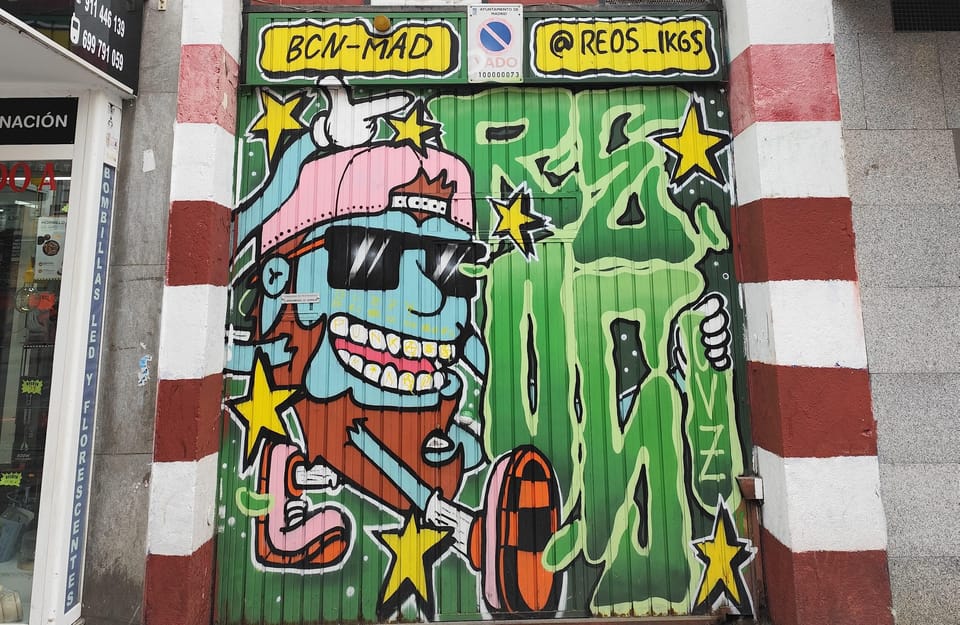
Then you reach Mercado Antón Martín, where you get a visit and sightseeing time. Markets aren’t just food stops here—they’re social and visual anchors. Even if you don’t buy anything, the area gives you a break from pure wall-watching and lets you reconnect with what street art is responding to: the neighborhood’s daily pulse.
This is also where you can better understand how street art fits into community life. You’re walking through a place where locals come and go for normal reasons, not for a ticket. That background makes the murals and tags feel less random.
One of the best parts of this tour is how it helps you feel like you’re walking with a friend in the neighborhood. The guide’s explanations bring the market area into the larger story—how art, people, and place talk to each other.
Trampantojo Cerámico de Lola Gil: When Art Pretends to Be Something Else
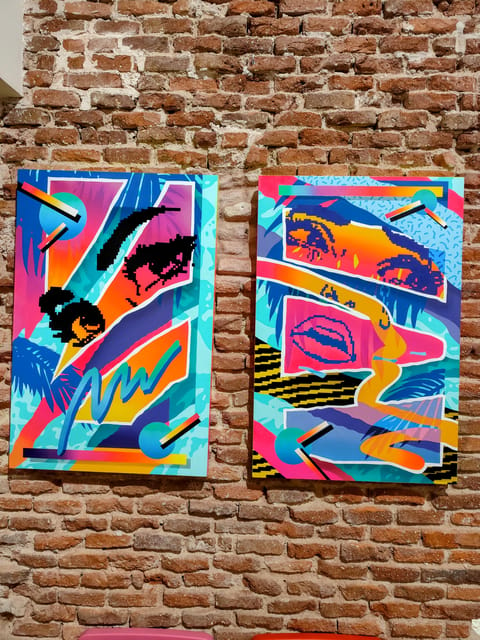
A standout stop is the Trampantojo cerámico de Lola Gil, which the tour includes as a dedicated visit. Trampantojo is basically a visual illusion trick, where artwork plays with the idea of reality—making you question what you’re seeing for a moment.
That’s perfect training for the whole tour. Street art often works the same way: it creates meaning through suggestion, scale, contrast, and symbolism. If you can spot the illusion in a ceramic piece, you’re already learning the kind of visual literacy the guide wants you to develop.
Practically, this stop is also a nice timing shift. You get a shorter visit window, which keeps the tour feeling varied—less like a single long walk and more like a series of mini discoveries.
Calle de Embajadores: Big Walls, Tiny Messages, and How Style Signals Meaning
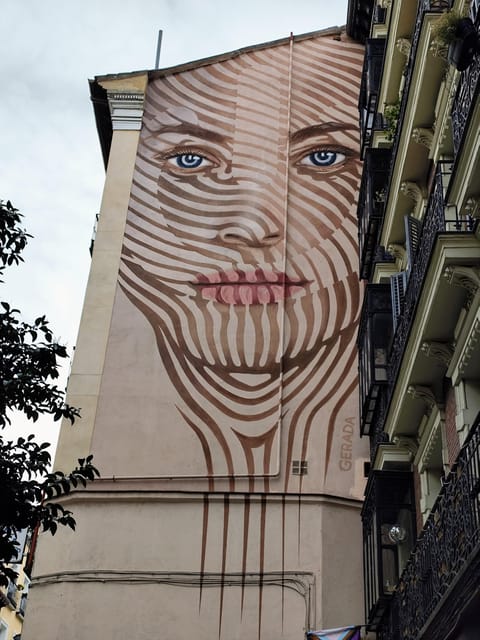
The route finishes its main walking stretch along Calle de Embajadores, with time to visit, sightseeing, and walk. This is where the tour’s street-art “range” tends to show itself. You’re looking at bigger statement murals and also hunting for small, tucked-away pieces that reward close attention.
This segment is especially useful if you want to take home something more than photos. The guide helps you recognize different street art types—from tags to paste-ups and even forms that feel like urban sculpture. Once you learn what you’re looking at, you can re-read the neighborhood even after the tour ends.
And because Lavapiés is a layered neighborhood, the details matter. Street art can act like local commentary, humor, protest, memory, or identity. The guide explains what main artists are doing and the cultural references behind them, so the walls become a map of ideas rather than just decoration.
If you’re the type who likes to look at faces in crowds and read the energy of a place, this is that same instinct—just aimed at paint, lettering, and design choices.
The Local Gallery Stop: Street Art’s Afterlife
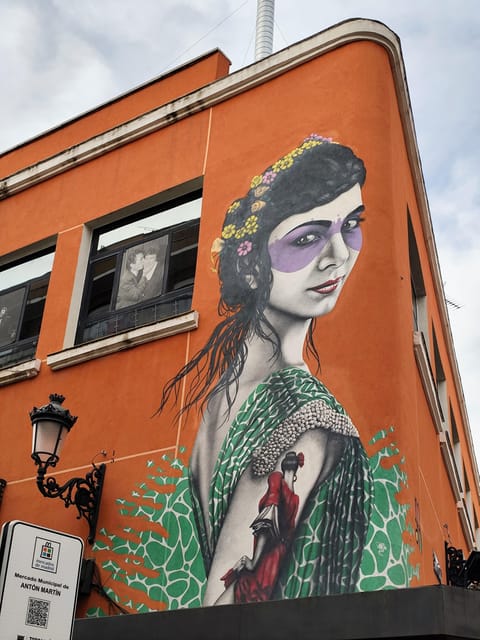
To wrap things up, the tour ends with a visit to a local art gallery in the neighborhood. This is more than an add-on. It’s where the tour theme gets tested: does street art just live on walls, or does it connect to artists and formal art spaces?
The gallery stop includes a chance to meet local artists, and that’s where the experience feels most grounded. Instead of treating street art like anonymous public graffiti, you see the people behind it and how they talk about their work. And yes, if you fall in love with a piece in the gallery, you’ll need to pay for it—that’s the one financial surprise built into the concept.
For me, this closing step makes the whole tour feel more complete. You get the big public statements outside, then you get the human scale indoors—why artists make work, how they interpret the neighborhood, and how street art can live beyond walls.
Who This Tour Fits Best (and Who Should Skip)
This tour is ideal if you want street art as a story, not just a scavenger hunt. It’s especially good for you if you like walking through real neighborhoods, you enjoy art history context, and you want to learn how to see styles and messages rather than just spot murals for photos.
It also works well for people who travel with mixed interests. You’ll get major visual moments, plus practical learning, plus a market-area neighborhood feel. The small group format helps keep it calm enough to enjoy rather than rush.
If you’re expecting a heavy museum-style experience or lots of indoor time, you might feel a little squeezed. The experience is built around walking and looking, with one gallery visit at the end. For some people, that’s exactly the point. For others, it might not match your idea of art time.
Should You Book This Lavapiés Street Art Tour?
Book it if you want more than pretty pictures and you’re curious about how street art works as a neighborhood language. The combination of big murals, hidden details, and an ending gallery visit gives you a full arc: public space to studio mindset.
I’d also book it if you like a tour where the guide is clearly connected to the art—this one uses guides who are artists or art historians, and you feel that in how the explanations land. Reviews point again and again to the friendly, local-feeling approach, and that’s exactly what you want from a walk through Lavapiés.
Skip it only if you’re mainly looking for a long, seated, museum-style experience or you hate walking through active urban streets. If that’s you, choose a different format. If it’s not, this is a smart, good-value way to learn Madrid street art while enjoying the neighborhood for real.
FAQ
How long is the Madrid Hidden Street Art Tour?
It lasts 2 hours.
What does the tour cost?
The price is $33 per person.
Where is the meeting point?
You meet in front of the Portomarin restaurant.
What neighborhood will the tour focus on?
The walk focuses on Lavapiés.
What’s included in the price?
You get a curated route of street art and a local guide’s expertise.
Is the tour only street art, or do you also visit a gallery?
You also visit a local art gallery at the end of the tour.
Are gallery artworks included in the price?
No. If you want a piece from the gallery, you’ll have to pay for it.
What language is the tour in?
The tour runs in English.
Is it wheelchair accessible, and how big is the group?
It is wheelchair accessible, and the group is limited to 10 participants.