REVIEW · MADRID
Madrid City Tour: Culture and History
Book on GetYourGuide →Operated by Madrid auf Deutsch · Bookable on GetYourGuide
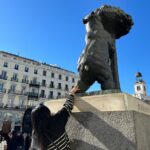
History starts at a bear statue. This 2-hour city tour is built around Madrid’s Hapsburg-influenced past, with a route that connects big landmarks to street-level meaning. I especially like the way you’re shown major sights like Puerta del Sol and the Royal Palace, while also getting practical local insider tips you can use after the walk.
The main thing to keep in mind is that entrance fees aren’t included, so if you want to go inside certain buildings, plan for extra costs. Wear comfortable shoes—you’ll be on your feet for the full 2 hours.
In This Review
- Key things to know before you go
- 2 Hours in Madrid’s Golden Core: Starting at Puerta del Sol
- The Hapsburg story you’ll actually remember
- Royal Palace approach: monastery of San Gines and the Theater stop
- Almudena Cathedral and Plaza de la Paja: where Medieval importance shows up
- Plaza de la Villa: the square that feels like the city’s memory
- Local-architect route design: why it feels smarter than a generic tour
- Language and group size: what to expect in the real world
- Price and value: is $47 a good deal for this 2-hour walk?
- Who this tour suits best (and who might want something else)
- Should you book this Madrid City Tour?
- FAQ
- Where is the meeting point for the tour?
- How long is the Madrid City Tour?
- How much does the tour cost?
- What languages is the tour guide available in?
- What is included in the price?
- What is not included?
- Are entrance fees included?
- What should I bring?
- Is there free cancellation?
- Do I need a minimum number of participants?
Key things to know before you go
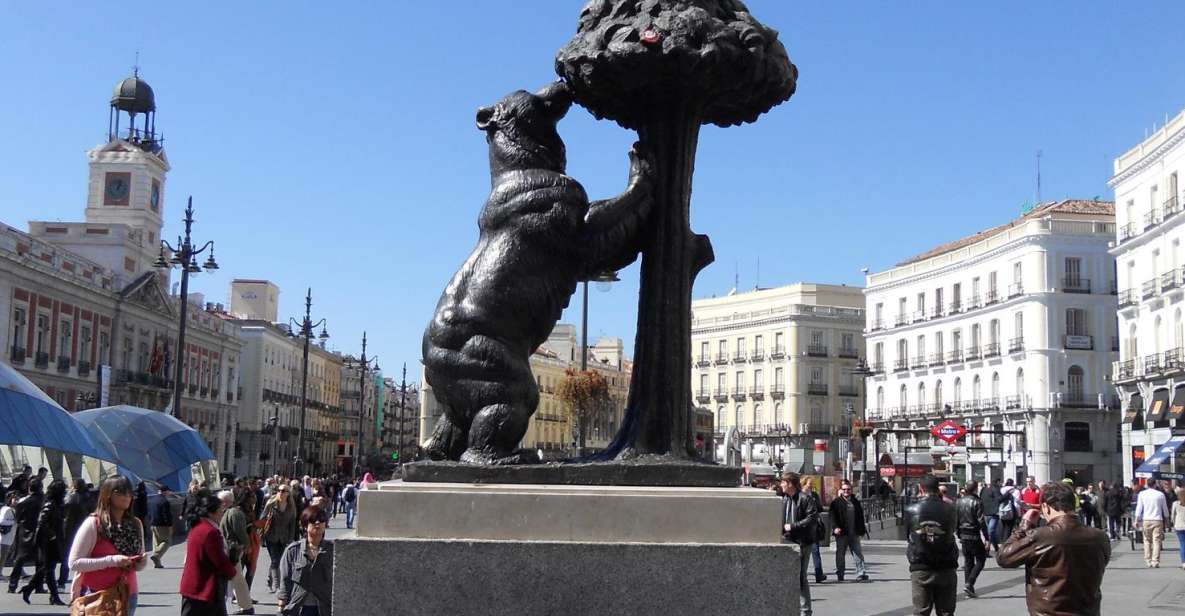
- Puerta del Sol launch point: Meet at the bear statue right where Madrid’s pulse starts.
- Hapsburg-focused route: The story of power, court life, and architecture is the backbone of the walk.
- Pass-by stops with purpose: You don’t just see buildings—you learn why they matter.
- San Gines + Royal Theatre views: A monastery stop on the way to the Royal Palace, plus a look at the Royal Theatre.
- Historic squares with context: Plaza de la Paja gets attention for its Medieval-era importance.
- Local architect-designed thinking: The route was designed by Madrilenian architects to teach history through the built environment.
2 Hours in Madrid’s Golden Core: Starting at Puerta del Sol
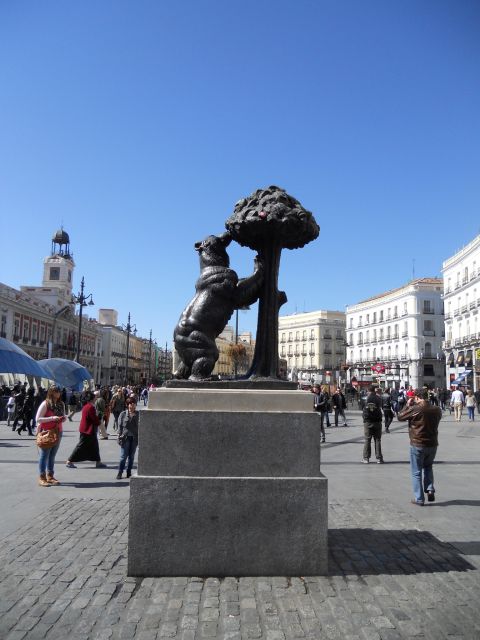
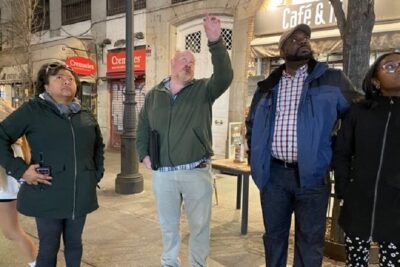
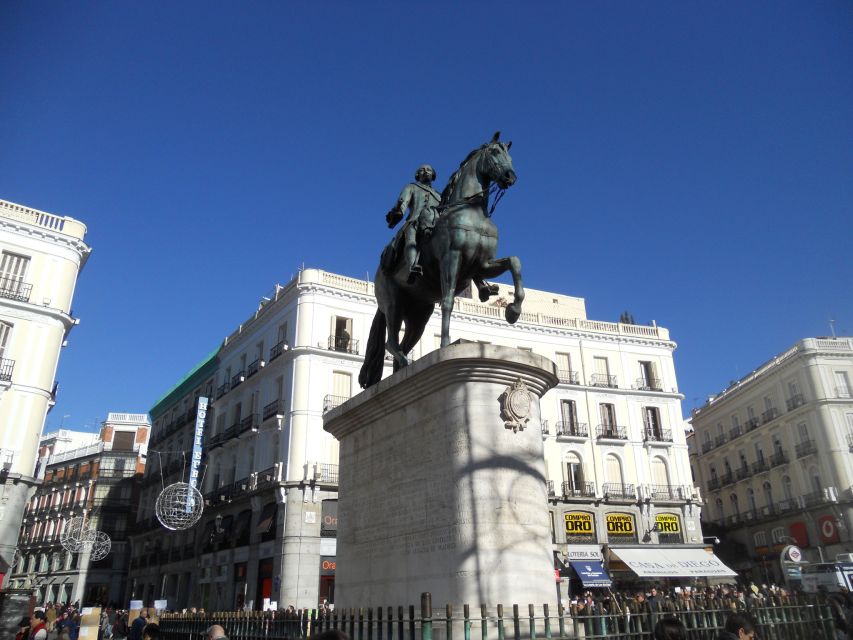
If you only have a short window in Madrid, this tour is a smart way to get your bearings fast. You begin at the bear statue by Puerta del Sol, which is perfect because it’s central and easy to find. In a couple of hours, you’ll cover more than just postcard views—you’ll connect the city’s layout to its history.
What I like here is the pace. Two hours isn’t long enough to feel like a chore, but it’s long enough for your guide to explain patterns: how the city grew, why certain squares became important, and how royal power showed up in buildings you can still see today. This is the kind of walk where you start noticing details you would otherwise miss.
And yes, the “bear statue” meeting point is practical. It also means you’re not wasting time trying to locate a hidden alley meeting spot—once you’re there, you’re moving.
You can also read our reviews of more city tours in Madrid



The Hapsburg story you’ll actually remember
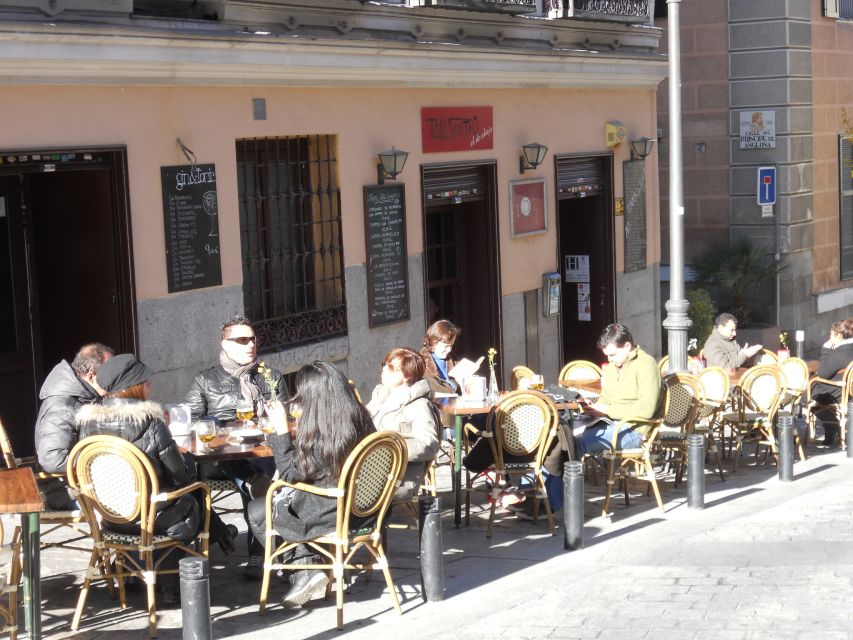
This tour isn’t a random loop of famous sights. It’s structured around Madrid under the influence of the Hapsburgs, and the guide uses that theme to explain what you’re seeing as you go.
Here’s why that matters: when history is just a timeline, it slides off your brain. When history is attached to real places—squares, theatres, cathedrals, royal buildings—it sticks. You’ll get context for how Madrid’s status and taste were shaped, and how that shows up in architecture and city planning.
The guide also brings in the human side through insider tips. That’s not just trivia. Tips help you understand how locals think about the space: which corners are worth lingering at, how to approach the area after the tour, and what to look for when you’re back on your own.
If your history interest is more practical than academic, you’ll probably enjoy this style. You’ll come away with a mental map, not just facts.
Royal Palace approach: monastery of San Gines and the Theater stop
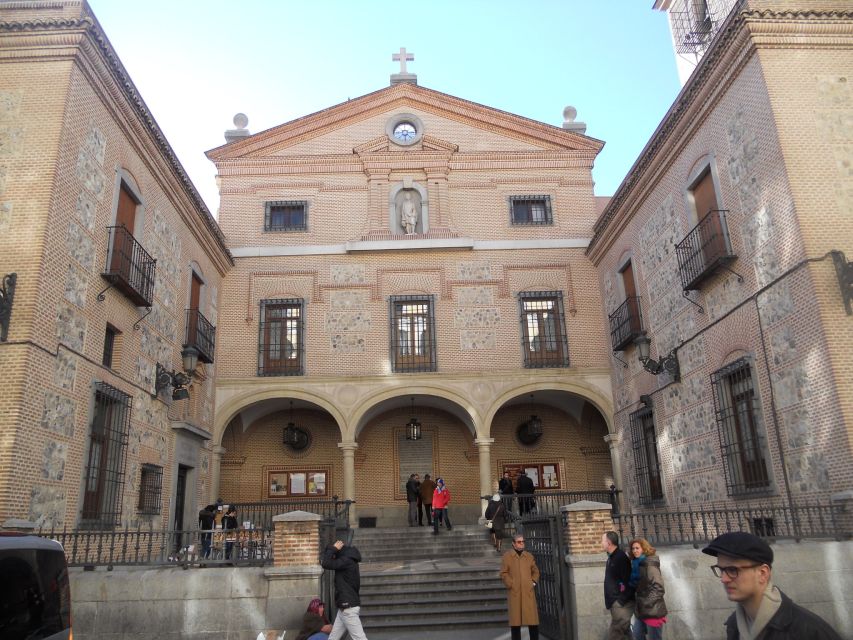
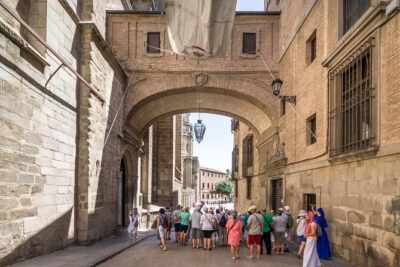
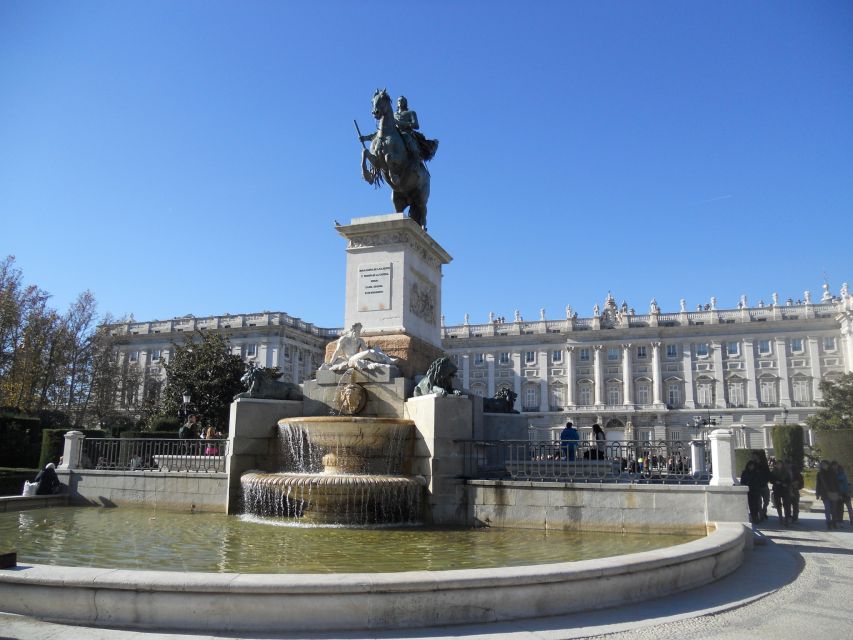
The route heads toward the Royal Palace of Madrid, and on the way you pass the monastery of San Gines. That matters because it breaks up the big-royal-scene feeling. You see the city as layered, not one uniform “royal” Madrid.
The Royal Palace is the kind of landmark that pulls you in visually right away. Even without rushing to interiors, just seeing the scale and setting gives you an instant sense of how central royal power was. The guide’s job is to frame that impression with real context—why this building and its surroundings carry meaning beyond appearance.
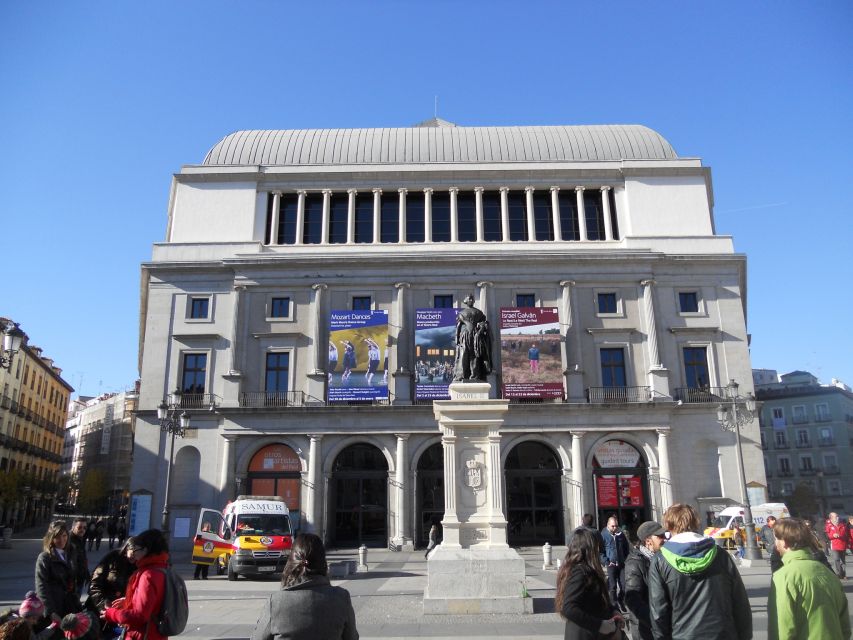
Then there’s the Royal Theatre. It’s another reminder that court culture didn’t only live in palaces and ceremonies; it also showed up in public-facing cultural spaces. If you like architecture that tells a story, this is a solid pairing: palace authority on one side, cultural life on the other.
One small note: the tour is built around sights and explanations, and entrance fees aren’t included. So if you’re the kind of person who wants to go inside every major stop, you’ll need to plan extra time and budget after the tour.
Almudena Cathedral and Plaza de la Paja: where Medieval importance shows up
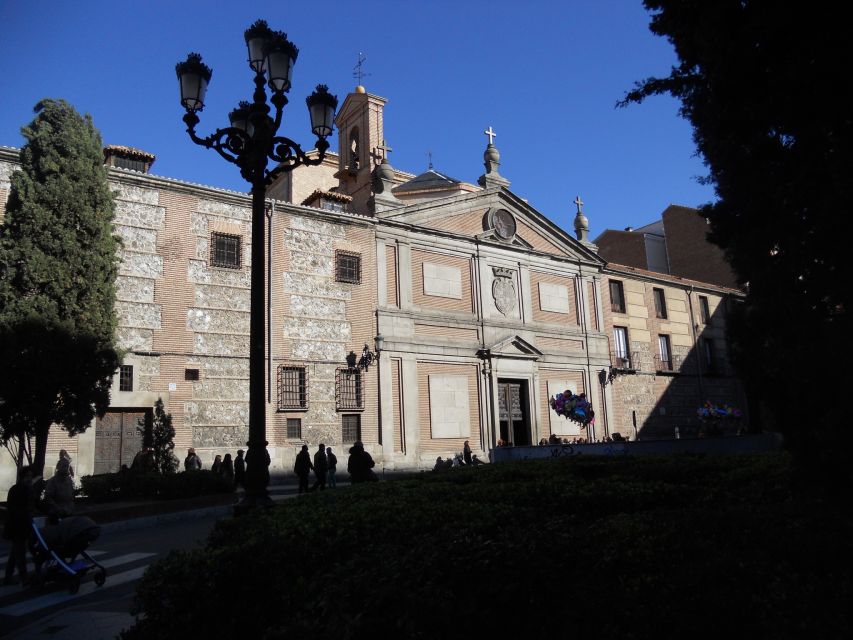
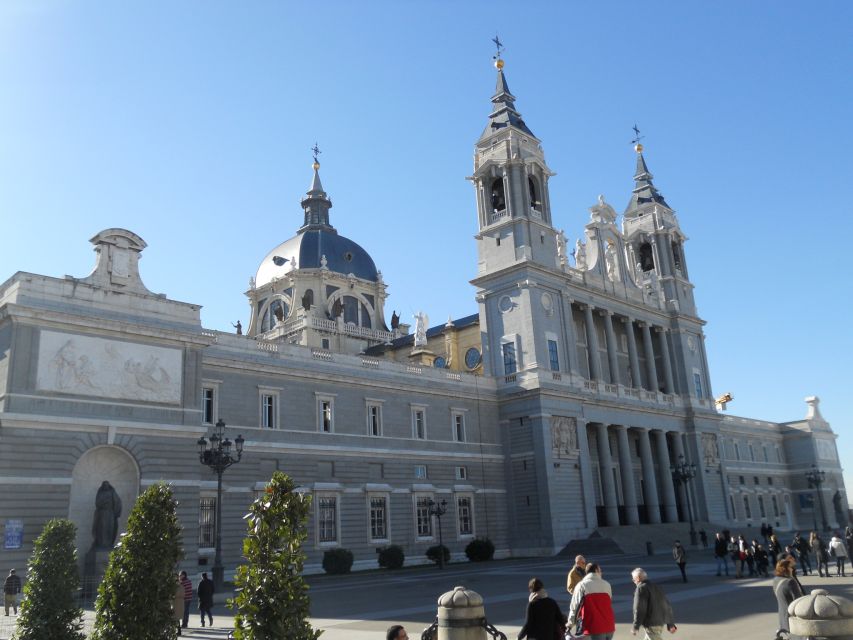
Two stops that add real flavor are Almudena Cathedral and Plaza de la Paja. The cathedral gives you a modern anchor in the middle of a history-focused walk, which helps you understand Madrid as a place that never stopped changing. You’re not looking at a museum street—you’re looking at a living city that still builds on its layers.
Then you hit Plaza de la Paja, highlighted as the most important square during Medieval times. That kind of line is useful because it stops you from treating the square like a generic open space. It becomes a clue: if you understand why a square mattered then, you can read the city differently now.
This is where the route design by Madrilenian architects pays off. The tour isn’t only about famous buildings; it’s about architectural value and city structure—how these spaces sit together and why people used them. You start thinking like a local for a moment.
Also, squares are where you get a natural reset. Even if you’re moving the whole time, you can pause, look around, and let the guide’s story connect to what you see.
Plaza de la Villa: the square that feels like the city’s memory
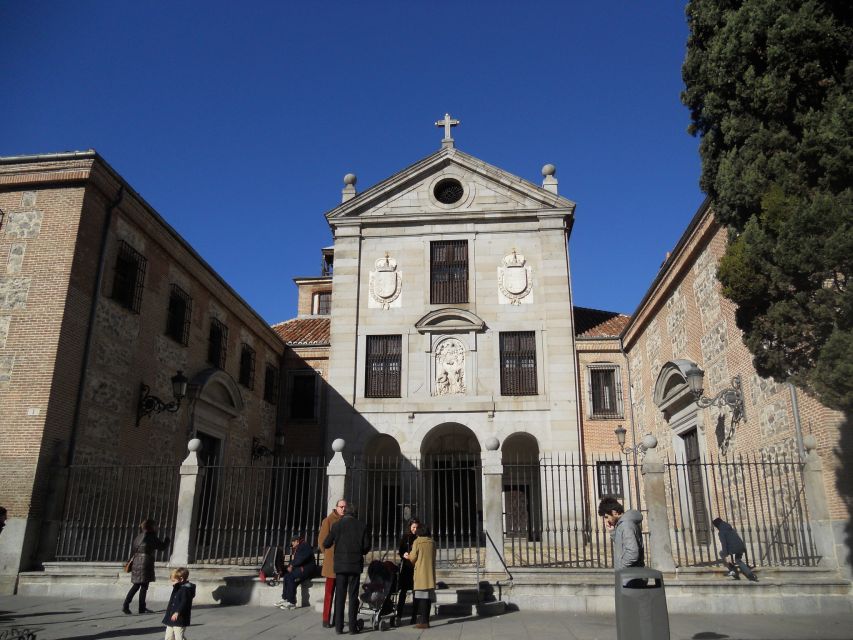
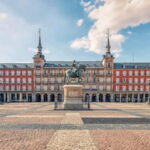
You’ll also see Plaza de la Villa, another historic stop that rounds out the “culture and history” promise in a believable way. If Puerta del Sol is your starting pulse, places like Plaza de la Villa help you feel how Madrid’s center formed and re-formed over time.
This stop works well for two types of travelers. If you love architecture, it gives you another example of how public spaces carry identity. If you prefer stories, the square helps the guide’s theme land: power, community, and cultural life aren’t separated in Madrid—they overlap.
One reason this kind of stop is valuable on a short tour: squares make it easy to orient yourself for later self-guided wandering. After this walk, you’ll likely recognize where you are and what part of the city you’re in. That’s a quiet win.
You can also read our reviews of more historical tours in Madrid




Local-architect route design: why it feels smarter than a generic tour
There’s a big difference between a city tour that lists sights and one that teaches you how to notice the city. This one is built with that second goal.
The route was designed by Madrilenian architects and specifically takes into consideration the city’s history and culture plus the architectural value of the buildings you pass. In plain terms, it means the guide isn’t just reading facts off a page. The path itself supports the story.
That has a practical effect for you:
- You spend less time wondering why you’re seeing something.
- You spend more time learning how Madrid’s architecture fits the era being discussed.
- When you return later, the places make more sense in your head.
Another detail I appreciate: the tour includes insider tips from locals. Based on the feedback you can expect from similar guides here, the guidance tends to be friendly and personal—helpful for turning a quick stop into a better day. One guide name that’s been singled out for making even a rainy day feel special is Jenny, with praise for competence and warmth. Even if you don’t have Jenny, that tells you the tour’s style: the guide matters.
Language and group size: what to expect in the real world
The tour is offered with a live tour guide in Spanish and German. That’s worth noting because it affects how smoothly you’ll absorb the story. If you’re comfortable in one of those languages, you’ll get more out of the explanation than if you’re relying on your own translation skills mid-walk.
Group size can also vary. Reviews mention experiences with very small groups (including groups of two) and a highly competent guide. For you, that usually means the guide can adjust pacing and answer questions without feeling rushed.
And if the weather turns, don’t stress. The tour doesn’t depend on one perfect view at one perfect time. The main value is the route’s teaching approach and the guide’s storytelling, not just the daylight.
Price and value: is $47 a good deal for this 2-hour walk?
The price is $47 per person for a 2-hour guided sightseeing tour. At that cost, you’re paying for three main things: the guide, the planned route, and the local insider tips.
What makes the pricing feel more reasonable is what’s included:
- Sightseeing tour
- Tour guide
- Insider tips from locals
What’s not included is also clearly stated:
- Entrance fees
- Transfers
- Personal expenses
So here’s how I’d judge value: if you want context and a smart walk, $47 for two hours is a solid buy. If you plan to enter multiple buildings during the tour, you’ll need to budget more for entrance fees and/or add separate visits afterward.
Also, because the tour covers central sights like Puerta del Sol, the Royal Palace area, and key squares, you’re getting a concentrated route without worrying about where to start or how to connect the stops yourself. That saved mental effort is part of the value.
If you’re the type who loves planning your own day, you might skip this and use a free walking route. But if you want history tied to architecture—fast, in a small chunk—this is priced for exactly that.
Who this tour suits best (and who might want something else)
This tour fits you best if you:
- Like history that is tied to real buildings and city layout.
- Want an efficient introduction to central Madrid.
- Enjoy guided tips you can use the rest of your trip.
- Prefer a short commitment: two hours is manageable.
It also works well if you’re coming for culture and you want a theme. “Madrid of the Hapsburgs” gives the walk a focus, which makes it easier to follow and remember.
You might want to consider a different option if:
- You’re hoping for lots of time inside buildings, since entrance fees aren’t included and the tour is primarily a sightseeing walk.
- You hate walking on cobblestones or streets for a full two hours (bring comfortable shoes and plan for steady walking).
Should you book this Madrid City Tour?
Yes, I’d book it if you want a guided, theme-based introduction to Madrid’s center—especially if Hapsburg-era culture and architecture sounds interesting to you. The meet point at Puerta del Sol keeps it easy, and the fact that the route was designed by Madrilenian architects means you’re getting more than a checklist of sights.
I’d be a little more cautious if your top priority is going inside many monuments during the tour. Since entrance fees aren’t included, you’ll likely need to pay extra at certain stops or plan follow-up visits.
FAQ
Where is the meeting point for the tour?
The tour meets at the bear statue by Puerta del Sol, Madrid.
How long is the Madrid City Tour?
It lasts 2 hours.
How much does the tour cost?
The price is $47 per person.
What languages is the tour guide available in?
The live tour guide is available in Spanish and German.
What is included in the price?
The tour includes a sightseeing tour, a tour guide, and insider tips from locals.
What is not included?
Entrance fees, transfers, and personal expenses are not included.
Are entrance fees included?
No. Entrance fees are not included.
What should I bring?
Bring comfortable shoes.
Is there free cancellation?
Yes. You can cancel up to 24 hours in advance for a full refund.
Do I need a minimum number of participants?
Yes. A minimum of 3 participants is needed for the tour to take place.