REVIEW · MADRID
4 day Portugal & Fatima escorted tour from Madrid
Book on Viator →Operated by VPT Tours · Bookable on Viator
Four days can feel like three different worlds. This Madrid-to-Portugal-and-back loop takes you from Trujillo’s conqueror-era Plaza Mayor to Lisbon’s iconic waterfront sights, then on to the religious gravity of Fatima’s shrines. The format is also practical: sightseeing with guides in the morning, plus built-in free time to wander on your own.
What I like most is the mix of guided highlights and breathing room. You get all lodging, transport, tours, and daily breakfast covered, so you’re not constantly doing mental math while you’re trying to enjoy old streets. The one thing to consider is pace: you start early, and you’ll spend serious time on the coach as you hop between cities, plus optional add-ons (like Fado or Sintra) can stretch your day and cost extra.
One more reason this tour works well: the guiding has a strong reputation. The escort named Ofelia is praised for steering the group smoothly, and the Lisbon local guide Carolina is noted for being especially good on the ground. With mobile tickets, onboard Wi‑Fi, and a max group size of 55, it’s built for people who want structure without feeling trapped.
In This Review
- Key things to know before you go
- Is This Tour Good Value for $632.99?
- Getting Oriented in Madrid: The 8:00 a.m. Coach Start
- Trujillo First: Plaza Mayor and Extremadura Roots
- Lisbon by Morning: Alfama, Belem Tower, and Jerónimos
- Fatima Day: Shrines and Time to Visit on Your Own
- Cáceres on Day 4: Plaza Mayor and a Medieval Quarter Worth Slow Walking
- How the Free Time Actually Helps You Enjoy More
- Optional Add-Ons: Fado and Sintra, with Real Trade-Offs
- What’s Included (and What You Need to Budget for)
- Who Should Book This 4-Day Madrid to Fatima Tour?
- Should You Book This Tour?
- FAQ
- FAQ
- What time does the tour start in Madrid?
- Where does the tour end?
- Which major stops are included in the 4 days?
- Are meals included?
- Is there a local guide in Lisbon?
- How big is the group?
Key things to know before you go
- Guided Lisbon mornings: You’ll have a local guide for major stops like Alfama and the Belem area.
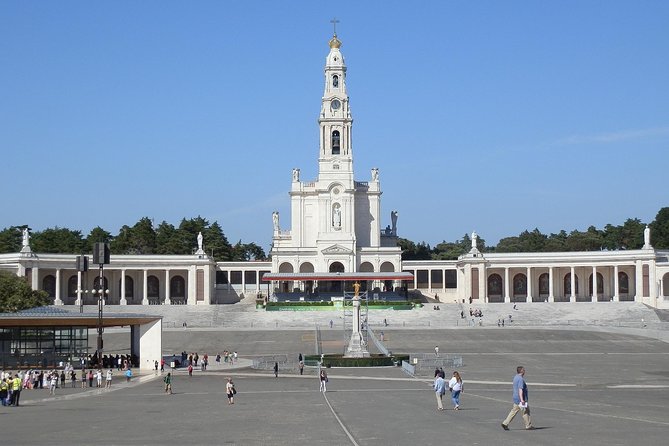
- Fatima shrine time: The schedule includes real free time to visit the religious center at your own pace.
- Architectural stops you can walk: Plaza Mayor in Trujillo and Cáceres are set up for wandering.
- Optional extras: Fado and a Sintra/Estoril/Cascais excursion are available if you want to add spice.
- Coach comfort: Air-conditioned transport with free Wi‑Fi helps on long transfer days.
Is This Tour Good Value for $632.99?
At $632.99 per person for about four days, this isn’t a budget-only getaway, but it also doesn’t feel overpriced for what’s included. The key value move is that lodging, transport, tours, and three breakfasts are rolled in, which removes some of the biggest cost traps on multi-city trips.
You’ll want to mentally separate what’s covered from what’s optional. Breakfast is included (3 times total), but food and drinks during the day aren’t unless specified. So if you’re the type who likes full sit-down meals, snacks, and drinks, you should plan extra spending.
Also, note the departure style: it’s an escorted group tour out of Madrid with a multi-lingual escort and a day-by-day plan. If you love the comfort of someone handling routing and timing, the price makes more sense than if you’re the DIY type who hates set schedules.
You can also read our reviews of more tours and experiences in Madrid


Getting Oriented in Madrid: The 8:00 a.m. Coach Start

This tour begins at C. de Ferraz, 3, Moncloa – Aravaca (Madrid) at 8:00 a.m. and ends back at the same meeting point. That early start matters because it’s part of why the trip can squeeze in Trujillo, Lisbon, Fatima, and Cáceres without feeling like you’re constantly losing hours.
The coach is air-conditioned and comes with free Wi‑Fi onboard, which is handy for staying sane during transfers. You’re also near public transportation, so if you’re staying somewhere else in the city, you’re not locked into a single way to reach the pickup spot.
With a maximum of 55 travelers, you’ll feel like you’re in a group, not a stampede. Still, it’s big enough that you’ll want to listen for instructions, especially when the plan shifts between guided time and free time.
Trujillo First: Plaza Mayor and Extremadura Roots
Day 1 is built around a classic “arrive, orient, then enjoy” rhythm. You leave Madrid at 8:00 a.m. and head into Extremadura, reaching Trujillo, described as the birthplace area of Spanish conquerors. That theme shows up immediately in the vibe: you’re not just looking at buildings, you’re stepping into the historical background that shaped Spain’s expansion.
Once you arrive, you get time free to explore Trujillo’s monumental Plaza Mayor. This is one of those stops that’s great even if you’re tired from travel, because a central square lets you orient quickly—cafés, walking paths, and the kind of architecture that rewards slow wandering.
Then you cross into Portugal and continue on to Lisbon, where you’ll have accommodations. There’s also an optional evening add-on: a Fado show, which is a good choice if you want your first night in Lisbon to feel like Lisbon. If you skip it, you’ll still be able to catch the mood of the city on your own during downtime.
Possible drawback to keep in mind: Day 1 packs travel plus two countries’ worth of transitions. If you’re sensitive to early starts, bring a little buffer—comfortable shoes, water, and something to snack on if your breakfast timing doesn’t line up with the drive.
Lisbon by Morning: Alfama, Belem Tower, and Jerónimos
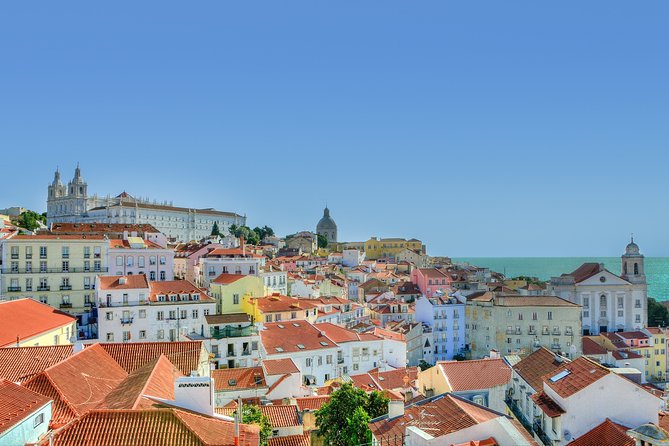
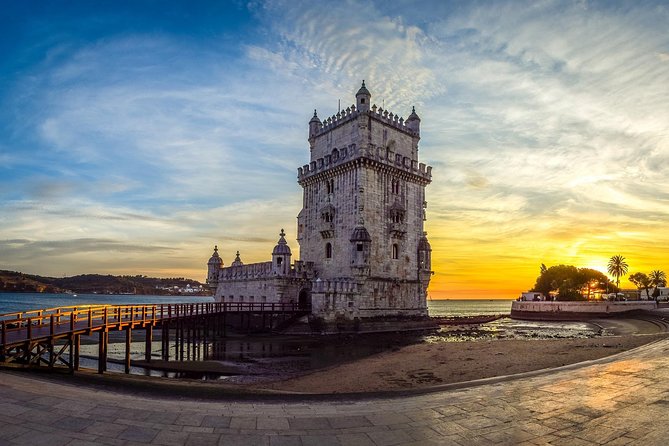
Lisbon is where this tour really flexes. On Day 2, after breakfast and getting settled, you go out on a sightseeing tour that hits several “must-see” anchors.
You’ll spend time in Alfama, Lisbon’s older quarter. Even without getting lost on purpose, this area tends to reward you for turning down side streets and letting the hills slow you down. Then you move to the Belem side for major landmarks like the Belem Tower and the Monastery of Jerónimos.
Here’s why I like the structure of this day: the morning is guided, so you learn what you’re looking at. That makes the afternoon free time more useful, because you’re no longer guessing. You’ll know what those buildings represent and why they matter.
After the sightseeing tour, you get free afternoon time. That’s ideal in Lisbon because you can choose how you want to spend it—walk, photograph, window-shop, or simply sit with a drink and watch the city move. If you want more beyond Lisbon proper, there’s an optional excursion to Sintra, Estoril, and Cascais. That can be a great add-on if you love palaces and coastal scenery, but it’s also the kind of detour that can run long, so only choose it if you’re comfortable with a full-day outing.
Fatima Day: Shrines and Time to Visit on Your Own
Day 3 shifts the mood in a big way. After breakfast, you head to Fatima, described as an important pilgrimage center, and you’ll have free time to visit the Shrines. This is one of the clearest “self-directed” portions of the trip: you’re not being marched through every moment, and you can decide how long to stay and what to focus on.
Back in Lisbon later, the schedule gives you a more relaxed finish than Day 3 morning. That matters because fatigue can build after continuous city changes, and Fatima is emotionally different from sightseeing alone.
One practical tip: since you’re visiting a religious site, it’s smart to plan clothing that works for standing and walking, and covers you appropriately. The tour data doesn’t spell out a dress rule, so I won’t pretend there’s a universal one—but in real life, modest, comfortable clothing almost always makes things easier at shrines.






Cáceres on Day 4: Plaza Mayor and a Medieval Quarter Worth Slow Walking

The final day is a nice closer because it adds one more historic Spanish stop before you return to Madrid. You leave Lisbon, head toward the border with Spain, and continue on to Cáceres.
In Cáceres, you get leisure time to see Plaza Mayor and walk through the medieval quarter, noted as very well preserved and considered a World Heritage place. This is a “slow down and enjoy” area. Even if you’re not deep into medieval history, the streets and architecture are the kind that make you naturally slow your pace—look up, read signs when you can, and let side alleys surprise you.
Lunch is on your own, so this is where you’ll decide how you want to end the day: grab something quick or take your time and enjoy the local meal pace.
Then it’s back to Madrid, ending the tour back at the meeting point. If you like a clean wrap-up, this works well. You’re not stretched into a late-night return with no structure—you reach the same starting area and services end there.
How the Free Time Actually Helps You Enjoy More

This tour does a smart thing: it uses guided mornings to set the stage, then hands you free time afterward to make the experience personal. In Trujillo, your free time centers on Plaza Mayor. In Lisbon, it’s a free afternoon after the guided route. In Fatima, it’s free time at the shrines. In Cáceres, it’s leisure time to walk the medieval quarter.
That pattern matters because cities like these are best understood at two speeds:
- Guided speed to learn names, context, and what to notice.
- Your speed to wander without worrying you’re missing something.
To get the most out of the free blocks, I recommend one simple approach: pick one “must-do” walk per free time window. Maybe it’s a riverside stroll in Lisbon, a square-to-street loop in Trujillo, or an old-town circuit in Cáceres. Then fill the rest with spontaneous wandering. You’ll feel less rushed, and you won’t burn time trying to decide in the moment.
Optional Add-Ons: Fado and Sintra, with Real Trade-Offs
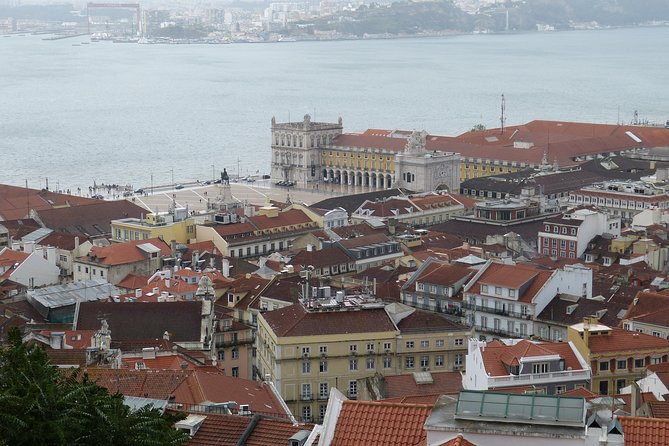
Two optional extras appear in the plan:
- An optional night tour to attend a Fado show on Day 1.
- An optional excursion to Sintra, Estoril, and Cascais on Day 2.
Both can add emotion and variety, but both come with trade-offs. They cost extra (the tour doesn’t list them as included) and they can shift how tired you feel the next day—especially Sintra, which often means extra travel time within a day.
I suggest choosing based on your travel style. If you want a cultural evening with music, Fado is an easy yes. If you want scenery and palaces and you enjoy full-day excursions, go for Sintra/Estoril/Cascais. If you’d rather keep energy for wandering Lisbon and resting, skip both and use the free afternoon well.
What’s Included (and What You Need to Budget for)
Here’s the practical reality of the package:
Included
- Air-conditioned coach with free Wi‑Fi onboard
- Multi-lingual tour escort
- Sightseeing tour with a local guide in Lisbon
- Lodging and transport across the trip
- Breakfast (3)
- Travel insurance
Not included
- Food and drinks during the day (unless specified)
- Hotel pickup and drop off (you meet at the listed Madrid terminal)
This mix is good for people who want the big moving parts handled. The remaining day-to-day spending is basically meals, drinks, and any optional add-ons.
Also, the tour uses mobile tickets, which usually means less paper hassle. It’s a small thing, but it helps when you’re traveling with luggage and multiple transfers.
Who Should Book This 4-Day Madrid to Fatima Tour?
This tour is a strong fit if you:
- Want an escorted structure while still having time to wander
- Love architecture and historic city centers (Plaza Mayor, Jerónimos, medieval streets)
- Are interested in both Portugal’s highlights and Fatima’s pilgrimage significance
- Prefer guided orientation in the morning and flexible exploring later
You might reconsider if you:
- Hate early departures or long coach days
- Want a slow, deep-dive trip with minimal moving around
- Are trying to keep costs super tight, since meals and optional excursions are on you
A final thought: the tour’s balance—guided landmarks plus free time—works best when you take advantage of that free time to walk. If you stay glued to schedules, you’ll miss the best part.
Should You Book This Tour?
I’d book it if you want a well-paced sampler that covers major highlights without making you plan every transfer. The combination of Trujillo’s Plaza Mayor, Lisbon’s Belem + Alfama anchor sights, and Fatima shrine time gives you a trip that feels varied instead of repetitive.
I’d also feel good about the value because lodging, transport, tours, and breakfast are included, and the guiding reputation—especially escorts like Ofelia and Lisbon’s local guide Carolina—signals that you’re not just paying for seats on a bus.
But if you’re the kind of traveler who needs lots of personal time every day, the transfer-heavy nature may feel like work. For many people, though, that’s exactly what a smart escorted route is for: less logistics stress, more time spent seeing real places.
FAQ
FAQ
What time does the tour start in Madrid?
The departure is at 8:00 a.m. from C. de Ferraz, 3, Moncloa – Aravaca, Madrid.
Where does the tour end?
The tour ends back at the same meeting point in Madrid.
Which major stops are included in the 4 days?
You’ll visit Trujillo, Lisbon, Fatima, and Cáceres, along with time in Madrid at the start and end.
Are meals included?
Breakfast is included for 3 days. Food and drinks during other parts of the day are not included unless specified.
Is there a local guide in Lisbon?
Yes, there is a sightseeing tour with a local guide in Lisbon.
How big is the group?
The tour has a maximum of 55 travelers.