
REVIEW · MADRID
Traditional Paella & Tortilla & Sangria
Book on Viator →Operated by Gourmet Traditional Paella&Sangria Cooking Class · Bookable on Viator
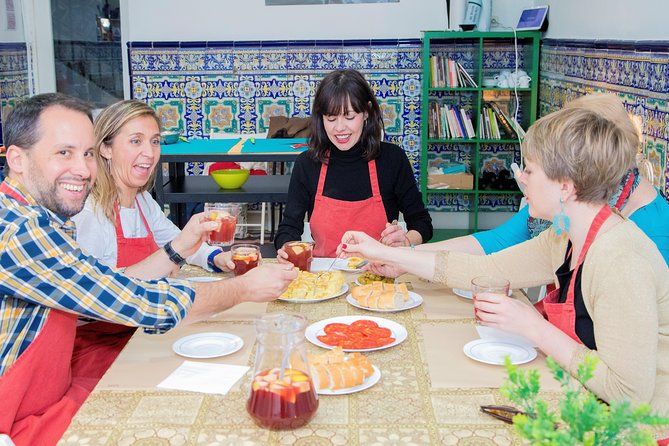
If you want Spain to feel personal, start here. This 2-hour paella and sangria class in Madrid is built around a real kitchen setting—hands-on cooking, a small group (max seven), and a host who teaches the way they learned it at home.
I especially like the intimate size (you’re not watching from the sidelines) and the focus on practical technique—how to handle the steps, not just what the final dish looks like. The only real consideration: since the recipes are shared by email after the class, don’t count on them showing up instantly—plan to check your inbox and spam folder.
In This Review
- Key points you’ll care about
- A Madrid Kitchen Session Centered on Valencian-Style Paella
- Gay Madrid and Chueca District: The Easy Neighborhood Warm-Up
- Paella and Spanish Tortilla: Hands-On Skill, Not Just a Recipe Copy
- Sangria and Wine Tasting: The Drinks Are Part of the Lesson
- What You’ll Eat: Paella, Tortilla, Coffee, and a Real Lunch
- Who This Class Suits Best (And Who Might Want a Different Style)
- Logistics That Actually Matter: Start Time, Location, and Mobile Ticket
- Should You Book This Madrid Paella and Sangria Class?
- FAQ
- What’s the duration of the Traditional Paella, Tortilla & Sangria experience?
- How much does the class cost?
- Is the class offered in English?
- What’s the group size limit?
- What time does the class start?
- Where is the meeting point?
- What dishes are included?
- Are drinks included?
- Is a mobile ticket used?
- Does weather affect the experience?
- What’s the cancellation policy?
Key points you’ll care about
- Max 7 people means you actually cook, ask questions, and get guided step-by-step
- Valencian-style paella lessons from a Valencia native, not a generic travel demo
- Hands-on tortilla and paella plus sangria and wine tasting for the full meal vibe
- Real home kitchen setting near public transport, with a start in central Madrid
- Good weather matters, so be ready for a reschedule or refund option if conditions are poor
A Madrid Kitchen Session Centered on Valencian-Style Paella
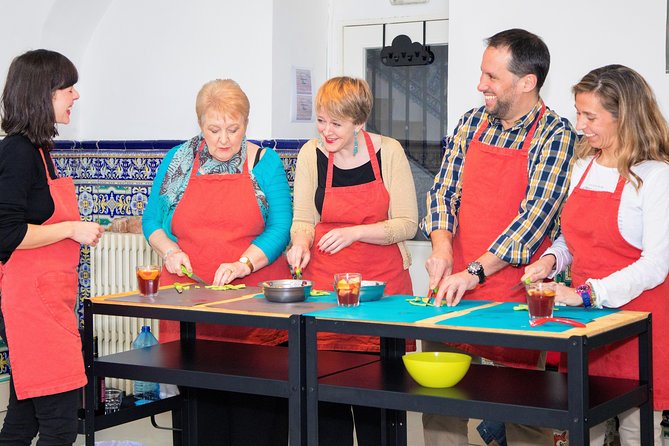
This is the kind of cooking class that makes you feel like Spain is letting you in, not selling you a show. You’ll learn traditional paella along with Spanish omelet (tortilla) and sangria, all in a warm, group-friendly home setting. The timing is tight and focused—about two hours—so you’ll be doing, not just listening.
Price-wise, at $95.58 per person, this isn’t the cheapest option in Madrid. But it comes with more than instruction: you also get wine tasting and you eat what you make (plus coffee). That matters, because you’re paying for ingredients, guidance, and a meal experience built around a small group. If you value learning skills you’ll reuse at home, the cost starts to make sense fast.
One more point I like: the class is offered in English. Even if you’re not comfortable with kitchen vocabulary, you still get the method and the reasoning behind the dishes. And because the group is limited to seven, the host can correct what you’re doing while you’re doing it.
Also, the class starts at 12:00 pm. That lunchtime slot is perfect if you want a real meal in the middle of the day, without burning your evening plans.
You can also read our reviews of more tours and experiences in Madrid.



Gay Madrid and Chueca District: The Easy Neighborhood Warm-Up
Your experience begins in central Madrid with Gay Madrid & the Chueca District as the first stop. This is a smart setup if you like getting your bearings early—Chueca is known for being social, and it’s one of the areas where Madrid feels lively without needing a big tourist production.
In practical terms, this first stop works like a quick orientation before the cooking portion takes over. You’ll start the experience at street level, then move into the kitchen time when the group energy shifts from walking-talk to chopping-stirring.
Because the itinerary only lists this as Stop 1, don’t expect a long guided city tour. The focus here is food and hosting, not sightseeing marathons. If you prefer a lot of outdoor time, you might find this portion brief; if you prefer to get to the fun part—cooking—this is a good match.
Paella and Spanish Tortilla: Hands-On Skill, Not Just a Recipe Copy
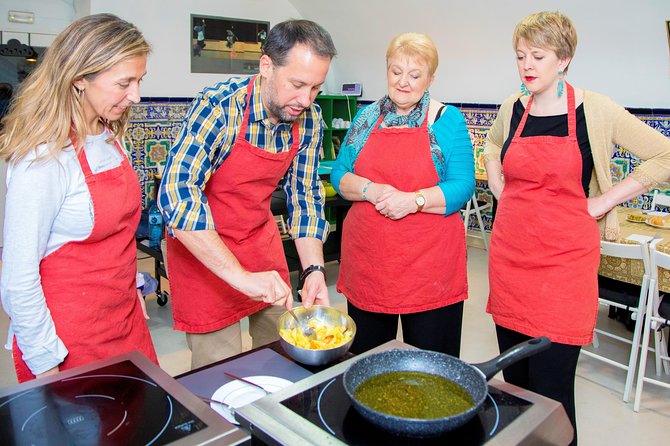
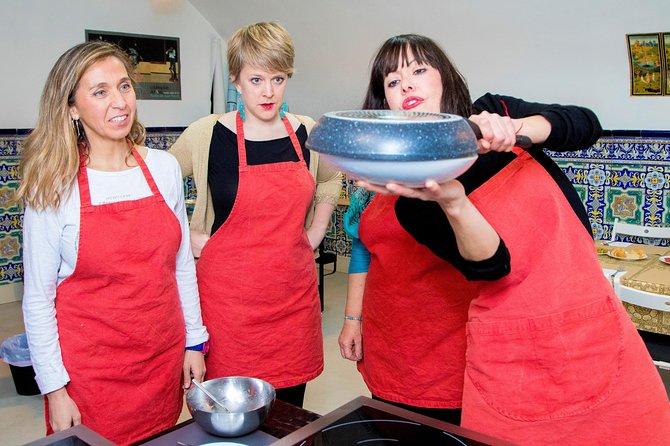
The heart of the class is learning paella and Spanish omelet (tortilla) in a guided way. The big advantage for you is that the format is designed for participation. This isn’t a demo where you watch someone else cook while you hold a camera. With the small group size, you can get involved in the steps and ask questions in the moment.
The teaching style is also rooted in home tradition. The paella you make is described as a true Valencia-style paella taught by a Valencia native, passed down with the kinds of cues you rarely see in recipes. That’s where the value lives: you learn what to look for while cooking, not just what ingredients to list.
You can also expect paella variety during the class experience. One set of descriptions includes a paella made with rabbit and chicken, and another using seafood and chicken. That matters because it tells you the lesson isn’t stuck on one narrow interpretation of paella. Even if the exact version changes, you’re still learning how the host thinks through the process.
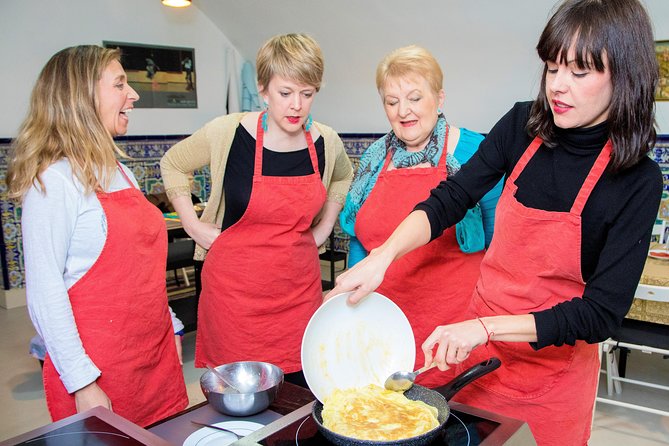
For tortilla, the teaching point is similar. Spanish omelet looks simple, but it’s all technique—heat control, timing, and how you handle the ingredients. The class is built around methods and “tips and tricks” that you’d miss if you only tried to follow a written recipe. If you’ve ever tried making tortilla at home and ended up with a result that didn’t match what you expected, this is the fastest way to get your technique closer.
What you should watch for while cooking: how the host builds confidence step by step. When the group is small, you’ll usually get corrections in real time—like how to move through each stage without rushing, and how to adjust when something feels off. That’s the part you’ll actually use later when you make tortilla or paella for friends.
Sangria and Wine Tasting: The Drinks Are Part of the Lesson
Sangria isn’t treated like a random beverage add-on. You make sangria together as part of the experience, and you also get wine tasting included.
This matters because Spanish meals often work as a package—food and drink in the same rhythm. You’ll learn how the class host approaches the sangria, and you’ll understand it alongside the meal you’re cooking. In other words, it helps you recreate a complete lunch at home, not just one dish.
Even better, the group environment tends to be relaxed. Several descriptions highlight how the host keeps things friendly and interactive, so the drinks don’t feel like a separate party you attend—you’re part of the meal-making process from start to finish. If you like cooking with music and laughter in the background, this is the kind of class you’ll probably enjoy.
A practical note: since it’s a lunchtime activity and includes drinks, pace yourself. You’ll be standing and moving during cooking, and you don’t want to feel foggy during the part where you’re learning technique.
What You’ll Eat: Paella, Tortilla, Coffee, and a Real Lunch
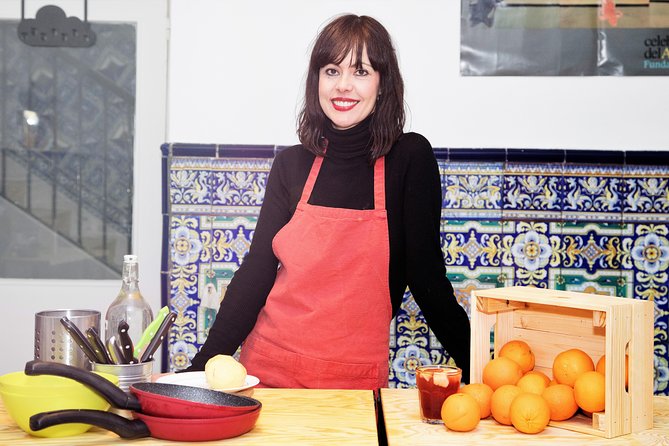
The sample menu is straightforward: Spanish omelet, traditional paella, dessert coffee. You’ll also have sangria and wine as part of the meal experience.
The value here is that the food is not something you order after the class. It’s what you created. That changes the whole energy. When you cook tortilla yourself, you’re tasting it with context—like, now you know what that step was doing. The same goes for paella: once you’ve gone through the process with guidance, your first bite has meaning.
You might also notice that portions and pacing are built for the group size. With a max of seven, the host can manage cooking time and meal flow without long waits. That keeps the class from turning into a rushed assembly line where you only participate in one tiny task.
If coffee is served as dessert, take that as a signal the meal is meant to feel complete, like a true midday Spanish stop—not a quick snack before sightseeing.



Who This Class Suits Best (And Who Might Want a Different Style)
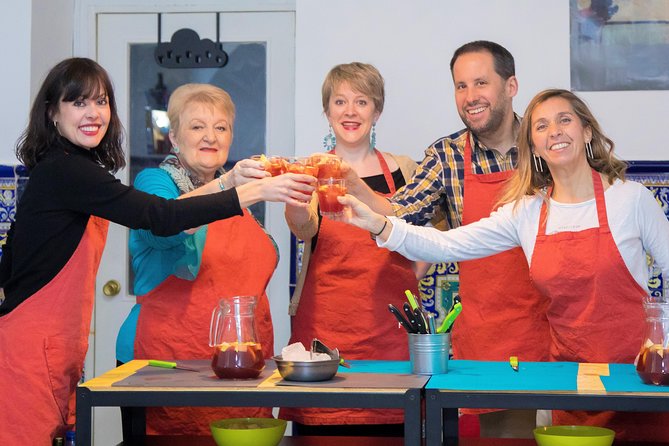
If you’re the type who learns by doing, you’ll likely love this. The class is designed for hands-on participation, and the small group size supports attention from the host. It’s a great pick for couples, friends, and families that want a shared activity with a satisfying finish—eat what you cooked.
It also suits you if you care about authenticity. The paella focus is Valencia-style, taught by a Valencia native. That’s an advantage if you’re tired of classes that label everything Spanish and then skip the technique.
You might want a different option if you mainly want a long walking tour or a deep multi-hour food crawl. This is built around cooking, not extended sightseeing. Also, if you’re extremely sensitive to weather changes, keep in mind the experience requires good weather, and plans can shift if conditions are poor.
Finally, if you’re someone who hates kitchen mess, you may still be okay—many classes still involve peeling, stirring, and chopping, but the host environment tends to be organized and supportive. Just know it’s hands-on, and that means a little kitchen energy and mess is part of the deal.
Logistics That Actually Matter: Start Time, Location, and Mobile Ticket
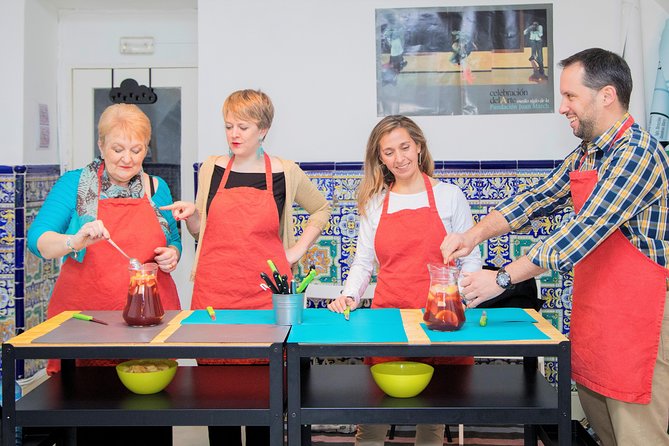
You’ll meet at C/ de Hortaleza, 92, Centro, 28004 Madrid, and the class starts at 12:00 pm. The activity ends back at the meeting point, which makes it easier to plug into your day—lunch, then you’re free to continue exploring Madrid.
The location is near public transportation, which helps if you’re juggling a metro schedule and don’t want to waste time with a long walk. The ticket is mobile, and you receive confirmation at the time of booking. In plain terms: you should be able to show up without complicated printouts.
One small thing to plan for: your recipe share afterward may arrive by email. Some people mention finding it in spam, so if you’re expecting it, check both inbox and spam soon after your class.
Also remember the weather note: the experience requires good weather. If it gets canceled due to poor weather, you’ll be offered another date or a full refund. That’s worth considering if you’re booking near the end of your Madrid trip when you have less room to shift plans.
Should You Book This Madrid Paella and Sangria Class?
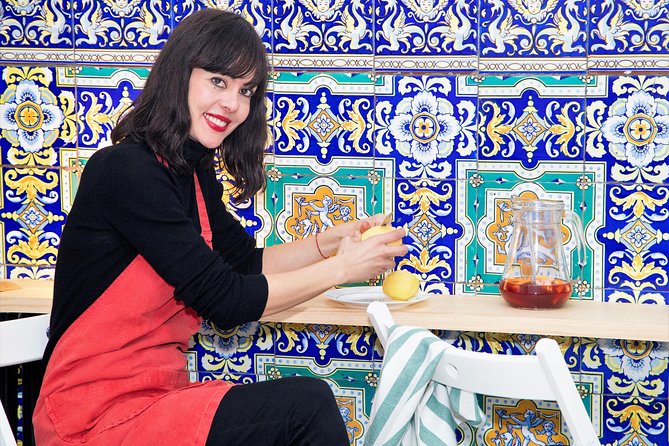
Book it if you want a true Madrid food experience that feels like a home meal, with real technique and a small group that keeps you actively cooking. The combination of paella, tortilla, sangria, wine tasting, and a sit-down lunch makes it good value for a short time window.
Skip it if you mainly want a long city tour or you’re hoping for a no-participation, watch-from-the-sidelines format. And if you’re booking for a weather-sensitive day, keep a little flexibility in your schedule.
If you want a practical souvenir you can re-create later—paella and tortilla methods you can trust—this class is one of the more useful ways to spend a couple of hours in Madrid.
FAQ
What’s the duration of the Traditional Paella, Tortilla & Sangria experience?
It lasts about 2 hours.
How much does the class cost?
The price is $95.58 per person.
Is the class offered in English?
Yes, it’s offered in English.
What’s the group size limit?
The experience has a maximum of 7 travelers.
What time does the class start?
It starts at 12:00 pm.
Where is the meeting point?
The meeting point is C/ de Hortaleza, 92, Centro, 28004 Madrid, Spain.
What dishes are included?
You’ll cook Spanish omelet (tortilla) and traditional paella, with dessert coffee.
Are drinks included?
Yes. Wine tasting is included, and the class includes sangria as part of the experience.
Is a mobile ticket used?
Yes, it’s a mobile ticket.
Does weather affect the experience?
Yes. It requires good weather. If it’s canceled due to poor weather, you’ll be offered a different date or a full refund.
What’s the cancellation policy?
Free cancellation is available. You can cancel up to 24 hours in advance for a full refund.