REVIEW · TOLEDO
Toledo: Three Cultures Walking Tour in Spanish
Book on GetYourGuide →Operated by Secretos de Toledo · Bookable on GetYourGuide
Toledo packs three religions into two hours. This Spanish-language walking tour is a smart way to get your bearings fast, moving you through Toledo’s famous historic core while a guide explains how the city’s architecture tells the story.
I especially like the focus on three anchor sites—Cristo de la Luz Mosque, the Church of Santo Tomé, and the Synagogue of Santa María la Blanca—so you’re not wandering with random stops. One thing to consider: the tour can feel a bit packed and the explanations may come quickly, so if you need slower Spanish, arrive ready to ask questions and stay close to the front.
In This Review
- Key points to know before you go
- Why this two-hour route works so well in Toledo
- Meeting at Secretos de Toledo: getting started without stress
- Cristo de la Luz Mosque: the stop that turns architecture into a story
- The Church of Santo Tomé: El Greco’s Burial of the Lord of Orgaz
- Crossing into the Jewish Quarter for Santa María la Blanca
- Tickets, the 4€ entry fees, and when the 12€ bracelet pays off
- Getting the most from a Spanish-language guide
- What to wear, what to bring, and what to skip
- Who this tour suits best
- Should you book this Toledo: Three Cultures Walking Tour in Spanish?
- FAQ
- Is the tour guided in Spanish?
- How much does the Toledo: Three Cultures Walking Tour cost?
- Where do I meet for the tour?
- How long is the tour?
- Are monument tickets included in the price?
- Is video recording allowed, and is the tour wheelchair accessible?
Key points to know before you go
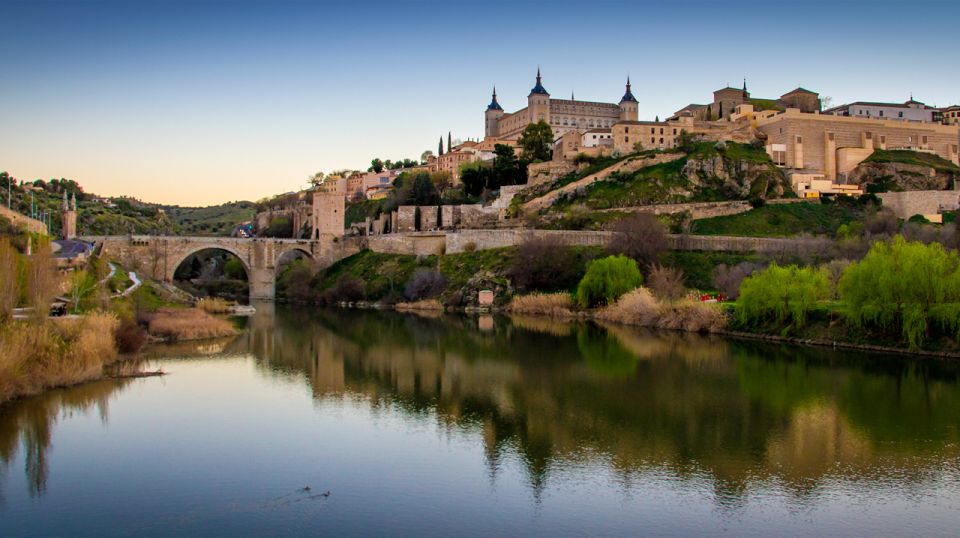
- Three monuments, one walking route: you hit Toledo’s most meaningful cross-cultural stops without long detours
- Spanish guide, history-forward: you’ll get context as you walk, not just at the doors
- El Greco is the big art payoff: the Church of Santo Tomé connects Toledo to one of Spain’s best-known painters
- Tickets cost extra: plan for entry fees at each site, or buy the bracelet if you want value
- Comfort matters: narrow streets and stone make good shoes non-negotiable
- Group energy can vary: some days feel larger, so staying attentive helps you get more from the guide
Why this two-hour route works so well in Toledo
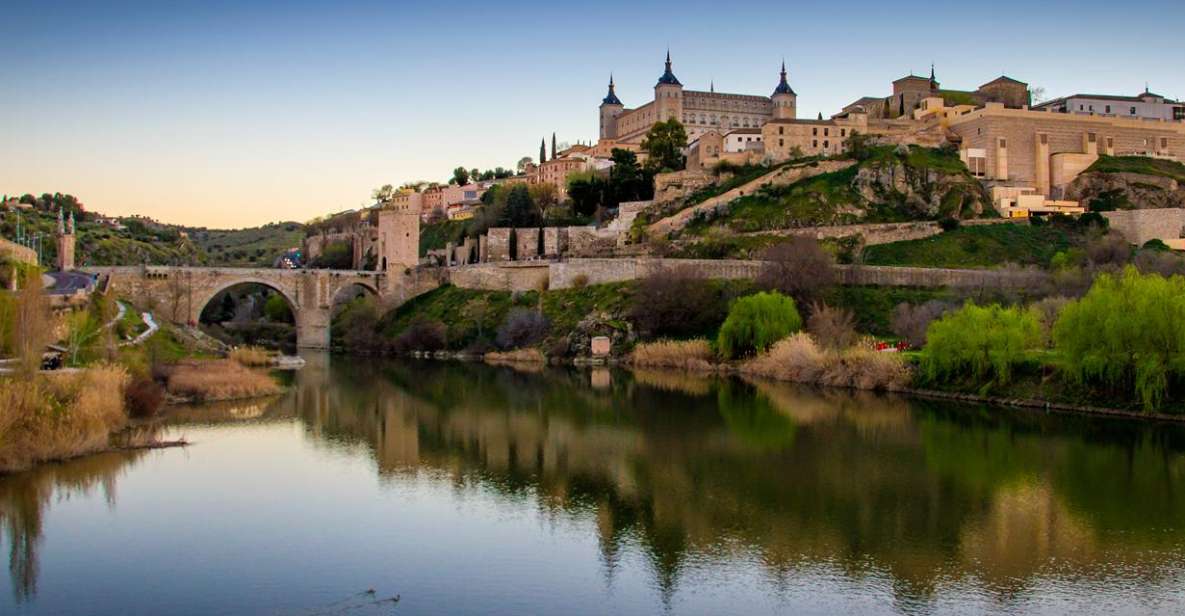
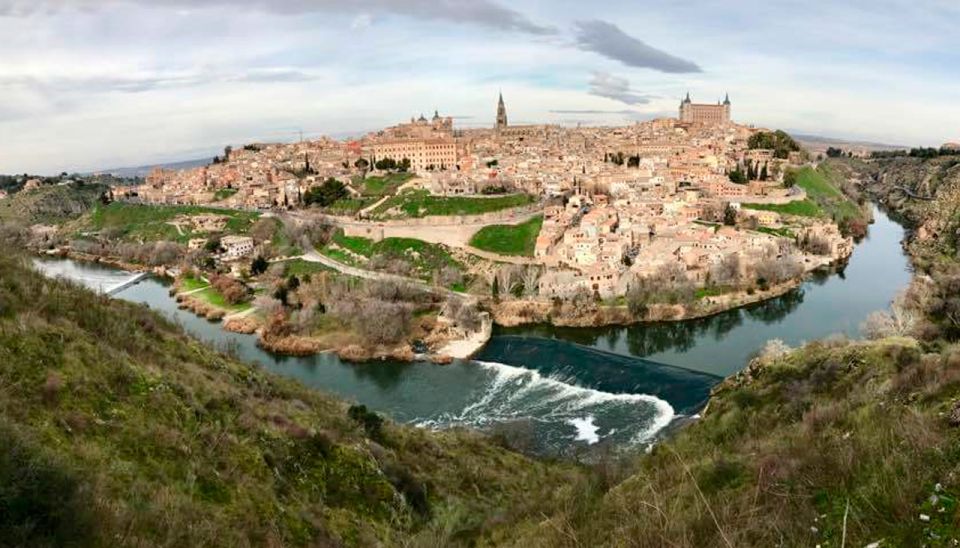
Toledo is the kind of city where everything looks important, which is great—until you’re trying to decide what matters most. This tour tackles that problem by building a route around three standout monuments that represent Toledo’s layered cultural past: Muslim, Christian, and Jewish.
What I like is that the tour isn’t just a checklist of pretty buildings. You start near the Cathedral area and then wind through the narrow streets, so the guide can explain how the city’s layout shapes what you see. That walking context matters in Toledo. You’ll notice how viewpoints and street turns change what the architecture feels like, even in a short time.
The second reason this tour works: it’s timed for real life. At 2 hours, you get a guided overview without losing your whole day to logistics. Then you can go back on your own to linger where you feel the pull—whether that’s artwork, religious architecture, or just the views over the Tagus River area (even if the tour itself doesn’t promise a view stop).
You can also read our reviews of more walking tours in Toledo
Meeting at Secretos de Toledo: getting started without stress
Your starting point is Secretos de Toledo. The directions are clear, but they still help to follow with calm precision: enter No. 7, and at the end of the hall on the right is the local partner’s office.
Here’s my practical advice: don’t show up one minute early and hope for the best. Toledo’s streets can scramble your timing, and if you miss the start, you can lose the flow of the whole route. If you’re even a little unsure, arrive a bit early, read the building number carefully, and confirm you’ve got the right office.
Also, the tour is Spanish only. That’s part of the charm, but it means you’ll get more out of it if you stay engaged. If your Spanish is basic, you’ll still benefit from the guide’s pacing and visuals—just don’t plan on passively absorbing everything.
Finally, expect stone streets and a walking pace designed for explanations as you go. Comfortable shoes aren’t optional here; they’re how you avoid turning the tour into an ankle negotiation.
Cristo de la Luz Mosque: the stop that turns architecture into a story
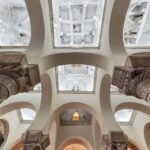
The route takes you first to Cristo de la Luz Mosque. Even without a long detour, this site can feel like a mini time machine because it represents a cultural shift that’s visible in the building itself.
This is one of those places where your eyes start doing the work your brain can’t yet explain. The guide helps you connect the shapes and features to the period when the structure was originally used in a different religious context. That’s the core value of a guided stop like this: you’re not only looking, you’re learning how to look.
What you’ll likely appreciate most is the way this monument sets up the rest of the tour. It gives you a baseline. When you move onward to Christian and Jewish sites, you start noticing what changes—and what stays meaningful in Toledo’s architectural language.
One consideration: you’re paying attention while walking tight streets and arriving at a new site. If your Spanish is limited, keep your focus on keywords the guide repeats, and don’t be afraid to ask for clarification right at the doorway rather than hoping you’ll catch it later.
The Church of Santo Tomé: El Greco’s Burial of the Lord of Orgaz
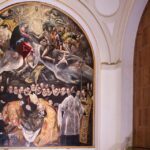
If you only care about one “wow” moment, I’d put my money on the Church of Santo Tomé. This stop comes with a guided visit (about 20 minutes), and the big reason it’s unforgettable is the connection to El Greco and his famous painting, Burial of the Lord of Orgaz.
Even if you don’t know El Greco’s style, you’ll understand why this matters in Toledo. The Church of Santo Tomé isn’t just another church stop. It’s where art, faith, and local identity intersect, and the guide’s job is to give you the framework so the painting doesn’t feel random on a wall.
This is also where I think the tour offers strong “value per minute.” Many city tours spend time transferring you to a landmark. Here, you get a guided explanation right where it counts—inside the church experience—so your money goes into understanding what you’re seeing.
A practical note: tickets are not included for each monument. If you want to see what you came for, factor in the 4€ per person entry fee for this site (or consider the bracelet, which I’ll explain soon). The best plan is to decide in advance which option you’ll use so you don’t stall at the ticket step.
Crossing into the Jewish Quarter for Santa María la Blanca
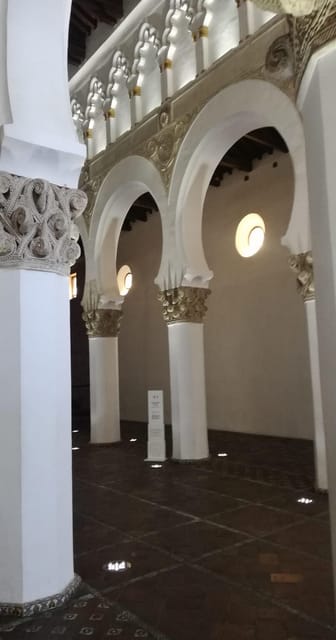
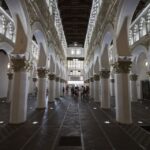
The finish is at the Synagogue of Santa María la Blanca, located in the Jewish Quarter. If Cristo de la Luz Mosque is the guidepost for one kind of cultural layer, and Santo Tomé anchors another through El Greco, then Santa María la Blanca rounds out the story with a distinctly Jewish architectural presence.
This stop hits a different mood than a church. The space and details tend to make you slow down, even if the walking portion is quick. And because the tour ends here, it also works well for your next move. You can linger longer on your own, or you can simply step out and keep exploring the neighborhood at your own speed.
I like that the tour doesn’t treat the Jewish Quarter as an add-on. It’s one of the “three main monuments,” so it gets the same basic attention as the other anchor sites. That balance matters in a city where it’s easy to let one period or one style steal the whole show.
One more tip: don’t treat the synagogue only as a final photo opportunity. Use the guide’s context to understand what you’re seeing, then decide how much time you want to spend after the tour ends.

Tickets, the 4€ entry fees, and when the 12€ bracelet pays off
Here’s the financial reality: monument tickets are not included. You’ll pay 4€ per person for entry to each site you visit. For the three anchor monuments on this tour, that’s 4€ × 3 = 12€.
That’s where the Toledo Tourist Bracelet comes in. It costs 12€ per person and covers entry to this tour’s sites plus several additional ones: Santo Tomé Museum, Synagogue of Santa María la Blanca, Monastery of San Juan de Los Reyes, Church of the Jesuits, Royal College of Noble Maidens, and Church of El Salvador. You can visit those monuments as many times as you want, and you can buy the bracelet at the monuments or at the meeting point.
So does the bracelet save you money on this exact tour? Not on the core three stops. The math works out to the same total as paying per monument (12€). But the bracelet becomes a real value if you’re the kind of traveler who plans to keep exploring after the tour.
My practical rule: if you think you’ll visit even one or two more of those extra listed sites, get the bracelet. If you’re only planning to see these three monuments and then leave Toledo, pay as you go and skip the bracelet.
Either way, decide before you arrive at the ticket moments. It keeps the tour moving and avoids that awkward pause where you’re doing quick math with tourists traffic in your ears.
Getting the most from a Spanish-language guide
This is a guided tour in Spanish, and that’s a big part of what makes it feel real. It’s also where you should manage your expectations.
On some days, the group can feel larger, and you may not have extra audio aids like headsets. That means you’ll want to stay close to the guide, especially when you’re walking through narrow lanes where sound carries less cleanly. If the guide speaks quickly, it helps to watch their gestures and keep your eyes up—often the explanation structure becomes easier even when every word isn’t perfect.
Also, no video recording is allowed. That’s listed as a rule, so plan to take photos if permitted where you are, and focus on listening rather than filming.
If your Spanish is limited, I’d still do this tour. The reason is simple: architecture is visual. The guide’s job is to connect what you see to meaning, and even partial comprehension can click fast when you’re standing in front of the monument.
What to wear, what to bring, and what to skip
Bring comfortable shoes. Toledo’s old streets can be uneven, and this is a walking tour through narrow lanes. If your feet are happy, your brain can focus on the details.
You’ll also want to keep your plan flexible around entry. Since monument tickets aren’t included, you should expect a small cost checkpoint at each site. Buying the bracelet can simplify those moments, but either method works if you prepare.
Skip video recording because it’s not allowed. Save your attention for the guide’s explanations, and use your camera sparingly so you’re not blocking your view of what matters.
Food and drinks aren’t included, so plan to eat before or after the tour. A two-hour timeline can work well with a quick snack afterward, but don’t count on the tour to build in a break.
Who this tour suits best
This tour is a strong match for you if you like walking tours that actually teach. At 2 hours, it’s a good overview route that helps you understand Toledo’s three-culture story without getting lost in information overload.
It’s also a good choice if you care about one of the main “anchors”:
- You want El Greco through the Church of Santo Tomé and Burial of the Lord of Orgaz.
- You’re curious about how cultures changed through architecture, starting at Cristo de la Luz.
- You want the Jewish Quarter experience to be part of the main plan, not an optional detour.
If you’re traveling in a group with mixed interests, the format works because it hits different kinds of lovers: art, architecture, and religious history.
Wheelchair accessibility is listed as available, which is important for planning. Still, you’ll be walking on old-city surfaces, so it’s smart to have a realistic comfort plan for pavement and stairs where relevant.
Should you book this Toledo: Three Cultures Walking Tour in Spanish?
Yes, I’d book it if you want a focused introduction and you’re okay with paying small monument entry fees on top of the $14 tour price. The guide adds value by connecting the buildings to the story, and you’re not just walking for the sake of walking.
I’d hesitate only if you know you struggle with Spanish at a brisk pace and you need highly paced, step-by-step explanation. In that case, you can still enjoy the monuments visually, but you may feel more frustrated than you’d like during the walking and indoor talking portions.
If you’re open to that trade-off, this is a practical way to see Toledo’s three most important cultural landmarks in one clean loop, and then decide what deserves your extra time afterward.
FAQ
Is the tour guided in Spanish?
Yes. The walking tour is guided in Spanish, with a live tour guide throughout.
How much does the Toledo: Three Cultures Walking Tour cost?
The price is listed as $14 per person.
Where do I meet for the tour?
Meet at Secretos de Toledo. Enter No. 7, and at the end of the hall on the right you’ll find the local partner’s office.
How long is the tour?
The duration is 2 hours.
Are monument tickets included in the price?
No. Monument tickets aren’t included. You’ll pay 4€ per person for entry to each site, or you can buy a 12€ Toledo Tourist Bracelet.
Is video recording allowed, and is the tour wheelchair accessible?
Video recording isn’t allowed. Wheelchair accessibility is listed as available.
If you’d like, tell me your Spanish level and whether you plan to visit more Toledo sites afterward, and I’ll suggest whether the 12€ bracelet is worth it for your day.