REVIEW · MADRID
Ribera del Duero Winery Guided Tour and Wine Tasting from Madrid
Book on Viator →Operated by Winebus · Bookable on Viator
Wine country plus castles in one long day. This Ribera del Duero trip from Madrid turns a train-and-taxi day into one organized drive, with tastings at more than one winery and a guide who brings the region to life during the ride out from the city (hello, Ignacio).
What I love most is the small group (max 8) setup, which makes it easier to ask questions and slow down when a particular vintage, cellar setup, or process catches your interest. You’ll also taste at different styles of wineries, not just one.
What I love second is the built-in freedom in the afternoon: after wine, you can aim for a medieval town or castle area like Peñafiel, Pedraza, Aranda de Duero, Segovia, Riaza, or Peñaranda, depending on the day. One heads-up: lunch is not included, so plan on paying for your own meal (and drinks) once you’re out in Ribera del Duero.
In This Review
- Key highlights at a glance
- Why this Ribera del Duero day trip feels different from a basic tasting
- Morning departure from Madrid: comfortable ride, real stories
- Winery stop 1: a “cross-section” tasting that sets the bar
- Lunch break: pay-as-you-go, but make it count
- Winery stop 2 (and sometimes a bonus stop): compare styles, not just labels
- Late-afternoon options: medieval towns and castle time after the tastings
- What’s included (and what you’ll want to budget)
- Is the price worth it?
- Who this tour is best for (and who should look elsewhere)
- A few practical tips to make the day smoother
- Should you book this Ribera del Duero wine and castle day trip?
- FAQ
- How long is the Ribera del Duero winery guided tour and wine tasting from Madrid?
- What is included in the $191.87 per person price?
- Is lunch included?
- Where do I meet for the tour in Madrid?
- What time does the tour start?
- Is there an age limit for this tour?
- How many people are in the group?
Key highlights at a glance
- Small-group cap of 8 for a more personal pace and Q&A time
- 2-3 winery stops with guided tastings and explanations of typical local styles
- Ignacio-style storytelling during the ~2-hour drive into the wine region
- Very flexible afternoon with options for medieval towns and ancient castles
- Air-conditioned transport from central Madrid with a local professional guide
Why this Ribera del Duero day trip feels different from a basic tasting
Ribera del Duero is one of Spain’s best-known wine regions, with official quality status tied to its origin. And that matters, because it helps you understand why you’re tasting the same “place” in different ways—through winemaking choices, aging practices, and the personality of each bodega.
This tour is designed for that exact feeling: you’re not just handed a flight of wines and sent on your way. You’ll get guided tastings, plus context on how the region grew into what it is today. That’s especially useful if you’re visiting from Madrid and don’t want to spend your limited vacation time figuring out which wineries are worth your effort.
The other thing that makes it work: the group size is small enough that you’re not competing with the loudest person for the guide’s attention. When you have time to ask follow-ups—Why does this vintage taste different? How do these cellars work?—the whole day clicks into place.
You can also read our reviews of more food & drink experiences in Madrid

Morning departure from Madrid: comfortable ride, real stories
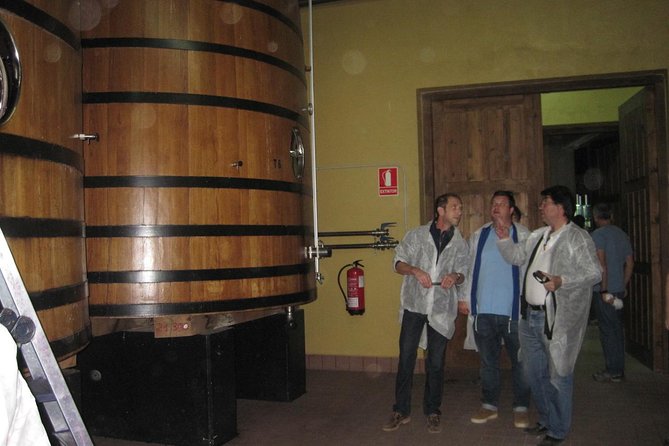
You meet at Hotel Claridge in central Madrid (Pl. del Conde de Casal, 6, Retiro) at 9:30am, then you head out by car/minivan/coach with air conditioning. The drive to the first bodega is around two hours, and it’s not just dead time.
A common theme is how the guide uses the ride to connect Madrid to what you’ll see in Ribera del Duero. Ignacio, in particular, is repeatedly praised for telling stories that make the wine region feel less like a name on a map and more like a living place. If you’re the type who likes history, food, and how people made a life around farming and wine, this portion quietly sets you up for a better day.
Practical note: you’ll be in a vehicle for a good chunk of the morning, so bring something simple—water bottle, sunglasses, and a layer. Even if the day is sunny, wineries and old stone towns can feel cooler once you stop moving.
Winery stop 1: a “cross-section” tasting that sets the bar
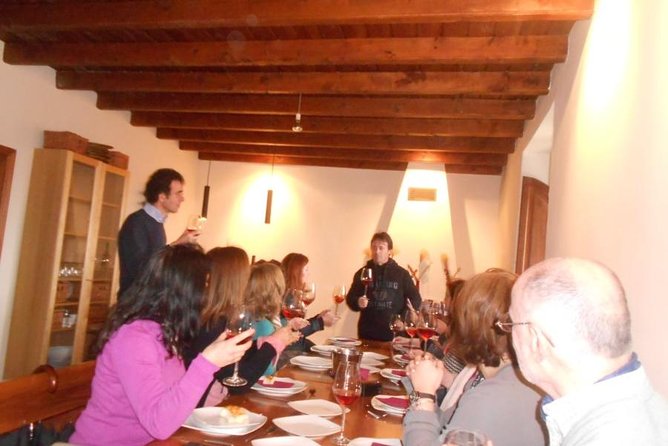
The first stop is your entry point into Ribera del Duero. You’ll spend time at the bodega tasting wines and learning what’s typical for the region. The tour is built around the idea of giving you a cross-section of red wines raised here, so you can start noticing the range early.
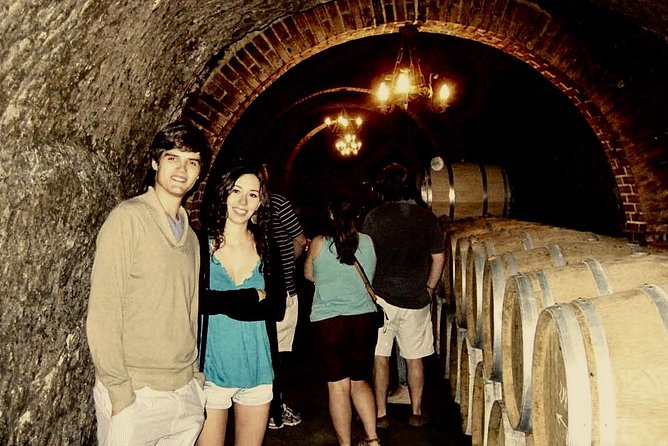
In terms of what this can look like in practice, I like that the tour isn’t stuck on one type of winery experience. Based on how this trip has been run, you may visit anything from a larger, more modern operation with eye-catching architecture to a smaller bodega with a cellar setup focused on traditional cave space. The point isn’t the building—it’s that each place has a different way of turning grapes into wine, and you can taste that difference.
Expect guided explanations during the tasting. This is where the value shows: if you’ve never heard how producers think about aging or how their processes shape flavor, the guide makes it understandable without turning it into a lecture.
Lunch break: pay-as-you-go, but make it count
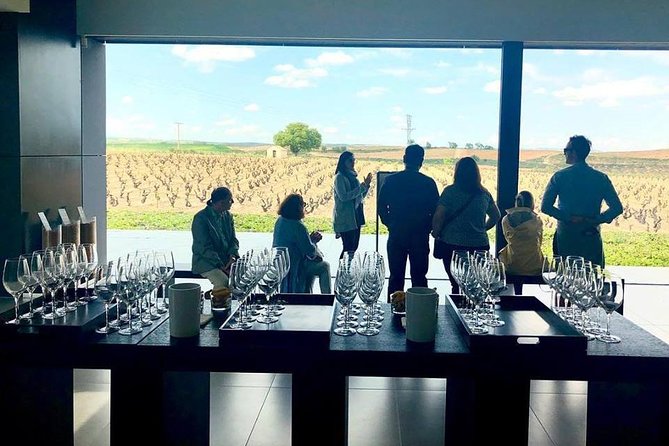
Around the middle of the afternoon, you’ll have a break for lunch, and food and drinks are not included. The good news is you have freedom to pick a restaurant, so you’re not forced into a generic tourist menu.
This is also your chance to eat like you’re in Castile and León, not just like you’re on a wine tour. The vibe in this part of Spain often rewards simple, regional dishes—things that show up because people have made them for generations, not because someone added them to a tasting brochure.
My practical advice: don’t overdo it with the wine before you go back out. You’ve got more tastings in the afternoon and you’ll likely be walking around castle or town areas later. Save your heaviest pours for the moments when you’ll be tasting slowly and sitting down.
Winery stop 2 (and sometimes a bonus stop): compare styles, not just labels
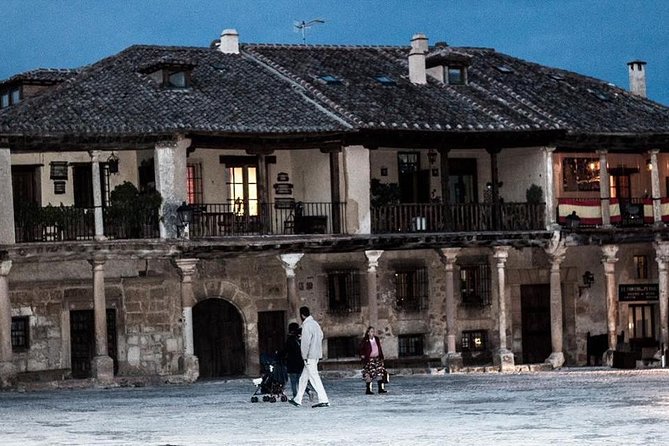
After lunch, you’ll head to a second winery, different from the first. And in many cases, you may even get a third stop if timing and luck are on your side.
The payoff here is comparison. When you taste at two or three wineries in one day, you stop thinking of “Ribera del Duero” as one flavor. You start hearing a theme with variations—different approaches to production and different personalities in the glass.
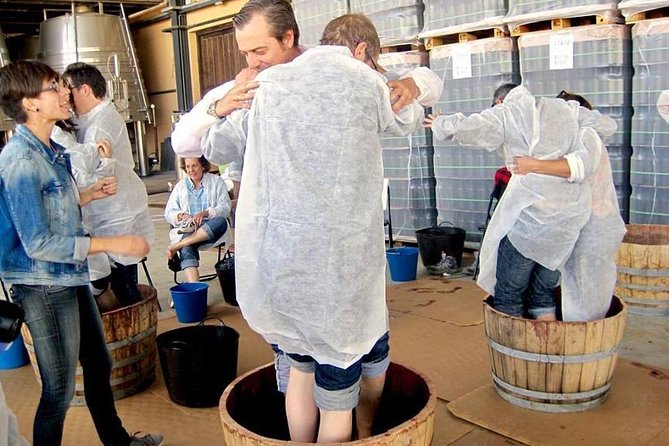
You’ll typically get guided tastings again, plus more explanation about the winery’s methods. In past runs of this trip, guests have been shown unusual details like an ancient wine press setup, or other practical, hands-on pieces of the winemaking story that make the day feel more real than just tasting rooms.
If you’re a wine lover, this is the sweet spot. You’re learning while you taste, rather than tasting first and learning later (when your memory is already fuzzy).
You can also read our reviews of more guided tours in Madrid


Late-afternoon options: medieval towns and castle time after the tastings
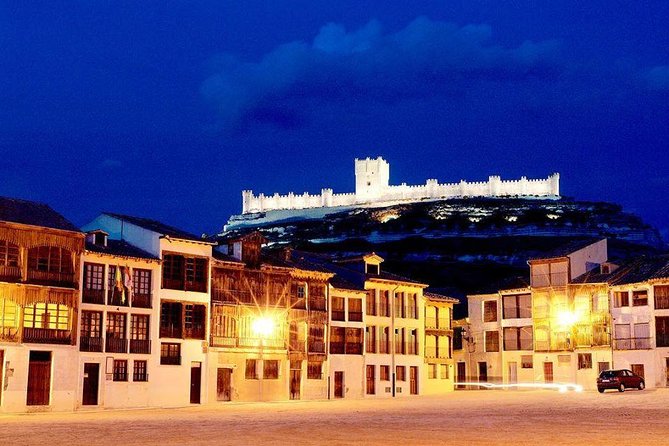
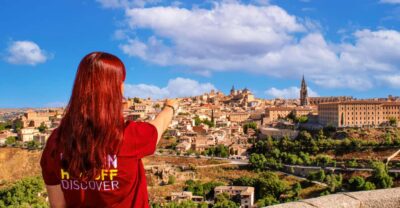
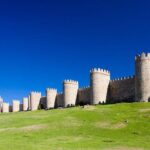
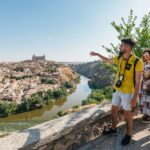
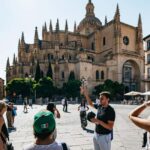
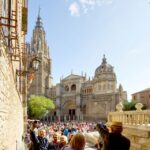
This is the part that turns a wine tour into a full-day “stories and views” outing. After your winery time, you get to choose from potential activities, usually in the late afternoon. Options include Peñafiel, Pedraza, Aranda de Duero, Segovia, Riaza, and Peñaranda.
What’s great is that these aren’t random stops. Castle towns and medieval centers in this region are the perfect match for the day’s theme: grapes, rivers, aging cellars, and old stone communities that grew around agriculture and trade.
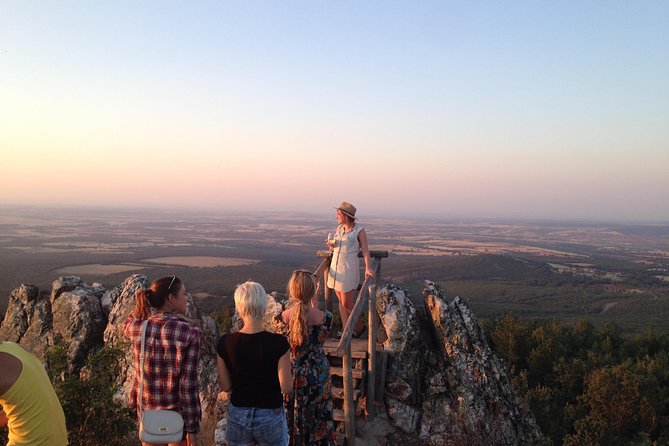
Sometimes, the guide adds bonus castle experiences when schedules allow. Guests have mentioned things like visiting a castle such as Castillo de Curiel, enjoying viewpoints, and even doing wine tasting in a castle setting. Even when the exact bonus differs by day, the pattern holds: you end up with something you can’t replicate by just booking a winery tasting in advance.
Practical tip for this window: wear shoes you can trust on uneven stone. Even if the afternoon option sounds “quick,” castle areas tend to involve steps, cobbles, and short walks between lookouts.
What’s included (and what you’ll want to budget)
Here’s the deal on value: you pay a set price (listed at $191.87 per person) and the tour covers a lot of the hard-to-price pieces.
Included in the tour:
- Wine tasting
- Local professional guide
- Transportation from Madrid (air-conditioned car/minivan/coach)
- The planned activities connected to the day
Not included:
- Lunch and drinks (unless a specific option states otherwise)
- Hotel pickup/drop-off beyond the meeting point
Is the price worth it?
I think it often is, because you’re not just paying for “a tasting.” You’re paying for:
- driving time handled for you (and time you’d otherwise spend routing between wineries),
- guided tastings at multiple stops,
- and the flexibility to add medieval/castle time without planning it.
If you were to DIY this day, you’d spend time booking wineries, figuring out transport between locations, and still hoping you’d land the best combo of tasting + sights. Here, the day is packaged into one flowing schedule.
Who this tour is best for (and who should look elsewhere)
This tour fits best if you want:
- a guided wine tasting day with real explanations,
- a small group pace,
- and a “two birds” schedule: wine plus medieval towns or castles.
It’s also a smart pick if you’re short on time in Madrid and want to see beyond day-trip-from-hell logistics.
Consider another option if:
- you hate long days (this is about 10 hours total),
- you want a full meal plan included (lunch is on you),
- or you’re only interested in one winery stop and nothing else.
A few practical tips to make the day smoother
- Dress smart casual. Wineries and towns are still outdoors and walking-heavy, so keep it comfortable, not formal.
- Bring your own water mindset. You’re drinking tastings, not a full bar menu.
- Budget for lunch. Choose a place that feels local; you’ll usually get better results than staying cautious.
- Plan for walking in stone towns. Castle areas can be uneven—good shoes beat perfect photos.
- If you’re sensitive to wine, tell the guide early. A good guide can adjust pacing and help you choose lighter pours.
Should you book this Ribera del Duero wine and castle day trip?
If you want a day that feels like both wine country and Spain beyond wine country, I’d book it. The biggest reasons are the small-group size and the fact that you’re tasting at multiple bodegas with guided context, then shifting into medieval town/castle time without needing to plan every detail yourself.
You’ll also likely enjoy this more if you like asking questions. With a max of 8 people, it’s easier to steer the day toward what you actually care about—whether that’s production details, the differences between wineries, or just getting to the right viewpoint before sunset.
Just don’t forget the one trade-off: lunch isn’t included. If you’re good with that and want a structured, enjoyable full day out of Madrid, this is a strong choice.
FAQ
How long is the Ribera del Duero winery guided tour and wine tasting from Madrid?
It runs about 10 hours.
What is included in the $191.87 per person price?
The tour includes wine tasting, transportation from Madrid (air-conditioned car/minivan/coach), a local professional guide, and the listed activities.
Is lunch included?
No. Food and drinks are not included (unless specified), and lunch is taken during a break in the afternoon at your own expense.
Where do I meet for the tour in Madrid?
The meeting point is Hotel Claridge, Pl. del Conde de Casal, 6, Retiro, 28007 Madrid.
What time does the tour start?
It starts at 9:30am.
Is there an age limit for this tour?
Yes. The minimum drinking age is 18.
How many people are in the group?
The group has a maximum of 8 travelers, which helps keep the day more personal.