REVIEW · MADRID
Madrid: Reina Sofía Museum Private Guided Tour
Book on GetYourGuide →Operated by Uizart · Bookable on GetYourGuide
Modern art hits harder with a guide. This private skip-the-line Reina Sofía experience in a small group takes you from late-1800s modern roots through to today, starting right by the Nouvel building’s Landscape of Light area and its UNESCO setting. You get an art focus that feels organized, not rushed.
I especially love how the tour makes Picasso’s Guernica more than a famous image, by connecting it to the 1937 Paris Expo and the real bombing of Guernica. You also get clear explanations that link Spanish history and Cubism to what you’re seeing on the walls.
One drawback to consider: personal comfort and health habits. A negative report described a guide who was coughing and staying very close, without a mask or headphones, so it’s smart to share any boundary on spacing and consider your own protections.
5 Things You’ll Really Notice
- Skip-the-line entry that gets you into the museum faster
- Small private group (up to 7) so questions don’t get swallowed
- Guernica context tied to the 1937 Paris Expo and the bombing
- Personalized route based on what you want to understand most
- Optional extra time inside after the tour, with recommendations if your group stays within 7
In This Review
- First stop at the Nouvel building: Landscape of Light meet-up that sets the mood
- Inside the museum for 2 hours: a modern-art timeline that’s actually usable
- Guernica: why the 1937 Paris Expo and the bombing matter
- Cubism and Spanish history: the fast lane to understanding why it changed everything
- Dalí and Miró: surrealism across Europe, explained in plain terms
- Not just paintings: photos, propaganda posters, film clips, and sculpture
- Personalization: how the guide turns your interests into a route
- Price and value: what $136 buys you in real terms
- Staying after the tour: turning 2 hours into a longer museum afternoon
- What can go wrong: pacing, personal comfort, and expectations
- Who this tour is best for (and who might prefer DIY)
- Should you book the Reina Sofía private guided tour?
- FAQ
- How long is the Madrid Reina Sofía Museum Private Guided Tour?
- What’s the group size?
- Where do we meet?
- What languages is the tour offered in?
- Does the price include entrance fees?
- Is the ticket line skipped?
- Can I stay in the museum after the tour ends?
- Is the museum wheelchair accessible?
- Is transportation included in the tour price?
- What’s the cancellation policy?
First stop at the Nouvel building: Landscape of Light meet-up that sets the mood
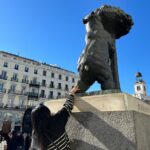
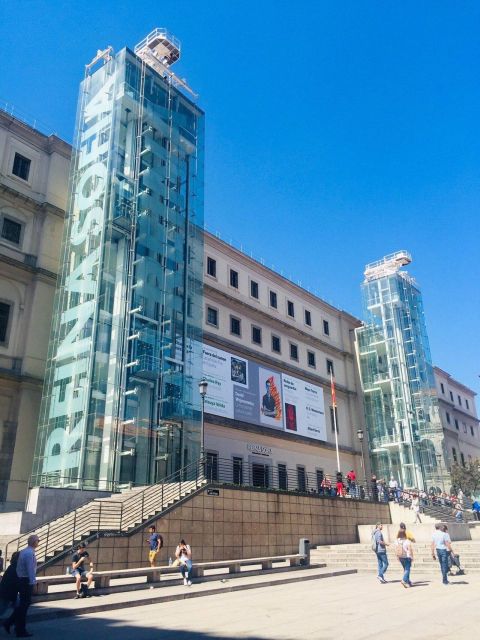
The tour starts before you even reach the main galleries. Your guide meets you at your selected time at the statue in front of the Nouvel building. That area isn’t just a nice photo spot. It’s the Landscape of Light, a UNESCO World Heritage Site created under Carlos III, and it helps explain why Madrid’s museum district feels so tied to the city’s identity.
This matters because the Reina Sofía can feel like a big, busy art maze if you arrive cold. Starting in the open, with a guide who’s ready to explain what you’ll be seeing, helps you get oriented fast.
Quick practical note: the meeting point can vary depending on the option you book, but the Nouvel building statue is the core landmark you’ll look for. If you’re unsure, check your confirmation message and plan to arrive a few minutes early.
Inside the museum for 2 hours: a modern-art timeline that’s actually usable
A private 2-hour tour is a sweet spot. You don’t get the full museum experience, but you do get the logic. The tour is designed as a journey through the evolution of Modern European art, covering works from 1881 to the present day. That time span is huge, so the value is how the guide filters it into something you can follow.
Here’s what you can expect once you’re past the entrance queues:
- You’ll enter with skip-the-ticket-line access, which reduces the biggest time sink of any big museum.
- You’ll move through a selection of works that build a story, rather than hitting random highlights.
- You’ll get explanations that connect art styles to historical events and changing ideas.
One smart thing about this format: the guide can adjust as you talk. If you’re more curious about why artists broke rules, the route can lean that direction. If you want the political or social meaning behind the images, that theme can get emphasized. This is where “private” pays off. In a big-group setting, you usually get the lecture and you’re done. Here, you can steer.
You can also read our reviews of more guided tours in Madrid


Guernica: why the 1937 Paris Expo and the bombing matter
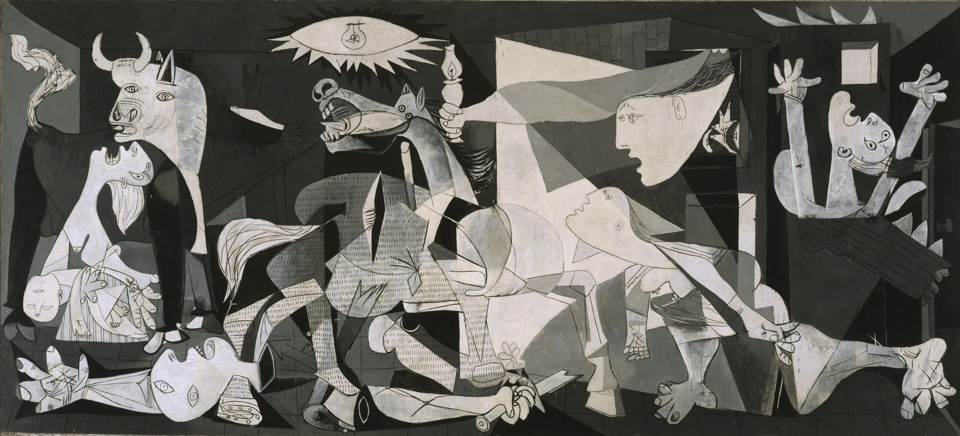
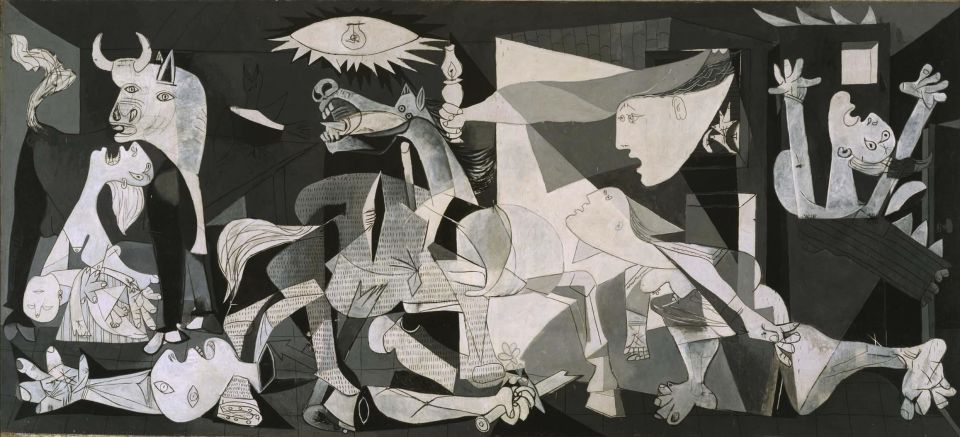
Let’s talk about what people remember long after the tour ends: Picasso’s Guernica. Even if you’ve seen it in textbooks or posters, it’s hard to understand without context. This tour tries to fix that by giving you the chain of events and artistic choices behind the painting.
What you can expect the guide to cover includes:
- How Picasso created Guernica for the 1937 Paris Expo
- What happened in the real-world bombing of Guernica
- How the work was made, using photos of it being painted
- Details like an invoice for Picasso’s payment from the government
That last bit might sound oddly specific, but it’s exactly the kind of detail that makes a masterpiece feel real. It pulls Guernica out of the “myth layer” and into the “how and why it was produced” layer.
Also, pay attention to what the guide says about the emotional structure of the painting. You’ll usually understand it faster when someone points out how different parts of the composition communicate fear, chaos, and shock, not just artistic style.
Cubism and Spanish history: the fast lane to understanding why it changed everything
Reina Sofía’s modern and contemporary collection can feel intense if you’re not sure what to look for. The tour’s job is to translate those visual ideas into language you can use.
Cubism is a big part of that. The guide provides clear explanations of cubism and how it relates to Spanish history and the broader cultural shifts happening around the artists’ lifetimes. That means when you stand in front of a painting that looks “broken” or “rearranged,” you’re not left guessing.
A practical tip: when the guide starts linking style to history, try to pick one or two “focus questions” for yourself. For example:
- Are they reorganizing space to show perception, not realism?
- Is there a political or emotional point underneath the visual method?
- How does this connect to what Picasso (and others) were reacting to at the time?
Because the tour is private, you can ask those questions right there, and the guide can adjust the next stop instead of moving on as if you never asked.
Dalí and Miró: surrealism across Europe, explained in plain terms
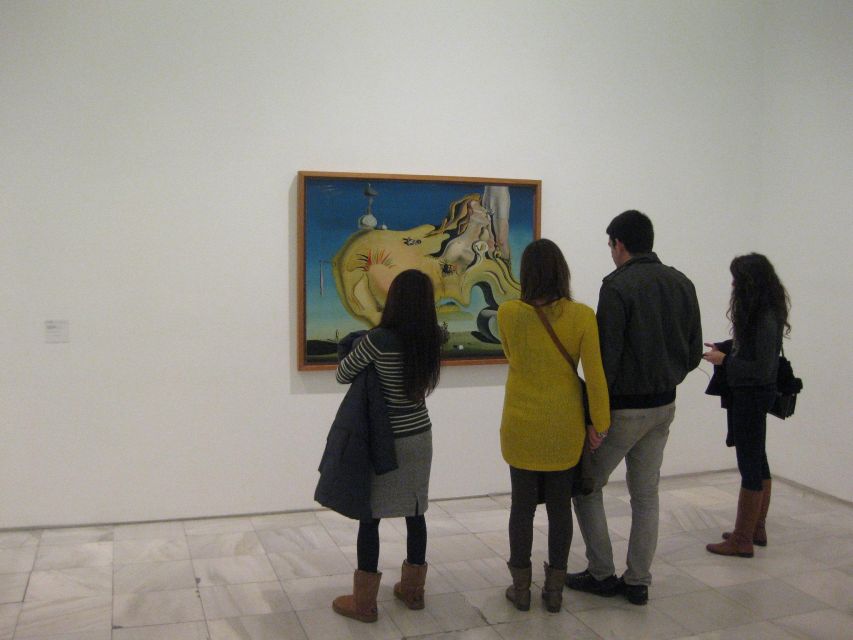
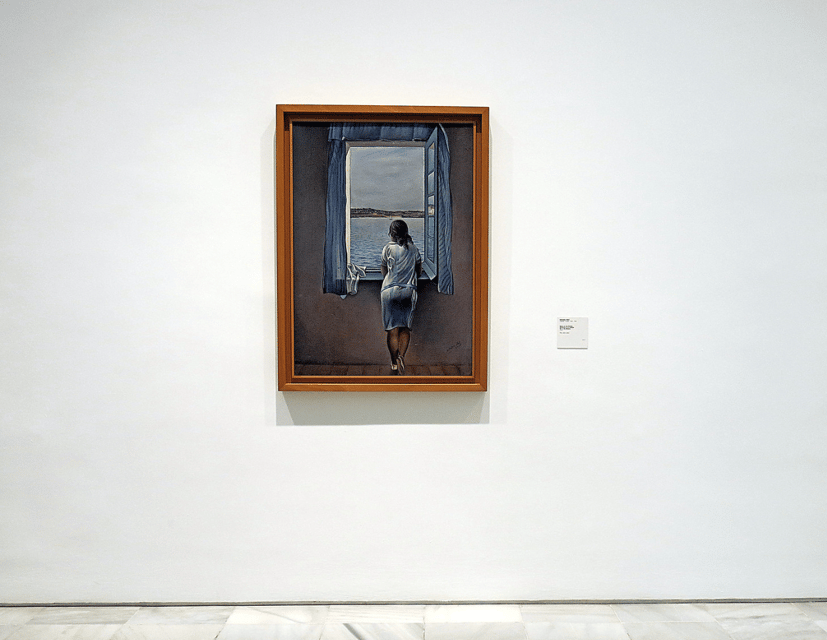
Picasso is the headline, but the tour also gives you time for major figures like Dalí and Miró. The point isn’t just to see famous names. It’s to understand the creative leap that took European modern art into surreal and experimental territory.
In practice, that usually means you’ll get explanations of:
- What each artist was trying to do visually
- How their ideas fit into the wider modern-art evolution across Europe
- Why their work landed with such global impact
If you’ve ever felt like surrealism is either too cryptic or too theatrical, a good guide can help you see it as a system of choices. You’re not supposed to decode every symbol perfectly. You’re supposed to understand what the artist is doing with imagination, memory, and reality.
Not just paintings: photos, propaganda posters, film clips, and sculpture
One reason this tour feels “complete” is that it doesn’t treat the museum as only a wall of oil paintings. You might see supporting media like photographs, propaganda posters, and film clips, plus sculptures.
That matters because modern art is often tied to media culture. When you’re shown the broader visual environment around the artists—political messaging, public imagery, and how art gets distributed—it becomes easier to understand why the works look the way they do.
It’s also helpful if you’re the kind of person who learns faster by switching formats. If painting alone starts to blur, the tour’s mix of mediums can reset your attention while still keeping a coherent theme.
You can also read our reviews of more private tours in Madrid





Personalization: how the guide turns your interests into a route
The tour is tailored to your interests. You can tell the guide what fascinates you most, and the walk through the collection can reflect that. In a museum this big, that personalization is the difference between:
- seeing art, and
- actually understanding what you’re seeing.
From what I’ve learned about the way the guides run these tours, good guides also make connections that you might miss on your own. One example is linking works thematically even when they’re located in different rooms. That kind of “bridge building” saves you from endless wandering and helps you notice patterns.
Another detail worth knowing: one guide experience included additional attention to pieces by female artists, and not just as an afterthought. If that topic matters to you, you can mention it ahead of time. With a private group, it’s more likely to show up in the final selection.
Price and value: what $136 buys you in real terms
At $136 per person for 2 hours, the headline question is whether this is worth it compared to walking in and exploring on your own.
Here’s the realistic value math:
- You’re paying for an art history guide specialized in modern and contemporary art.
- You’re paying for skip-the-line entry, which can save real time (and energy) on a high-demand day.
- Entrance fees are included, along with taxes and management fees.
What’s not included: transportation. So plan to get yourself to the museum by your normal Madrid methods.
Is it worth it? If you like art but want a clear route and explanations that make famous works click, yes. If you already know the artists and movements well and you enjoy building your own itinerary, you might prefer self-guided time plus a short add-on talk.
Think of the price as buying certainty. You’re buying fewer “what am I looking at?” moments and more “now I see why this exists” moments.
Staying after the tour: turning 2 hours into a longer museum afternoon
The tour lasts 2 hours, but you don’t have to stop there. After the guided portion ends, you can stay in the museum to explore on your own. The tour includes recommendations for what else to see if your group remains within the limit (groups of 7 or less).
That is a great setup. You get the guide to set your foundation, and then you decide what to linger on. It’s especially useful at the Reina Sofía, because once you understand the timeline and the big concepts, you can roam with purpose instead of frustration.
If you want to keep the momentum, use your guide’s recommendations as a shortlist. Pick one or two “second round” priorities, and don’t try to see everything in one go.
What can go wrong: pacing, personal comfort, and expectations
Most of what makes this tour good is also what can go wrong if expectations aren’t aligned.
Two areas to think about:
- Pacing: A 2-hour window forces choices. If you’re hoping to spend long stretches on every work, you’ll likely want to extend your visit after the tour.
- Personal comfort: One negative experience described a guide who was very close and not using a mask. Health habits and personal space can vary between individuals, even within the same provider. If you’re sensitive to this, communicate your preference at the start of the tour, like requesting more distance and using headphones if offered.
You can also bring your own backup plan: if something feels off, pause and ask to adjust. A private tour is built for flexibility.
Who this tour is best for (and who might prefer DIY)
This tour is a strong match if you:
- want major modern art explained with clear connections
- care about the stories behind Picasso, Dalí, and Miró
- appreciate a museum visit that’s guided but still interactive
- dislike wasting time waiting in lines
It might not be the best fit if you:
- only want quiet self-paced strolling
- already have a deep background in modern and contemporary art
- dislike any guided structure, even a flexible one
A good middle route for many people is to do this private tour first, then switch to self-guided wandering afterward with a short list.
Should you book the Reina Sofía private guided tour?
Book it if you want the museum to make sense fast. The mix of skip-the-line access, expert art context, and a route that runs from 1881 to today can turn a confusing visit into a coherent story. The Guernica focus is a major reason to choose this format, especially if you want the 1937 Paris Expo and bombing context explained in plain language.
Skip it if you’re traveling on a strict budget and don’t care about guided meaning. Or if you hate the idea of talking during your visit.
If you book, do one simple thing that improves the whole experience: tell the guide what you’re most curious about before you walk in. You’ll get more relevant stops, and you’ll spend less time wondering why a work matters.
FAQ
How long is the Madrid Reina Sofía Museum Private Guided Tour?
It’s a 2-hour guided tour.
What’s the group size?
It’s a private group with no more than 7 people.
Where do we meet?
The guide meets you at your selected time by the statue in front of the Nouvel building. Meeting point may vary depending on the option booked.
What languages is the tour offered in?
The tour is available in English and Spanish.
Does the price include entrance fees?
Yes. Entrance fees, taxes, and management fees are included.
Is the ticket line skipped?
Yes. The tour includes skip-the-ticket line entry.
Can I stay in the museum after the tour ends?
Yes, if you want to stay, you can explore further after the visit. Recommendations are provided if your group is 7 people or less.
Is the museum wheelchair accessible?
Yes. The tour is wheelchair accessible, and the museum is wheelchair and stroller accessible.
Is transportation included in the tour price?
No. Transportation is not included.
What’s the cancellation policy?
Free cancellation is available up to 24 hours in advance for a full refund.