
REVIEW · MADRID
Madrid: Prison Island Giant Indoor Escape Game Entry Ticket
Book on GetYourGuide →Operated by Spark Island · Bookable on GetYourGuide
Madrid’s indoor prison game turns teamwork into a sport. You move through a high-tech futuristic prison with 32 themed challenge rooms that mix mental puzzles with hands-on action. Instead of hunting for one magic exit, you earn points by progressing through different cells—so your route and strategy matter.
I like that it works for both families and serious groups, because the challenges lean on different skills: technical, physical, and tactical thinking. One fair heads-up: if your team loves very guided clues, you may find some tasks a bit light on instructions and need to ask your brain to work harder.
In This Review
- Key things to know before you go
- Prison Island in Madrid: what makes this indoor escape different
- Your 1 to 2 hour run: how the 32 rooms flow
- Inside the futuristic prison cells: puzzles plus action plus tactics
- The competitive edge: leaderboard and point-based progress
- What it feels like for different group types
- Price and value in Madrid: what $26 buys you
- Getting to Spark Island and what to bring
- How to maximize your score without burning out
- The main pros and the one real caution
- Should you book Prison Island in Madrid?
Key things to know before you go
- 32 rooms, lots of decision-making: You can’t just solve one puzzle and leave; you plan your way through multiple cells.
- Fort Boyard style, but modern: A global escape concept inspired by that TV format, built as a futuristic indoor arena.
- Teamwork is the main mechanic: The game pushes cooperation more than solo talent.
- Score matters: After you finish, you can check the leaderboard and see how your team ranked.
- Works across ages: Designed for participants from 10 up to 99, with clear cutoffs for under 10 and over 70.
Prison Island in Madrid: what makes this indoor escape different
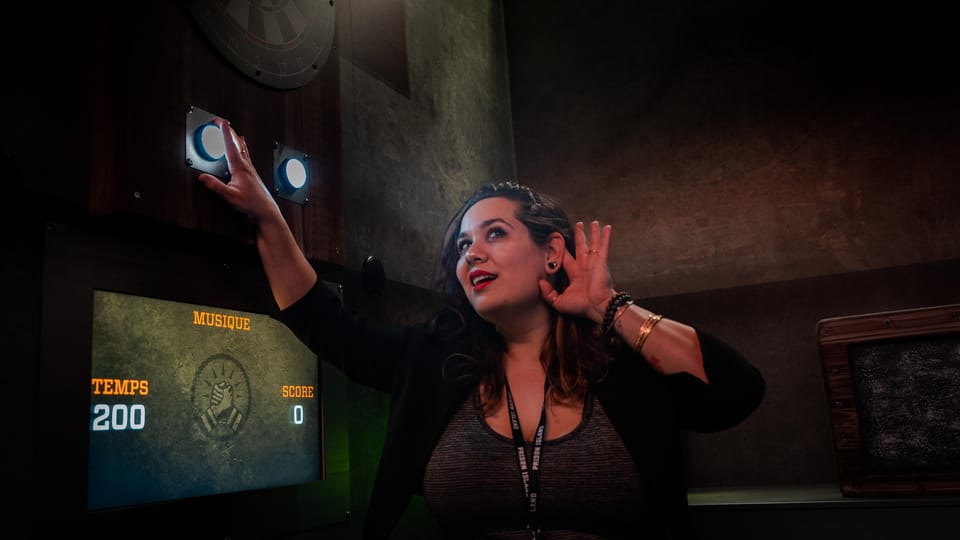
If you’re used to traditional escape rooms, Prison Island plays by a different rule set. Here, you’re not stuck in one locked room solving one linear chain. You enter a futuristic indoor arena themed like a prison, then work your way through themed cells that each bring a different mix of challenges.
What makes it interesting is the freedom. There’s no single way out, and you can move between challenges as you go. That means your team can chase what feels solvable right now, rack up points, and adjust your strategy mid-game. It feels less like a test and more like a competition against the clock.
Also, the format is built for variety. The experience is described as an action game with technical, physical, and tactical skills, so you’re not only reading clues. You’ll likely need to coordinate movements, teamwork roles, and problem-solving together. For groups, that’s often the sweet spot: everyone contributes something.
You can also read our reviews of more tours and experiences in Madrid



Your 1 to 2 hour run: how the 32 rooms flow

The ticket gives you up to 2 hours in Prison Island, with the experience framed as 1–2 hours depending on timing and how your team moves. Inside, you face 32 challenge rooms—so even if you don’t do every last cell, you still get a full “session” of variety.
Here’s the practical way to think about the timing: you’re not just solving; you’re traveling between tasks, regrouping, and deciding what to tackle next. Because the game encourages free movement between challenges, the pacing becomes part of the game. Fast teams can sample more rooms. Teams that get stuck too long on one cell risk losing time for additional challenges.
You can also expect a competitive finish. After your run, you check the leaderboard to see where your team ranked. That turns the session from a simple activity into something you can talk about after—how you moved, what worked, and where time slipped away.
Inside the futuristic prison cells: puzzles plus action plus tactics
Prison Island is set up like a “prison” world—high-tech and fully indoor. Each cell comes with its own themed activity, and the game mixes skills instead of grading only brains.
What that means for you in real life:
- You’ll want a team dynamic where one person can focus on logic while others handle physical or hands-on tasks.
- You’ll benefit from quick role switching. If one challenge stalls, your team can rotate the viewpoint instead of grinding the same idea.
- You should think tactically, not linearly. Since there’s no guaranteed single escape path, the best strategy is usually to keep momentum and pick the next challenge that fits your team strengths.
This is also why the game is attractive for corporate team-building. It’s structured, but it still feels like a real team challenge: communication, coordination, and short-cycle problem-solving.
One more small but important consideration: the concept is popular across many countries, which usually means the puzzles aim for a broad audience. That’s good for fun. It’s also why some people may want clearer guidance. If your group relies on hints to understand what’s being asked, plan to communicate quickly and ask for help when your time is slipping—without spending forever stuck.
The competitive edge: leaderboard and point-based progress
Unlike an escape room where the goal is simply to “get out,” Prison Island is designed around progression and scoring. As you complete tasks, you collect points. That makes every decision feel meaningful: which cell to tackle next, how long to spend on a hard one, and when to abandon a route and pivot.
Then comes the leaderboard. Seeing how your team ranked adds a nice layer of closure. Even if you don’t hit a top spot, you get something concrete to measure your run against. It’s the kind of scoreboard that encourages friendly trash talk, plus a post-game recap of what your group did differently.
For groups, that competitive structure tends to work well because it gives everyone a reason to stay engaged until the final minutes. You’re not just “waiting your turn”; you’re part of the team’s strategy.
What it feels like for different group types
Prison Island works for a lot of travel styles, from casual family outings to group events.
Families and mixed-age groups
The activity is described as suitable for all ages from 10 to 99, with clear notes that it’s not suitable for children under 10 and people over 70. So if you’re traveling with teens and adults, this is a rare pick that can keep everyone involved without turning into a kids-only playground.
For families, the key is expectations. This isn’t a soft, guided craft. It’s an active challenge game that uses both thinking and physical coordination. If your group has a mix of energy levels, assign roles early—one person can lead puzzle talk while others handle movement tasks.
Friends and celebrations
The format also lands well for parties. One booking described an EVJF bachelorette-style group having an exceptional first-time experience with the concept and loving the variety of themed rooms. That matches the vibe you’ll likely feel: change of scenery every cell keeps the energy up.
Corporate team-building
For work groups, it’s a good “off-site” option because the game naturally creates collaboration. You’re forced to communicate. You’re forced to test ideas quickly. And you can tie the experience to teamwork skills without needing extra equipment or a big external plan.
And if you’re traveling solo
You can still enjoy it if you’re paired into a team, but the real value is group chemistry. Since the game emphasizes strategy and teamwork, you’ll likely do best when you’re with people who communicate easily.



Price and value in Madrid: what $26 buys you
At about $26 per person, you’re paying for a full indoor game session with 32 challenge rooms and a structured team competition. The value isn’t only the duration; it’s the density of activities. Instead of a single set-piece escape, you get a progression through many themed cells.
One practical way to judge the cost: you’re buying entertainment that can easily last long enough to feel like a “real plan” for an afternoon or early evening. Even if your team doesn’t finish every cell, you still get a wide spread of challenges across the whole session window.
It’s also generally better value when you go as a group. The per-person cost is fixed, but the experience is most fun when your team can cover more ground, rotate roles, and keep momentum. If you’re splitting the outing with friends or family, it often feels like a fair trade for the amount of active gameplay you get.
Getting to Spark Island and what to bring
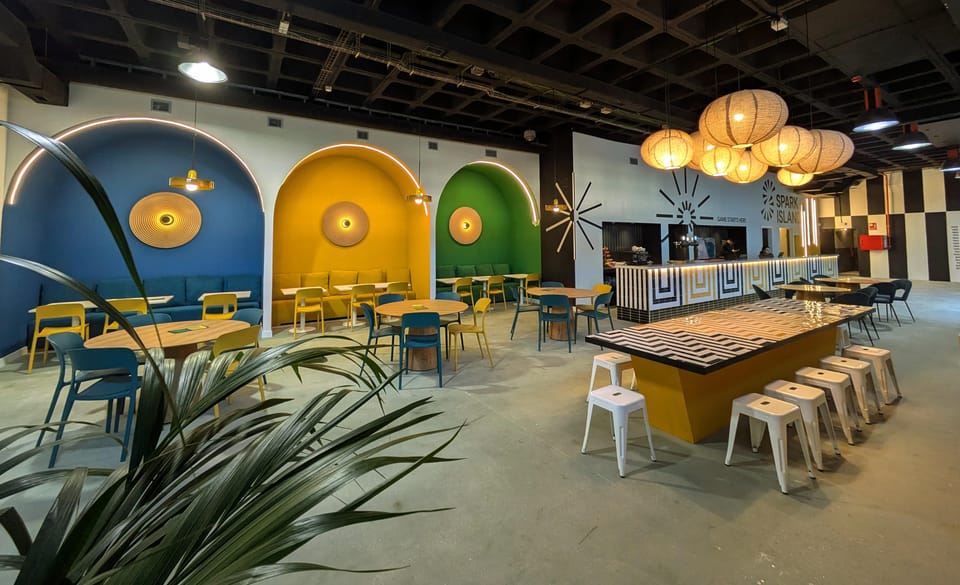
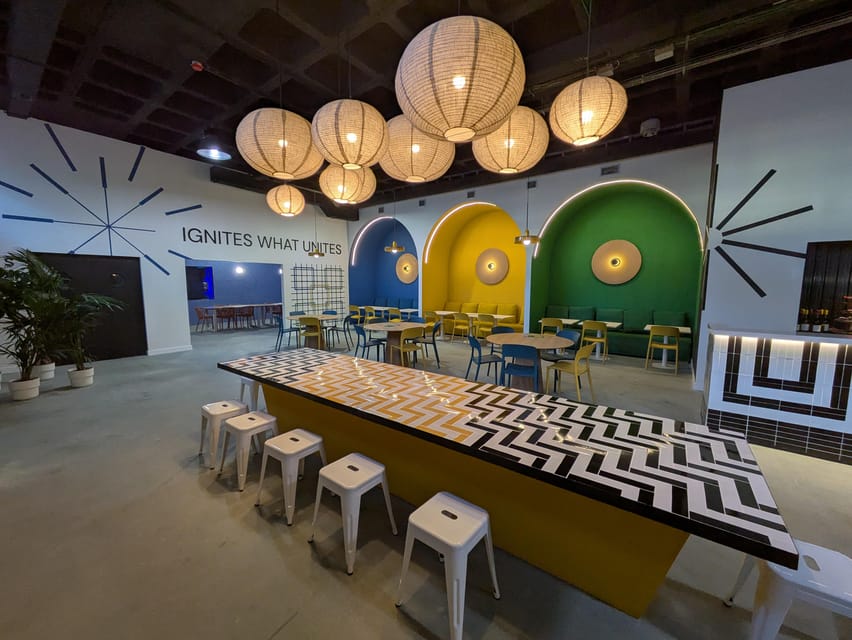
Prison Island is operated by Spark Island. The meeting point is straightforward: look for a sign with the Spark Island logo outside the building. Show your GetYourGuide voucher at the entrance.
For your gear, keep it simple. Bring comfortable clothes. Since the game is described as action-heavy with physical elements, you’ll want clothing that lets you move without fuss.
If you’re hoping to plan around food, note that food and drinks aren’t included. So eat before, or plan a stop nearby after your game ends.
How to maximize your score without burning out

You’ll have a strong time if you manage pace. Prison Island is the kind of game where a team can either fly through multiple cells or lose time to a single tricky challenge.
Here are smart, practical tactics that fit how the game is structured:
- Assign quick roles at the start (puzzle talk, physical tasks, timekeeper). Rotation prevents frustration.
- Watch the clock early. If a challenge eats too much time, move on and come back only if the rules allow it in your route.
- Keep communication tight. Short checks beat long debates.
- Treat every cell as a new puzzle, not as a continuation of the last one. Reset your approach.
One more timing reality: groups can finish at different speeds. In one example booking, kids managed to complete all cells in about an hour and a half, while another group reported spending close to three hours. That spread tells you something important: your team’s pace makes a difference, and your enjoyment depends on keeping energy up.
The main pros and the one real caution

Pros you’ll likely feel fast
- 32-room variety keeps the game from getting repetitive.
- Free movement between cells makes teamwork and strategy more interesting than one locked-room sprint.
- The leaderboard gives your group something to compare and brag about.
The one caution
- Some puzzle challenges can feel like they need more guidance. If your group performs best with clearer hints, plan to communicate fast and request help early rather than letting one confusing task drain time.
Should you book Prison Island in Madrid?
Book it if you want an indoor activity that feels like a full event: lots of rooms, frequent changes of challenge, and teamwork that stays active the whole time. It’s a great option for families with teens and adults, friend groups looking for something more energetic than a standard museum visit, and work teams doing a structured team-building outing.
Skip it or approach with lower expectations if your group wants a very guided, clue-heavy experience. This game rewards independent problem-solving and quick strategy decisions.
If you’re doing it during a busy Madrid travel window, reserve in advance so you get the time slot that fits your day. Then wear comfy clothes, bring your best team communication, and treat it like a strategy game as much as a puzzle adventure.