REVIEW · MADRID
Madrid: half day wine region tour
Book on GetYourGuide →Operated by Wine Tour Madrid · Bookable on GetYourGuide
Wine country beats Madrid’s museum rhythm. This half-day tour turns the Castilian countryside into a tasting room, with two winery visits and at least 6 wines guided by a bilingual winemaker. I love that you’re learning from the people making the wine, and I love the mix of styles (reds, whites, rosés, and sparklings), not just one safe category. The one thing to consider: it’s rain or shine, and you’ll be on your feet in and around wineries, so comfortable shoes matter.
The day has an easy pace for 6 hours: a short van ride, two structured tastings, and a scenic break through villages like Chinchón and Colmenar de Oreja. The vibe is intimate too, since the group is limited to 8, so questions don’t get swallowed by noise. If you want a quiet, minimalist tour with zero alcohol and zero talking, this isn’t that kind of afternoon.
In This Review
- Key things I’d watch for on this Madrid wine region tour
- The DO Vinos de Madrid angle: why this tour feels different
- Starting at Granier and getting out of the city fast
- Two winery visits, led by the people who make the wine
- First tasting stop: time to learn before you compare
- Second tasting stop: comparison is the real upgrade
- The village break: medieval towns between tastings
- What you’ll taste: reds, whites, rosés, and sparklings
- How the guide turns tastings into real understanding
- Price and value: is $182 fair for 6 hours?
- Who this tour is best for (and who should skip it)
- Practical tips to make your day smoother
- Should you book this Madrid half-day wine tour?
- FAQ
- How long is the Madrid half-day wine region tour?
- How many wineries do you visit?
- How many wines will I taste?
- Who leads the tastings?
- What is the group size?
- How do I get to the meeting point at Granier by metro?
- Is pickup and drop-off at my accommodation included?
- What transportation is included?
- What should I wear or bring?
- Is the tour canceled for rain?
Key things I’d watch for on this Madrid wine region tour
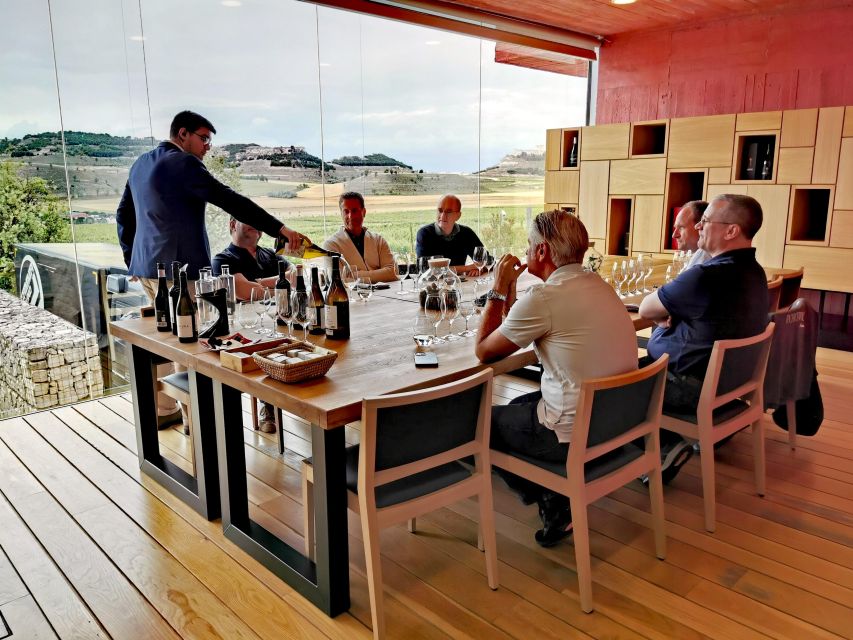
- A winemaker guide (Spanish/English): you get explanations from someone trained as a wine maker and certified as a wine expert.
- Two full winery visits: not just a quick stop—there’s time to see how the wine is made and aged.
- At least 6 wine tastings: expect a range across reds, whites, rosés, and sparklings.
- Centennial family operations: older wineries still working at a family scale, focused on DOC wines.
- Medieval village scenery: quick scenic views and stops as you head through the region.
- Small group of 8: easier conversations with your guide and the winery hosts.
The DO Vinos de Madrid angle: why this tour feels different
Most Madrid day trips are either big-city culture or long bus rides to somewhere famous. This one stays close enough to make it truly doable, and yet it gets you into the real wine logic of the region. The tour focuses on wines from the Denominación de Origen Vinos de Madrid, which has been producing and building a national and international reputation for more than 30 years.
What I like about that is how it frames the tasting. You’re not just picking which glass tastes best. You’re connecting grapes, soil, and aging choices to what you’re smelling and sipping. The DO covers the personality of the land through grapes like Tempranillo, Garnacha, Cabernet Sauvignon, Syrah, and Malvar, which means you’re tasting variety you can recognize later when you shop or order in Madrid.
One practical thought: when a tour promises multiple styles—reds, whites, rosés, and sparklings—it usually means you’ll learn faster because you can compare. If you’re trying to understand your own taste (bright and citrusy vs. oak and spice), this is a nice way to get clarity without overthinking.
You can also read our reviews of more wine tours in Madrid



Starting at Granier and getting out of the city fast
Your meeting point is Granier, a small coffee and bakery shop. It’s easy to reach by metro: take Line 1 to Menéndez Pelayo, and it’s one stop from Atocha Train Station. That matters because it reduces the stress of the morning. You’re not solving transit puzzles at the last minute.
From there, you go by Mercedes van. The ride is about 45 minutes, which is long enough to feel like you’ve left Madrid, but not so long that you’re bored before the first tasting. I like that balance on a half-day: you stay fresh, and the countryside doesn’t feel like a chore.
If you’re the type who gets cranky on rides, bring a bottle of water and a light layer. Even on sunny days, winery temperatures and indoor cellar spaces can feel cool.
Two winery visits, led by the people who make the wine
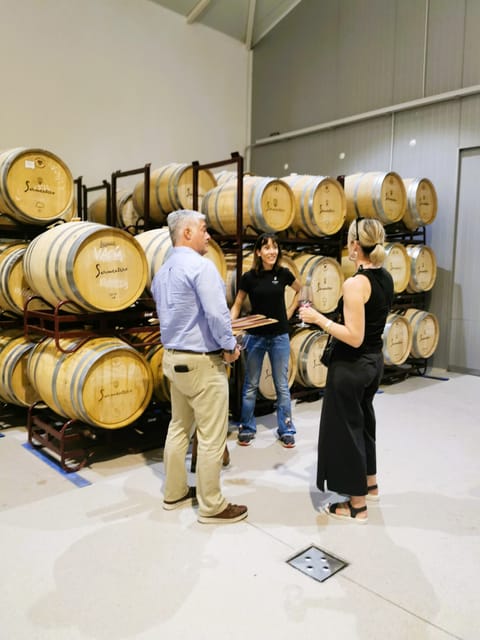
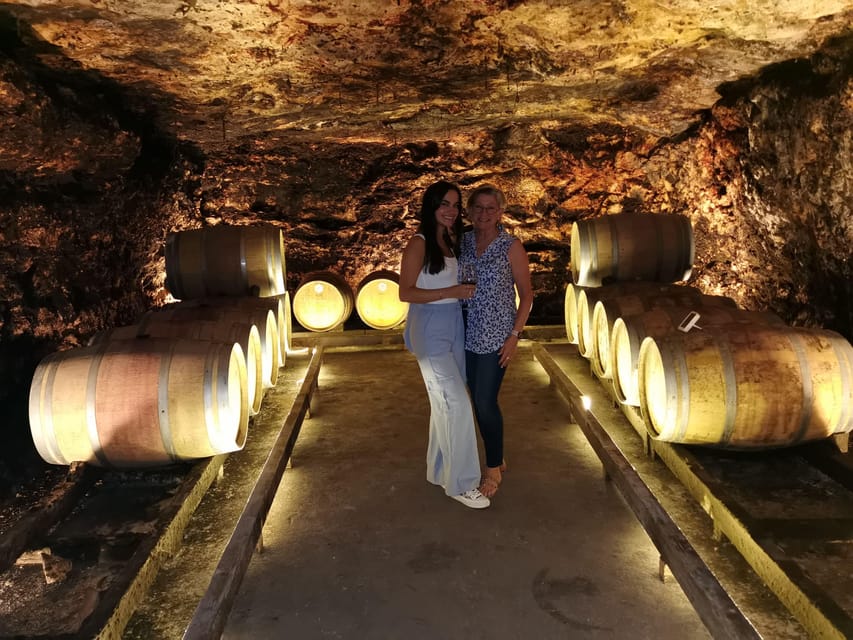
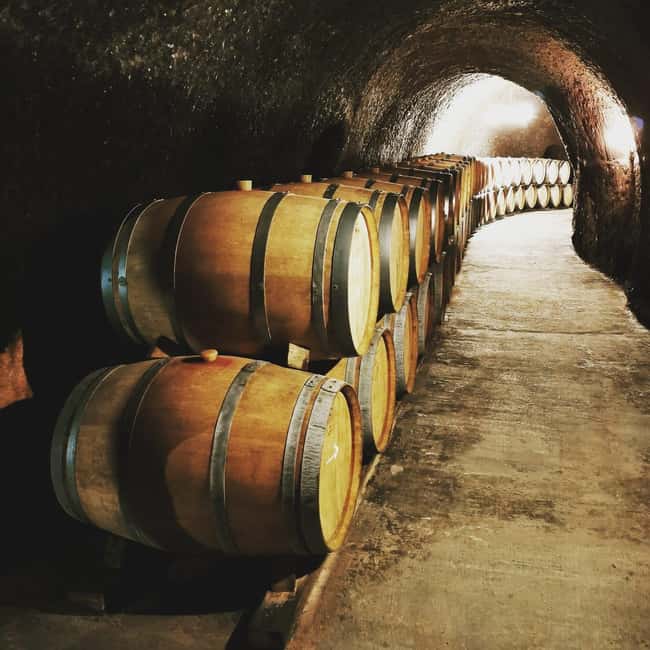
This is the heart of the day: complete visits to 2 wineries, with tastings led by the hosts behind their top wines. The format is owner-led and structured, and that’s a big deal. You’re less likely to get generic explanations and more likely to hear what actually drives decisions like harvesting timing, barrel choice, and how they think about aging.
The tour description emphasizes centennial wineries still operating in a family scale. That often translates into a different kind of hospitality: personal, not scripted. It also matches the DO idea—wines that reflect local grapes and local conditions rather than chasing international trends.
First tasting stop: time to learn before you compare
The first winery visit is about 105 minutes, which is plenty of time to settle in. You’ll taste at least several wines here, and the guide will connect what you’re tasting to the grapes and the aging process. The notes you’ll hear often point toward complexity from time in oak barrels, plus that everyday-drinkable side that comes with well-made bottles.
A good strategy for your first stop: taste without judging too quickly. Write a few quick notes in your phone right after each pour. Then, by the second winery, you’ll start noticing patterns—fruit intensity, tannin feel, acidity, and how the oak shows up.
Second tasting stop: comparison is the real upgrade
The second winery visit is also about 105 minutes. This is where the day becomes genuinely useful. When you taste similar styles side by side from different producers, you start learning how each family winery expresses the same region in its own voice.
One guest highlighted a particular family winery experience involving Jesús Díaz y hijos. I can’t promise which exact cellar you’ll visit on every departure, but the lesson is transferable: pay attention to what the winery emphasizes—oak aging, grape personality, or the balance between easy drinking and complexity.
If you’re not a wine expert, don’t worry. The guide is bilingual and trained in the craft, so you’ll get the why behind the glass.






The village break: medieval towns between tastings
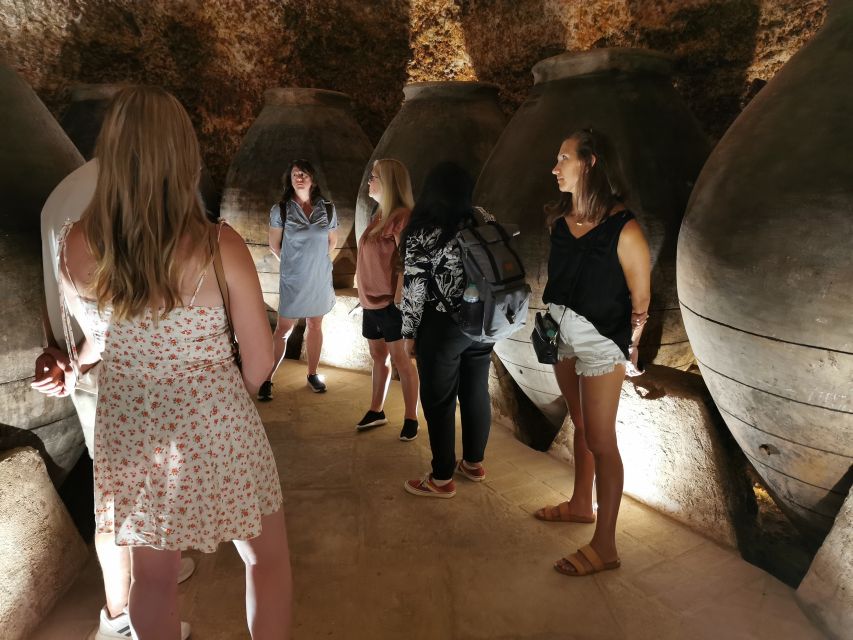
Between the wineries, you get a traditional village scenic segment of about 30 minutes. On the way, you may pass through villages like Chinchón or Colmenar de Oreja, places known for medieval architecture, churches, and plazas. Even though it’s not a long walking tour, it changes the rhythm of the day in a smart way.
This pause matters because it gives your brain a reset. After a couple of tastings, a short change of scenery helps your senses recalibrate. Also, those plazas and church silhouettes are the kind of scenery that makes the region feel like more than a backdrop.
Practical tip: wear shoes that work on uneven sidewalks. You’ll likely have small stretches of walking for viewpoints and photo stops, even if the official time window is short.
What you’ll taste: reds, whites, rosés, and sparklings
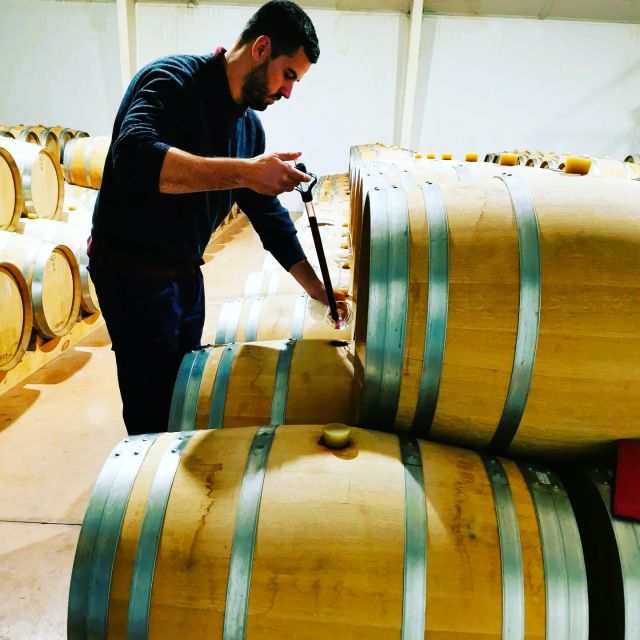
The tour promises tasting at least 6 wines, spanning reds, whites, rosés, and sparklings. That mix is ideal for two reasons.
First, it prevents the day from turning into one long “same taste” session. Second, it helps you identify what kind of wine you’ll actually want to buy back in Madrid.
Here are the grape names you’ll hear tied to the region’s personality: Tempranillo and Garnacha often anchor the red side, with Cabernet Sauvignon and Syrah showing another flavor angle. On the lighter side, Malvar represents the white options you’ll likely encounter, often with a style that feels friendly and approachable.
You’ll also get the aging story—especially how oak barrels influence texture and complexity. The goal isn’t to impress you with jargon. It’s to teach you how to read a bottle later: when you see oak aging mentioned, you’ll understand what it means on the palate.
And because there are sparklings and rosés, you can compare how acidity and freshness carry through. If you’ve ever struggled to tell why one wine feels crisp while another feels heavy, this is one of the easiest ways to train your palate without a classroom.
How the guide turns tastings into real understanding
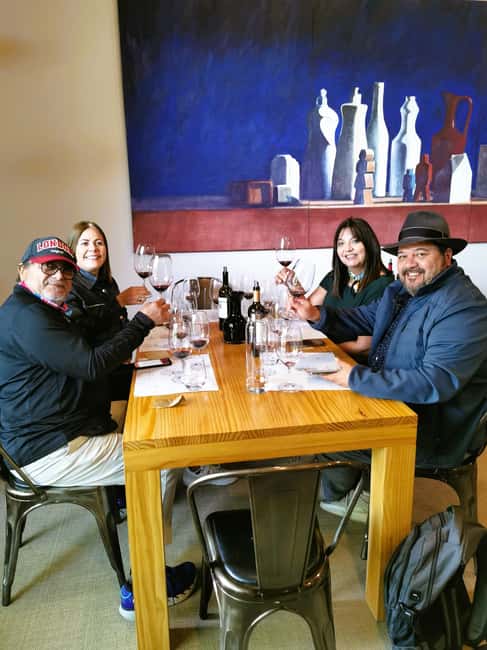
A standout detail here is the guide: bilingual and winemaker-trained, certified as a wine expert. That’s not just a comfort factor. It changes the quality of what you get.
Good tasting tours teach vocabulary. Great ones teach process. You’ll get both: the guide can explain what the winery is doing and how that translates into glass. You’ll also be able to ask questions in Spanish or English without feeling like you’re missing key points.
One traveler noted that their guide was lively and funny, and that it made the day memorable. Another praised the care and clarity of the explanation. That same theme shows up in how owner-led tours work well—there’s time for back-and-forth, and the hosts don’t rush you out.
My advice: ask one practical question early. Something like how they think about balancing aging with drinkability. You’ll then start noticing those trade-offs as the day moves on.
Price and value: is $182 fair for 6 hours?
At $182 per person for 6 hours, the pricing only makes sense if you’re getting real substance. Here’s what you are getting: two complete winery visits, tastings of at least 6 wines, owner-led hosting, appetizers, a Mercedes van, and a small group limited to 8.
Compare that to the typical “one winery, a quick pour, and you’re back in town” structure. This tour spends real time in two different wineries, which is what allows you to learn through comparison. The small group also protects the experience. In a group that big, you get fewer meaningful conversations. Here, you get more chances to ask what you actually care about.
Is it expensive? In Madrid terms, it’s not cheap. But it’s a fair half-day commitment if you want a proper wine education and a countryside break without losing half your day to transit.
If you’re the type who loves food pairings and wants to leave with a sense of what to buy later, the value lands well.
Who this tour is best for (and who should skip it)
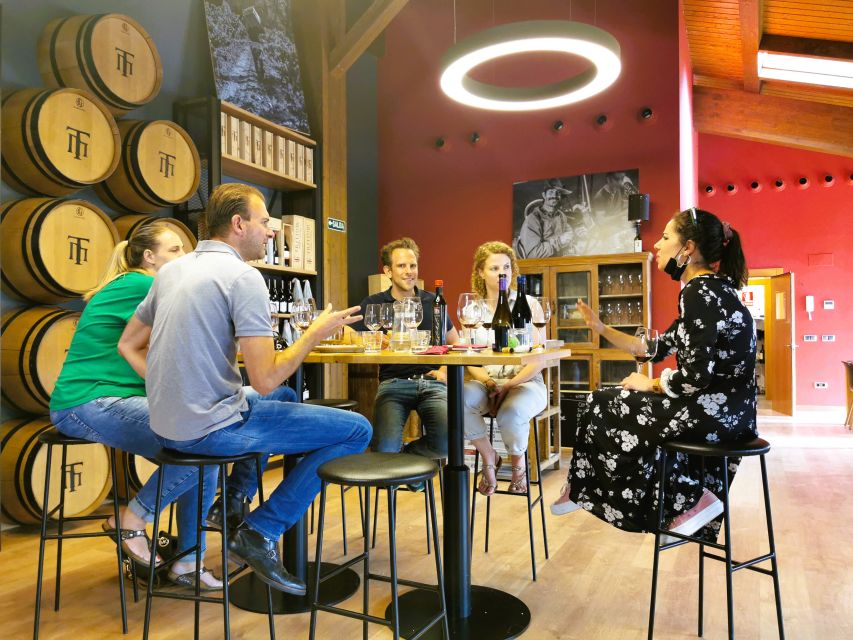
This tour is a strong match if you:
- want a hands-on wine day without a complicated itinerary
- enjoy learning from winemakers and seeing how wine work happens
- like tasting across multiple styles in one afternoon
- prefer small-group travel with room for questions
- want an authentic countryside add-on while staying near Madrid
It’s not a great fit if you:
- want a pure sightseeing day with long village walks and museums
- dislike tasting alcohol or want something totally alcohol-free
- are traveling with kids under 16 (the tour isn’t suitable for children under 16)
Also, it’s not ideal for very limited mobility. The day includes walking around wineries and villages, and it runs rain or shine.
Practical tips to make your day smoother
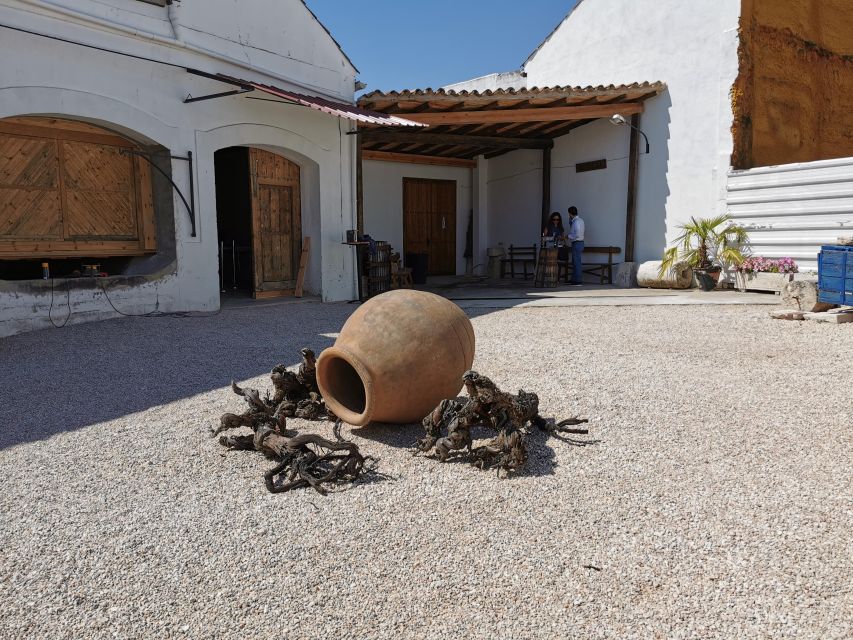
Bring comfortable shoes and comfortable clothes. That might sound basic, but winery grounds and village streets can be more uneven than you expect. Also, plan on being present and alert enough to taste carefully. You’ll enjoy the tour more if you slow down and actually pay attention.
Because you’ll taste at least 6 wines, think about pacing. I recommend water between pours, and taking a breather in the scenic segment so your palate doesn’t feel overloaded. You’ll also get more out of the guide if you’re not rushing through each glass.
Lastly, since you’re meeting at a coffee and bakery shop, arrive a few minutes early. Getting your bearings fast helps the day feel calm from minute one.
Should you book this Madrid half-day wine tour?
Yes, if you want a real wine experience close to Madrid—with two wineries, a winemaker-trained bilingual guide, and tastings that cover reds, whites, rosés, and sparklings—this tour is a solid choice. It’s small-group, owner-led, and built for learning, not just drinking.
You might skip it if you’re looking for a long countryside hike or a heavy sightseeing schedule. This is a wine-first day, with medieval village scenery as a breathing break.
If you do book, I’d go in with a simple goal: taste with curiosity. Ask one question you truly care about at the first winery, and then use the second winery to compare what you learned. That’s how the afternoon turns into more than a nice outing—it turns into useful wine sense you can take home.
FAQ
How long is the Madrid half-day wine region tour?
The tour lasts 6 hours.
How many wineries do you visit?
You visit 2 wineries, with complete visits at each stop.
How many wines will I taste?
You’ll taste at least 6 wines, including reds, whites, rosés, and sparklings.
Who leads the tastings?
The tastings are led by the owners of their top wines, and you also have a bilingual guide trained as a winemaker.
What is the group size?
The group is limited to 8 participants.
How do I get to the meeting point at Granier by metro?
Take Metro Line 1 to Menéndez Pelayo. Granier is one stop from Atocha Train Station.
Is pickup and drop-off at my accommodation included?
No. Pickup and drop-off at accommodation are not included.
What transportation is included?
You travel by Mercedes van.
What should I wear or bring?
Wear comfortable shoes and comfortable clothes.
Is the tour canceled for rain?
The tour takes place rain or shine.