REVIEW · MADRID
From Madrid: Andalusia with Cordoba and Costa del Sol 6 Days
Book on GetYourGuide →Operated by Julia Travel Gray Line Spain · Bookable on GetYourGuide
Andalusia hits hard, in the best way. This 6-day route turns Cordoba, Seville, and Granada into a focused highlights run, with local guides and key monuments handled for you. I like that the day-to-day plan balances major sights with real breathing room, and I also like the clear emphasis on inside entrances instead of just looking from the outside. One thing to weigh: the schedule is packed, and if you’re the type who wants to linger, the pace during guided stops may feel quick.
You’re traveling with a tour director from Madrid, rolling west by luxury coach, and arriving ready to move. The optional extras are there if you want them (like a Flamenco Zambra show), but the core experience is built around three big spiritual-and-art landmarks that define southern Spain. My one practical caution is walking: this trip isn’t designed for wheelchair users or people with mobility impairments, so wear shoes with grip and plan for lots of steps.
In This Review
- Key Highlights You’ll Actually Feel
- Madrid to Mérida: Where the Trip Starts to Feel Like Spain
- Mérida Roman Ruins: A Calm Warm-Up Before Cordoba
- Cordoba: Mosque-Cathedral Magic Plus a Walk Through the Jewish Quarter
- Seville: Cathedral Scale, Santa Cruz Stories, and the Park-Plaza Pair
- Ronda Views and Costa del Sol: A Break From the Big-City Tempo
- Granada and the Alhambra: One Day That Can Feel Like a Whole World
- Hotels, Tour Directors, and the Meaning of Included Items
- Price and Value: Is $1,166 Worth It?
- Who Should Book This Tour (and Who Might Feel Frustrated)
- Should You Book This Madrid to Andalusia Tour?
- Quick “Make It Work” Checklist
- FAQ
- FAQ
- What’s the duration of the Madrid to Andalusia trip?
- Where do you get picked up in Madrid?
- Which sites have included guided entrances?
- What language are the tours offered in?
- What’s required to book, since travel insurance is included?
- Do I need a visa for this trip?
- Is the trip suitable for wheelchair users or mobility impairments?
Key Highlights You’ll Actually Feel
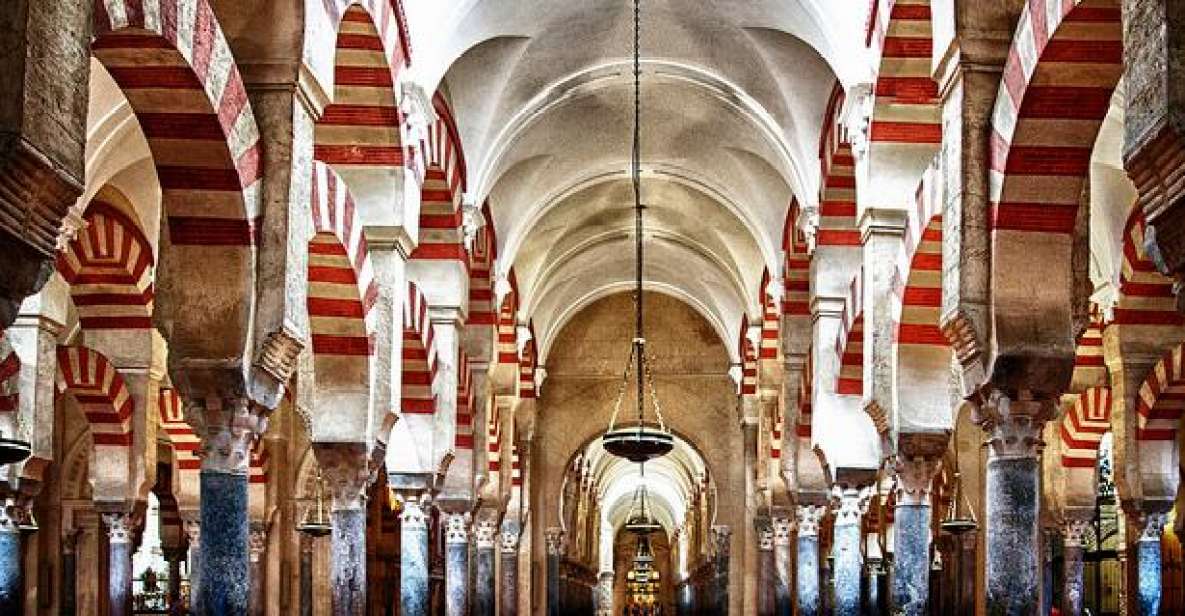
- Mosque-Cathedral in Cordoba with the entrance included, plus time to stroll the Jewish Quarter streets
- Seville Cathedral and Santa Cruz area paired with Maria Luisa Park and Plaza de España
- Ronda viewpoints with a built-in pause to take in the valley and mountain views
- Costa del Sol free time to trade constant sightseeing for beach-town atmosphere
- Alhambra and Generalife Gardens in Granada with entrance included
- Optional Flamenco Zambra in the evening if you want the culture show on top
Madrid to Mérida: Where the Trip Starts to Feel Like Spain
The experience kicks off in Madrid with pickup at Aloft Gran Via, so you avoid the stress of figuring out train transfers and rendezvous points. From there, you head west by highway toward Extremadura, and the first big “signal” that this isn’t just sightseeing is the stop in Mérida.
Mérida is the capital of Extremadura, and it’s famous for Roman ruins that are well preserved. The plan gives you free time in Mérida, then continues on to Cordoba. That split matters. You get a historic anchor early, but you’re not forced to cram every detail on day one. Instead, you land in Cordoba ready to enjoy it, not just endure it.
Practical note: because you’re on a coach, mornings tend to run “efficiently.” If you’re sensitive to early starts or long sitting time, bring something simple for comfort (water bottle, light layer, and a way to keep your phone charged). You’ll thank yourself later.
You can also read our reviews of more tours and experiences in Madrid
Mérida Roman Ruins: A Calm Warm-Up Before Cordoba
Roman Mérida doesn’t just look ancient. It feels structured, like someone planned a city and then kept the bones intact. In the time you have, you’ll be surrounded by major Roman remnants, including the theater, amphitheater, and the Roman bridge, plus more sights tied to the ruins.
Even if Roman history isn’t your thing, Mérida works as a warm-up because it’s not just one monument. It’s a whole historic setting that prepares you for what comes next: the layered identity of Andalusia, where eras stack on top of each other. After Mérida, Cordoba becomes a real “comparison stop,” where you shift from Roman grandeur to the Caliphate era.
If you like photos, this is a great day for it. Wide stone settings and big forms photograph well, and the free time lets you move at your own speed without a hard stop-and-go pace—at least more than later days.
Cordoba: Mosque-Cathedral Magic Plus a Walk Through the Jewish Quarter
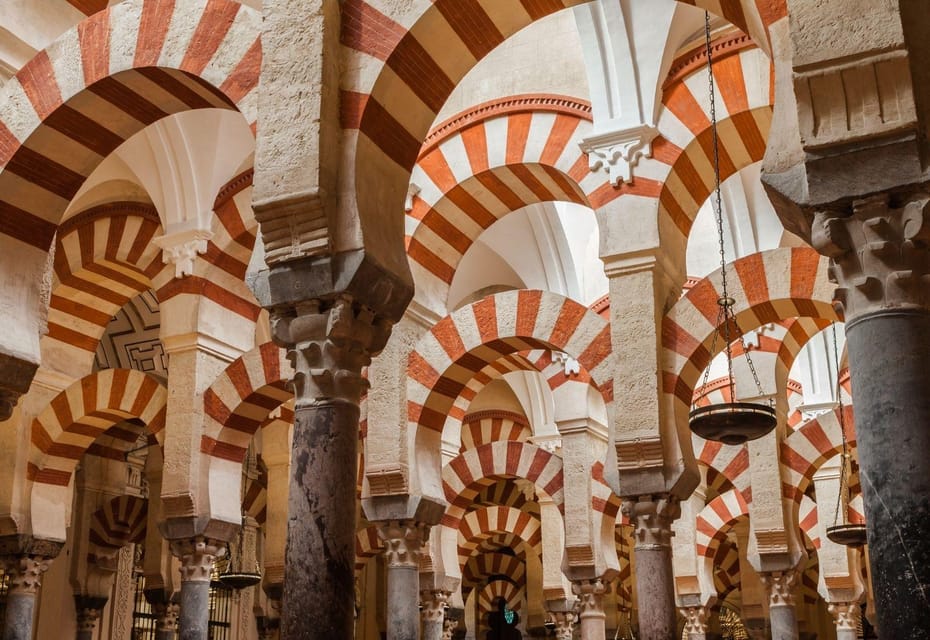
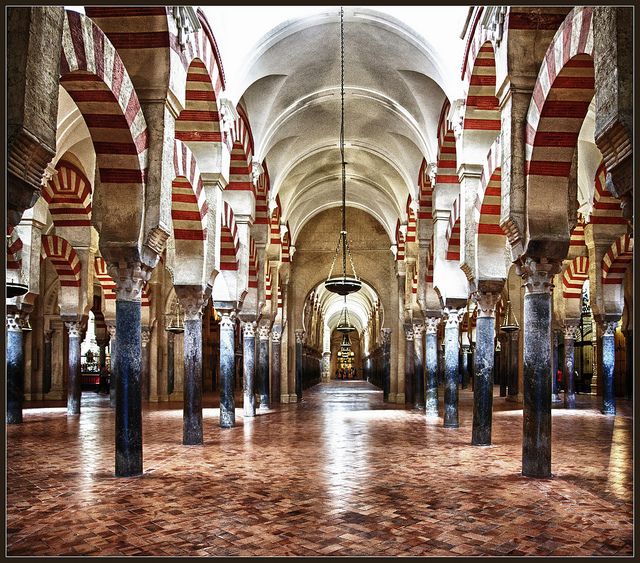
Cordoba is where this tour’s identity clicks. You start the day with the Mosque-Cathedral of Cordoba, now a cathedral, and the entrance is included. This is one of those monuments where you can’t fully appreciate it by reading facts alone. Even during a guided visit, your eyes do most of the work: repeating arches, layered spaces, and a sense that the building has been re-purposed again and again over centuries.
After the cathedral visit, the plan includes a stroll through the narrow winding streets of the Jewish Quarter. That’s not just “free wandering.” It’s a smart pairing. After seeing a monumental interior, you shift to human-scale streets. The contrast helps the whole experience feel real, not like a checklist.
What I like about this day is the rhythm. You get a major entrance early, when the mind is fresh and the group is together. Then you move through the neighborhood at a slower pace, letting you absorb atmosphere.
One consideration: if you’re the type who wants to stop and read every plaque, you may feel time pressure. The schedule has a lot of ground to cover across the week, so the guided parts are likely to be “get-it-done” rather than leisurely.
Seville: Cathedral Scale, Santa Cruz Stories, and the Park-Plaza Pair
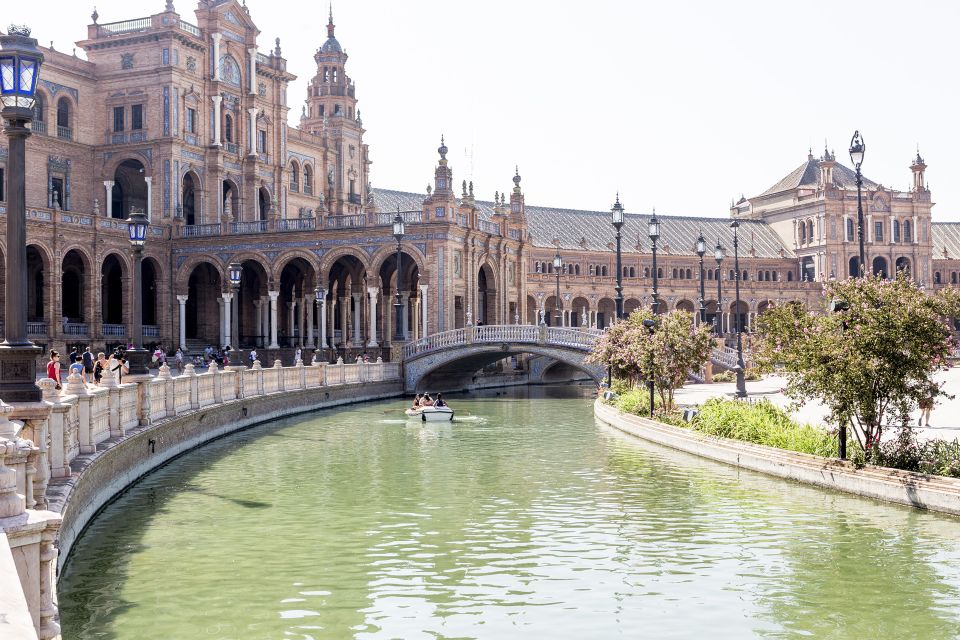
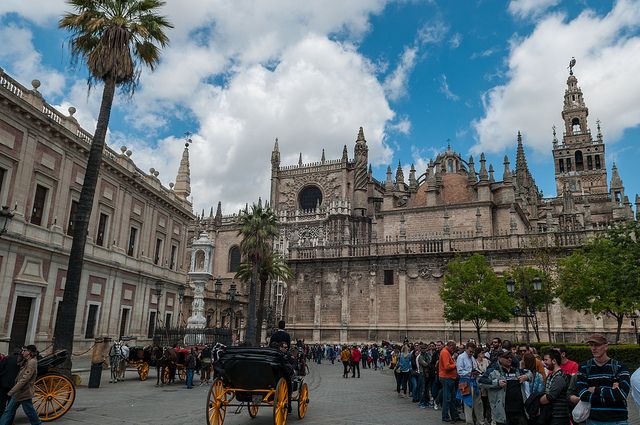
Seville gets two essential “anchors”: the cathedral and the neighborhood around it. In the morning, you’ll do a monumental and panoramic city tour, including entrance to the cathedral—described as the second largest in the Catholic world after St. Peter’s in Rome. Even if you’re not a cathedral fanatic, Seville’s cathedral is worth your time because the sheer size and presence change how you view the city.
Then you move into the Barrio de Santa Cruz, and the tour connects the neighborhood to famous stories and cultural myth. You’ll also see the natural setting associated with Carmen and the area linked to the myth of Don Juan. That storytelling component matters. It helps you read Seville with context, not just pretty streets.
The day doesn’t stop at churches and legends. You also visit Maria Luisa Park and Plaza de España. This pairing is a good “energy reset.” After concentrated historic focus, the park and plaza give you room to look up, move around, and take in views without being tied to the next guided stop.
Afternoon is leisure time to explore local flavors and different perspectives. This is where you should take advantage of the plan. Don’t try to pack in more “big ticket” sights. Instead, use the free time to do simple things well: sit with a drink, walk through side streets, and find a rhythm that’s yours.
If you want one practical strategy, it’s this: pick one neighborhood to focus on during leisure time (rather than darting across Seville). You’ll feel like you lived there for a few hours instead of just passing through.
Ronda Views and Costa del Sol: A Break From the Big-City Tempo
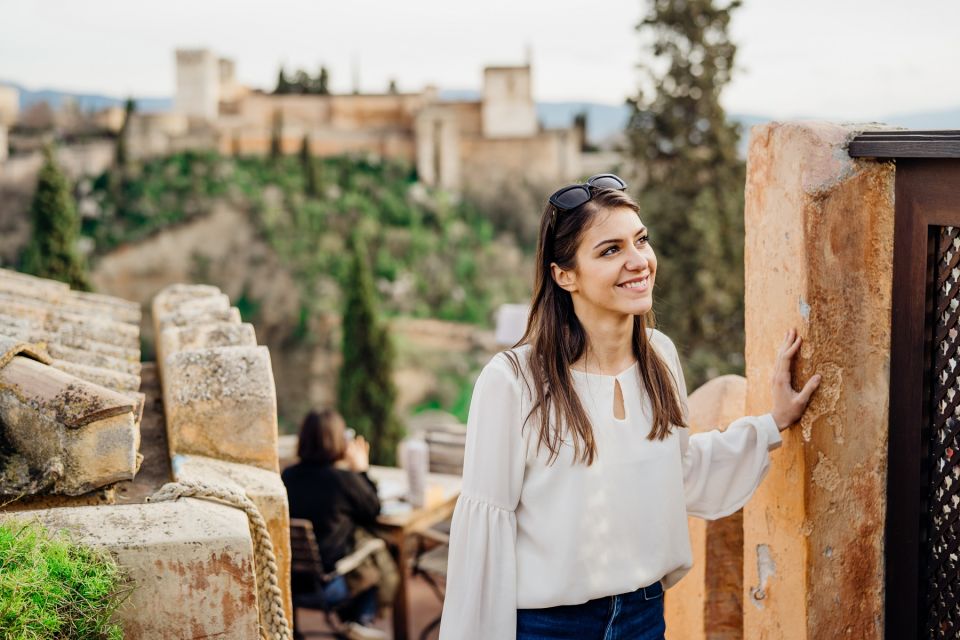
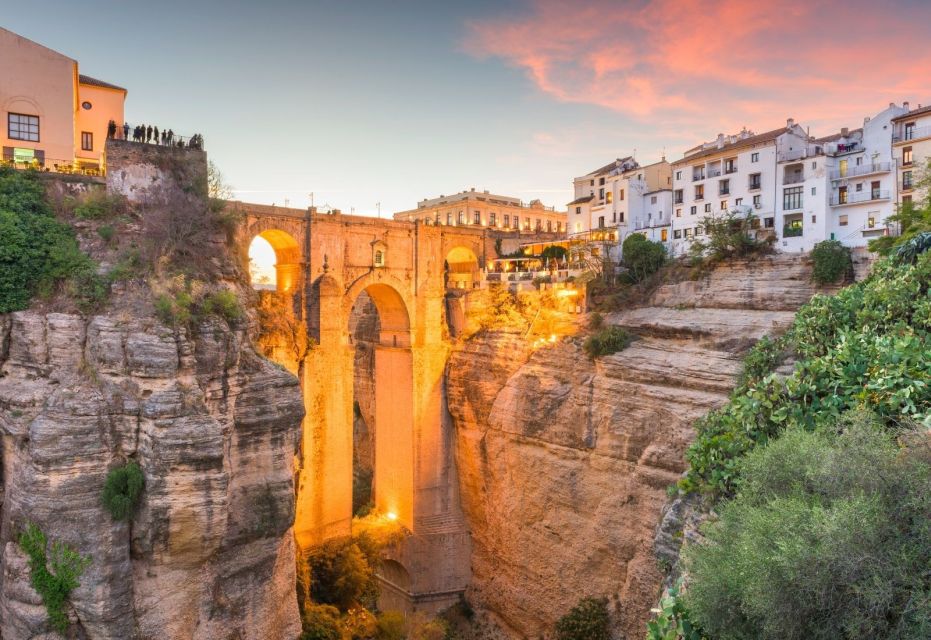
The day from Seville to the Costa del Sol includes a stop in Ronda. You’re given time at leisure to admire the town and its spectacular valley and mountain range views. Ronda is also noted as having Celtic origin, which adds another layer to what you’ve already seen in Cordoba and Seville.
This stop is valuable because it breaks the “three cities, three monuments” rhythm. You get an outdoor change of scene, and you can shift from architecture to scenery without losing the travel momentum.
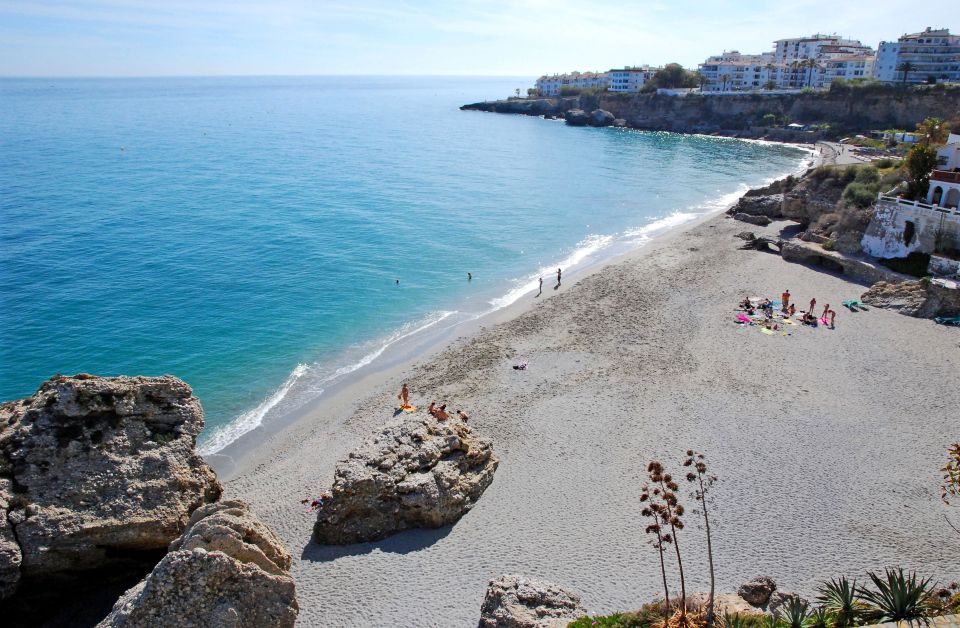
Then you continue to the Costa del Sol, described as one of the modern and important international tourist areas. Afternoon leisure here is intentionally looser. You’ll be in a place where you can pace yourself, grab a casual meal, and let the week’s driving and walking settle.
A tip: if your goal is relaxation, don’t try to turn Costa del Sol into a second sightseeing agenda. Treat the afternoon like recovery time. Fresh air, a slower stroll, and a calmer dinner usually make the next day in Granada feel easier.






Granada and the Alhambra: One Day That Can Feel Like a Whole World
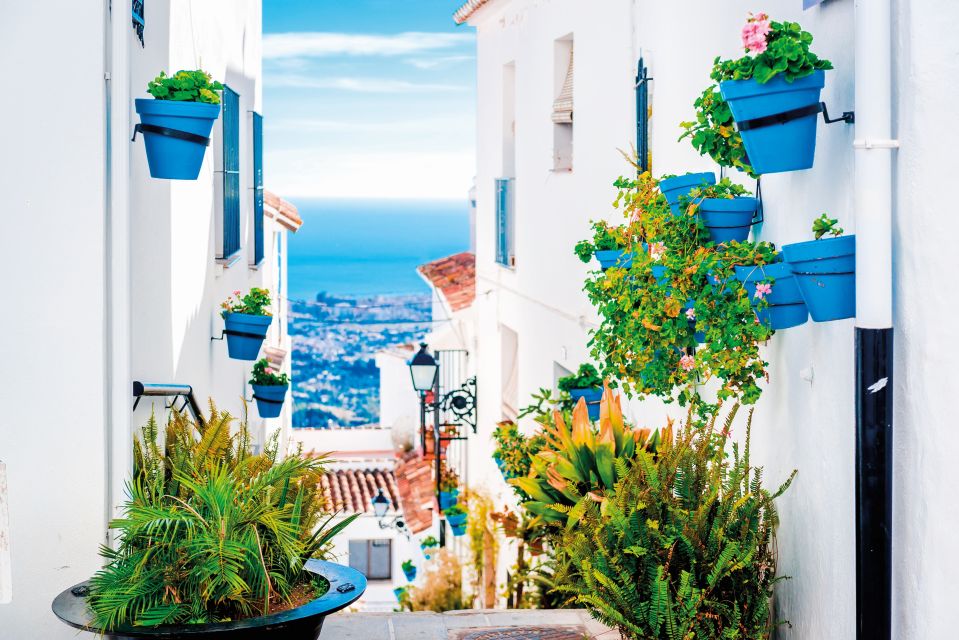
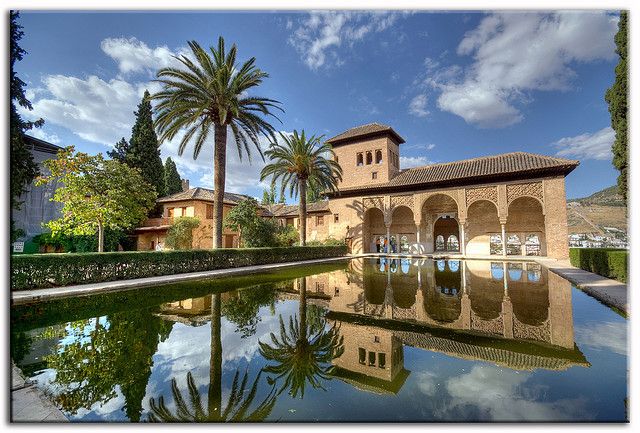
Granada is the climax for many people on this route, and the centerpiece is the Alhambra complex plus the Generalife Gardens. This tour includes entrance to both. If you’ve heard stories about the Alhambra, they’re not just marketing. The whole place has an arts-and-math feeling to it—water, stonework, geometry, gardens designed for views, and a sense of careful beauty.
The plan also connects Generalife Gardens to Washington Irving and his Tales of the Alhambra. That’s a nice touch because it reminds you this site isn’t only historic—it’s also part of later European imagination. You’re not just seeing something old. You’re seeing something that shaped the way later authors pictured Al-Andalus.
One more layer: the Granada day is structured so you do the big monument focus first, then have an optional Flamenco Zambra show in the evening. That’s a good pairing. After a palace-and-gardens day, flamenco hits as a cultural outlet—music and performance rather than architecture.
Practical note: Alhambra days often involve lots of walking and standing, even when you’re not moving constantly. Wear comfortable shoes and be prepared for that “marathon within the day” feeling. If you need frequent breaks, build them into your schedule rather than trying to power through.
Hotels, Tour Directors, and the Meaning of Included Items
This trip runs with a tour director throughout the journey, and it uses local guides in Cordoba, Seville, and Granada. The visits include entrance tickets for the Mosque-Cathedral, Seville Cathedral, and the Alhambra & Generalife Gardens. That included access is a real value point, because those sites are the ones most people end up paying extra for when they travel independently.
You also get daily breakfast, plus transportation in a luxury coach. The hotel level is “selected hotel class,” with two categories available: Superior T and Superior Plus A, with the second typically more central. If you hate long commutes from your hotel, the centrally located option is usually worth considering, even if it costs a bit more. The goal is simple: reduce your non-sightseeing time.
From the reviews, one theme is balance and organization, with good hotel quality and strong local guides. Another theme is pacing during guided visits—sometimes feeling rushed. That’s not uncommon for tours that combine cathedral-scale sites with tight driving logistics.
So here’s the honest way to match this to your style:
- If you like structure and want someone else to handle major logistics and entrance scheduling, this works.
- If you like slow travel—reading every detail, taking long breaks, and lingering—bring patience, and plan some downtime in the leisure windows.
Price and Value: Is $1,166 Worth It?
At $1,166 per person for 6 days, you’re paying for a package that includes guided city tours, the big entrance tickets, daily breakfast, and coach transport. The value is strongest if you would otherwise spend time planning three monument days and coordinating transport yourself.
A solo traveler who tries to assemble this exact route often ends up juggling:
- booking entrances to major sites (and timing them well),
- finding guides who can explain what you’re seeing,
- getting between cities efficiently,
- and then paying for those transfers and logistics repeatedly.
Here, transportation and key guides are built in, which reduces decision fatigue. You also get travel insurance included, which matters when you’re hopping across multiple cities.
What’s not included is also clear, and it’s typical: visas, tourist city taxes, airport taxes, and personal extras like drinks and special diets. That means you should budget for meals beyond breakfast and for any city tax charges at hotels, depending on what applies.
If you’re careful with meals and drinks, the package can feel like a smart shortcut. If you plan to eat and drink like it’s your whole vacation, the “cheap” comparison to independent travel won’t hold as much.
Who Should Book This Tour (and Who Might Feel Frustrated)
This tour is a good fit if you want a highlight route through the classic Andalusian trio—Cordoba, Seville, Granada—plus scenic Ronda and leisure time on the Costa del Sol. It’s also a good fit if you prefer the safety net of local guides and included entrances.
It’s less ideal if:
- you need accessibility accommodations (it’s not suitable for mobility impairments or wheelchair users),
- you hate tight schedules,
- or you’re easily annoyed by feeling “moved along” during guided monument visits.
From a comfort standpoint, expect lots of walking, even with guided structure. You’ll want layers and shoes that handle uneven pavement, and you should keep your day bag light.
Also note the luggage allowance: one regular suitcase and one handbag per person. Extra luggage may be charged, and handling is your responsibility. If you travel heavy, this is worth planning around before you pack.
Should You Book This Madrid to Andalusia Tour?
If your goal is a smart, guided introduction to Andalusia with the three headline sites handled for you, I think this is a solid yes. The included entrances—Mosque-Cathedral, Seville Cathedral, and Alhambra & Generalife—are the core reason many people choose a package like this, and the rest of the route supports them with Seville’s neighborhoods, Ronda’s views, and Costa del Sol breathing room.
If you’re the type who wants to meander for hours and treat monuments like a slow museum day, you may feel the schedule pressure. In that case, you’ll still learn a lot, but you’ll need to manage expectations and use the leisure windows wisely.
Quick “Make It Work” Checklist
- Bring your passport (it’s required).
- Pack comfortable walking shoes.
- Choose your hotel category based on whether you care about central location.
- Decide in advance if you’ll add the optional Flamenco Zambra show so you don’t scramble later.
FAQ
FAQ
What’s the duration of the Madrid to Andalusia trip?
It lasts 6 days.
Where do you get picked up in Madrid?
Pickup is included at Aloft Gran Via in Madrid.
Which sites have included guided entrances?
The Mosque-Cathedral of Cordoba, Seville Cathedral, and the Alhambra plus Generalife Gardens in Granada are included with guided visits.
What language are the tours offered in?
Tours run bilingual with English and Spanish.
What’s required to book, since travel insurance is included?
At reservation time, you must provide each passenger’s name, surname, passport, ID, and nationality. Reservations can’t be finalized without this information.
Do I need a visa for this trip?
Visas are not included, but the tour data doesn’t list any specific visa requirements for your nationality.
Is the trip suitable for wheelchair users or mobility impairments?
No. It is not suitable for people with mobility impairments or wheelchair users.