REVIEW · MADRID
Architour through Lavapiés and Rastro with an architect
Book on Viator →Operated by architoursmad · Bookable on Viator
Lavapiés becomes readable when someone explains it. This private architour led by architect Emilio turns streets, squares, and storefronts into a clear timeline of Madrid’s architecture and neighborhood change. You get a focused route that’s built for walking and looking, not just passing through.
I love the way Emilio ties buildings to how people live, work, and organize, and I love the variety of styles you’ll see along the way, from an Inquisition-era corrala prison to rationalist design and a Jean Nouvel museum extension. It also feels practical: you’ll stop for a market break at Mercado San Fernando and get real suggestions for your stay, not generic advice.
One drawback to plan for: the route is active, with lots of time on sidewalks and small streets. Bring comfortable walking shoes, because you’ll want your feet to feel good for the full 3 hours.
In This Review
- Key Highlights You’ll Feel on This Walk
- Why Lavapiés (and El Rastro) Are Perfect for an Architecture Walk
- Start at Plaza de Tirso de Molina and Get the Neighborhood Map in Your Head
- Carcel de la Inquisición: A Prison Hidden Under a Corrala
- El Rastro: Turning a Street Market into a City Design Lesson
- Pavón Teatro Kamikaze: Art Deco Details and a Choice to Pause
- Imprenta Municipal: Rationalist Architecture from 1930 That Feels Made for Walking
- Plaza de Lavapiés: The Square That Names the Neighborhood
- Reina Sofía Extension by Jean Nouvel: Art, Courtyards, and Design Ideas from 1999
- Mercado San Fernando: Tapas, a Drink, and Advice That Helps You Later
- La Tabacalera de Lavapiés: An Abandoned Industrial Shell Reused by Neighbors
- Teatro Figaro: A Modern-Movement Theater Built First in Spain
- Price and Footwear: What You’re Really Paying For
- Who Should Book This Architour (and Who Might Pass)
- Should You Book This Lavapiés Architour?
- FAQ
- How long is the architour through Lavapiés and El Rastro?
- Where do I meet, and where does the tour end?
- Is the tour offered in English?
- Is this a private tour?
- What’s included in the price?
- Are drinks included at the markets or cafés?
- Is the tour suitable for people who need good mobility?
- What is the cancellation policy?
- Does La Tabacalera run year-round?
Key Highlights You’ll Feel on This Walk
- Architect-led explanations that connect form, politics, and everyday life in Lavapiés
- El Rastro through the right lens: market energy plus how the street fits the city’s layers
- Rationalist Madrid in 1930 at Imprenta Municipal, treated like a must-see design moment
- Jean Nouvel’s Reina Sofía extension stop, with pointers on how the 1999 design contest shaped ideas
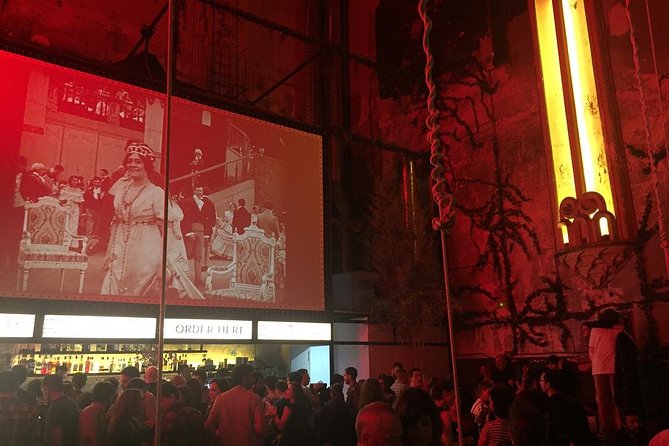
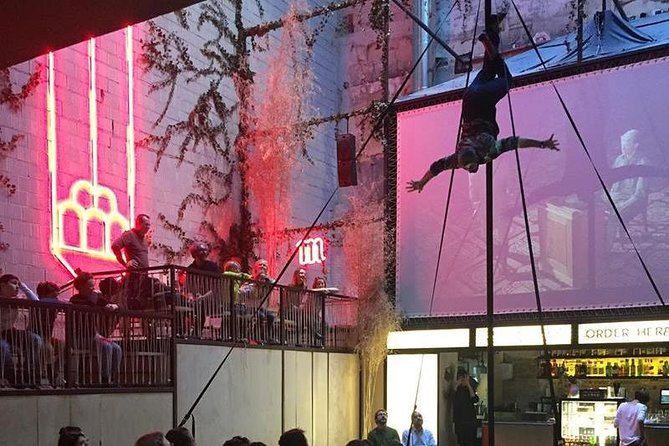
- La Tabacalera de Lavapiés, an industrial shell turned into exhibitions and neighbor-run space
- A market finish with tapas and drink suggestions at Mercado San Fernando (drinks are extra)
Why Lavapiés (and El Rastro) Are Perfect for an Architecture Walk
Lavapiés is the kind of neighborhood where you can’t separate buildings from people. One street might feel old and cramped, and the next minute you’re looking at design experiments, modern movement plans, and spaces reused for today.
What makes this tour work is that it keeps switching scales. You’ll move from street-level facades and courtyards to museum-scale architecture and civic buildings. That variety is useful for you because it prevents the usual problem of architecture tours: everything stays theoretical. Here, the stops show you how Madrid actually gets built, rebuilt, and reused.
And yes, it’s also fun. The route includes El Rastro when it’s open, plus a coffee or café pause you can choose, so you don’t feel like you’re studying for an exam the whole time.
You can also read our reviews of more tours and experiences in Madrid.



Start at Plaza de Tirso de Molina and Get the Neighborhood Map in Your Head
You begin at Plaza de Tirso de Molina, a sensible launch point because it gives you context right away. Expect a short introduction that frames the area’s history and helps you understand what you’re looking at as you walk.
This kind of setup matters more than you might think. If you know why Lavapiés is layered—socially, politically, and architecturally—then every next stop makes sense faster. Even if you only take away a few anchor facts, it changes your walk from random sightseeing into a guided process of noticing.
Carcel de la Inquisición: A Prison Hidden Under a Corrala
One of the most striking early stops is the Inquisition Jail, the Carcel de la Inquisicion. You’ll look at it as an Inquisition-era prison tied to a corrala—an older courtyard-building type that shaped how housing and daily life were organized.
The point isn’t just the dramatic name. This stop helps you understand how architecture controls movement and access. Courtyards and shared spaces were not neutral backdrops; they influenced privacy, surveillance, and the way communities functioned.
If you like architecture that tells a story through spatial design, this is a strong moment. If you’re tired of heavy themes, you can still enjoy it visually—but go in with an open mind about what these spaces were built to do.
El Rastro: Turning a Street Market into a City Design Lesson
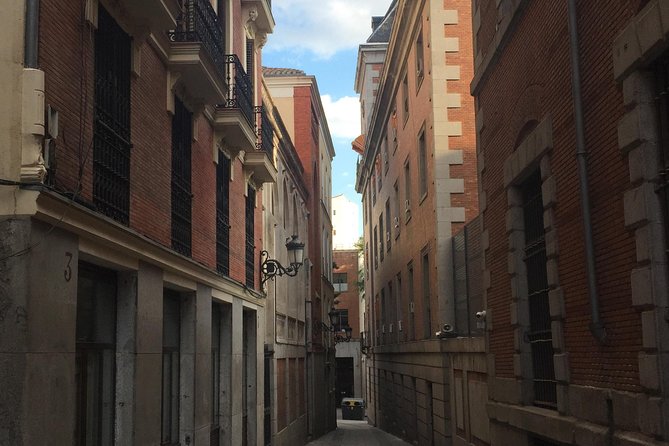
El Rastro is where Madrid’s street life shows up in a very specific way. On Sundays, you’ll visit the market street itself. The rest of the week, the vintage furniture stores are a main attraction, so you still get that rummage-and-discovery feel, just with different storefront energy.
Here’s why this stop fits an architect’s tour: markets shape sidewalks, shopfronts, and even how people navigate neighborhoods. You’ll see how a street can act like a social machine—trading goods, meeting neighbors, and helping the area stay active across changing decades.
Practical note for you: the market vibe tends to mean more foot traffic and more noise. It’s part of the experience, but if you want quiet photos, consider using the quieter side moments for pictures.
Pavón Teatro Kamikaze: Art Deco Details and a Choice to Pause
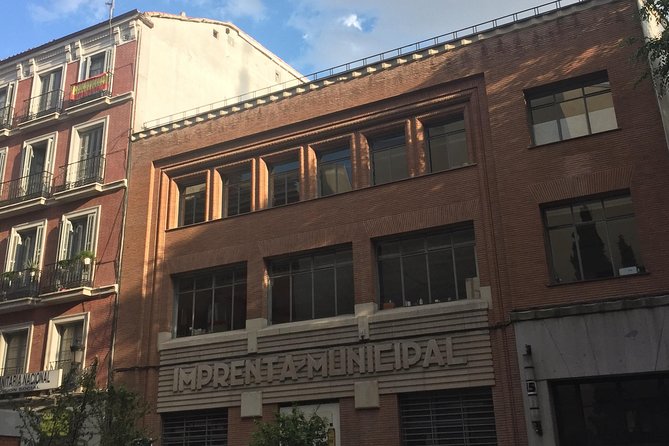
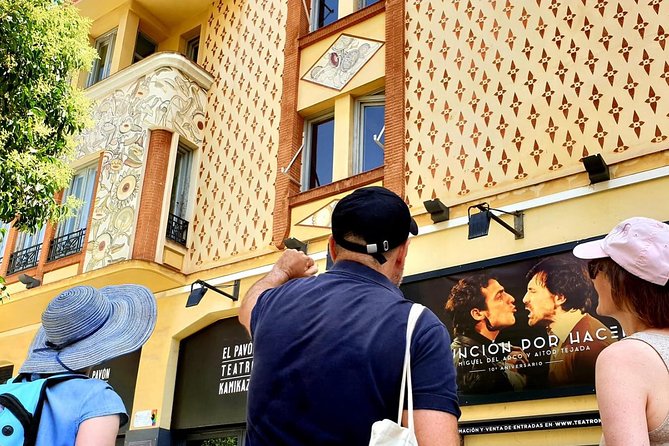
Next you’ll stop at El Pavon Teatro Kamikaze, focusing on the facade and its art-deco clock. Even if you’re not a design nerd, that kind of detail is easy to spot—and it helps you see the neighborhood’s architectural reach beyond older styles.
If you want, there’s a practical break in the middle of the architour: you can grab a coffee at the café along the way. I like this kind of flexibility because it keeps the tour from turning into a nonstop march.
A small consideration: because the focus is the exterior facade and then a short pause, this stop isn’t about long museum-style time. If you want deep interior storytelling, this is better as a visual moment that connects to what comes next.



Imprenta Municipal: Rationalist Architecture from 1930 That Feels Made for Walking
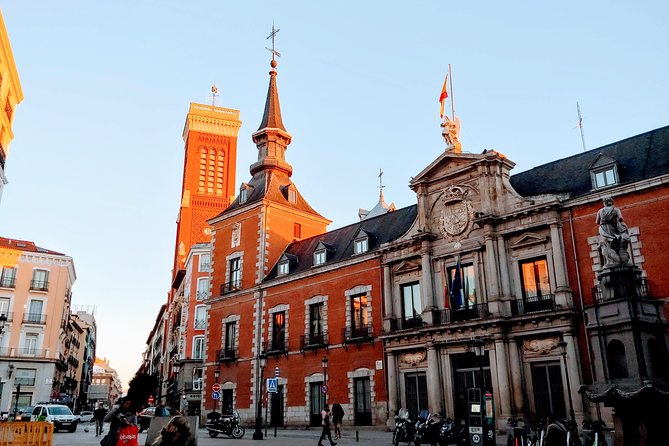
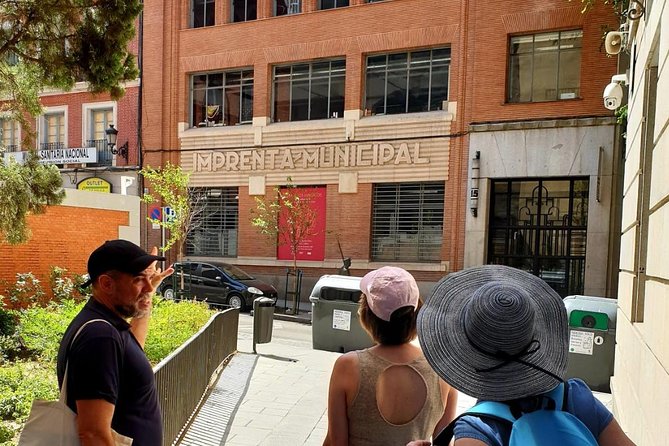
The tour includes a stop at the Imprenta Municipal, where you’ll see rationalist architecture from the 1930s. This is one of the clearer “architecture-first” stops on the walk because it’s treated like a design artifact, not a random building you pass.
What makes it valuable for you is how rationalism shows up in real form: structure, clarity, and the idea that design can organize civic life. This kind of building helps you read Madrid as a city that keeps reinventing itself, not only as a collection of old monuments.
Entry here is included, so you can expect access that’s tied to the tour experience rather than just viewing from the street. Time is short, though—about 15 minutes—so wear your best “look fast, learn fast” mindset.
Plaza de Lavapiés: The Square That Names the Neighborhood
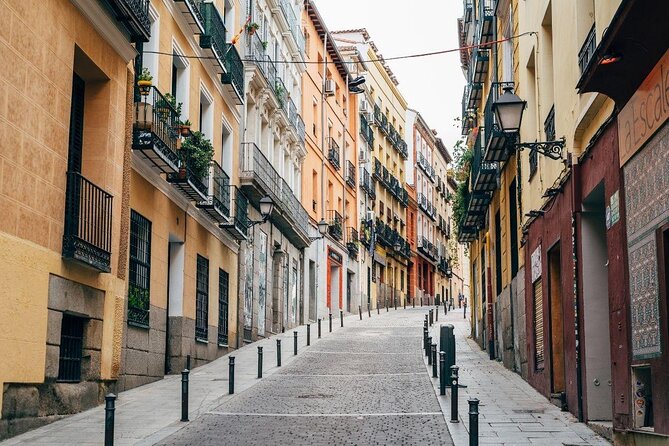
Plaza Lavapiés is where the neighborhood identity concentrates. The square is described as the center of Lavapiés, where you’ll see a mix of people and cultures coexisting—long-time residents and newer arrivals who have been reshaping the area in recent years.
This stop is important because it grounds all the earlier architecture talk. Buildings don’t live on paper; they live with people. A square like this is where social patterns become visible—who uses the space, how the street edges feel, and how the neighborhood breathes.
You’ll be there only about 5 minutes, so treat it like a quick reset point. Walk in with your senses open, then use the energy you feel here for the next architectural shift.
Reina Sofía Extension by Jean Nouvel: Art, Courtyards, and Design Ideas from 1999
The tour includes a visit to the extension of Museo Nacional Centro de Arte Reina Sofía designed by Jean Nouvel. You’ll stop to look at areas such as the restaurant, the library, and a covered patio. You’ll also hear about different proposals from a contest held in 1999.
This is a smart pairing: you get a modern architectural reference point while still staying grounded in real spaces people use. Courtyards and covered patios are especially good for understanding architecture because they show how light, flow, and comfort are designed into a building.
For you, this stop offers two benefits:
1) You see how a contemporary architect interprets civic scale.
2) You learn that major designs often come from competitions—so you start seeing architecture as an outcome of ideas and debate, not only individual genius.
Time here is about 10 minutes, so you won’t get a full museum experience. Think of it as a targeted architecture stop that points you toward what to notice if you return on your own.
Mercado San Fernando: Tapas, a Drink, and Advice That Helps You Later
You’ll finish with a neighborhood-market stop at Mercado San Fernando. Here you’ll take some tapas and have a drink while your guide shares suggestions for your stay in Madrid and ties together what you’ve seen.
This is more than a snack. It’s a practical wrap-up that helps you translate the walk into plans. When you hear ideas about where to go next—decor shops, rooftop views, or where the neighborhood energy shows up—it’s easier to choose what matches your interests instead of relying on random internet tips.
Important detail: the tour includes tapas, but drinks aren’t included. So plan for a little extra spending if you want beer, vermouth, or something else while you talk.
La Tabacalera de Lavapiés: An Abandoned Industrial Shell Reused by Neighbors
One of the most compelling stops comes at La Tabacalera de Lavapiés. You’ll visit an abandoned industrial building that now hosts exhibitions and also includes an area that’s self-managed by local neighbors. The walls are also where you’ll see works by urban artists.
This stop is valuable because it shows another kind of architecture: not just designing a new building, but transforming an old one into a shared platform. The “how” matters here—neighbors taking over space and making it functional again.
One practical consideration: it’s listed as closed for works from July 25. If your visit lands around that date, double-check the timing so you don’t plan your schedule around a stop that might be inaccessible.
Teatro Figaro: A Modern-Movement Theater Built First in Spain
Near the end, you’ll see Teatro Figaro. You’ll look at the fact that it’s the first theater built in Spain with criteria of the modern movement.
That’s a strong detail for you because it reframes what you might expect from Madrid theater architecture. It’s not only about ornate history; it’s also about early moments when modern design thinking entered public culture.
Time is short—around 5 minutes—so this is a photo-and-notice stop. If you pay attention to proportions and facade logic, you’ll come away understanding how modern movement ideas can show up even in entertainment buildings.
Price and Footwear: What You’re Really Paying For
The price is $210.12 per person for an approximately 3-hour private tour in English. On paper, that can look like a lot compared with standard group walking tours. But this tour includes access to all buildings in the experience, not just exterior viewing.
You’re also paying for the main value: an architect guide who connects the dots between architecture and how the neighborhood evolves. The feedback on Emilio highlights that this kind of context makes the route feel richer and more usable. The difference you’ll feel is clarity—why a facade matters, what a courtyard type was built to do, and how modern design shows up across multiple decades.
Now for the real-world part: you’ll be walking. One of the best pieces of advice is simple—wear supportive shoes. The route covers enough ground that you’ll want your legs and feet to handle tight streets and uneven areas without complaining.
Finally, the tour requires good weather. That doesn’t mean it becomes a disaster in a light cloud cover, but you should expect enough outdoor time that rain could affect the experience.
Who Should Book This Architour (and Who Might Pass)
This tour is a great fit if you like architecture but also want the story behind it—how design connects to social life, politics, and neighborhood change. It’s also a strong choice if you’re already familiar with Madrid landmarks and want a more local-feeling side of the city.
You’ll also appreciate it if you enjoy market streets and community spaces, because stops include El Rastro, a market break at Mercado San Fernando, and La Tabacalera’s exhibitions.
If you’re only interested in famous sight icons and want long museum time, this may not be your best match. This is a walking-focused route with short, targeted stops—about 3 hours total—so it’s meant for noticing and learning quickly.
Should You Book This Lavapiés Architour?
If you want a single afternoon where Lavapiés makes sense, book it. Emilio’s architect perspective and the mix of stops—Inquisition prison architecture, rationalist design, Jean Nouvel at Reina Sofía, and neighbor-run La Tabacalera—create a route that feels practical and memorable.
I’d especially recommend it if you’re the type who reads building details when you travel. You’ll leave with a better “filter” for how Madrid works: old courtyards, civic buildings, modern movements, and community re-use all show up in one walk.
If you’re visiting in late July, pay attention to the La Tabacalera closure for works from July 25. Otherwise, bring comfortable shoes, expect active walking, and use the market finish at Mercado San Fernando to turn the ideas into plans for the rest of your trip.
FAQ
How long is the architour through Lavapiés and El Rastro?
It runs for about 3 hours.
Where do I meet, and where does the tour end?
You start at Plaza de Tirso de Molina and finish at Mercado de San Fernando on C. de Embajadores, 41.
Is the tour offered in English?
Yes, it’s offered in English.
Is this a private tour?
Yes. Only your group participates.
What’s included in the price?
Access to all buildings during the experience is included.
Are drinks included at the markets or cafés?
No. Drinks in markets, bars, and restaurants where you stop are not included.
Is the tour suitable for people who need good mobility?
Most travelers can participate, and service animals are allowed. You should still be ready for an active walking route.
What is the cancellation policy?
You can cancel for a full refund up to 24 hours before the start time. If it’s canceled due to poor weather, you’ll be offered a different date or a full refund.
Does La Tabacalera run year-round?
La Tabacalera de Lavapiés is listed as closed for works from July 25, so check your travel dates against that schedule.