REVIEW · MADRID
Madrid: Reina Sofia Museum Skip-the-Line Guided Museum Tour
Book on GetYourGuide →Operated by Babylon Tours Madrid · Bookable on GetYourGuide
Modern art can feel intimidating. This tour makes it click.
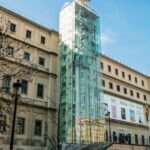
At Madrid’s Reina Sofia, a former hospital turned art museum, you skip the ticket line and get a guided walk through the core 20th-century collection, with a real art-historian explaining how and why the paintings matter. I especially like the focus on context—you’re not just looking, you’re understanding the Spanish Civil War, the art movements, and the big-name artists in one clean flow.
Two things I really like: you get a skip-the-line entry (huge in busy Madrid), and the tour stays in a small group, with private or semiprivate options capped at 8 people. One possible drawback: there are limits on what you can bring inside, and the museum experience can be affected if Reina Sofia has occasional closures—so you’ll want to keep your schedule flexible.
In This Review
- Key things to know before you go
- Reina Sofia skip-the-line: start with momentum, not waiting
- The museum layout that helps: modern movements, not random wandering
- Picasso’s Guernica: seeing the story behind the black and white
- Miró and Dalí: surreal choices explained in plain language
- Private vs semiprivate: how group size changes the experience
- What’s included (and what isn’t) in the real-world experience
- Making the most of 2–2.5 hours: how to plan your day around it
- Should you book the Reina Sofia skip-the-line guided tour?
- FAQ
- How long is the Reina Sofia tour?
- Does this tour include skip-the-line entry?
- Is the tour private or small-group?
- What language is the guide available in?
- What major artworks will the guide cover?
- Are temporary exhibitions included?
- Are there restrictions on bags or luggage?
- Is the tour wheelchair accessible?
Key things to know before you go
- Skip-the-line entry so you start looking fast instead of waiting
- Small group formats (private or semiprivate, max 8) keep the pace comfortable
- An art historian guide ties each work to the political and social moment behind it
- You’ll prioritize the big hitters: Picasso’s Guernica, plus Miró and Dalí
- No large bags—plan for a small day bag only
- Wheelchair notes don’t fully match, so confirm access needs with the operator
Reina Sofia skip-the-line: start with momentum, not waiting
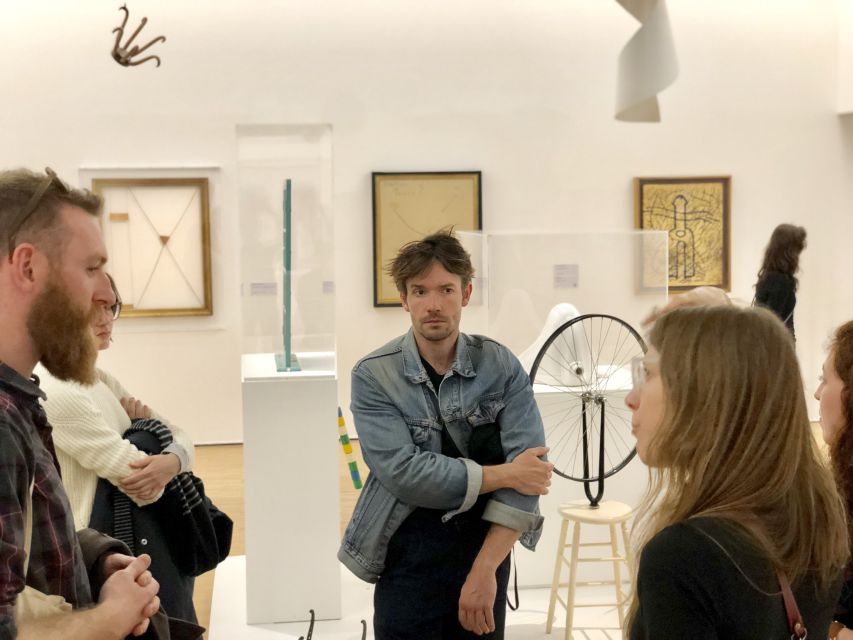
Reina Sofia is one of those Madrid stops that can eat your day if you show up cold. This tour fixes that with guaranteed skip-the-long-line entry, so you get inside and start moving while the museum is still settling into its rhythm.
You’re guided for about 2 to 2.5 hours (starting times vary), which is a sweet spot for this museum. Long enough to hit the key works with explanation, short enough that you’re not wandering tired and lost by the time you find the good stuff.
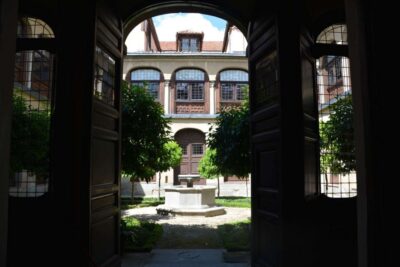
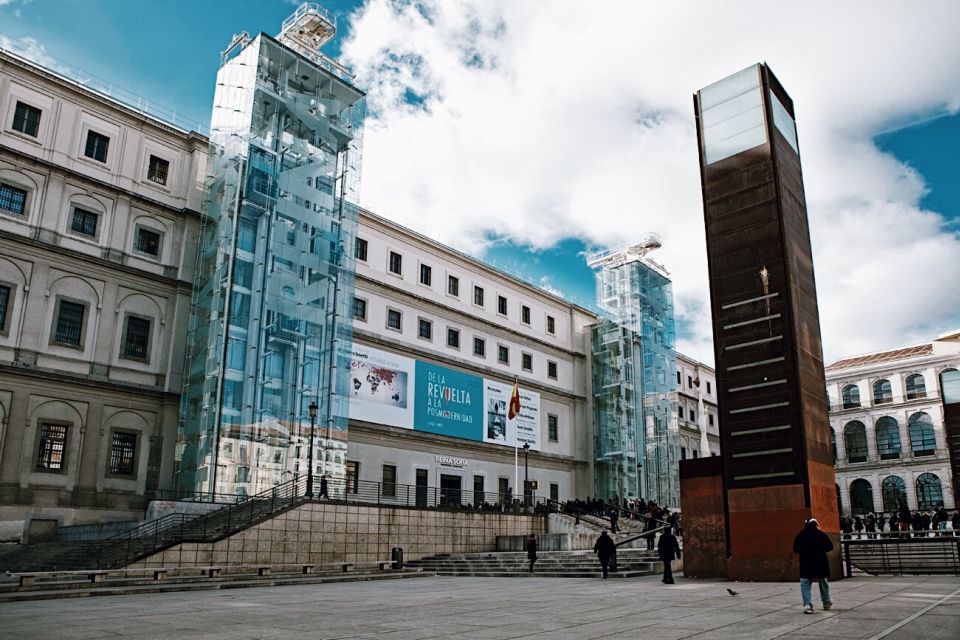
Also, the tour is designed around the museum’s real strength: 20th-century modern art, with a heavy emphasis on Spanish artists. Your guide doesn’t treat the building like a checklist. Instead, you’ll get an organized path through the collection, with the museum’s “former hospital” feel acting as a dramatic backdrop—clean, austere spaces where the artwork lands with extra punch.
Practical tip: if you’re coming with a day bag, keep it small thin backpack or handbag only. Large luggage isn’t allowed through security, and that’s the kind of hassle that can sour the first 10 minutes.
You can also read our reviews of more guided tours in Madrid


The museum layout that helps: modern movements, not random wandering
Reina Sofia’s collection is broad, but the tour makes it manageable by focusing on the major artistic movements you’ll see in the galleries—things like abstractionism, cubism, surrealism, and modernism. That sounds academic, but in practice it’s useful. When you understand what an artist is trying to do with shape, space, and symbolism, the whole experience stops being about “Do I like this?” and becomes about “What are they doing and why?”
Your guide frames the works in a bigger story. Instead of treating Picasso, Miró, and Dalí like isolated celebrities, you’ll get the social and political context that shaped their art, including the Spanish Civil War. That matters because modern art here isn’t decorative—it’s often reactive, emotional, and political.
This is also where the tour’s guide quality shows. In past versions with Babylon Tours Madrid, names like Almu, Beatriz, and Angel have been singled out for strong communication and passion for the artists and the times they lived in. Even if your guide isn’t one of those exact names, the teaching style is the same idea: you’ll get clear explanations, room for questions, and a guided path that connects the dots.
Possible drawback to consider: some sites on the route require appropriate dress for entry. You don’t need to dress up, but do avoid anything too casual or exposing, just to be safe.
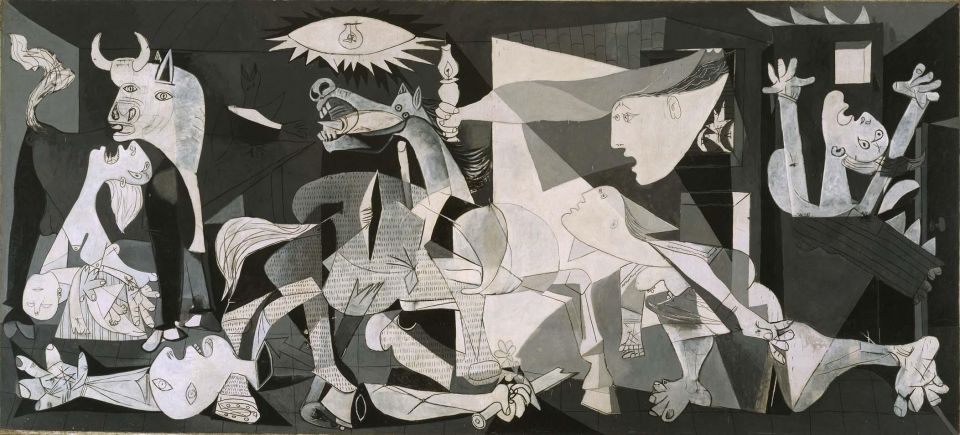
Picasso’s Guernica: seeing the story behind the black and white
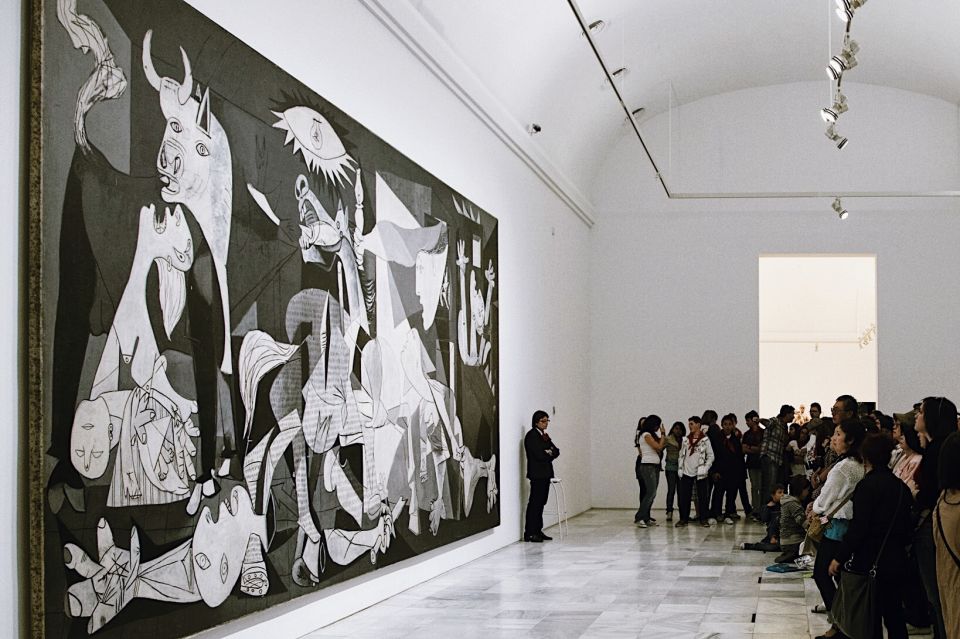
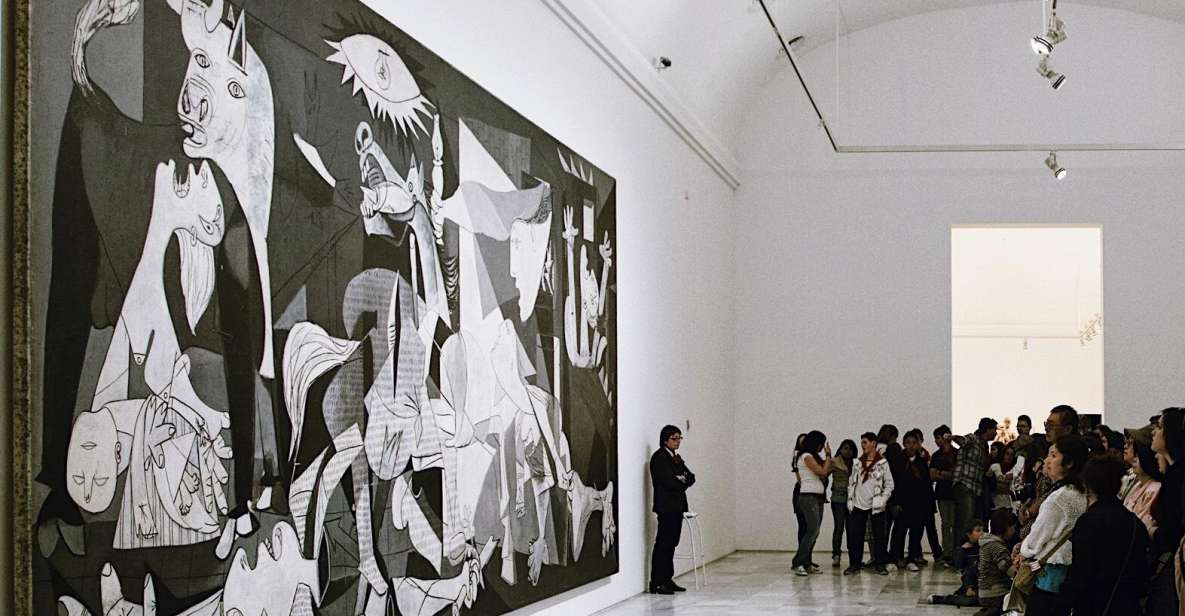
If you’re only going for one masterpiece, make it Guernica. This tour puts you in front of it early enough that it doesn’t feel like a victory lap after you’re already exhausted. And the explanation really changes how you experience it.
Guernica is stark—black and white, intense, and full of fractured symbolism. Without context, it can feel like a puzzle you either “get” instantly or don’t. With the guide’s framing, you’ll understand what the image is responding to and why Picasso’s approach became world-famous. You’re not just looking at figures; you’re looking at a message born from catastrophe and political reality.
That political thread ties back to the broader tour: the guide situates works in the events of the time, so Guernica doesn’t sit alone as a famous painting. It becomes one peak point in a larger emotional and historical climb.
What I’d do if you’re image-focused: spend a little longer than usual at Guernica. Even with a guided pace, you can usually take a step back and re-read what you see once the context clicks. The painting hits hardest when you let it sit for a moment rather than rushing to the next stop.
Miró and Dalí: surreal choices explained in plain language
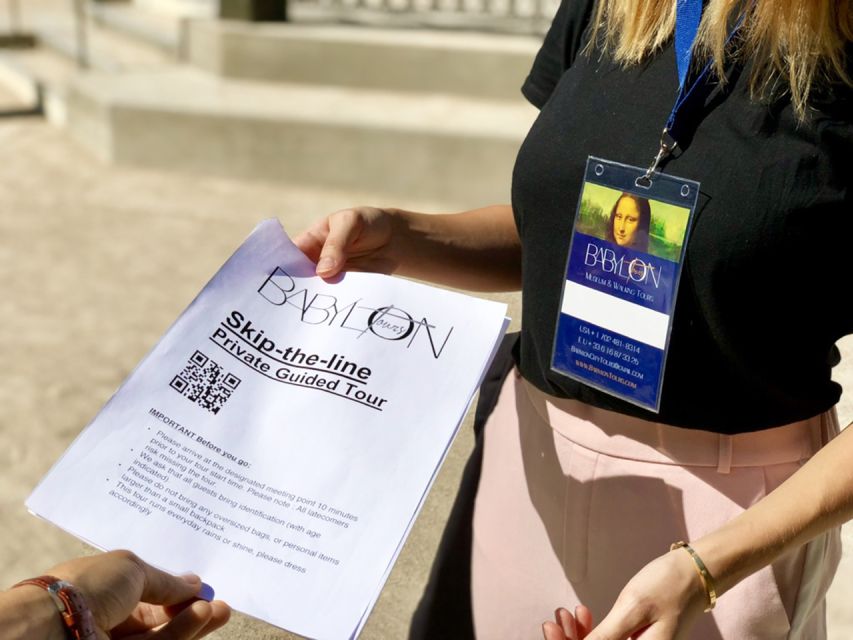
After Guernica, the tour shifts into the more playful, strange world of surrealism and experimental modern art—without losing the historical thread.
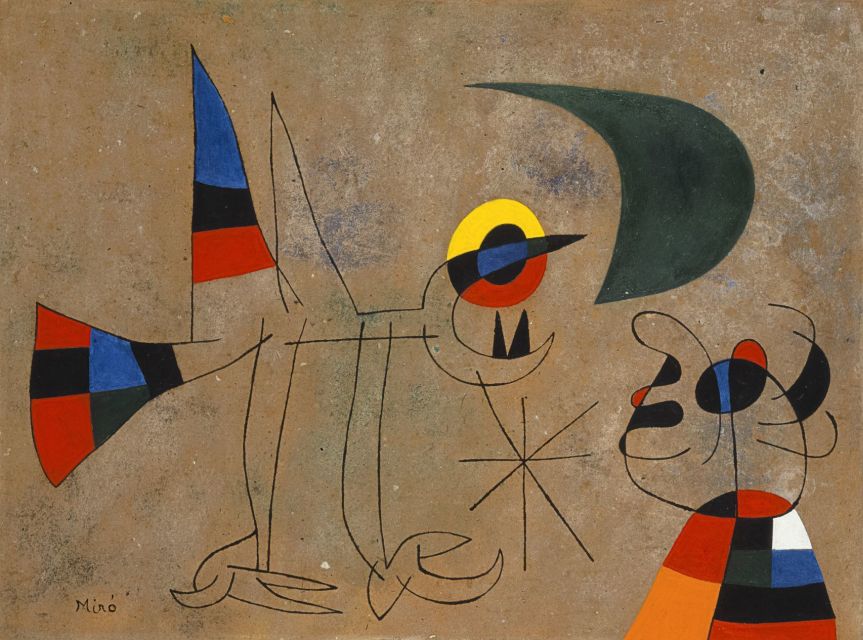
You’ll see works by Joan Miró, including The Man with a Pipe. Miró’s style can look simple at first glance—shapes, signs, and bold lines. But the guide helps you read the logic. You learn how abstraction works here: it’s not “random,” it’s a method. Miró’s imagery often behaves like a visual language, and the tour teaches you how to interpret that language without forcing it into a single meaning.
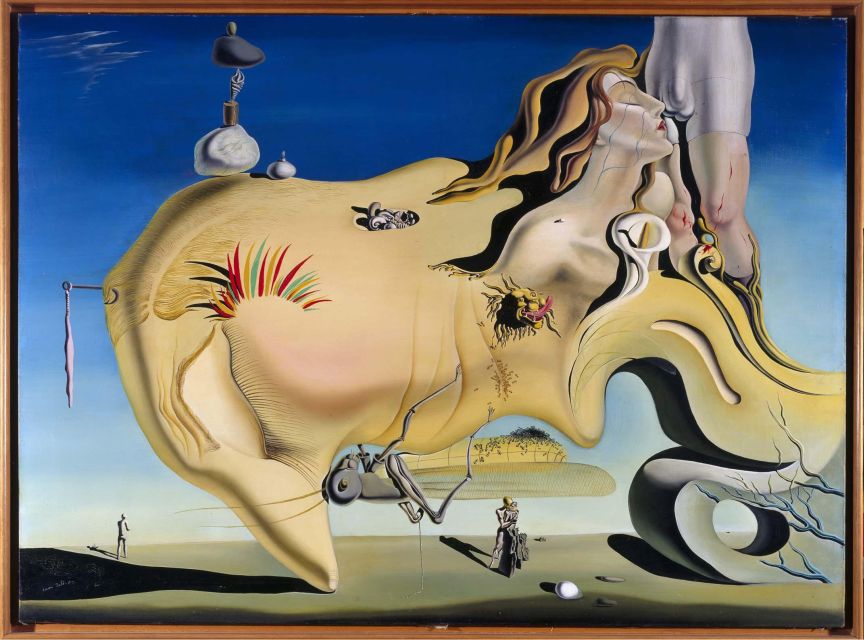
Then comes Salvador Dalí, where the tour leans into the surprising shapes and offbeat storytelling. You’ll encounter Face of the Great Masturbator and get an explanation of the techniques and the story behind it. Dalí can be weird on purpose, and that’s the point. The guide helps you understand the method—how the image is constructed and why the final result looks the way it does.
A lot of people want modern art to be either obvious or offensive. This tour gives you a third option: it shows you the care behind the weirdness. When the guide breaks down the technique and places it in the social moment, Dalí becomes less like a stunt and more like an artist working at full intensity to turn inner life into public art.
Private vs semiprivate: how group size changes the experience
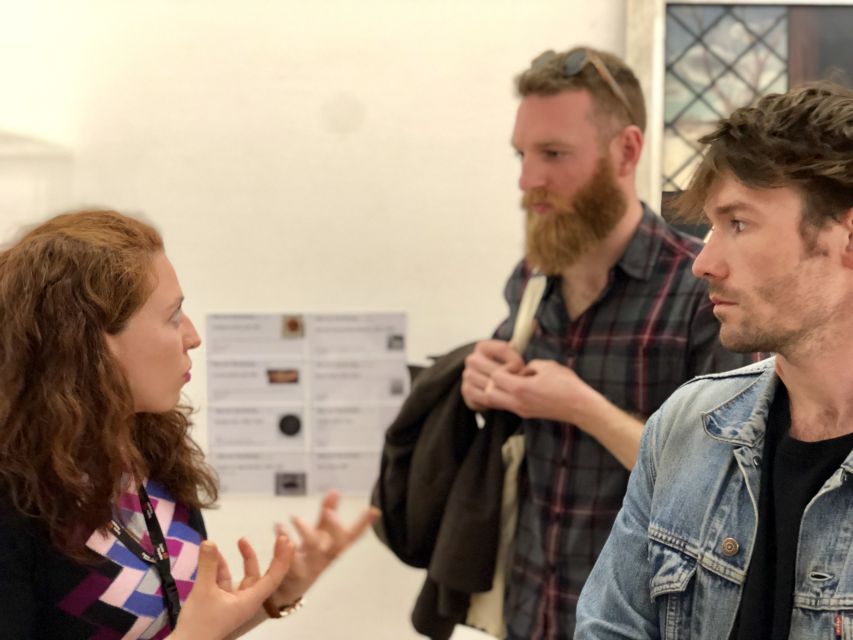
You get two main choices: private or semiprivate. Semiprivate is capped at 8 people, and private means it’s just your group. That small-group structure matters more at Reina Sofia than you might expect.
In a larger group, you often end up moving like a herd. That’s a problem in modern art because you need a few seconds to actually look. In a smaller group, the guide can pace the conversation and stop for questions. You also get the chance to focus on a work longer if something catches your eye.
If you like to ask questions, the small size is a big win. If you want a quieter walk and minimal discussion, private can also be a good fit because the guide can tailor the pace.
One more practical note: semiprivate tours require a minimum number of participants to run. If the minimum isn’t met, you’ll be offered an alternative date or a full refund. So if you’re locking in your Madrid schedule tightly, private can reduce last-minute uncertainty.
You can also read our reviews of more museum experiences in Madrid


What’s included (and what isn’t) in the real-world experience
This tour includes entrance fees, plus a professional art historian local guide. You’re covered for a 2.5-hour guided visit, and you have a guaranteed skip-the-line experience. That’s the core value: you’re paying for access and for interpretation from someone who knows how to connect art to history.
What it doesn’t include is just as important to plan around:
- Temporary exhibits aren’t included.
- You won’t get hotel pick-up or drop-off.
- Food and drinks aren’t included.
So, if your main goal is to see specific temporary shows, you’ll want another plan for those. If your goal is the permanent collection highlights with real guidance, this format fits perfectly.
Also, accessibility needs should be checked carefully. The info says wheelchair-friendly tours are available upon request only, but it also notes the tour is not suitable for wheelchair users. That contradiction is worth resolving directly with the operator before you book.
Making the most of 2–2.5 hours: how to plan your day around it
Two to 2.5 hours is a manageable chunk, but modern art museums can still make you feel time-blind. Here’s how to keep it satisfying instead of rushed.
1) Arrive with a small day bag so you don’t get stuck at security.
2) Keep expectations realistic: you’ll see the most important works, but this is still a curated tour, not every single painting on every wall.
3) After the tour, give yourself some free time to circle back on whatever hit you hardest—especially Guernica if it stayed with you.
If you’re pairing this with other Madrid sights, try not to schedule another major indoor stop immediately after. Your brain will be processing symbolism, politics, and technique for a while.
Also, this is one of those museums where photos can distract. If you want to take pictures, do it thoughtfully—capture what you want, then step away and look without a screen for a minute. The guide’s context works best when you let your eyes do the final work.
Should you book the Reina Sofia skip-the-line guided tour?
Book it if you want the fastest path to the museum’s most important works with a guide who explains both the art and the context. At $90 per person for a guided, skip-the-line entrance and an art historian, the value is strongest if you’re the type of person who gets more out of a museum when someone helps you connect what you’re seeing to the bigger story.
Skip it (or consider a different approach) if you’re happy wandering independently and don’t want a structured route. Also reconsider if you have big luggage, require guaranteed wheelchair access, or you need temporary exhibits included.
If your time in Madrid is limited and you want one high-impact modern art experience that doesn’t leave you scratching your head, this is a smart choice. The combination of skip-the-line entry, a small group pace, and focused stops at the major masterpieces makes it one of the better ways to do Reina Sofia without wasting your energy.
FAQ
How long is the Reina Sofia tour?
The tour runs about 2 to 2.5 hours, depending on the starting time. Check availability for the exact schedule.
Does this tour include skip-the-line entry?
Yes. It is guaranteed to skip the ticket line, so you can go straight inside with your guide.
Is the tour private or small-group?
Both options are available: private tours and semiprivate tours. Semiprivate has a maximum of 8 participants.
What language is the guide available in?
The live guide is available in Italian, English, French, and Spanish.
What major artworks will the guide cover?
The tour highlights key works in the museum, including Picasso’s Guernica, Miró’s The Man with a Pipe, and Dalí’s Face of the Great Masturbator, along with other important pieces.
Are temporary exhibitions included?
No. Temporary exhibits are not included in this tour.
Are there restrictions on bags or luggage?
Yes. Luggage or large bags are not allowed inside the museum. Only handbags or small thin backpacks are allowed through security.
Is the tour wheelchair accessible?
Wheelchair-friendly tours are listed as available upon request only, but the activity also notes it is not suitable for wheelchair users. You should confirm access needs with the operator before booking.