REVIEW · MADRID
Inquisition, The Executioner, Witches, Expulsion Jews and Muslims
Book on Viator →Operated by Tours Madrid | TOURSTILLA · Bookable on Viator
Madrid turns dark fast. This walking route connects power and belief across eight key stops. I like that it’s guided and structured, not random street sightseeing. You also get printed teaching tools, plus a handy link for what to do in Madrid after the tour. One thing to keep in mind: the subject matter is brutal, and the tour openly discusses torture, executions, and false accusations.
You’ll cover major religious flashpoints in the heart of the city, with plenty of time at each location (about 10–20 minutes per stop). I also like the pacing: 2 hours 15 minutes is long enough to make the story click, but short enough to stay mentally sharp. A possible drawback is that the tour moves at a walking-pace through busy central streets, so comfortable shoes matter.
In This Review
- Key highlights you’ll actually feel on the street
- A short, focused loop that makes the Inquisition make sense
- Start at Plaza Mayor: where public power meets private fear
- Iglesia de Santa Cruz: Christianity, Islam, and Judaism in the same story
- Plaza de la Provincia: executioner talk and how confessions were forced
- Casa de la Carnicería: where art and a famous trial intersect
- Basilica de San Miguel: edicts of faith, false identity, and public proclamations
- Casa Cisneros: Cisneros versus Torquemada as a living debate
- Plaza de la Cruz Verde: symbols and the mechanics of execution
- Almudena Cathedral stop: the end of the Inquisition and modern echoes
- Plaza de la Armería: legacies, modern conflicts, and a closing reflection
- Price and value: $3.61 that feels almost too low
- Who this tour is best for (and who might want to skip)
- Should you book this Inquisition walk?
- FAQ
- Is the tour offered in English?
- How long is the tour?
- Where do I meet and where does it end?
- Do I need tickets to enter the sites?
- What does the price cover?
- What’s the group size?
- What’s the cancellation policy?
Key highlights you’ll actually feel on the street
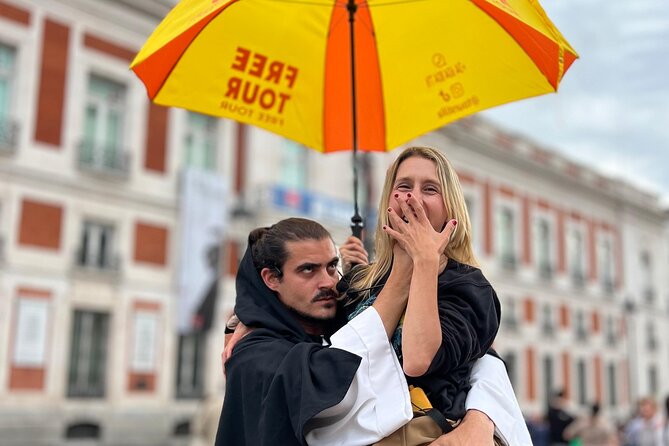
- A guided story through Madrid’s main religious landmarks, not just one museum stop
- Trial mechanics explained, including investigations, confessions, and how accusations worked
- Edicts of faith and the language of labeling, like false Jew and false Moorish
- A clear, visual tour of execution methods, including the garrote vil and burning at the stake
- Legacies that reach past the Inquisition, into Jewish and Muslim history in Spain
- A personal follow-up from your guide, plus recommendations for the rest of your trip
A short, focused loop that makes the Inquisition make sense
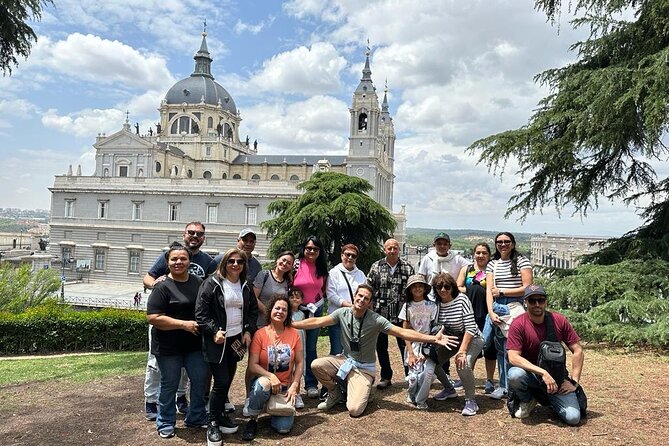
This is built as a tight downtown walk with a clear goal: show you how the Spanish Inquisition used religion, legal process, and public theater to control life. You’re not stuck reading panels. You get a local guide and teaching tools that help you connect one site to the next.
The duration is about 2 hours 15 minutes. That’s a sweet spot for a heavy topic. You can handle the material without turning it into a nonstop lecture. The group size stays capped at 30, which helps keep questions possible and the atmosphere from getting chaotic.
You’ll get a mobile ticket, and you’ll find it easy to get to the start point near Plaza Mayor. The tour is offered in English, and most people can take part. I’d come prepared with curiosity and respect. The theme is uncomfortable, and the guide keeps it factual rather than sensational.
You can also read our reviews of more tours and experiences in Madrid.

Start at Plaza Mayor: where public power meets private fear
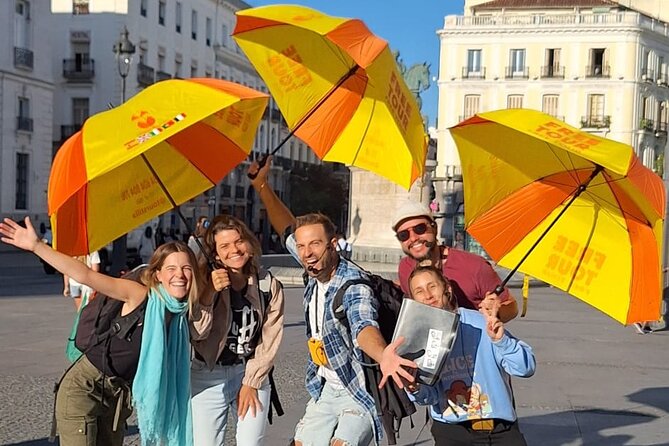
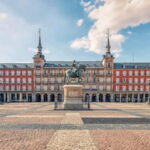
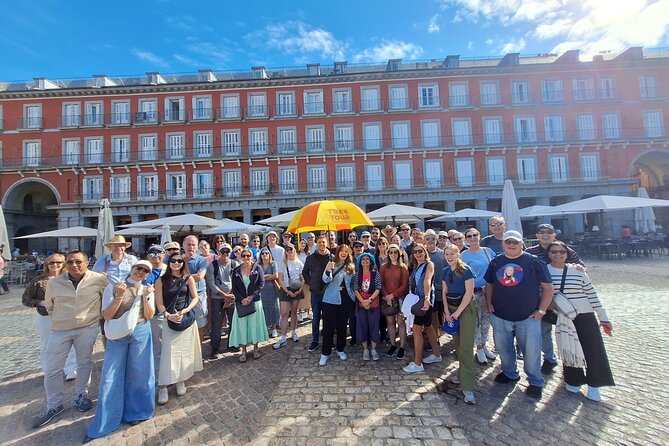
Your meet-up point is Plaza Mayor in central Madrid. It’s a good place to start because it anchors you in the city’s traditional center. From there, the route threads toward churches and plazas that held or reflected Inquisition-era authority.
In these kinds of tours, the first minutes matter. You need a framework fast. This one gives you that framework. You’re told what you’re going to see and why it mattered: the Inquisition wasn’t only about doctrine. It was about process, policing, and punishment.
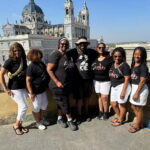
Also, even though the tour covers dark history, the guide keeps the pacing friendly. In past runs, guides like Jackie and David Onion have been praised for keeping the group engaged and making the logic easy to follow. That matters here, because the subject can get confusing if it’s delivered as random facts.
Iglesia de Santa Cruz: Christianity, Islam, and Judaism in the same story
The tour begins with Iglesia de Santa Cruz, using it as a starting point for how the Inquisition related to the three monotheistic religions: Christianity, Islam, and Judaism. This is where you begin to see the big idea. The Inquisition didn’t just target one community. It operated across a broader religious landscape, with labels and suspicion applied in different ways.
What I like about this stop is the way it sets the tone. You’re not just told dates. You’re shown relationships. You get context for why some people were treated as legitimate believers and others as threats.
If you care about religious history in Spain, this is a smart early anchor. It helps you understand why later stops talk about accusations like false Jew and false Moorish. You’ll recognize the pattern by the time you reach the plazas and church spaces where edicts and proclamations were discussed.
Plaza de la Provincia: executioner talk and how confessions were forced
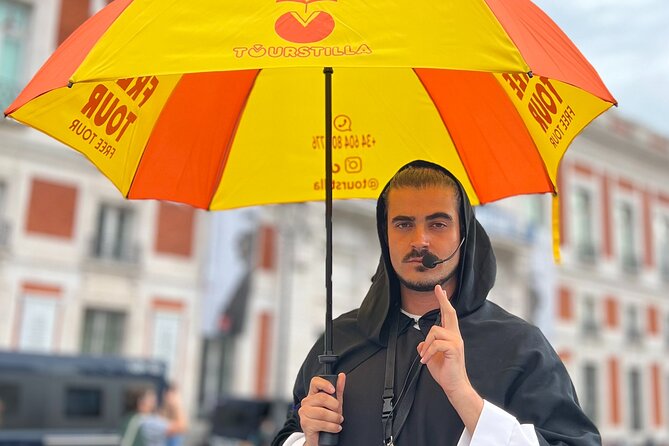
Next up is Plaza de la Provincia, a stop that focuses on the executioner and the Inquisition’s investigation process. This is one of the more intense segments because it covers how cases were handled and how confessions worked in practice.
The tour frames it clearly: an accusation wasn’t a simple conversation. It was a process that could lead to torture, punishment, and public outcomes. The executioner isn’t introduced as movie drama. You get the role in the system, which makes the whole thing feel more real and less theoretical.
A consideration here: if you’re sensitive to discussions of torture or coercion, mentally brace yourself before this stop. The guide doesn’t shy away, and the route is designed to explain how the machinery operated.
If you can handle that, this is also one of the most educational stops. It turns “the Inquisition” from a vague label into a chain of steps you can follow.
Casa de la Carnicería: where art and a famous trial intersect
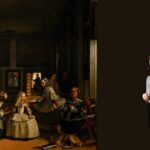
At Casa de la Carnicería, the tour leans into the cultural side of Inquisition-era thinking. You’ll hear about the site as part of Madrid’s story—sometimes described as the location where “cars of faith” and famous trial material connect in the public imagination. You’ll also hear about the most famous painting tied to the broader narrative.
Even if you don’t know the art details going in, the value here is how the guide links visuals to ideology. Public trials and punishments weren’t only about law. They were also about messaging—what was displayed mattered.
This stop is shorter—about 15 minutes—so you won’t drown in details. You’ll get the main connections and enough direction to notice relevant themes as you continue walking.



Basilica de San Miguel: edicts of faith, false identity, and public proclamations
The route’s next big conceptual stop is Basilica de San Miguel. Here, you get the tour’s sharper language about religious “purity,” including how to identify a false Jew and how to identify a false Moorish. You’ll also hear about the proclamation of edicts of faith, and how false allegations played out.
This is a crucial turning point. Up to now, you’ve followed the Inquisition as a mechanism. Now you see how the mechanism used categories and labels. The guide explains the logic behind those labels and why they were so dangerous. It’s not about theology trivia. It’s about how people got targeted.
I appreciate the balance of this stop. The tour doesn’t try to make you feel sympathy for the system. It aims to make you understand it, so you can see how propaganda and power can work together.
If you want to grasp why later legacies still matter in Spain, this is where it starts to click.
Casa Cisneros: Cisneros versus Torquemada as a living debate
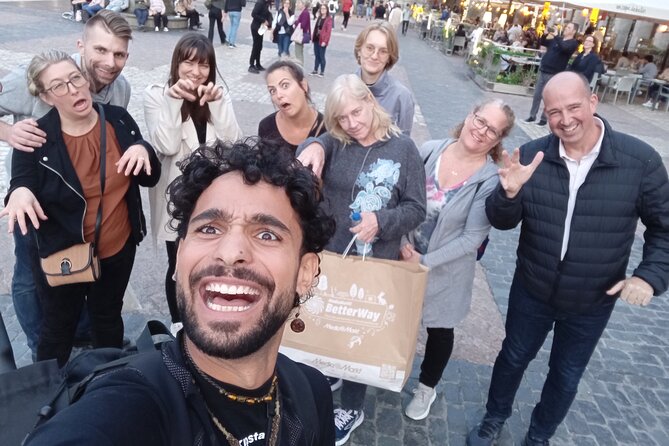
At Casa Cisneros, the tour highlights historical characters and the tension between Cisneros vs Torquemada. This stop works as a breather from the most graphic descriptions, while still keeping you in the main current of Inquisition thinking.
What you’ll likely appreciate is the idea that Inquisition history wasn’t one straight line. Power shifted through people, institutions, and arguments. The guide uses this location to show that the Inquisition had supporters, opponents, and different approaches within the same broad system.
This stop is brief—around 10 minutes—but it helps you avoid treating history like a single villain monologue. Instead, you get human decision-making, at least in the way the guide presents it.
Plaza de la Cruz Verde: symbols and the mechanics of execution
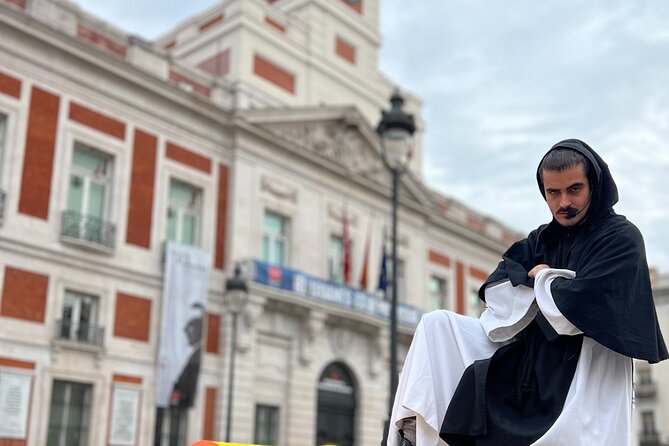
Plaza de la Cruz Verde is where the tour leans hardest into the symbolism of control. You’ll discuss the symbol of the Inquisition and the implementation of punishment. The route moves through descriptions of the gallows, beheading, garrote vil, and burning at the stake.
This is the most intense section in the route’s lineup. It’s also where the tour can feel most educational if you handle the topic well. The guide doesn’t treat these as random methods. You get them as part of a system meant to terrify, enforce, and warn the public.
One practical point: if you don’t like standing in a plaza listening to heavy material, plan to stay mentally present. The guide keeps the explanation structured, so the list doesn’t become noise. It becomes a map of consequences.
It’s also interesting that the tour includes a mention of burning at the stake and garrote vil in the same arc. That contrast helps you see how different execution methods carried different “messages,” not just different violence.
Almudena Cathedral stop: the end of the Inquisition and modern echoes
The tour then reaches Catedral de Sta Maria la Real de la Almudena. This stop shifts from mechanics to meaning. You’ll hear about the Vatican Archives, as well as John Paul II and the Pardon of the Catholic Church. The tour also frames the end of the Inquisition and asks whether the “last execution” came late.
A detail included here is striking: 1974, described as the last execution connected to the garrote vil. Even if you don’t know the background, that date forces you to see that the story didn’t vanish neatly in the past.
You’ll also get a section on legacies of the Jews in Spain and legacies of Muslims in Spain. This is where the tour feels most like a real Madrid experience rather than a museum lecture. You’re in a live city, but the guide points out why older religious and cultural patterns still matter.
This stop is about 20 minutes, which feels right. You get enough context to leave with a framework, but not so much that it drains your energy before the final plaza.
Plaza de la Armería: legacies, modern conflicts, and a closing reflection
Finally, you reach Plaza de la Armería. The tour closes with a look at current religious conflicts and the idea of holy wars, then ties back to legacies and wraps with a closing reflection.
This ending matters because it prevents the tour from ending in pure horror. You come away thinking about how belief, politics, and public labeling can interact in any era. The guide doesn’t push a single moral lesson. It gives you food for thought and keeps the tone grounded.
Expect about 20 minutes here. You can ask questions if you’re the type who wants clarity on the messier parts. And if you prefer to just absorb, you can still leave with a clear storyline.
Price and value: $3.61 that feels almost too low
The listed price is $3.61 per group (up to 15). That’s a bargain for a 2+ hour guided route with printed materials and teaching tools. The key value piece is that site entry is not required. So you’re paying mainly for the guide and interpretation, not for ticketed museum time.
Also, there’s usually a strong emphasis on tipping etiquette with no pushiness. In past guides, you get a tactful explanation of the typical way to tip at the end, with no hustle. That’s exactly what I want to see on a pay-what-you-want style experience.
If you want a low-cost way to learn meaningful context in central Madrid, this tour hits hard. If you’re only in the city for a short window and you like walking routes that connect dots, it’s an efficient use of your time.
Who this tour is best for (and who might want to skip)
This tour is a strong fit if you:
- like walking tours with a clear narrative arc
- want serious context on religion and power in Spain
- enjoy history that connects to streets, churches, and plazas
It’s not ideal if you:
- dislike discussions of torture, forced confession, and execution methods
- need a light, purely scenic tour
It also helps if you’re comfortable hearing about religious conflict in plain terms. The guide frames big ideas in a way that’s designed to be followed, not just memorized.
Should you book this Inquisition walk?
If you want a structured, English-language Madrid history experience that actually explains the system—not just the slogans—book it. The route is short enough to stay focused and long enough to build understanding. You’ll leave knowing how the Inquisition worked, how it labeled people, and how its legacies still show up in Spain’s story.
Do it especially if you like tours where the guide brings order to difficult material. If you’re walking with an open mind (and comfortable shoes), this is one of the most direct ways to understand Madrid through its dark chapters.
FAQ
Is the tour offered in English?
Yes. This experience is offered in English, and the route is explained by a local guide throughout.
How long is the tour?
It lasts about 2 hours 15 minutes.
Where do I meet and where does it end?
You start at Plaza Mayor (Centro, Madrid) and the tour ends at Plaza de la Armería. The meeting point is about a 10-minute walk from Plaza Mayor and around 3 minutes from Metro Opera.
Do I need tickets to enter the sites?
No. Entries to the sites are not required for the tour.
What does the price cover?
The tour includes a local guide, printed material and teaching tools during the route, and a link to personalized recommendations about what to do in Madrid, plus personalized attention after the tour.
What’s the group size?
The tour has a maximum of 30 travelers.
What’s the cancellation policy?
You can cancel for a full refund if you cancel at least 24 hours before the experience starts. Free cancellation is available up to that cutoff.