REVIEW · ALCALA DE HENARES
From Madrid: Alcalá de Henares & Cervantes Museum Day Trip
Book on GetYourGuide →Operated by Fun and Tickets · Bookable on GetYourGuide
Alcalá de Henares makes Cervantes feel close. I love walking through the Miguel de Cervantes Birthplace Museum and the University of Alcalá halls, because you’re seeing the real settings behind Don Quixote. The only catch is the packed 5-hour schedule, so you’ll want comfortable shoes and a steady pace.
This day trip is built around big ideas in a small town: Cervantes’ life, the UNESCO-listed city of Alcalá de Henares, and a walkable route that takes you from literature to power in just one afternoon. You’ll also get a Spanish live guide who ties the stops together, so it doesn’t feel like you’re bouncing between disconnected monuments.
Plan for real walking and changing light. You’re outdoors for parts of the route, and even if Madrid behaves, Alcalá can be a bit chilly—so bring layers, water, and sunscreen just in case.
In This Review
- Key highlights you’ll actually notice
- From San Bernardo to Alcalá de Henares: a 5-hour plan that moves
- Miguel de Cervantes Birthplace Museum: where the story starts
- Baptism and family-linked sites: learning without getting lost
- Plaza de Cervantes: the easy orientation moment
- University of Alcalá: Cardinal Cisneros and the oldest halls in Spain
- Magisterial Cathedral and the Plaza de los Santos Niños: a heavy story in a historic setting
- Archbishop’s Palace and Catherine of Aragon: royal history you can point to
- Price and value: is $55 a fair deal from Madrid?
- What to bring (and what can trip you up)
- Who this day trip suits best
- Should you book this tour?
- FAQ
- How long is the Alcalá de Henares and Cervantes Museum day trip?
- Where do I meet the guide?
- What’s included in the price?
- Is food or drinks included?
- What language is the tour guide?
- Can I skip the ticket line?
- Is the tour wheelchair accessible?
Key highlights you’ll actually notice
- Cervantes’ birthplace experience in a museum set up to show 16th-century life
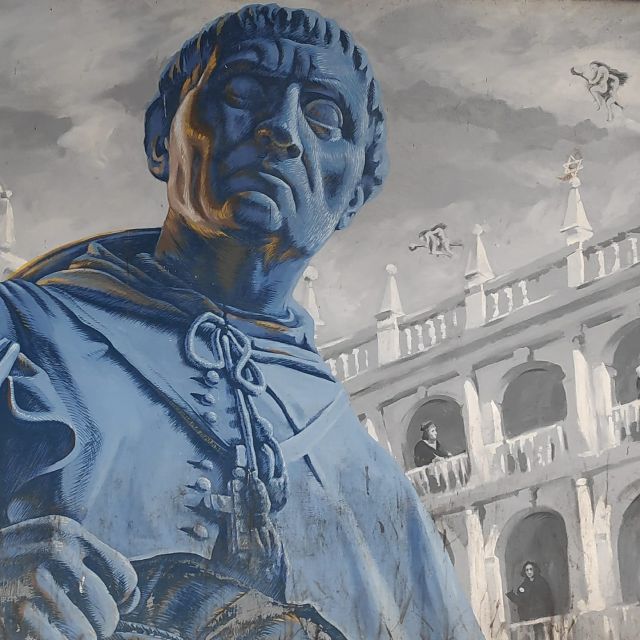
- Oldest university in Spain with context on Cardinal Cisneros’ role
- Magisterial Cathedral and the story connected to the child martyrs
- Plaza de Cervantes for an easy photo stop plus orientation
- Archbishop’s Palace linked to Castilian royal history and Catherine of Aragon
From San Bernardo to Alcalá de Henares: a 5-hour plan that moves
You’ll start at Fun and Tickets, San Bernardo 7, meeting your guide outside the shopping gallery. Then it’s about 35 minutes by bus/coach into Alcalá de Henares, which helps keep the day from feeling like a full-on travel marathon.
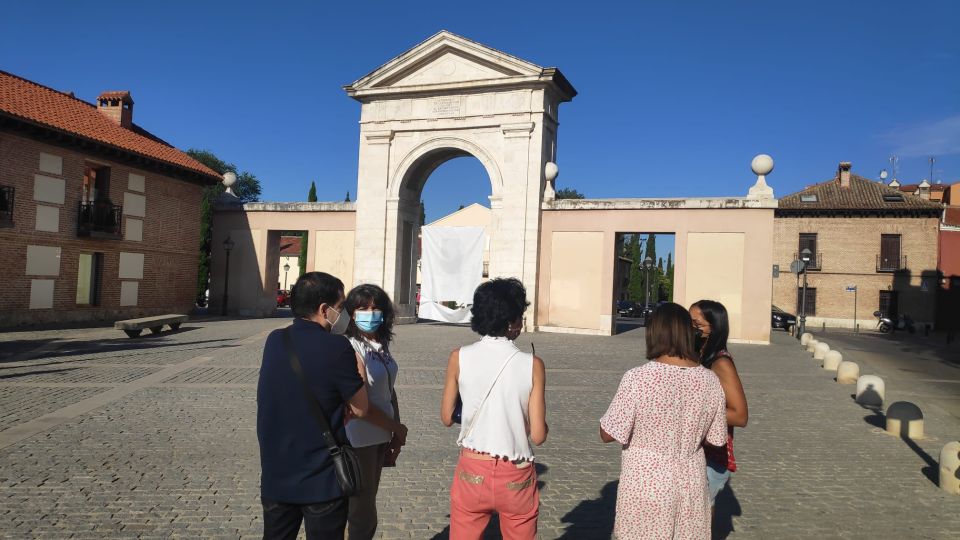
Once you’re in town, the guided part lasts about 2.5 hours. After that, you get a 30-minute break—enough time to reset, grab water, or do a quick independent wander near the main squares before you head back. Expect a smooth rhythm rather than a slow “linger and linger some more” style day.
Miguel de Cervantes Birthplace Museum: where the story starts
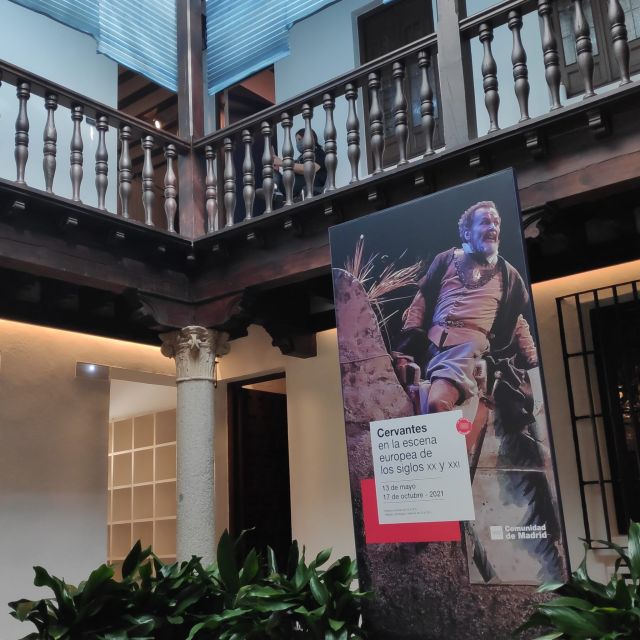
The center of the trip is the Miguel de Cervantes Birthplace Museum. This is the type of stop where you can feel the scale right away: you’re not just hearing about Cervantes—you’re standing where his beginnings are tied to the house and museum spaces.
What I like most here is the way the museum is set up around everyday life. You’ll walk through reconstructed rooms from the 1500s, and your guide should connect those rooms to customs and routines of the time. That matters because Cervantes didn’t write in a vacuum—he wrote as a man surrounded by the social rules, beliefs, and family patterns of his era.
There’s also practical value in the pacing: even if you’re not a hardcore literature nerd, the museum route is structured enough to keep you oriented. It’s one of those experiences where your brain stops translating everything into abstract history and starts treating it like a place.
Baptism and family-linked sites: learning without getting lost
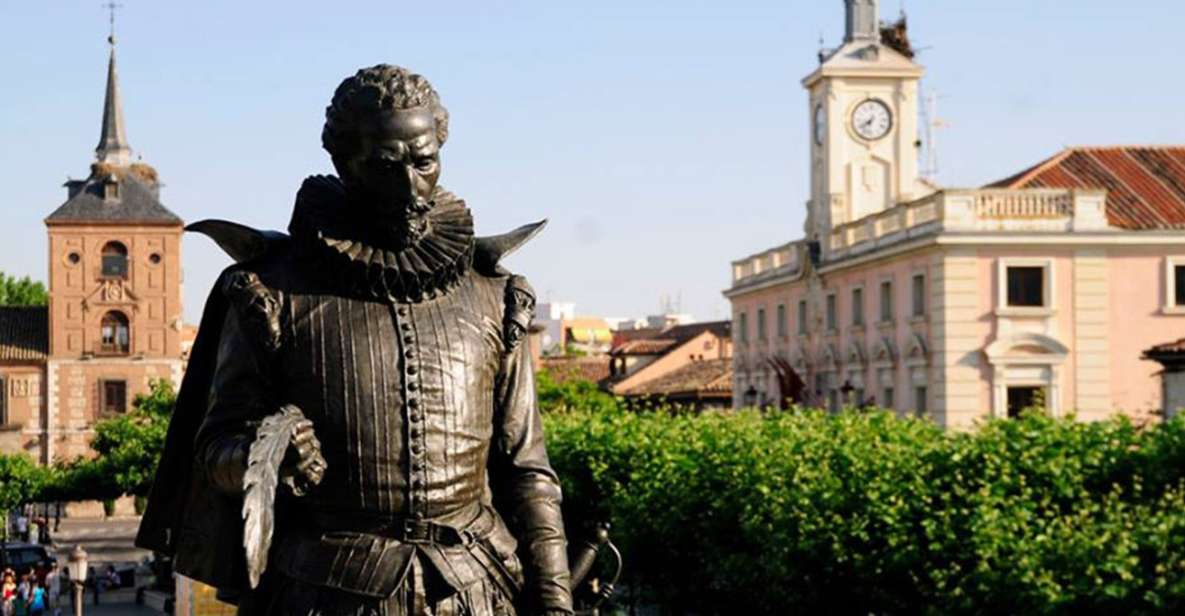
After the birthplace museum, the tour moves to the chapel where Cervantes was baptized. The point of this stop isn’t just religious tourism—it’s the way it puts a human timeline into your head: birth, family, early faith life, and then later the world where his writing takes shape.
You’ll also be pointed toward places connected with his family and with the publication of his work. Even if you don’t catch every detail, you’ll come away with a clearer sense of the link between a writer and a hometown that shaped his identity.
One consideration: this part can feel a little “you’re being shown things” rather than “you’re exploring freely.” If you like to roam at your own speed, keep your expectations aligned with a guided route and just focus on soaking up the big connections your guide is making.
Plaza de Cervantes: the easy orientation moment
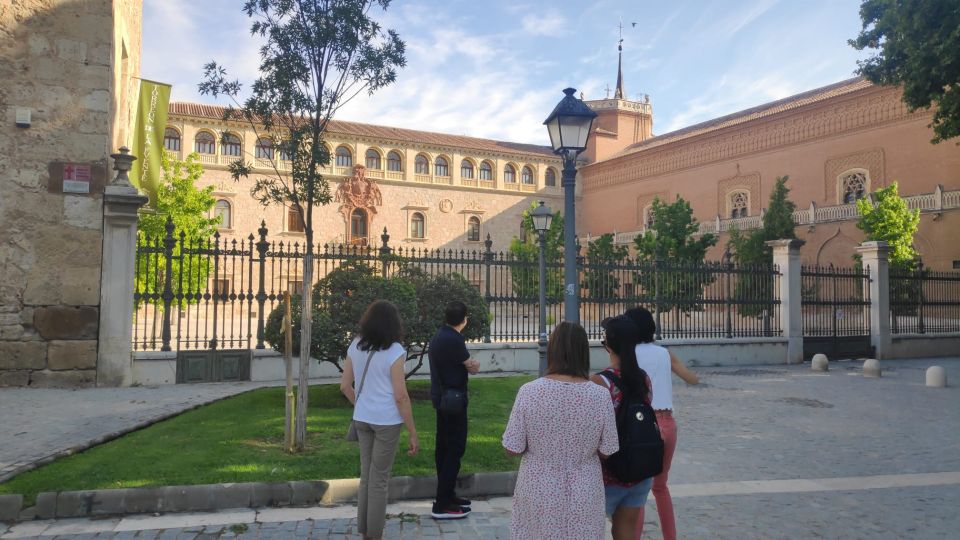
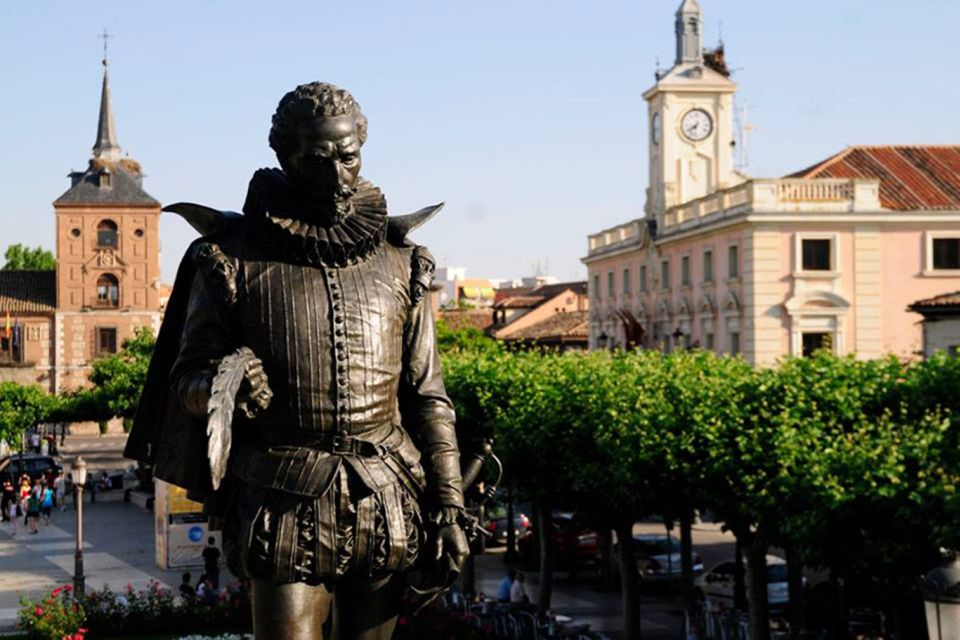
You’ll spend time around the Plaza de Cervantes, including a look at the statue of the author. This stop is brief, but it’s useful. It gives you a mental anchor for the route so the day doesn’t blur together.
Think of it like a reset button. You’ll be moving between indoor sites and historic plazas all afternoon; a photo stop here helps you remember where you are before heading into the university and cathedral areas.
University of Alcalá: Cardinal Cisneros and the oldest halls in Spain
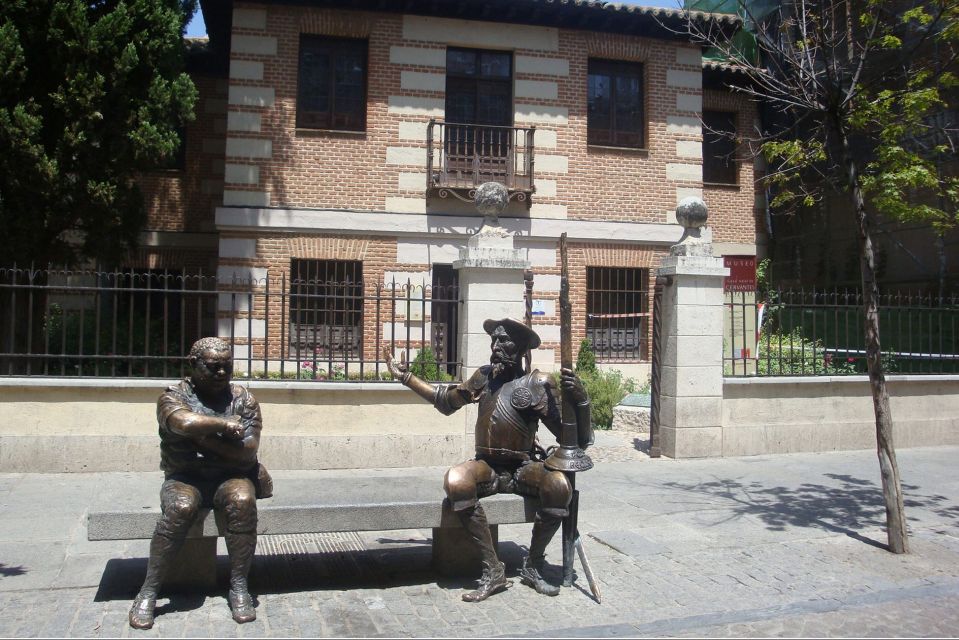
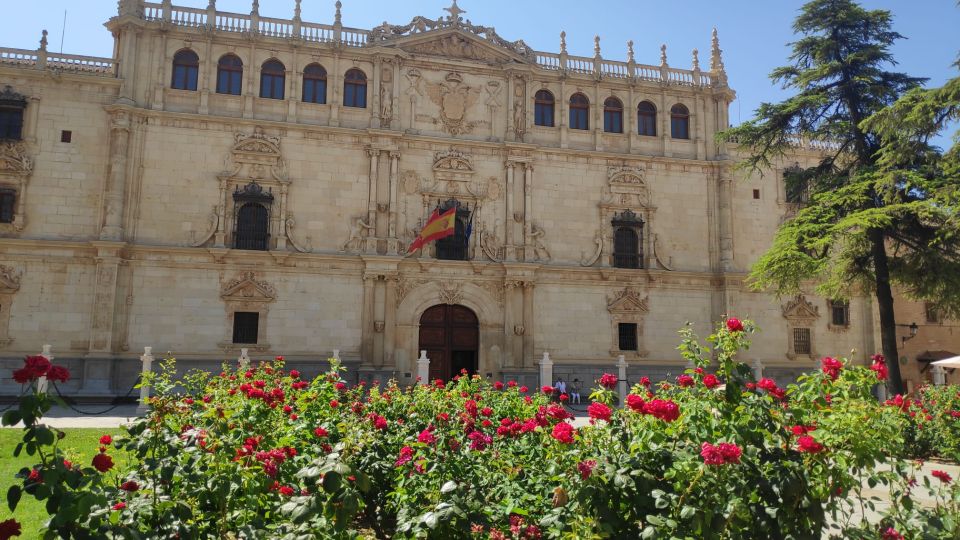
One of the big reasons this day trip works is that it doesn’t treat Cervantes as a solo star. It places him inside an intellectual world at the University of Alcalá de Henares—often described as the oldest university in Spain.
Your guide will bring in the story of Cardinal Cisneros, who worked to establish the university. That detail matters because it explains how education and institutions shaped the culture that artists and writers lived in. It also helps you understand why Alcalá became known beyond literature—this was a real center of learning.
During your time here, you can expect a guided walk through key areas, plus enough space to explore the university grounds before the route continues. If you enjoy old academic architecture and the feel of formal courtyards, this stop is a real payoff.
Magisterial Cathedral and the Plaza de los Santos Niños: a heavy story in a historic setting
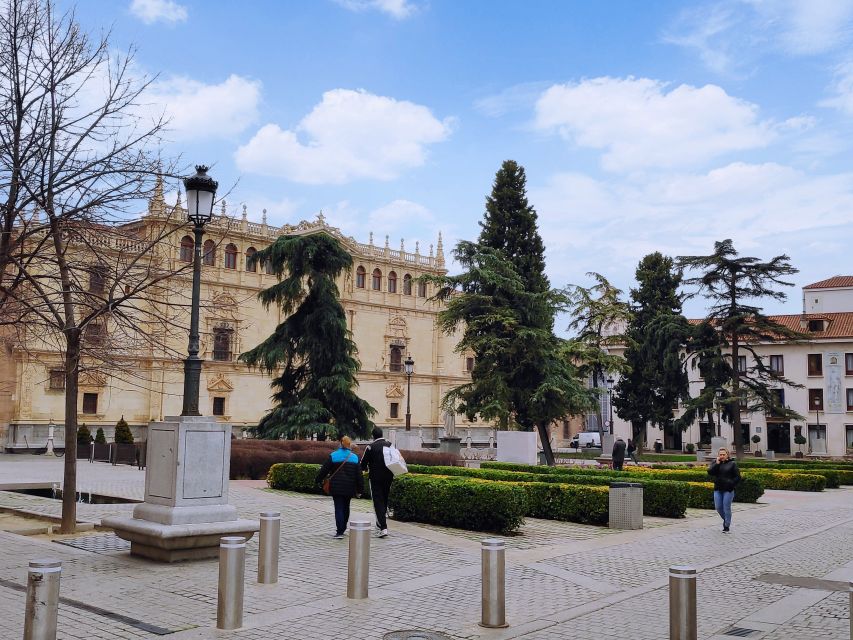
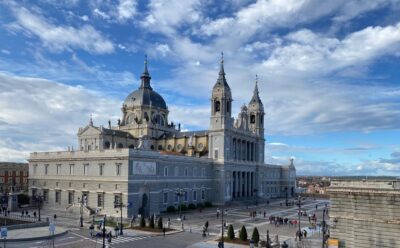
From the university area, you’ll head toward Plaza de los Santos Niños, where the Magisterial Cathedral is located. This stop centers on the cathedral’s association with the story of the child martyrs—a reminder that historic places carry layered meanings, not just pretty stonework.
I appreciate stops like this because they add weight to the day. You’re not only celebrating Cervantes; you’re seeing how the city’s identity has been shaped by events people remembered and retold for generations. It can be emotional, but it’s also the kind of context that makes a UNESCO site feel real rather than ornamental.
Practical note: cathedrals can involve stair steps and uneven surfaces. Even though the tour isn’t designed for wheelchair users, comfortable shoes still matter for everyone since you’ll likely be standing and walking through changes in floor level.
Archbishop’s Palace and Catherine of Aragon: royal history you can point to
The tour closes at the Archbishop’s Palace. This is where you’ll see the connection to royal history: it’s described as a splendid palace where Castilian monarchs once resided, and it includes the detail that Queen Catherine of Aragon was born here.
Why this ending works: you started the day with Cervantes, and you end with someone tied to the same broader Spanish power story. The city becomes more than a literary stop. You start noticing how culture, religion, and monarchy all overlap in the same streets.
Even if you’re not obsessed with royal genealogy, the palace gives you a sense of scale—how important Alcalá was, and how it attracted authority and attention.
Price and value: is $55 a fair deal from Madrid?
At $55 per person for a 5-hour outing, you’re paying for three things that add up quickly if you did them alone: round-trip transportation, a live guide, and tickets to key sites (including the Miguel de Cervantes Birthplace Museum and University of Alcalá).
There’s also the practical value of skipping the ticket line, which is a real time-saver in historic places. That matters because the day is short. You don’t have hours to fight entrances; you want your time spent inside the places you came for.
What’s not included is also part of the value equation: food and drinks aren’t included, so you’ll want to plan for a snack during the break or budget for a later meal back in Madrid. If you’re the type who likes to “plan nothing” and just eat whenever, this may feel slightly incomplete. If you bring a bottle of water and a simple plan, it’s smooth.
What to bring (and what can trip you up)
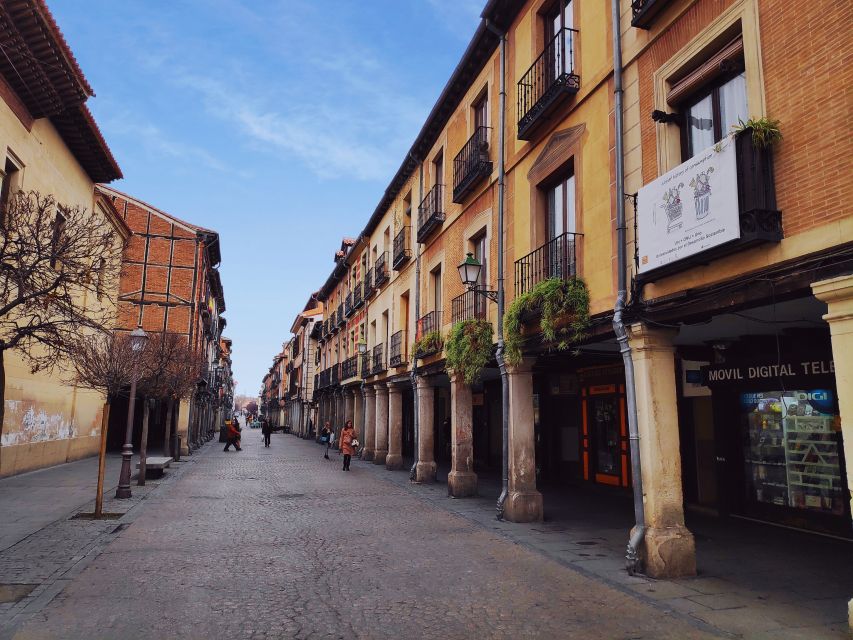
The tour gives solid guidance on essentials, and I agree with it: comfortable shoes, warm clothing, sunscreen, and water. Alcalá’s streets and cathedral areas are the kind of places where your feet start arguing after a while if you’ve chosen shoes for looks instead of comfort.
Warm clothing is especially smart because you’re outside at multiple points, and indoor-to-outdoor transitions can be sudden. Sunscreen may sound silly for a literature day, but you’re still walking outdoors and you don’t want to cook yourself halfway through the afternoon.
One more real-world tip: because the day is structured tightly, if anything delays you at the start—late arrival, confusion at the meeting point—you feel it more than on a longer tour.
Who this day trip suits best
This is a great match if you want:
- A guided, story-driven introduction to Cervantes tied to actual places
- A walkable route that mixes museum, cathedral, and university
- A short outing that doesn’t swallow your entire day in Madrid
It may feel less ideal if:
- You hate being on a schedule and want long free time
- You need wheelchair access (the tour is not suitable for wheelchair users)
- You prefer purely self-guided wandering with lots of independent exploration
Should you book this tour?
Yes, I’d book it if you want a high-impact Cervantes day without the stress of planning tickets and route on your own. The value is strong because the transport + guide + museum/university tickets are bundled, and the itinerary hits several major themes: birth and baptism, education, cathedral history, and royal palace context.
Just go in knowing it’s a fast-paced 5-hour loop. If you’re okay moving at a steady pace, you’ll leave with a much more human sense of Cervantes—and a real feel for why Alcalá de Henares is a UNESCO World Heritage City.
FAQ
How long is the Alcalá de Henares and Cervantes Museum day trip?
The total duration is 5 hours.
Where do I meet the guide?
You meet at Fun and Tickets, San Bernardo 7, outside the shopping gallery.
What’s included in the price?
It includes transportation, a guide, tickets to the Miguel de Cervantes Birthplace Museum, and tickets to the University of Alcalá.
Is food or drinks included?
No. Food and drinks are not included.
What language is the tour guide?
The live tour guide operates in Spanish.
Can I skip the ticket line?
Yes, the tour offers skip-the-ticket-line access.
Is the tour wheelchair accessible?
No. It is not suitable for wheelchair users.