REVIEW · TOLEDO
English Tour – “TOLEDO 3 CULTURES” ⭐⭐⭐⭐⭐
Book on GetYourGuide →Operated by FOLLOW ME TOLEDO · Bookable on GetYourGuide
Toledo has three religions stacked in one city. The Toledo 3 Cultures tour is a focused guided walk that links Christian, Jewish, and Muslim landmarks to the street life around them, from Plaza de Zocodover up through the viewpoints and back. You’ll hear how the same walls and neighborhoods kept changing hands over centuries, and why that still matters today.
Two things I especially liked. First, the stop at Casa Rodrigo de la Fuente includes entrance and connects directly to El Greco’s famous medical world through Rodrigo himself. Second, the tour treats Toledo’s famous swords and Toledan steel as more than a slogan, tying craft and trade to the rhythms of daily life you can still sense as you walk.
One possible drawback to know up front: it’s short, so there’s a lot of movement on cobbled streets with uphill and downhill. If you prefer slow, deep stops, you may wish it ran a bit longer.
In This Review
- Key highlights I’d plan my day around
- Why Toledo 3 cultures works in just 1.5 hours
- Meeting at Zocodover: quick start, easy orientation
- Alcázar stop: the city’s power story in miniature
- Plaza de la Magdalena: where the tour slows down
- Mosque of the Tornerías: an 11th-century anchor point
- Plaza de las Cuatro Calles and the feel of overlap
- Jewish Toledo: synagogues, viewpoints, and crafts
- Stop for meaning: the legend at Mirador del Paseo de San Cristóbal
- Church stops: Iglesia del Salvador and Iglesia de los Jesuitas
- Casa Rodrigo de la Fuente: El Greco’s doctor connection
- Toledo Cathedral and the civic center feel like the big closing act
- Swords and Toledan steel: why this theme makes sense
- Walking pace and what to expect on cobblestones
- Price and value: $10 for a guided “map of meaning”
- Who should book this tour
- A final decision: should you book Toledo 3 cultures?
- FAQ
- How long is the tour?
- Where does the tour start and end?
- Is it an English tour, and is it guided?
- Does the tour include any entrance fees?
- How many people are needed for the tour to run?
- Is it wheelchair accessible?
Key highlights I’d plan my day around
- Three cultures, mapped by real places: you walk from Zocodover into the older quarters instead of bouncing around the city by bus.
- Casa Rodrigo de la Fuente entry included: a rare “you’re here, now look” visit at a standout house tied to El Greco.
- Mosque of the Tornerías (11th century): the tour keeps dropping you into specific timelines as you move through Toledo’s street grid.
- Swords and Toledan steel history: craftsmanship shows up as a living thread, not just a medieval fact.
- Mirador del Paseo de San Cristobal: views plus the legend of the Toledan Night with Mozarabs beheaded in the 9th century.
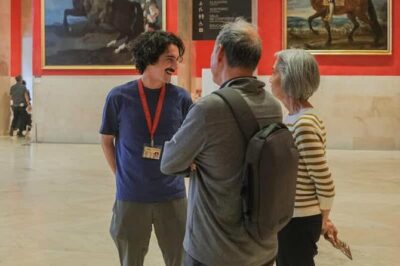
- High-energy English guides: locals like Carlos and Sara, and guides like Marian and Maria Ángela, bring the stories with humor and clarity.
Why Toledo 3 cultures works in just 1.5 hours
Toledo is one of those places where you can get lost easily and still feel like you’re seeing everything. This tour solves that problem fast. Instead of trying to cover every monument, it links key stops to one idea: the city grew from overlapping communities, and the architecture and street layout are the evidence.
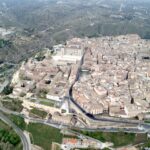
I like the structure because it gives you a mental map. You start at Zocodover, you move through narrow lanes, you hit a major square, then you rise toward viewpoints and finish near the big civic and religious center. It’s a logical loop that helps you return later on your own with better instincts.
You can also read our reviews of more tours and experiences in Toledo.


Meeting at Zocodover: quick start, easy orientation
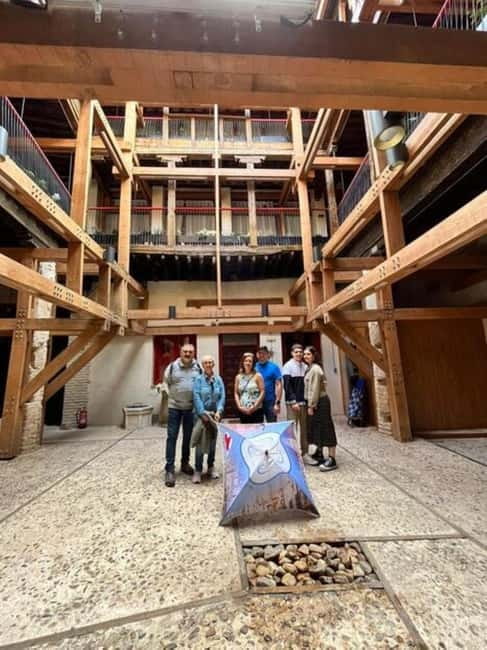
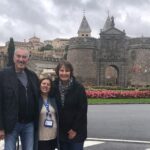
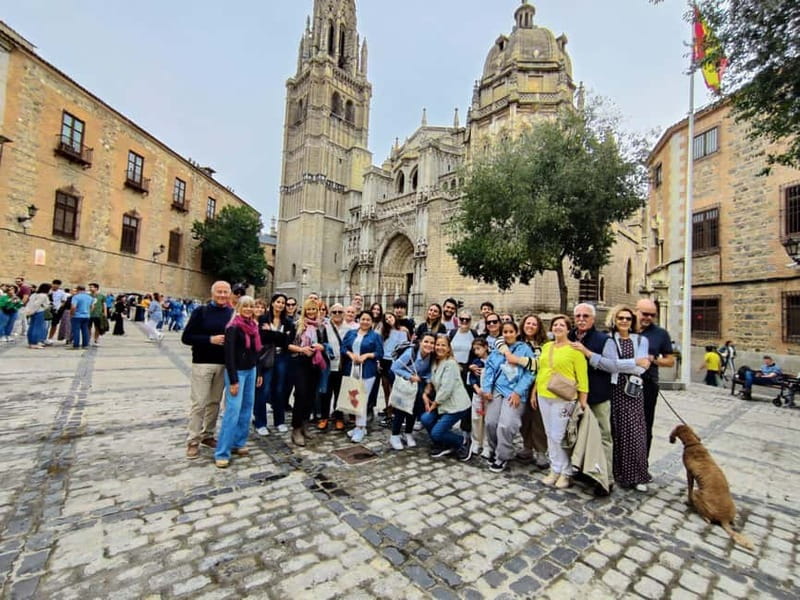
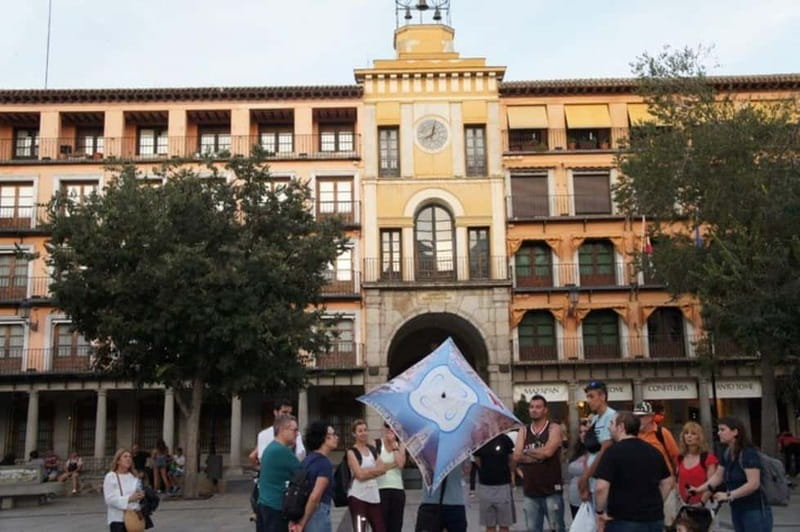
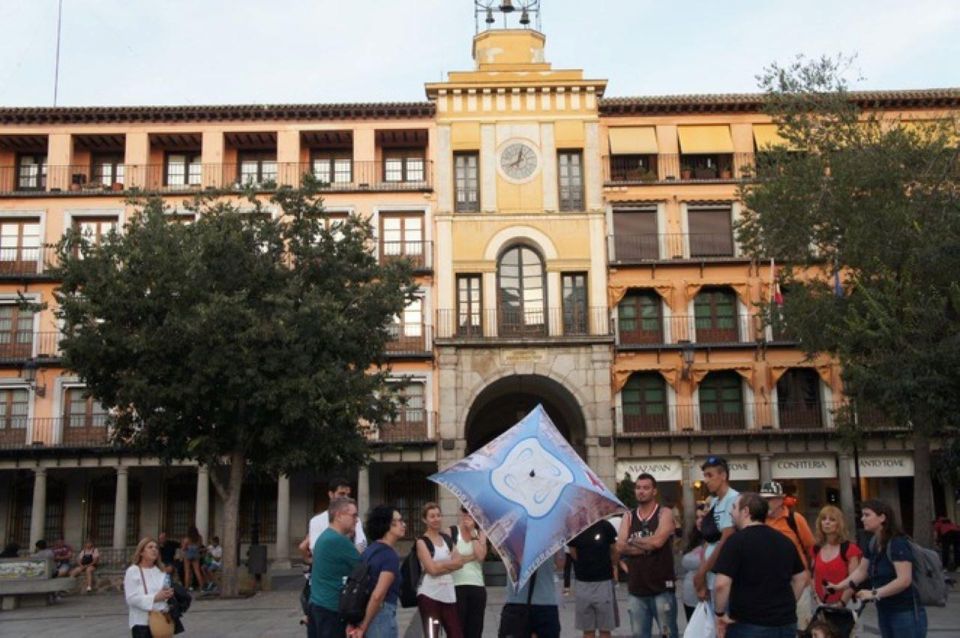
The tour meets at Plaza de Zocodover 5, right beside a pharmacy and a Koker store, inside the FollowMe Toledo office. That matters more than it sounds. Zocodover is a natural hub, and starting in a known, central square helps you avoid the panic of hunting for your group in Toledo’s tighter streets.
From there, you follow your guide into the center’s narrow streets. These lanes aren’t just charming scenery. The guide explains how the street patterns shaped life, movement, and even how different communities could live close together while still having their own spaces.
If you’re trying to fit this into a busy day, the 1.5-hour length is the sweet spot. It’s long enough to change how you see the city, but short enough that you can still do one big independent attraction afterward.
Alcázar stop: the city’s power story in miniature
The route includes a guided stop at the Alcázar of Toledo. Even when the walk is brief, this is where you get important context for why Toledo mattered. Fortresses and royal buildings weren’t decorative here. They were the kind of structures that signal control, protection, and political change.
What I found useful is that the tour doesn’t treat buildings as isolated landmarks. It keeps connecting what you’re seeing to the bigger handover story across centuries. That approach makes later stops feel less random.
Plaza de la Magdalena: where the tour slows down
Next you reach Plaza de la Magdalena, followed by visits in the old streets that lead toward major religious sites. Squares like this are practical moments in a guided walk. They give you space to regroup, hear details without shouting through the tightest alleys, and orient your eyes for the next turn.
From a comfort standpoint, it’s also where you can take a breath. Toledo’s streets can be steep and uneven, and a square stop helps you reset before the climb continues.
Mosque of the Tornerías: an 11th-century anchor point
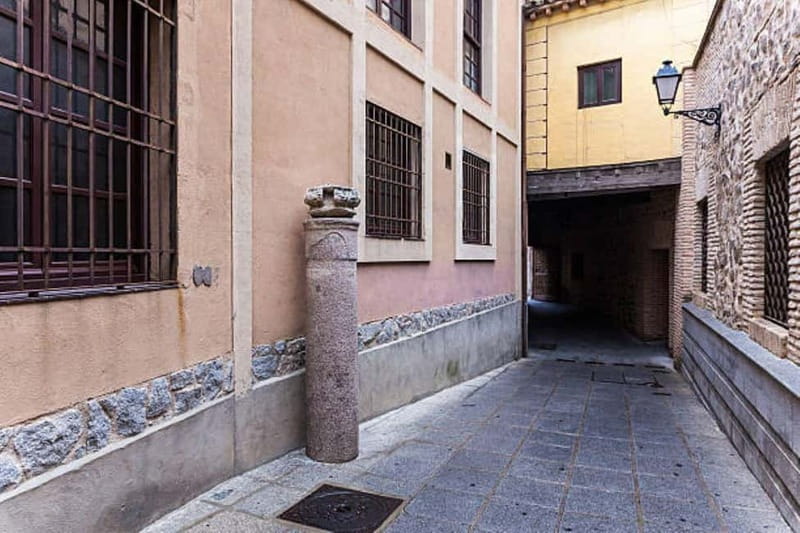
One of the standout facts built into the experience is a visit connected to the Mosque of the Tornerías, with chronology placed in the 11th century. The tour uses it as a timeline anchor: you’re not just hearing that Muslims lived here at some point. You’re seeing a specific historical thread tied to a specific location.
That’s the value of a good guided walk. Instead of “there was Islamic influence,” you get something clearer: this city’s three-culture story was written in buildings and dates, and you can track it while you walk.

Plaza de las Cuatro Calles and the feel of overlap
The tour moves next to Plaza de las Cuatro Calles, another key orientation point inside the old town. This is where Toledo’s layout starts to click. Your guide helps you understand why this kind of street network made it easier for different communities to exist in close proximity—without erasing their differences.
If you like history that feels physical, this part delivers. It’s not only about monuments. It’s about how the city’s everyday geography supported centuries of coexistence and tension.
Jewish Toledo: synagogues, viewpoints, and crafts
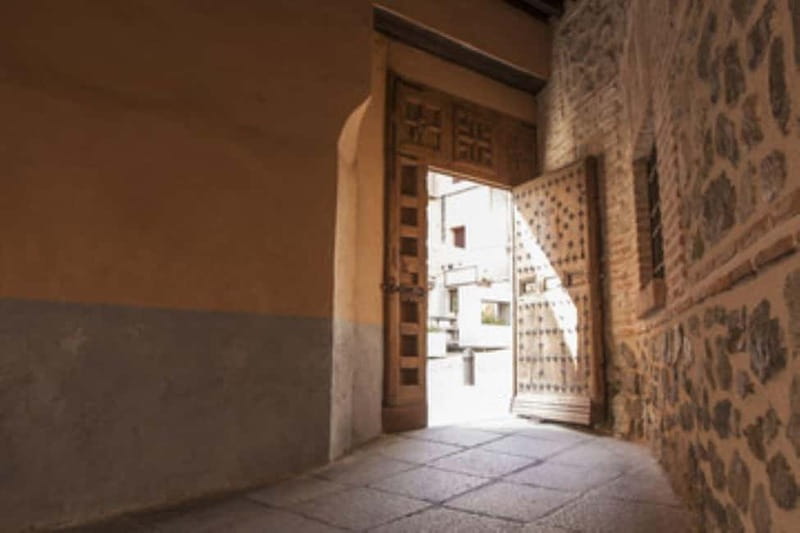
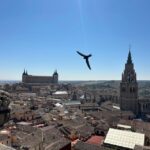
The walk continues through the Jewish quarter area, and you’ll also get one of the tour’s most scenic segments from the viewpoint zone near San Cristóbal.
As you move, the tour points out sight lines and landmarks including the Synagogue of El Tránsito, Santa María la Blanca, and the Church of Santo Tomé. I like that the guide doesn’t throw these names at you like a checklist. The storytelling connects them back to the neighborhoods you’re standing in, so the religious architecture becomes part of a human map.
One especially interesting detail included in the experience is observing the cigarette plantations of Toledo from the elevated area and how that neighborhood looks from above. It’s the kind of moment that reminds you Toledo isn’t only museum walls. It’s a working city with layers of everyday life.
Stop for meaning: the legend at Mirador del Paseo de San Cristóbal
At the Mirador del Paseo de San Cristóbal, the tour includes the Legend of the Toledan Night. The story centers on a ninth-century revenge cycle tied to Mozarabs being beheaded, and it’s presented as part of the long memory behind the city’s neighborhoods.
I recommend treating this as a two-part stop. First, take in the views. Then, listen to how the guide frames the legend as a cultural warning sign. It’s dramatic material, but the point isn’t shock. The point is how collective memory shapes what people keep talking about long after the events.
And yes, the views are practical too. Once you’ve seen the city from here, you’ll recognize directions later when you wander.
Church stops: Iglesia del Salvador and Iglesia de los Jesuitas
The tour includes Iglesia del Salvador and Iglesia de los Jesuitas after the viewpoint segment. These are the moments where the tour returns from the dramatic storytelling toward the visible architecture and the Christian thread of the city’s changing eras.
In a short tour, it’s easy for church stops to become “look at that building” without context. Here, the guide works to keep the theme moving: place, time, and community. That approach makes each stop feel like it belongs to the same guided argument rather than random sightseeing.
If you’re the type who enjoys hearing how art and power connect, this section is a good bet. You also get a smoother transition toward the big finale around Toledo’s central institutions.
Casa Rodrigo de la Fuente: El Greco’s doctor connection
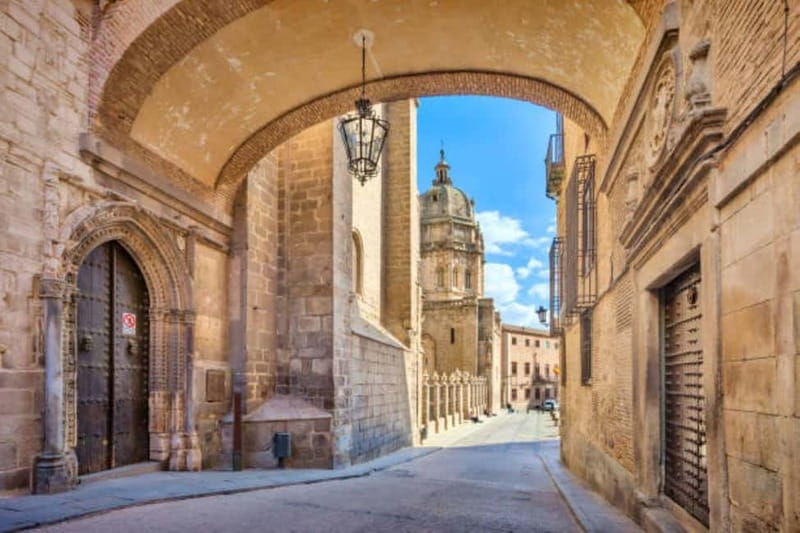
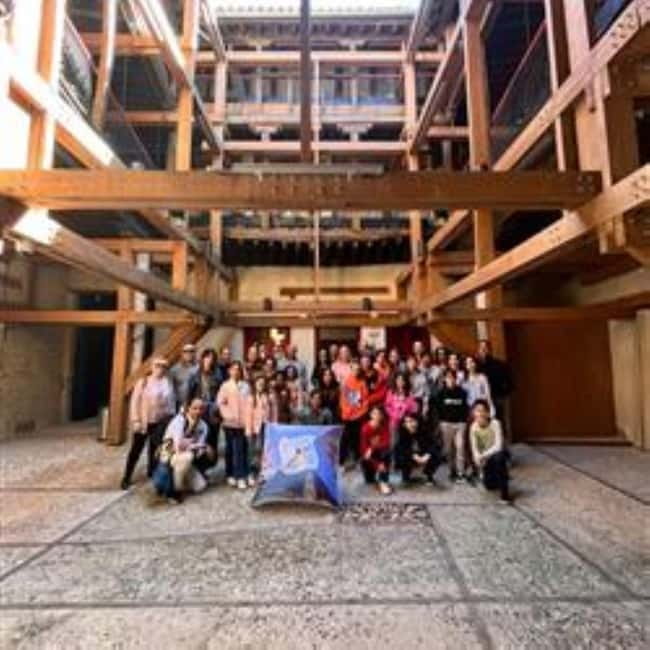
Then comes Casa Rodrigo de la Fuente, with entrance included. This is one of the tour’s best “you can’t DIY this quickly” moments. The house is tied to Rodrigo de la Fuente, described as a famous doctor associated with El Greco’s world.
What I liked here is the blend of craft and story. The experience frames Toledo’s reputation for detailed workmanship, and it makes sense as you look at a preserved home tied to a famous figure. It’s not just another stop for photos; it’s a way to understand the social and cultural networks behind the art era.
If you care about the way Toledo produced talent and patrons, you’ll appreciate this stop. It gives you a human thread to hold onto as the tour swings from religious architecture to craftsmanship.
Toledo Cathedral and the civic center feel like the big closing act
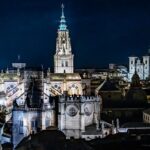
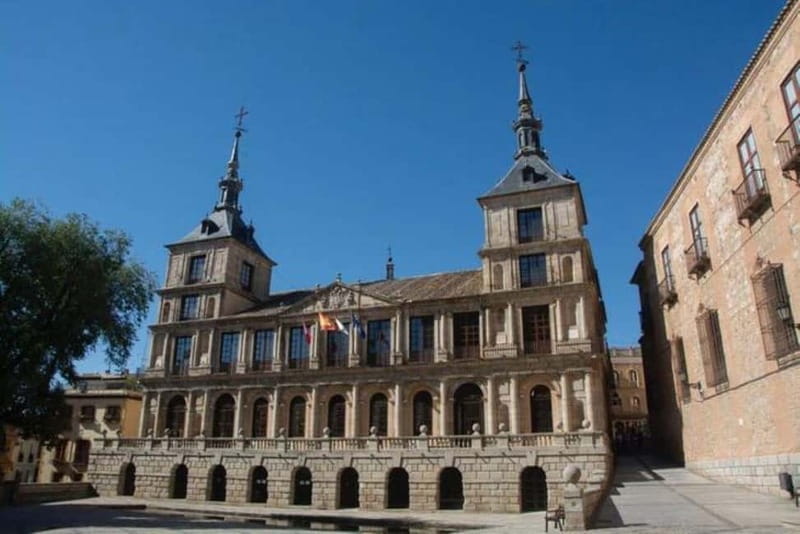
The itinerary includes Toledo Cathedral, and the tour sets you up for it through the central setting around Plaza del Ayuntamiento, with the surrounding Toledo City Hall and the Archbishop’s Palace.
By the time you reach the cathedral area, you can feel why it’s the famous end of the loop. It’s the scale of it, yes. But it’s also how the guide ties it back to earlier stops. The cathedral doesn’t feel separate anymore. It feels like the culmination of the same long story, seen through a Christian lens in a later chapter.
From a planning perspective, this is a smart close because you’re ending in a place where you can keep exploring. After the guided walk, you’re not stuck wondering where to go next. You’ve already arrived in the right neighborhood.
Swords and Toledan steel: why this theme makes sense
One of the stated highlights is the history of Toledo’s swords and Toledan steel. This is more than a fun medieval detail. Toledo became famous for metalwork because of skills, trade, and the kind of organized craft culture that grows when a city has demand and talent.
During the walk, the tour keeps weaving this thread into what you see. You’re not staring at swords in a shop window and calling it history. You’re learning why the craft reputation stuck, and how it links back to the wider culture shifts the city lived through.
If you like cultural history that connects to real trades, this is a big plus. It gives Toledo a practical identity, not only a religious one.
Walking pace and what to expect on cobblestones
The tour is built for an active pace. You’ll navigate narrow streets, and the route includes uphill and downhill segments. It lasts about 1.5 hours, so the guide keeps moving while still pausing for key explanations.
Here’s my practical advice: wear shoes you trust. Toledo’s stones can be slippery when wet, and even when it’s dry, the uneven surfaces add effort. If you’re sensitive to walking time, consider taking a slow approach to your day around this tour rather than stacking it right after a long bus ride.
Also, group size can vary. One review noted a group larger than expected, and brief explanations at stops can feel quicker if the group is bigger. Still, the tour format stays clear: short stops, guided context, then you’re walking again.
Price and value: $10 for a guided “map of meaning”
At $10 per person, this tour is priced like a budget-friendly orientation walk, but it doesn’t feel like a bare-bones deal. For the time it gives you, it covers a lot of ground in the old city and includes entrance to Casa Rodrigo de la Fuente.
In plain terms: you’re paying for an English live guide, tight route planning, and the ability to understand what you’re seeing without turning your phone into a full-time job. If you’re visiting Toledo for a short window, this is the kind of spend that usually pays back. You’ll know where to return and what to focus on.
If you already plan to spend hours reading and researching, you might not need the guide. But if you want the city to make sense while you’re actually there, this price is hard to argue with.
Who should book this tour
This is a strong fit if you:
- Want a guided, high-signal overview of Toledo’s three-culture story
- Enjoy walking tours that include specific places like Mosque of the Tornerías, Jewish quarter landmarks, and the Mirador del Paseo de San Cristóbal
- Want a connection to art-era Toledo through Casa Rodrigo de la Fuente and the El Greco link
It may be less ideal if you:
- Prefer long museum-style time at each site
- Struggle with steep cobblestones and moving at a steady pace
- Need a very slow, deeply detailed explanation at one stop for the whole visit
A final decision: should you book Toledo 3 cultures?
If your goal is to understand Toledo quickly, this tour is a smart choice. The 1.5-hour format gives you structure without exhausting you, and the stops add up to a coherent story: places of worship, viewpoints, and a real craft reputation behind the swords and steel.
Book it if you like learning as you walk and you want names, dates, and context tied to real locations. Skip it only if you’re looking for a long, sit-down experience at fewer sites. For most first-time visitors, this hits the sweet spot between history, atmosphere, and practical city orientation.
FAQ
How long is the tour?
The tour runs about 1.5 hours.
Where does the tour start and end?
It starts and ends back at Plaza de Zocodover 5, inside the FollowMe Toledo office, beside the pharmacy and a Koker store.
Is it an English tour, and is it guided?
Yes. The tour is a live guided experience in English.
Does the tour include any entrance fees?
The tour does not require you to pay additional entrance fees. Entrance to Casa Rodrigo de la Fuente is included.
How many people are needed for the tour to run?
A minimum of 6 people is required for the tour.
Is it wheelchair accessible?
Yes, the activity is wheelchair accessible.