REVIEW · TOLEDO
Toledo Cathedral Guided Tour in Spanish
Book on GetYourGuide →Operated by Secretos de Toledo · Bookable on GetYourGuide
Toledo Cathedral hits different. A guided visit here connects the site’s Islamic, Visigoth, and Christian layers in a way you’ll feel right away. You’re not just looking at big stonework; you’re watching centuries overlap on the same ground.
I love two parts most. First, the outside portals, especially the Portal of the Lions with its dramatic statues, give you instant “story mode” for the building. Second, inside, the guide points out how the cloister and huge arches let light travel through vaults and galleries in a way that makes the architecture easier to understand.
One thing to keep in mind: the tour price doesn’t include the cathedral entry fee. You’ll have to pay the €12 entrance fee separately on the day, and I’d plan for a bit of confusion if you expect that ticket to be bundled.
In This Review
- Key highlights you’ll remember
- Why Toledo Cathedral feels like a time machine
- Meeting Secretos de Toledo and getting inside fast
- The main facade and those monumental portals
- Inside, where the light shows you the architecture
- Reading the Islamic and Visigoth clues without guessing
- The main altar, sacristy, and chapter room
- Price and logistics: what $14 actually buys
- How guides seem to shape your visit (David, Maria, and pacing)
- What to wear and how to plan your visit
- Who should book this Toledo Cathedral guided tour
- Should you book it? My practical call
- FAQ
- What language is the guided tour in?
- How long is the guided tour?
- Where is the meeting point?
- What is the price of the tour?
- Is the cathedral entrance fee included in the tour price?
- Are children free to enter?
- Does the tour include skipping the ticket line?
- What should I wear?
- Is the experience wheelchair accessible?
- What is the cancellation policy?
Key highlights you’ll remember
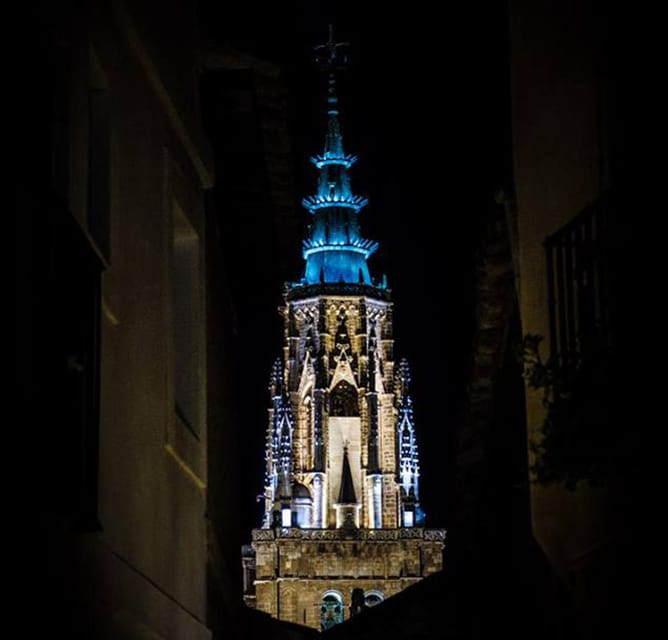
- Portal of the Lions: those elaborate statues make the facade feel like a living lesson.
- Mosque-to-cathedral history: you’ll learn how the site shifted during the Moorish era.
- Light through huge arches: the interior layout isn’t just pretty; it’s functional.
- Cloister details: you’ll see the illuminated spaces the guide helps you notice.
- Three religions in one city: the guide ties the cathedral to Toledo’s Christian, Islamic, and Jewish past.
- Art and ceremony spaces: you’ll be shown the main altar, sacristy, and chapter room.
Why Toledo Cathedral feels like a time machine
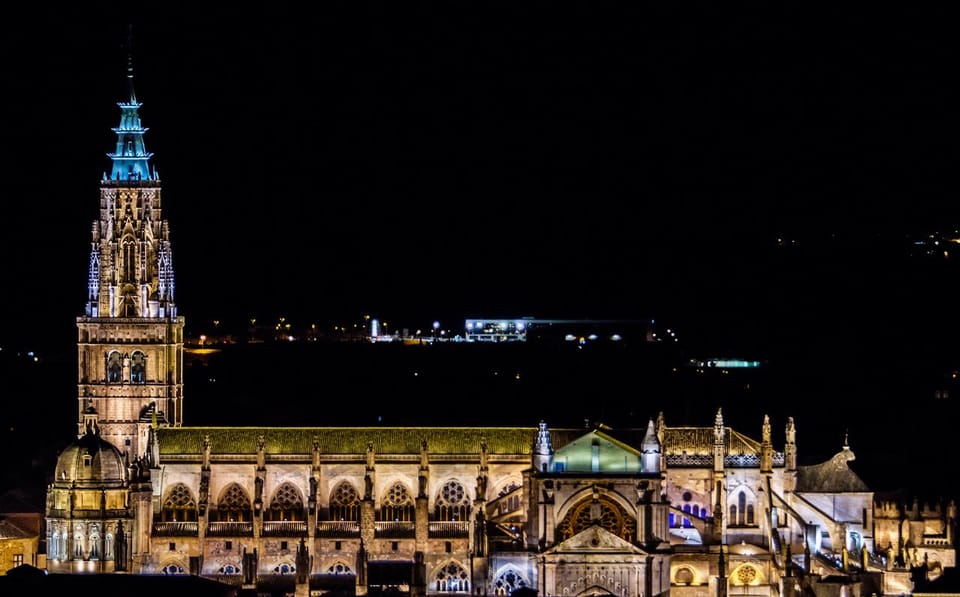
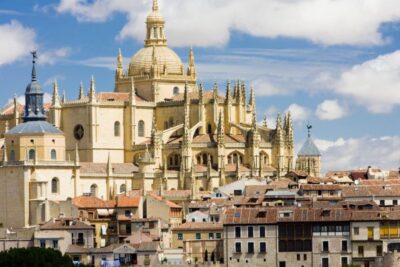
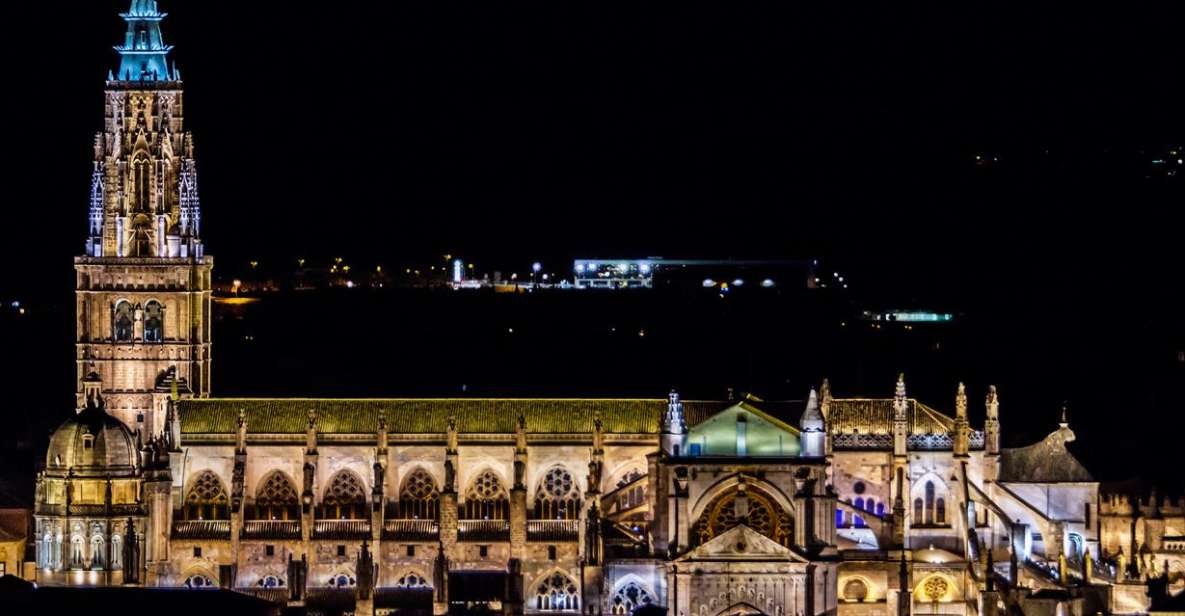
The Primate Cathedral of Saint Mary of Toledo sits on a complicated foundation. The building you see today was built in 1226 on the remains of an older Visigoth temple and later a former mosque from the Moorish era. That overlap matters, because it explains why the cathedral doesn’t feel like a single-style monument.
On this tour, the story stays concrete. You start at the main facade and monumental doors, then you move inside and the guide keeps connecting what you’re seeing to what came before. It’s a lot easier to appreciate the cathedral when someone helps you read the layers instead of treating every arch as just decoration.
And Toledo itself is part of the point. You’ll get an insight into how the city became a confluence of Christianity, Islam, and Judaism, and how that history shaped what built here and what survived.
You can also read our reviews of more guided tours in Toledo
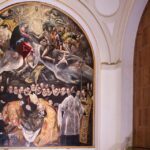
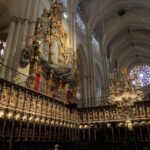
Meeting Secretos de Toledo and getting inside fast
You’ll meet at Secretos de Toledo, in the hall of number 7, Calle Hombre de Palo. At the end on the right, you’ll find the office of the local partner.
This tour is set up to reduce waiting. It includes skip-the-ticket-line, and the guide begins leading you through the cathedral’s big moments once you’re in. The practical catch is that you still need to pay the cathedral entrance fee separately.
Here’s the key logistics point I’d follow: treat the €12 per-person entry fee as something you’re responsible for on the day. Children under 06 can enter for free, but discounts for other ages depend on age, so don’t assume.
If you like to travel smoothly, come dressed for quick entry checks. You can’t wear sleeveless shirts or see-through clothing.
The main facade and those monumental portals
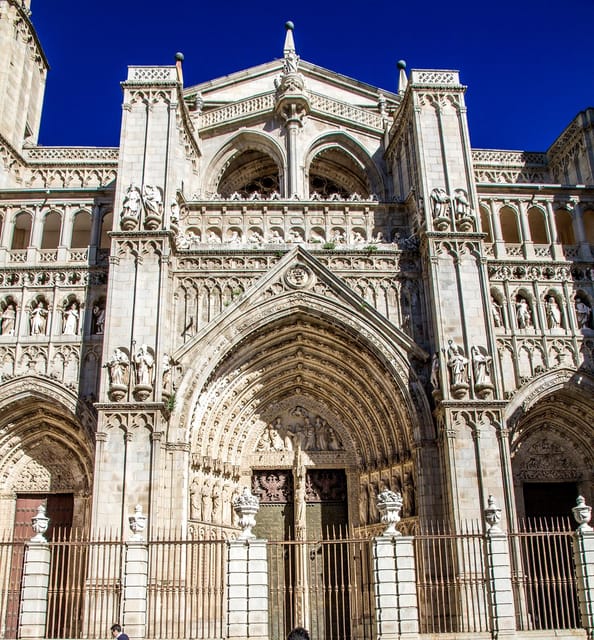
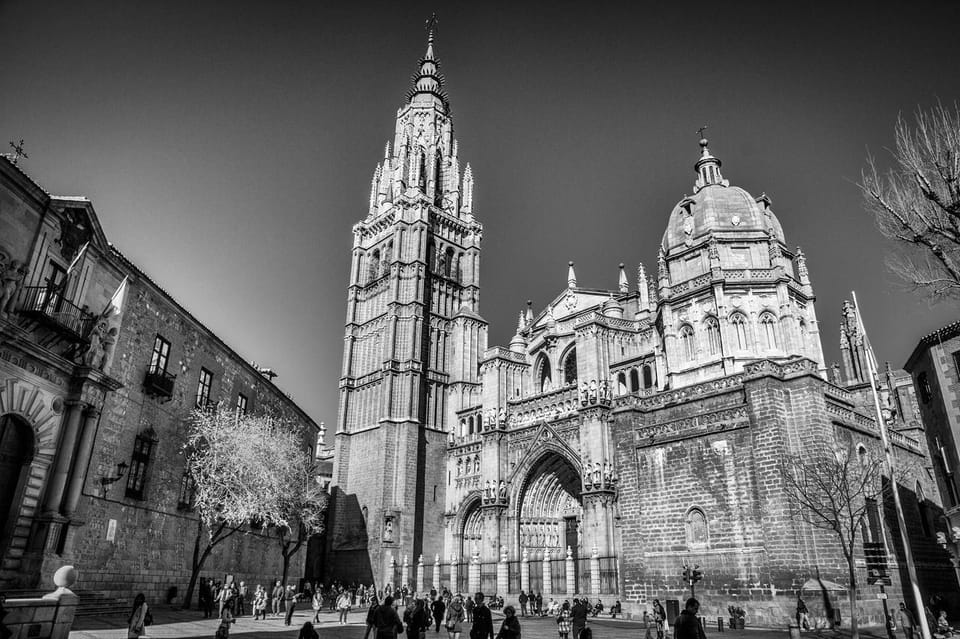
The tour starts with the outside view, because the cathedral basically introduces itself through the facade. You’ll stand where you can see the main facade with its monumental doors, then the guide zooms in on the portals that carry sculpted meaning.
The Portal of the Lions is the standout described on this experience. You’ll admire the ornate statues and the way that facade features work like a guidebook made of stone. It’s not just “look at art”; the guide helps you understand how sculpture and design were used to communicate ideas at the street level.
This is also where you start getting the rhythm of the building. Once you’ve mapped the main entrance details, you’ll have an easier time inside when the guide points out architectural elements tied to the site’s earlier history.
Inside, where the light shows you the architecture
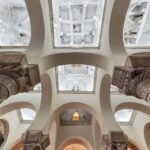
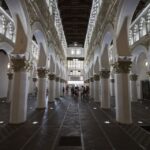
Step into the cathedral and you’ll immediately notice that the space is designed for changing light. The guide directs your attention to how vaults and galleries work with those huge arches so light can seep through in a controlled way.
You’ll also see the cloister in an illuminated form. Even if you’re not a “cathedral person,” the cloister can be a turning point because it gives you a calmer, more intimate view of the building’s structure.
What I like about this part is the teaching style. Instead of tossing dates at you, the guide points out physical features: arches, vaults, openings, and sightlines. That makes it easier for you to imagine how the building functioned when it was serving different religious roles over time.
If you’re the type who likes to photograph, keep in mind that light matters. This cathedral’s look isn’t one flat scene; it changes depending on where you stand and what openings catch the sun. Let the guide’s directions steer you to the best spots.
Reading the Islamic and Visigoth clues without guessing
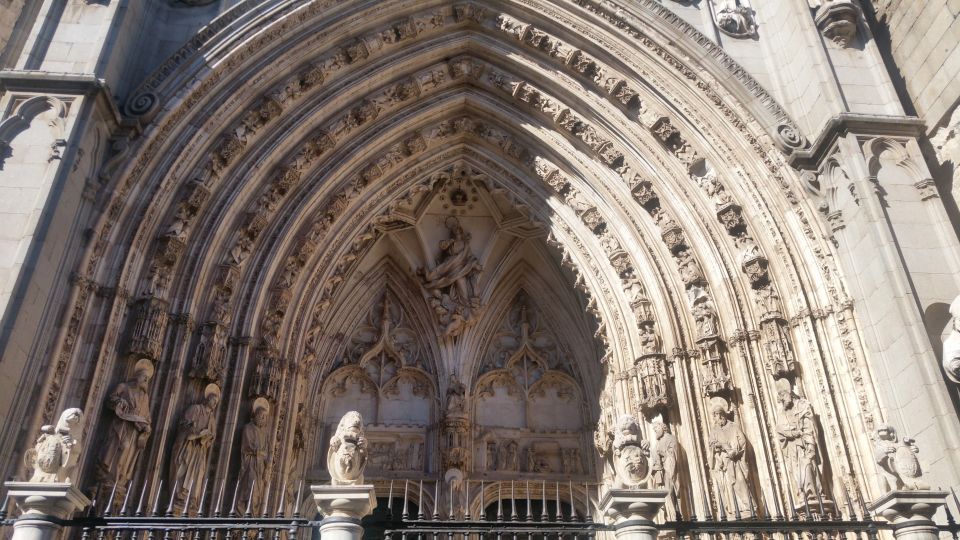
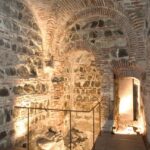
One of the best reasons to do a guided tour here is that the cathedral is visually busy, and it’s tempting to guess. This is a site with a former mosque, and the guide helps you identify architectural elements that indicate Islamic history of the location.
You’ll learn that the current structure was built on earlier sacred ground, which explains why you can sense continuity even when styles shift. The tour frames the “why” behind those clues, so you don’t feel like you need to be a scholar to understand what you’re seeing.
You’ll also connect the cathedral’s layered past to the broader story of Toledo. The guide’s explanations focus on the city as a place where cultures and religions overlapped, rather than treating the cathedral as an isolated big building. That context is what turns confusing details into something meaningful.

The main altar, sacristy, and chapter room
This tour doesn’t only cover the wow-factor exterior and a quick inside stroll. You’ll be guided through multiple sections where the cathedral’s role as a working religious space shows up.
You’ll explore areas such as the main altar, the sacristy, and the chapter room, where religious ceremonies take place. Seeing these spaces makes the cathedral feel less like a museum piece and more like a place built for ongoing ritual and community life.
This is also where the “three religions” theme becomes more than a history line. You’ll get an insight into why Toledo mattered to Christianity, Islam, and Judaism—and how that confluence played out in the built environment. The guide ties the themes back to what’s still visible in the cathedral today.
If you like your history practical, this portion is the payoff. It helps you understand how architecture, symbolism, and ceremony spaces worked together.
Price and logistics: what $14 actually buys
Let’s talk value, because this is where most people get tripped up. The tour price is listed around $14 per person, but the cathedral entrance fee is separate at €12 per person and paid on the day at the meeting point.
Is that still a good deal? Often, yes. You’re paying for a Spanish-speaking guide specialized in Toledo’s history, plus the experience is designed to help you “read” a complex site. Skip-the-ticket-line can also save time, especially if you’re visiting during busier hours.
What I recommend: factor the full cost in your planning right away. In your head, budget for the guided portion plus the €12 entrance, and you’ll feel calmer when you arrive.
One practical caution from real-world experience: people can assume the entrance is included. The tour is the guide service, not the cathedral ticket, so go in expecting to purchase the entry fee on arrival.
Also note the tour includes a live guide in Spanish. If you don’t feel comfortable in Spanish, this may feel heavy, even if the cathedral itself is stunning.
How guides seem to shape your visit (David, Maria, and pacing)
You’ll want to think about one less obvious factor: the guide’s pacing and energy. The cathedral is big, and the visit relies on someone steering your attention.
In feedback, guides such as David have been singled out as great, with visitors saying they really enjoyed the tour. Another guide named Maria also received high praise for being friendly and doing her best even when she wasn’t feeling well at the end.
On the flip side, there’s also feedback that a guide can feel rushed or less enthusiastic. That’s not something you can control, but you can protect yourself by arriving on time, wearing comfortable clothes, and keeping expectations realistic: this is a guided history-focused visit, not a long free-roam museum day.
My advice: treat the tour as the fastest path to understanding the cathedral. If you want extra quiet time afterward, plan a little buffer so you can return to the areas you liked most at your own pace.
What to wear and how to plan your visit
This cathedral has dress rules. You can’t wear sleeveless shirts or see-through clothing, so dress in a way that passes quickly through checks. Layers help too, because churches can shift from cool shade near cloisters to brighter open spaces outside.
Bring your patience for details. The best part of a cathedral tour is when you notice small transitions: facade to portal, portal to interior arches, arches to cloister, cloister to ceremonial spaces. If you’re moving fast through Toledo the same day, you may want a slower pace around the cathedral so you can actually absorb it.
Wheelchair access is listed as available, so if you’re planning accessibility needs, this is a better fit than some older, tighter sites. Still, you’ll want to follow any guidance from the staff and the guide on where movement is easiest.
Language matters here. The tour is in Spanish, and the guide is there to explain the building’s history and Toledo’s three-religion context. If you’re learning Spanish or you’re comfortable with it, this is a fun way to practice while seeing real architecture.
Who should book this Toledo Cathedral guided tour
This is a strong choice if you want your cathedral visit to come with meaning. If you like understanding how a place evolved—especially a site connected to a former mosque—you’ll likely get a lot out of the guided storytelling.
It’s also a good fit for:
- Travelers who appreciate architecture but don’t want to figure out what’s Islamic, Visigoth, and Christian on their own
- People who want to see multiple interior areas, including spaces like the chapter room
- Visitors who prefer structured time with a Spanish-speaking specialist
You might skip it (or pair it with extra self-guided time) if:
- You want a long, quiet wander without explanation
- Your Spanish level is basic and you’re worried you’ll miss key points
- You’re hoping the entrance fee is included in the listed tour price (it isn’t)
Should you book it? My practical call
I’d book this tour if your goal is to understand why Toledo Cathedral looks the way it does. The most convincing value here is the way the guide links visible details—portals, arches, cloister spaces, and ceremonial rooms—to the site’s layered past, including the Moorish-era mosque connection.
If you’re comfortable paying the €12 cathedral entry fee separately and you’re good with a Spanish guided experience, you should feel satisfied. Just build the total cost into your day and show up ready to pay the entrance on-site.
If you’re sensitive to rushed pacing, arrive early enough to settle in and listen from the start. And if you care most about art and architecture, this tour gives you a guided route that helps you notice what’s easy to miss when you’re on your own.
FAQ
What language is the guided tour in?
The guided tour is conducted in Spanish.
How long is the guided tour?
The scheduled guided time at Toledo Cathedral is listed as 1.5 hours (with the cathedral guided portion shown twice on the schedule).
Where is the meeting point?
Meet at the hall of number 7, Calle Hombre de Palo, and at the end on the right you’ll find the Secretos de Toledo office.
What is the price of the tour?
The tour price is listed as $14 per person.
Is the cathedral entrance fee included in the tour price?
No. You must pay the cathedral entrance fee separately. The entrance fee is €12 per person.
Are children free to enter?
Children under 06 years of age are free entry. Discounts for other ages depend on age.
Does the tour include skipping the ticket line?
Yes, it includes skip-the-ticket-line.
What should I wear?
Sleeveless shirts and see-through clothing are not allowed.
Is the experience wheelchair accessible?
Yes, wheelchair accessibility is listed for this activity.
What is the cancellation policy?
Free cancellation is available up to 24 hours in advance for a full refund.