REVIEW · EL ESCORIAL
San Lorenzo de El Escorial: Monastery and Site Guided Tour
Book on GetYourGuide →Operated by Todo Tours Gestion SL · Bookable on GetYourGuide
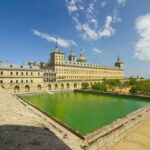
El Escorial feels like a stone argument. This guided visit takes you into the Royal Monastery of San Lorenzo de El Escorial, one of Spain’s biggest Renaissance statements, and ties it directly to Philip II and the Spanish Golden Age. It’s a UNESCO site that can feel overwhelming on your own, but the structure makes a lot more sense once a good guide lays out the story.
I like two things most. First, you get the architecture explained in plain terms, not as random facts, with stops like the basilica and the pantheon connected to the era’s goals. Second, the Royal Library isn’t just a room to walk past; it’s presented as a message about power and learning.
One consideration: the monastery is strict about conduct and clothing. You’ll want to arrive prepared, because short skirts and sleeveless shirts aren’t allowed, and large bags aren’t permitted.
In This Review
- Key things to know before you go
- San Lorenzo’s 16th-Century Shape: Why the Layout Matters
- Getting Oriented at the Blue-Umbrella Meeting Point
- Royal Monastery Highlights: Basilica, Battle Hall, and Pantheon
- The basilica: where spirituality becomes architecture
- The Battle Hall: power shown through memory
- The pantheon: the monarchy’s long shadow
- Philip II and the Spanish Golden Age Behind the Palatial Rooms
- The Royal Library: Power in Books
- Price and Value for a 2-Hour UNESCO Experience
- Practical Rules: What to Wear, Bring, and Avoid
- Is This Tour Worth It for You?
- Should You Book This San Lorenzo de El Escorial Tour?
- FAQ
- How long is the guided tour?
- What is the price?
- Where does the tour take place?
- What’s included in the ticket price?
- Where do I meet the guide?
- Do I need to exchange a voucher?
- What language is the tour in?
- What should I bring?
- What can’t I bring or wear?
- Is the tour wheelchair accessible?
Key things to know before you go
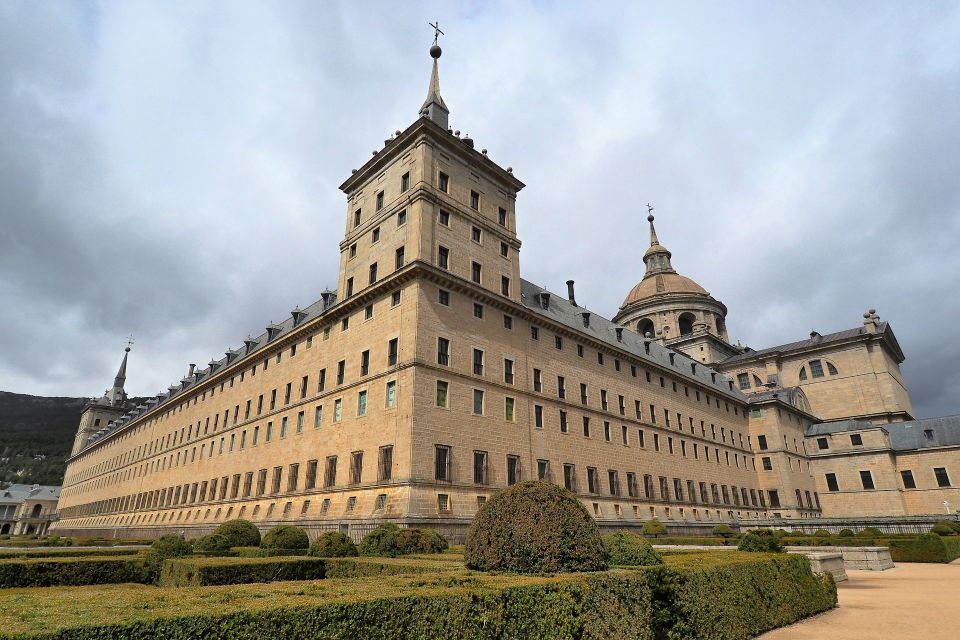
- Grill-shaped design: the layout becomes readable with a guide, not just a map.
- Basilica, Battle Hall, and Pantheon: you’ll visit major spaces in a logical order.
- Spanish Golden Age context: each room links back to the ambitions of Philip II.
- Royal Library spotlight: book collecting is treated like statecraft.
- Easy start with a blue umbrella: you’ll meet the guide at the main entrance by the Spain flag.
San Lorenzo’s 16th-Century Shape: Why the Layout Matters
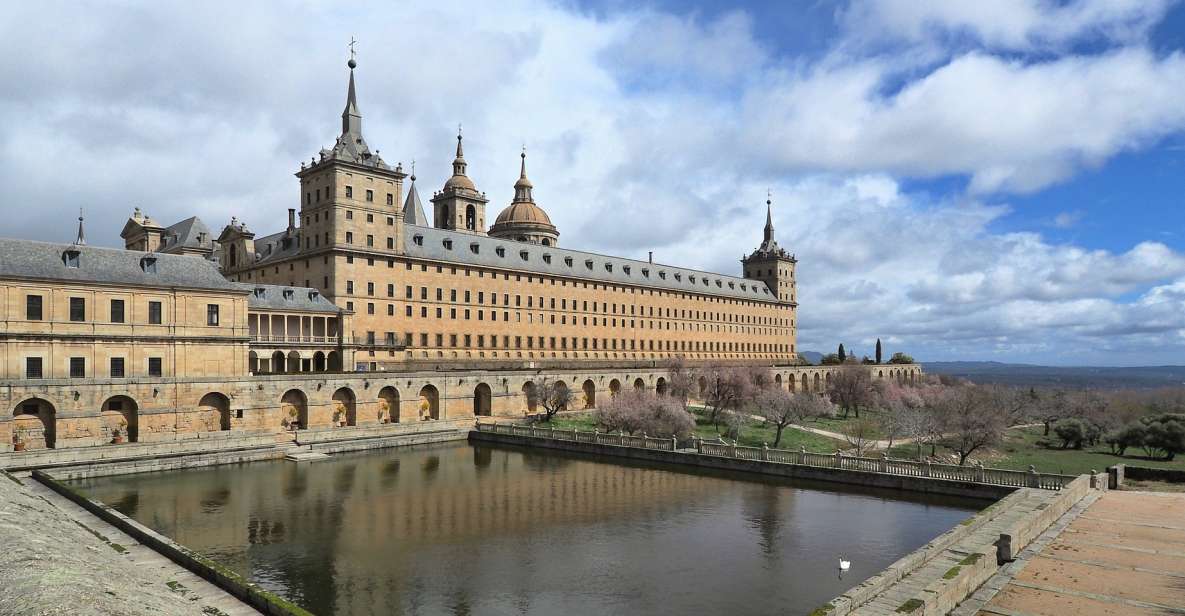
San Lorenzo de El Escorial is famous for its Renaissance design, often described as a grill-shaped complex. That sounds like a gimmick until you’re standing inside and realize the whole building is planned to communicate order, control, and faith. On a self-guided visit, it’s easy to wander for longer than you planned and still miss how the parts relate.
That’s where a guided tour earns its keep. In about two hours, you’re not trying to see everything equally—you’re learning how to read the place. A good guide connects the dots between the monumental exterior idea and what’s inside: religious spaces, ceremonial halls, and royal quarters.
The best part is how quickly you can orient yourself. Even if you don’t know Spanish well, the “why” behind each stop makes the geography stick. You start noticing patterns: where authority is staged, where worship is prioritized, and where power is displayed as culture.
You can also read our reviews of more tours and experiences in El Escorial.

Getting Oriented at the Blue-Umbrella Meeting Point
This is a tour where logistics matter, because the monastery is a working historical site with rules.
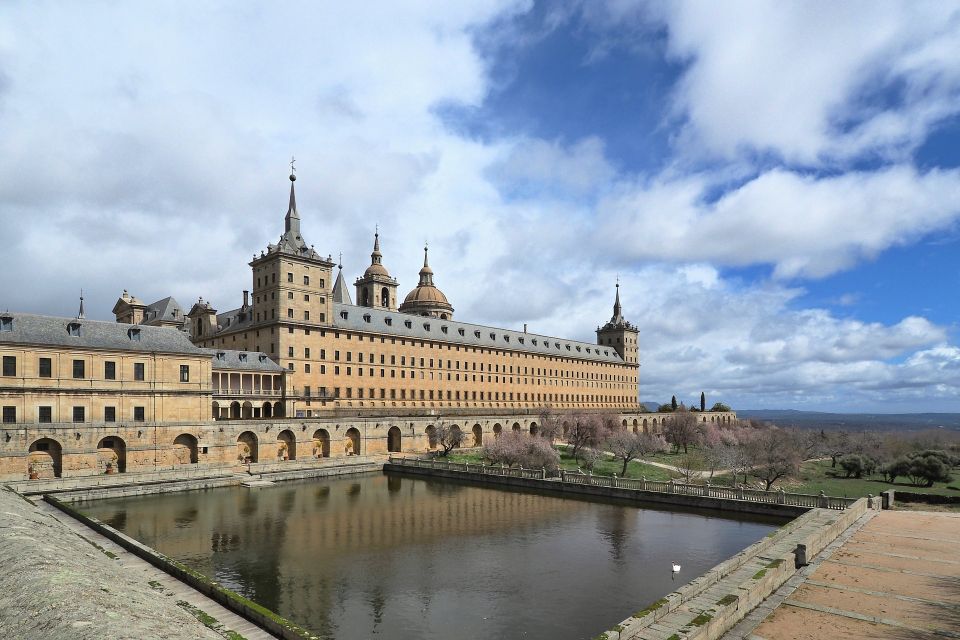
Plan to arrive 15 minutes early. You’ll need to exchange your voucher at the meeting point before the tour begins. The guide waits at the access door to the monastery—the main entrance with the Spain flag—and you’re told to look for a blue umbrella from Todo Tours.
I like this setup because it reduces the first stress. No guessing, no wandering around the wrong entrance while the clock ticks. If you’re traveling with anyone who gets anxious about meeting points, you’ll appreciate how clear the meeting direction is.
Also note the practical reality: this tour is Spanish only. If you’re hoping for English explanations, you might have a harder time catching every detail. Still, the pacing and route are built for comprehension, and many of the architectural explanations are visual even when language gets tricky.
Royal Monastery Highlights: Basilica, Battle Hall, and Pantheon
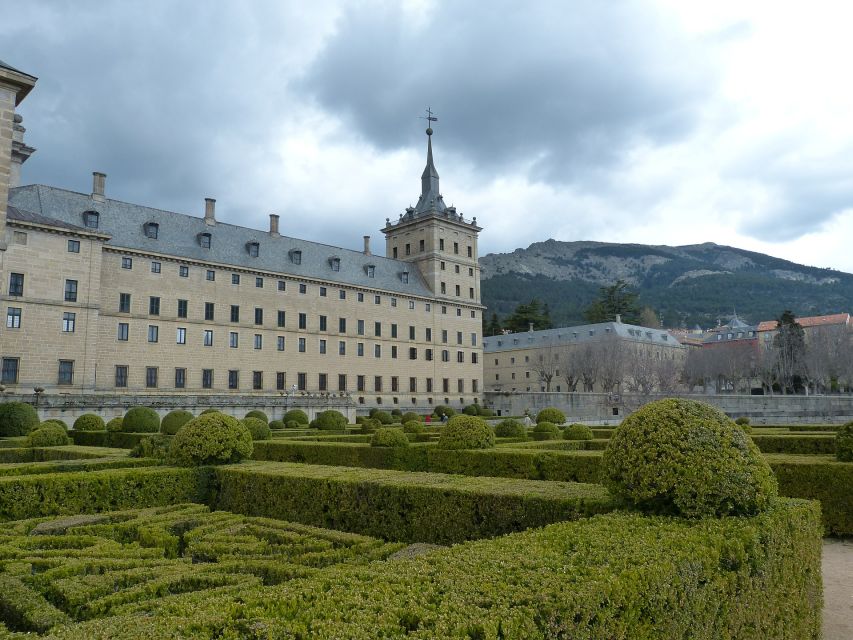
The heart of El Escorial is its ability to combine faith, politics, and spectacle in one complex. The tour route focuses on the major interior spaces that most visitors come for, including the basilica, the Battle Hall, and the pantheon.
The basilica: where spirituality becomes architecture
The basilica is the first big signal that you’re entering a serious place. Expect an environment designed for ritual and reverence, not just sightseeing. The value of a guide here is context: you’re not simply admiring stone, you’re learning what the Spanish Renaissance wanted worship to feel like—ordered, monumental, and tightly linked to the state.
The Battle Hall: power shown through memory
Next comes the Battle Hall, and this stop changes the mood. Instead of focusing on everyday devotion, it leans into how the monarchy remembered conflict and turned history into legitimacy. Even if battles aren’t your favorite topic, the hall helps you understand how Philip II’s world worked: events weren’t just fought; they were curated into meaning.
A potential drawback: if your group is tired or you’re sensitive to heavier historical themes, this part can feel intense. But for many people, it’s exactly the point—this is not a soft, cozy monastery tour. It’s a strong political statement disguised as sacred space.
The pantheon: the monarchy’s long shadow
The pantheon ties the whole experience together. It’s where the building’s story gets personal in a quiet way: this is where royal burial history lives, and it reinforces why El Escorial matters beyond architecture. You get a sense of how the monarchy wanted its legacy to be physically anchored.
If you’re the type who likes places where history feels tangible, you’ll likely spend extra seconds here after the guide moves on. The architecture does that—pulls you back in.
Philip II and the Spanish Golden Age Behind the Palatial Rooms
One reason this tour earns strong marks is how it frames the interior rooms. You’re not just walking through “pretty areas.” You learn how the Spanish Golden Age and Philip II’s reign shaped what you’re seeing.
The palatial rooms are where you can feel the mixture of monarchy and mission. These spaces are about representation: showing rank, taste, and intention. The guide’s job is to explain why certain rooms feel formal, why others feel ceremonial, and what the overall ideological message was.
This is also where the tour’s two-hour format helps. If you try to study everything independently, you can end up with a blur: too many rooms, too many labels, too many unanswered questions. With a guide, the palace spaces become legible chapters. You move from one idea to the next.
One practical tip: when you’re told what to look for, listen fast and look slowly. Don’t rush your eyes just because the route is moving. A minute spent noticing the kind of room a space is can make the rest of the tour much easier to understand.
The Royal Library: Power in Books
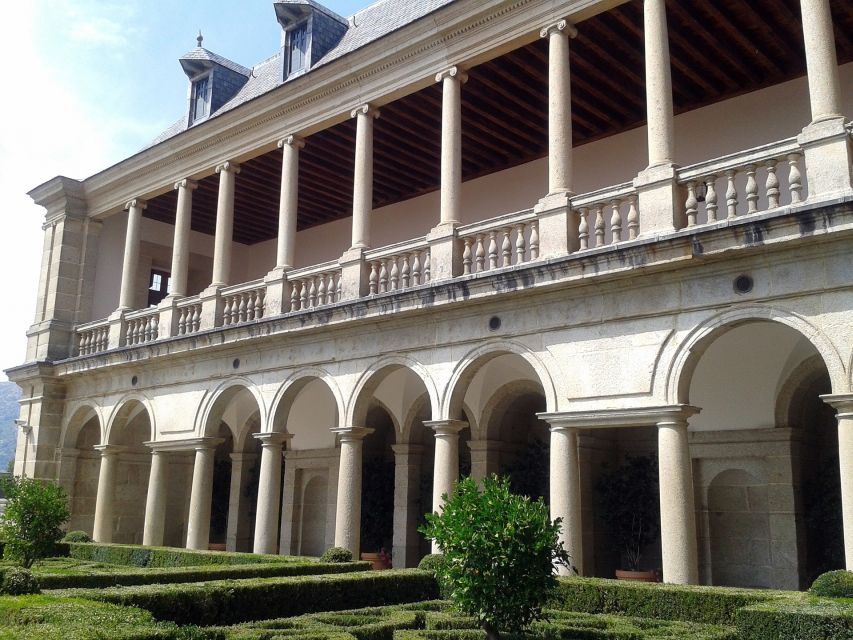
If you only care about one interior highlight, make it the Royal Library. It’s presented as a major Renaissance statement of power, and the tour doesn’t treat it like a side stop.
The key idea you’ll come away with is that Philip II collected volumes to expand humanistic knowledge. That may sound intellectual, but it’s also political. Books here represent authority: not only who rules, but what kind of learning the ruling class values.
For me, this is the most satisfying stop because it flips the usual monastery narrative. A monastery can sound purely religious from the outside. Inside El Escorial, learning becomes part of the royal mission. The library is where you see that ambition in physical form.
Two-hour tours can’t linger forever, but this one gives the library enough weight to matter. You’re guided through what the space is and why it was built into the complex at all.
Price and Value for a 2-Hour UNESCO Experience
The tour price is listed at $47 per person for two hours, including an entry ticket to the monastery and a live guide. On paper, that seems straightforward. In real life, what you’re paying for is access plus translation of complexity.
El Escorial is not a place where you’ll automatically “get it” just by walking in. The building is large and the story is layered—Spanish Renaissance ideals, Philip II’s reign, and how the monarchy used architecture and learning to project its worldview. A guided visit compresses all that into a manageable route.
Here’s the value logic I use when deciding if a guided tour is worth it:
- If you enjoy architecture and want the meaning, you’ll usually get your money’s worth in one trip.
- If you hate crowds and prefer slow wandering, you might feel the pace. At two hours, it’s not long, but it’s structured.
Also, the tour group format can affect your experience. Some people have reported very small group sizes for their language version, which can make the explanations feel more personal. Even without that, the route is designed to keep you moving through the biggest interior spaces.
Practical Rules: What to Wear, Bring, and Avoid
This is a monastery experience with real rules. You should plan your day around them.
Bring:
- A passport or ID card.
Avoid:
- Luggage or large bags
- Short skirts
- Sleeveless shirts
- Swimwear
- Any behavior that creates disruptions, since noise is not allowed
If you’re coming from the city, wear something comfortable that also meets the dress expectations. If you show up in clothing that won’t be allowed, your tour time gets stressful fast. Better to solve it before you arrive.
Is This Tour Worth It for You?
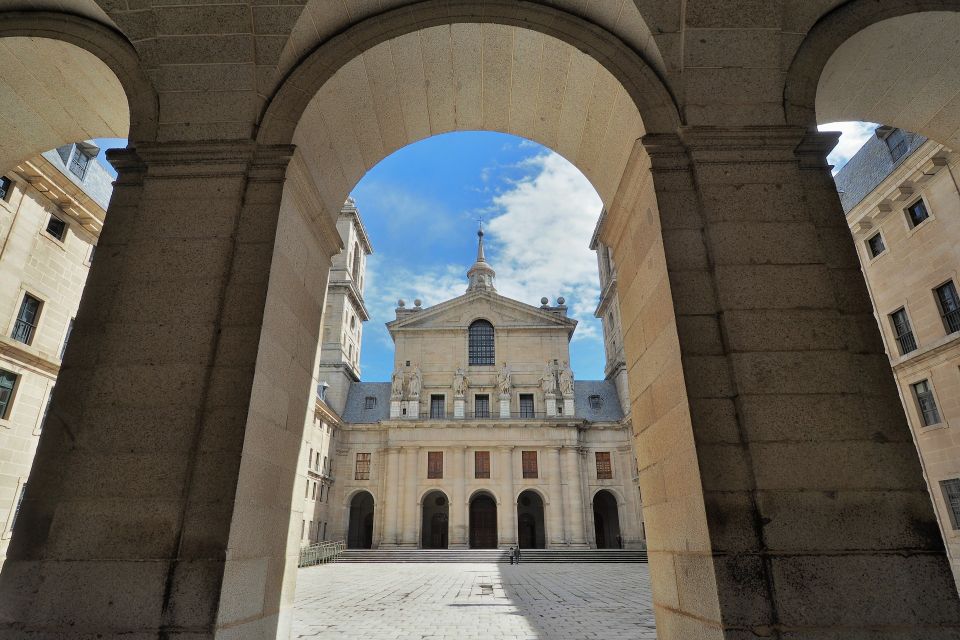
This tour suits you best if:
- You want a 2-hour, structured visit to major spaces like the basilica, Battle Hall, pantheon, palatial rooms, and the Royal Library.
- You like the idea of understanding how architecture reflects beliefs and political goals.
- You appreciate guided storytelling more than app-based wandering.
You might choose differently if:
- You prefer total independence and don’t want to follow a set route.
- You’re expecting a super light, purely scenic visit. This is history with clear ideological framing.
- Spanish-only guidance is a problem for your comfort level.
One more thing: the guides are a big deal here. People highlight guides such as Alejandro, Isabella, and Marta for clear, professional explanations and good energy. That matters because El Escorial rewards interpretation. Without it, the building can feel like impressive stone with less payoff.
Should You Book This San Lorenzo de El Escorial Tour?
Yes—if you want to leave with understanding, not just photos. For $47 and two hours, you get entry plus a focused route through the most important interior spaces, with context tied to Philip II and the Spanish Golden Age. The monastery’s layout is the kind that benefits from a guide, and the Royal Library stop alone can make the time feel worth it.
Book it if you can handle a Spanish-speaking tour and you’ll come prepared with the right clothing and without bulky luggage. If that matches you, this is a smart, high-value way to experience one of the most important Renaissance monuments near Madrid.
FAQ
How long is the guided tour?
The tour lasts 2 hours.
What is the price?
The price is $47 per person.
Where does the tour take place?
It takes place at San Lorenzo de El Escorial in the Community of Madrid, Spain.
What’s included in the ticket price?
It includes a tour guide and an entry ticket to the Monastery.
Where do I meet the guide?
Meet at the access door to the monastery, the main entrance with the flag of Spain at the top. The guide is waiting with a blue umbrella from Todo Tour.
Do I need to exchange a voucher?
Yes. You must exchange your voucher at the meeting point.
What language is the tour in?
The live guided tour is Spanish.
What should I bring?
Bring a passport or ID card.
What can’t I bring or wear?
You can’t bring luggage or large bags, and short skirts or sleeveless shirts aren’t allowed. Swimwear is also not allowed.
Is the tour wheelchair accessible?
Yes, the activity is wheelchair accessible.