REVIEW · AVILA
Avila: Cathedral Entry Ticket with Audio Guide
Book on GetYourGuide →Operated by Catedral de Ávila · Bookable on GetYourGuide
Ávila’s cathedral tells two stories at once. Step inside the oldest Spanish Gothic cathedral and you’ll see how Romanesque and Gothic design overlap in the same building. You get an audio guide so you can move at your pace and still cover the key rooms without feeling rushed.
I especially like two things: the audio guide format (you can linger where you care most), and the clear visual switch from Romanesque red-and-white stone to whiter Gothic stone as you walk through. It makes the architecture feel understandable, not like a blur of dates and names.
One consideration: you’ll still need an obligatory on-site guide for the visit, so it’s not fully independent sightseeing. Also, the loop-like route can feel a bit unclear in places, and the English audio track may be harder to follow if there’s a lot of ambient sound.
In This Review
- Key highlights at a glance
- Ávila Cathedral’s Romanesque-to-Gothic Change Is the Real Star
- Using the Ticketed Audio Guide Without Feeling Lost
- Nave Walk: Where the Cathedral Starts to Make Sense
- Chapel Circuit: Piety and Conception, Then Saint Ildefonso and Saint Teresa
- Star-Shaped Cupola Over the 13th-Century Sacristy and Treasury
- Art in the Chapels: Pedro Berruguete and Juan de Borgoña
- Cloister Finale: Ribbed Vaults and Large Gothic Windows
- Price and Value: What You Really Get for Around $11
- Timing and Practical Notes That Affect Your Experience
- Who Should Book This Cathedral Entry With Audio Guide
- Should You Book? My Decision Shortcut
- FAQ
- How long is the cathedral entry ticket valid?
- What languages are available for the audio guide?
- Is line skipping included?
- Is it wheelchair accessible?
- Are pets or food allowed inside the cathedral?
- What is the last time I can enter?
Key highlights at a glance
- See the architecture shift from Romanesque red-and-white stone to Gothic white stone
- Star-shaped cupola above the 13th-century sacristy and treasury (a standout visual)
- Art stops that matter: paintings by Pedro Berruguete and Juan de Borgoña
- Chapel visits that slow you down at spaces like Saint Ildefonso and Saint Teresa
- Finish in the cloister with ribbed vaults and large Gothic-style windows
Ávila Cathedral’s Romanesque-to-Gothic Change Is the Real Star
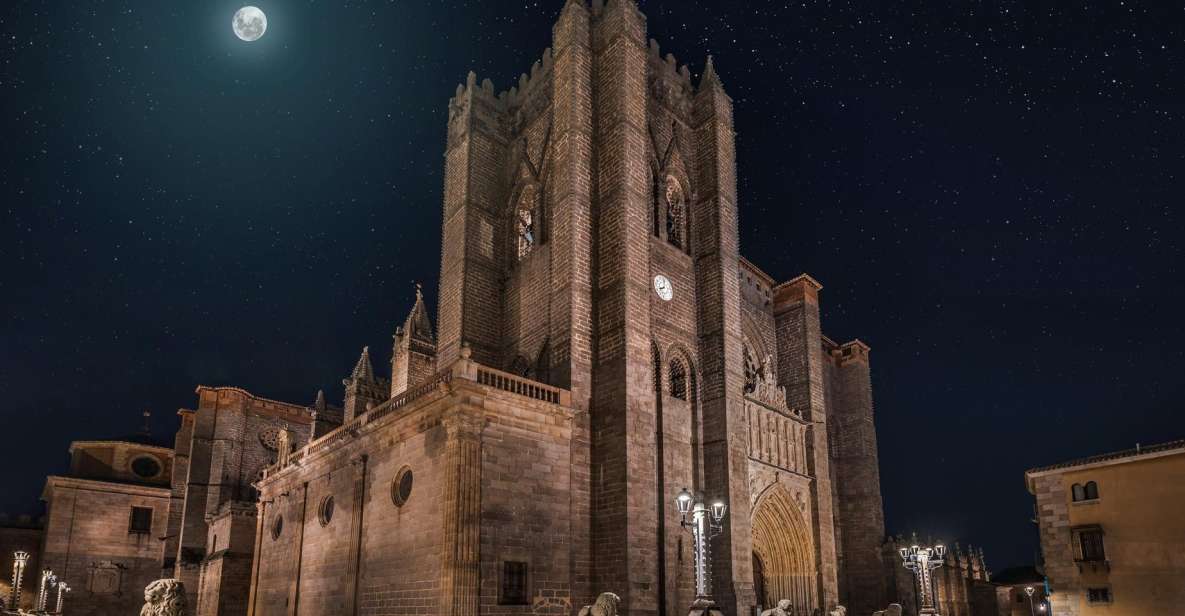
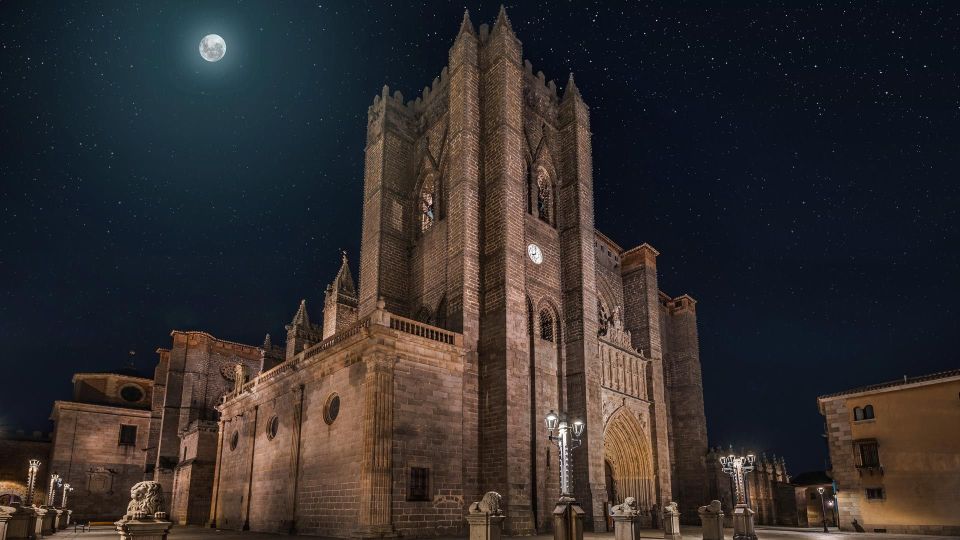
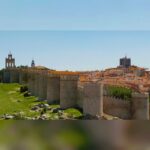
Ávila Cathedral is one of those places where you can literally watch different eras meeting. The experience starts with the cathedral’s roots: it was initially part of the city walls, so the building carries a fortified feel even before you get inside.
Once you enter, the contrast becomes the point. You’ll notice Romanesque stonework in red and white, then you’ll move into areas with whiter Gothic stone. It’s a visual learning moment you don’t need to study for. You just look up, look around, and the building explains itself better than any poster ever could.
The other big draw is the cathedral’s age and status. You’re stepping into the oldest Spanish Gothic cathedral, but it doesn’t feel like a museum piece frozen in time. The mix of Romanesque and Gothic features makes it feel like a living project that kept evolving.
You can also read our reviews of more tours and experiences in Avila
Using the Ticketed Audio Guide Without Feeling Lost
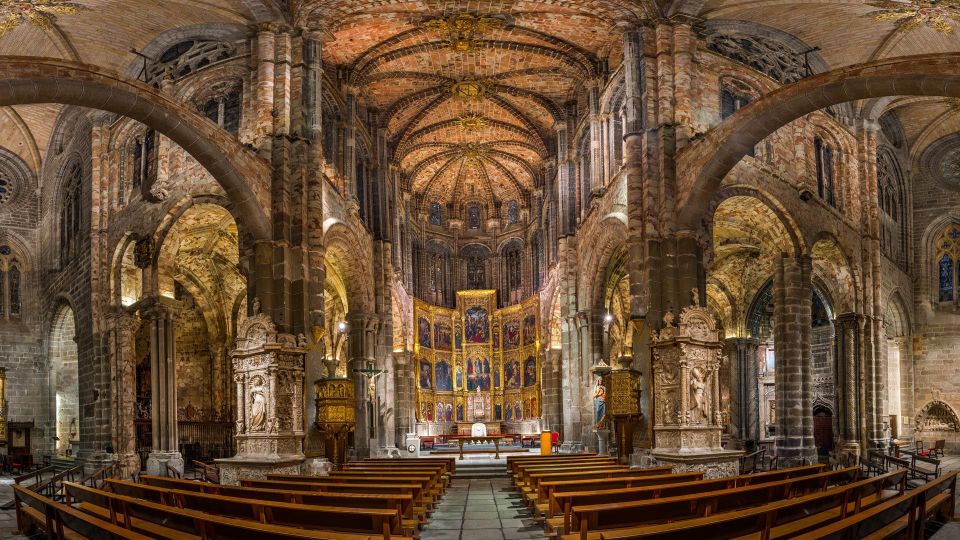
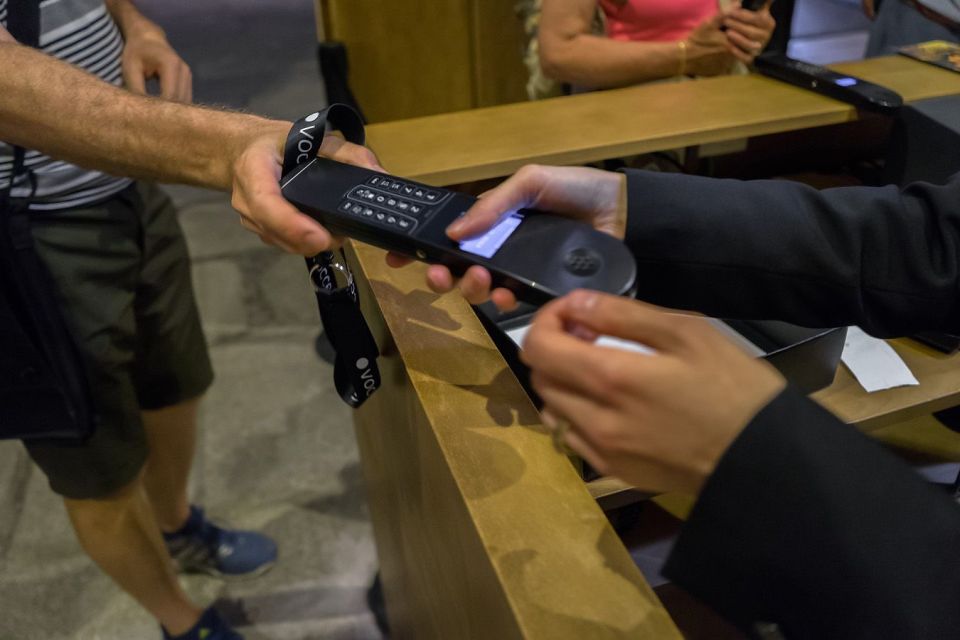
This entry ticket includes the cathedral access plus an audio guide in Spanish, English, French, and Italian. That’s a practical win because you’re not stuck with one pace or one fixed talk.
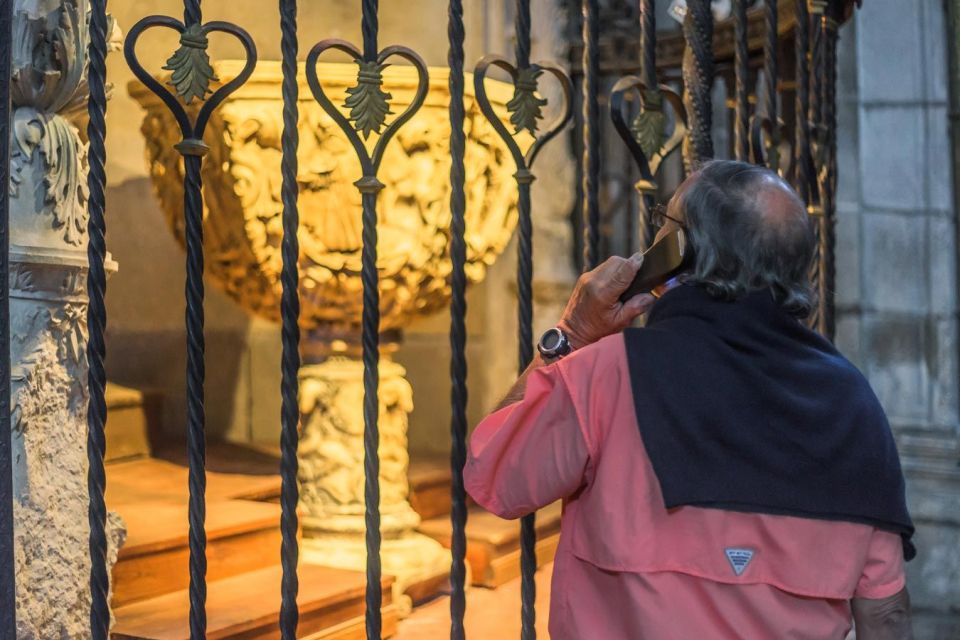
What you’ll like most is the freedom to control your timing. You can follow the route, pause at architectural details, and spend extra minutes in the chapels that catch your eye. The audio guide is also a good safety net in a building where directions can feel less obvious than you expect.
That said, don’t assume it’ll be perfectly intuitive everywhere. One issue that comes up is that the loop route can be unclear in certain sections. My advice: give yourself permission to slow down early, before you’re already deep into the building. Once you understand the flow, you’ll relax and enjoy the stops more.
And because entry for visitors requires an obligatory guide, you’re not doing this blind. Use the on-site guide like a “human map.” If you’re unsure which room is most important for you, ask early and then let the audio take over.
Nave Walk: Where the Cathedral Starts to Make Sense
Your walk begins after you arrive at the cathedral, then move inside to follow the main interior spaces. A key part of the experience is how the cathedral’s design shift becomes noticeable as you go forward—especially along the nave.
As you walk through, pay attention to what the stones are doing. The Romanesque areas tend to read as heavier and more structured, while the Gothic parts feel brighter and more vertically minded. The audio guide helps you link those impressions to what you’re actually seeing, instead of guessing.
You’ll also be guided toward the chapels of piety and conception. These are the kinds of spaces where the building’s purpose becomes clear: this wasn’t just architecture for architecture’s sake. It’s religious art and devotion, arranged so you can move from one focal point to another.
Chapel Circuit: Piety and Conception, Then Saint Ildefonso and Saint Teresa
The chapels are where you start to feel the cathedral as a sequence of “moments,” not just a hallway of rooms.
The chapels of piety and conception help you reset your focus. They’re a transition space: you step in from the main nave energy and into more intimate corners. If you’re the type who gets lost in big rooms, this is where you’ll feel your bearings again.
Next comes the Chapel of Saint Ildefonso and Saint Teresa. This is one of those stops worth slowing down for because it ties the emotional side of the cathedral to the visual details. Let the audio guide set the scene, but also take a moment to look on your own—notice how the light and surrounding stonework shape what you see in the chapel.
If you’re visiting with an on-site guide, this is a great time to ask a simple question like what the most unusual feature in the chapel is. In experiences where the guide is someone like Vanessa, people describe her as accommodating and good at pointing out less obvious aspects of the cathedral’s story—use that talent.
Star-Shaped Cupola Over the 13th-Century Sacristy and Treasury
If I had to pick one single “stop and look up” moment, it’s the star-shaped cupola. It sits above the 13th-century sacristy and the treasury, which means it isn’t just decorative. It’s tied to important spaces where the cathedral stored and preserved.
A star-shaped cupola is not the kind of detail you expect to see just anywhere. This makes it a high-impact visual even if you’re not a die-hard architecture fan. When the audio guide points you toward it, you’ll understand what you’re looking for, but the main payoff is still the sight itself: the pattern and shape above you.
This is also a good section to take your time. Don’t rush through just because it’s one more room. You’re moving into a part of the cathedral where the setting rewards patience.

Art in the Chapels: Pedro Berruguete and Juan de Borgoña
Architecture will get your attention first, but the cathedral’s art is what makes it stay with you afterward.
As you continue through the chapels, you’ll reach highlights featuring paintings by Pedro Berruguete and Juan de Borgoña. These are names you don’t always see on quick sightseeing itineraries, so it’s satisfying when the cathedral gives you more than empty rooms and stone walls.
Practical tip: don’t try to “speed read” the audio guide during the art stops. Give it one listen for context, then look again on your own for a minute. Art like this tends to land better when you’re not multitasking.
If you’re sensitive to audio clarity, keep an ear out. One reported drawback is that the English audio track can be harder to follow in some areas where the sound environment is busy. You might find it works better if you pause briefly, step away from noise, and then restart the listening from where you left off.
Cloister Finale: Ribbed Vaults and Large Gothic Windows
The visit ends in a calmer zone: the cloister. This is where the cathedral feels less like a formal monument and more like a quiet interior world—peaceful, open to light, and designed for contemplative movement.
In the cloister, focus on the ribbed vaults and the large Gothic-style windows. These elements help you “feel” Gothic style even if you don’t know all the technical terms. Ribbing draws your eye along the ceiling lines. The windows bring brightness into the space, which makes the architecture feel airy compared with the heavier Romanesque sections.
If you’re short on time, don’t skip the cloister just because you’ve already seen the big highlights. This is the part that turns the visit from a list of rooms into a sequence with an emotional landing.
Price and Value: What You Really Get for Around $11
At about $11 per person, this ticket stacks up well for what’s included. You’re paying for two things that usually cost extra in practice: admission access to a major cathedral site, plus an audio guide to help you understand what you’re seeing.
The value is strongest if you have any of these situations:
- You want to see more than the first “wow” and actually connect the dots.
- You’re visiting with limited time and don’t want to depend on luck for a good guide moment.
- You like moving at your pace, especially when architecture and chapels are involved.
Could it be less ideal? If you’re expecting a fully live, narrated tour for every second, you may feel the self-paced part more strongly. But the audio guide plus the required on-site guide gives you a hybrid that works for most people.
Also, this is a valid 1-day ticket, which helps if your schedule gets slightly scrambled. You’re not locked into one tiny window.
Timing and Practical Notes That Affect Your Experience
A few on-site realities can change the rhythm of your visit.
First, the schedule may be subject to change due to liturgical events. That doesn’t mean you’ll lose your chance to see everything, but it can shift access or timing in some areas. If you’re going at a busy time, build in flexibility.
Second, last access is 30 minutes before closing. Plan to be moving toward the end, especially if you want time in the cloister. If you wait until the last stretch to slow down, you’ll feel rushed when you should be savoring.
Third, there are clear rules inside. You can’t bring pets, and you’re not allowed to smoke, eat or drink, use flash photography, or do video recording. It also bans alcohol and drugs. Basically: go in ready to look, listen, and behave like a respectful guest in an active religious site.
Finally, this is listed as a private group experience type. That often means you can get attention more easily than in a huge crowd. Even with audio, that human support matters when you hit a tricky signage moment.
Who Should Book This Cathedral Entry With Audio Guide
This is a strong fit if you like any of the following:
- You care about architecture details and want to understand the Romanesque-to-Gothic shift
- You want a cathedral visit you can tailor by time and interest
- You enjoy art stops and want help placing what you’re seeing
- You prefer learning through listening rather than reading wall text
It’s also a good choice if you’re traveling in a small group and want a smoother visit than a large-bus format. And since the audio guide includes multiple languages (Spanish, English, French, Italian), it’s workable for mixed-language groups.
If you dislike self-paced experiences, you might want to focus on the on-site guide Q&A more heavily. But if you’re comfortable walking and listening, this setup clicks.
Should You Book? My Decision Shortcut
Book it if you want the cathedral’s major visual and art moments covered in a way that feels under your control. The audio guide plus access helps you do more than “see the building”—it helps you interpret the shift in stonework, find the star-shaped cupola, and land calmly in the cloister.
Skip or consider something else if you need a tightly structured, fully live narration from start to finish. Also think twice if English-only audio is your choice and you’re easily distracted by sound in quiet rooms, since the English track may be harder to follow in some sections.
If you’re visiting Ávila and want one dependable cathedral experience that pays off quickly, this is an easy yes.
FAQ
How long is the cathedral entry ticket valid?
The ticket is valid for 1 day. You’ll want to check available starting times to match your schedule.
What languages are available for the audio guide?
The audio guide is available in Spanish, English, French, and Italian.
Is line skipping included?
Yes. The ticket includes skip-the-ticket-line entry.
Is it wheelchair accessible?
Yes, wheelchair access is listed.
Are pets or food allowed inside the cathedral?
No. Pets and food or drinks are not allowed.
What is the last time I can enter?
Last access is 30 minutes before closing.